

Larry David built Curb Your Enthusiasm on a single, devastating premise: social contracts are arbitrary, and someone needs to say so. Running since 2000, the show follows Larry through the mundane catastrophes of upper-class Los Angeles life, where a misread invitation, a parking dispute, or a minor conversational slip spirals into a full-scale social disaster by the end of the episode. The genius is not in the jokes but in the logic. Larry is never quite wrong. He is just the one person in the room who decided not to pretend. If you love the show, you love a very particular frequency of comedy: the cringe that comes from recognition, the satisfaction of a perfectly closed loop, and the strange warmth underneath a surface of relentless grievance.
Essential Curb Your Enthusiasm
The seasons and standout arcs that define the show

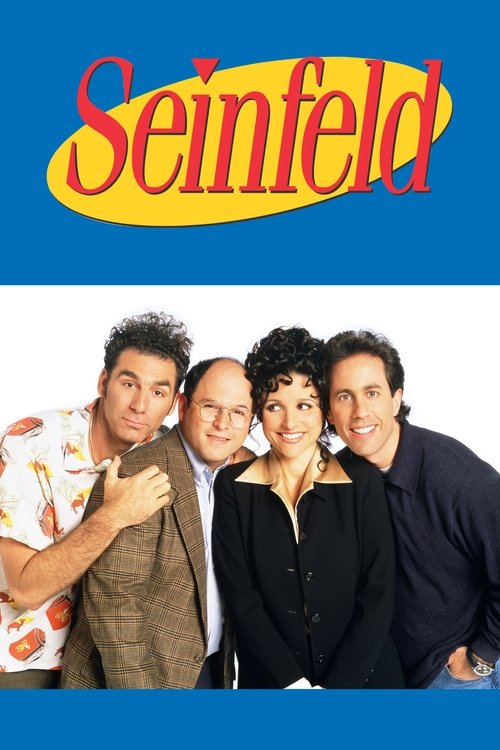
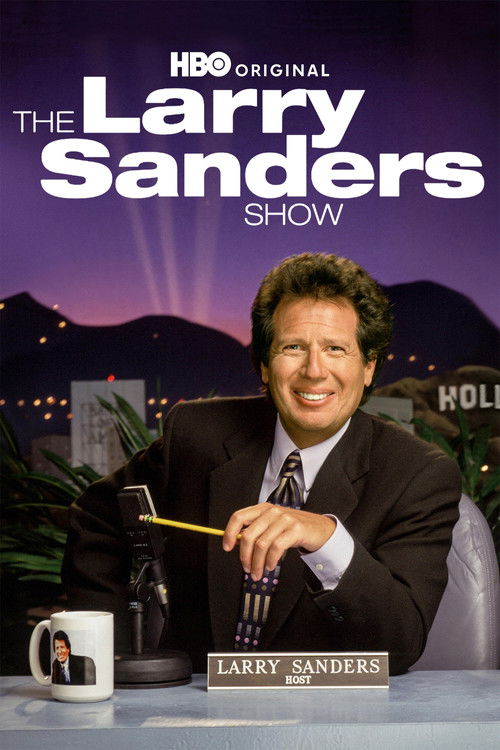
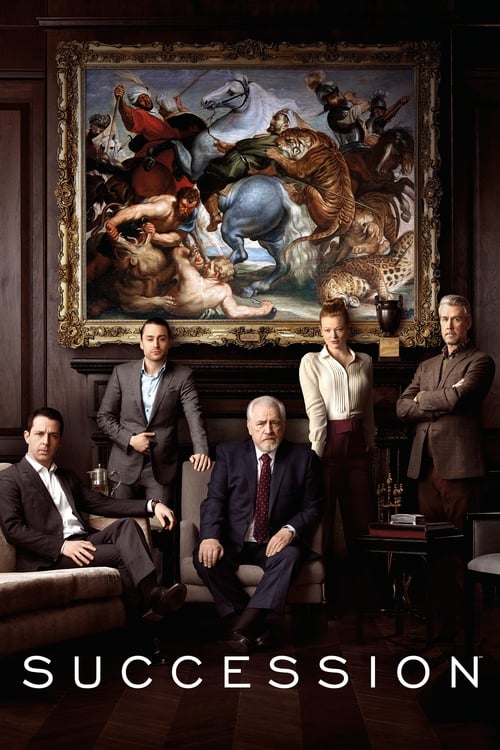
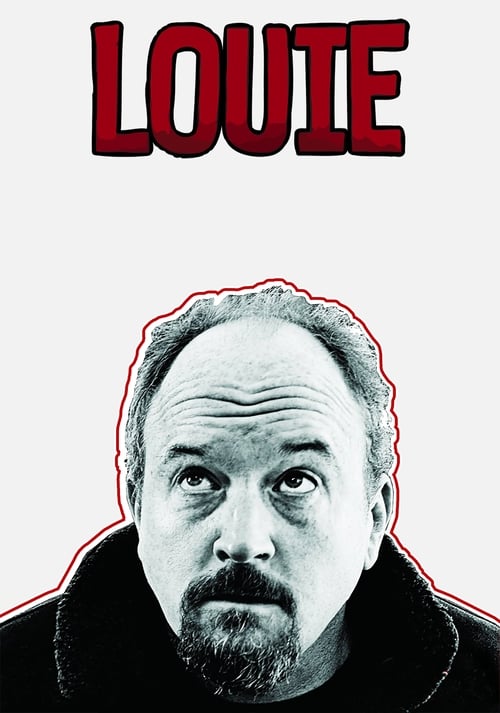
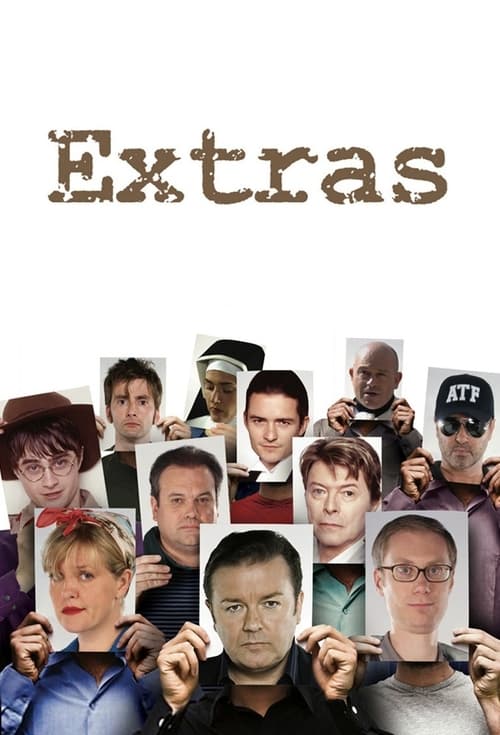
If You Love the Social Minefield: Series
Shows that find comedy in awkwardness, unwritten rules, and people who refuse to play along
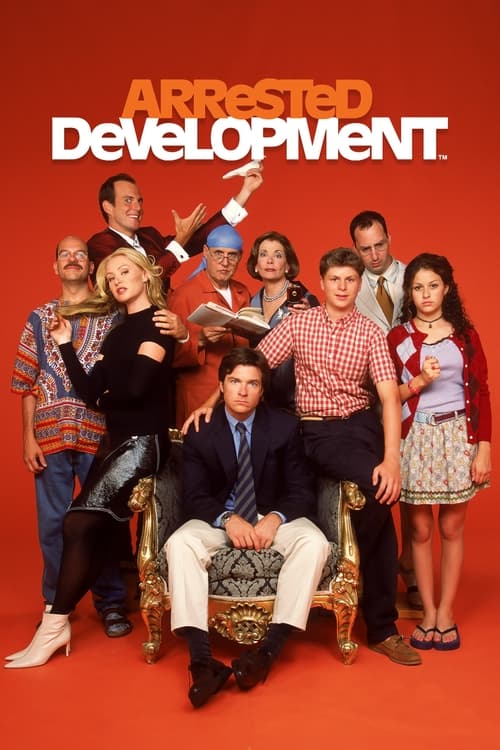

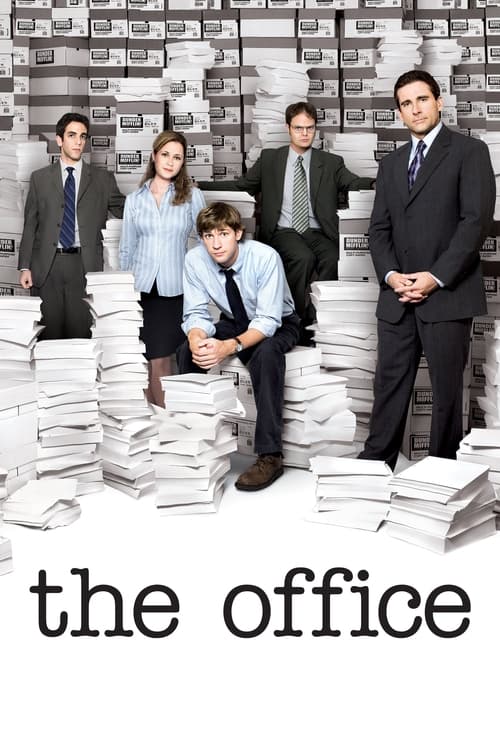




If You Love the Comic Logic: Films
Movies built on awkwardness, comedic inevitability, and characters who cannot help themselves

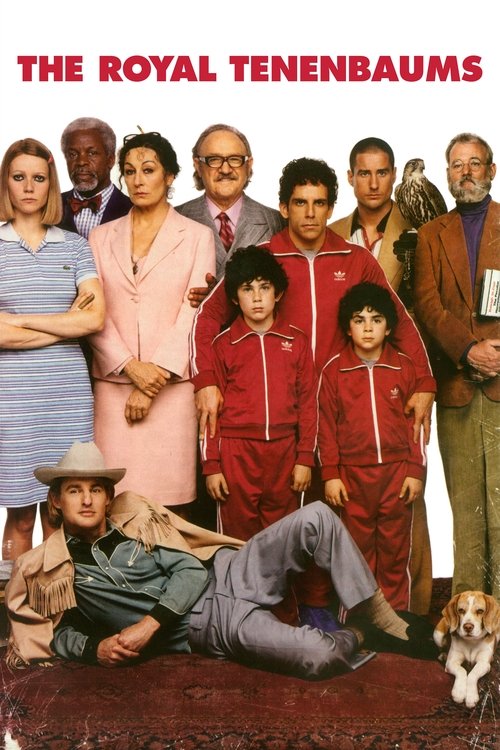
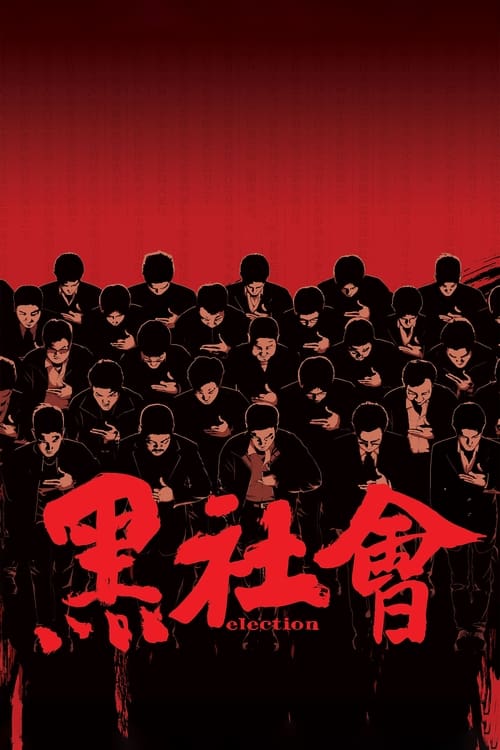


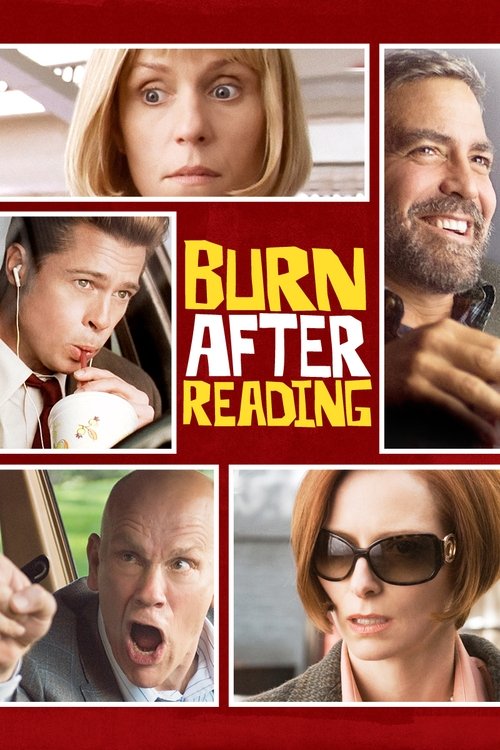
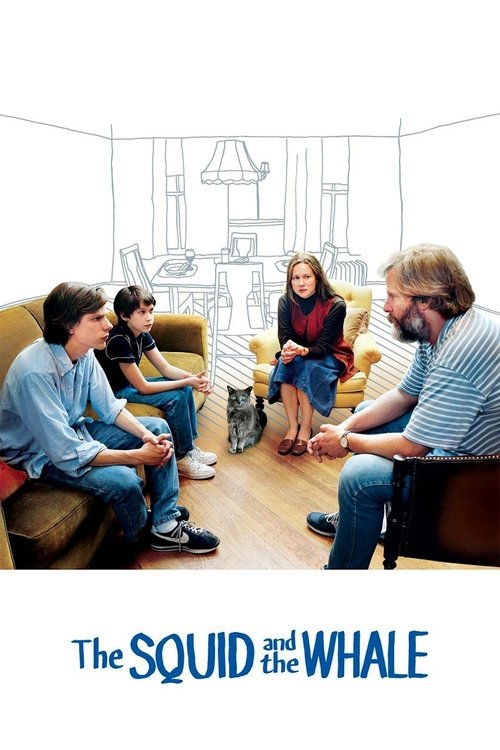

If You Love the Inner Monologue: Books
Novels and essay collections that put you inside the mind of someone who notices everything and forgives nothing


If You Love the Chaos of Ordinary Life: Games
Games where social failure, absurd escalation, and the inability to leave well enough alone are the whole point






The Closed Loop Is the Whole Art Form
Curb episodes are constructed like watches. A detail introduced in the cold open will close the episode, but the connection is never announced. You either catch it or you don't. This structural discipline is borrowed from Seinfeld (Larry David co-created and wrote for that show for nine seasons), but Curb applies it to situations that are messier, more personal, and often crueler. The craftsmanship is the comedy. When the loop closes, the laugh is partly at the characters and partly at the pleasure of a machine working perfectly.
Larry Is Not the Villain. He Is the Mirror.
The show is often read as being about a selfish, socially oblivious man causing chaos. That reading is comfortable. The less comfortable reading is that Larry is almost always correct on the merits, and the chaos comes from a world that has agreed, quietly, to prioritize feelings over facts. His refusals to go along, to pretend not to notice, to absorb a social slight without comment, read as antisocial. They are also, quietly, a form of radical honesty. The show holds both readings at the same time without resolving them.
The Improvised Surface, the Rigorously Plotted Core
Curb is shot semi-improvisationally: the cast knows the scene's purpose and outcome but invents the specific dialogue. This gives the show its texture of real conversation, the kind where two people talk past each other for twenty seconds before arriving at the actual point. But underneath that freedom is a tightly written outline. Every episode is plotted in detail before cameras roll. The improvisational feel is earned by the structure beneath it, not despite the structure. Shows like Atlanta and Barry use a similar technique: genre or tonal freedom built on precise plotting.
Woody Allen Did It First, and Larry David Knew That
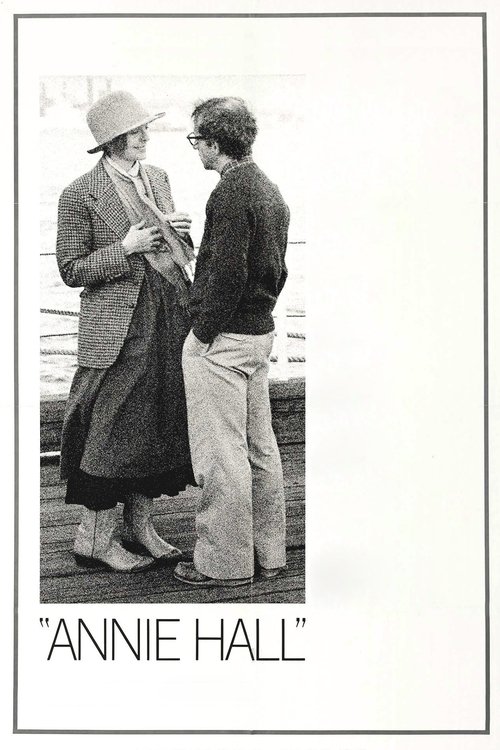
The neurotic, self-aware New York intellectual male as comedy protagonist has a long genealogy: Woody Allen's films of the 1970s and 1980s, especially Annie Hall and Manhattan, gave that archetype its definitive screen form. Larry David inherited that tradition and relocated it to Los Angeles, which changes the register. Allen's neurotics are literary, self-lacerating, romantic. Larry's are transactional, correct, and unrepentant. The comparison illuminates both. Watching Annie Hall after a Curb marathon is a revelation about how the same anxious voice can produce very different comedy depending on what it wants.
The Shape of the Run
- 1989Larry David co-creates Seinfeld with Jerry Seinfeld, writing and producing through 1996 Seinfeld
- 1998Larry David's stand-up special 'Larry David: Curb Your Enthusiasm' airs on HBO, the direct predecessor to the series
- 2000Curb Your Enthusiasm premieres as a full series on HBO, Season 1 Curb Your Enthusiasm
- 2004The Season 4 Producers arc introduces the within-show musical, deepening the meta-fictional layer
- 2009After a six-year hiatus, Season 7 reunites the Seinfeld cast in a show-within-the-show storyline
- 2017Season 9 returns after a five-year break, updating the show's social targets for a new era
- 2024Season 12 airs as the final season, closing the series after 24 years
Cringe comedy and neurotic social disasters
For Fans of Seinfeld
Explore the For Fans of Seinfeld guide →A good episode of Curb feels less like watching television and more like watching someone say, very clearly, the thing you have always thought but would never say. The laugh is mostly relief.CrossBinge