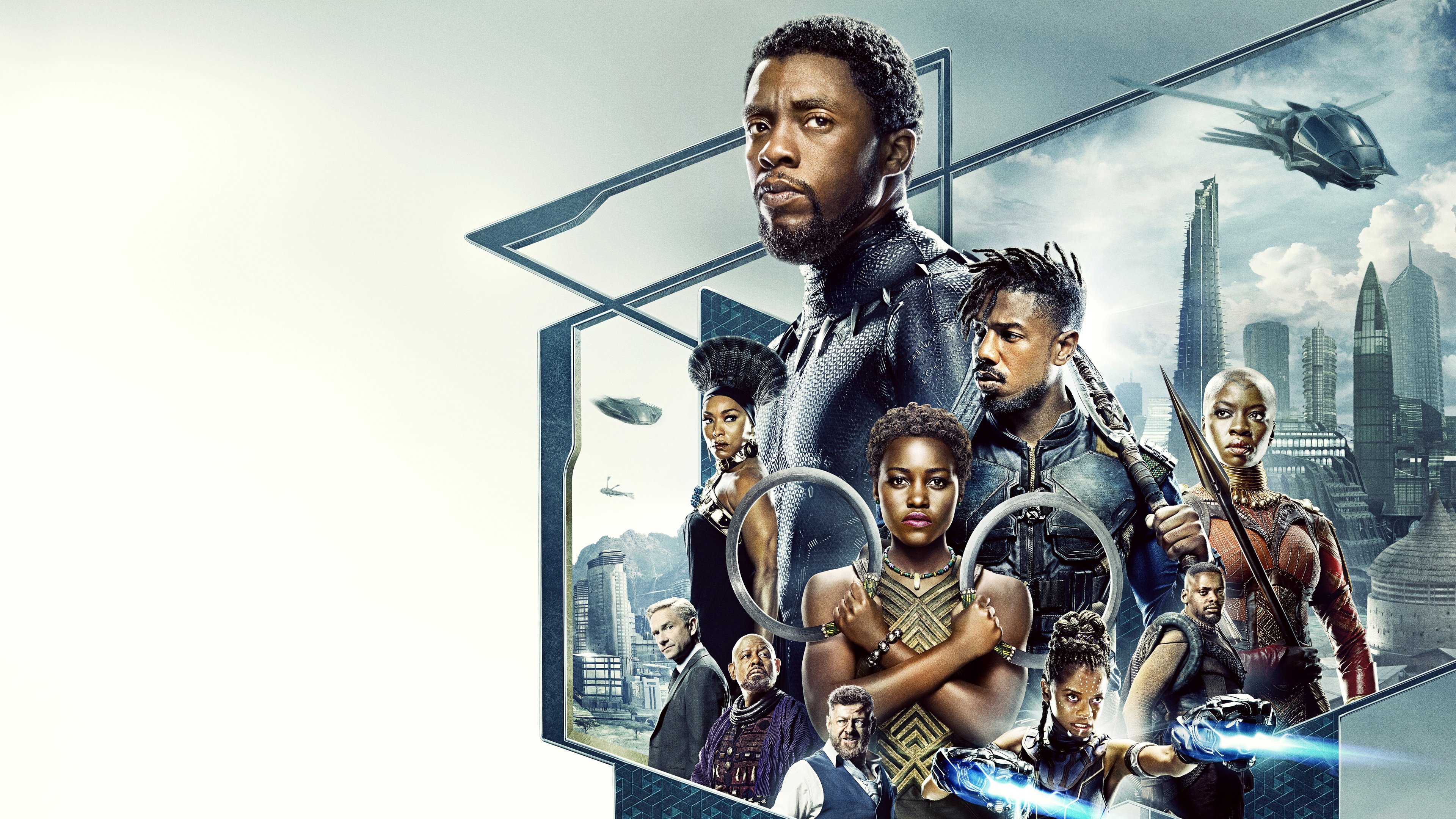

Daniel Kaluuya built his name playing people who are the smartest person in the room and can't say it out loud. Whether he's a Black man trapped at a dinner party in Connecticut, a Judas in the Chicago streets, or a grief-stricken brother staring at a sky that won't give up its secret, his signature is controlled pressure: emotion contained until it has nowhere left to go. He came up through British youth TV (Skins), landed his first Hollywood lead in Get Out, and won the Academy Award for his Fred Hampton in Judas and the Black Messiah. The through-line fans keep chasing is that tension between intelligence and powerlessness, and the catharsis when one finally breaks the other.
Essential Daniel Kaluuya
His own best work, ranked by impact

Same Skin-Crawling Social Dread
Films and series that put a protagonist in hostile territory and let the silence do the work
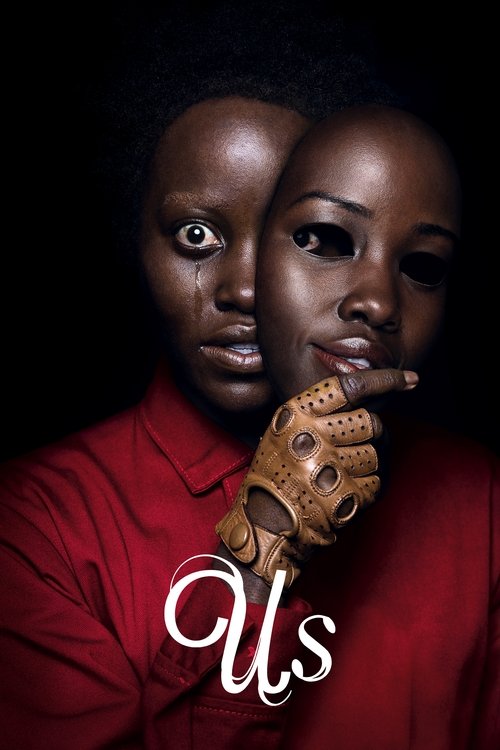
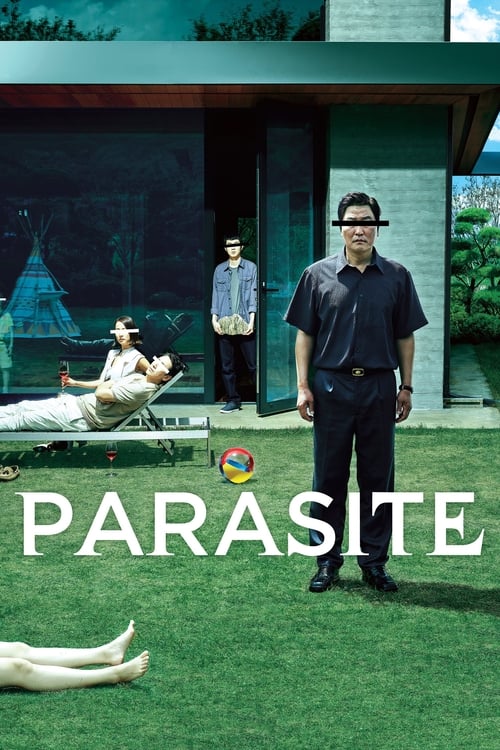
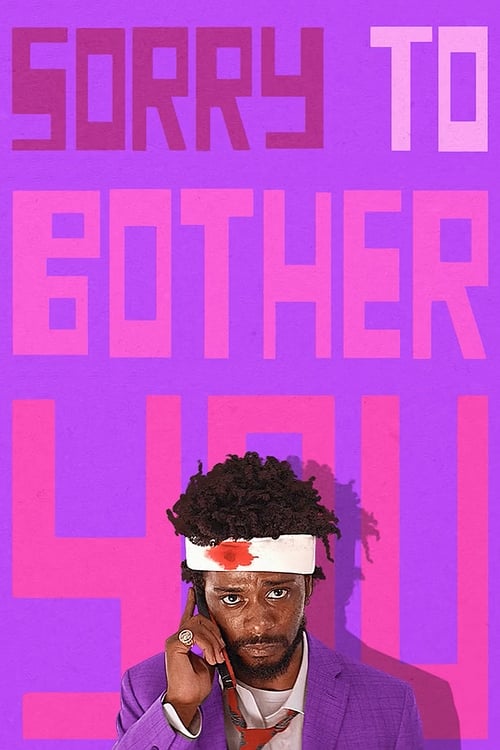

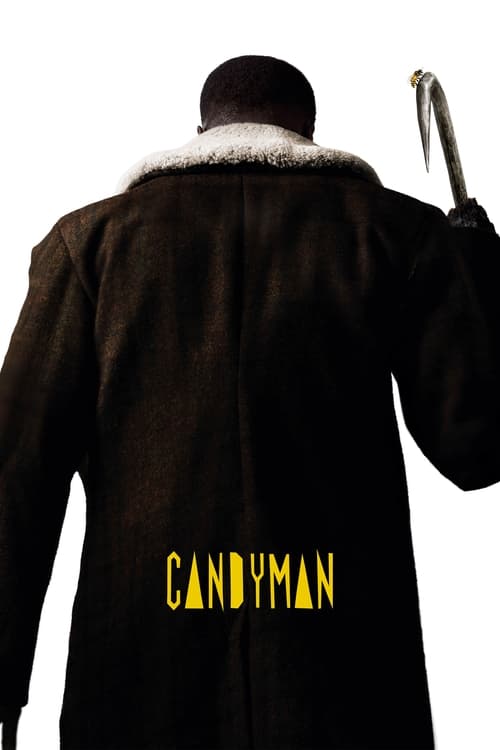
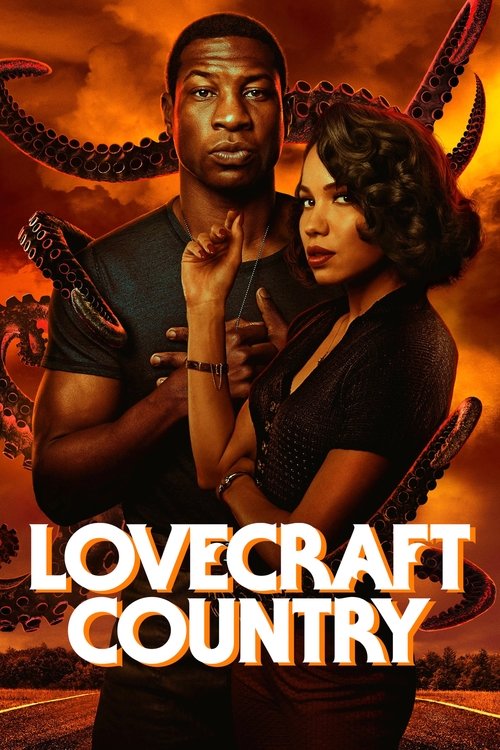
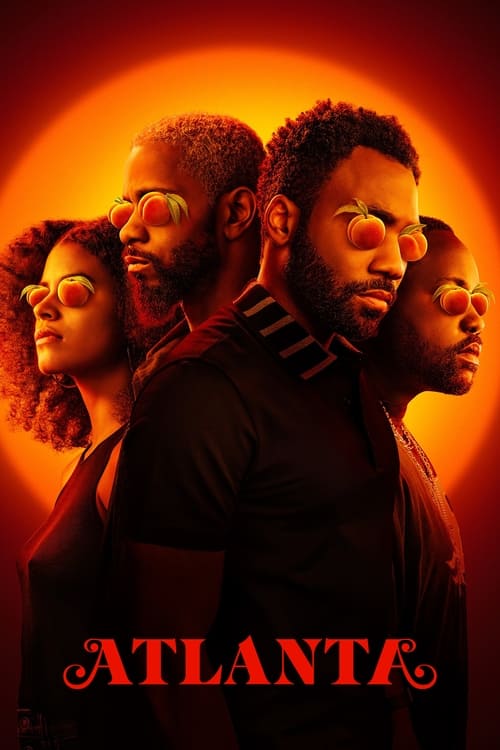
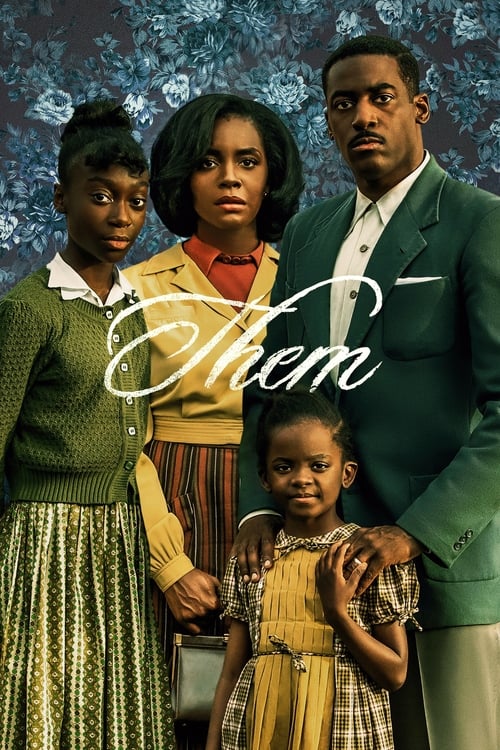
Quiet Fury: Same-Register Performances
Actors who hold it all in until they can't



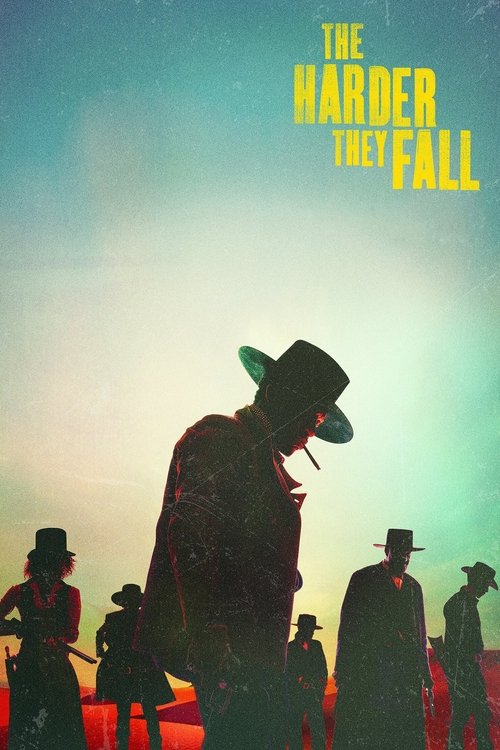

The Novels Behind the Dread
Books that share Get Out's paranoia and Judas's political electricity


Games That Put You in the Wrong Room
Playing a character who can't trust the environment, with stakes that feel real

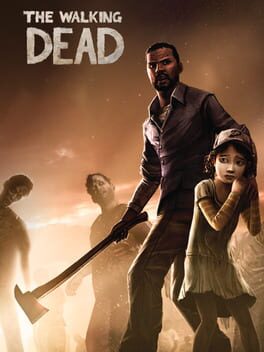
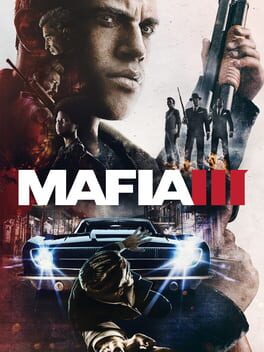
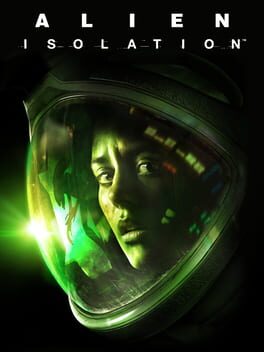
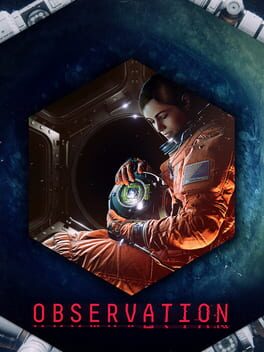
Get Out Is the Film Jordan Peele Spent a Career Earning
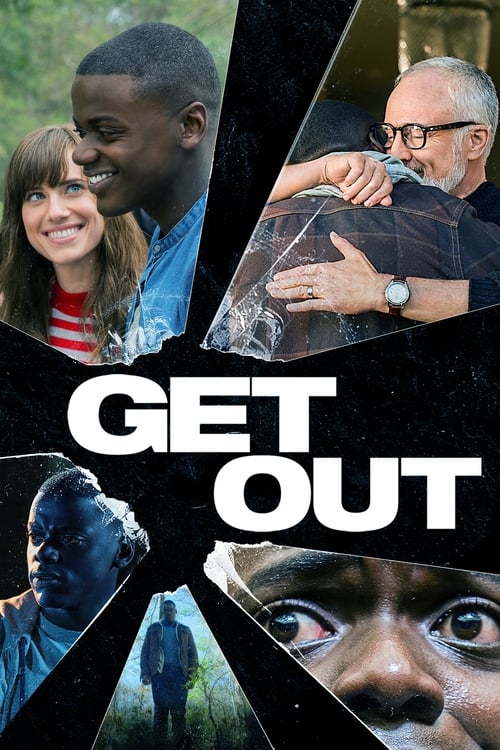
Peele's debut works because Kaluuya refuses to play Chris as a victim from the first frame. He plays him as someone making continuous rational decisions inside an irrational situation, which makes the horror more suffocating than any jump scare. The Sunken Place is the film's sharpest idea: a metaphor for the particular paralysis of being dismissed by people who claim to admire you. The film earned Kaluuya his first Oscar nomination and the discourse hasn't stopped since.
Fred Hampton Is the Role Kaluuya Was Built For
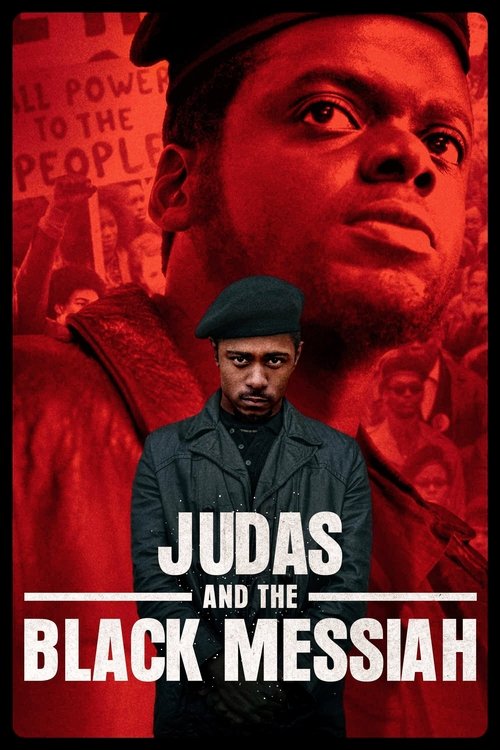
The challenge of playing Fred Hampton is that Hampton was charismatic in a way that seems unbelievable on paper: he unified Chicago's Black Panthers, the Young Patriots, and the Brown Berets in his mid-twenties. Kaluuya doesn't play him as a saint. He plays him as someone who had figured out something specific about power, and was going to say it regardless of the consequences. The Oscar win felt less like Hollywood catching up and more like the Academy acknowledging the film wouldn't let them look away.
Nope Asks What We Actually Owe to Spectacle
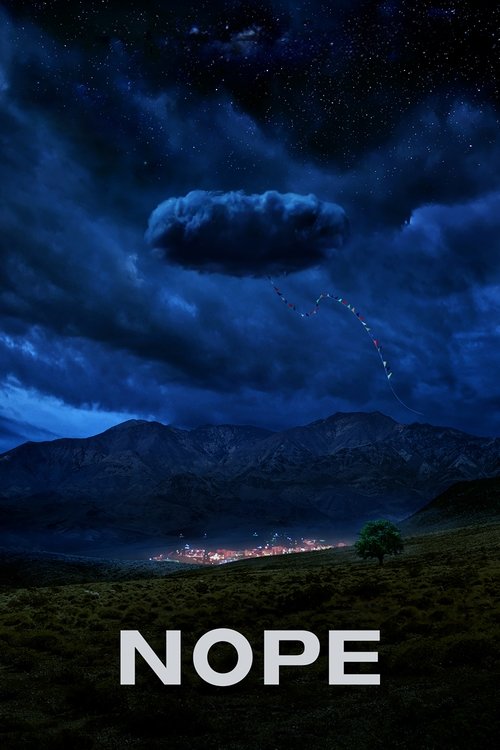
Nope is the Kaluuya performance that gets the least credit, precisely because it's the most internal. OJ Haywood barely speaks. He communicates through posture, timing, and the fact that his horse always trusts him, which tells you everything about how he moves through the world. The film is Peele's most formally ambitious and its meditation on spectacle and exploitation runs directly through who gets to be the subject of the camera versus who is required to perform for it.
Skins Was Where He Learned to Hold the Room
Before Hollywood, Kaluuya spent four years on Skins playing Peckham, a recurring character who was mostly written as comic relief and turned it into something quieter and more interesting. It's the training ground for everything that followed: how to be watchable while doing very little, how to make a supporting role feel like a lead, how to stay grounded in a scene designed to be chaotic. British TV gave him the toolkit.
Kaluuya's Arc
- 2007Debut on Skins as Peckham, a recurring cast member on the groundbreaking Bristol-set teen drama Skins
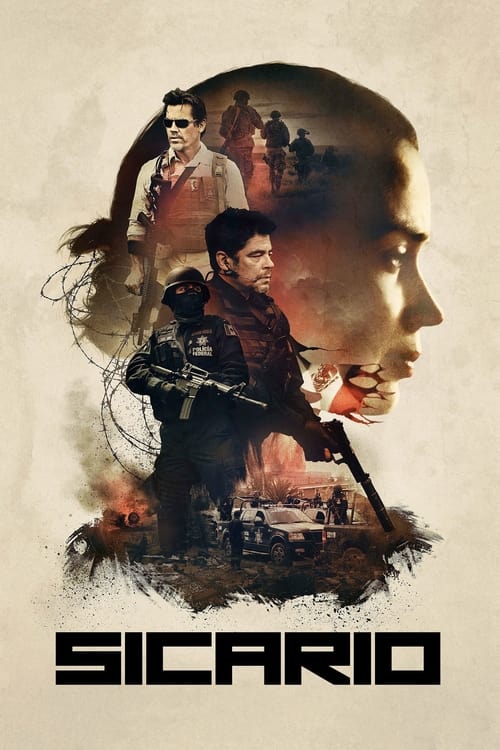
- 2015First major Hollywood appearance in Sicario, holding his own opposite Emily Blunt and Josh Brolin Sicario
- 2017Get Out breaks through: first Oscar nomination, global recognition as a leading man Get Out
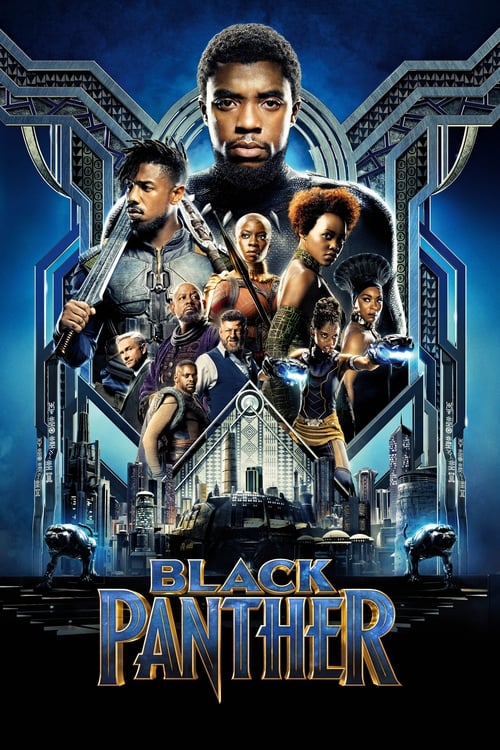
- 2018Joins the MCU as W'Kabi in Black Panther, the highest-grossing superhero film at the time Black Panther
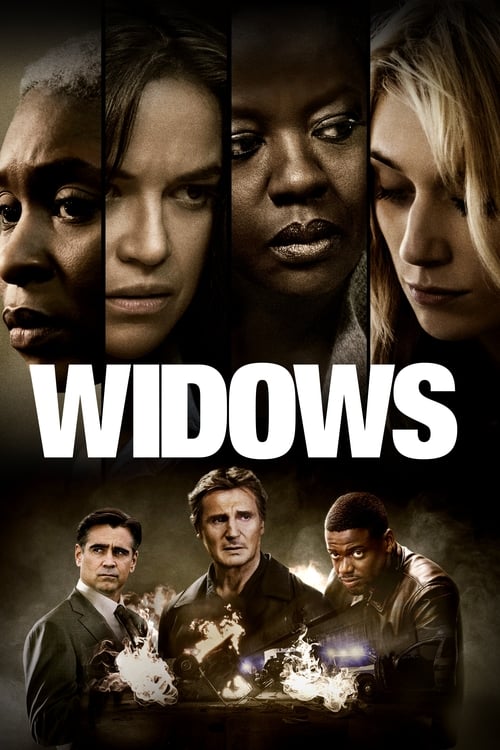
- 2018Supporting role in Widows, Steve McQueen's tightly wound heist film set in Chicago Widows
- 2021Wins the Academy Award for Best Supporting Actor for his portrayal of Fred Hampton Judas and the Black Messiah
- 2022Nope: his quietest and most enigmatic performance to date, Peele's third collaboration Nope
Social dread, horror, and fierce performances
For Fans of Jordan Peele
Explore the For Fans of Jordan Peele guide →He plays people who are watching everything, saying very little, and costing you nothing until the moment they cost you everything.CrossBinge editors