
There is no horror quite like the discovery that the voice in your head is not your own. Every other monster comes from outside. This one arrives wearing your face, using your hands, speaking in your accent, and the worst of it is that you cannot tell where you end and the programming begins. That is the engine under every story in this guide: not possession by a demon but the quiet, surgical theft of the will, and the slow dawning that the loyal soldier, the perfect wife, the contented citizen has been built rather than born.
The fascination is old and it is political. The word brainwashing itself was coined during the Korean War, when American POWs came home repeating their captors' slogans, and the Cold War turned the fear of the hijacked mind into a genre. From there it spread everywhere: into the dystopian novel, where the state edits thought itself, into the cult documentary, where a charismatic man rewrites a hundred lives, into the video game, where the twist is that you, the player, were taking orders the whole time. What follows is a tour of the films, shows, games, books and records that ask the same unbearable question. How would you know?
Essential mind control
The canon of hijacked wills across every medium



The Manchurian Candidate is still the one to beat
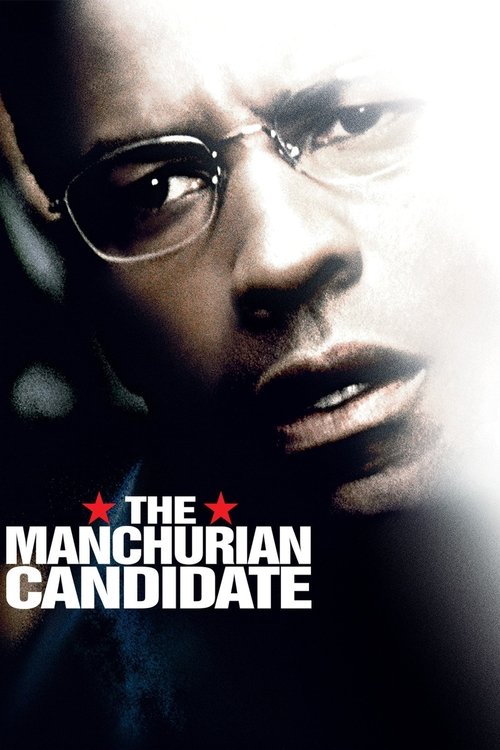
John Frankenheimer's 1962 film, adapted from Richard Condon's novel, did the whole thing first and arguably best. A platoon is captured in Korea, conditioned by a calm panel of Communist scientists, and sent home convinced their sergeant is a hero. One of them has been turned into a sleeper assassin who activates on the sight of a playing card and remembers nothing afterward. What keeps the film terrifying sixty years on is its refusal to make the conditioning loud. The trigger is a quiet game of solitaire. The killer is polite. The most chilling figure is not the brainwashed son but the mother pulling the strings, and the realization that the deepest control was domestic all along.
Jonathan Demme's 2004 remake swaps Korea for the Gulf War and the Communists for a defense conglomerate, which is its own kind of accurate. It is a sharp, paranoid film. But Frankenheimer's original is the blueprint every later story in this genre is secretly copying.
The brainwashed agent on film
Sleepers, conditioned killers and erased identities

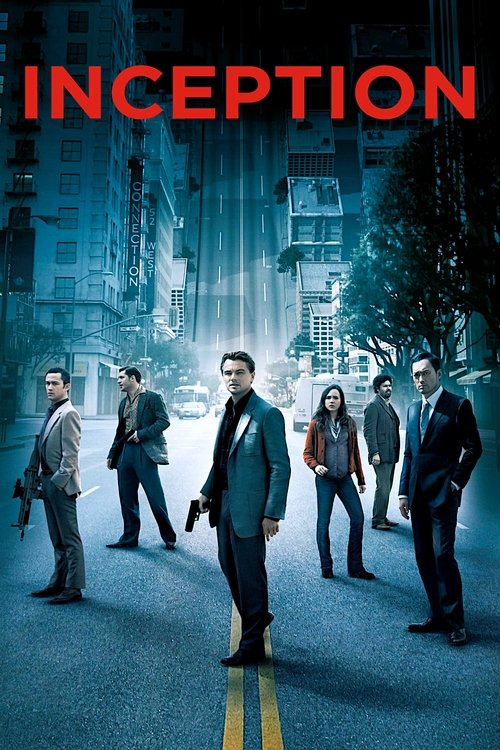
The conditioned self
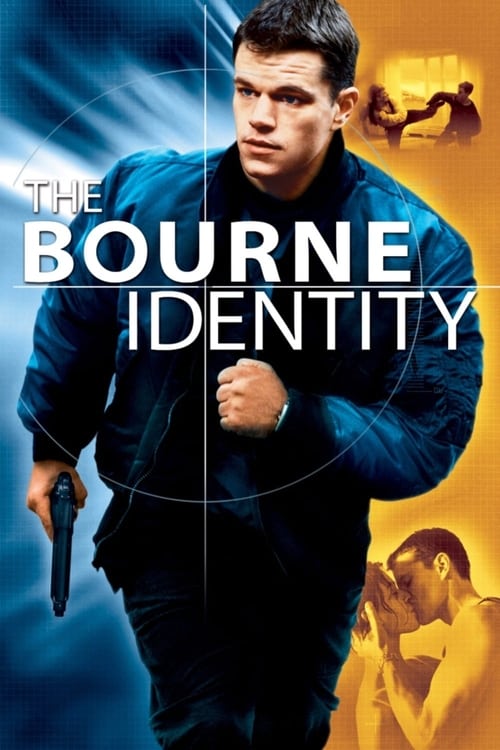
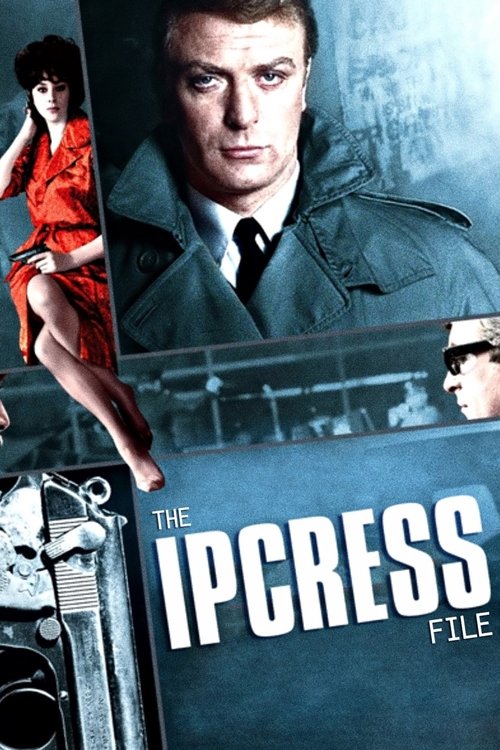
Brainwashing splits into two great fears, and the best stories know which one they are about. The first is the hijacked individual: the agent, the assassin, the amnesiac who wakes up already loaded with someone else's intentions. Jason Bourne is the modern type, a weapon who cannot remember being made into one, and the Bourne films get a real charge out of muscle memory that betrays a man before his conscience can catch up.
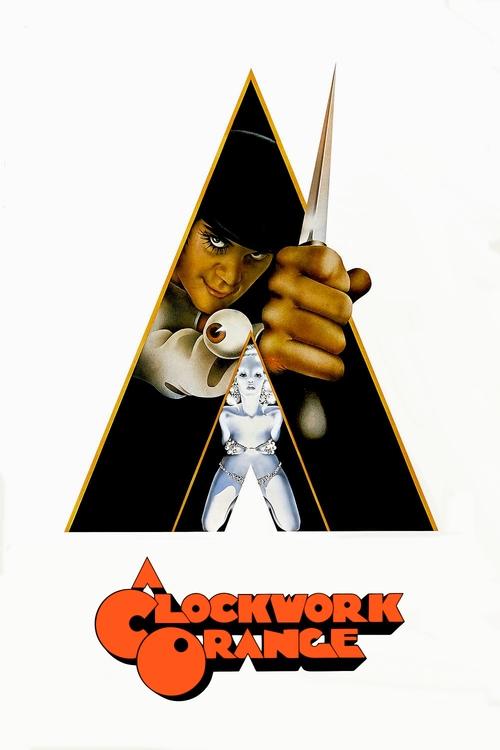
The second fear is bigger and slower. It is the engineered population, the town or the nation where everyone has been quietly aligned. Here the dread is not a trigger word but a smile that is held a beat too long. A Clockwork Orange sits between the two: Anthony Burgess wrote a novel, and Stanley Kubrick made a film, about a violent young man cured by aversion therapy until he is physically incapable of choosing evil, and then asked the question nobody wants to answer. Is a man who cannot sin still a man? Burgess thought the cure was the real obscenity. Most viewers, watching Alex retch at the sight of violence, come to agree.
When your will is hijacked
Games that put the player on the wrong end of the strings
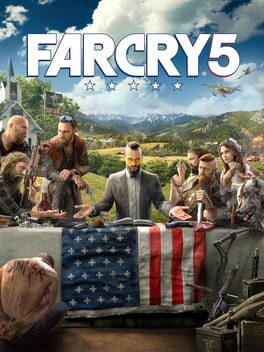
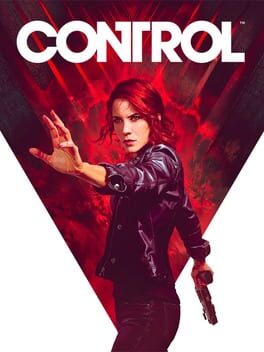
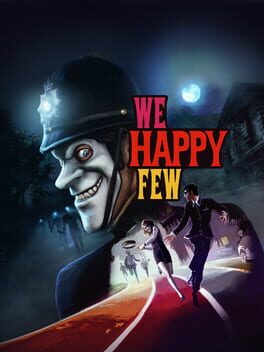


BioShock turned obedience into a punchline you delivered yourself
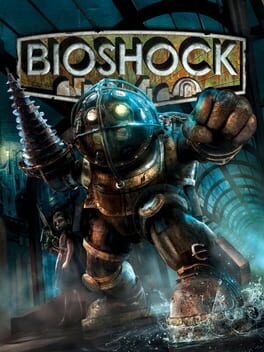
For most of BioShock you take orders from a friendly voice on the radio named Atlas, who keeps asking you to do things "would you kindly." You do them. Of course you do. He is the only ally you have in a drowning city. Then the game stops, replays your own actions, and shows you that the phrase was a hypnotic command phrase planted in your conditioning, that you are not a free agent who chose to help but a programmed dog who was told to. The genius of it is that the trick works on the player and the character at the same time. You followed the quest markers. You never questioned the voice. The game makes obedience your fault.
No film can do this, because film cannot make you the one holding the controller. BioShock remains the definitive argument that the medium can interrogate mind control in a way nothing else can, and the "would you kindly" reveal is still the high bar every story-driven game measures itself against.
Mind control on television
From the engineered sitcom to the dystopian state
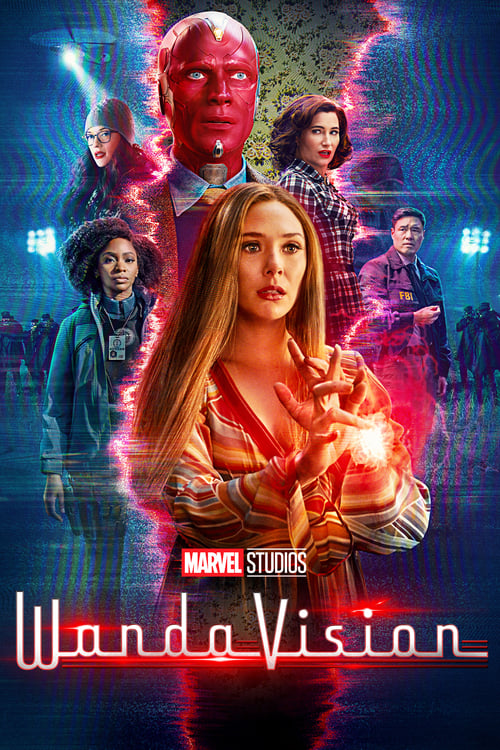
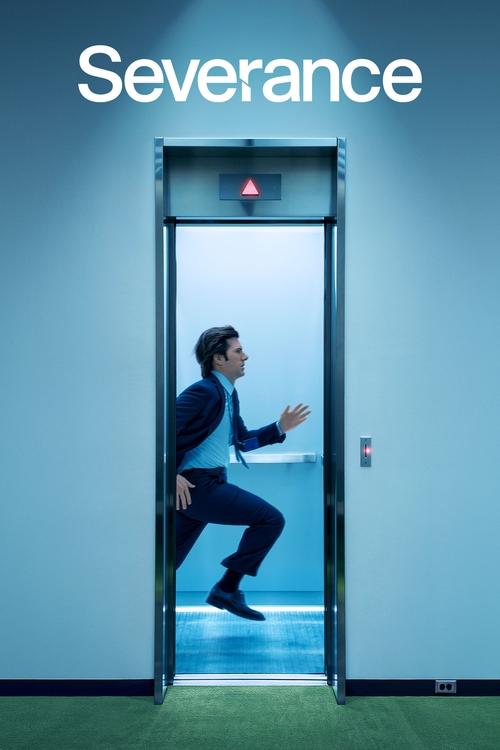

WandaVision and Severance are the same horror in different decor
Two of the best recent shows about controlled minds never use the word brainwashing. WandaVision traps a grieving woman, and a whole town with her, inside a sitcom she is unconsciously authoring, and the most disturbing moments are when a captive neighbor's eyes briefly clear and she begs for it to stop. The mind control is grief, and the victims are everyone she loves least.
Severance goes corporate and colder. Employees agree to surgically split their memory so the self that works never meets the self that lives, and the company exploits the gap completely. The work-self is a person with no past, no exit, and no way to even know it is imprisoned. Both shows understand the modern version of the fear: you do not need a Communist scientist or a hypnotist's watch. You can be talked into editing your own mind, and call it self-care or a good benefits package.
The dystopias that named the fear
The great dystopian novels are mind control taken to the scale of a civilization. George Orwell's Nineteen Eighty-Four is the keystone: a state that does not merely punish wrong belief but rebuilds the believer, until Winston Smith genuinely loves the thing that broke him. The terror of Room 101 is not the torture. It is that it works, that two plus two really can be made to equal five if the pressure is total enough. Orwell understood that the final frontier of tyranny is not behavior but thought.
Aldous Huxley's Brave New World is the gentler, more prophetic nightmare. Nobody is tortured. Citizens are conditioned in the womb, soothed with a drug called soma, and bred to love their servitude. Where Orwell feared the boot, Huxley feared the pleasure that makes the boot unnecessary. Set them beside Burgess and you have the whole argument: control by pain, control by pleasure, and the awful chemistry that can strip a man of the capacity to choose at all.
The dystopias that named the fear
Orwell, Huxley, Burgess and the novels of the edited mind


He had won the victory over himself. He loved Big Brother.George Orwell, Nineteen Eighty-Four. The last line, and the most frightening sentence in the genre.
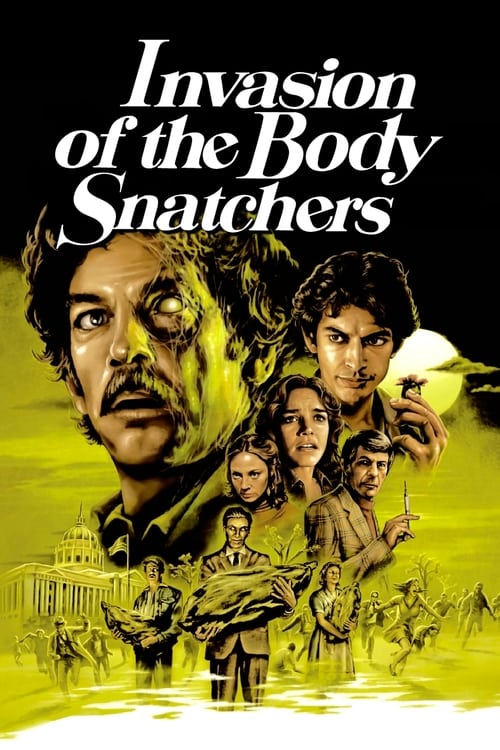
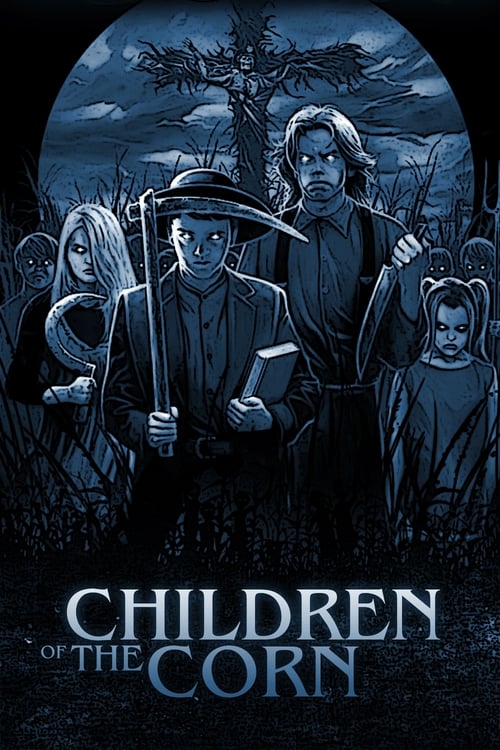
Cults, conformity and the engineered self
Towns that smile too wide and the men who rewrote a hundred lives

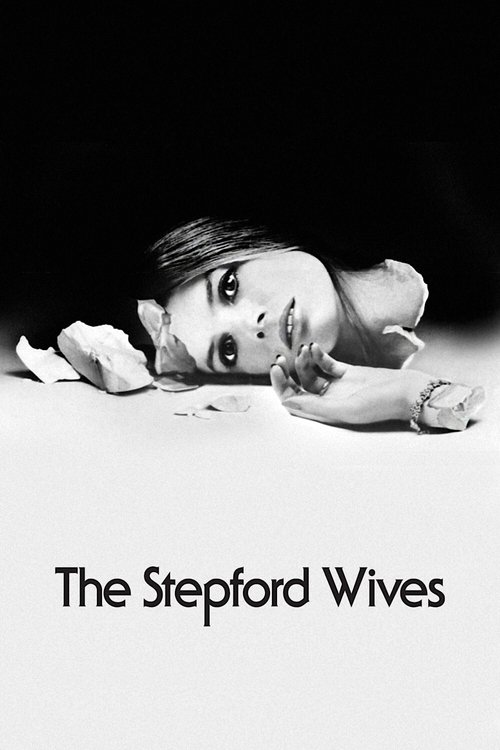
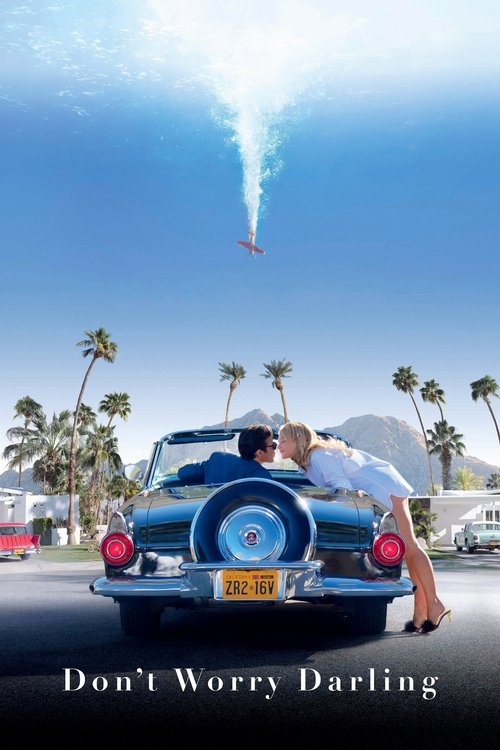

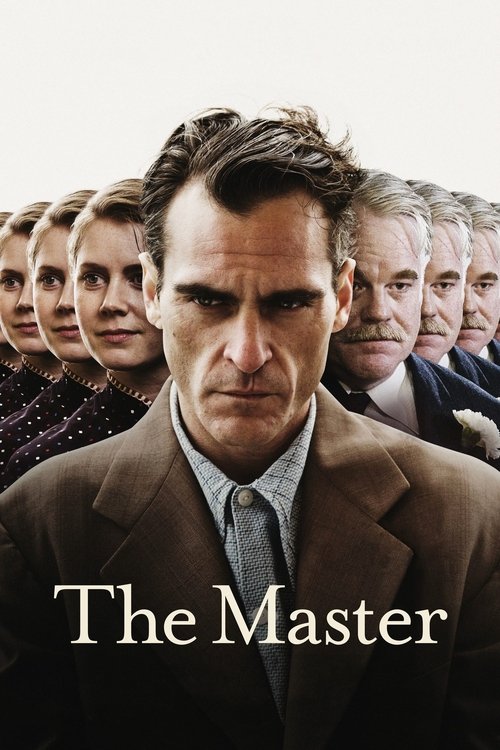
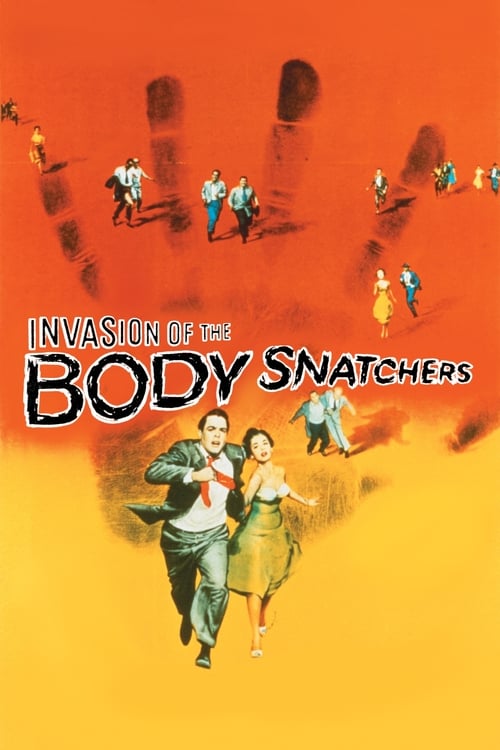
Get Out understood that the deepest control is bodily
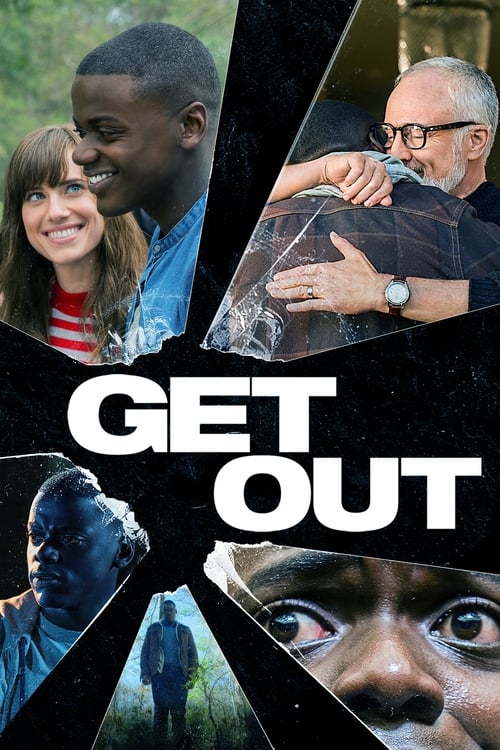
Jordan Peele's Get Out renovated the brainwashing horror for a new fear. Its victims are not turned into assassins or contented suburbanites. They are evicted from their own bodies and sealed into a back room of their own minds, the Sunken Place, conscious and screaming while a stranger drives. It is the genre's oldest dread, the hijacked self, made unbearably literal and unbearably specific: a Black man's body taken over and operated by a white buyer who admires it like a car.
What makes the film a landmark is that the mind control is also a metaphor that never strains. The hypnosis, the teacup, the frozen body, the helpless watching: every horror device is doing double duty as social argument. Most films in this guide ask what happens when someone takes your will. Get Out asks who, historically, has always been doing the taking, and it never once lets you look away.
Sound as control
The fear bled into music too, and the concept album turned out to be the perfect form for it. Pink Floyd's The Dark Side of the Moon is partly about the pressures that grind a personality flat, the clocks and the cash and the voices that tell you when to feel. Radiohead's OK Computer mapped the same dread onto an automated future, with its android narrator and its anthems of polite numbness. Nine Inch Nails built Year Zero as a full dystopian story, a government drugging its population through the water supply, released with an alternate-reality game that pulled listeners inside the conspiracy.
And then there is the unsettling truth at the bottom of all of it: that the genre keeps coming back to control because the tools keep getting better. A 1962 film needed a Communist lab and a deck of cards. A modern story needs only an app, a feed, a dopamine loop and a population that volunteers.
Sound as control
Concept albums of paranoia, conditioning and the numbed mind