
Danny Elfman is the composer Hollywood calls when it needs something that should not exist: music that is simultaneously childlike and menacing, warm and deeply wrong. A former rock frontman with Oingo Boingo who taught himself orchestration by ear and instinct, Elfman arrived in film scoring in 1985 with Pee-wee's Big Adventure and has never fully left the carnival behind. His through-line is a specific emotional frequency: wonder laced with dread, nostalgia for things that never were, melody that feels like a music box about to run down. Whether scoring a superhero blockbuster, a suburban fairy tale, or a stop-motion holiday nightmare, his music insists that the strange and the beautiful are the same thing.
Essential Danny Elfman
His defining scores and records, from Oingo Boingo to the concert hall
The Burton Universe
The films that made the Elfman sound iconic: gothic, playful, and permanently strange

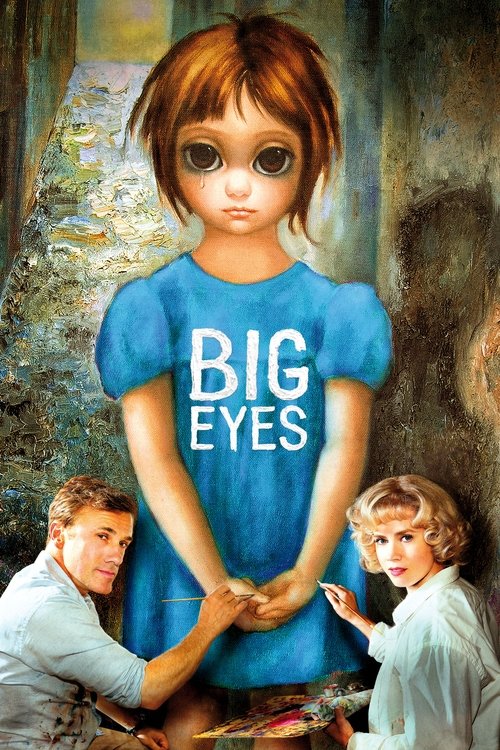
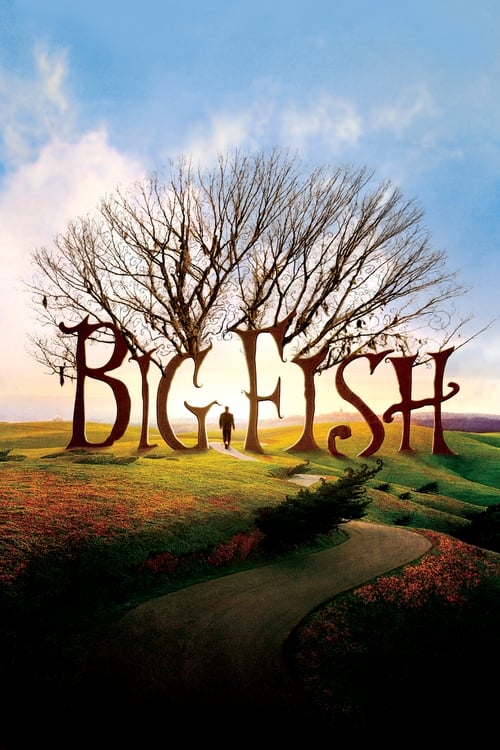
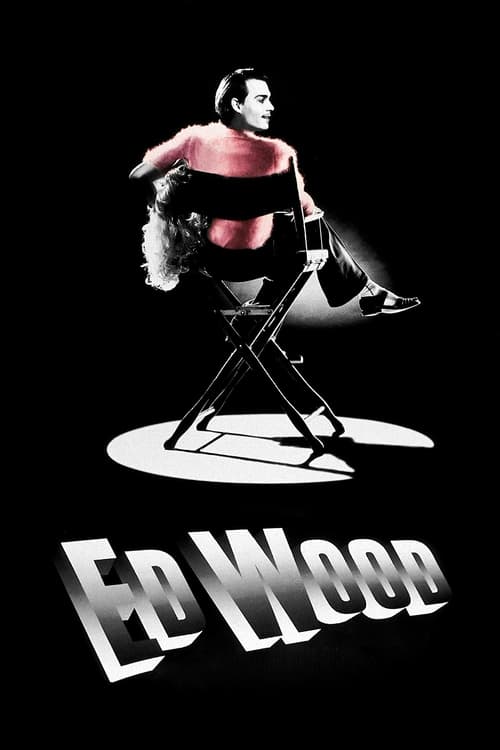
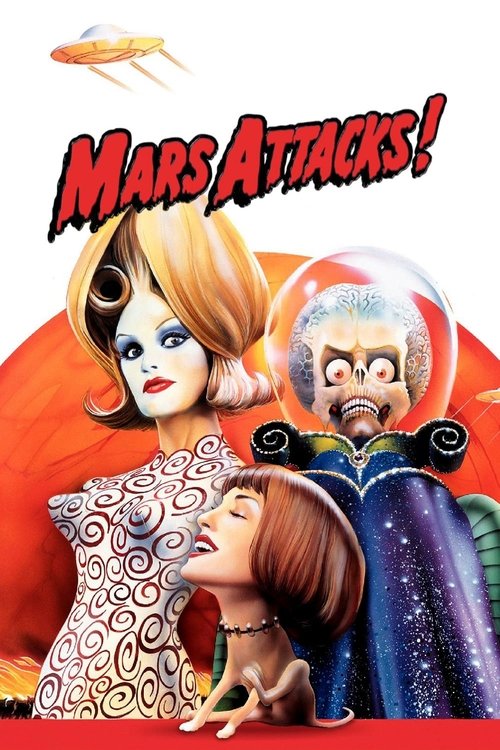
Beyond Burton: His Wider Filmography
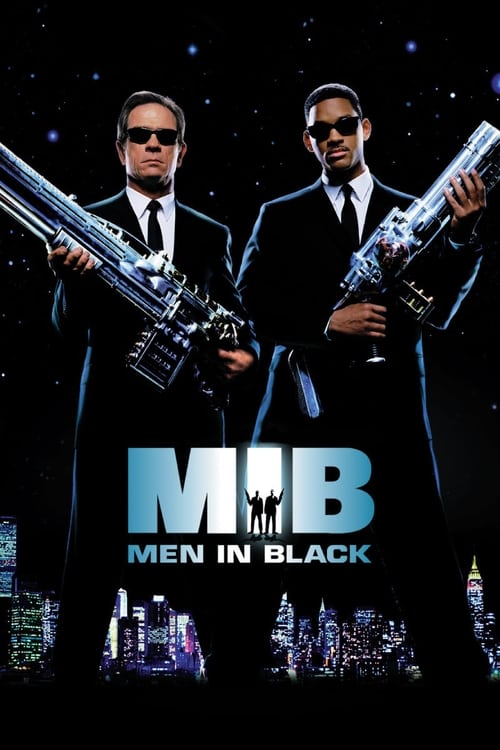
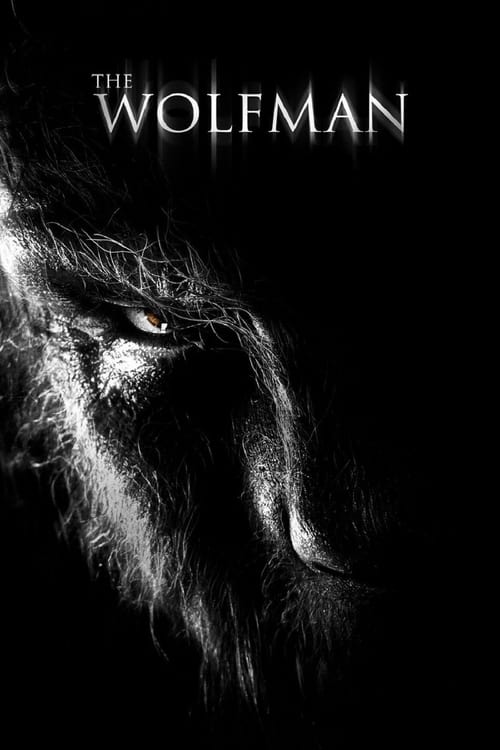
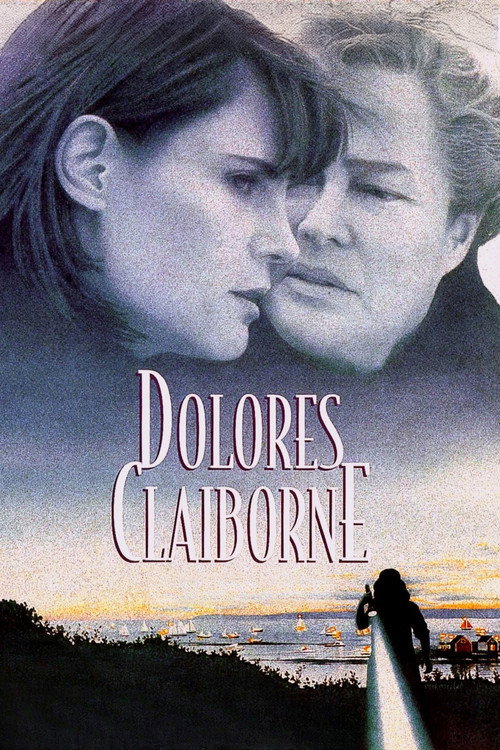
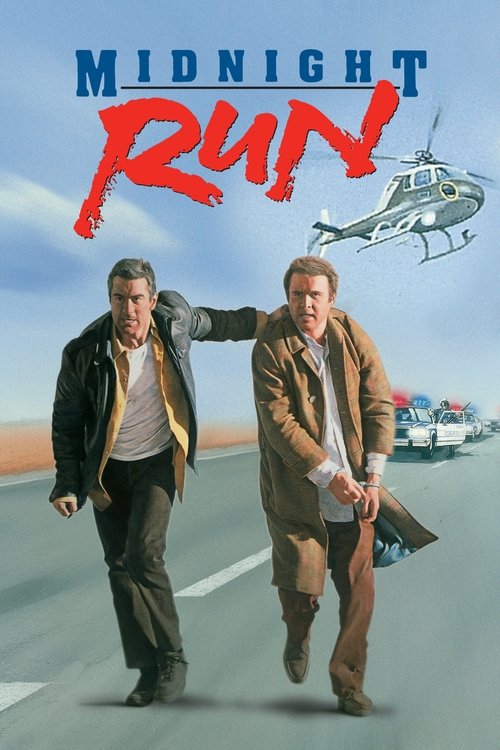
Blockbusters, dramas, and comedies where Elfman's voice found new shapes

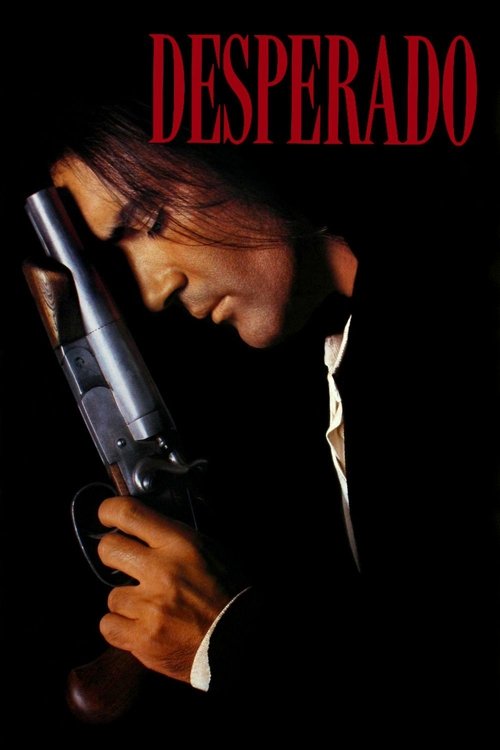
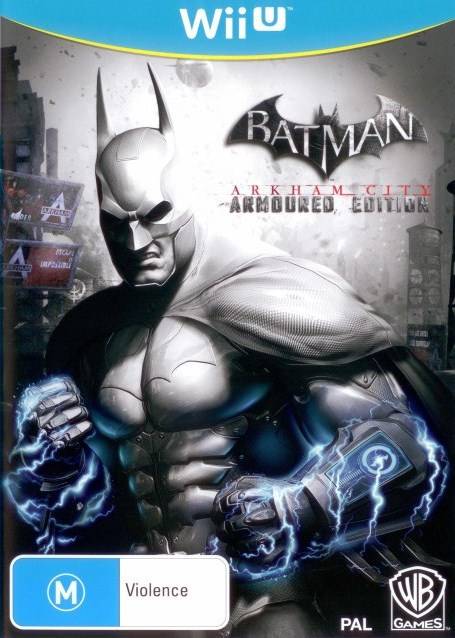
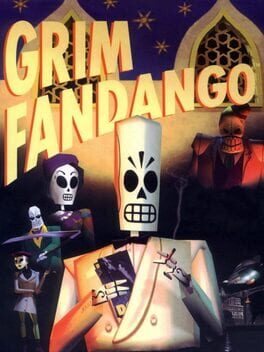
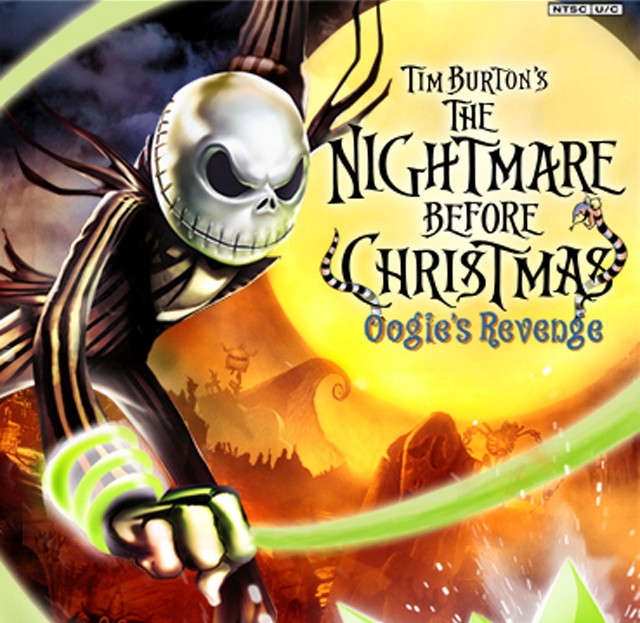
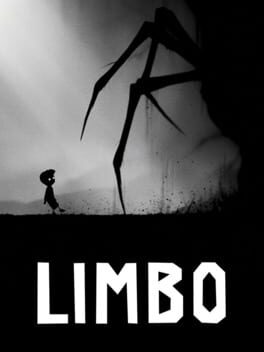
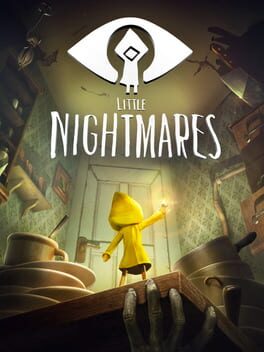
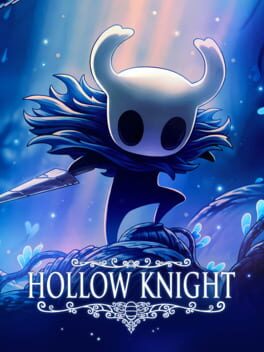
Atmospheric and Narrative Games for the Soundtrack-First Player
Games where the score shapes the world as much as the visuals do
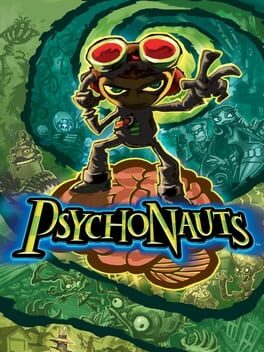
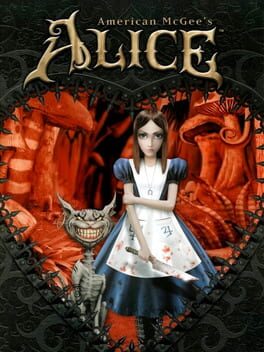
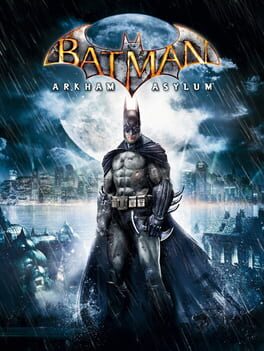

The Gothic Imagination in Books
Novels and stories that share Elfman's carnival-dark wavelength


The Batman Theme Is the Defining Superhero Score
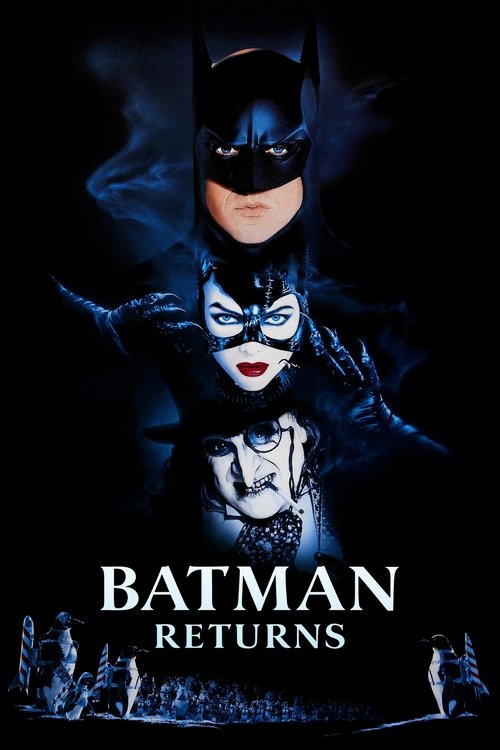
Before Hans Zimmer's industrial dread or John Williams' fanfare-hero tradition, Danny Elfman wrote the sound of a superhero as something genuinely mythic and dark. The Batman theme from 1989 is not triumphant: it spirals, it lurches, it implies a kind of controlled mania beneath the heroism. It set a tonal standard for what a superhero film could feel like that the genre has been chasing, in one direction or another, ever since. Tim Burton's two Batman films remain, in part, orchestral events.
Oingo Boingo Is Not a Footnote
Most people discover Elfman through his film scores and learn Oingo Boingo as a curious prequel. That framing undersells one of the sharpest, strangest new-wave bands of the early 1980s. Records like Dead Man's Party and Nothing to Fear show the same sensibility that would define his film work: satirical darkness, theatrical melodrama, rhythmic complexity underneath accessible pop hooks. Elfman did not leave his rock band and become a composer; the composer was always inside the bandleader.
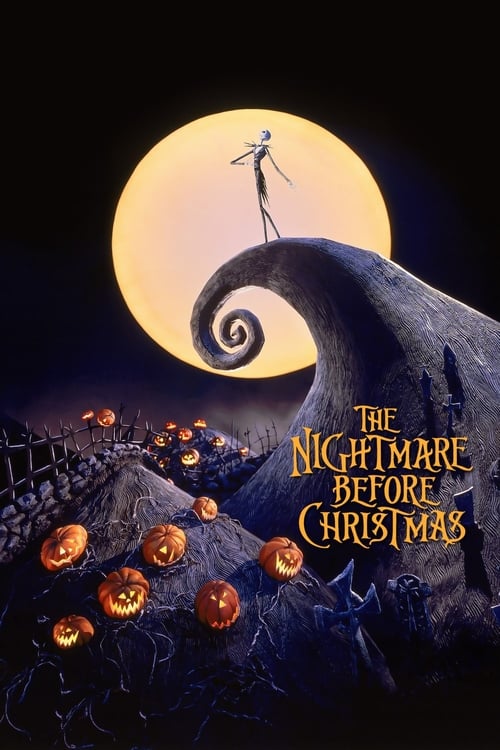
The Nightmare Before Christmas Is a Perfect Object
It is easy to forget, now that the film lives on hot-topic merchandise and dual-season decorating disputes, that The Nightmare Before Christmas is genuinely strange. The songs are not comfort; they are longing made into a minor-key spectacle. Elfman wrote the score and voiced Jack Skellington's singing, which collapses the usual distance between composer and character. What Jack feels, Elfman sang, and the music has the quality of an emotion that cannot find the right container for itself. That is still remarkable.
His Television Work Has Always Been Underrated
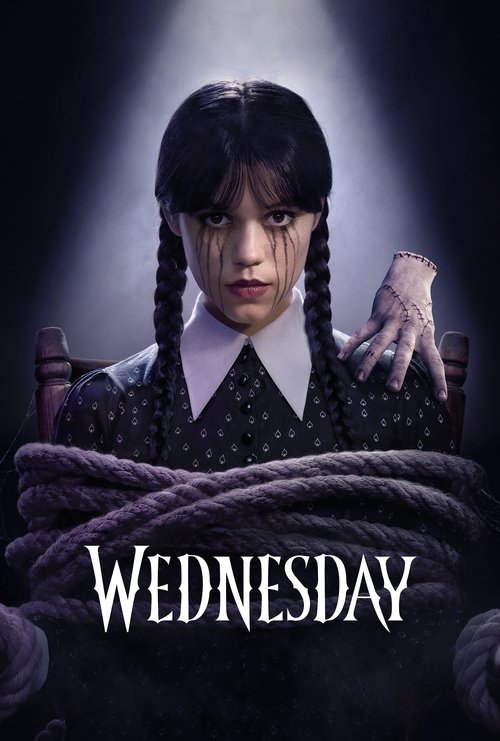
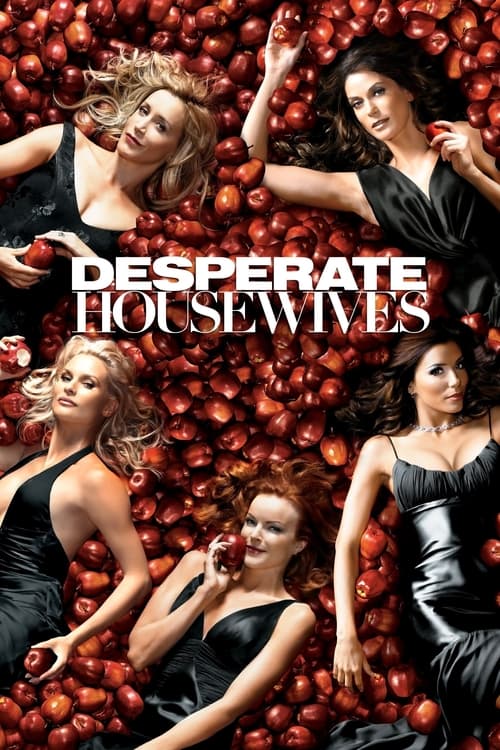
The Simpsons theme is so ubiquitous it has become environmental noise, but listen to it again: it is a complete miniature film score, full of personality and wit, that does more characterization in 30 seconds than most scores do in two hours. Elfman's TV work, from Desperate Housewives to Wednesday, tends toward the same compressed intensity. Wednesday in particular shows him still finding new registers in the gothic-comic vein, this time with a harder edge that fits the character's ice-cold delivery.
A Career in Sound
- 1979Oingo Boingo forms in Los Angeles, with Elfman as lead singer and primary songwriter
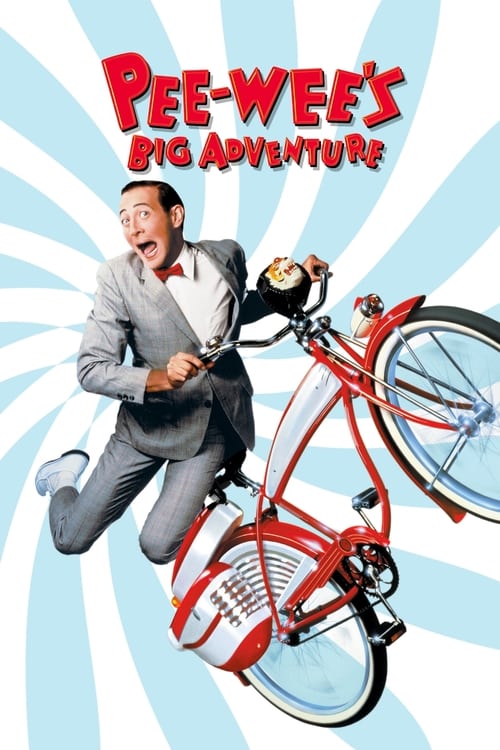
- 1985Pee-wee's Big Adventure: first Tim Burton film, first professional film score, career begins Pee-wee's Big Adventure
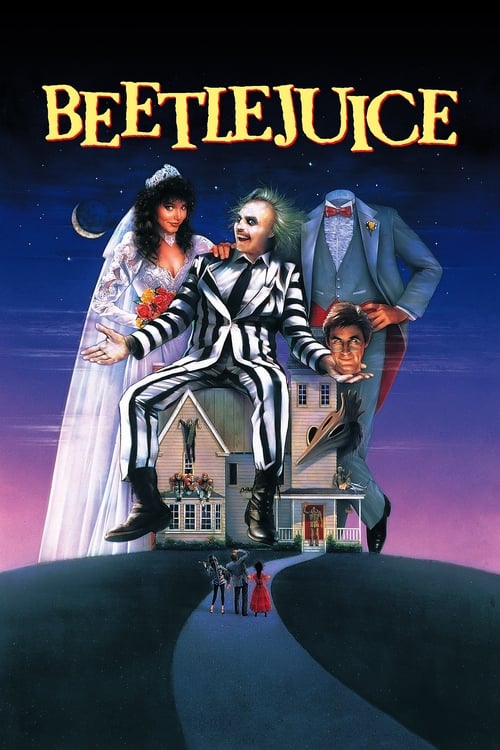
- 1988Beetlejuice score cements the Burton-Elfman aesthetic as a recognizable Hollywood sound Beetlejuice
- 1989Batman makes Elfman a blockbuster composer; the main theme becomes one of the era's defining pieces Batman
- 1989The Simpsons premieres with Elfman's theme, which he writes in a single afternoon
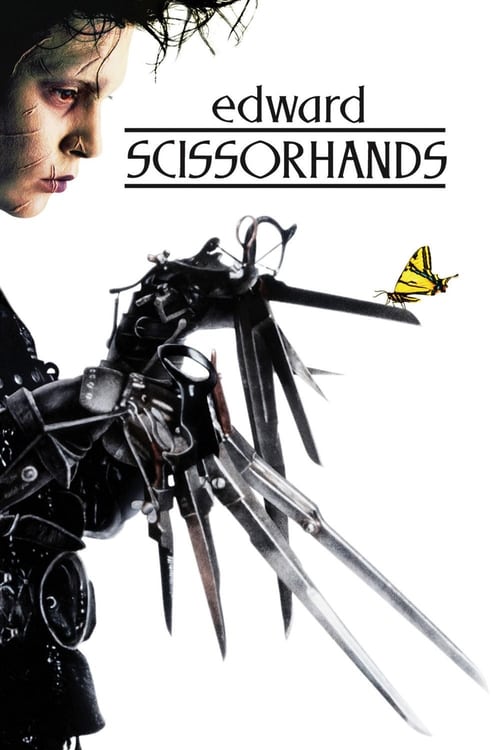
- 1990Edward Scissorhands: arguably his most emotionally complete score, and the purest statement of his aesthetic Edward Scissorhands
- 1992Oingo Boingo formally disbands; Elfman pivots entirely to film composing
- 1993The Nightmare Before Christmas: he writes all songs and voices Jack's singing parts The Nightmare Before Christmas
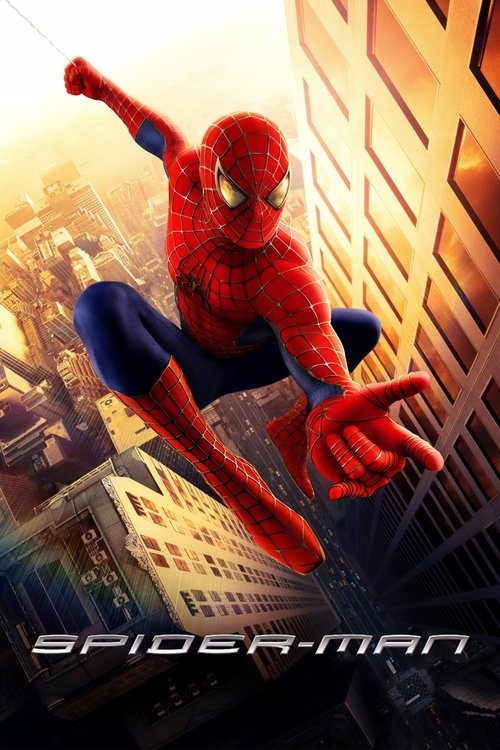
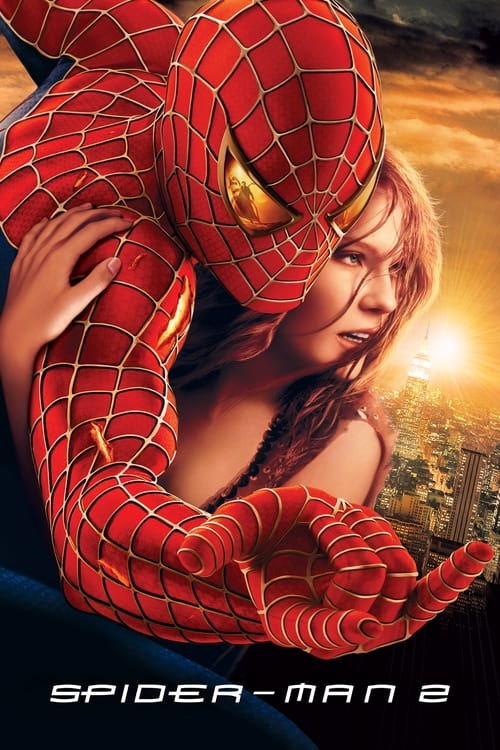
- 2002Spider-Man score brings his orchestral voice to Marvel, reaching a new generation Spider-Man
- 2021Nightmare Machine live tour: first major Elfman concert experience, performing his own scores live with orchestra
- 2022Wednesday: Elfman scores Netflix's biggest debut series, proving continued creative range Wednesday
Gothic whimsy and carnival darkness
For Fans of Tim Burton
Explore the For Fans of Tim Burton guide →His music does not underline the emotion already on screen. It introduces a second, stranger emotion that runs underneath the visible one.CrossBinge