

Darren Aronofsky's cinema is built around one recurring obsession: what happens when a person wants something so badly that wanting it becomes the whole of their existence. From the basement number-crunching of Pi to the ruined body of The Whale, his characters do not pursue ambition, they are consumed by it. The style follows the psychology: rapid editing, needle-drops that land like physical blows, extreme close-ups of hands and faces and needles. His films are often uncomfortable to watch and almost impossible to forget. If that combination of dread and beauty is what keeps you coming back to the cinema, there is a whole map of connected work waiting for you.
Essential Aronofsky
His films, ranked for the uninitiated



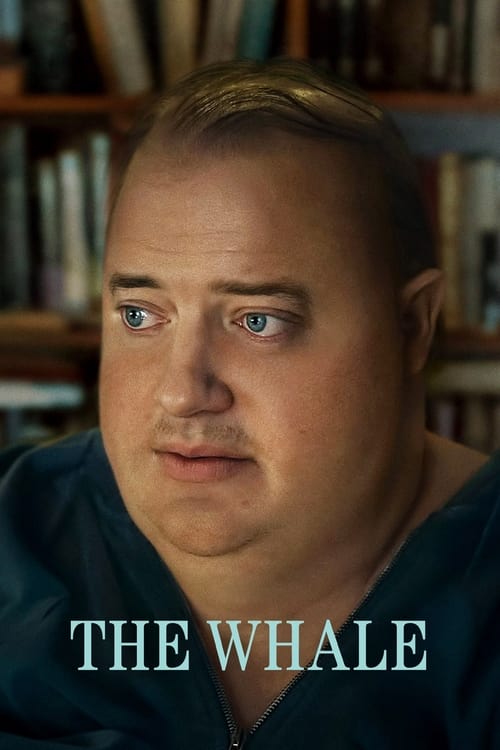
Same Obsessive Vision, Different Director
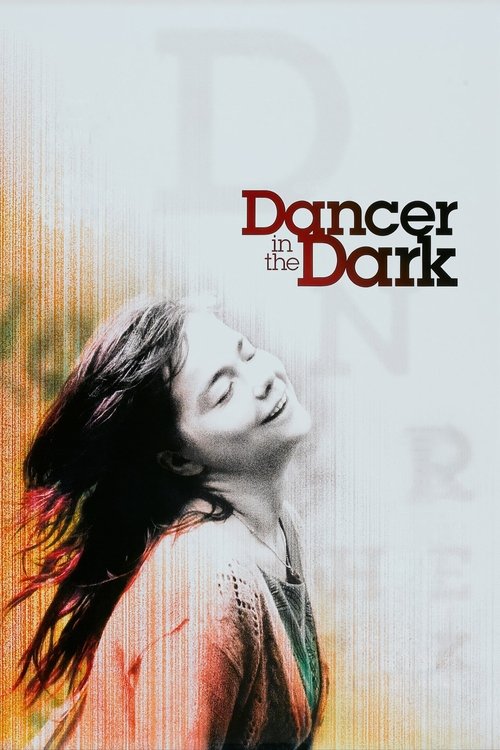
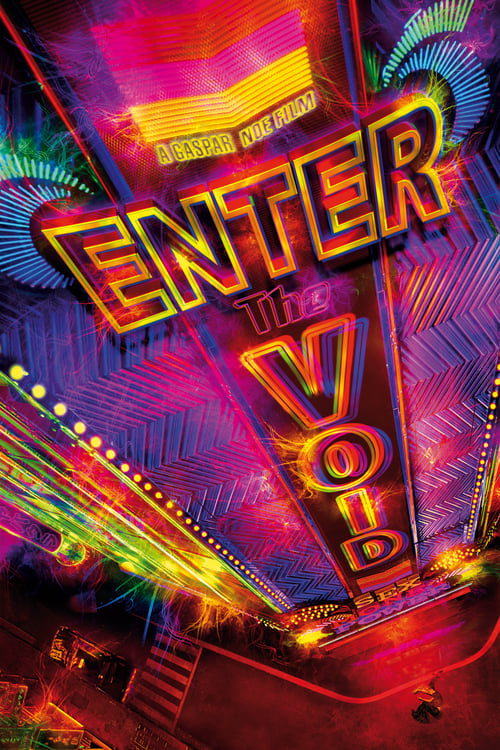
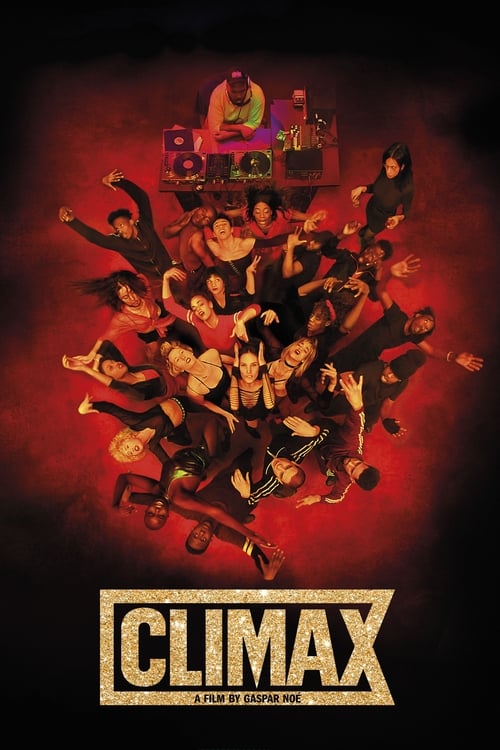
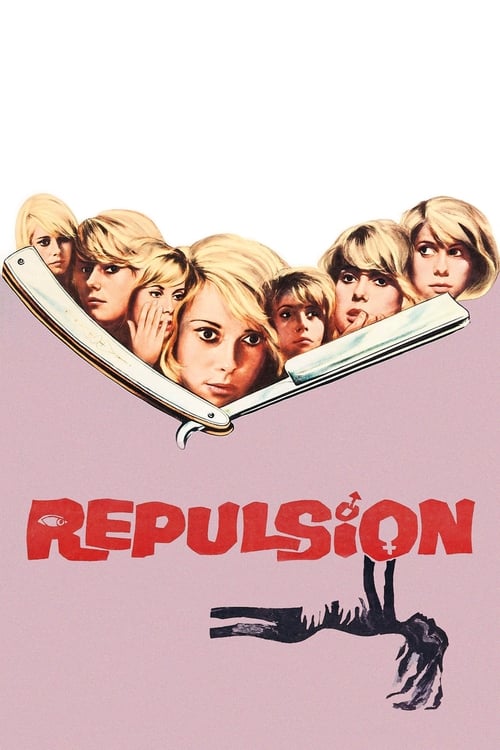
Films that share Aronofsky's intensity and unease
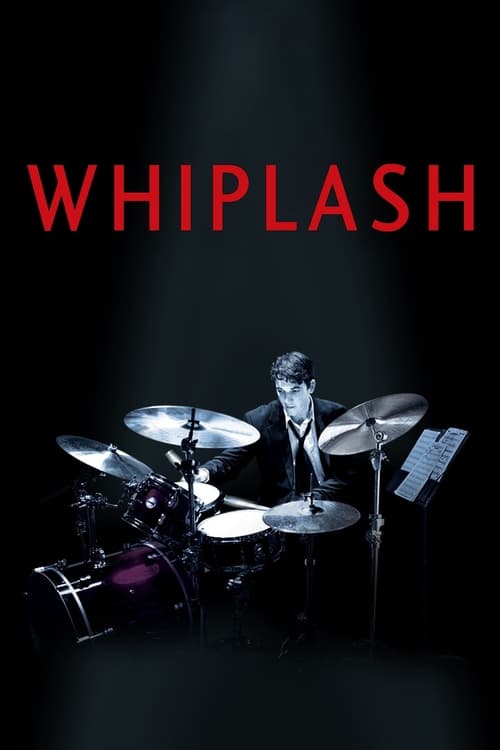
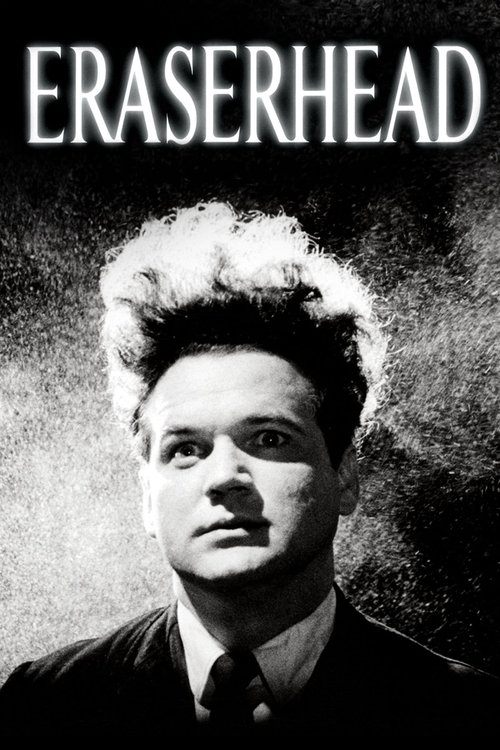
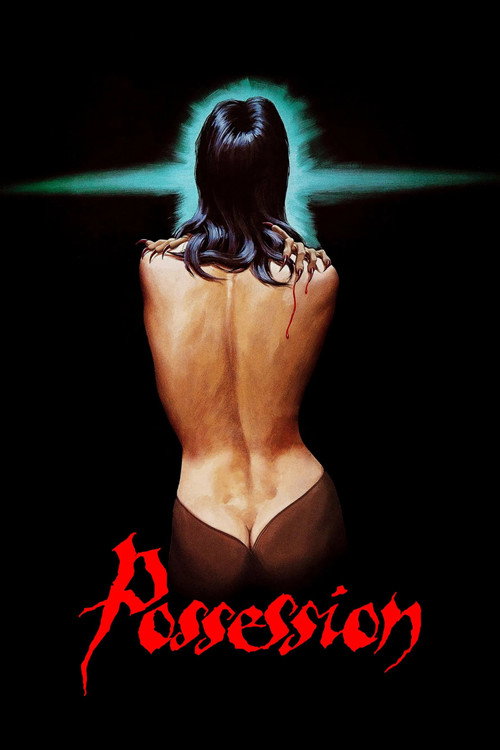


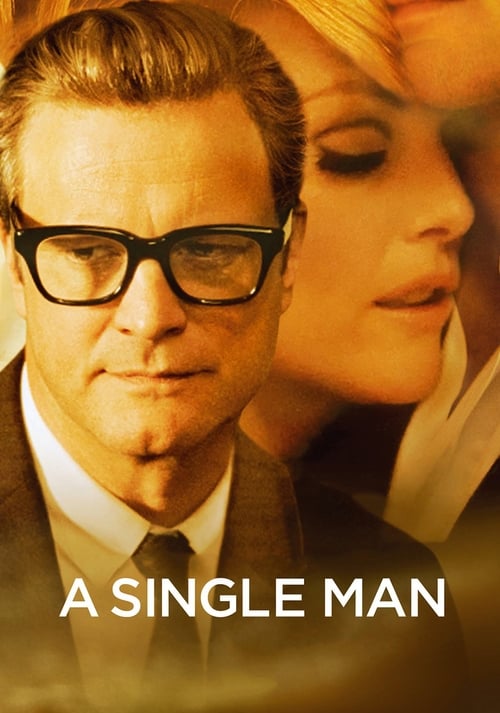
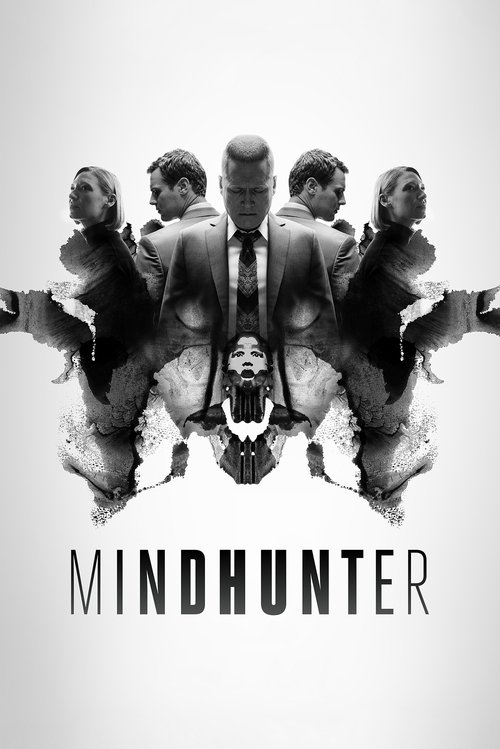
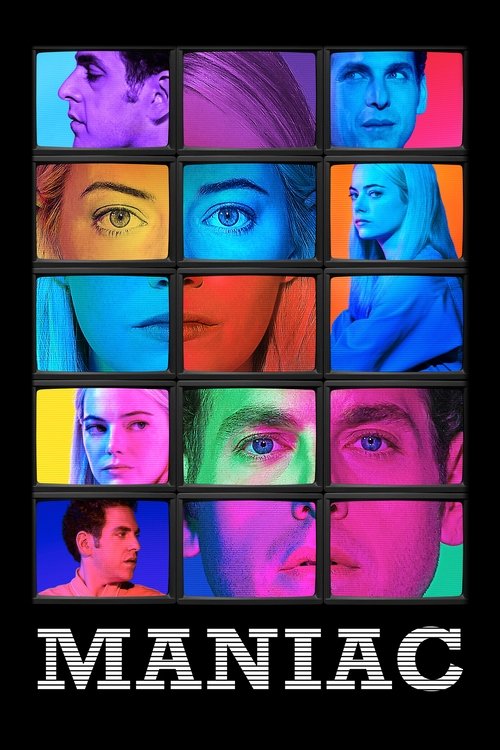
Series That Live in the Same Headspace
TV that mirrors his psychological and visual intensity






Books for the Obsessed and the Undone
Novels that Aronofsky fans tend to reach for


Games That Warp Your Reality
Psychological games with Aronofsky's dread and body-horror energy




Scores That Haunt You After
Clint Mansell's Aronofsky albums and music in the same register
Requiem Is Not a Film About Drugs
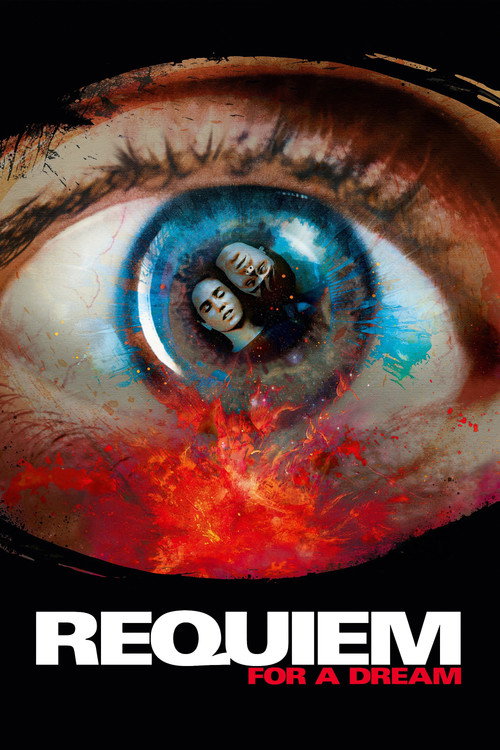
Aronofsky has said the four characters in Requiem for a Dream are each addicted to something different: heroin, television, approval, love. That framing matters. The film uses narcotics as a structural device to dramatise what obsession does to the body and mind, regardless of the substance. Clint Mansell's score, looped and accelerating across the runtime, does half the heavy lifting. You don't watch this film; it happens to you.
Black Swan Is His Most Precise Film
It is easy to read Black Swan as a horror film and miss how exactly it maps Nina's artistic perfectionism onto psychological collapse. Every compositional choice (the handheld camera that never gives her personal space, the mirror gags that compound across the runtime, Natalie Portman's physical commitment) is load-bearing. Aronofsky is not making a metaphor for ambition; he is showing ambition from the inside, where the line between transformation and destruction was never clear to begin with.
The Wrestler Is His Most Generous Film
After the formal extremity of The Fountain, Aronofsky stripped everything back and made something close to a character study. Mickey Rourke's Randy 'The Ram' Robinson is Aronofsky's most sympathetic protagonist: a man who destroys himself in a sport that destroys everyone, who keeps returning because the ring is the only place he feels real. The film does not comment on that. It respects it. That restraint is harder to pull off than any of his formal tricks.
The Fountain Is the One That Divides People
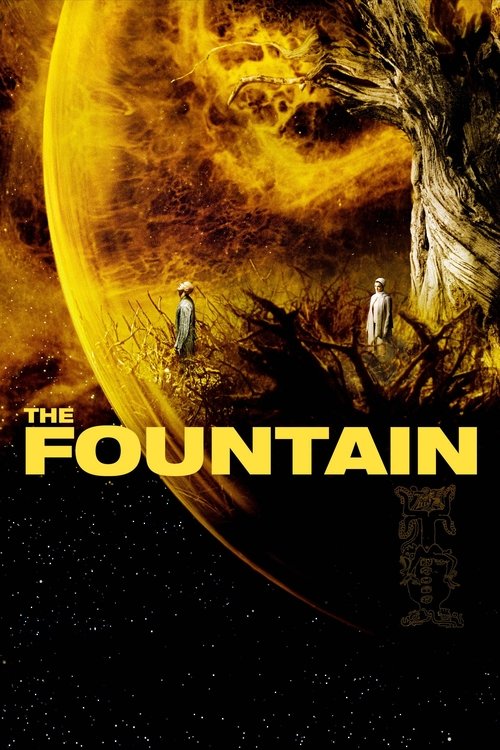
Aronofsky spent years developing The Fountain as a studio epic, lost the financing when Brad Pitt dropped out, and rebuilt it at a fraction of the budget using macro photography of chemical reactions for the space sequences. What survived is genuinely strange: three timelines, a thesis about love and mortality that it refuses to explain, and a score by Clint Mansell with Kronos Quartet that may be the best music ever made for one of his films. The people who love it, love it completely.
An Aronofsky Chronology
- 1998Feature debut Pi
- 2000Hubert Selby Jr. adaptation Requiem for a Dream
- 2006Three-timeline epic The Fountain
- 2008Mickey Rourke's comeback The Wrestler
- 2010Natalie Portman Oscar Black Swan
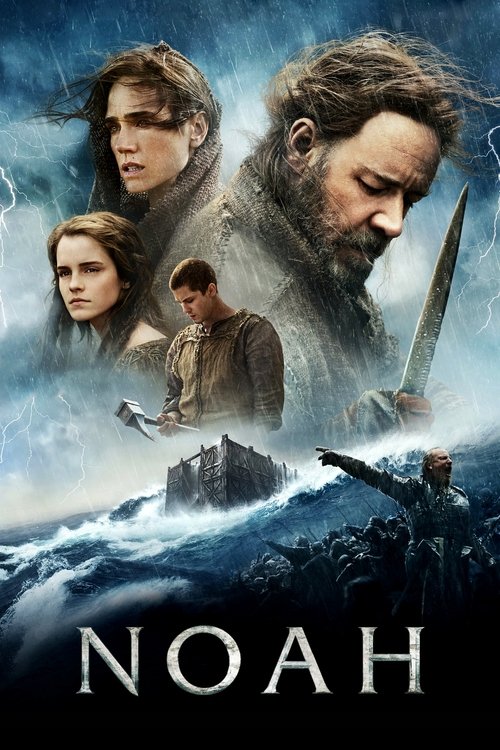
- 2014Biblical epic Noah
- 2017Allegorical horror mother!
- 2022Brendan Fraser comeback The Whale
Obsession, the body, and the mind unraveling
For Fans of Requiem for a Dream
Explore the For Fans of Requiem for a Dream guide →I've always been drawn to the moment when a person crosses a line they can't uncross. That's where the real story starts.Darren Aronofsky