
David Bowie never made the same record twice. From the hard-rock stomp of 'The Man Who Sold the World' to the Krautrock minimalism of the Berlin trilogy to the drum-and-bass experiments of 'Earthling', each phase felt like a genuine reset rather than a brand extension. What holds it all together is the eye: Bowie saw popular music as a total art form, and he pulled costume, mime, cinema, painting, and literary science fiction into his records as naturally as he pulled chord changes. Fans love the restlessness, the theatricality, and the conviction that pop can carry real ideas without losing the hook. This guide follows that restlessness across every medium.
Essential David Bowie
The albums that mark each reinvention, in order of arrival
The Documentary Stage
Concert films and docs that capture Bowie in the room
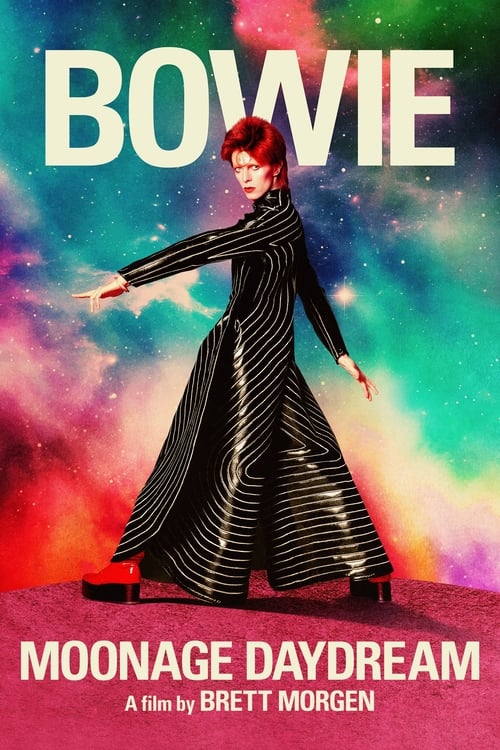
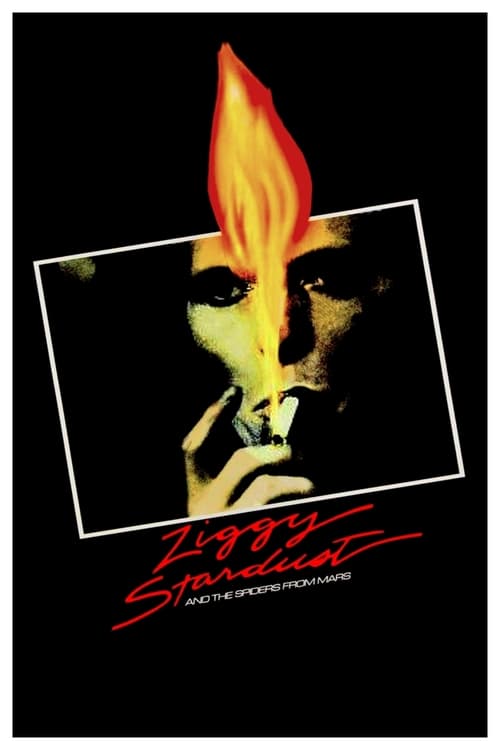

Bowie on Screen
His acting roles and the films built around his persona


Same Energy: Glam, Art-Rock and the Avant-Garde
Artists who chased reinvention, theatricality, and pop-as-art with the same hunger
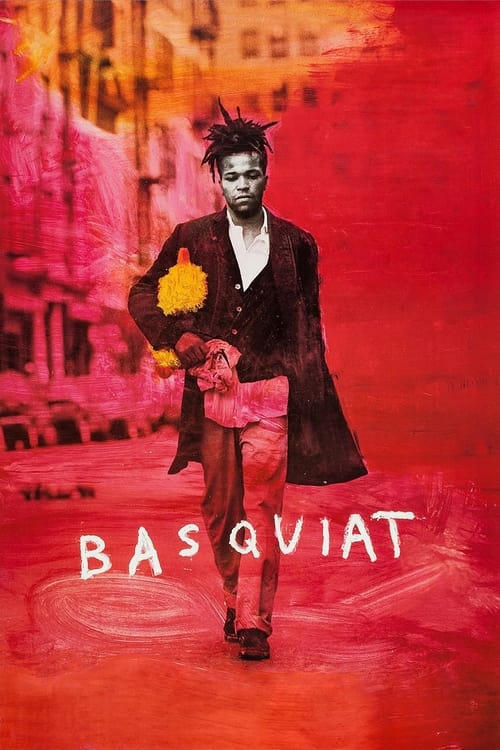
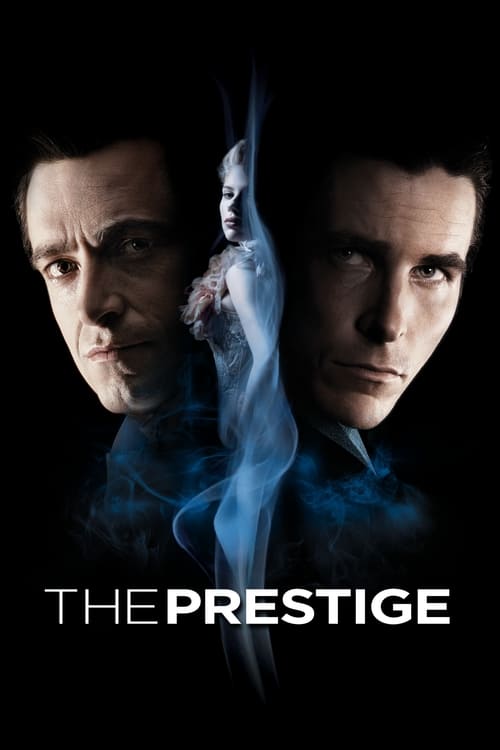
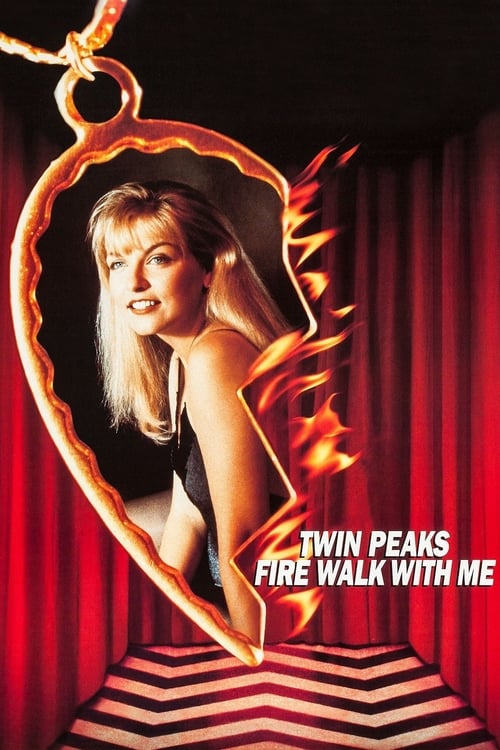
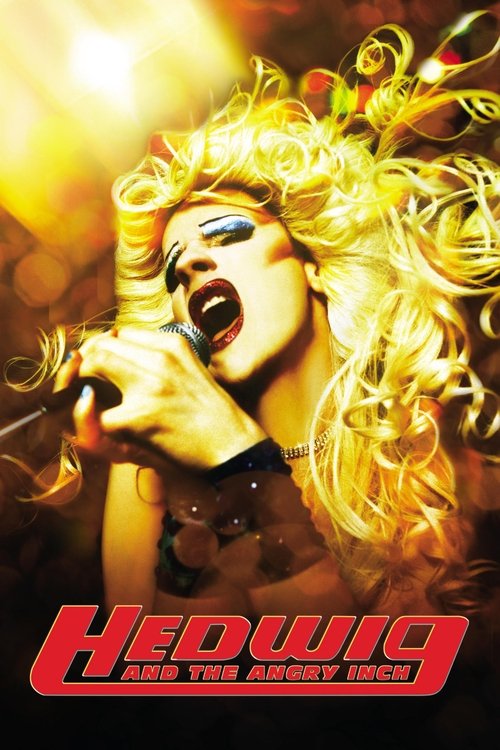
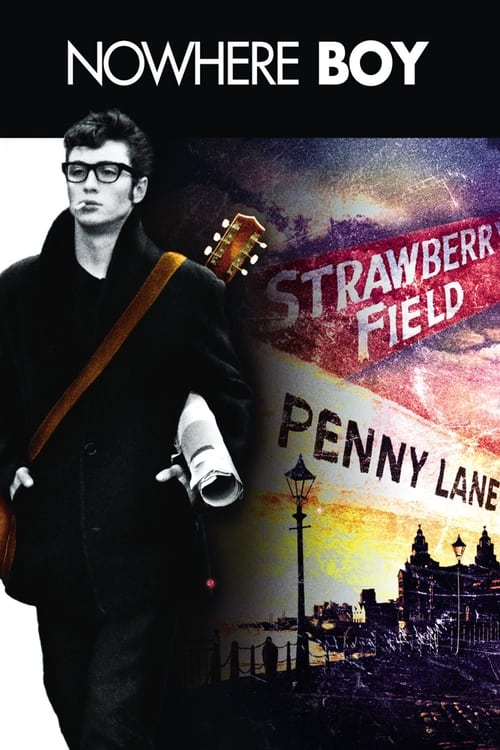
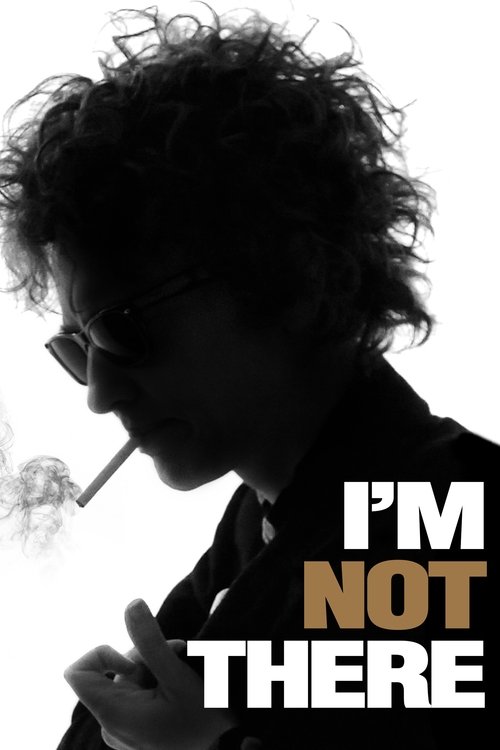
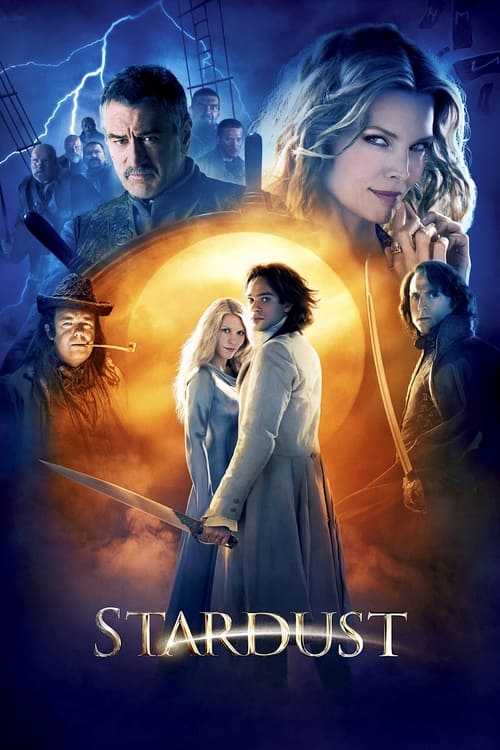
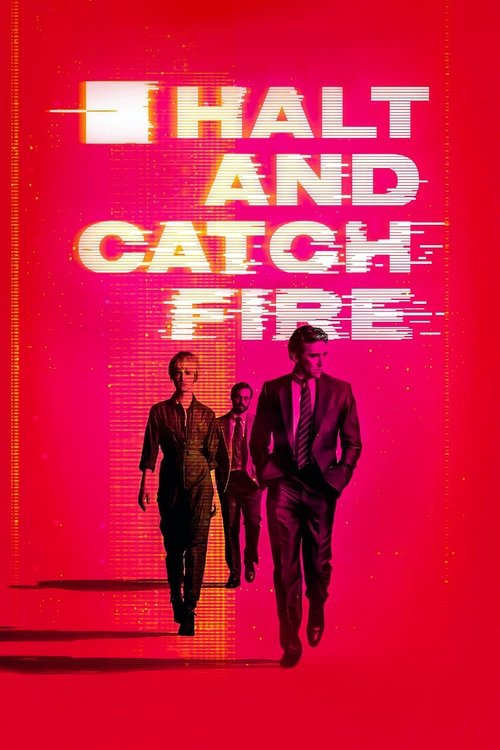
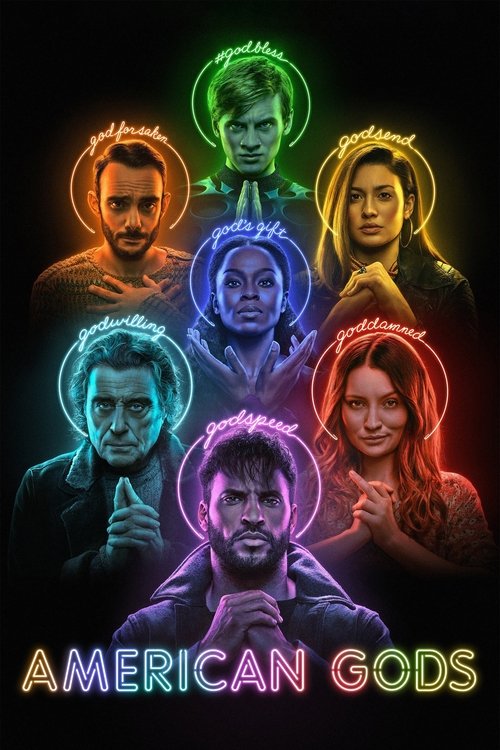
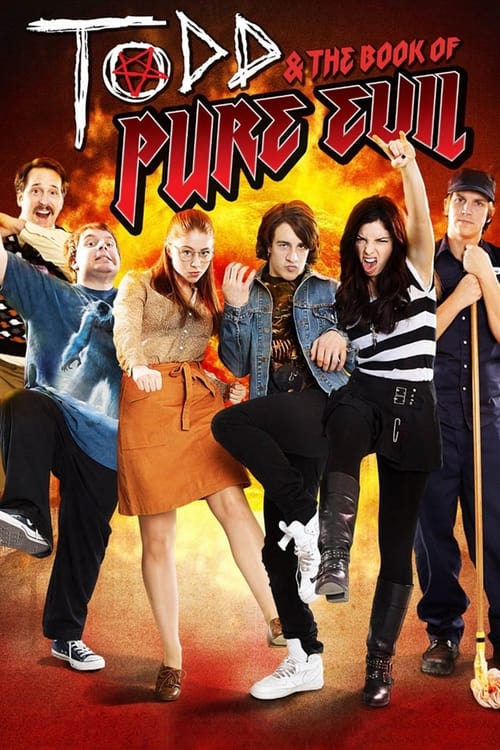
Films and Series with the Same Electricity
Outcast visionaries, alien sensibilities, art-world drama, and the intoxicating loneliness of stardom
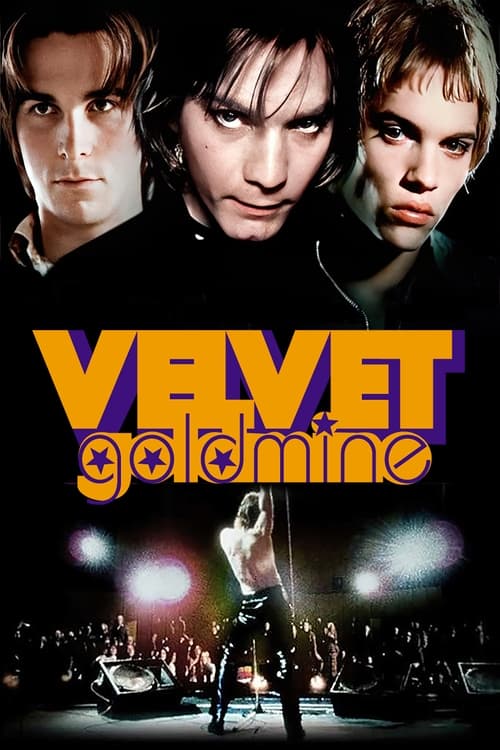


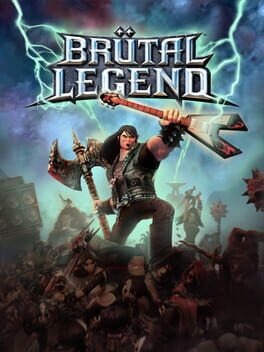
Music-Driven Games
Games that treat music as the whole point, or that share Bowie's theatrical DNA
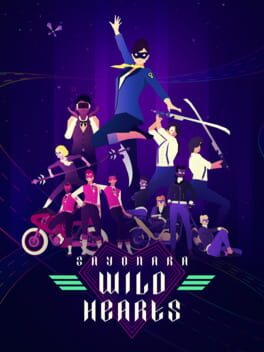




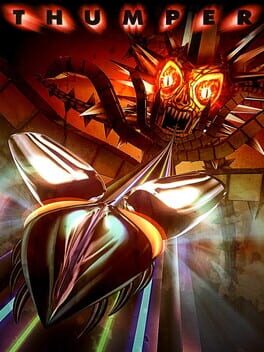
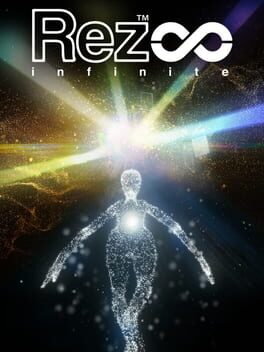
Books for the Bowie Fan
Rock biography, science-fiction outsiders, and the literary tradition Bowie plundered



The Berlin Trilogy Invented a Genre No One Had a Name For
When Bowie moved to Berlin in 1976 and started working with Brian Eno, both were trying to escape something: he was escaping cocaine and Los Angeles, Eno was exploring the far edge of ambient music. 'Low', 'Heroes', and 'Lodger' are the result. The first side of 'Low' sounds like pop songs halfway through being dissolved in acid. The second side is pure texture, no vocals for stretches, Eno's synthesizers doing what orchestras hadn't done before. 'Heroes', the title track, is one of the greatest recordings of the 20th century: a love song recorded by two people standing forty feet apart in a studio, the guitar feedback controlled by placing microphones at different distances from the amp. Nobody called it ambient pop or art rock at the time because nobody had a box to put it in.
Labyrinth Is Weirder and Better Than You Remember
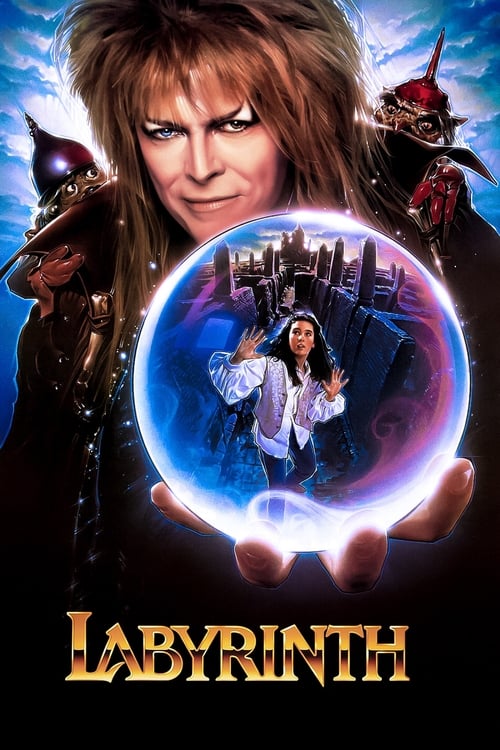
Jim Henson directed it, George Lucas produced it, and Bowie wrote four original songs for it including 'Magic Dance' and 'As the World Falls Down'. On paper that sounds like committee fantasy, but in practice the film is strange and sincere in equal measure. Jareth the Goblin King is one of the few roles that required Bowie's particular brand of menace: elegant, slightly terrifying, androgynous in a way that the character genuinely needed to be. Jennifer Connelly holds the whole thing together as a teenager learning that the story she told herself about the world wasn't quite right. Decades later it reads as a film about adolescence made by people who actually remembered adolescence clearly.
Blackstar Was a Goodbye Composed Over Eighteen Months
Bowie recorded 'Blackstar' knowing he was dying of liver cancer. His longtime producer Tony Visconti has said that the album was a parting gift, deliberately enigmatic so that fans would spend years inside it. The title track runs ten minutes and shifts time signatures like breathing. 'Lazarus', the single released two days before his death, has a video of Bowie in a hospital bed rising to float and then retreating backward into a wardrobe: not morbid, but mythic. The album won five Grammy Awards posthumously. As last statements go, it is almost unreasonably good.
The Man Who Fell to Earth Is Still Science Fiction's Most Melancholy Film
Nicolas Roeg's 1976 adaptation of Walter Tevis's novel cast Bowie as Thomas Jerome Newton, an alien who arrives on Earth to save his dying planet and slowly loses his purpose in a fog of television and loneliness. Bowie said he didn't have to act much: he was so depleted and dissociated during filming that Newton's alienation came naturally. The film is not conventionally satisfying (no third-act resolution, no escape) but it is haunting in a way that few science-fiction films have been before or since. The novel is equally good and equally bleak.
Shape-Shifts: The Bowie Chronology
- 1967David Bowie (debut), pop novelties and Anthony Newley worship
- 1970The Man Who Sold the World, heavy rock with Lindsay Kemp mime training in the past
- 1971Hunky Dory, the songwriter emerges: 'Changes', 'Life on Mars', 'Oh! You Pretty Things' Hunky Dory
- 1972Ziggy Stardust arrives, Spiders from Mars, glam rock at its peak The Rise and Fall of Ziggy Stardust and the Spiders From Mars
- 1976Station to Station, the Thin White Duke: soul, funk, and the first ambient experiments Station to Station
- 1977Low released, Berlin begins. 'Heroes' follows the same year Low
- 1983Let's Dance, produced by Nile Rodgers: his biggest commercial moment Let’s Dance
- 1986Labyrinth, Goblin King on screen alongside Jennifer Connelly Labyrinth
- 1995Outside, industrial art-rock with Eno, inspired by outsider art Outsider
- 2013The Next Day, surprise release after a decade of silence The Next Day
- 2016Blackstar released two days before his death, January 8 Black
More Shape-Shifters and Alien Pop
Music & Musicians
Explore the Music & Musicians guide →I always had a repulsive need to be something more than human. I felt very puny as a human. I thought, 'F**k that. I want to be a superhuman.'David Bowie