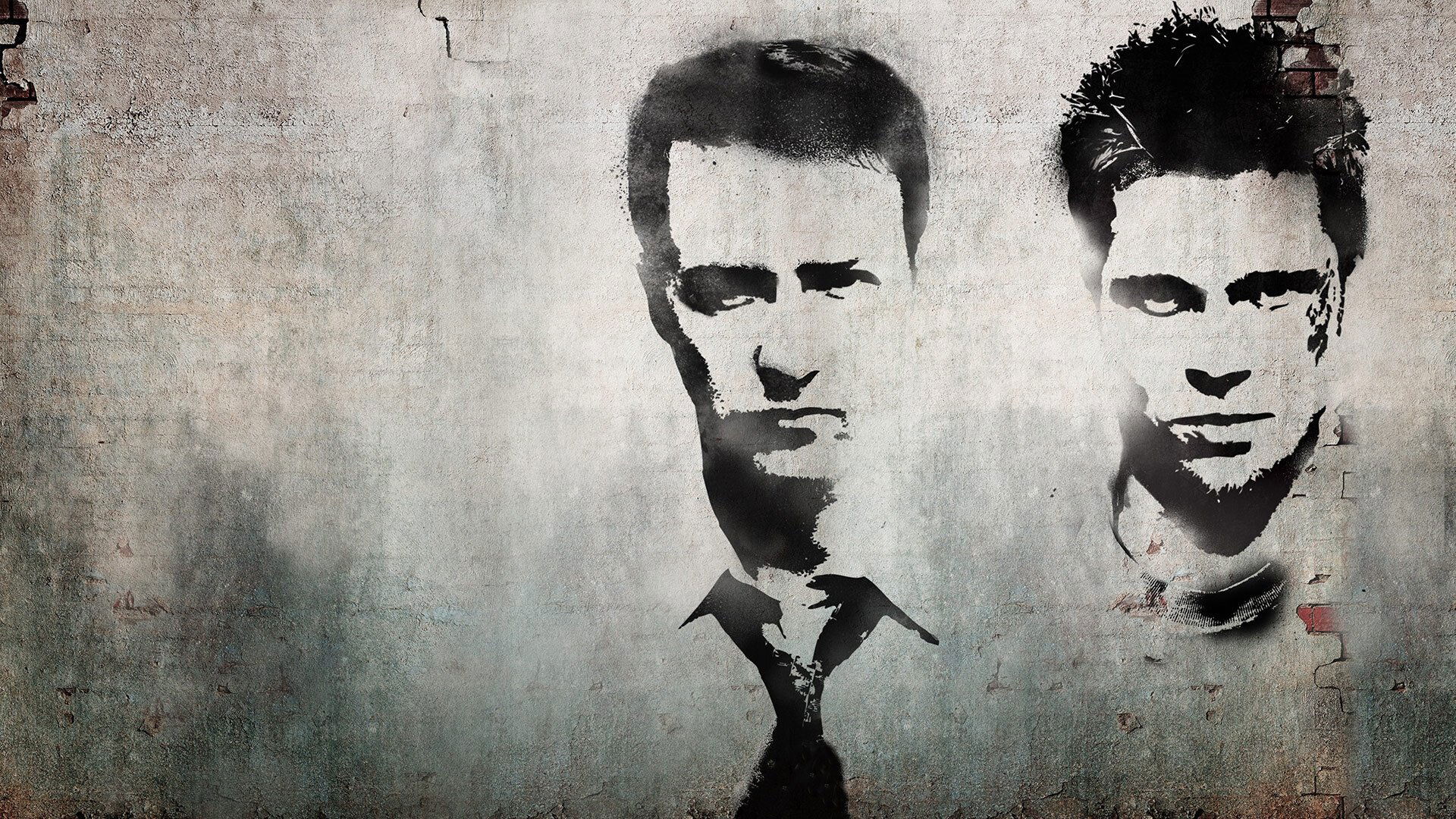

David Fincher makes films about people who look too closely. Detectives, hackers, killers, founders: his protagonists are defined by obsession, and the movies inherit that quality. Every frame is locked off and deliberate. Every cut is a small act of violence against comfort. The world he builds is always slightly wrong, slightly too clean or too corrupt, and you feel it before you can name it. What fans love is not the twist or the darkness (though both are present) but the control: the sense that someone is absolutely in command of what you are seeing and when you see it.
Essential David Fincher
The director's own films, ranked by obsession

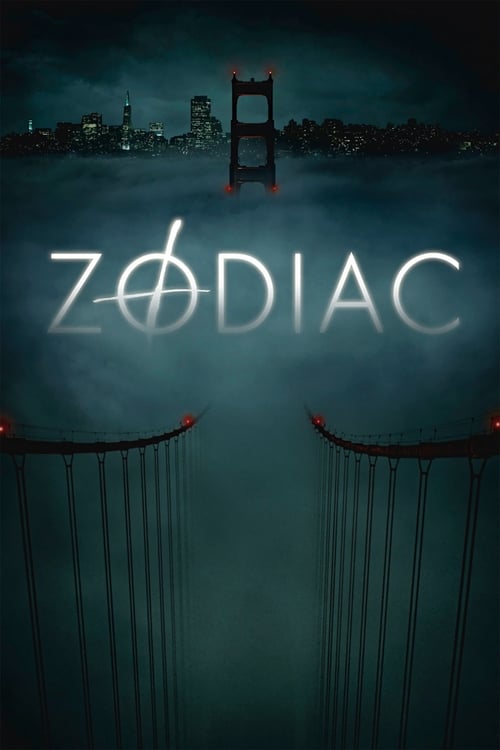
Zodiac is his masterpiece
The serial-killer film where the killer is almost beside the point. Zodiac is about what obsession does to people who follow evidence into a void and never find the bottom. At 158 minutes it is Fincher at his most patient and most rigorous. The film ends not with resolution but with the quiet horror of certainty that can never be proven. Nothing in his filmography is more adult.
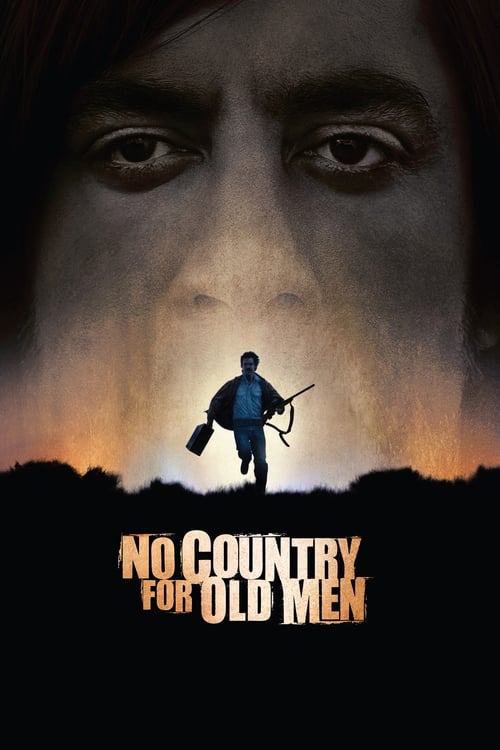
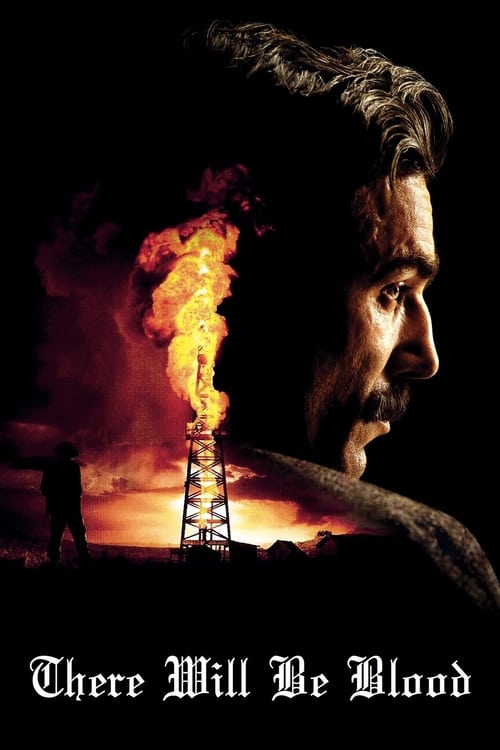
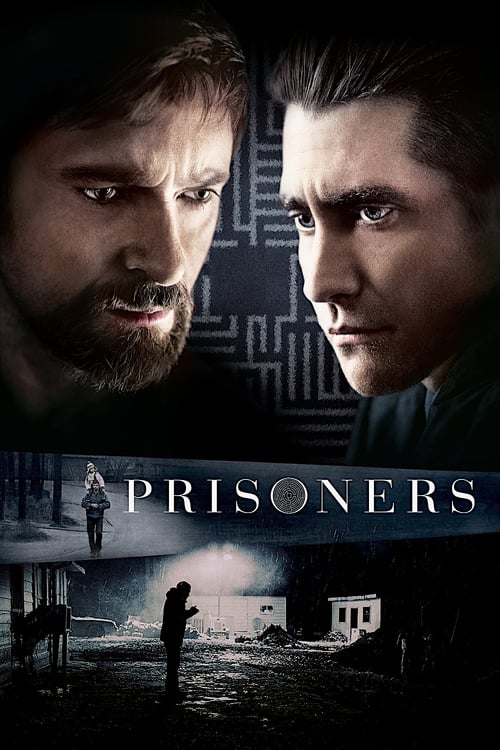
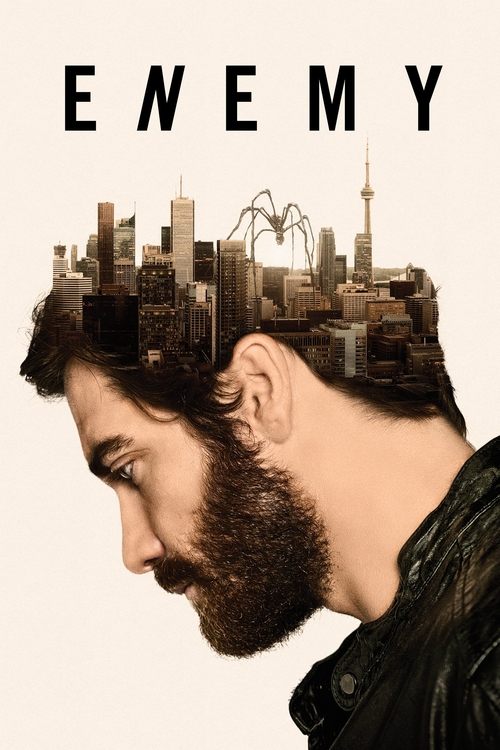
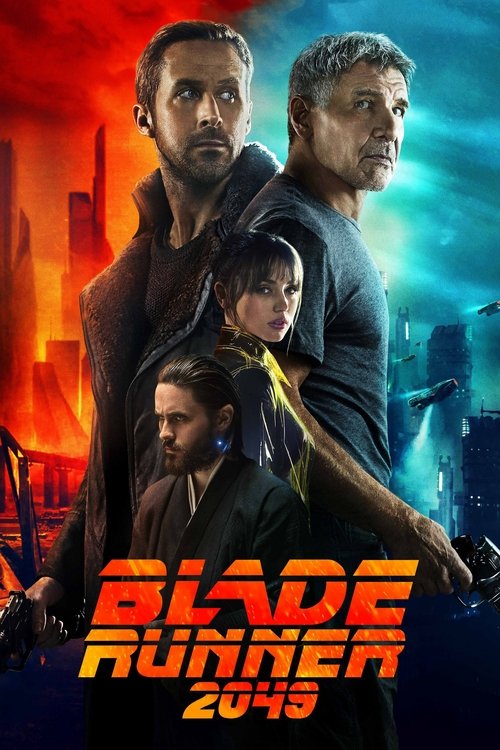
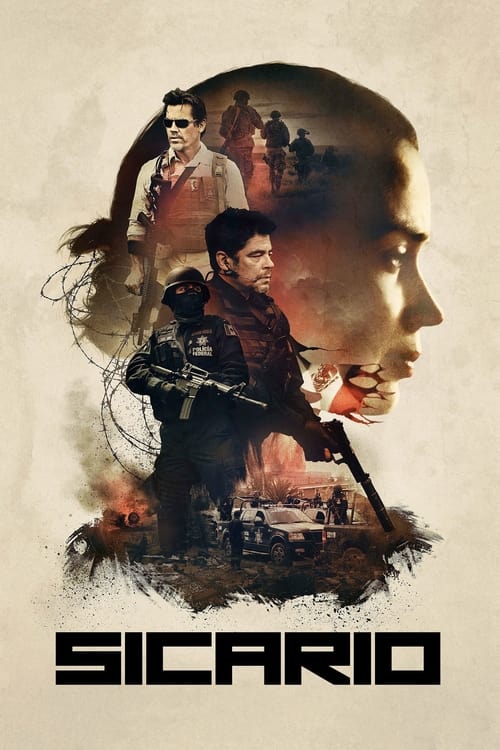
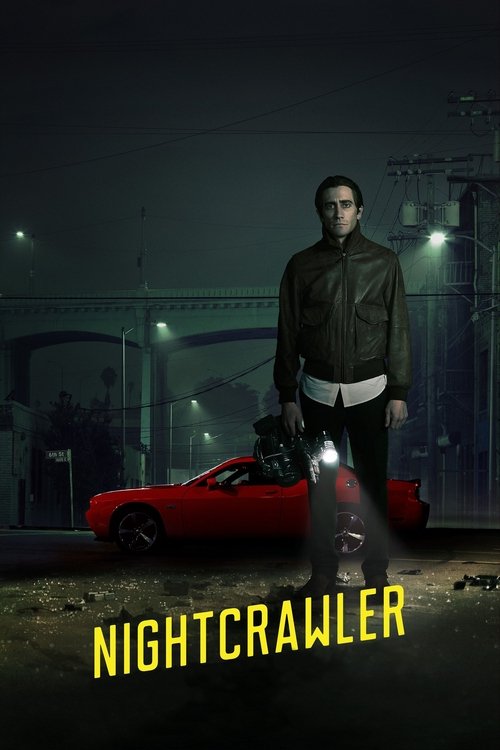
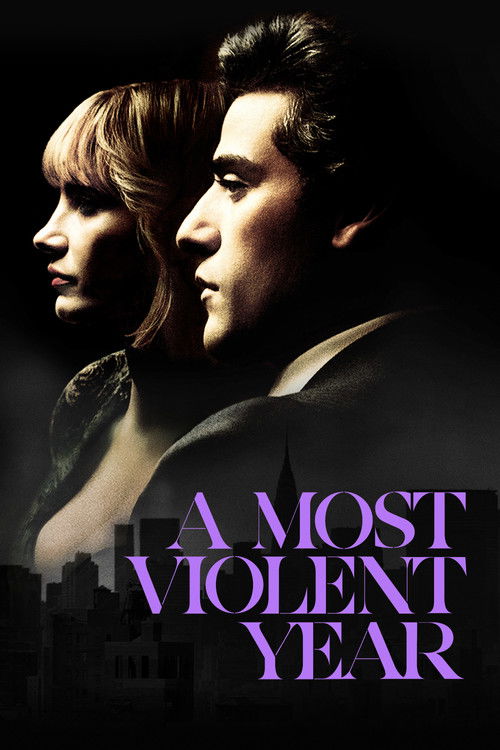
If You Love Fincher: Same-Vibe Directors
Films built with the same cold precision and moral unease
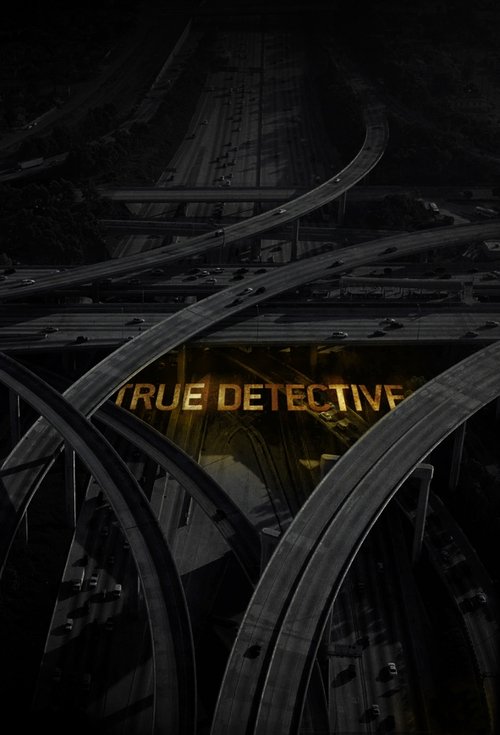
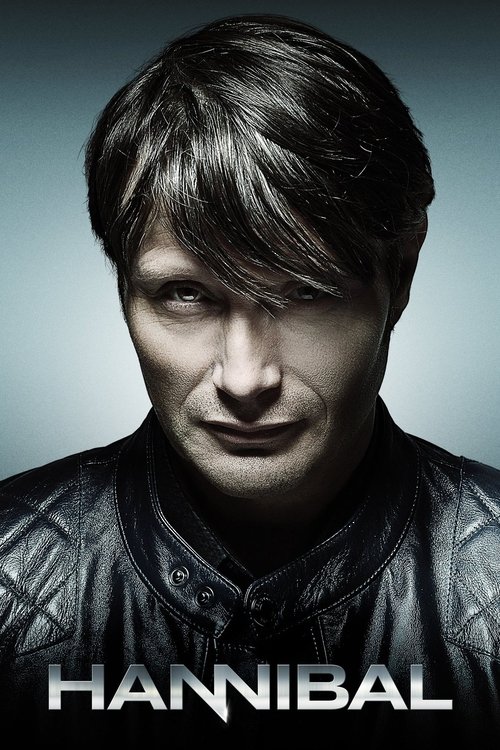
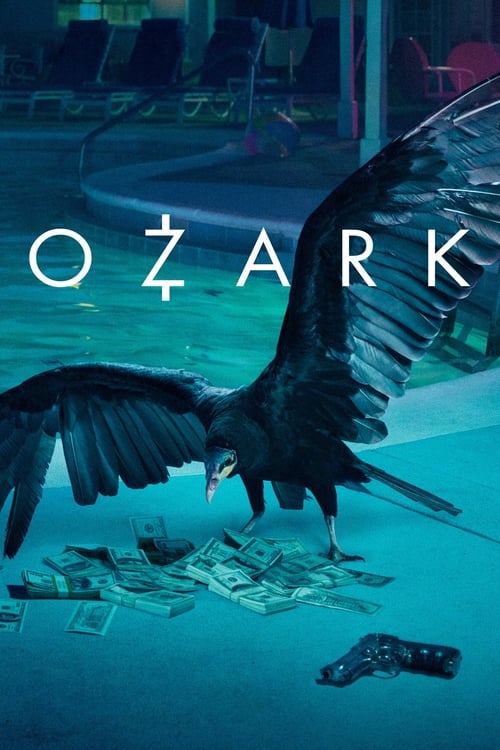
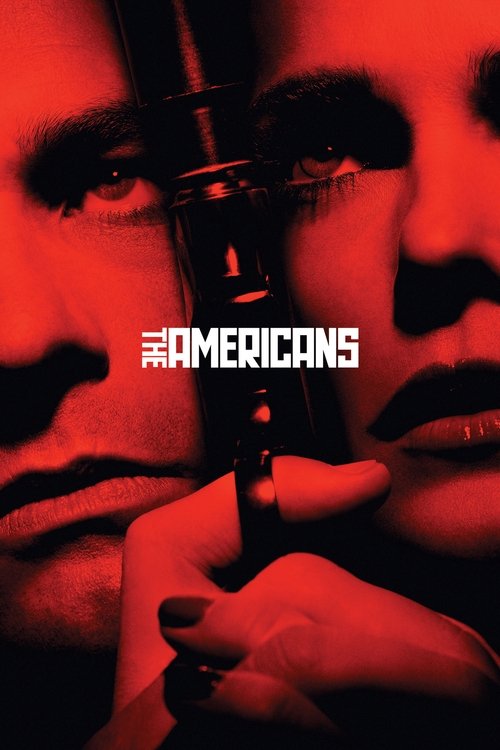
Series That Share the DNA
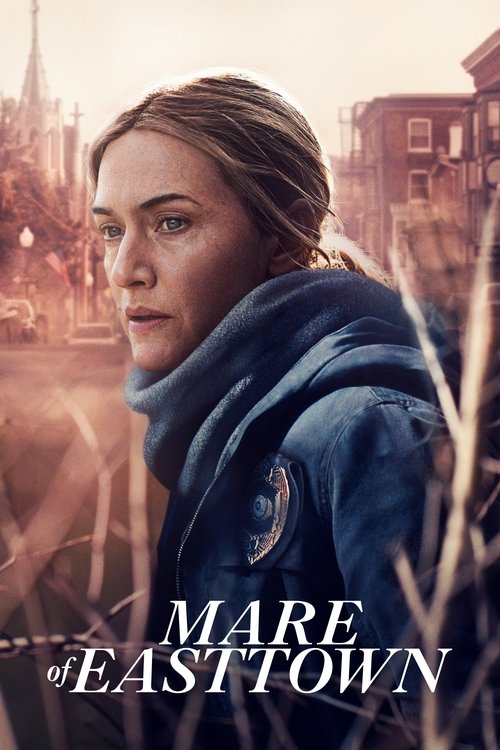
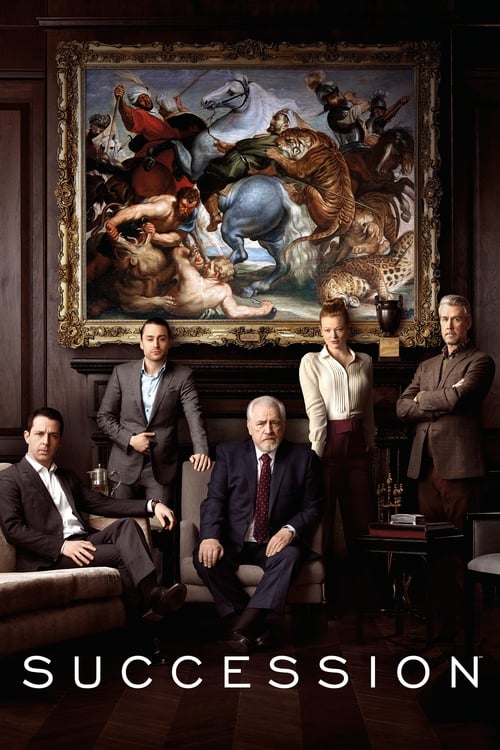
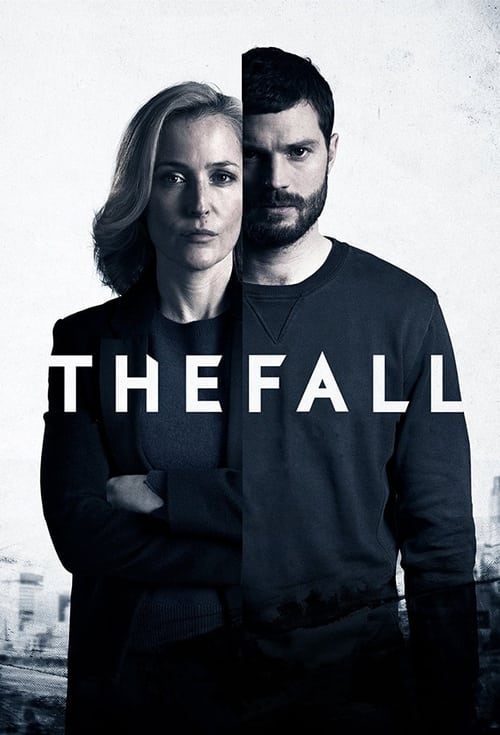
Television that earns the same slow-burn dread


The Books Behind the Films
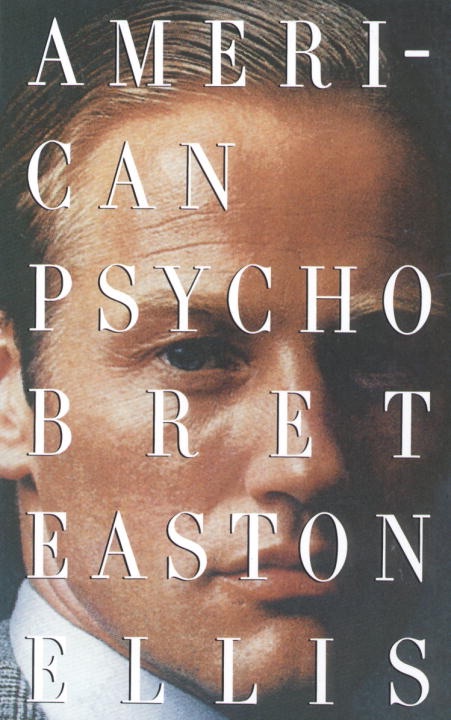
Source novels and thematic counterparts worth reading



Games That Share Fincher's Aesthetic
Precise, oppressive, and unwilling to let you off the hook
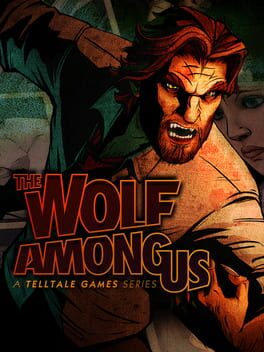

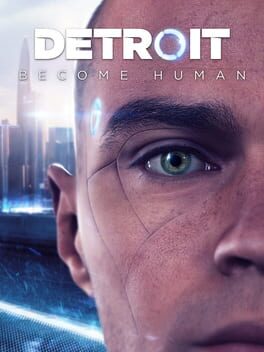
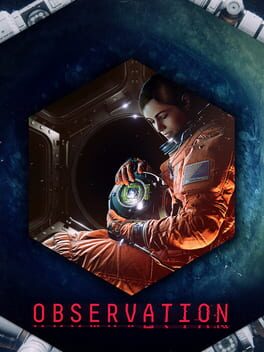
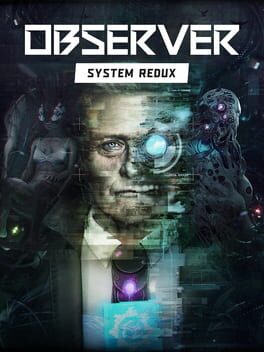
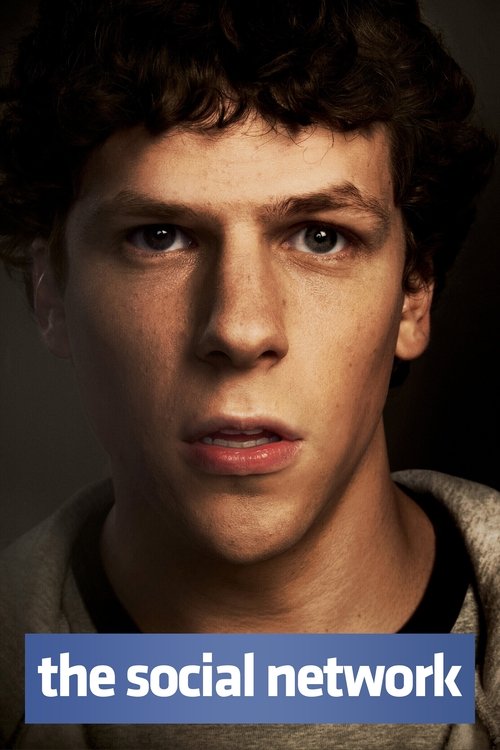
The Social Network rewrote what a prestige film could be
Aaron Sorkin's script is structured like a deposition because it is one, and Fincher shoots it like a thriller because that is what it is. The founding of Facebook becomes a story about betrayal and the gap between legal victory and human loss. Trent Reznor and Atticus Ross's score turns a boardroom flashback into something that feels like running. It won three Oscars and permanently changed how Hollywood thought about tech-world drama.
Fight Club is not what people think it is
The film is frequently cited as an endorsement of everything it critiques. Watch it again and notice how Fincher handles the unreliable narrator: not as a twist but as a sustained argument about consumer identity and masculine crisis. Chuck Palahniuk's source novel is angrier and more nihilistic; Fincher's version adds a tonal control that makes the satire land harder than the rage does.
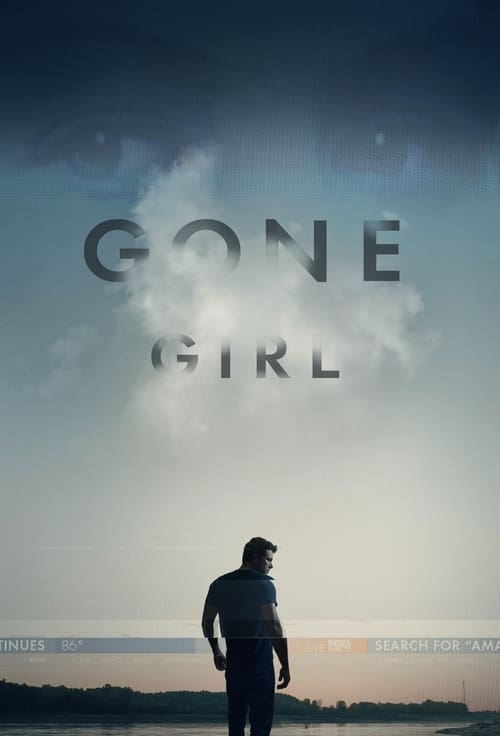
Gone Girl is his most underrated film
Critics called it a thriller. It is that, but it is also Fincher's most explicitly political work: a film about performance, marriage as public narrative, and media's appetite for the wrong kind of truth. Rosamund Pike's Amy is one of the great performances of the decade. Gillian Flynn adapted her own novel and sharpened it in the process.
A Fincher Timeline
- 1992Feature debut after the Alien 3 experience he'd rather forget Alien
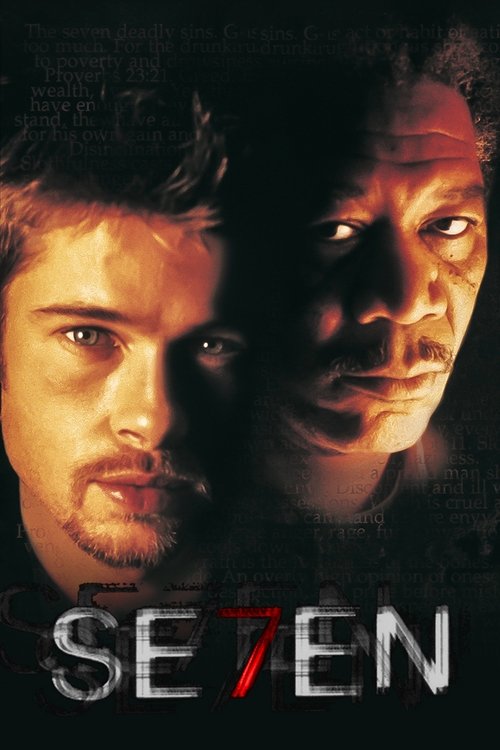
- 1995Se7en establishes the Fincher template: rain, dread, a box Se7en
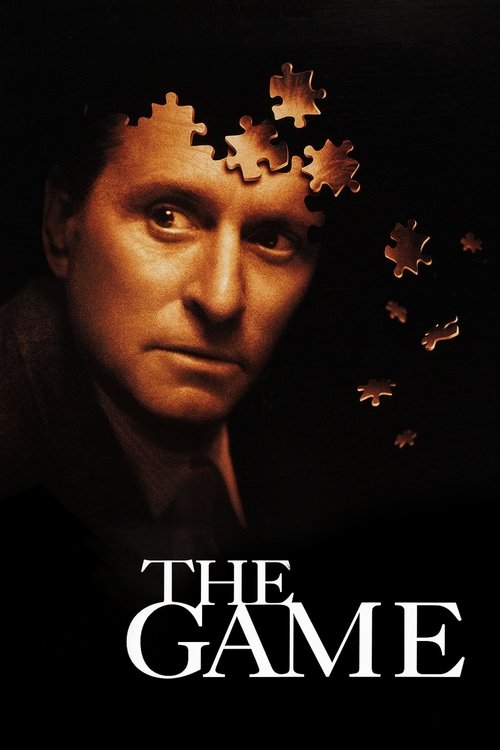
- 1997The Game: paranoia as a feature, not a bug The Game
- 1999Fight Club splits critics and builds a generation of devotees Fight Club
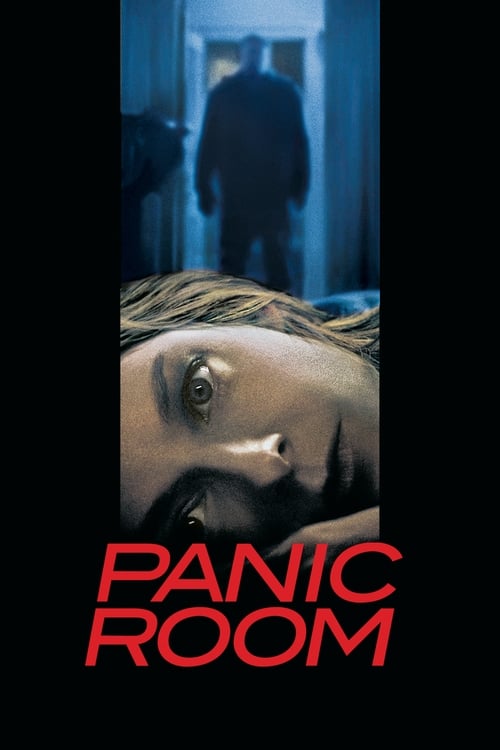
- 2002Panic Room: a single building becomes a pressure cooker Panic Room
- 2007Zodiac: the case that never closed Zodiac
- 2010The Social Network: the film of its decade The Social Network
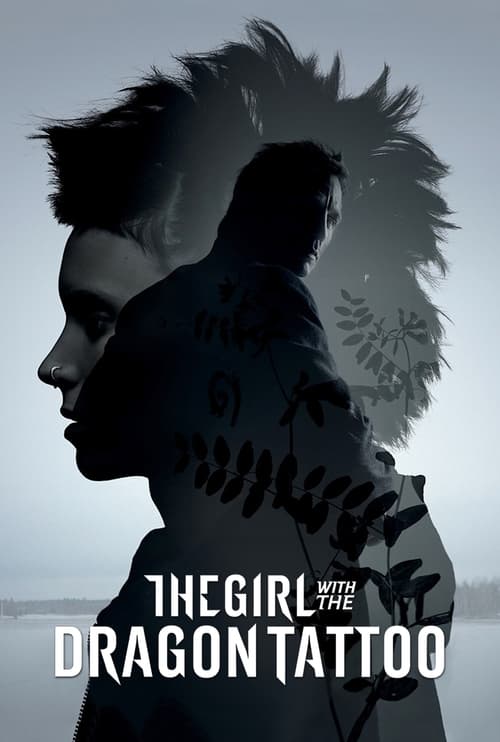
- 2011The Girl with the Dragon Tattoo: Lisbeth Salander arrives in English The Girl with the Dragon Tattoo
- 2014Gone Girl: marriage as spectacle, truth as performance Gone Girl
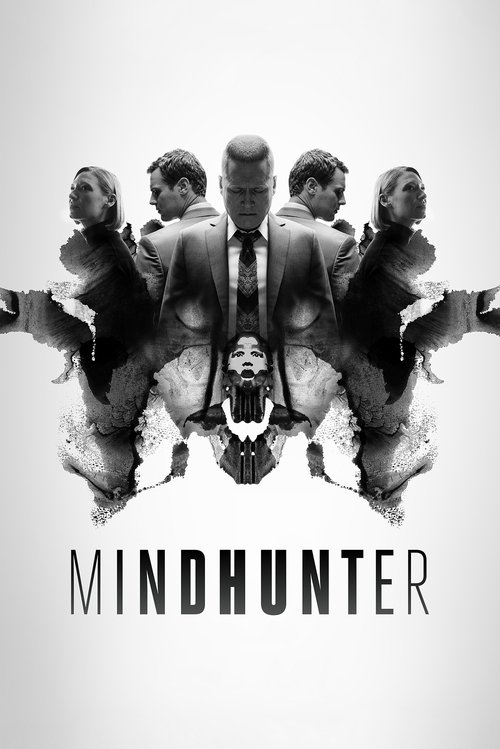
- 2017Mindhunter: FBI profiling as slow procedural dread MINDHUNTER
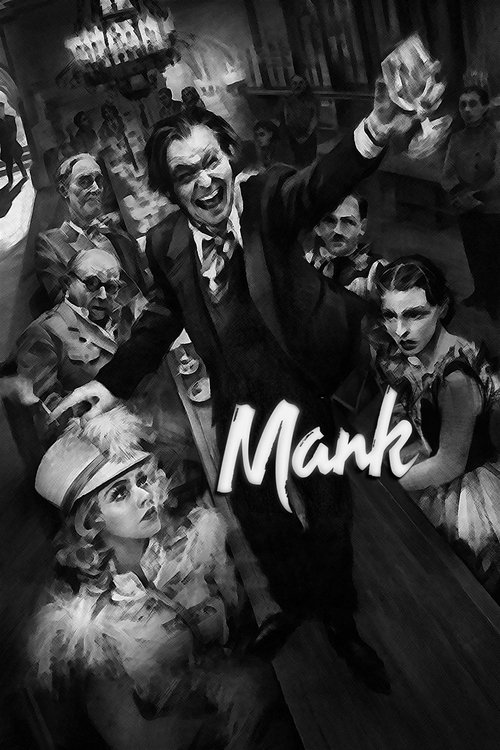
- 2020Mank: Hollywood's golden age, stripped of its gold Mank
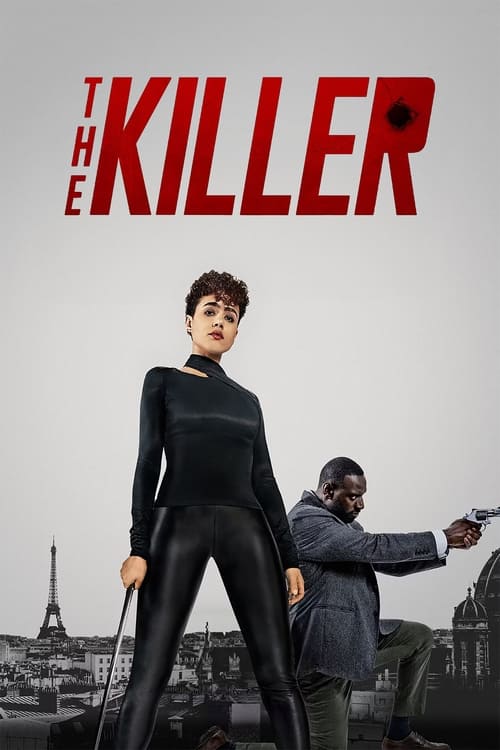
- 2023The Killer: a hitman who narrates his own irrelevance The Killer
More Cold Dread and Killer Hunts
Serial Killer Hunts
Explore the Serial Killer Hunts guide →Every frame is an argument. Fincher never cuts to a close-up because he forgot to cover it wide first. He cuts because he has decided exactly what you need to see and when doubt about the world around that detail is more useful than certainty.CrossBinge Editors