

Devs is the rare series that treats its audience as philosophically literate adults. Alex Garland's eight-episode FX miniseries (2020) follows Lily Chan, a software engineer whose boyfriend vanishes after his first day inside the secretive Devs division of a Silicon Valley quantum computing firm. What starts as a corporate-paranoia thriller turns into something far stranger: a meditation on determinism, the simulation hypothesis, grief, and whether free will is a story we tell ourselves to get through the day.
The series is slow, precise, and visually ravishing (shot by Rob Hardy with the same clinical beauty as Ex Machina). Nick Offerman plays Forest, the company's founder, with the quiet intensity of a man who has decided the universe is a machine and therefore nothing matters except the code. Sonoya Mizuno anchors every scene as Lily. The score by Ben Salisbury and Geoff Barrow is one of the decade's best.
If you finished Devs and immediately needed more of that feeling, the works below are your map.
Essential Devs
Alex Garland's other works and the films that orbit Devs most closely

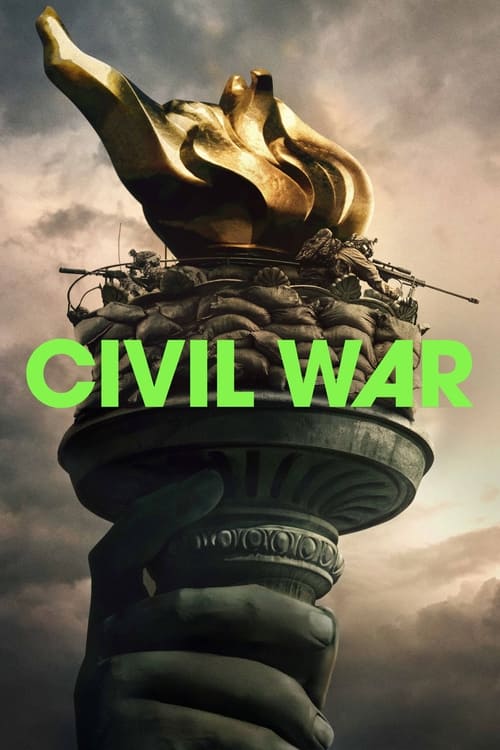
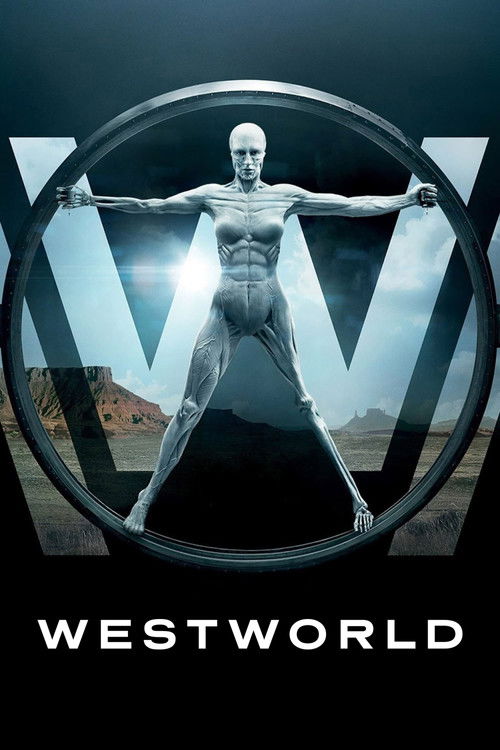
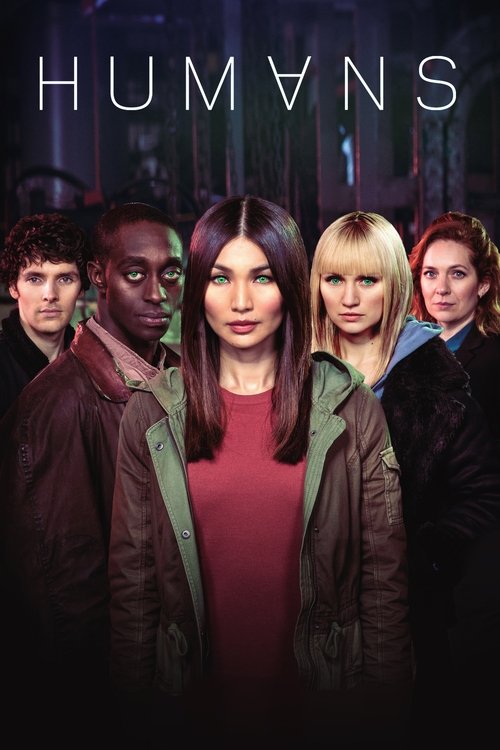
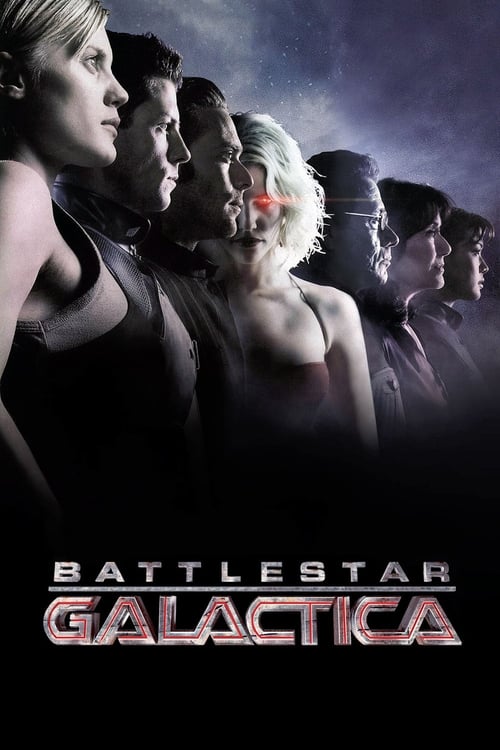
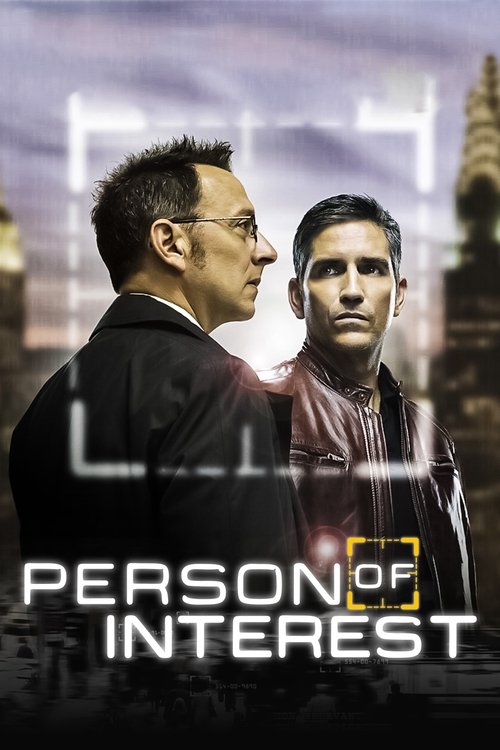
Series That Treat Ideas Like Characters
TV that puts philosophy and science at the centre, not the side
Films With the Same Cold Logic
Cinema that uses technology or science as the lens for dread


Novels for the Determinism-Haunted
Books that argue with free will, consciousness, and what comes after certainty


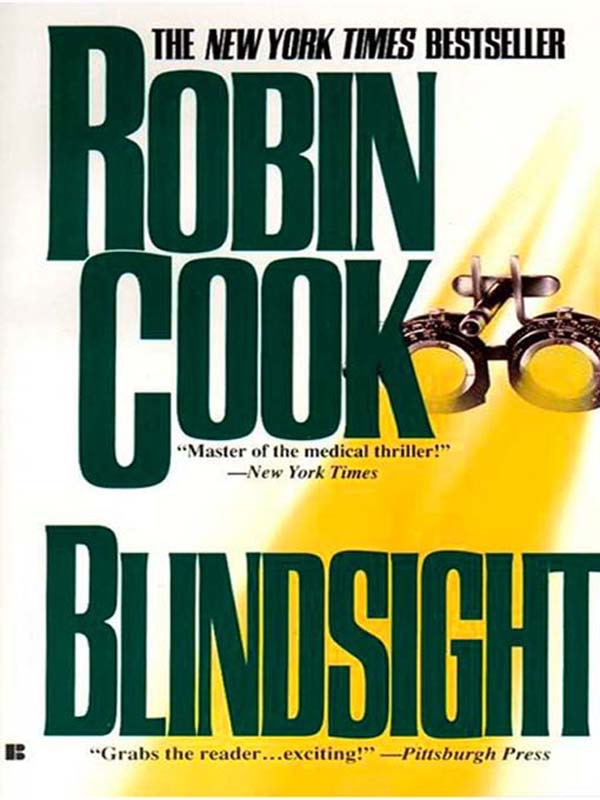

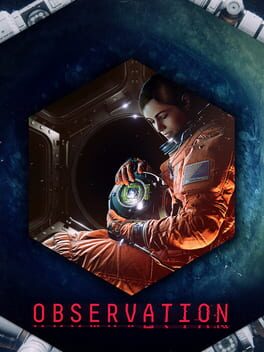
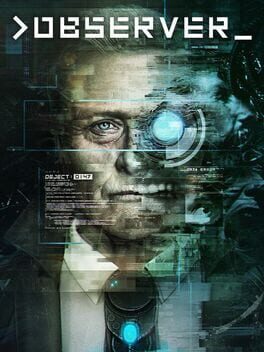
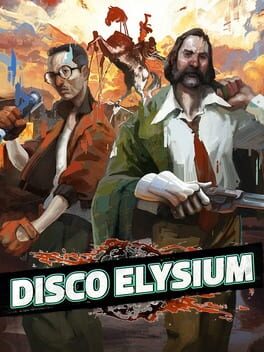
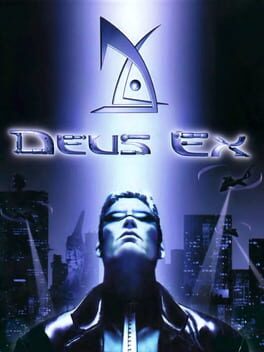
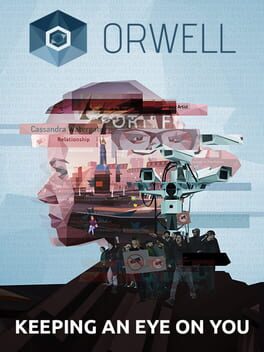
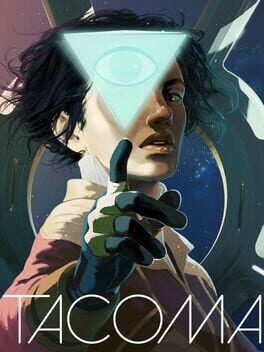
Games That Make You Feel Watched
Games built around surveillance, AI, determinism, or corporate power
The Score Is Half the Show
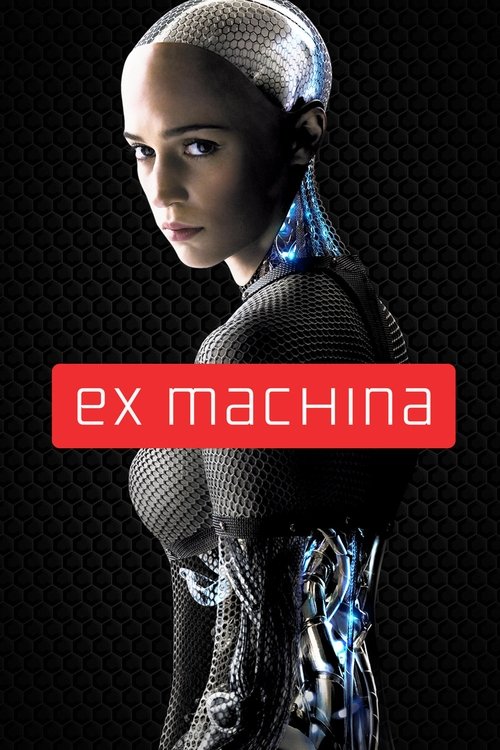
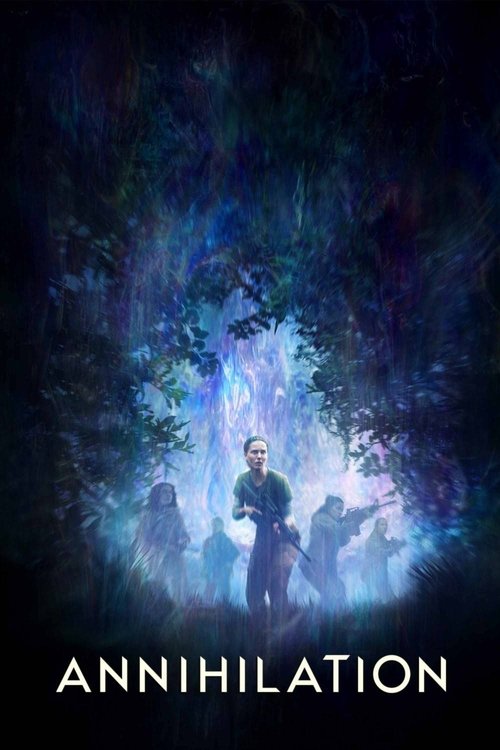
Ben Salisbury and Geoff Barrow scored Ex Machina and Annihilation before Devs, and the three scores form a loose trilogy of dread. Devs is their most varied work: hymn-like choral passages sit alongside jagged electronics, and the shift between the two tracks the story's tension between faith and physics. It is the kind of score that keeps working on you after the episode ends.
Garland Writes Engineers, Not Hackers
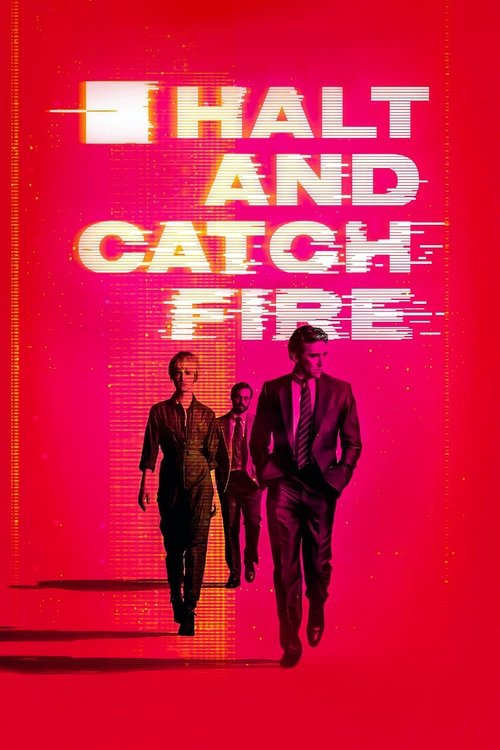
Devs is one of the few screen depictions of software work that feels observationally honest. The code is real, the culture is recognisable, and the horror emerges from logic carried to its endpoint rather than from villainy. Halt and Catch Fire does something similar for the 1980s PC era: the antagonists are not monsters, they are people who want to be first and find they cannot stop.
Primer Is the Indie Counterpart
Shane Carruth made Primer for $7,000 and structured it as though the audience had already seen it twice. Like Devs, it takes determinism and time seriously, refusing to flatten the implications into reassuring plot mechanics. Both films trust that the discomfort of the ideas is the point. Coherence, made for even less, belongs in the same conversation: six friends at a dinner party, one bad night, no clean resolution.
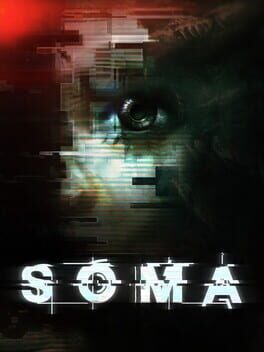
SOMA Is the Game Devs Fans Should Play First
Frictional Games built SOMA as a horror game about consciousness and identity, set in a decaying underwater facility run by increasingly unstable AI. Its central question, what makes you you if the pattern that is your mind can be copied, runs directly parallel to Devs's obsession with whether the self is information or something more. It is the most philosophically serious game of the last decade.
The Garland Lineage
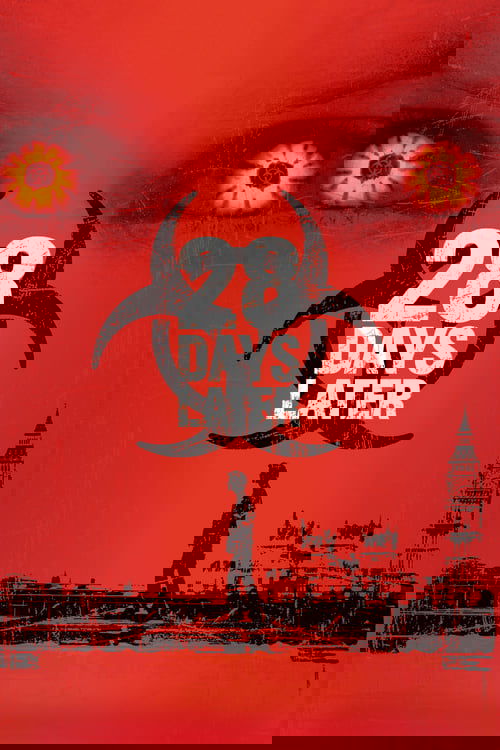
- 200228 Days Later: Garland's first produced screenplay rewrites the zombie genre as post-collapse sociology. 28 Days Later
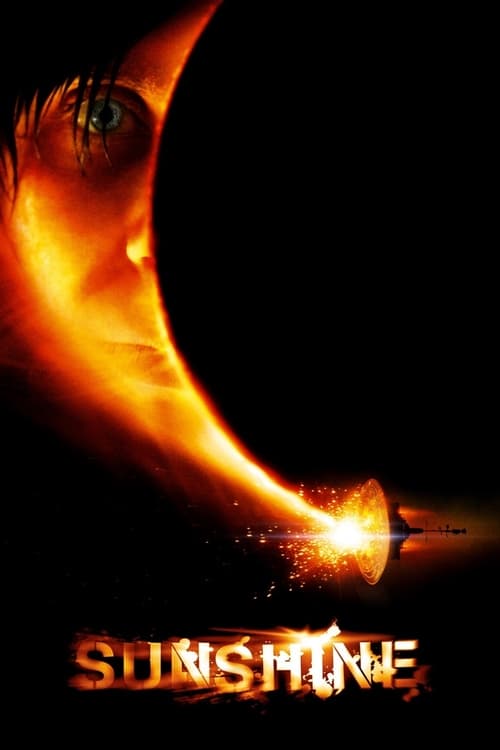
- 2007Sunshine: a crew attempts to reignite the dying sun; Garland leans into the existential over the mechanical. Sunshine
- 2010Never Let Me Go: the Kazuo Ishiguro adaptation Garland scripted, about people who accept the unacceptable. Never Let Me Go
- 2015Ex Machina: Garland directs for the first time; Turing, manipulation, and the question of who is testing whom. Ex Machina
- 2018Annihilation: adaptation of Jeff VanderMeer's novel; identity, duplication, and the alien as mirror. Annihilation
- 2020Devs: Garland's miniseries, his most sustained and explicit engagement with determinism and grief. Devs
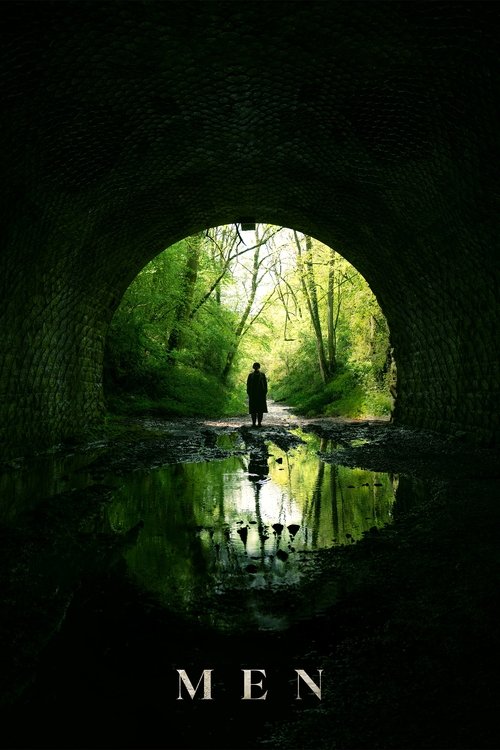
- 2022Men: folk horror that strips the Garland mode down to its most allegorical and divisive. Men
Code, determinism, and consequences
Near-Future Speculation
Explore the Near-Future Speculation guide →The universe is a machine. It doesn't have intent. It doesn't have malice. It is simply the sum of its cause and effect, from the beginning to the end of time.Forest, Devs (2020)