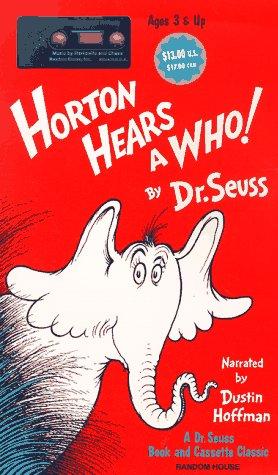

Theodor Seuss Geisel wrote and illustrated under the name Dr. Seuss, and in doing so invented a genre: the picture book that reads like a prose poem, hides a philosophy inside a pun, and never talks down to a child. The through-line that fans return for is the voice, a conspiratorial narrator who treats absurdity with absolute seriousness. Whether the lesson is about the environment, belonging, the arms race, or simply the irreducible value of a person, it arrives wrapped in anapestic tetrameter and creatures that look like nothing else on earth. That combination of formal rigor and total visual freedom is what makes Seuss feel like its own medium, one that film-makers, composers, game designers, and authors of every kind have been trying to translate ever since.
Essential Dr. Seuss
The definitive picture books and early readers from the Seuss canon


From Page to Screen: The Seuss Adaptations
Films and series that brought Whoville, Thneedville, and Nool to life
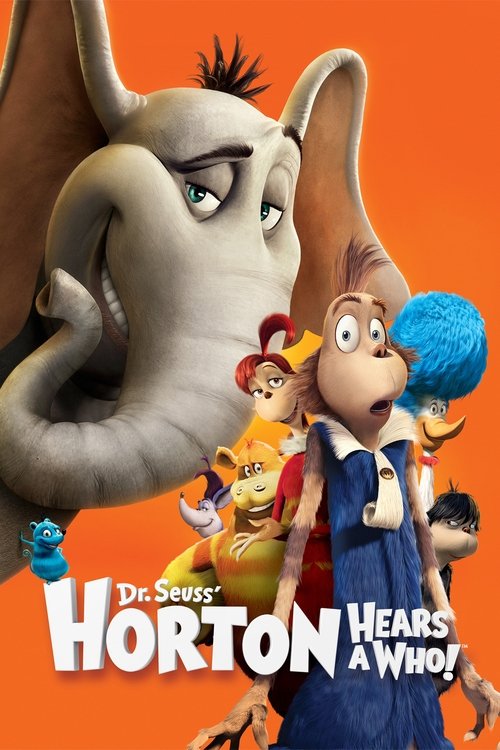
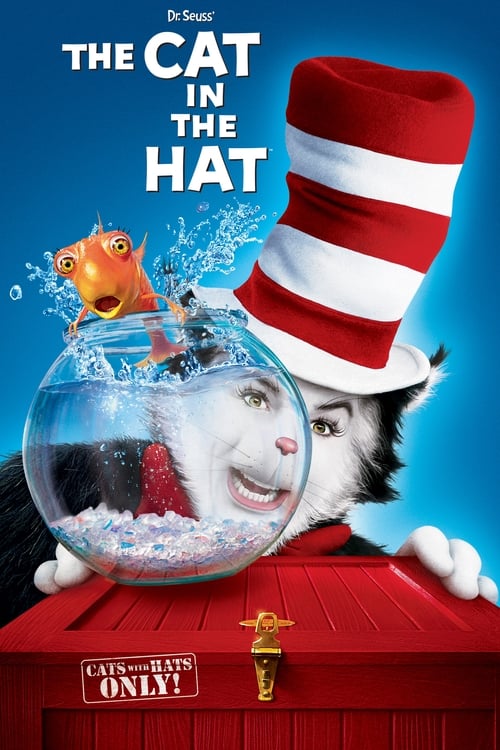
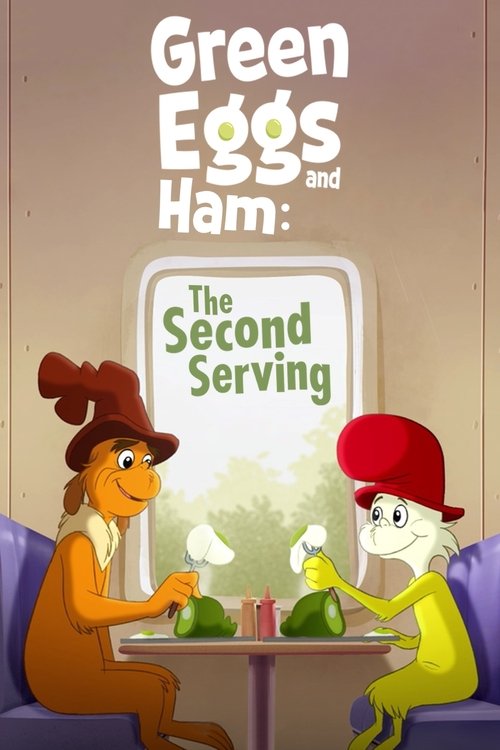
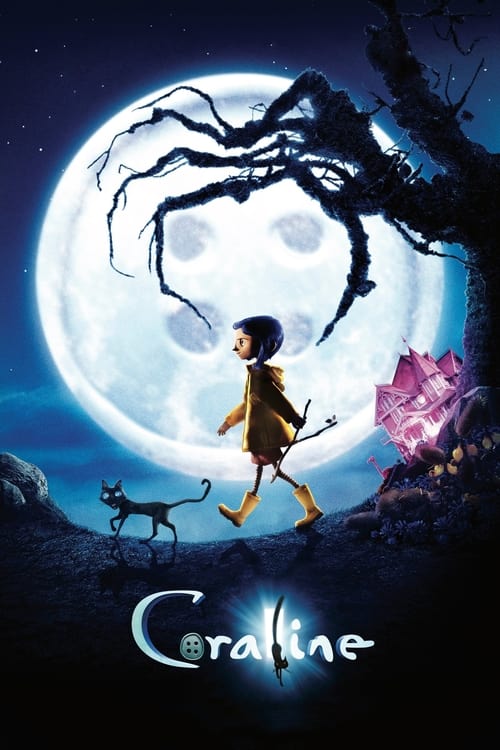
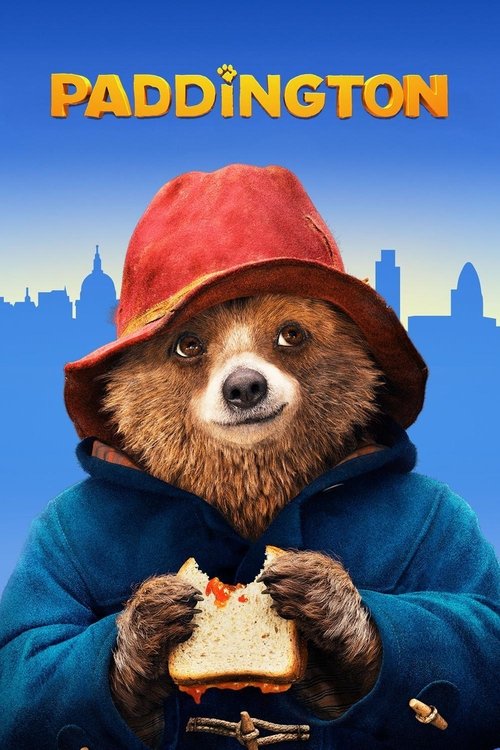
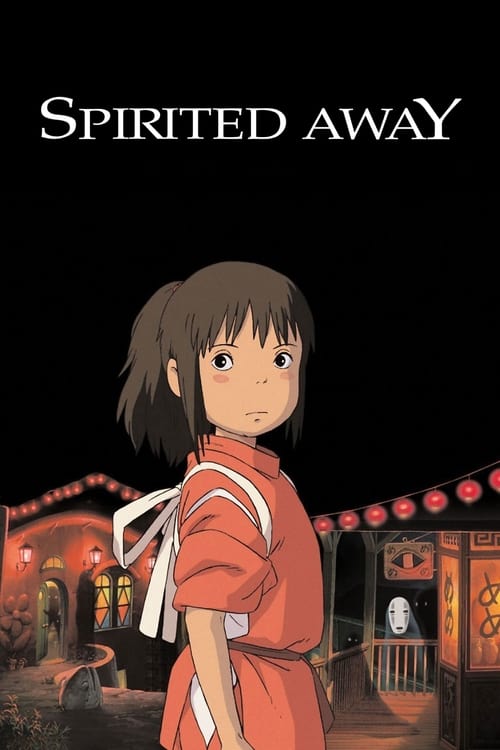
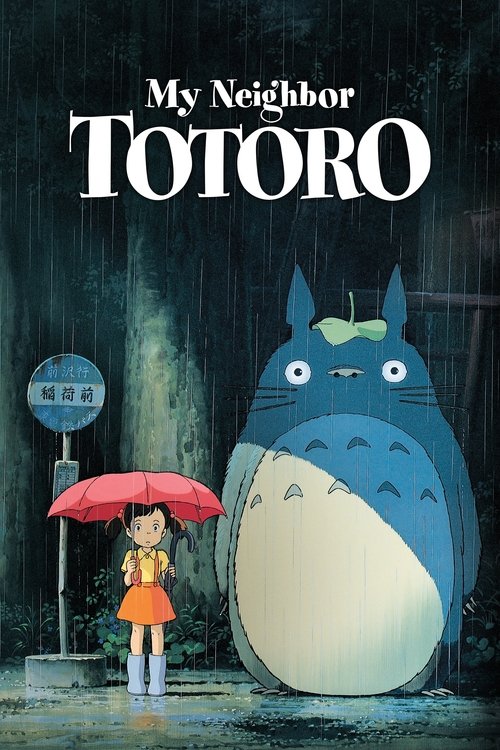
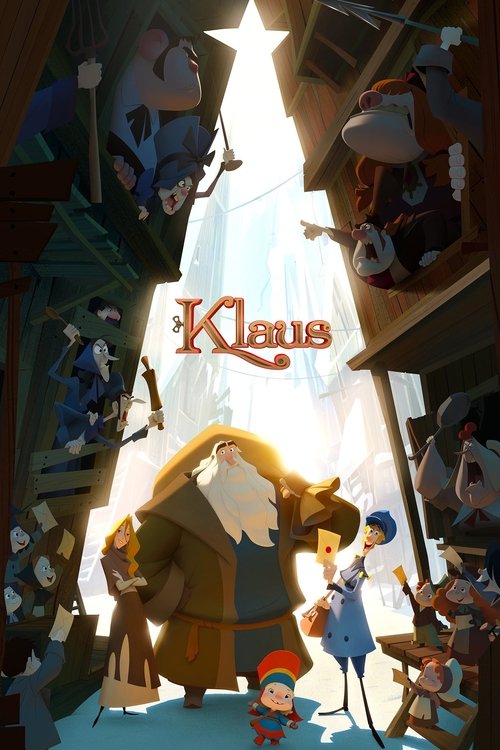
Whimsy With Weight: Animated Films for Younger Audiences
Family animation that shares Seuss's commitment to imagination and quiet moral clarity

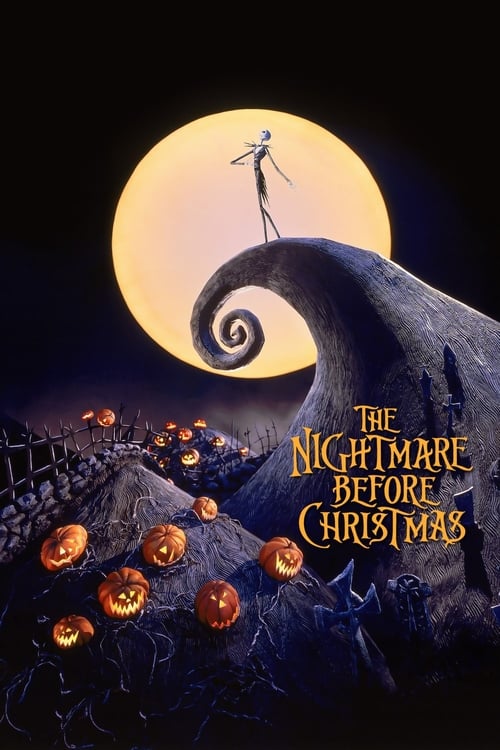
If You Love Seuss, Read These Authors
Picture-book and children's fiction writers who share that spark of subversive kindness


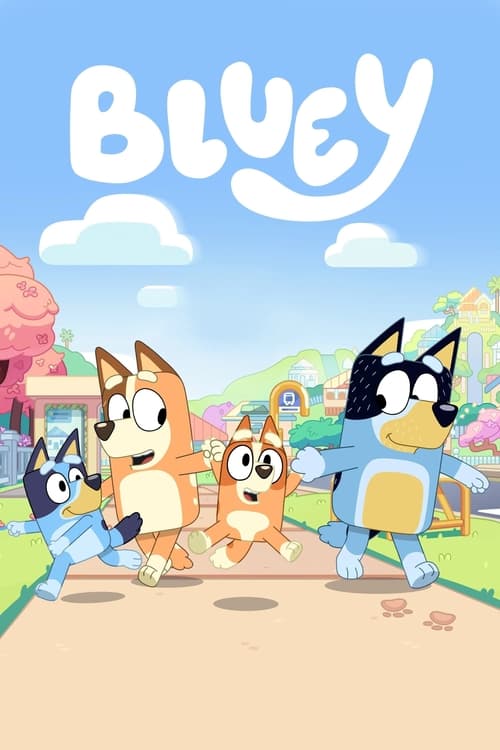
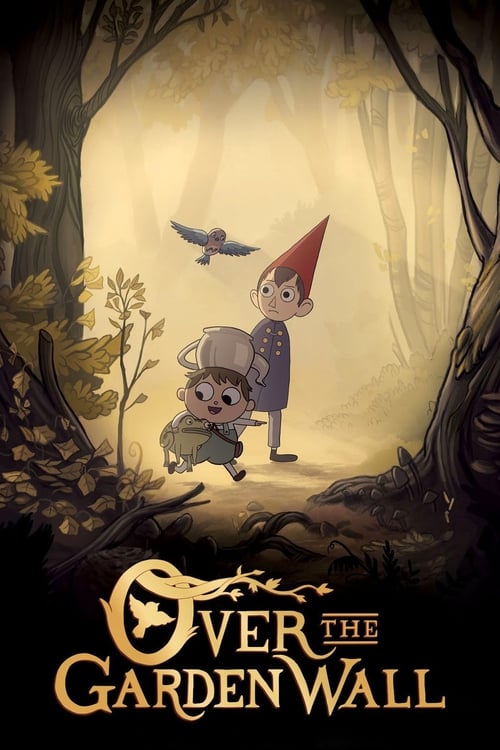
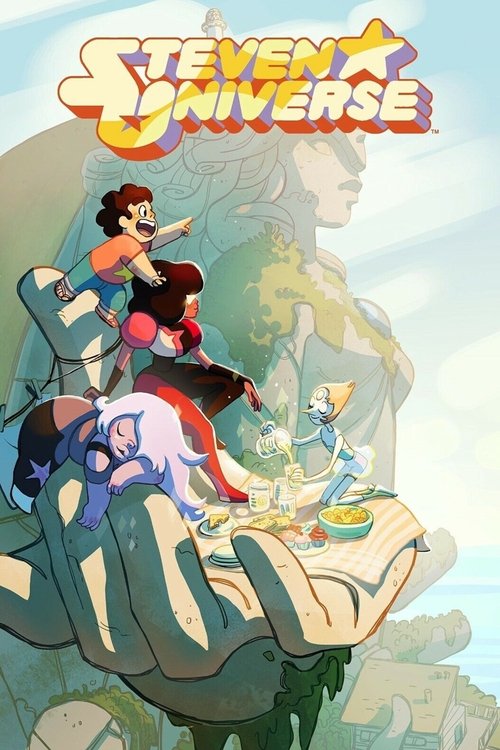
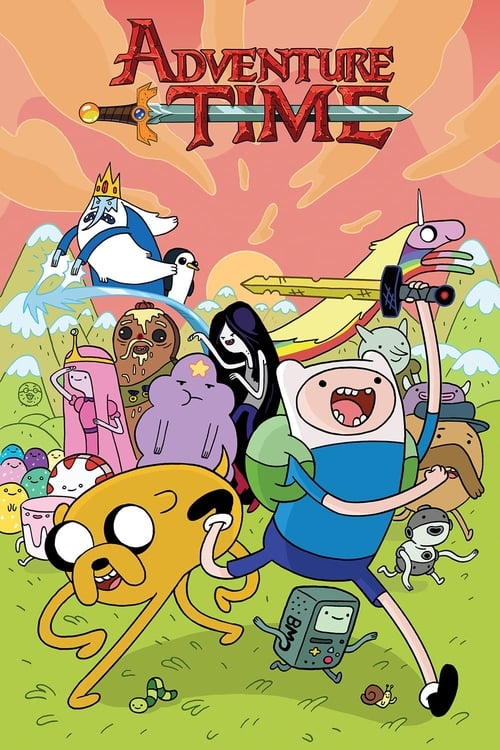
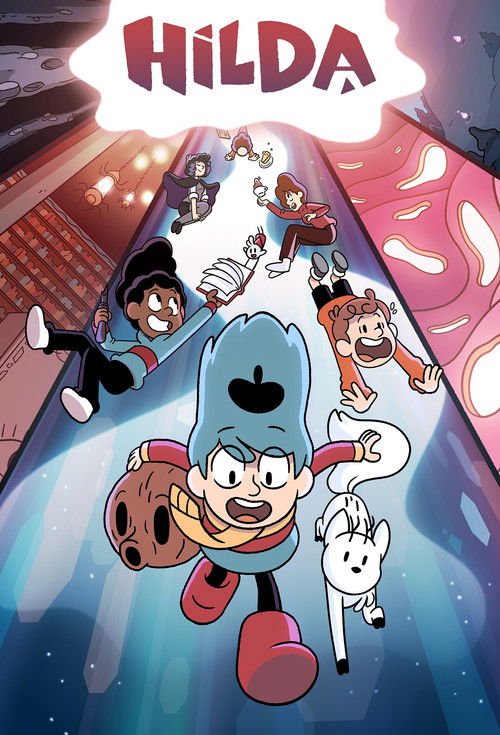
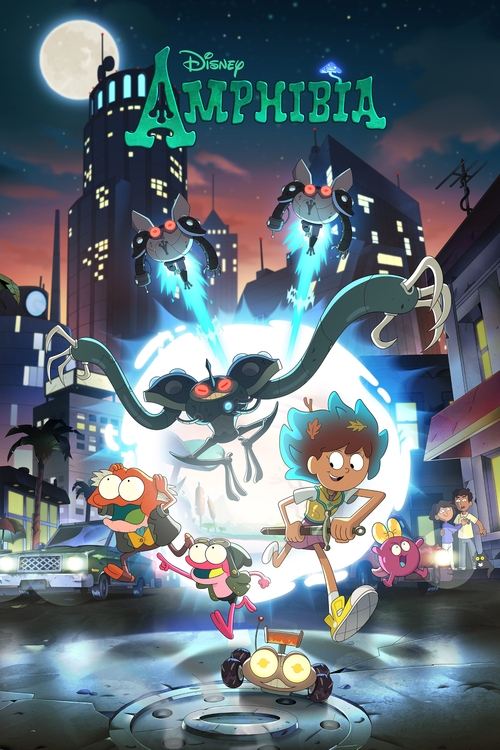
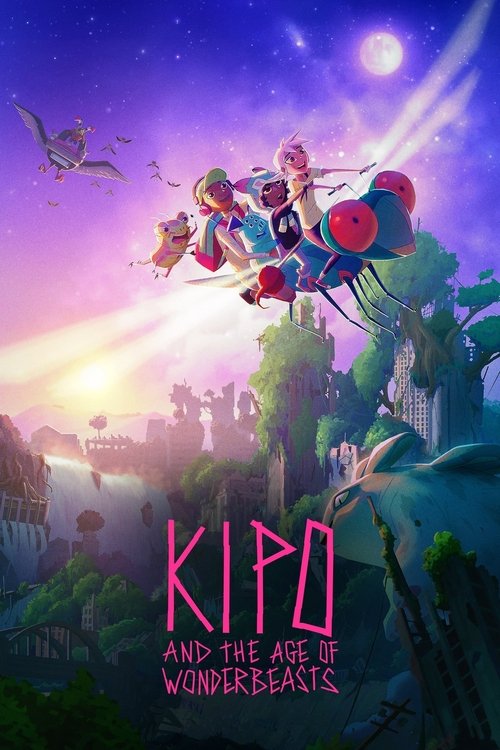
Animated Series for the Seuss Spirit
TV animation built on inventive worlds, playful language, and big-hearted messages


The Lorax Still Has the Best Environmental Argument in Children's Lit
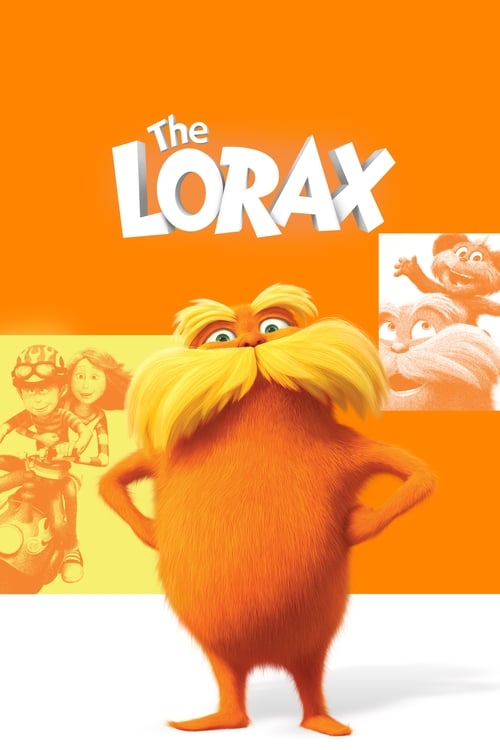
The Lorax (1971) is a picture book about clear-cutting, pollution, and corporate short-termism, and it pulls no punches. The Once-ler never shows his face; he is appetite without identity. What makes the book land harder than most adult eco-fiction is the ending: the Lorax does not fix the problem. He leaves. The 'UNLESS' carved in the stump places the obligation on whoever picks up the seed, meaning the child reading the book. That structural choice, handing the moral weight to the reader rather than resolving it for them, is Seuss at his most sophisticated.
Green Eggs and Ham Is About Scientific Skepticism
The premise is straightforward: Sam-I-Am pesters an unnamed grouch into trying something he has already decided he dislikes. The grouch has no evidence for his refusal, only prior conviction. When he finally tries the green eggs and ham, he loves them. The book is a gentle, repeating argument for empiricism: your strong feelings about something you have never experienced are not data. For a picture book aimed at very young readers, that is a remarkably precise lesson, and it sticks because the formal repetition mirrors the grouch's own stubborn loop.
The Grinch Is the Most Adaptable Character in Holiday Fiction
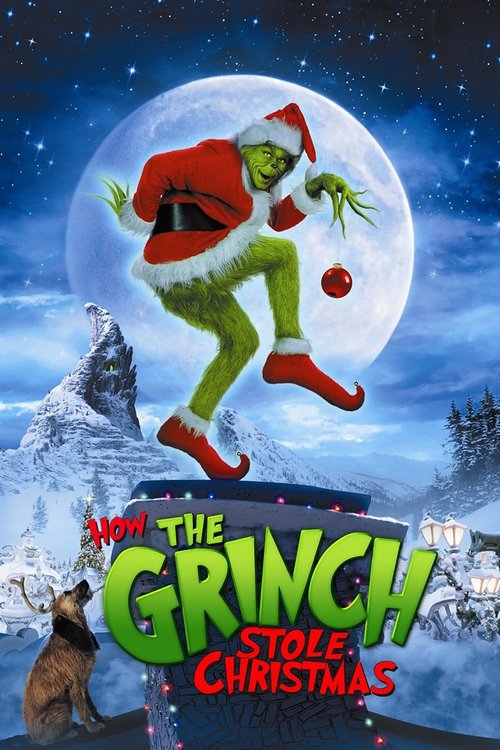
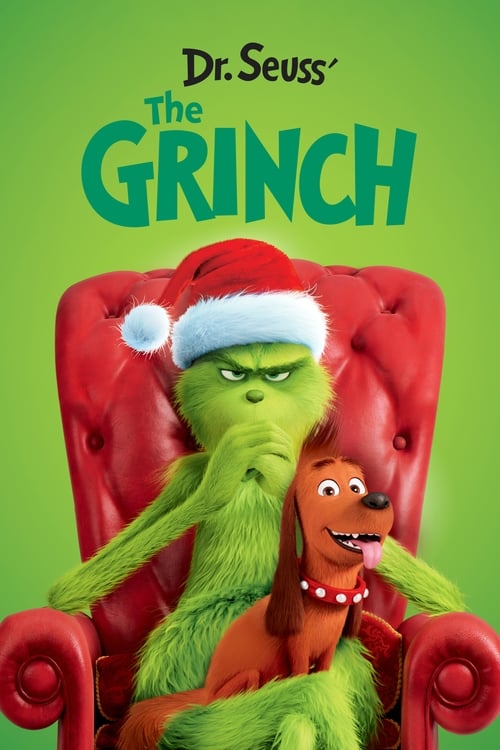
Three major Grinch adaptations spanning six decades, each aimed at a different audience, and none of them has cancelled the original book. That is extraordinary longevity. The 1966 Chuck Jones TV special distills the story perfectly, Boris Karloff's narration matching the original's cadence almost line for line. The 2000 Jim Carrey film expands the Grinch's backstory into something more psychologically detailed. The 2018 Illumination version softens him into a figure of sympathy. Each reading is defensible. The character survives because his journey, from contempt to belonging, is genuinely universal, not a seasonal sentiment.
A Century of Seuss
- 1904Theodor Seuss Geisel born in Springfield, Massachusetts
- 1937First Seuss book published And to think that I saw it on Mulberry Street
- 1954Life magazine report on childhood illiteracy prompts Geisel to focus on early readers
- 1957Year of two landmarks The Cat in the Hat
- 1957Holiday classic debut How the Grinch Stole Christmas!
- 1960Written on a bet using only 50 words Green Eggs and Ham
- 1966First animated TV special
- 1971Environmental parable published The Lorax
- 1990Final book published before his death Oh, the Places You'll Go!
- 1991Geisel dies aged 87
- 2000Live-action adaptation How the Grinch Stole Christmas
- 2008Animated feature Horton Hears a Who!
- 2012Animated feature The Lorax
- 2019Netflix original series launches Green Eggs and Ham
Whimsy, talking animals, and wonder
Talking Animals
Explore the Talking Animals guide →Unless someone like you cares a whole awful lot, nothing is going to get better. It's not.Dr. Seuss, The Lorax