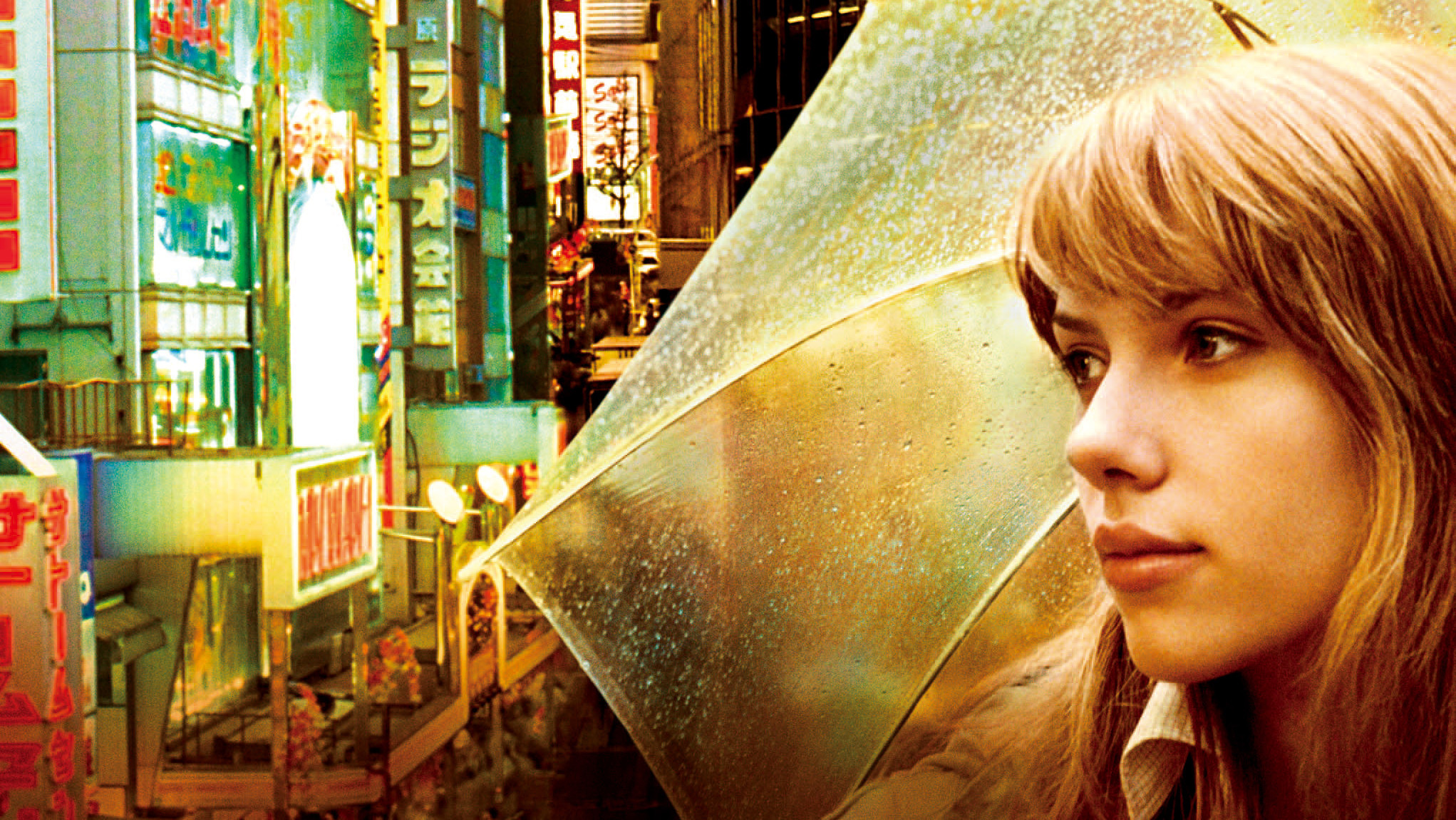

Sofia Coppola makes films about being trapped inside a life that looks perfect from the outside. Her protagonists drift through luxury hotels, suburban mansions, royal palaces, and Japanese skylines, held in place by expectation, boredom, or grief. What fans chase is the mood: that specific feeling of beauty and estrangement coexisting in the same frame. Her visual grammar is hushed close-ups, natural window light, deliberate slowness, and pop songs chosen with the precision of a needle drop. From the phosphorescent ennui of The Virgin Suicides to the pink-velvet fever dream of Priscilla, she has built one of American cinema's most instantly recognizable signatures over three decades.
Essential Sofia Coppola
Her own films, ranked by the depth of the spell they cast


Directors Who Share the Frequency
Filmmakers with the same gift for mood, interiority, and the image that lingers
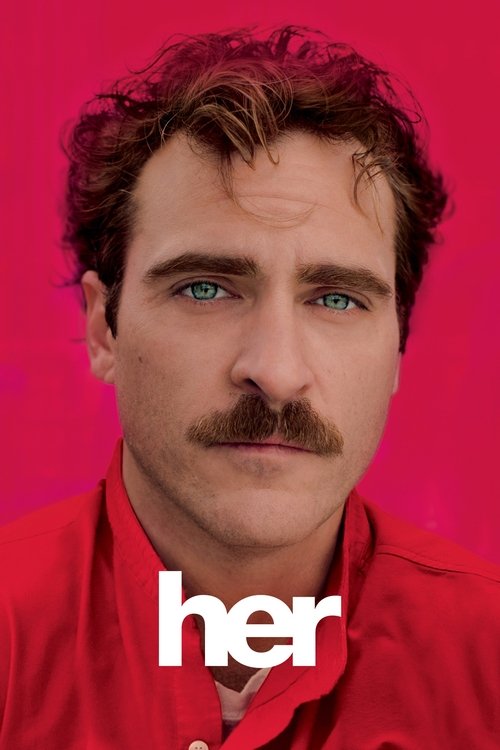
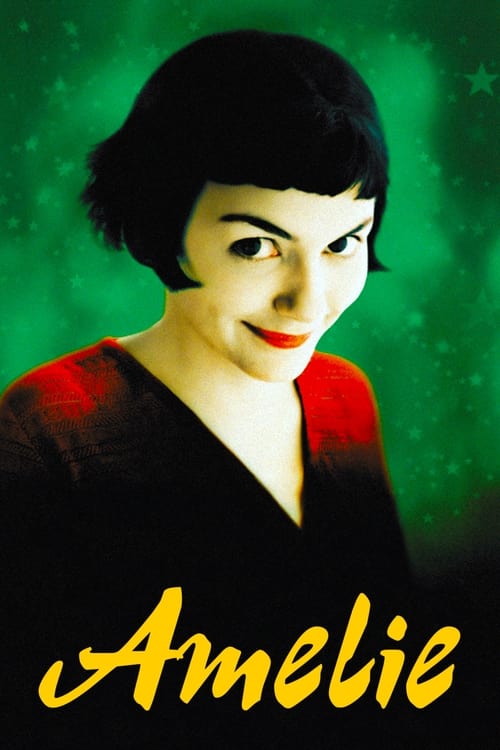
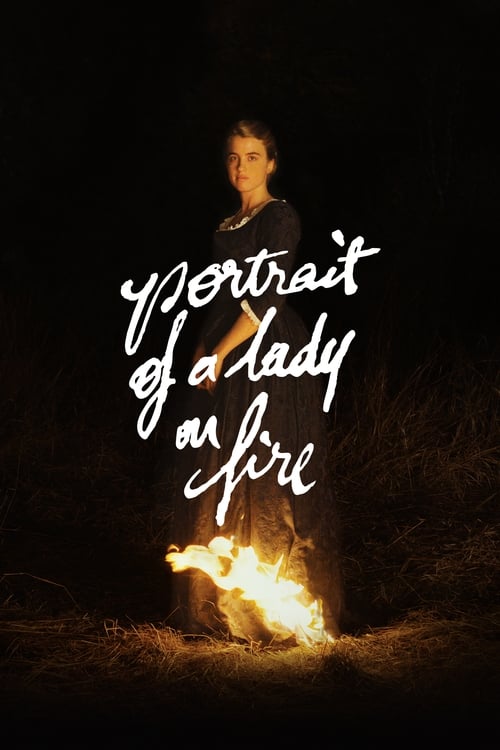
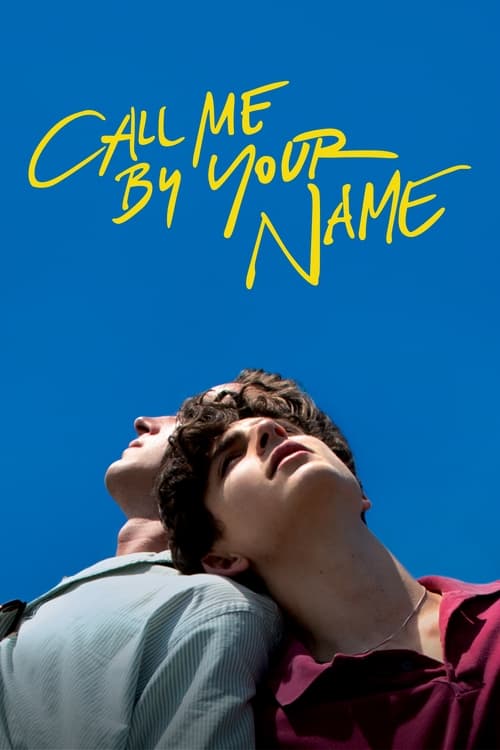

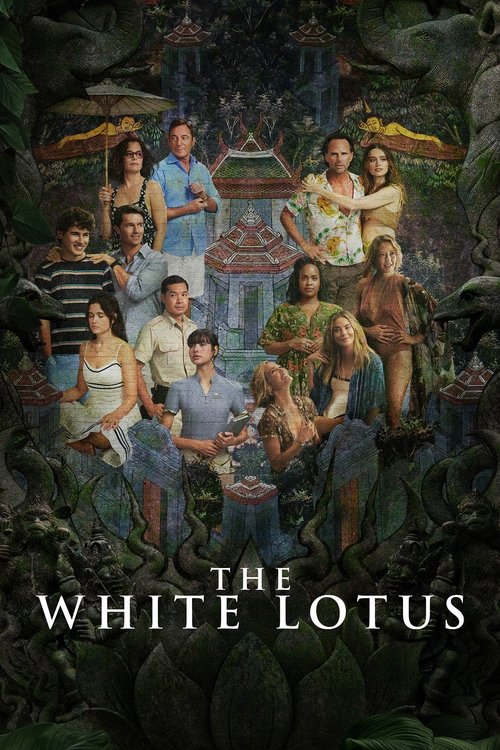
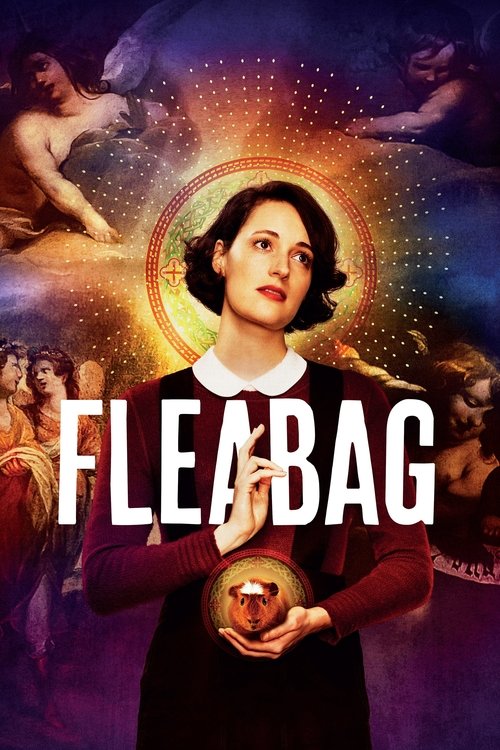
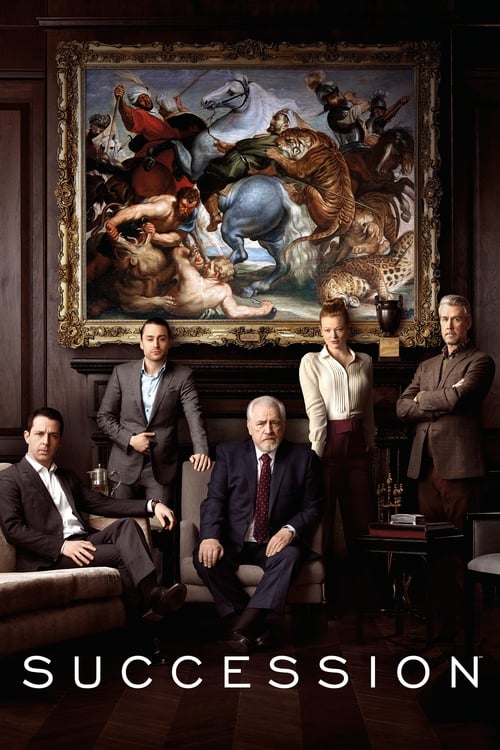
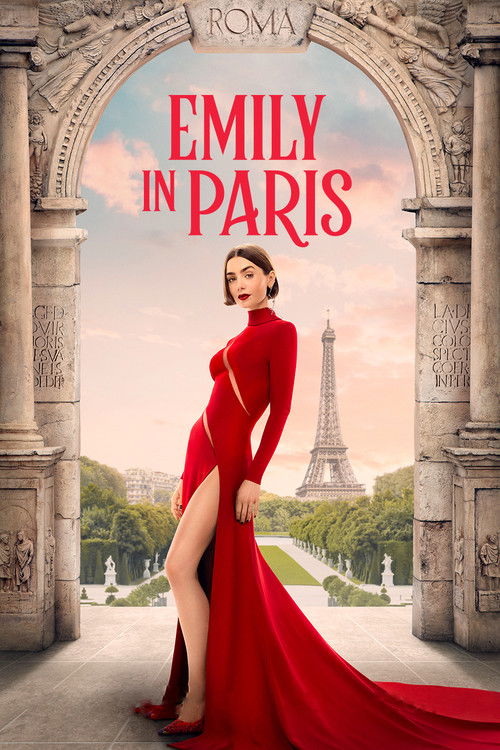
Series That Live in the Same Emotional Register
Television that favors atmosphere over plot, feeling over event
Books That Belong on Her Shelf
Novels she has adapted or that share her obsessions: gilded captivity, female interiority, longing




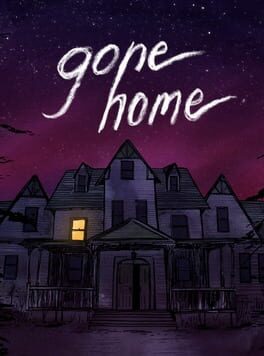
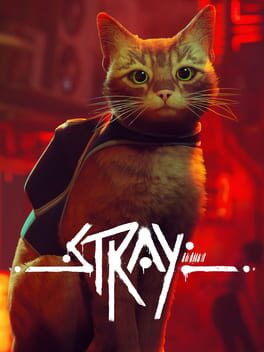
Games with the Same Quiet Intensity
Games built on atmosphere, wandering, and the feeling of being inside a mood


Music From and Around Her Films
The artists and albums whose sound is inseparable from the Coppola atmosphere
Lost in Translation Is Still the Loneliness Benchmark
Two decades on, Lost in Translation remains the most precise film ever made about the particular loneliness of being in the wrong place at the right moment in your life. Bill Murray and Scarlett Johansson do almost nothing for 102 minutes, and that is the point. Coppola understood that connection is mostly silence and proximity, not dialogue. The film's final whisper is cinema's most discussed non-resolution for good reason: it refuses to tidy the feeling up.
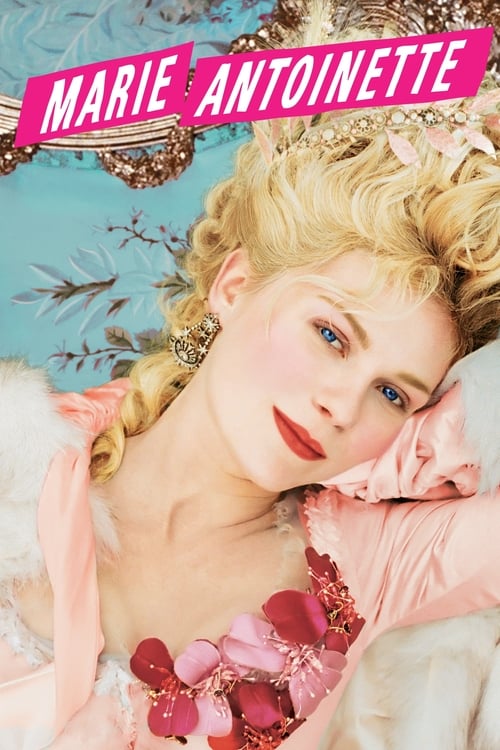
Marie Antoinette Invented the Anachronistic Costume Drama
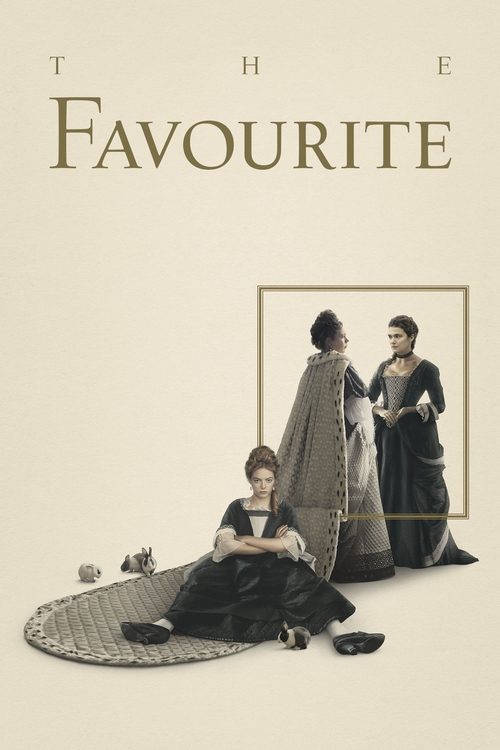
Marie Antoinette was misread as frivolous on release and has since become a template. Mixing New Order and Siouxsie and the Banshees with Versailles, Coppola made the argument that historical distance is not the point: the queen's boredom and pressure are legible in pop-punk terms. Every subsequent anachronistic period film (from The Favourite to Saltburn) owes a debt to the Converse-in-Versailles gambit.
The Beguiled Proves She Can Work in Genre
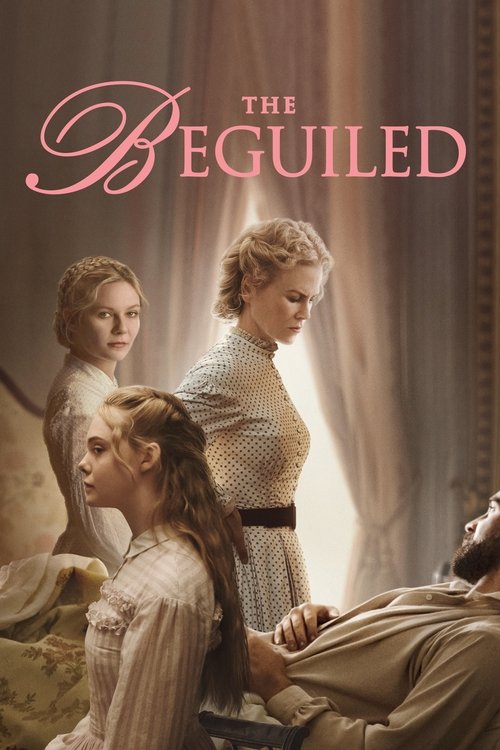
Critics sometimes frame Coppola as a director of pure mood with no dramatic engine. The Beguiled refutes that cleanly. Adapted from the same source as Don Siegel's 1971 version, her film strips away Siegel's male POV and turns the mansion into a pressure cooker of repressed desire and cool female agency. The violence, when it arrives, earns its shock precisely because the preceding quietness was so controlled.
Priscilla Completes a Trilogy of Gilded Cages
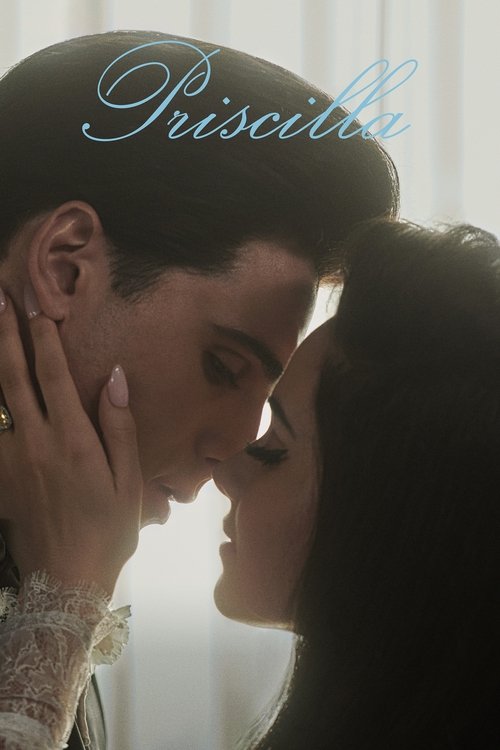
Priscilla arrived paired in the cultural conversation with Baz Luhrmann's Elvis and the contrast was instructive. Where Luhrmann builds myth, Coppola builds a room and shows you what it feels like to be the person locked inside it. Priscilla Presley sits at the center of her own life as observer rather than protagonist, much like Charlotte in Tokyo and Marie in Versailles. The trilogy of women inside beautiful prisons is one of contemporary cinema's most coherent bodies of thematic work.
A Career in Quiet Devastations
- 1999Feature debut The Virgin Suicides
- 2003Won Academy Award for Best Original Screenplay Lost in Translation
- 2006Cannes competition Marie Antoinette
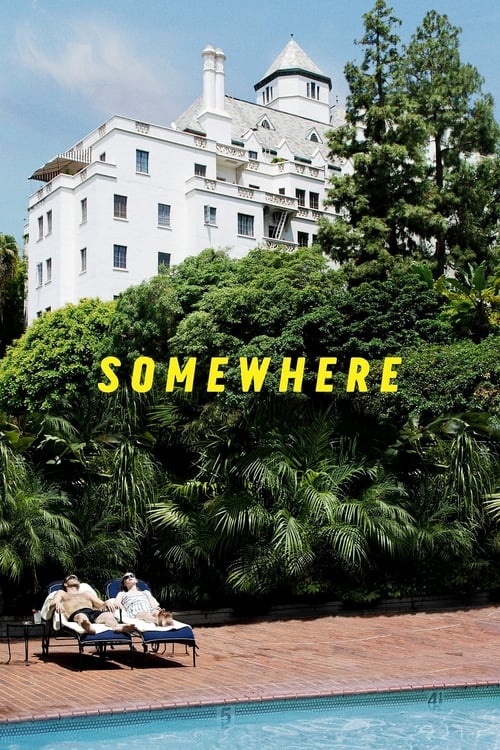
- 2010Venice Golden Lion winner Somewhere
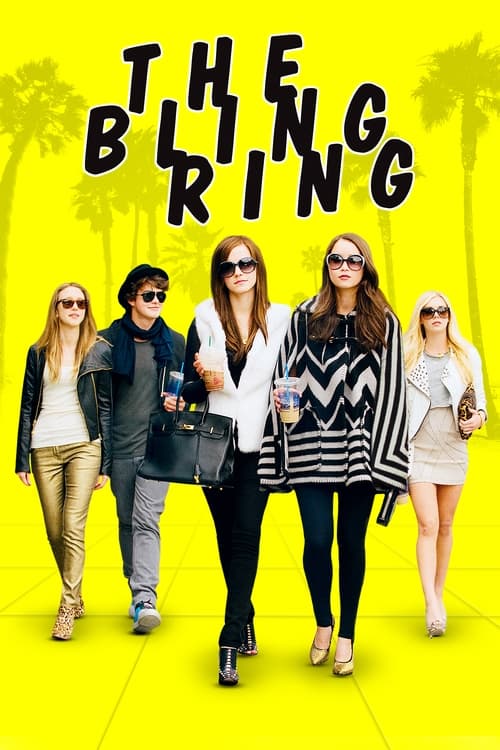
- 2013Celebrity-culture satire The Bling Ring
- 2017Best Director, Cannes Film Festival The Beguiled
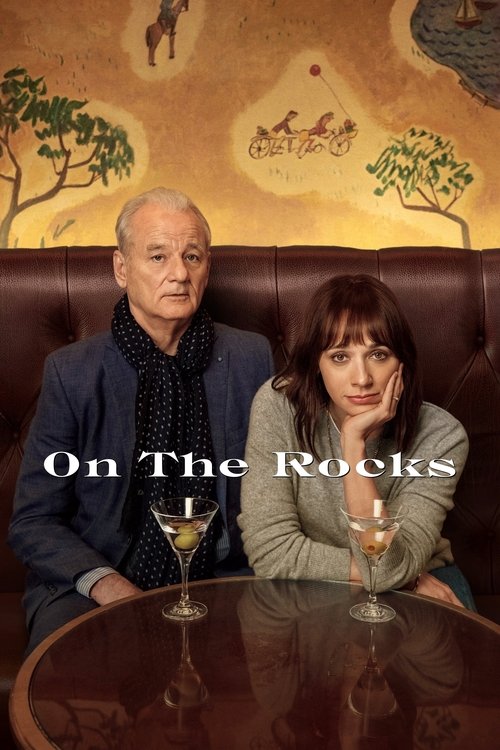
- 2020Intimate late-career comedy On the Rocks
- 2023Priscilla Presley's story, her own words Priscilla
More hazy longing and dream pop
For Fans of Lana Del Rey
Explore the For Fans of Lana Del Rey guide →She films longing the way other directors film action: as the central event, the thing everything else is organized around.CrossBinge Editors