
The Cathedral Builders
Dream Theater have spent four decades constructing music that treats the listener as an equal. Since forming in Boston in the mid-1980s and refining their sound through lineup changes and relentless touring, the New York quintet (James LaBrie, John Petrucci, Jordan Rudess, John Myung, and Mike Mangini, and before him founding drummer Mike Portnoy) became the definitive force in progressive metal. Their albums are rarely short, rarely simple, and almost never forgettable.
What makes a Dream Theater fan is not just tolerance for a twelve-minute song. It is a hunger for architecture: the way a riff can carry thematic weight across an entire album, the way a time-signature shift can feel emotionally earned rather than merely clever, the way virtuosity serves the song rather than eclipsing it. Their best work, Images and Words, Metropolis, Pt. 2: Scenes From a Memory, Six Degrees of Inner Turbulence, operates on the scale of a novel, with recurring motifs, emotional arcs, and payoffs that require attention to notice.
If that is the music you love, this guide is built around the same sensibilities: ambition that takes its time, craft worn without apology, and the particular feeling of getting completely lost inside something enormous.
Dream Theater: The Arc
- 1985Founded as Majesty at Berklee College of Music, Boston
- 1989Debut album When Dream and Day Unite
- 1992Images and Words: the breakout, featuring Pull Me Under
- 1994Awake expands the sonic palette, darker and heavier
- 1999Metropolis, Pt. 2: Scenes From a Memory: the career-peak concept album
- 2002Six Degrees of Inner Turbulence: two-disc, with a 42-minute closing suite
- 2005Octavarium closes the second chapter with a 24-minute title track
- 2011Mike Portnoy departs; Mike Mangini joins after open audition
- 2016The Astonishing: 130-minute dystopian rock opera
- 2023Parasomnia released, continuing the heavy prog direction
The Prog Metal Axis
Bands and records that share Dream Theater's technical ambition and emotional scale
Concept Albums That Hit Like Novels
Long-form records with interlocking storylines, returning motifs, and earned finales
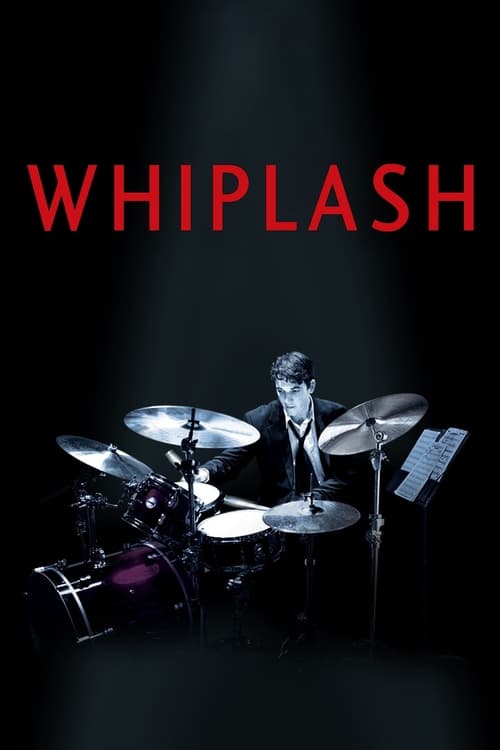
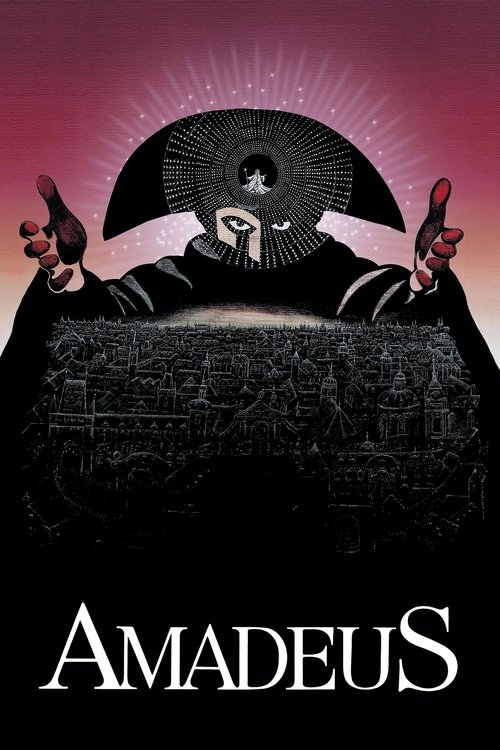
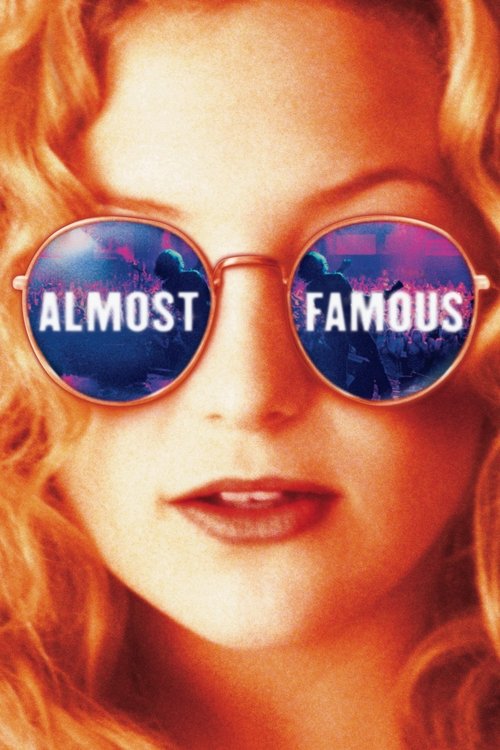
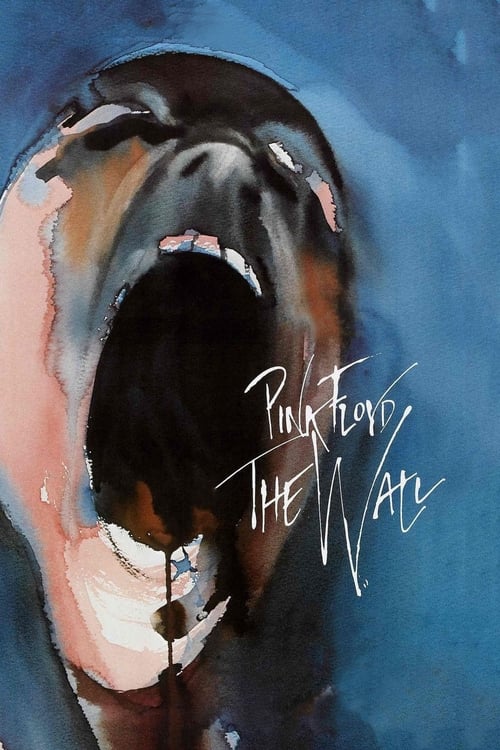
Music on Screen
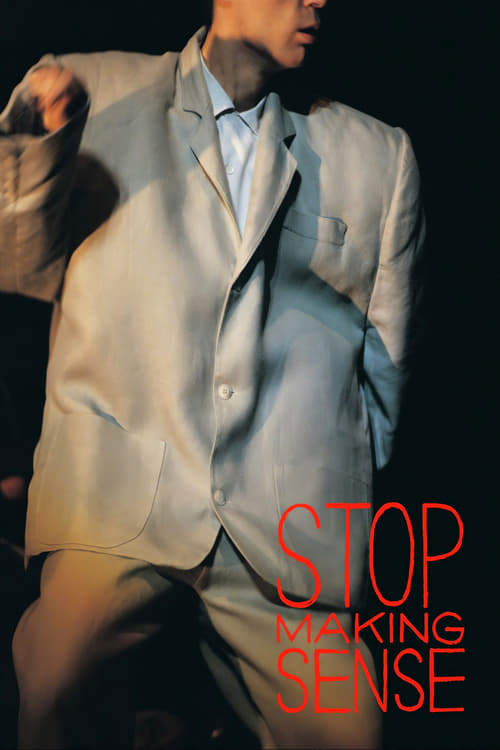
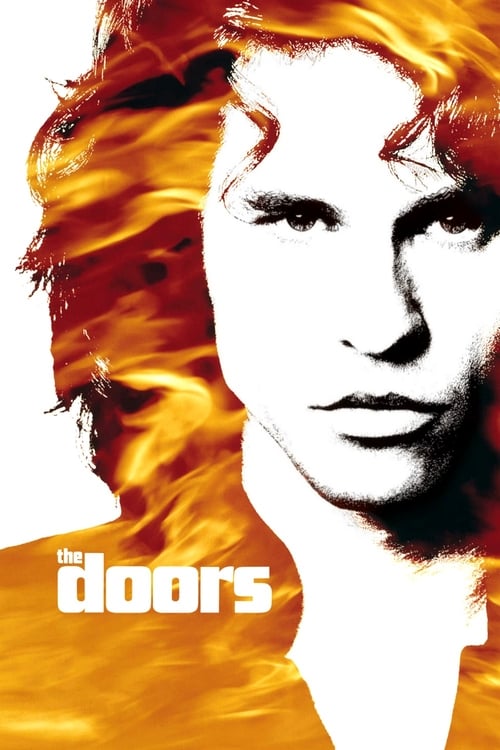
Films about the cost of obsession, the shape of genius, and what it means to play for keeps


Fiction That Runs at the Same Tempo
Novels shaped by obsession, alternate worlds, and epic scope, plus games for the technically inclined


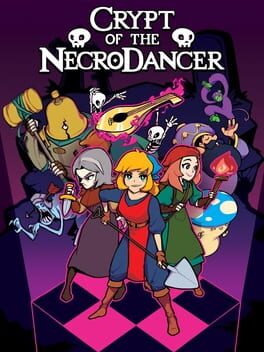
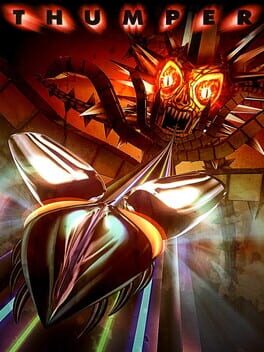


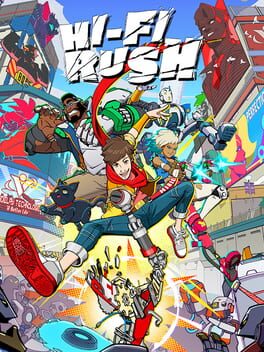
The Perfect Entry Point Is Not the Obvious One
Most people find Dream Theater through Images and Words, which is fair: it is accessible, it has Pull Me Under, and it is genuinely great. But the band at full power is Metropolis, Pt. 2: Scenes From a Memory. It is a complete concept album about hypnotic regression, past lives, and murder, and it pays off every single motif introduced in their earlier work. Start there, then go backward to Images and Words and forward to Six Degrees. That order gives you the full emotional arc correctly sequenced.
The Underrated One Is the Angry Middle Album
Awake (1994) is the album serious fans cite and casual listeners skip. It arrived after Images and Words had made them famous, and instead of consolidating that sound, the band went heavier, stranger, and darker. The production feels claustrophobic in the best sense. Erotomania and The Mirror feel genuinely unsettled, not merely complicated. It is not a welcoming album, but it is an honest one, and it ages better than almost anything else in their catalog.
The Spiritual Successor Uses a Different Instrument
Jordan Rudess playing keyboards in Dream Theater is, technically, someone completing a run of notes that ordinary musicians cannot physically execute. The same quality, staggering technical facility placed entirely at the service of a melodic idea, runs through Steve Howe's guitar work with Yes, Tony Banks's keys on early Genesis, and in a harder context, Guthrie Govan's solo records. Fans who love Rudess specifically often find that early Genesis and Close to the Edge-era Yes are more satisfying than any adjacent prog-metal release.
The Mike Portnoy Gap Is Real, and Worth Acknowledging
Dream Theater post-2011 is a genuinely different band, and pretending otherwise does both eras a disservice. Mike Mangini is a technically precise drummer; the band since A Dramatic Turn of Events is tighter, heavier, and less prone to indulgence. The chemistry of the Portnoy era, the looseness, the melodic drumming, the sense that anything could happen on a live record, is also real and also gone. Both versions are worth your time. They are not the same thing.
More prog rock titans
For Fans of Yes
Explore the For Fans of Yes guide →Twelve minutes is not a long song. It is the minimum length for an idea this size.