
The Band That Reinvented Itself Twice
Genesis began in the late 1960s as one of Britain's most ambitious prog rock outfits: long-form compositions, literary lyrics drawn from mythology and surrealism, Peter Gabriel in elaborate costumes narrating stories about foxtrots and supper's ready. By the mid-1970s they had built a devoted cult audience on the strength of records like Foxtrot, Selling England by the Pound, and the double-album The Lamb Lies Down on Broadway. Then Gabriel left, drummer Phil Collins stepped to the microphone, and the band did something almost no act in rock history has managed: they became even more popular the second time around. The Collins-era Genesis produced some of the defining pop and soft-rock records of the 1980s, huge polished songs built on gated drums and synthesiser washes that soundtracked a decade.
What holds all of it together is the quality of the playing and a certain emotional sincerity. Whether the song is a 23-minute prog suite or a three-minute radio hit, there is craft and genuine feeling underneath the surface. Genesis fans tend to feel the pull of both eras, even if they argue loudly about which one matters more. What they share is a love of music that is ambitious without being cold, melodic without being shallow, and very, very English in its particular mix of whimsy and weight.
Essential Genesis
The records that define the arc, from theatrical prog to polished pop
Start here: Selling England by the Pound is the perfect entry point
Selling England by the Pound (1973) is the record where every element of the early Genesis sound snapped into focus: Peter Gabriel's voice at its most commanding, Steve Hackett's acoustic and electric guitar work extraordinarily beautiful, the rhythm section of Banks, Collins and Rutherford locked into something genuinely magical. Dancing with the Moonlit Knight, Firth of Fifth, The Cinema Show -- these songs are long but never feel long. If you have only heard the Phil Collins-era hits on the radio and want to understand what the fuss about the early band is, this is the album that converts people.
Prog Rock's Grand Architects
Bands that built ambitious, symphonic worlds in the 1970s
The underrated one: Wind and Wuthering deserves far more credit
Wind and Wuthering (1976) arrived in the difficult gap just after Gabriel left and just before the band became mainstream stars. It is frequently overlooked but it is, arguably, the finest record Collins-era Genesis ever made in a progressive mode. The opening Eleventh Earl of Mar is one of the most powerful things they recorded, and the closing Afterglow remains one of the most purely moving songs in their catalogue. Hackett's departure after this album means it also functions as a quiet farewell to a certain sound. That bittersweet quality runs all the way through it.
The Art-Rock and Sophisti-Pop Lineage
Artists who share Genesis's gift for melodic sophistication and emotional directness
Peter Gabriel's solo career is not a footnote: it is the continuation
It is tempting to treat Gabriel's departure as a loss and his subsequent solo records as a separate story, but that misses the point. Peter Gabriel 3 (the Melt album) and So are direct extensions of everything that made early Genesis exceptional: the theatrical ambition, the emotional directness, the willingness to absorb outside influences without losing a core identity. Any serious Genesis fan who does not have both of those records is leaving the best part of the story unfinished. Sledgehammer and In Your Eyes are not detours. They are where that sensibility finally reached the widest possible audience.
Concert Films and Music Documentaries
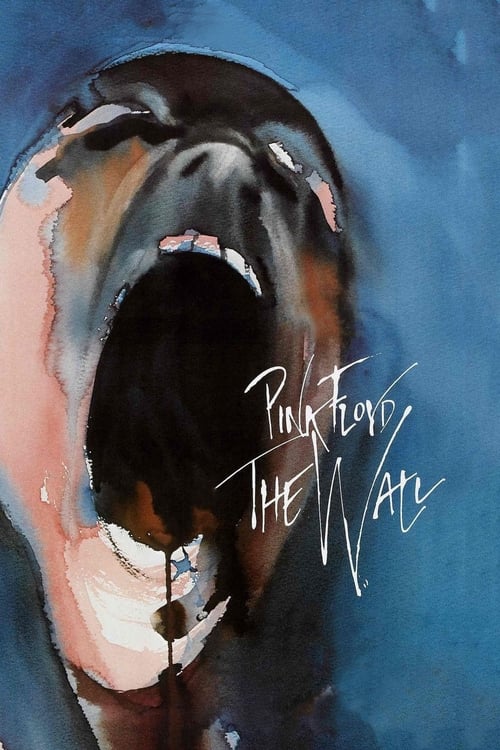
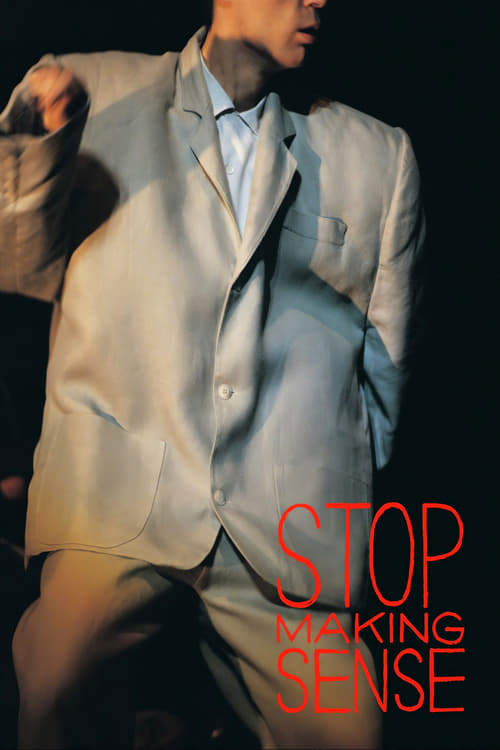
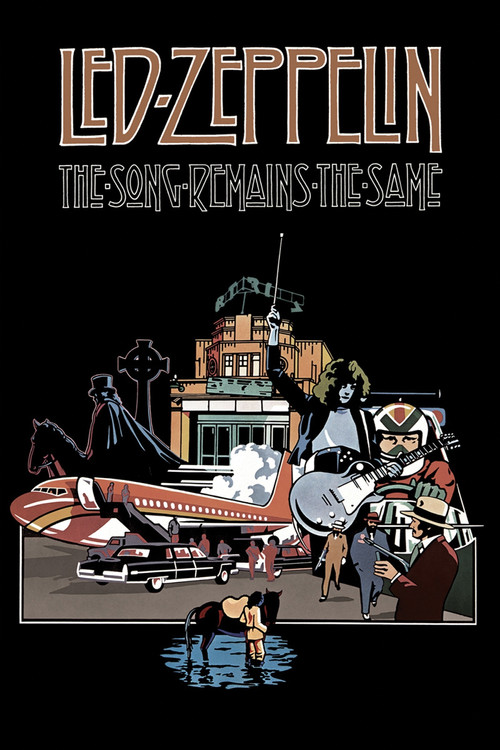
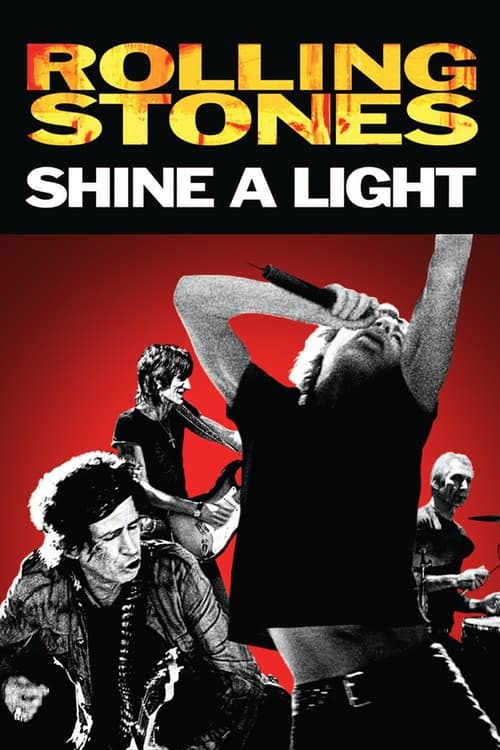
For fans who want to see the spectacle, the story, and the craft up close

The spiritual successors live in progressive metal, not pop
The direct heirs to the early Genesis approach are not in 1980s pop but in the bands that took progressive rock's ambitions into heavier territory. Tool's Lateralus carries the same commitment to compositional length and emotional weight. Porcupine Tree's Fear of a Blank Planet has the same British melancholy and sonic sophistication. Radiohead's OK Computer owes a genuine debt to the textures Banks and Hackett were building in 1973 and 1974. These are records where you can hear someone thinking hard about what music can carry.
British Eccentricity and Surrealist Storytelling
Films, books, and games that share the whimsy and weight of early Genesis

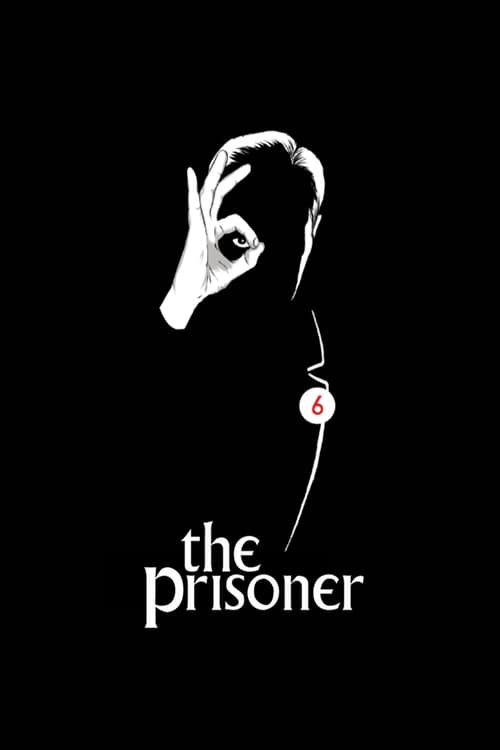


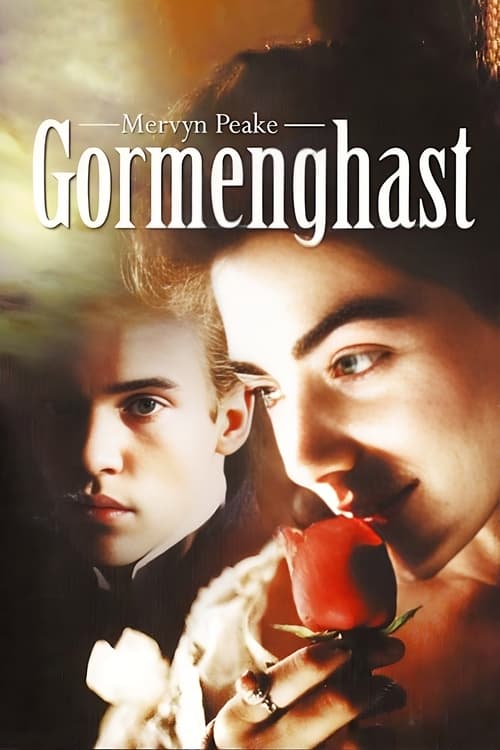

There are two kinds of Genesis fans: those who think the band peaked with Peter Gabriel, those who think they peaked with Phil Collins, and both of them are right about something real.CrossBinge editors
Genesis: A Five-Decade Arc
- 1967Band forms at Charterhouse School
- 1969Debut: From Genesis to Revelation
- 1971Nursery Cryme establishes the prog sound Nursery Cryme
- 1972Foxtrot and Supper's Ready Foxtrot
- 1973Selling England by the Pound, peak early period Selling England by the Pound
- 1974The Lamb Lies Down on Broadway: Gabriel's final album The Lamb Lies Down on Broadway
- 1975Gabriel departs; Collins takes lead vocals
- 1976A Trick of the Tail and Wind and Wuthering Wind & Wuthering
- 1977Hackett leaves; band becomes a trio
- 1980Duke: first UK number one album Duke
- 1986Invisible Touch: global mainstream peak Invisible Touch
- 1991We Can't Dance: last studio album with Collins We Can’t Dance
- 1996Collins departs
- 2007Turn It On Again reunion tour
- 2021The Last Domino tour: final performances with Collins