
The Sound of Infinite Possibility
Yes formed in London in 1968, and for roughly a decade they did something that almost no one else dared: they treated rock music as a serious compositional discipline. Where most bands wrote songs, Yes constructed architectures. Long-form suites moved through multiple keys, time signatures, and emotional registers within a single piece. Jon Anderson's high, pure tenor floated above arrangements of almost impossible density. Steve Howe's guitar vocabulary moved freely between folk fingerpicking, jazz voicings, and screaming leads. Rick Wakeman's banks of keyboards conjured orchestras and pipe organs from circuits and keys. Chris Squire's bass roared like a second lead instrument, and the drumming of Bill Bruford (and later Alan White) held it all together with a precision that respected the music's classical ambitions.
What fans love about Yes isn't just the technical prowess, though that is genuinely staggering. It's the emotional sincerity behind it. Anderson wrote lyrics that reached for transcendence: cosmic, spiritual, sometimes opaque, but always in good faith. The band believed, with apparent total conviction, that rock music could aspire to something beyond entertainment. That faith, combined with Roger Dean's iconic painted landscapes on the album covers, created a complete world: a place where ambition was its own reward and complexity was in service of beauty.
The music repays close listening the way serious long-form fiction does. Every pass reveals new details. If you love Yes, you love the feeling of being inside something vast.
Essential Yes
The spine of their catalog, from the breakthrough to the baroque
A Band in Constant Flux
- 1968Founded in London, Jon Anderson and Chris Squire at the core
- 1971The Yes Album: first statement of intent, Steve Howe joins
- 1972Fragile and Rick Wakeman arrive; Roger Dean's cover art begins
- 1972Close to the Edge: the 19-minute title track fills one full side
- 1973Bill Bruford leaves for King Crimson; Alan White joins
- 1974Tales from Topographic Oceans: double album, four 20-minute suites
- 1974Wakeman exits; Patrick Moraz joins for Relayer
- 1977Classic lineup reunites for Going for the One
- 1980Drama: Geoff Downes and Trevor Horn replace Anderson and Wakeman
- 198390125 and the worldwide hit Owner of a Lonely Heart
- 1991Union assembles eight members in the studio
- 2015Chris Squire dies; the last founding member of the original lineup is gone
- 2017Yes inducted into the Rock and Roll Hall of Fame
The Progressive Rock Pantheon
Records that share Yes's structural ambition and emotional scale
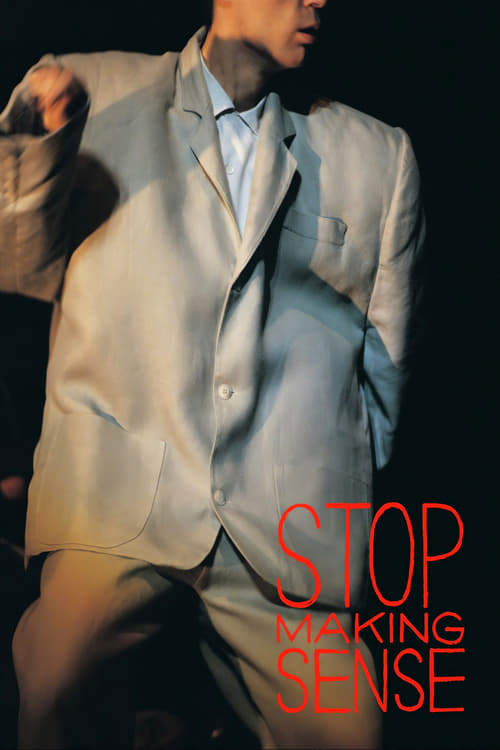
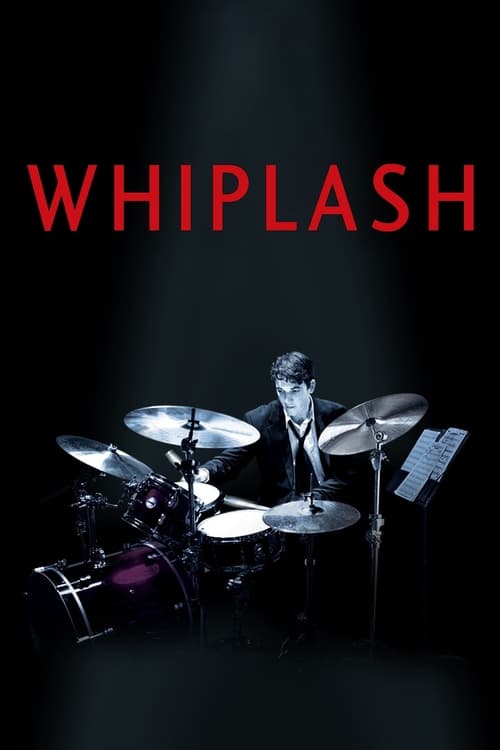
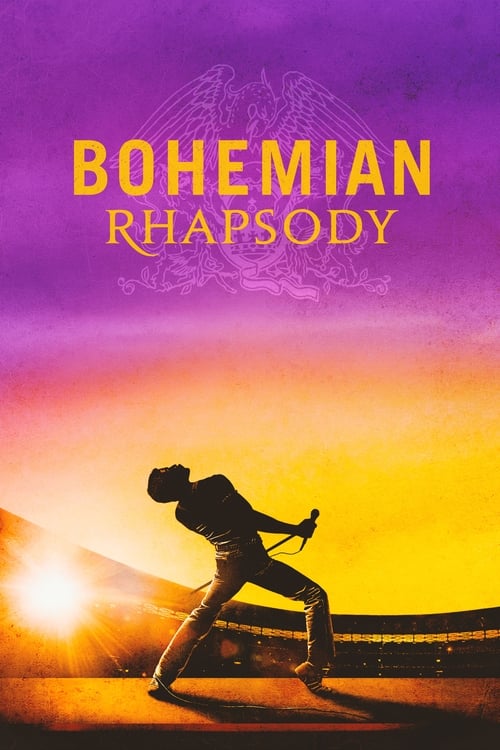
Music on Film
Fiction and documentary that put virtuosity, obsession, and the making of sound at the centre







Books for the Long-Form Mind
Novels that share prog rock's love of scope, myth, and inner worlds


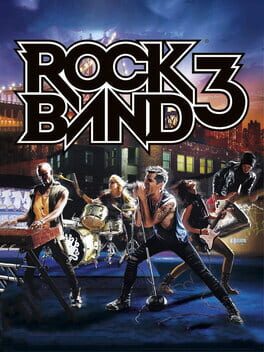
Music and Rhythm Games for the Technically Inclined
Games that reward precision, pattern-recognition, and musical immersion






Close to the Edge is the perfect entry point
Some people start with Fragile for the pop concision of Roundabout, and they are not wrong. But Close to the Edge from 1972 is where Yes made their definitive statement. The title track is 18 minutes of music that earns every second. It moves through passages of genuine serenity, passages of ferocity, and a long central section of such suspended beauty that listeners have been trying to describe it for fifty years without quite succeeding. Start here and you understand what the whole project was about.
Relayer is the underrated one
Relayer from 1974 is the record Yes fans who know the catalog best tend to love most fiercely. Patrick Moraz replaced Wakeman for one album and brought a harder, jazzier keyboard sensibility. The result is the band's most aggressive and least comfortable record. The Gates of Delirium is twenty-two minutes of controlled chaos followed by one of Anderson's most beautiful melodies. It is not an easy record and it was not meant to be.
The spiritual successor is Steven Wilson
Steven Wilson is the most direct inheritor of what Yes built. His solo work and his remixes of the classic Yes catalog (he remixed Close to the Edge, Fragile, and others for 5.1 surround) reveal a deep understanding of the architecture inside those records. His own albums The Raven That Refused to Sing (and Other Stories) and Hand. Cannot. Erase. share Yes's commitment to long-form composition and emotional weight, without nostalgia or pastiche.
Drama proves the band was bigger than any lineup
Drama from 1980 is the album that should not exist. Jon Anderson and Rick Wakeman had left. The Buggles, fresh off Video Killed the Radio Star, stepped in. By every reasonable expectation it should have been a disaster. Instead it is one of the most consistent and energetic records in the catalog. Trevor Horn's production sharpens the band's attack, and Geoff Downes's keys provide a more disciplined texture than Wakeman's maximalism. Yes fans who haven't revisited it with fresh ears are missing a genuine surprise.
More progressive rock and epic worlds
For Fans of Progressive Rock
Explore the For Fans of Progressive Rock guide →The music of Yes operates on the premise that complexity and beauty are not in tension. The whole forty-year project is an argument that they are, in fact, the same thing.CrossBinge