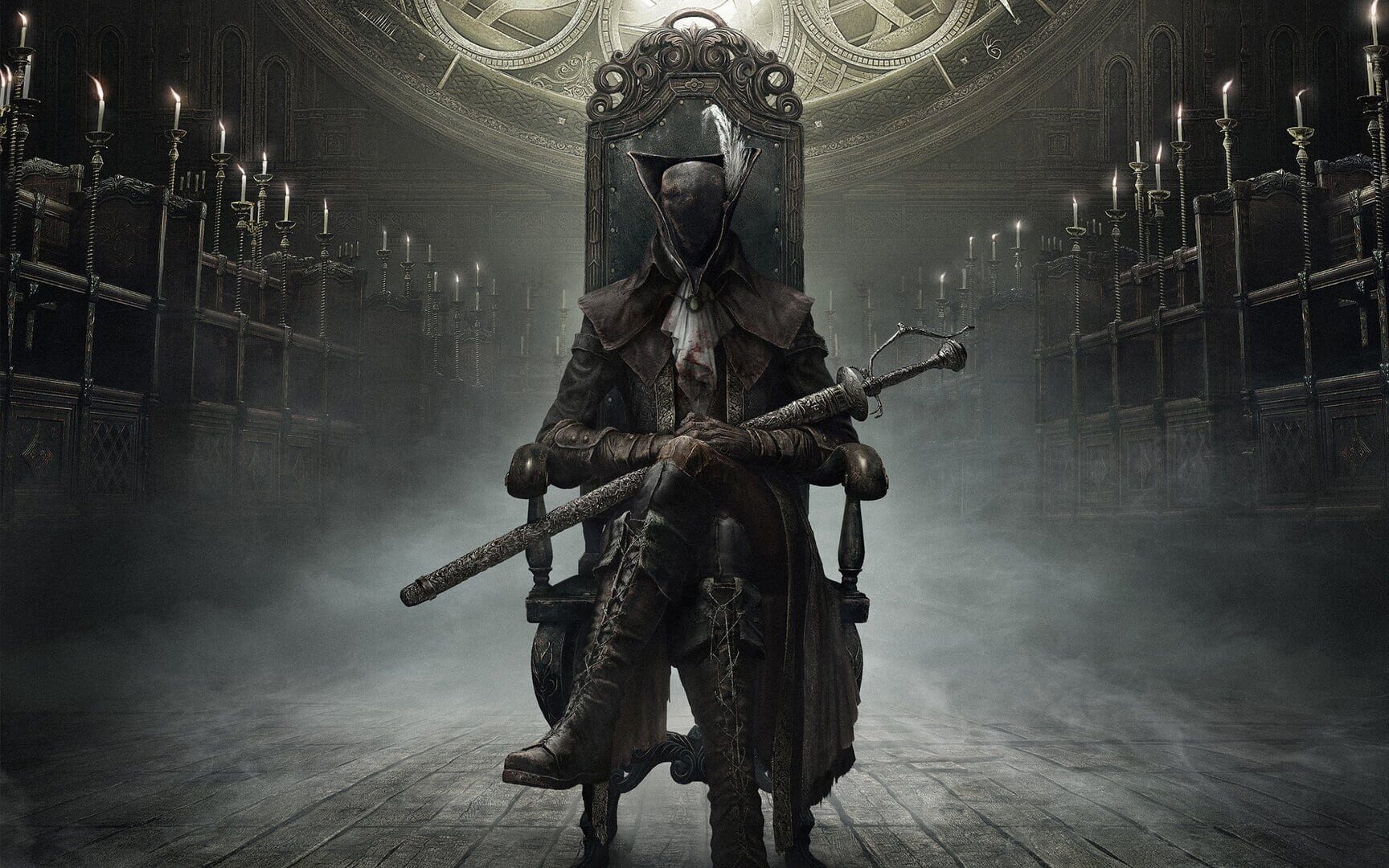

Edgar Allan Poe spent his short life writing himself to the edge of reason and back, and the sensation he chased, that precise tremor between intellectual control and consuming dread, is what his readers return for. He gave us the unreliable narrator before the term existed, the locked-room mystery before Conan Doyle was born, and the prose poem before the form had a name. The through-line across everything he wrote is a mind that works with terrible clarity right up to the moment it shatters. If you love that feeling, you already know where to look next.
Essential Edgar Allan Poe
The key texts, from the tales that defined horror to the poems that outlasted everything


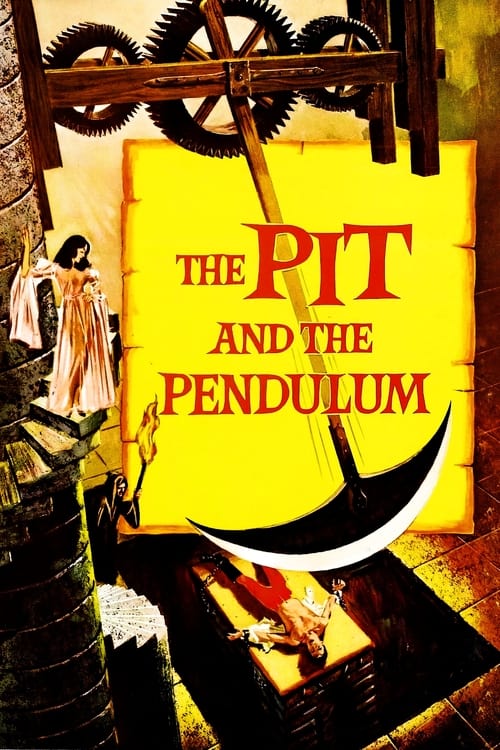
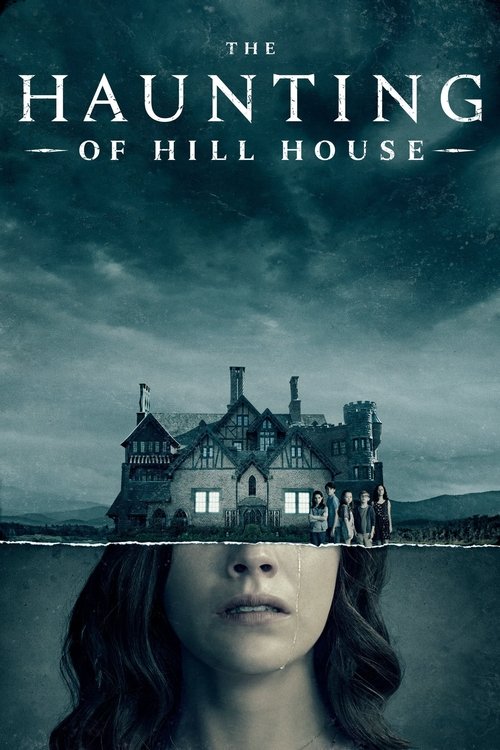
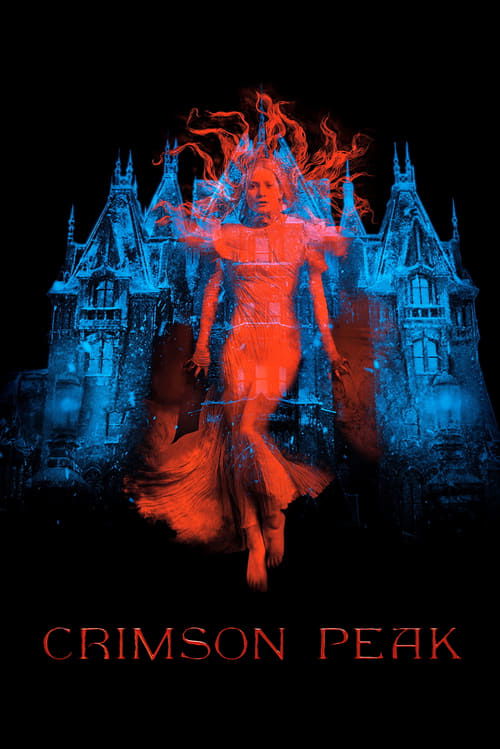
If You Love Poe: Gothic Horror on Screen
Films and series that carry his atmosphere: dread that builds quietly, beauty that conceals rot


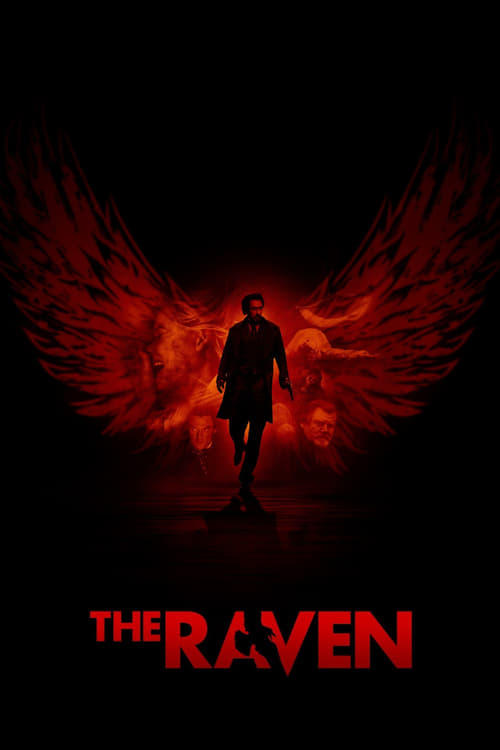



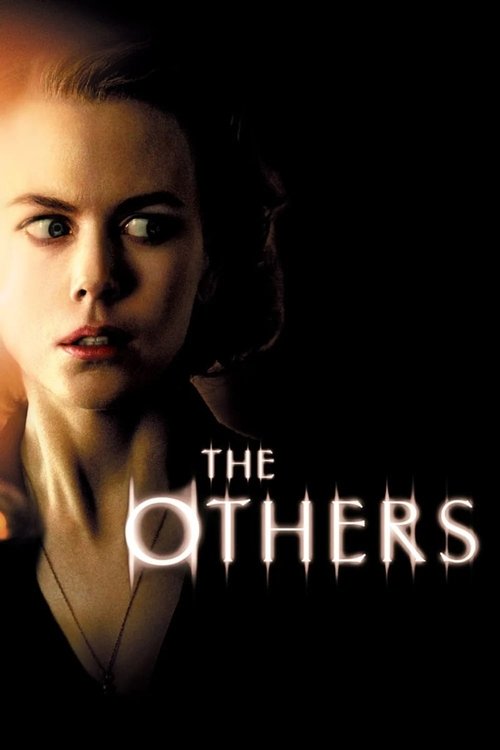
Masters of the Same Dark Room: Books for Poe Readers
Writers who share his obsessions with guilt, madness, the uncanny, and the beautifully morbid


![The picture of Dorian Gray [adaptation]](https://covers.openlibrary.org/b/id/14314474-L.jpg)


The Logic of Dread: Detective Fiction for Poe Fans
Poe invented the detective story with C. Auguste Dupin. These continue the tradition of minds working against the uncanny


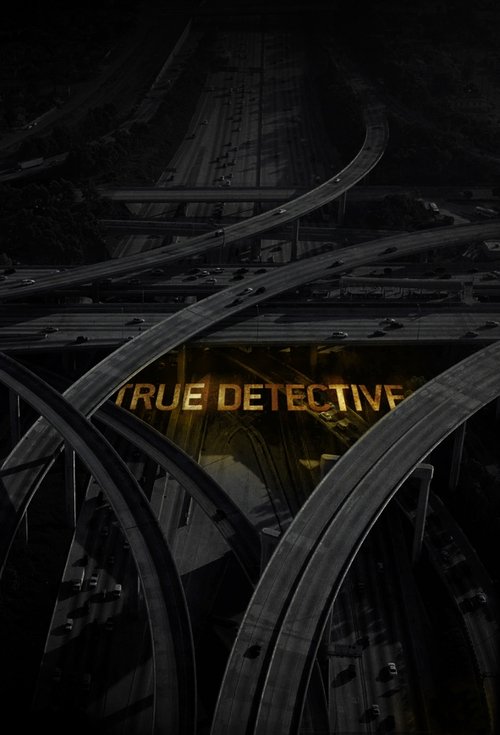



Atmosphere as Weapon: Games Poe Readers Will Feel
Games built on psychological pressure, Gothic dread, and the horror of one's own mind
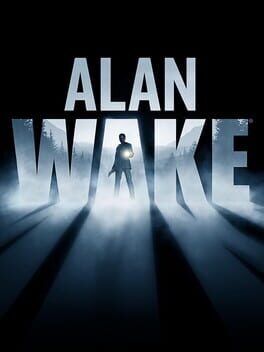
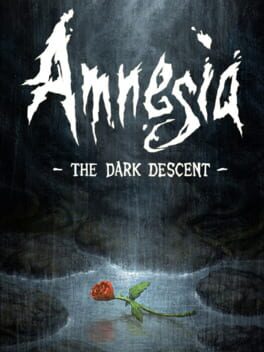
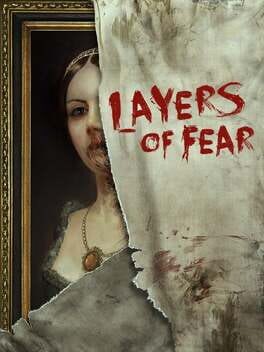
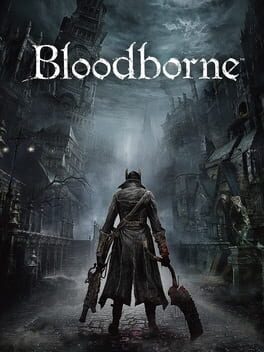
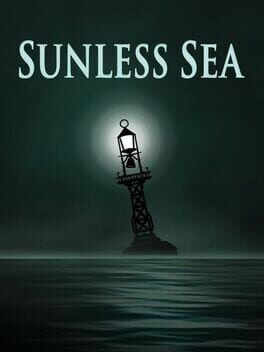
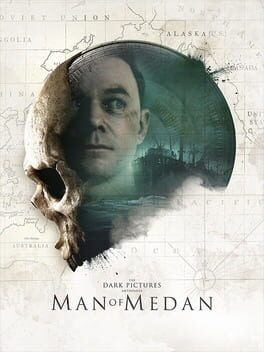


Poe Did Not Write Horror. He Wrote Guilt.
The monsters in Poe are almost never supernatural at the end of the explanation. The beating heart under the floorboards is real; the narrator put it there. The house falls because the family that lived inside it rotted. The horror is always the protagonist, and that is what separates Poe from ghost-story writers: his dread is a diagnosis, not a haunting. The works that followed this logic most faithfully are the ones worth your time.

The Dupin Stories Are the Most Underrated Thing Poe Wrote
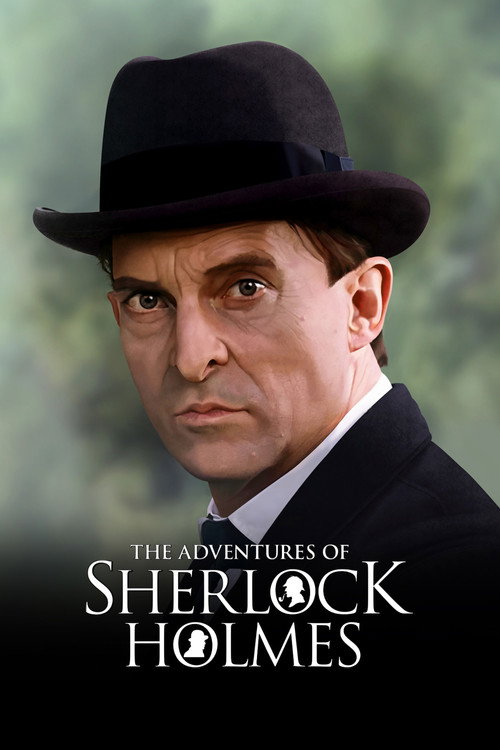
Everyone comes for the horror, but C. Auguste Dupin, the eccentric analyst who solves crimes through pure ratiocination, is the character who changed fiction most. Sherlock Holmes would not exist without him. Hercule Poirot would not exist without him. The entire genre of the detective story, the armchair reasoner, the brilliant oddball, the loyal narrator, all of it begins in three Poe stories published in the 1840s. Readers who skip them to get back to the fear are missing Poe's coldest, most controlled achievement.

Gothic Has Always Been Political
When Poe described decaying estates and mad heirs consumed by inherited doom, he was writing about the American South he grew up in and the collapse of a social order built on something it could not speak aloud. The Gothic tradition he refined was never just about fear; it was about what privilege, isolation, and buried guilt do to a family across generations. Mike Flanagan's recent adaptations understand this, which is why they work where many Poe adaptations fail.

Poe's Influence Across Two Centuries
- 1841Poe publishes The Murders in the Rue Morgue, widely considered the first modern detective story The Murders in the Rue Morgue
- 1843The Tell-Tale Heart and The Gold-Bug appear in print, cementing his reputation for psychological extremity The Tell-Tale Heart
- 1845The Raven makes Poe famous overnight across the United States and Europe The Raven
- 1890Arthur Conan Doyle publishes the first Sherlock Holmes novel, directly acknowledging Dupin as the model The Hound of the Baskervilles
- 1920H.P. Lovecraft names Poe as his primary influence; cosmic horror inherits Poe's structure of dread
- 1960Roger Corman begins his Poe film series with House of Usher, starring Vincent Price The Pit and the Pendulum
- 2023Mike Flanagan's The Fall of the House of Usher brings Poe's entire catalogue into a single Netflix series The Fall of the House of Usher
More gothic dread and dark mystery
For Fans of Gothic Horror
Explore the For Fans of Gothic Horror guide →The boundaries which divide Life from Death are at best shadowy and vague. Who shall say where the one ends, and where the other begins?Edgar Allan Poe, The Premature Burial (1844)