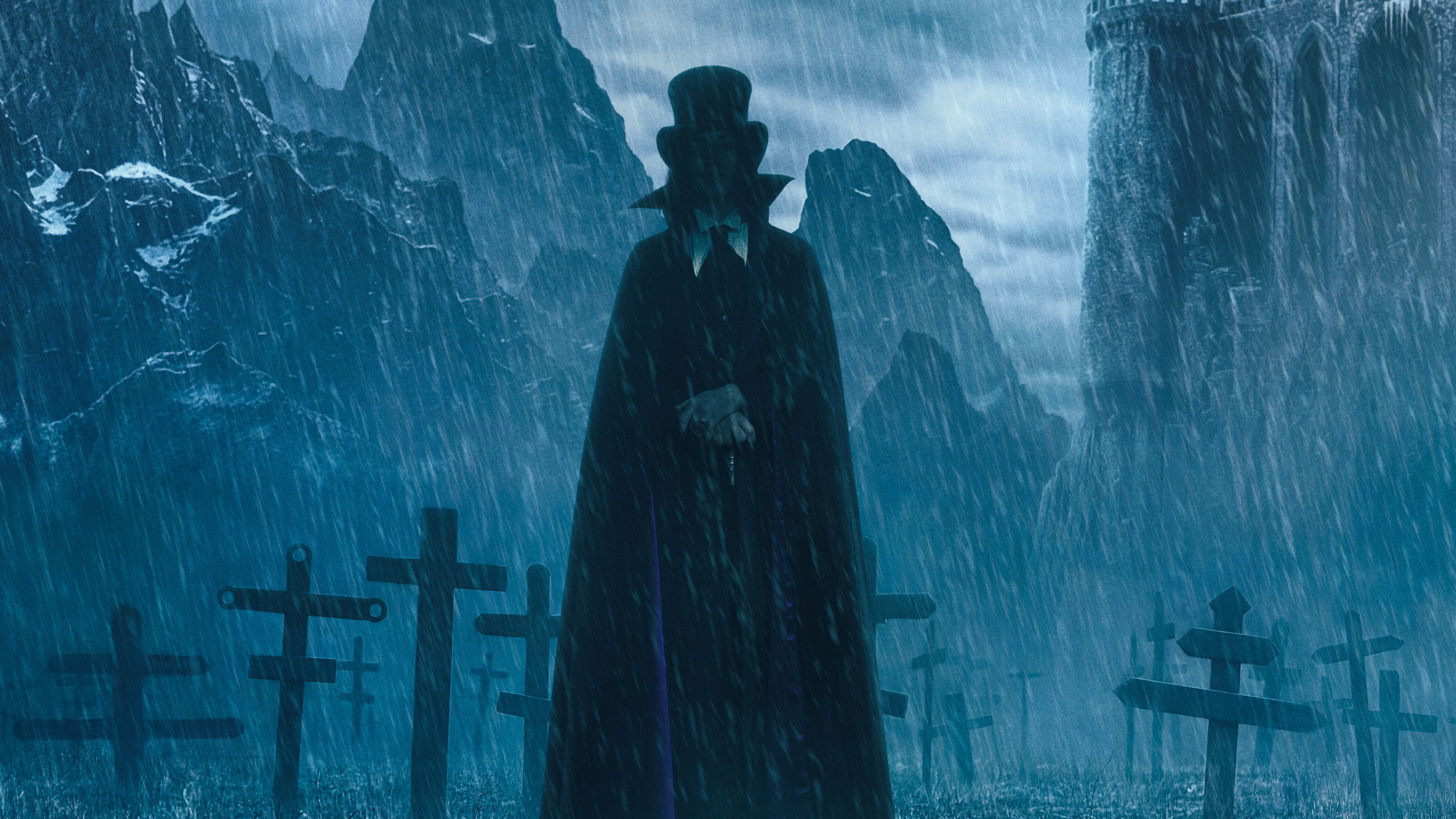

Gothic horror is the genre of inheritance: what we inherit from our ancestors, what we owe to houses and histories that predate us, and what awful things refuse to die. It trades not in jump scares but in atmosphere, in the slow accumulation of dread, in beauty twisted by rot. A great gothic story gives you a crumbling space (a mansion, a moor, a family name) and populates it with characters who cannot leave, cannot forget, and cannot survive unchanged. The sensibility runs from Mary Shelley and Bram Stoker through Shirley Jackson and Anne Rice, into video games that fill dark corridors with the same ancestral guilt and into films where the architecture itself is a character. What fans of gothic horror chase is that particular ache: being drawn toward something terrible because it is also magnificent.
Essential Gothic Horror: The Film Canon
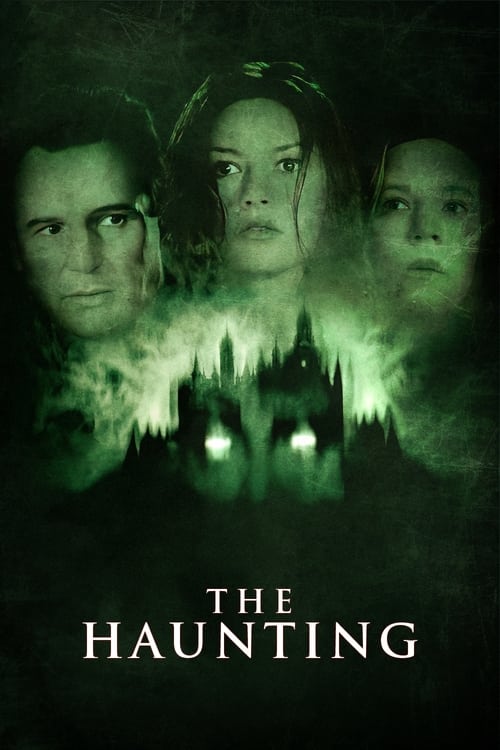
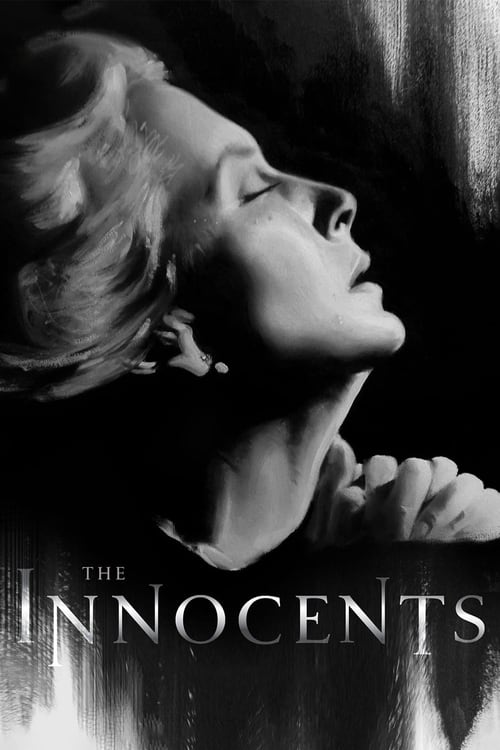
The definitive films that set the mood and the standard


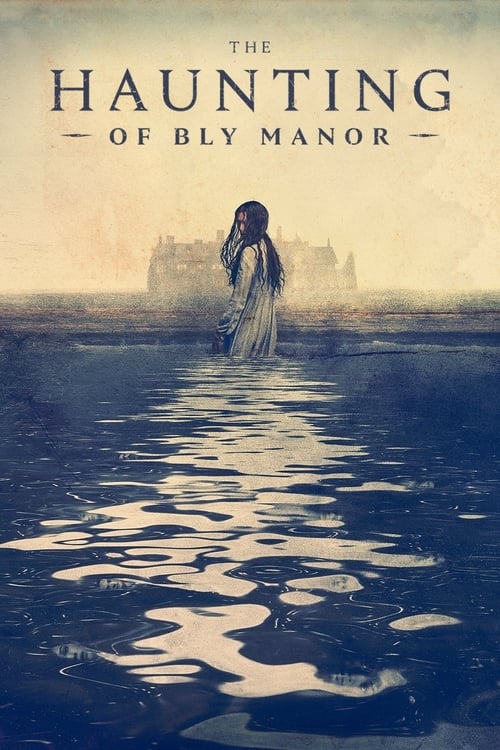
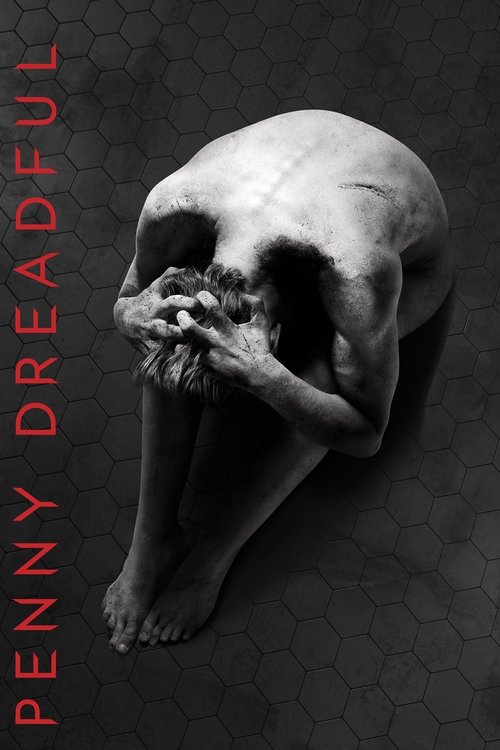
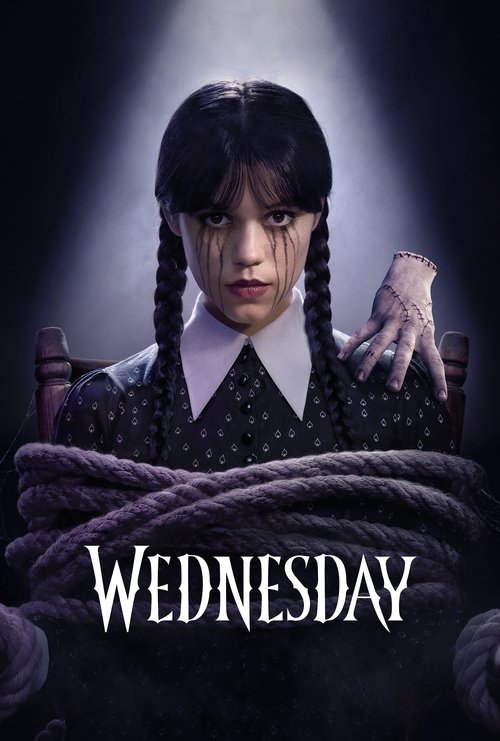
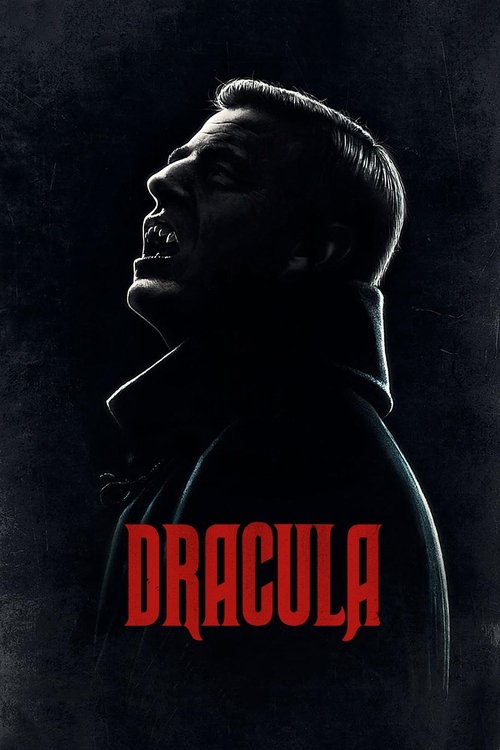
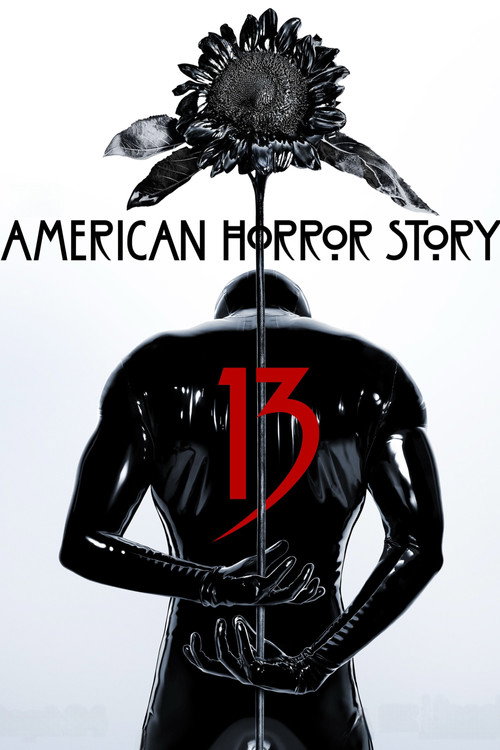
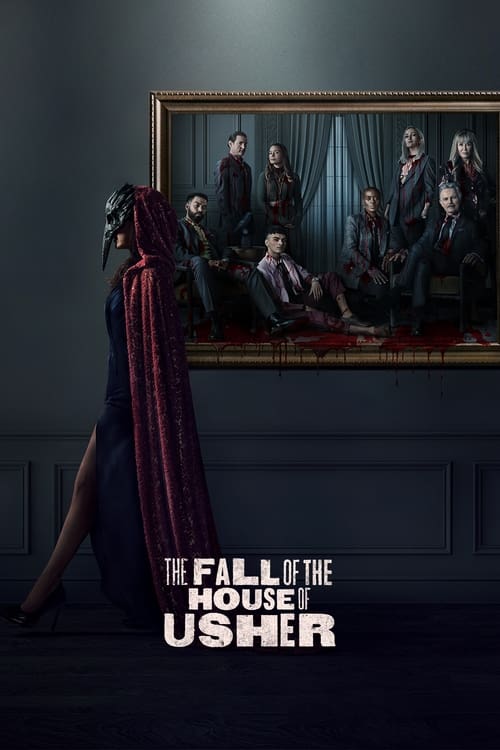
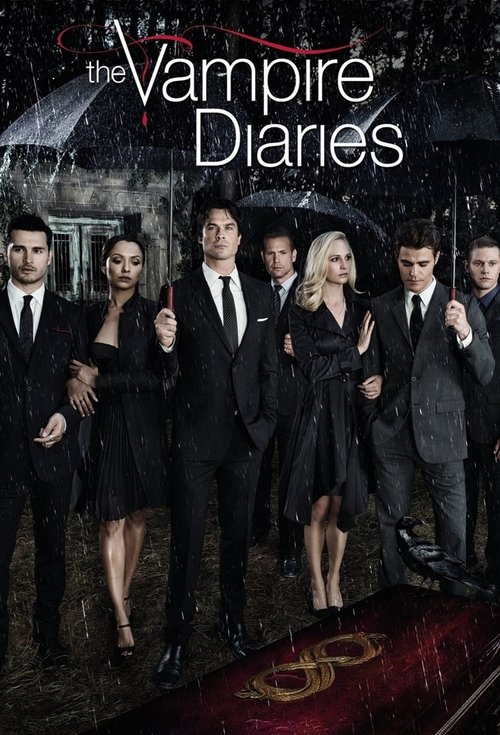
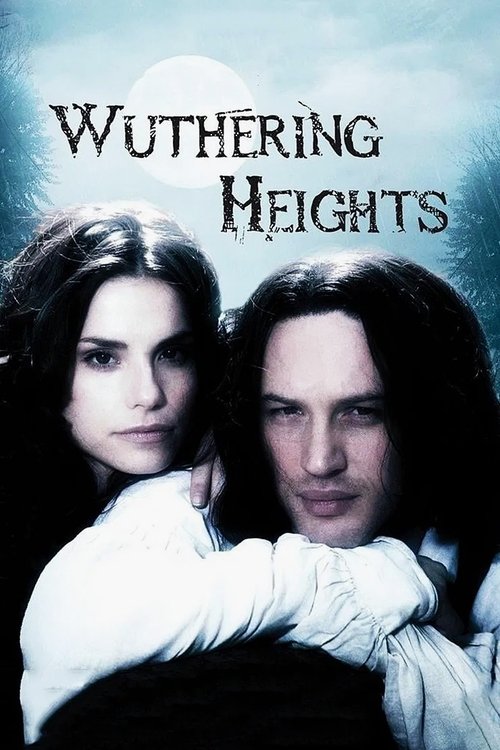
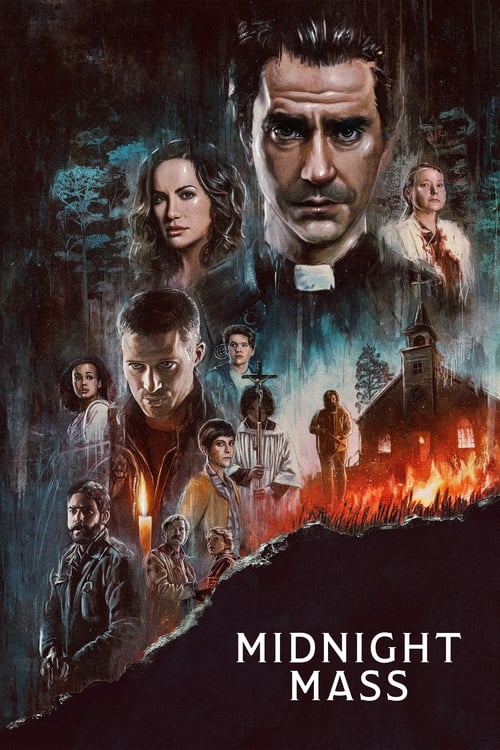
Gothic on Television
Series that stretch the dread across episodes and seasons

The Gothic Library
Novels and stories that invented and refined the form


![The picture of Dorian Gray [adaptation]](https://covers.openlibrary.org/b/id/14314474-L.jpg)


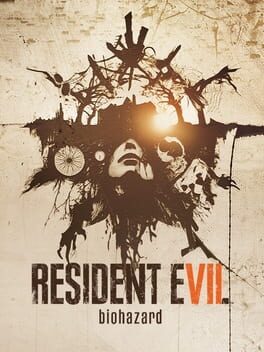
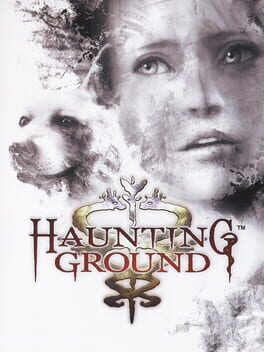
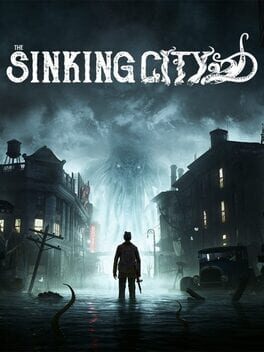
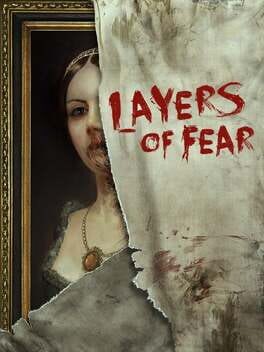
Gothic Horror in Games
Games that build the dread through atmosphere, architecture, and cursed history


Shirley Jackson is the genre's true center of gravity
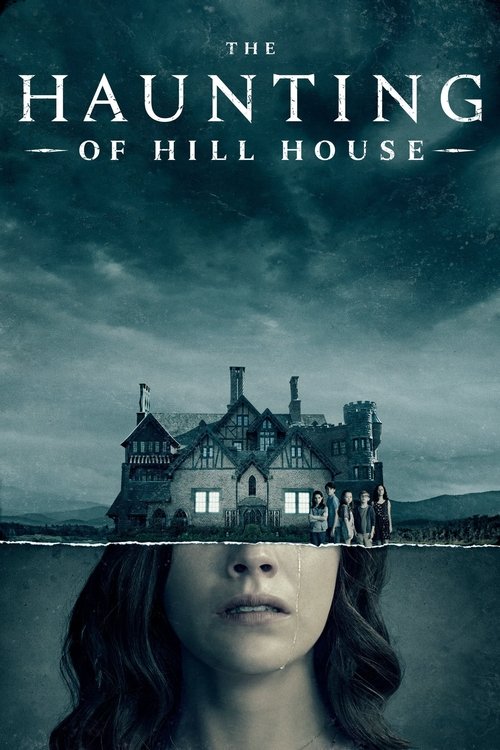
Bram Stoker got there first with the vampire and Mary Shelley with the monster, but Shirley Jackson understood something both of them circled without landing on: the house is not haunted by a ghost, it is haunted by the people inside it. The Haunting of Hill House is the novel that every gothic horror creator since has been trying to write. Its opening paragraph alone has more dread per sentence than most entire novels. Mike Flanagan's adaptation for Netflix understood this, expanding the metaphor of the house-as-trauma across a family rather than a lone protagonist. The lesson is that the best gothic horror is always psychological, always about inheritance and the impossibility of leaving.
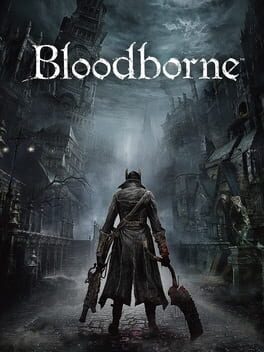
Bloodborne is the best gothic horror game ever made
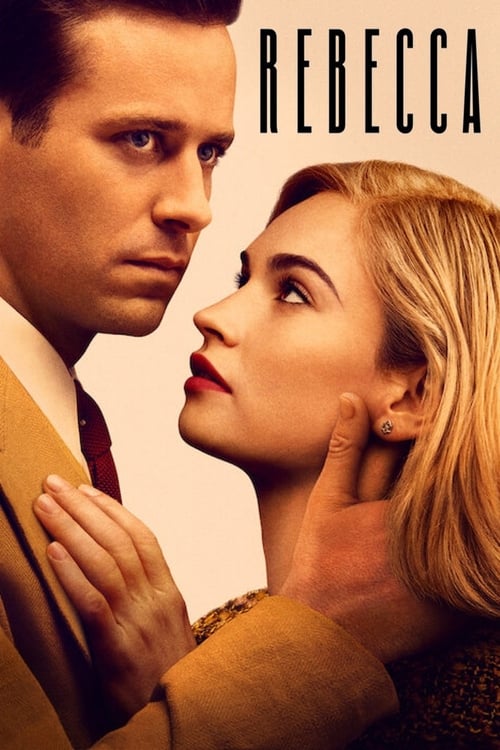
FromSoftware's Bloodborne strips away Soulsborne's medieval fantasy and replaces it with something far more specific: the gothic horror aesthetic of Stoker, Poe, Lovecraft, and late-Victorian body horror. Yharnam is one of gaming's great spaces, a city whose architecture alone communicates a civilization's catastrophic pride. The game understands that gothic horror is about forbidden knowledge (what the old blood unlocks, what the cosmos contains) and the irreversibility of looking. It belongs in any gothic horror curriculum alongside Dracula and Rebecca, not just alongside Dark Souls.
The gothic needs beauty to make the horror land
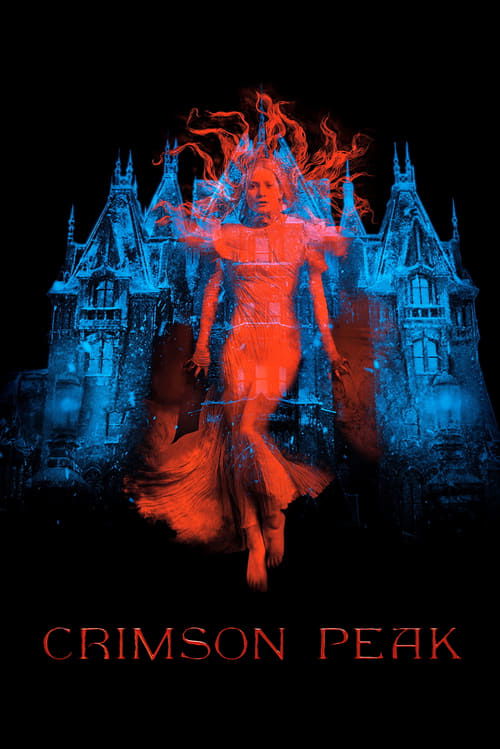
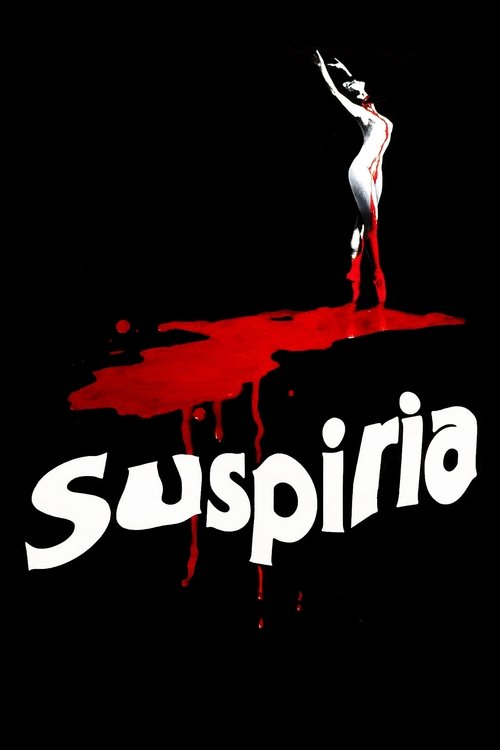
The common mistake with gothic horror is to strip out the elegance and keep only the decay. Guillermo del Toro understood this in Crimson Peak: the house needs to be gorgeous for the horror to register. The same principle runs through Penny Dreadful (Victorian London as a kind of voluptuous nightmare), through Anne Rice's New Orleans, through the ornate horror of Suspiria. Gothic horror is a genre of excess, of gilded things gone wrong. When productions cut the budget on the beauty, they always lose something irreplaceable.
Mexican Gothic is the genre's most important recent reinvention
Silvia Moreno-Garcia's 2020 novel does what the best genre reinventions do: it takes the apparatus (the mysterious house, the sinister family, the outsider protagonist drawn into their world) and plants it firmly in a specific history and geography that recontextualizes everything. Setting gothic horror in 1950s Mexico, in a British-transplant family whose English ancestry is itself a form of colonial rot, makes the genre's usual themes of inheritance and decay into something with real political stakes. It is a reminder that gothic horror is not a fixed period piece but a structure that can be dropped into any history where power has curdled.
Gothic Horror: A Timeline of the Form
- 1764The Castle of Otranto by Horace Walpole establishes the genre's essential furniture: a cursed castle, a persecuted heroine, a dark secret
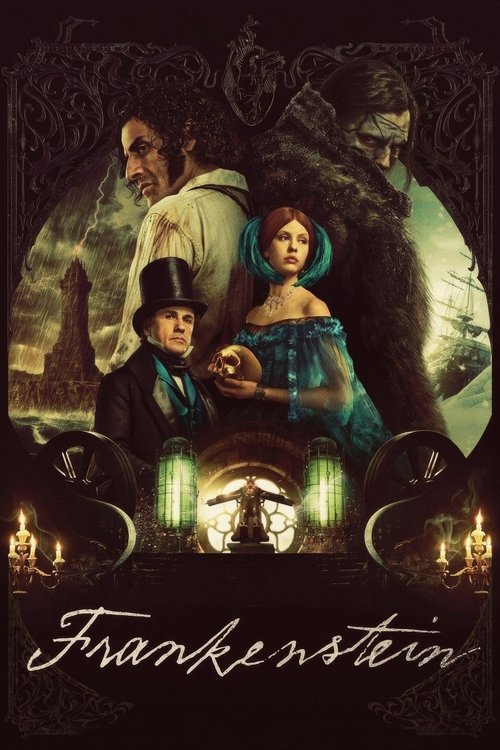
- 1818Mary Shelley publishes Frankenstein, adding science and creation-guilt to the gothic's repertoire Frankenstein
- 1847Jane Eyre and Wuthering Heights appear in the same year, domesticating gothic dread into the English manor and the Yorkshire moors Jane Eyre
- 1890The Picture of Dorian Gray brings the gothic into decadent aestheticism The picture of Dorian Gray [adaptation]
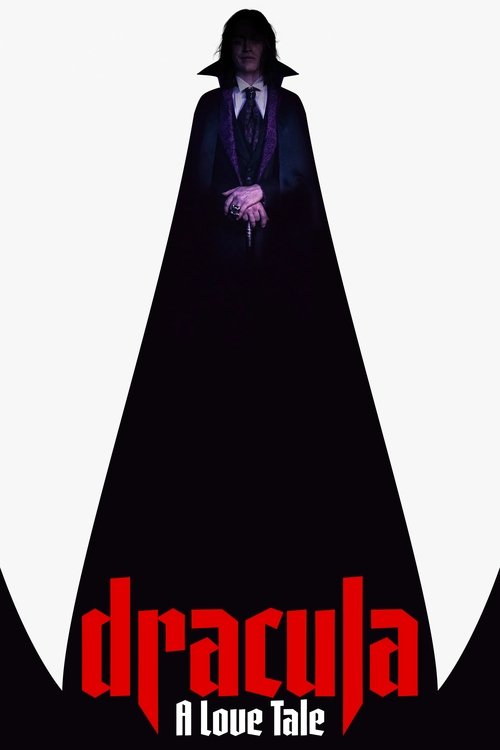
- 1897Bram Stoker's Dracula becomes the template for the vampire gothic that haunts all subsequent horror Dracula
- 1931Universal's Dracula and Frankenstein films bring gothic horror to mass cinema audiences Dracula
- 1959Shirley Jackson's The Haunting of Hill House redefines the haunted-house novel as psychological portrait The Haunting of Hill House
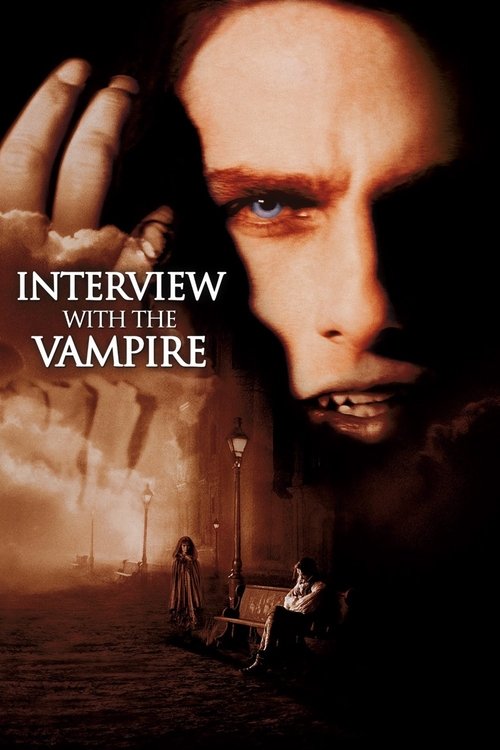
- 1976Anne Rice's Interview with the Vampire invents the sympathetic vampire narrator and the New Orleans gothic tradition
- 1992Bram Stoker's Dracula (Coppola) brings the aesthetic of the literary original to cinema with operatic scale Bram Stoker's Dracula
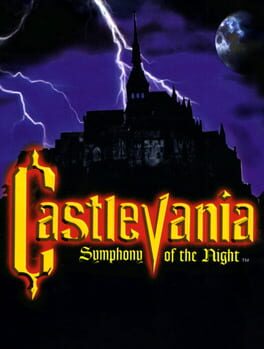
- 1997Castlevania: Symphony of the Night defines gothic horror in games: cathedrals, vampires, and a maze of cursed architecture Castlevania: Symphony of the Night
- 2015Guillermo del Toro's Crimson Peak makes a case for gothic horror as pure visual poetry Crimson Peak
- 2015Bloodborne establishes FromSoftware's Yharnam as one of gaming's great gothic spaces Bloodborne
- 2018The Haunting of Hill House (Netflix/Flanagan) reinvents the haunted-house story as multigenerational family trauma The Haunting of Hill House
- 2020Mexican Gothic demonstrates that gothic horror's structure works in any century and on any continent American gothic
Crumbling manors and cursed blood
Gothic Romance
Explore the Gothic Romance guide →No live organism can continue for long to exist sanely under conditions of absolute reality; even larks and katydids are supposed, by some, to dream. Hill House, not sane, stood by itself against its hills, holding darkness within.Shirley Jackson, The Haunting of Hill House