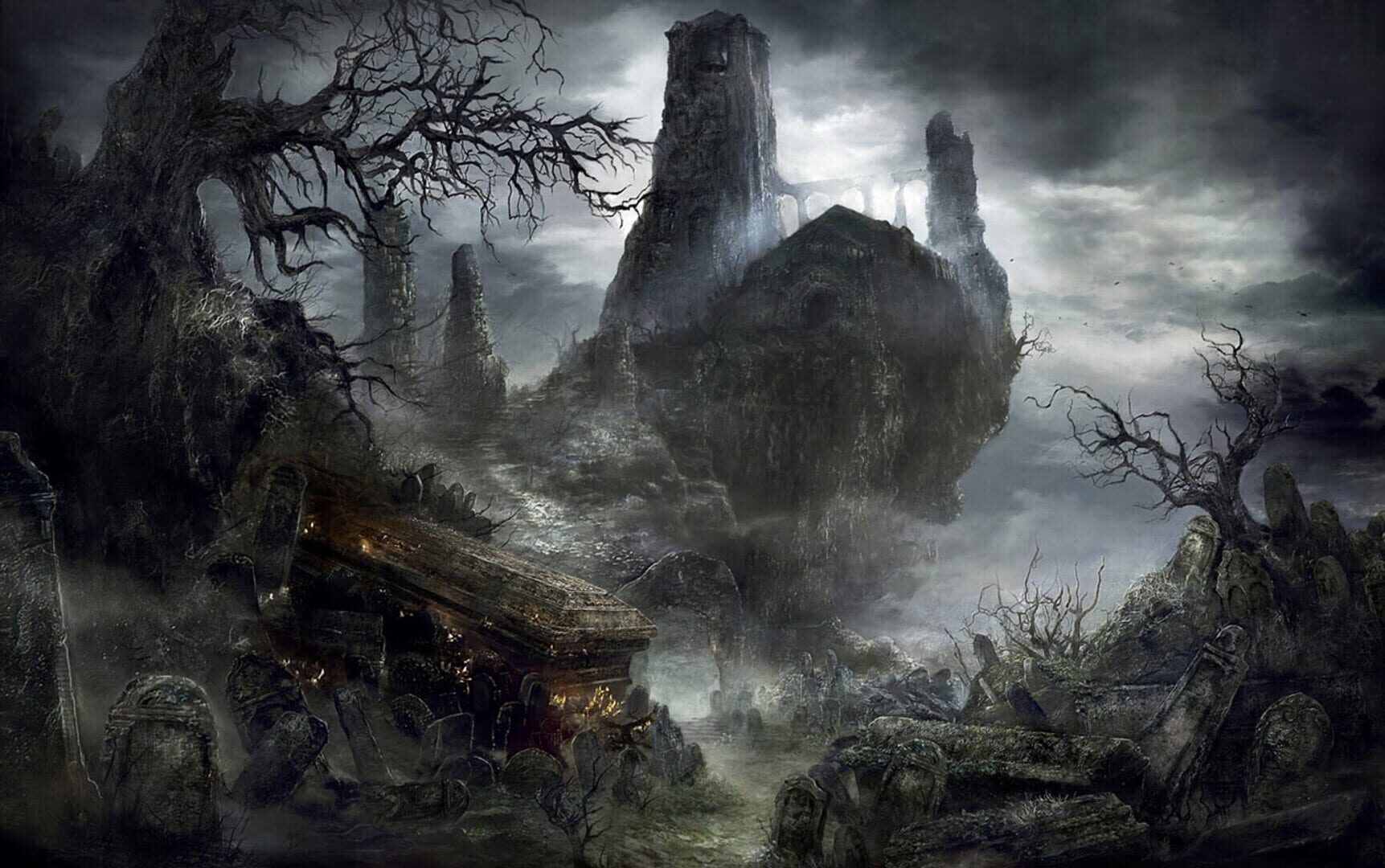

Elden Ring lands at the intersection of two obsessions: FromSoftware's relentless commitment to environmental storytelling and the mythic, grief-soaked worldbuilding that George R.R. Martin has spent decades perfecting. The result is a game that refuses to explain itself, trusts you to piece together a shattered cosmology from item descriptions and ruined architecture, and then sends you to die repeatedly in the dark. What keeps fans coming back is not the difficulty for its own sake but the feeling that the world existed long before you arrived and will endure long after you fail. That specific flavor of beauty and dread, of hard-won clarity and earned triumph, is what the recommendations below are built around.
Essential Elden Ring
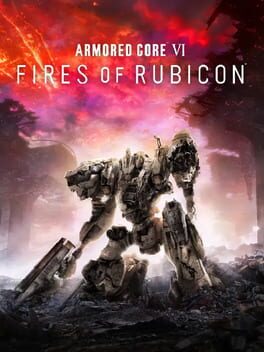
FromSoftware's core catalog and the games that share its DNA most directly
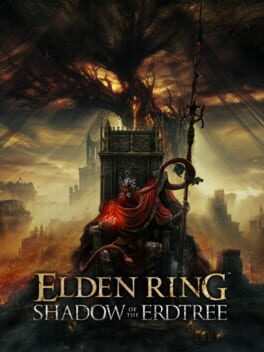
If You Love the Open World and the Punishing Precision
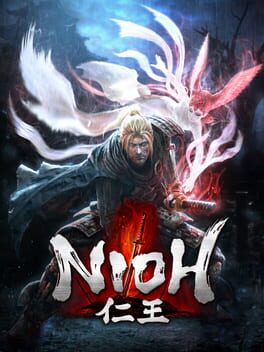
Action-RPGs that demand the same patience, reward exploration, and never hand-hold
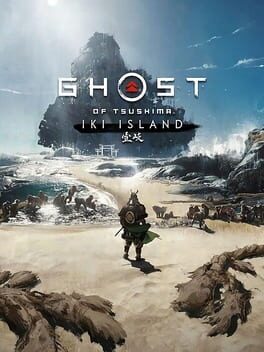
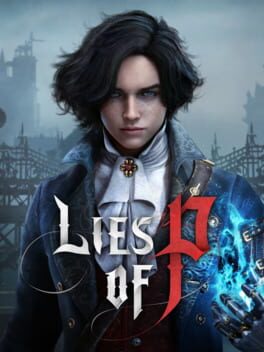
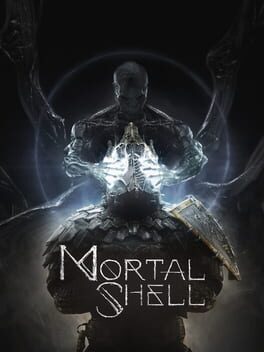
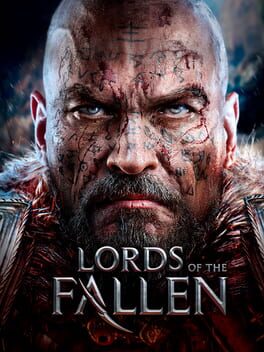
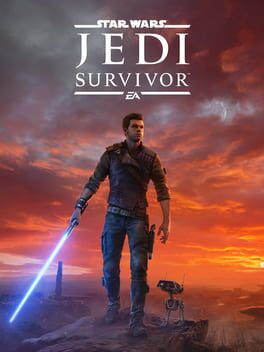
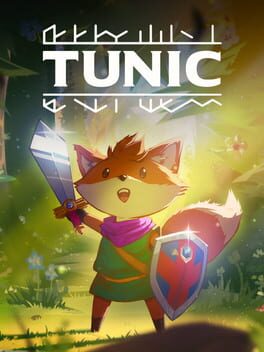
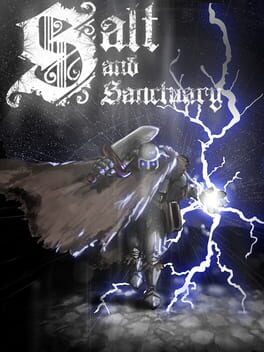
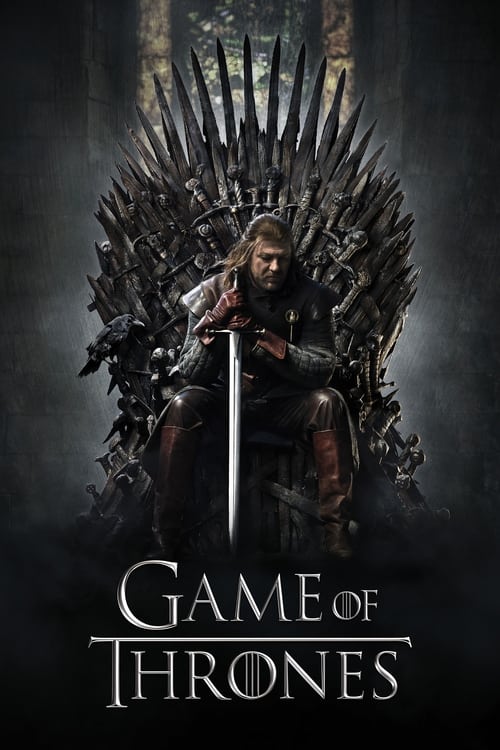
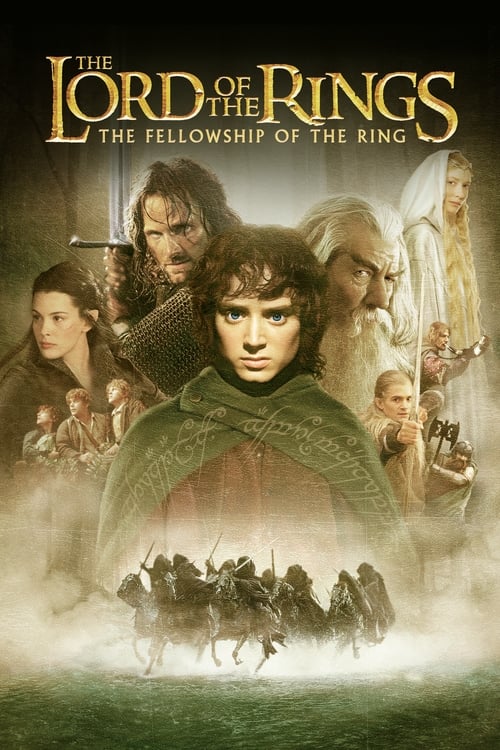
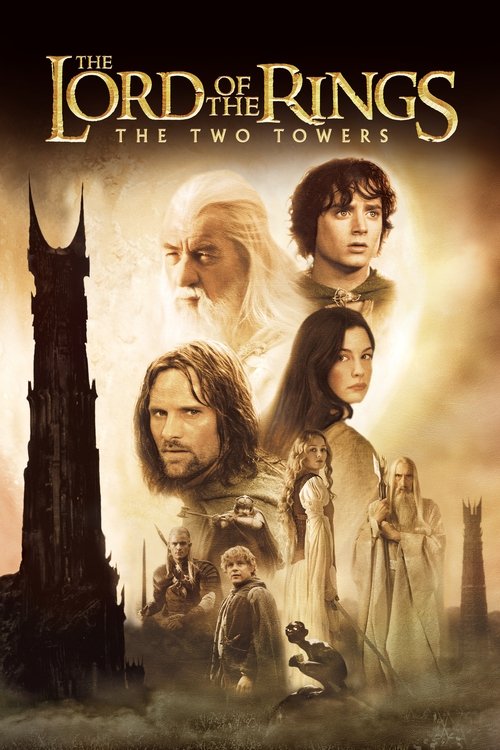
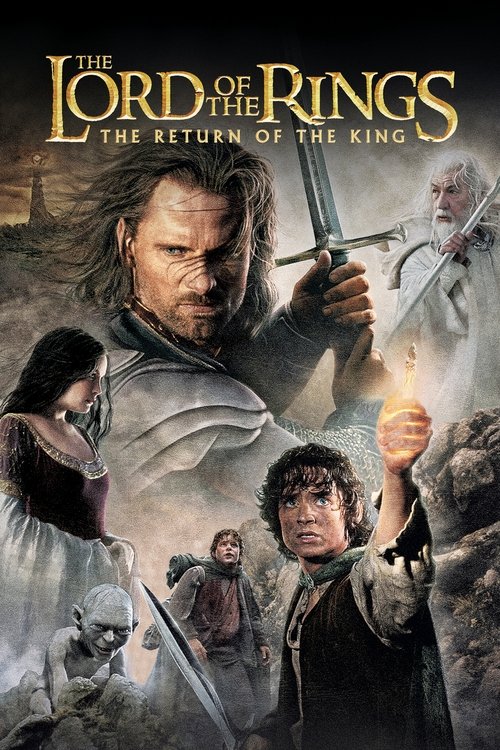
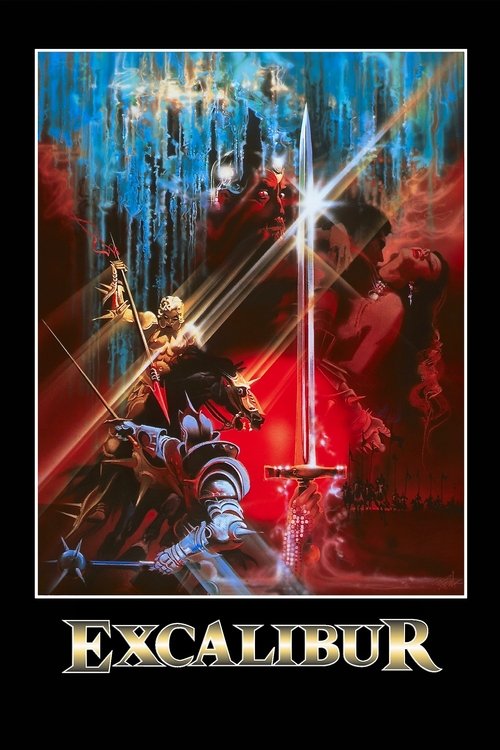
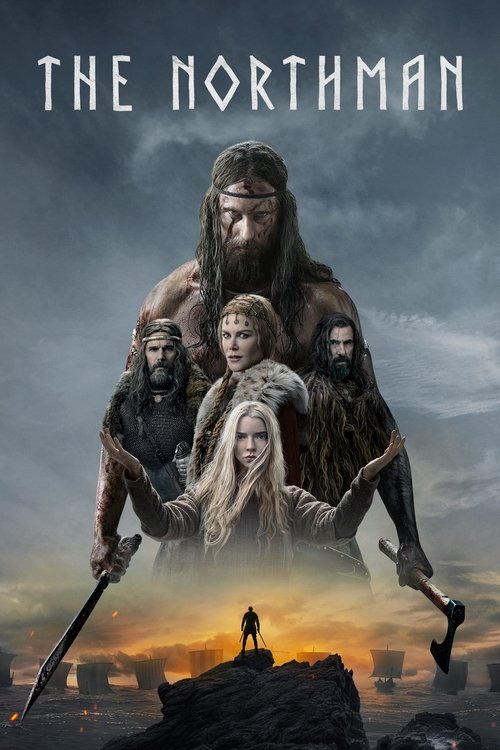
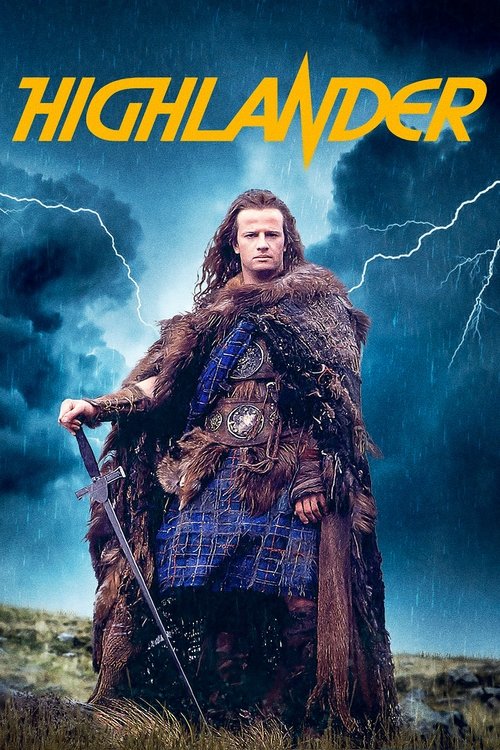
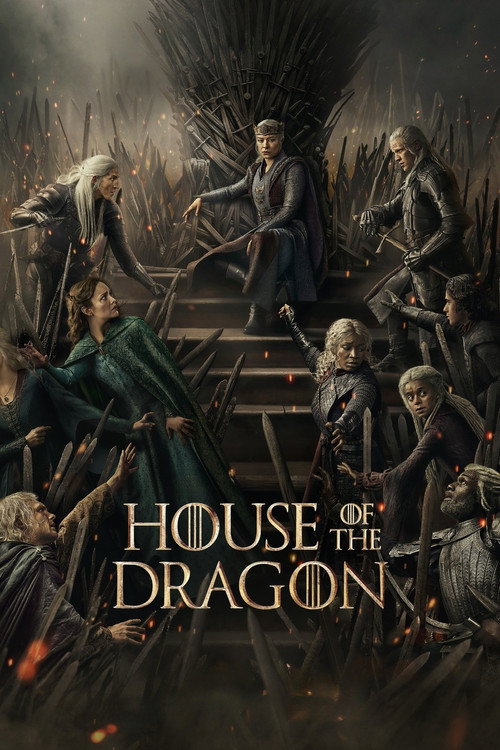
If You Love the Grimdark Atmosphere and Epic Tragedy
Films and series soaked in the same medieval doom, fallen gods, and earned sorrow

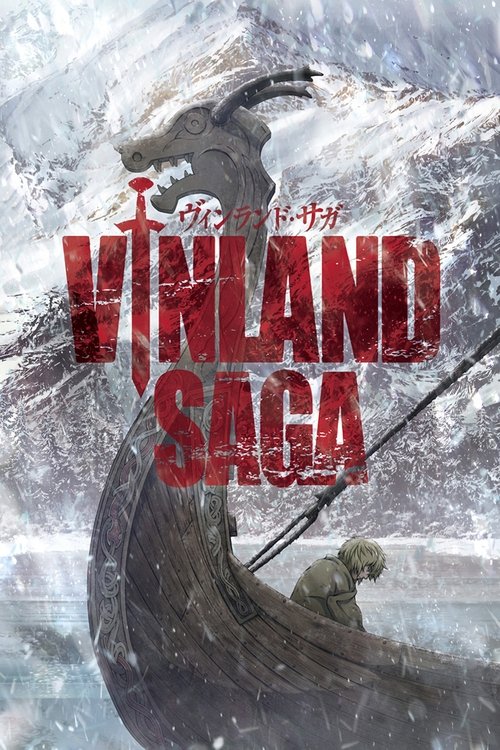

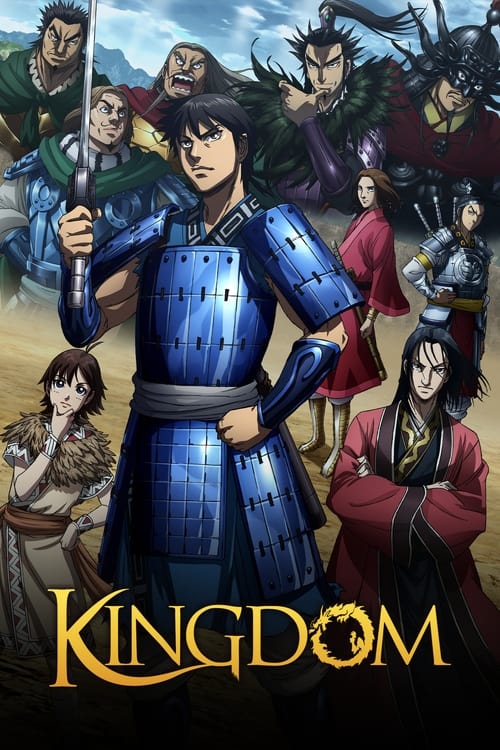
If You Love the Fragmented Lore and Dark Fantasy World-Building
Novels built on the same foundation: shattered empires, ambiguous gods, and myth you assemble yourself


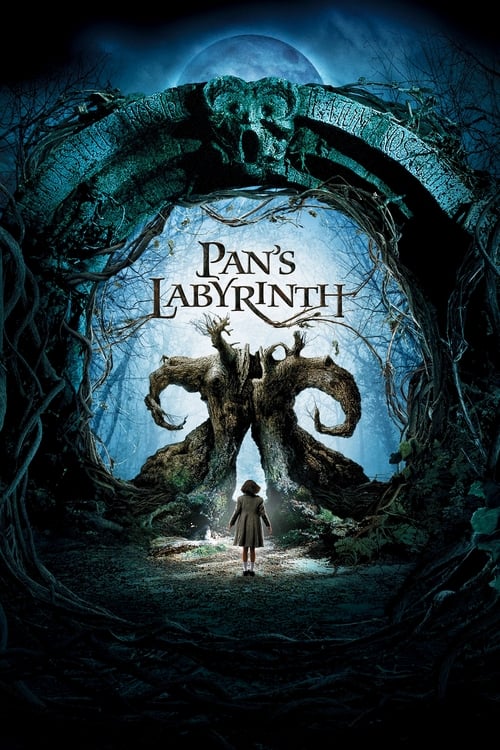
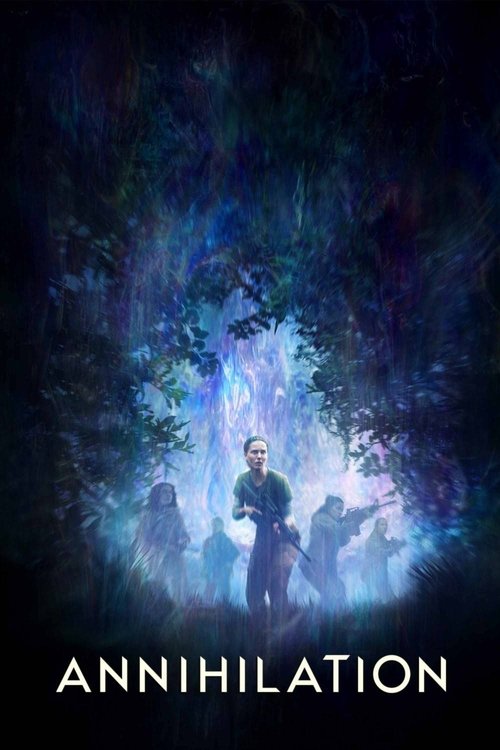
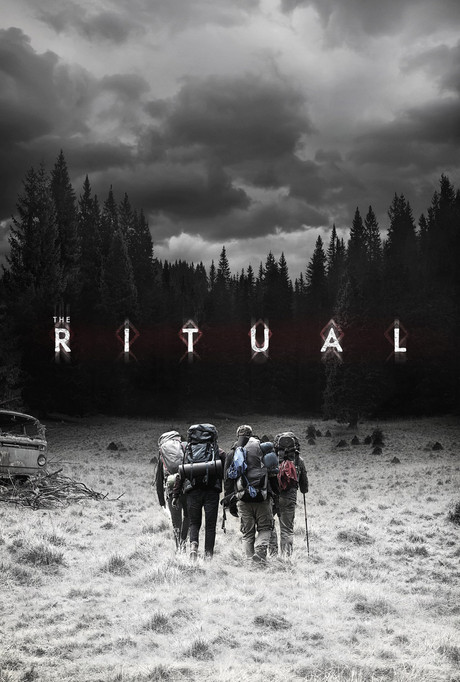
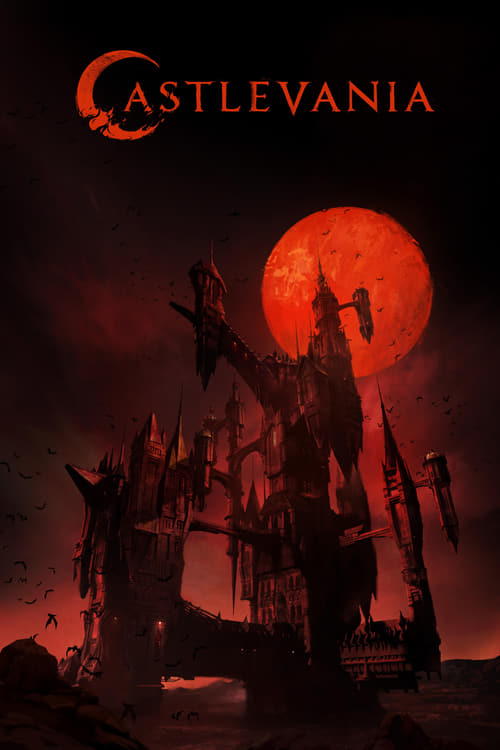
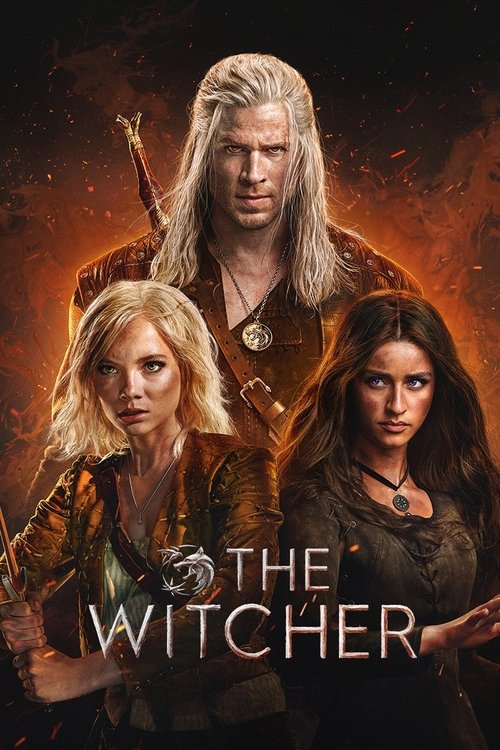
If You Love the Atmosphere and Dread (Screen Picks)
Horror-adjacent films and series that share Elden Ring's sense of cosmic wrongness and ancient evil

George R.R. Martin's Fingerprints Are All Over the Lore
When FromSoftware announced that George R.R. Martin had co-created the lore for Elden Ring, skeptics wondered whether a novelist with a famously troubled relationship with deadlines could contribute meaningfully to a medium he had never worked in. The answer turned out to be: absolutely yes, and in the most FromSoftware-compatible way possible. Martin's speciality is not plot but prehistory, the dense texture of a world that once existed and now mostly does not. Elden Ring's mythology, the Erdtree, the demigods, the shattering of the Elden Ring itself, reads like a Martin appendix given physical form. The tragedy happened before you loaded the save file. You are a tourist in the aftermath.
Berserk Is Required Reading (and Watching)
FromSoftware has never officially acknowledged the debt, but Kentaro Miura's Berserk manga is so clearly embedded in the DNA of every Souls game that fans treat it as prerequisite material. The Elden Ring-adjacent connections are specific: corrupted orders of knights, a golden age that curdled into horror, a protagonist driven by pure will against forces that dwarf them. The 1997 anime adaptation distills the arc that matters most and is as bleakly beautiful as anything the franchise has produced. The manga itself goes further in scope and ambition, and Miura's late-career artistry is genuinely staggering.

The Open World Changed Everything About the Formula
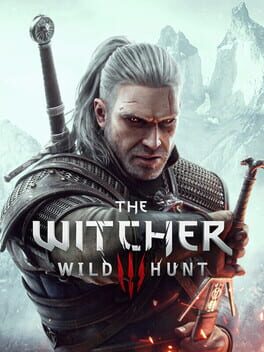
Dark Souls was built around a locked, interconnected world that rewarded memorization. Elden Ring kept the philosophy and threw out the constraint. The open Lands Between meant that the difficulty curve became personal: you could always go somewhere else, level up, find a new weapon, and return. That shift brought in an enormous new audience while maintaining the series' refusal to simplify combat or condescend to the player. Games like The Witcher 3 and Ghost of Tsushima offered templates for what open-world design could feel like when it was genuinely authored rather than procedurally inflated, and Elden Ring absorbed those lessons without losing its teeth.
Hollow Knight Proves Scale Is Not the Point
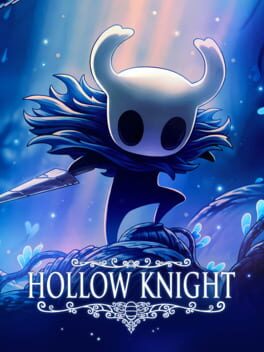
Hollow Knight is proof that the qualities Elden Ring fans love, the cryptic lore, the environmental storytelling, the boss fights that require you to learn a language before you can speak it, do not require a vast map or a massive budget. Team Cherry built a world of comparable emotional density inside a single Metroidvania in 2017, and its kingdom of New Hallownest carries the same sense of a civilization that peaked and collapsed before the player arrived. The sequel Silksong has been in development long enough to develop its own mythology.
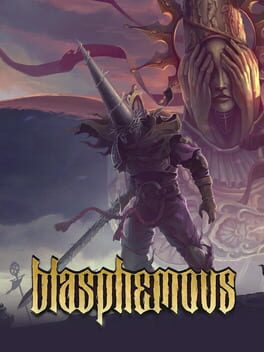
FromSoftware's Road to Elden Ring
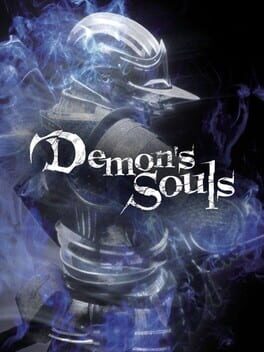
- 2009Demon's Souls launches exclusively on PS3, introducing the punishing template that would define a genre. Demon's Souls
- 2011Dark Souls arrives on PS3 and Xbox 360, perfecting the interconnected world design and expanding the audience. Dark Souls
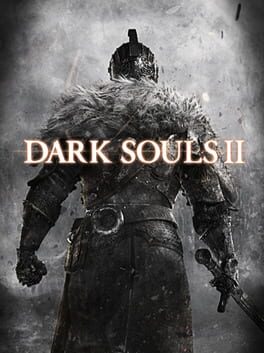
- 2014Dark Souls II experiments with expanded scope and a more modular world structure, dividing the fanbase. Dark Souls II
- 2015Bloodborne reimagines the formula in a Lovecraftian Victorian city, replacing shields with aggressive offense. Bloodborne
- 2016Dark Souls III delivers the most refined and cinematic entry in the trilogy, closing out the Age of Fire. Dark Souls III
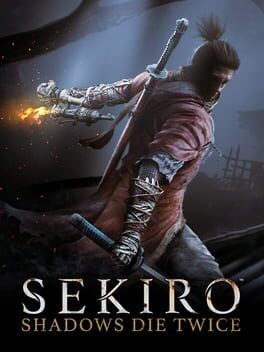
- 2019Sekiro: Shadows Die Twice strips RPG systems entirely, replacing them with a single precision-combat protagonist. Sekiro: Shadows Die Twice
- 2022Elden Ring launches: open world, GRRM co-authored lore, fastest-selling FromSoftware title by a wide margin. Elden Ring
- 2024Shadow of the Erdtree DLC expands the Lands Between with new regions, bosses, and a deeper look at Miquella's arc. Elden Ring: Shadow of the Erdtree
Brutal worlds and dark fantasy
For Fans of FromSoftware
Explore the For Fans of FromSoftware guide →The Elden Ring shattered. The Golden Order was broken. Rise, Tarnished. Grace will lead you to its source.Elden Ring opening narration