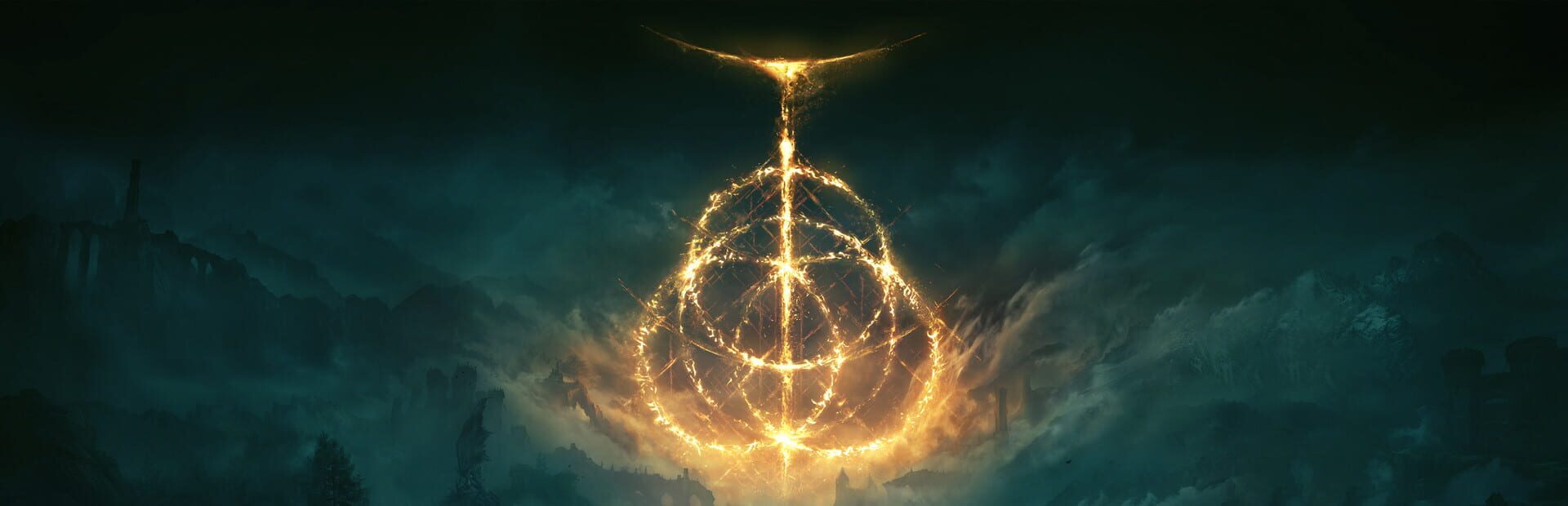

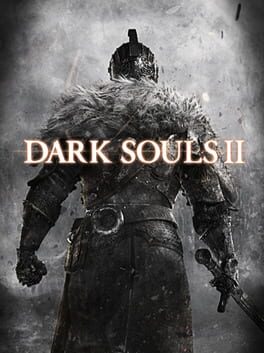
FromSoftware has spent four decades building worlds that want you dead. Starting in the dungeon-crawling corridors of King's Field in 1994, the Tokyo studio developed a design language rooted in opacity, weight, and earned revelation. By the time Demon's Souls arrived in 2009, they had codified something genuinely new: a school of action-RPG where every boss is a lesson, every item description is a fragment of archaeology, and the landscape itself tells a story the player has to assemble. The Dark Souls trilogy, Bloodborne, Sekiro, and Elden Ring each iterate on this foundation without repeating it. Alongside those landmark titles, the Armored Core series and earlier works like Eternal Ring and Otogi show a studio that has always been more varied and stranger than any single genre label captures. What connects the mech-combat of Armored Core VI to the anguish of Malenia is the same design conviction: difficulty is not punishment, it is communication.
Essential FromSoftware
The studio's own catalog, from dungeon-crawler roots to open-world masterpiece
Games That Share the Philosophy
Punishing, atmospheric, and deeply rewarding action games built on the same skeleton

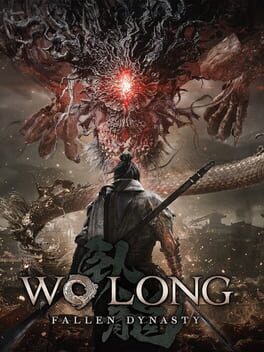
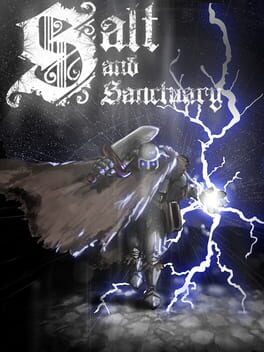
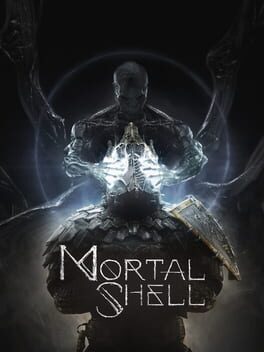
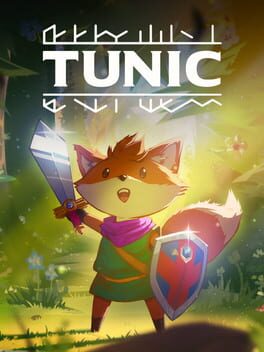
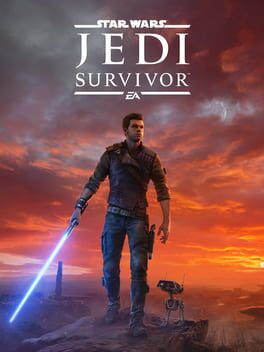
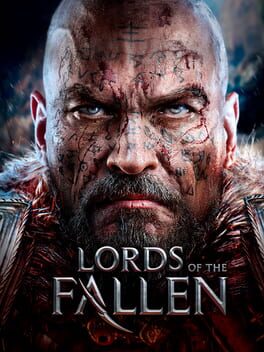
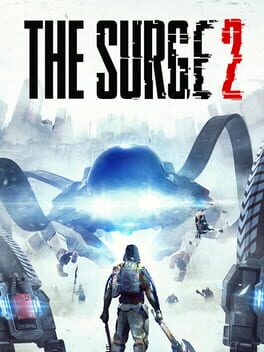
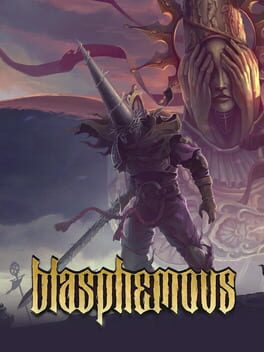
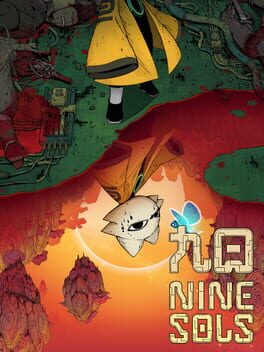
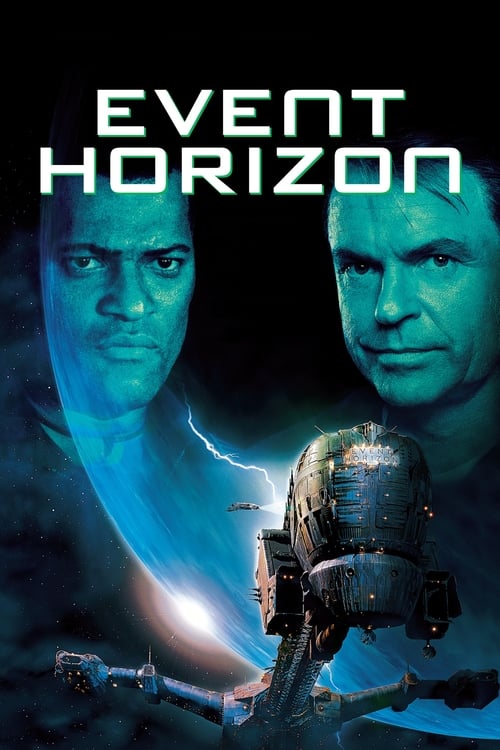
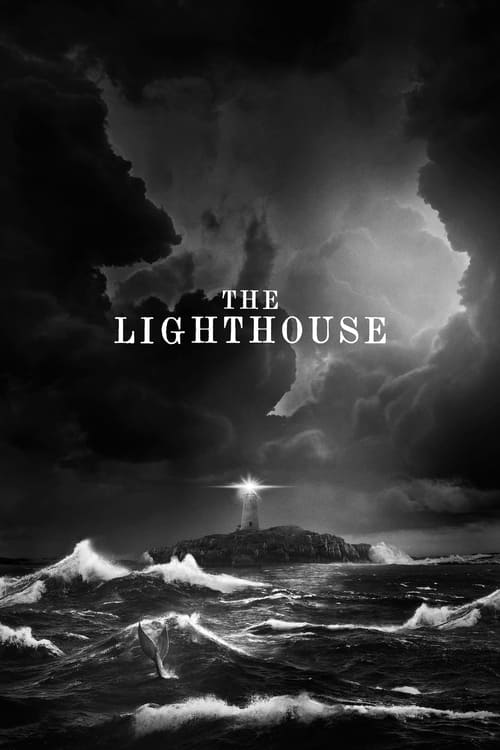
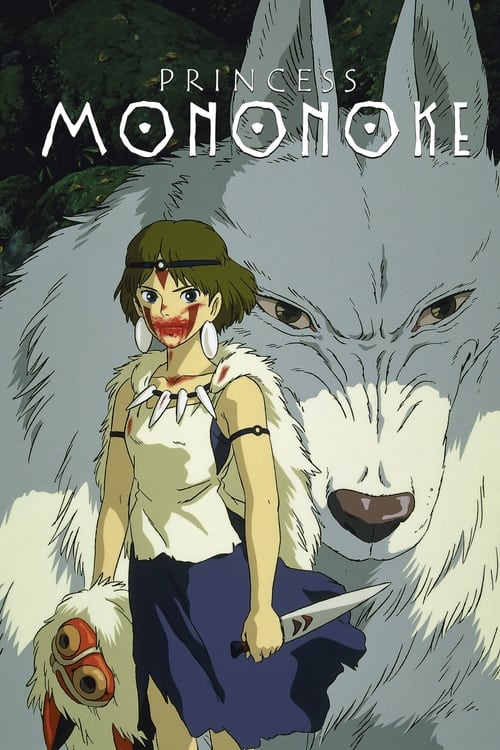
Films With the Same Dark DNA
Grimdark fantasy, cosmic horror, and relentless atmosphere for the screen

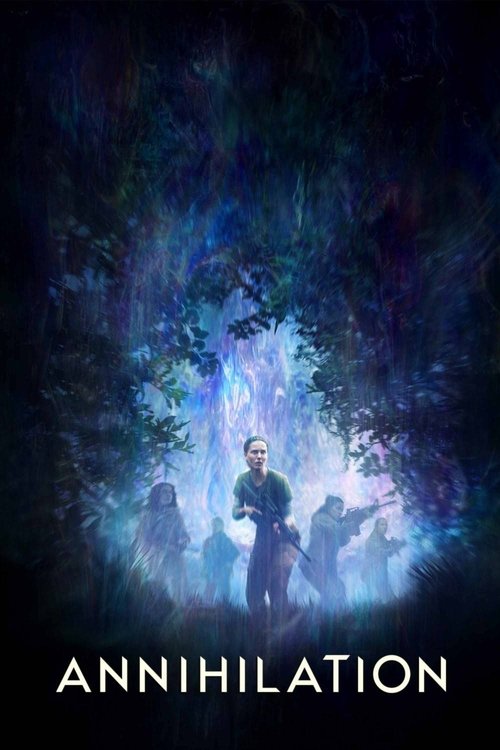
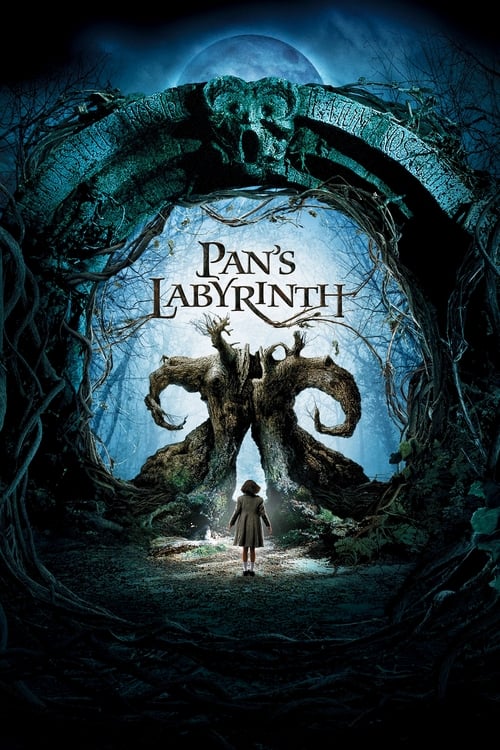

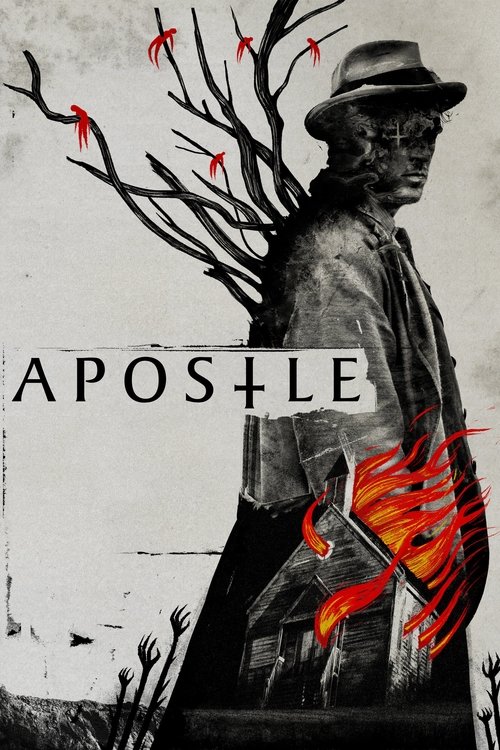
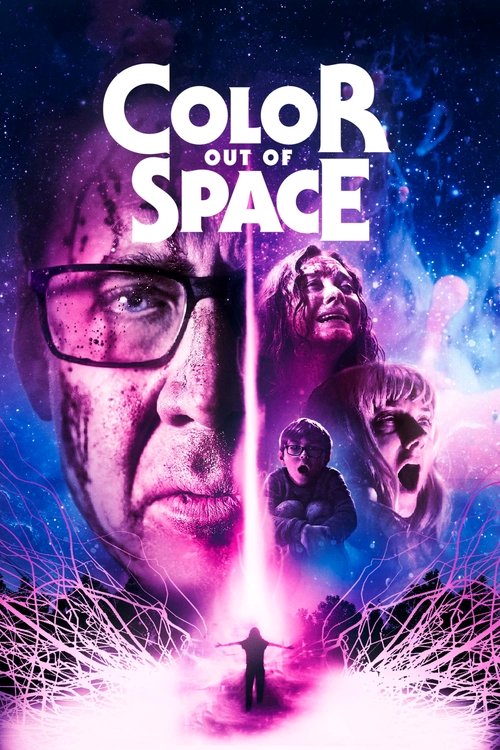
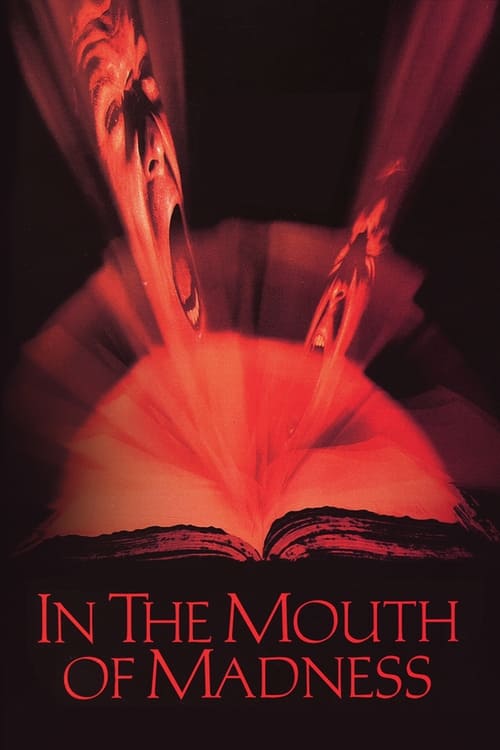
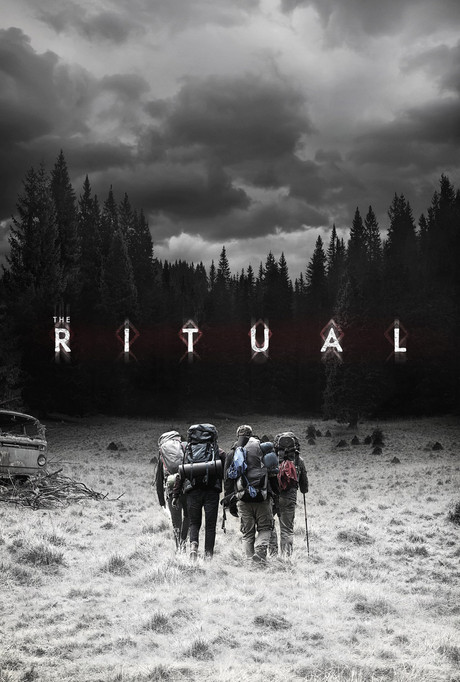
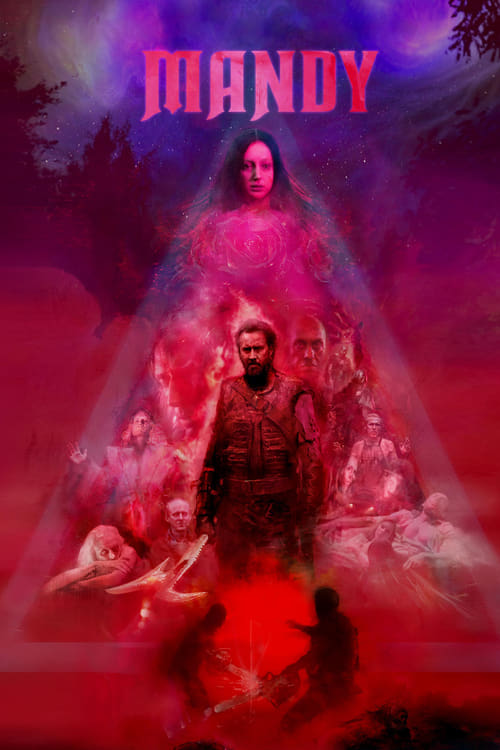
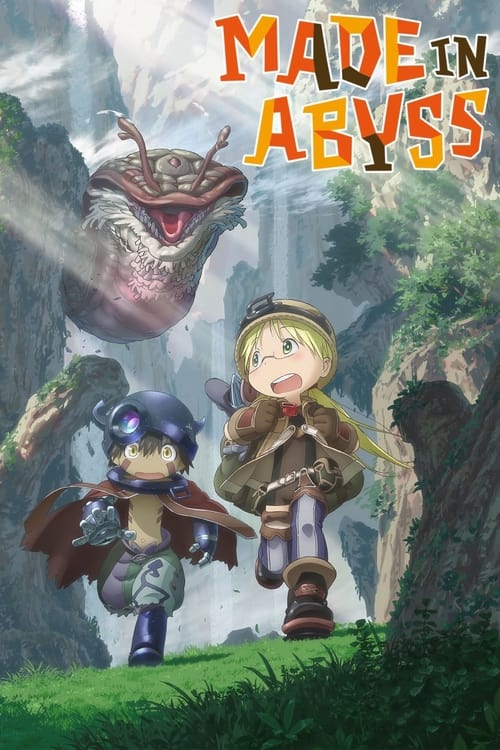
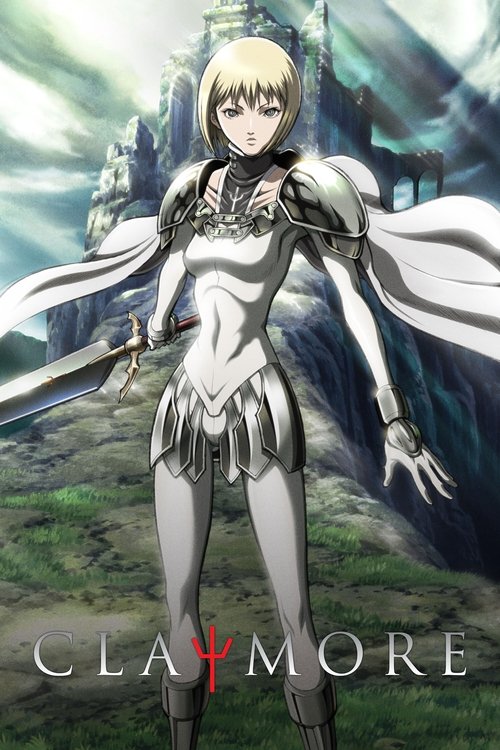
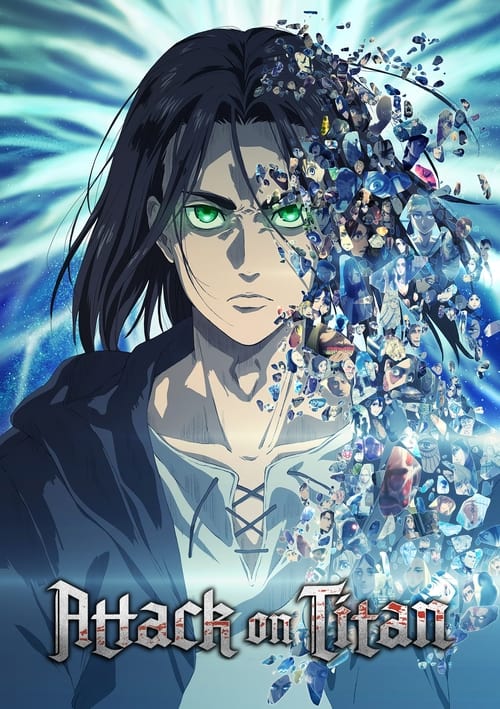
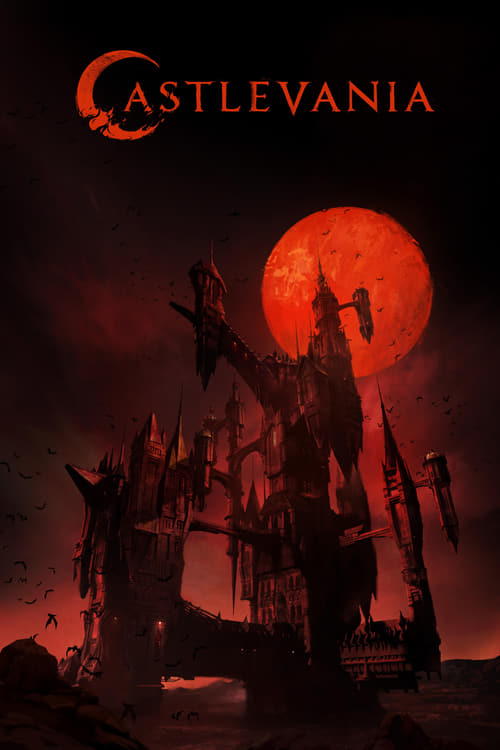
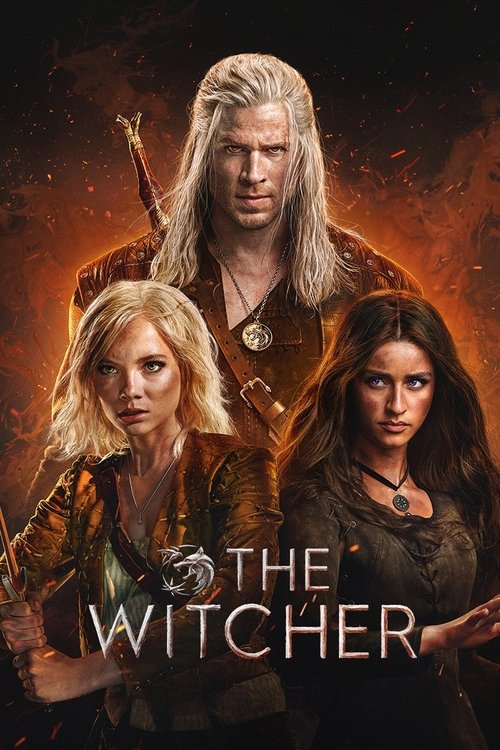
Series That Breathe the Same Air
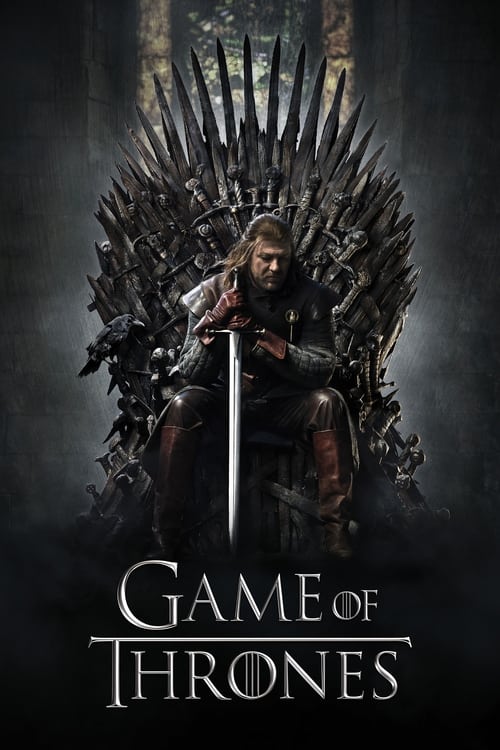
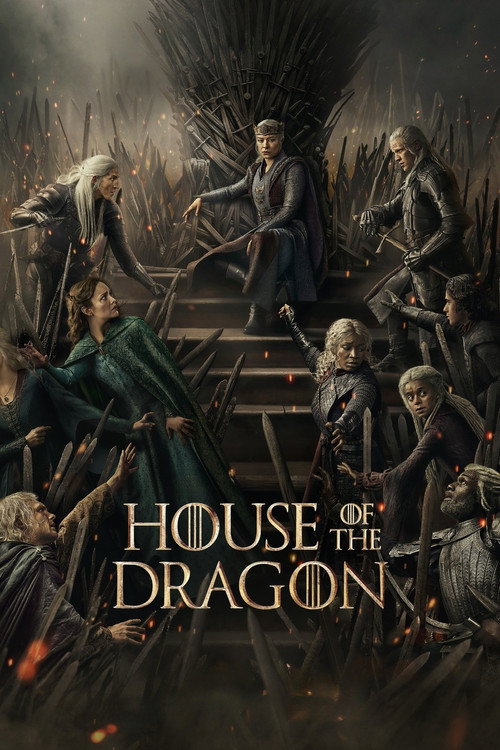
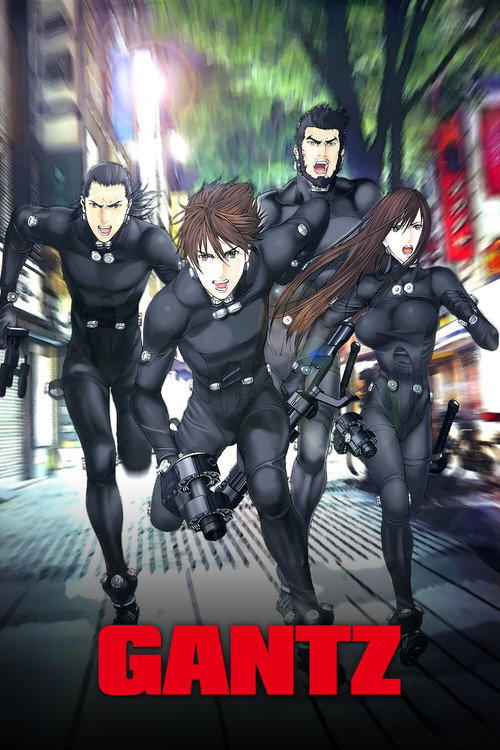
TV and anime that sustain that sense of dread, mythology, and hard-won hope


Books That Live in the Same Register
Dark fantasy, cosmic horror, and dense mythological fiction for readers between runs



The Lore Is the Gameplay
FromSoftware item descriptions are not flavour text appended after the fact. They are the primary storytelling mechanism. Reading a ring's inscription, cross-referencing a gesture's lore, and then finally understanding a boss's identity three hours later is the same loop as parrying and countering. The studio trusts the player to build the narrative the way they build skill: slowly, through repeated contact, without a guide. Other studios have borrowed the aesthetic; very few have understood that the obscurity is load-bearing.
Armored Core Is the Other Half
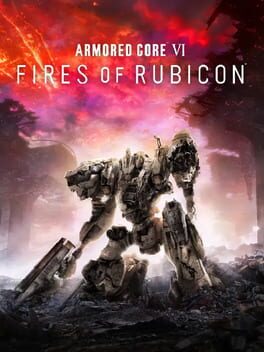
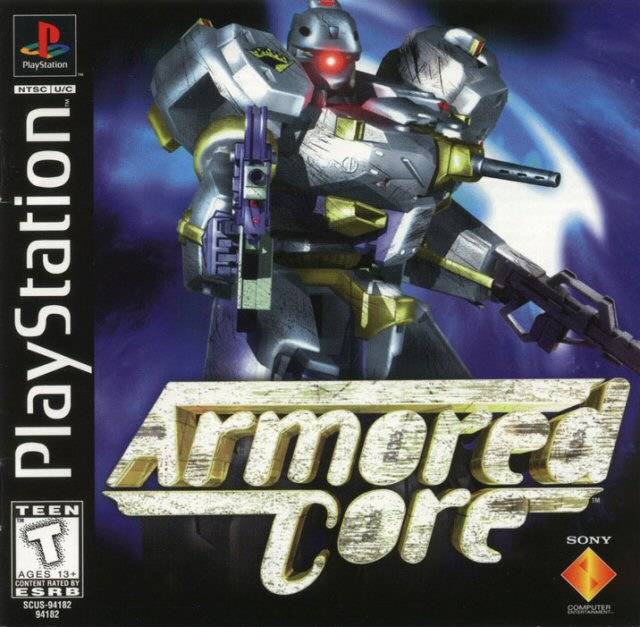
Armored Core VI: Fires of Rubicon landed in 2023 and reminded everyone that FromSoftware had been making mech games for twenty-five years before Hidetaka Miyazaki joined the company. The AC series shares the same emphasis on build theory, pattern recognition, and repeated failure, but strips the world-exploration in favour of mission structure and assembly-bay minutiae. Fans who have only played the Soulsborne titles will find it both immediately legible and genuinely different, a reminder that the studio's identity is not gothic castles but a philosophy of resistance.
Sekiro Is the Outlier That Proves the Rule
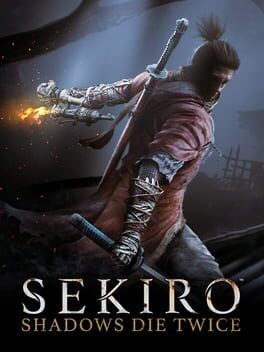
Sekiro: Shadows Die Twice removed the RPG systems that many players used as a crutch: no builds, no summons, no stat investment in defence. In their place it put a rhythm game inside a swordfight, a posture system that rewards aggression over evasion. Many players bounced off it harder than any prior FromSoftware title; many others call it the studio's purest achievement. That divergence is the point. The studio has never optimised for consensus.
Bloodborne Belongs to Cosmic Horror
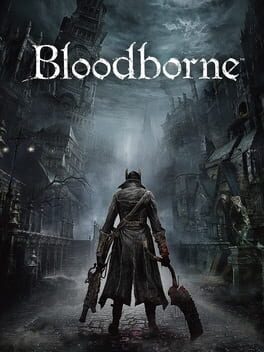
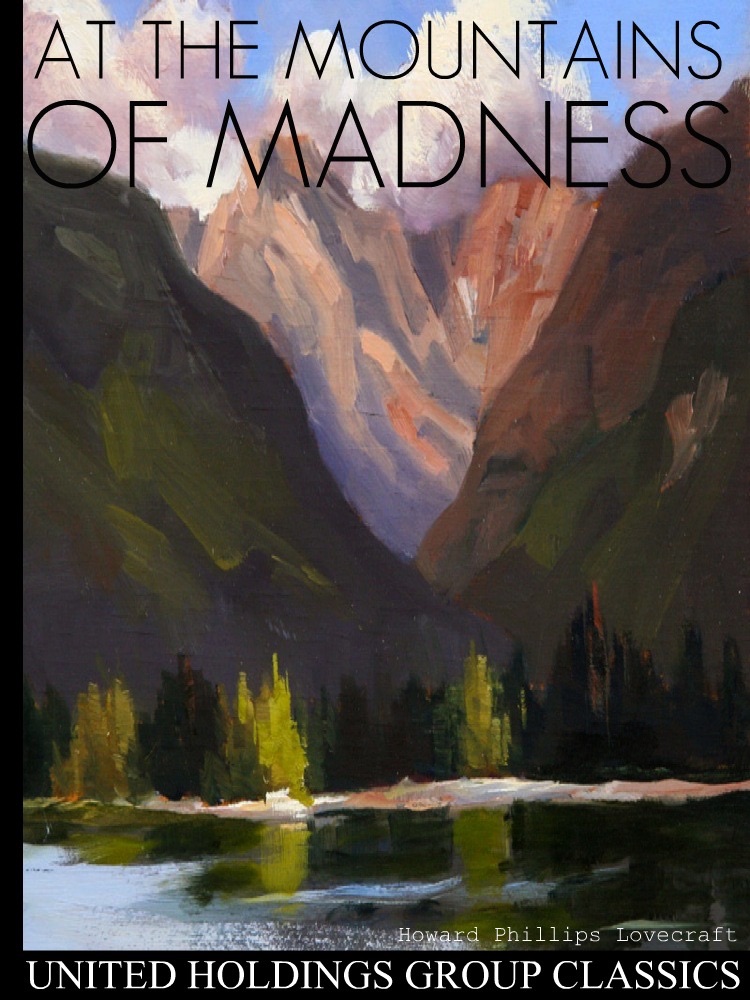
Bloodborne is the purest distillation of Lovecraftian dread that any game has achieved. The Great Ones are not antagonists with motives; they are forces that human perception cannot safely contain. The shift from medieval fantasy to gaslit gothic to something genuinely alien is not a twist, it is a thesis: the more you seek to understand, the more your sanity (and your character's) frays. Readers of Lovecraft, Ligotti, or Thomas Ligotti will recognise the machinery under the Victorian wallpaper immediately.
FromSoftware Through the Decades
- 1994King's Field establishes FromSoftware's slow, punishing first-person dungeon formula on PS1
- 1997Armored Core launches the mech assembly series that would run for 13 mainline entries Armored Core
- 2004Otogi 2 shows the studio's range, a stylised demon-slaying action game far from its RPG roots Otogi 2: Immortal Warriors
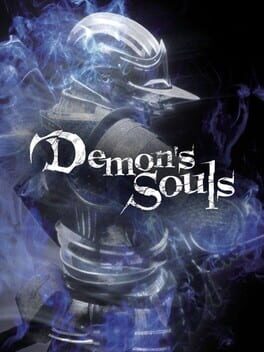
- 2009Demon's Souls introduces the interconnected world design and asynchronous online that define the Soulsborne template Demon's Souls
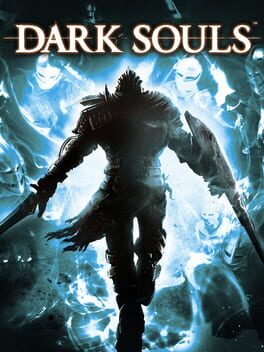
- 2011Dark Souls refines the formula into one of the most influential games ever made Dark Souls
- 2015Bloodborne takes the engine to Victorian gothic and cosmic horror, PS4 exclusive Bloodborne
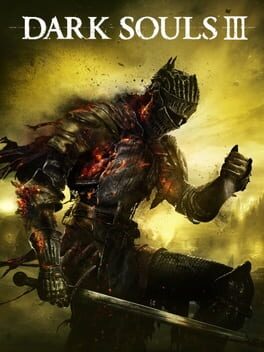
- 2016Dark Souls III closes the trilogy with the most cinematic and densely referential entry Dark Souls III
- 2019Sekiro: Shadows Die Twice wins Game of the Year and strips every RPG safety net Sekiro: Shadows Die Twice
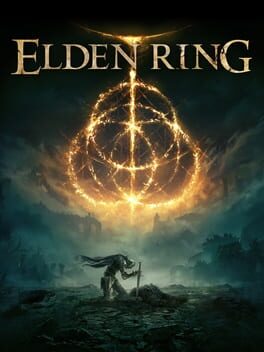
- 2022Elden Ring co-created with George R.R. Martin becomes the fastest-selling FromSoftware game ever Elden Ring
- 2023Armored Core VI: Fires of Rubicon reintroduces the mech series to a new generation Armored Core VI: Fires of Rubicon
Dark fantasy and cosmic dread
For Fans of Elden Ring
Explore the For Fans of Elden Ring guide →Each death is a question the game is asking. The answer is always in the room with you.Common wisdom in the FromSoftware community