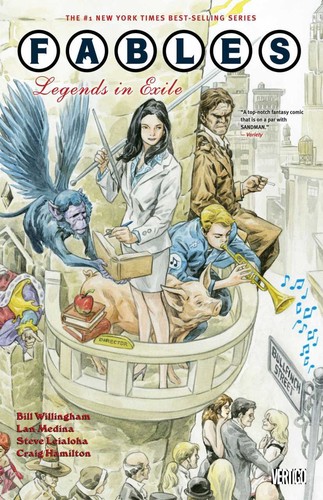

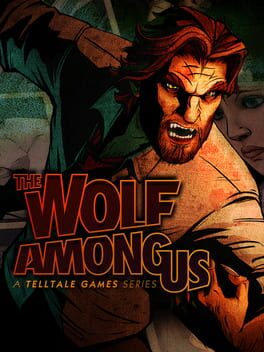
Bill Willingham launched Fables in 2002 for DC's Vertigo imprint and ran it for 150 issues, ending in 2015. The premise is deceptively simple: Snow White manages a clandestine Manhattan enclave called Fabletown, where every character from oral tradition and printed fairy tale has been exiled from the Homelands by a conqueror called the Adversary. The Big Bad Wolf runs homicide cases as a one-man sheriff. Cinderella does black-ops. Prince Charming schemes for the mayoral seat. What made Fables stick was the political texture: these are ancient beings who have survived by adapting, not by staying pure. The series ran parallel stories across its spinoffs, the Cinderella miniseries, Jack of Fables, Fairest, and the 1001 Nights of Snowfall prose-and-illustration anthology. Telltale Games adapted the prequel era into The Wolf Among Us (2013), a noir detective story that captured the same moral greyness. If you love that combination of familiar archetypes in unfamiliar jeopardy, this guide covers every medium that does it well.
Essential Fables
The core Willingham run and its closest satellites, in reading order


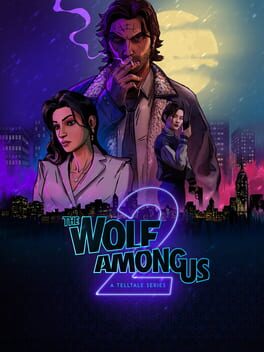
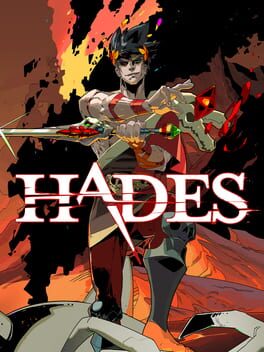
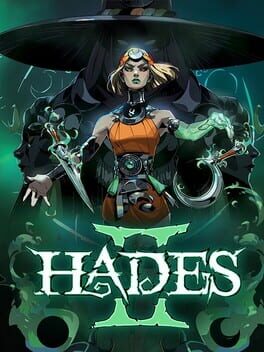
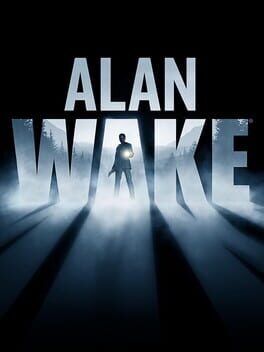
The Wolf Among Us and Games That Share the DNA
Noir choices, fairy-tale muscle, and stories that remember what happens after the happy ending
Comics That Remix Myth and Folklore
Graphic novels and series that take legend seriously and bend it into something stranger


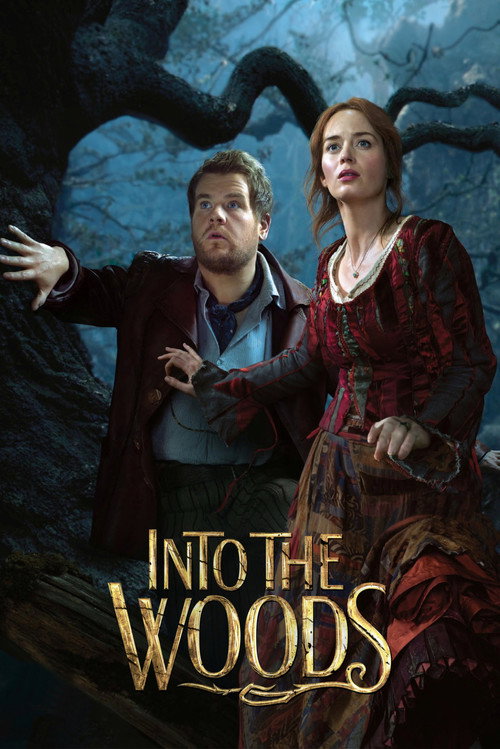
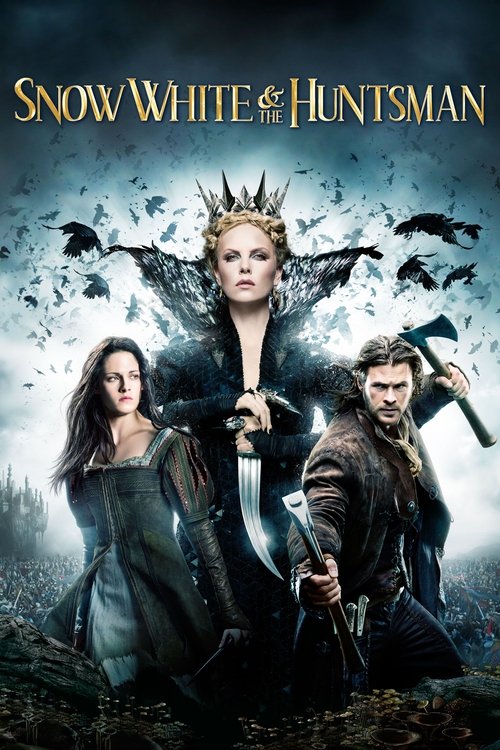
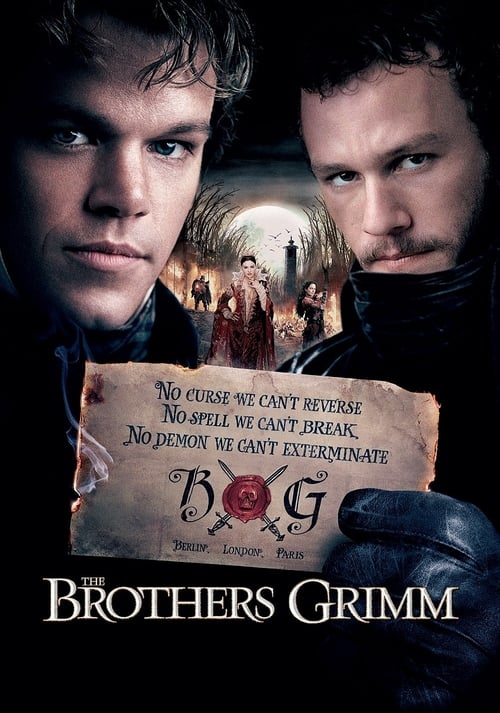
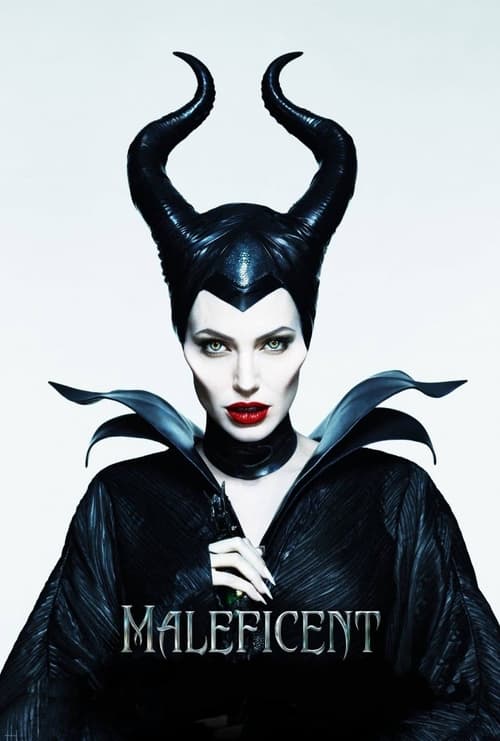
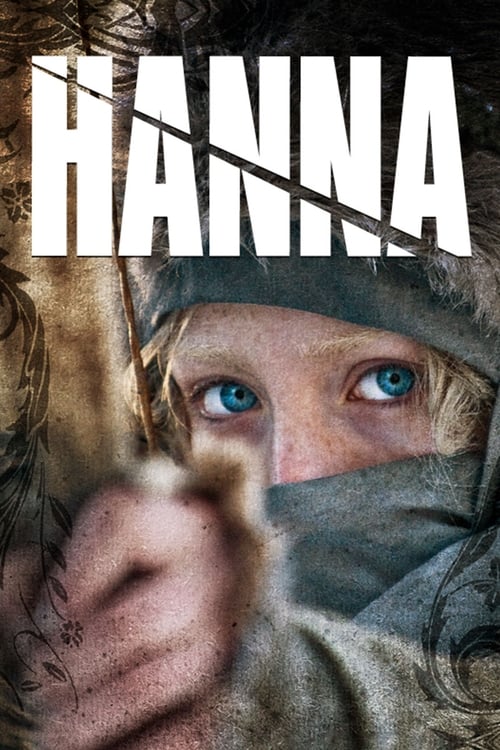
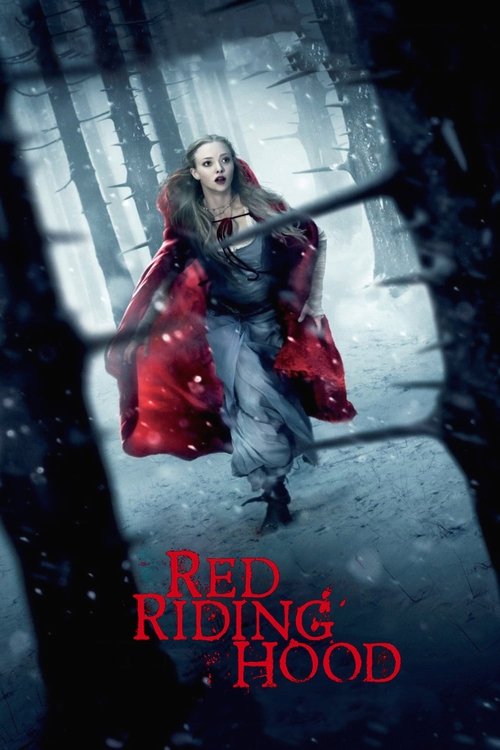
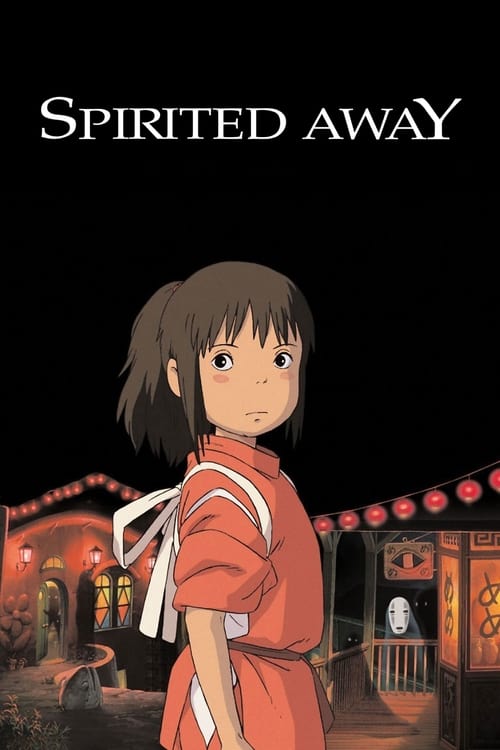
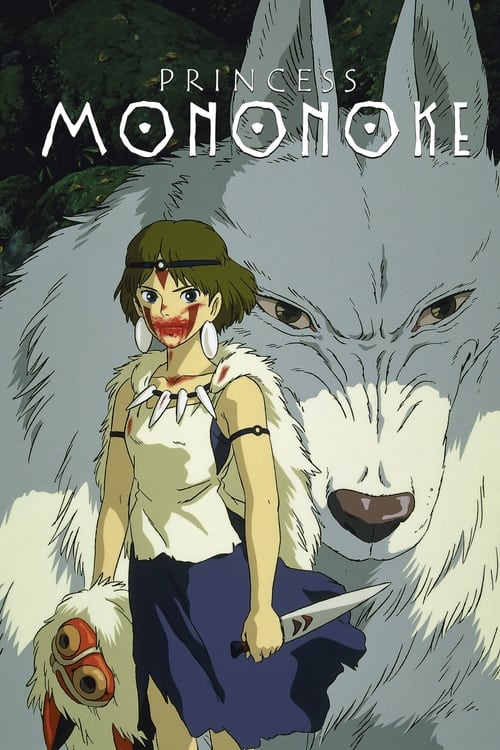
Fairy Tales Turned Inside Out: Films
Movies that treat the source material as a starting point, not a comfort blanket
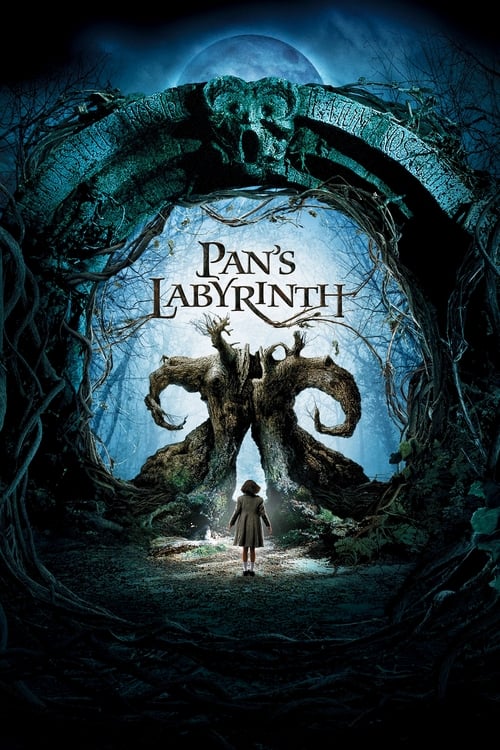
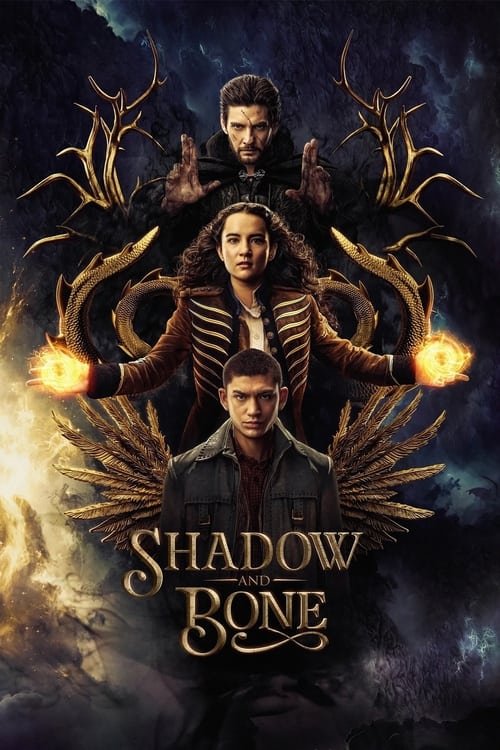
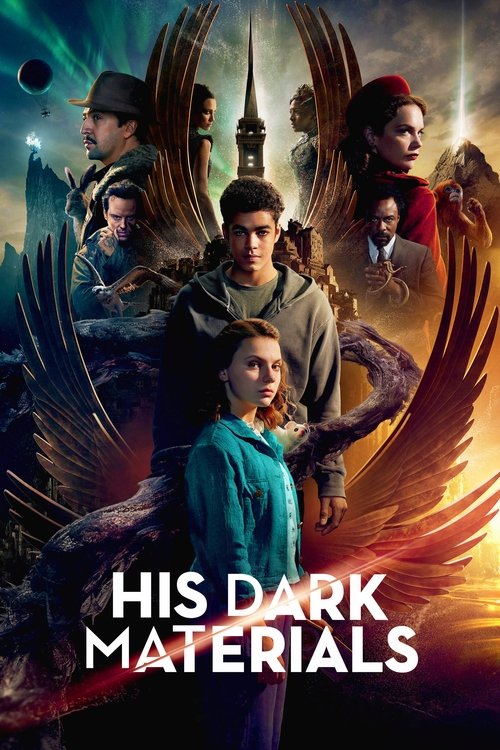
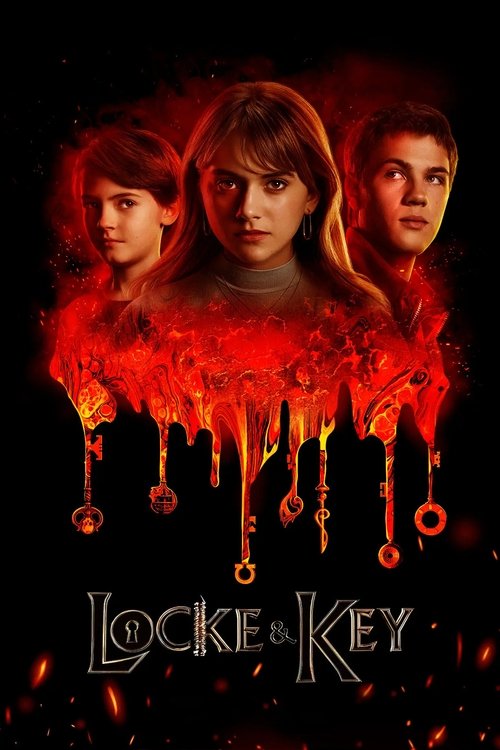
Series That Live in the Same Dark Neighbourhood
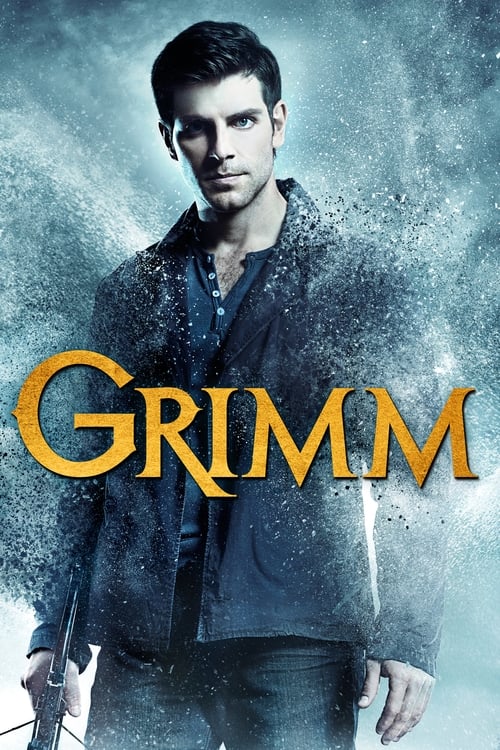
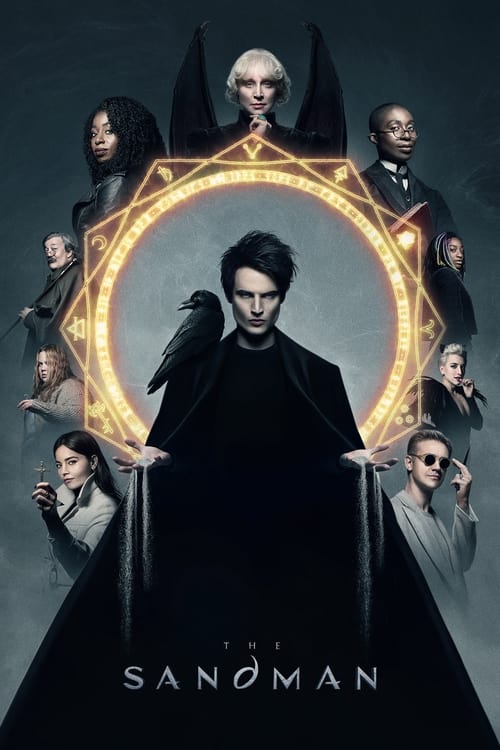
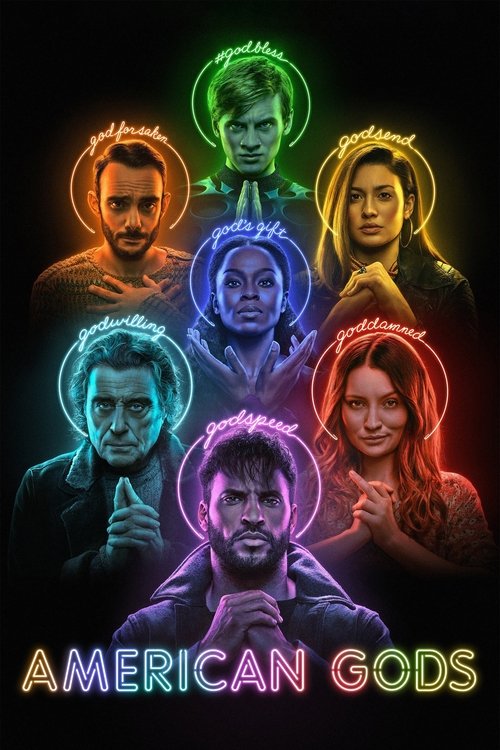
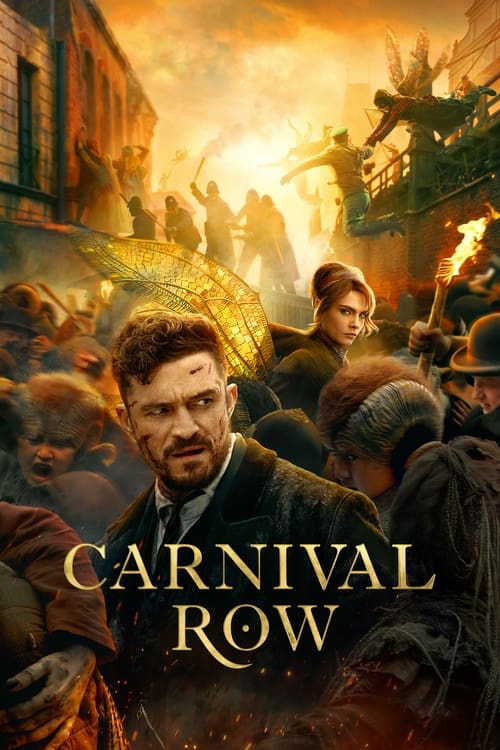
TV shows with hidden-world politics, fairy-tale logic, and characters older than they look

The Adversary Is the Best Villain Vertigo Ever Put on Paper
Fables withholds the Adversary's identity for years, and when the reveal lands it recontextualizes everything that came before. Willingham earns it because the slow build never feels like stalling: every arc adds a layer to the logic of conquest and collaboration. The Adversary works not because of raw menace but because the system of oppression makes a grim kind of sense. That patience is what separates the best long-form comics from the rest.
Bigby Wolf Defined a Genre of Morally Complex Fantasy Protagonists
Bigby is not redeemed in a tidy arc. He made choices that got people killed long before Fabletown existed, and those choices follow him. What Willingham and Telltale (in The Wolf Among Us) both understood is that you can root for someone while knowing they are not safe. The Bigby template shaped a wave of video game protagonists who carry weight from decisions made in previous chapters, not just the one you are currently playing.
Snow White and the Mundane as the Real Power Centre
Snow White runs Fabletown because she outworks everyone in the room. Not through magic or battlefield strength: through competence and institutional memory. Willingham gives her the arc that most fantasy reserves for sword-wielders, and the result is one of the most interesting reworkings of a familiar character in the genre. Her dynamic with Bigby earns the slow burn because both characters are doing actual work between the romantic beats.
Fables and Its World, in Order
- 2002Fables #1 published by DC Vertigo Fables
- 20051001 Nights of Snowfall anthology released
- 2006Jack of Fables spinoff launches Jack of Fables
- 2008Peter & Max prose novel published
- 2009Cinderella: From Fabletown with Love miniseries
- 2011Fairest spinoff launches Fairest
- 2013The Wolf Among Us Episode 1 released by Telltale The Wolf Among Us
- 2015Fables concludes at issue 150
- 2023The Wolf Among Us 2 announced at The Game Awards The Wolf Among Us 2
Fairy Tales Gone Dark and Urban
For Fans of The Sandman
Explore the For Fans of The Sandman guide →What you love about fairy tales is not the happily ever after. It is the shape of the world that makes such an ending feel necessary. Fables shows you that world without the ending.CrossBinge