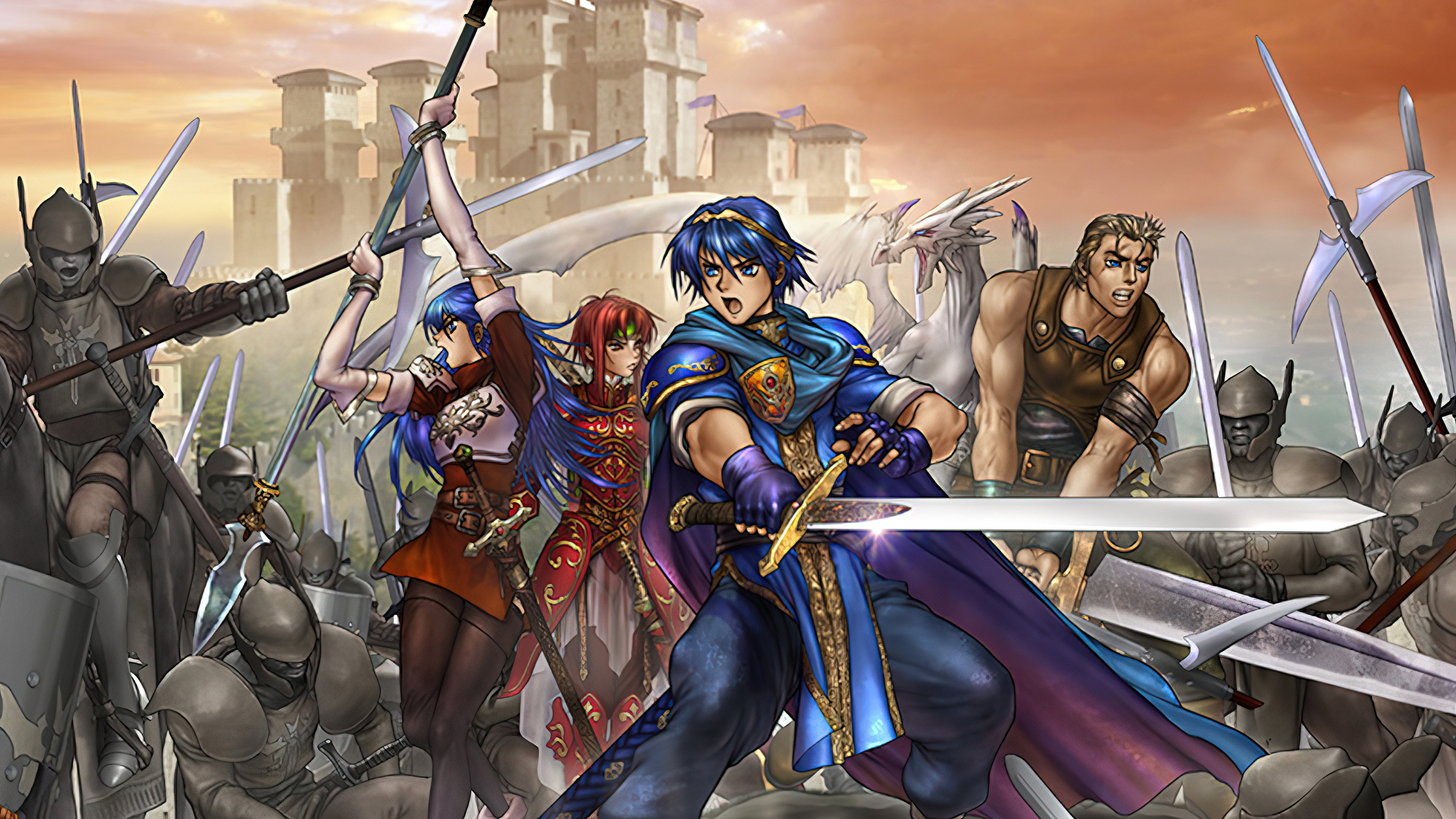

Fire Emblem has been doing something unusual since 1990: it makes you care about individual soldiers before it kills them. The series invented permadeath as an emotional design choice, not a difficulty gimmick -- lose a unit and they're gone, their story thread cut mid-sentence. That tension underlies every decision in every game, from Marth's first campaign on Archanea to Byleth's classroom on Fodlan. The through-line a Fire Emblem fan loves is this: the weight of command, the relationships built between battles, and the way political betrayal can sting harder than any sword. It is a series about war told through the people who fight it, and it has never stopped finding new angles on that idea.
Essential Fire Emblem
The core series, from foundational classics to modern masterworks
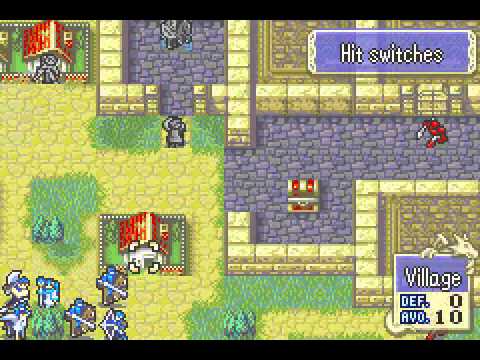
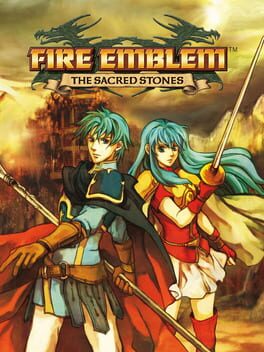
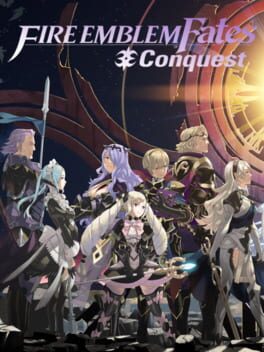
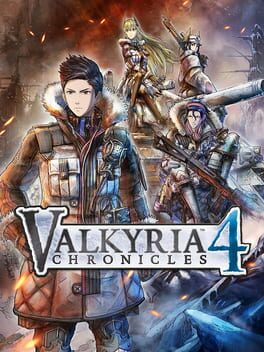
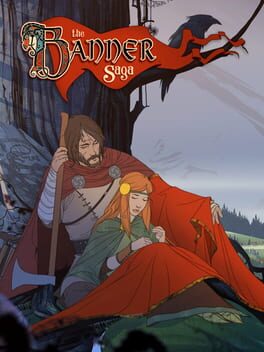
If You Love the Tactics Layer
Turn-based strategy games that demand the same careful, caring approach to your roster
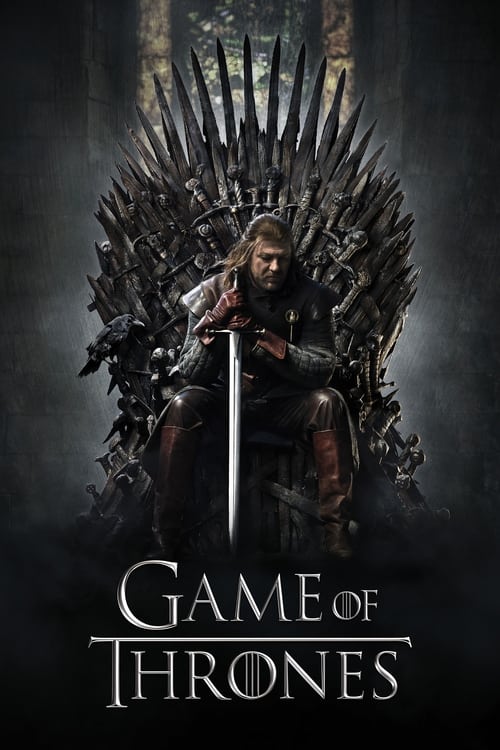
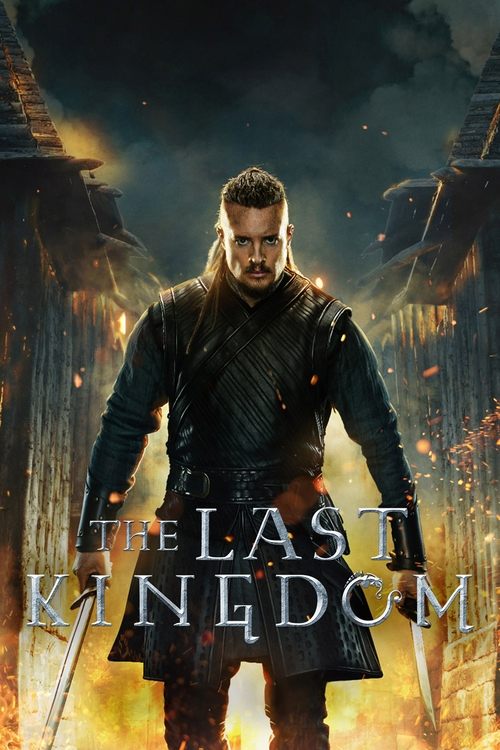
If You Love the Political Drama and Betrayal
Films and series where kingdoms collide, alliances fracture, and no one's hands are clean
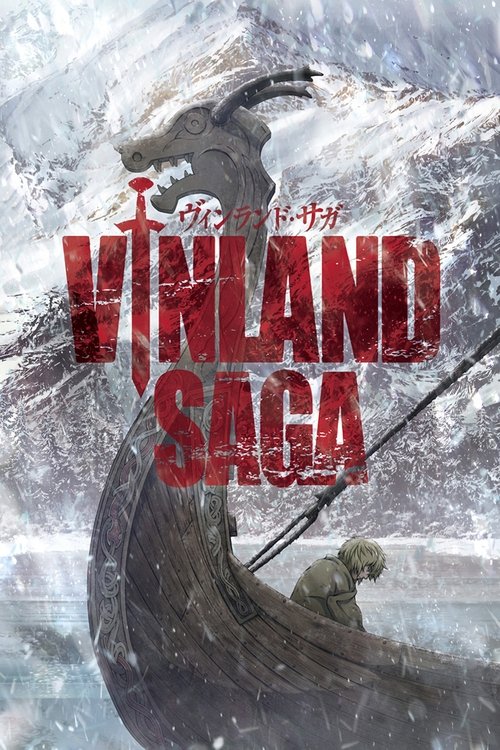
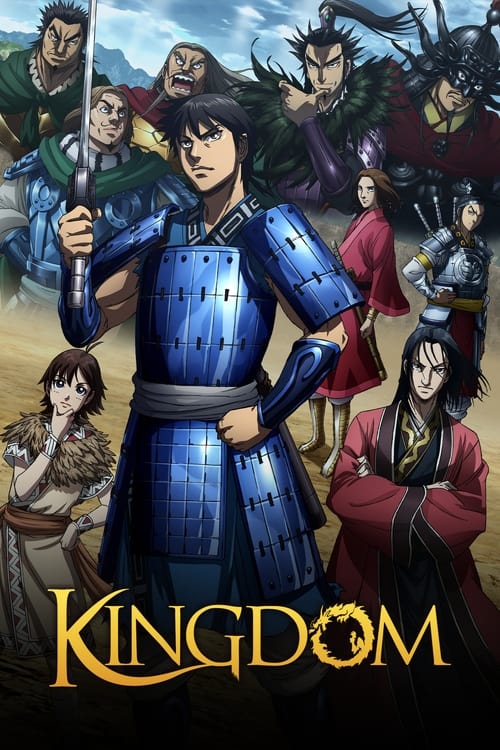
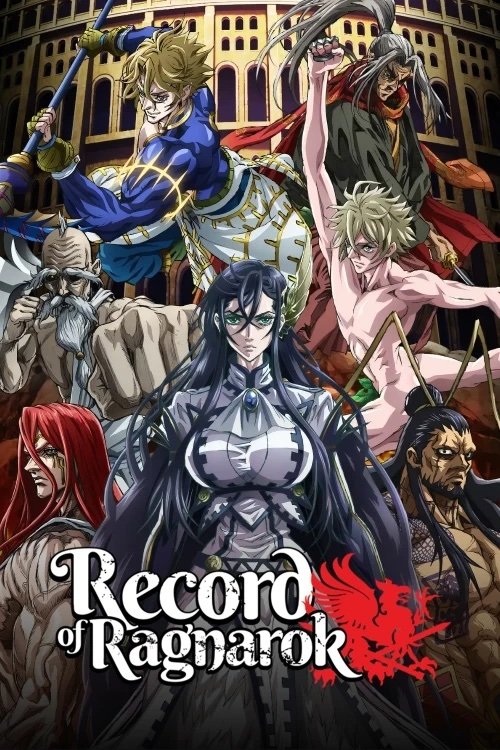

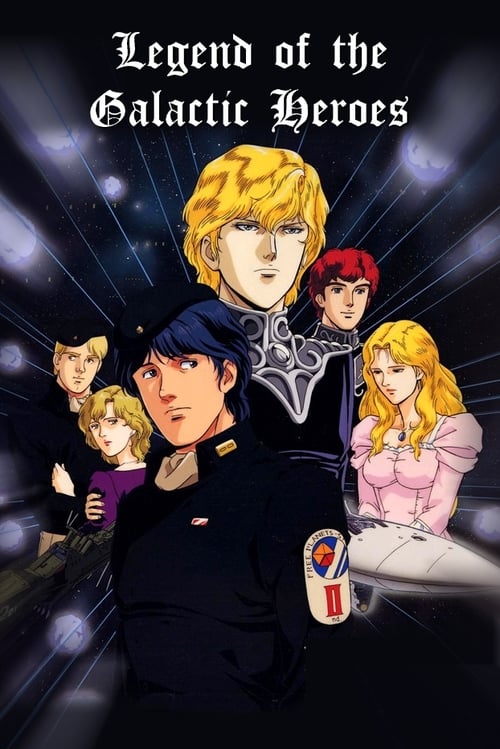


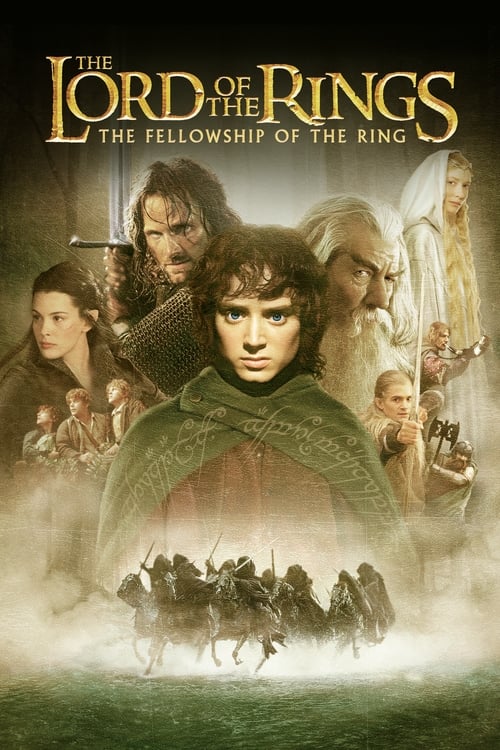
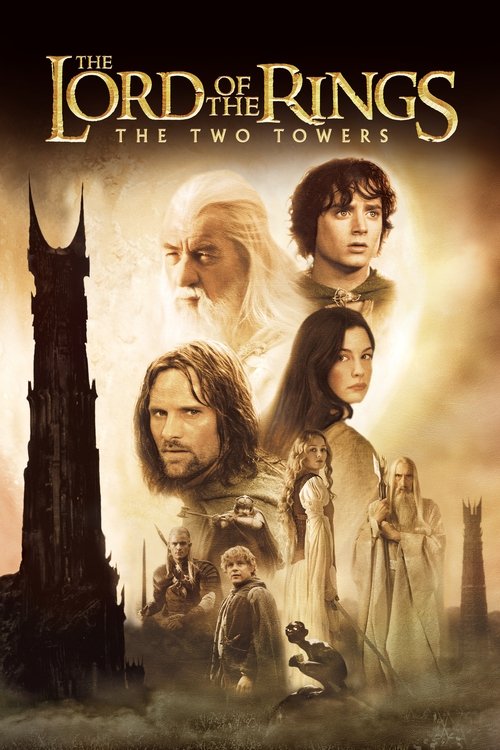
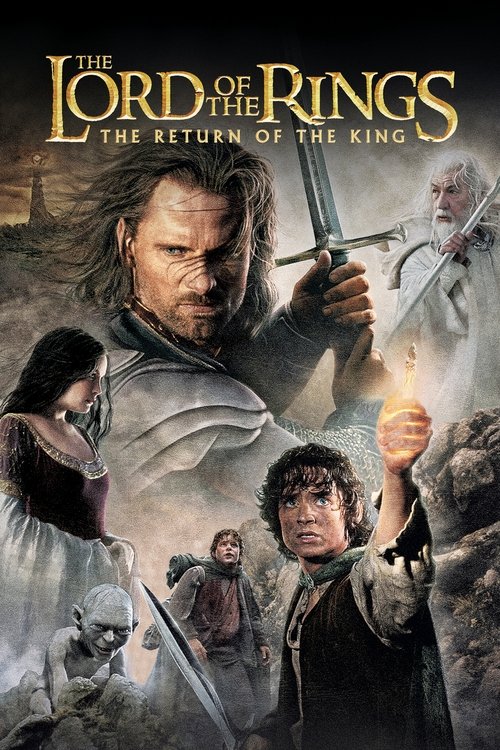
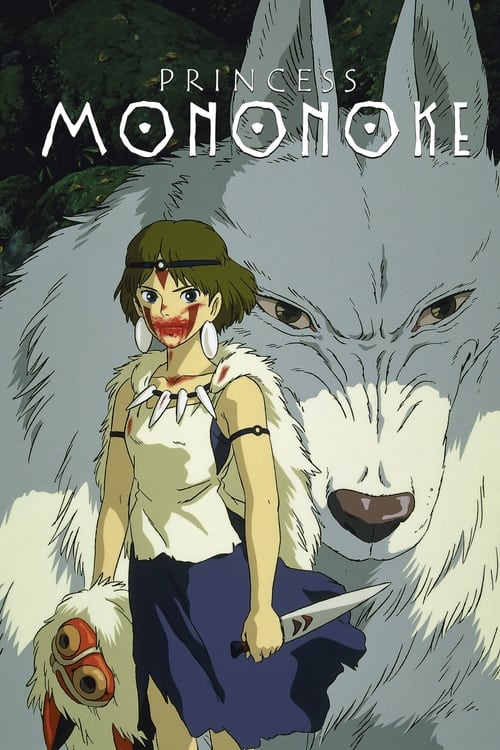
If You Love the Epic Fantasy Films
Cinematic epics with the same grand scope, moral complexity, and memorable ensemble casts
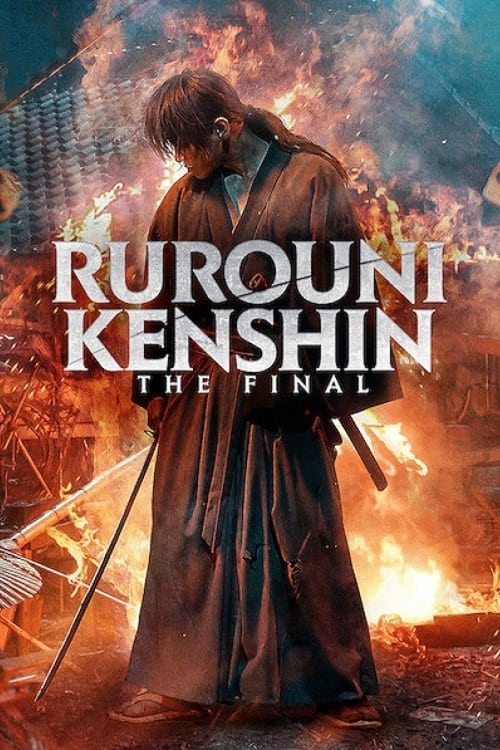
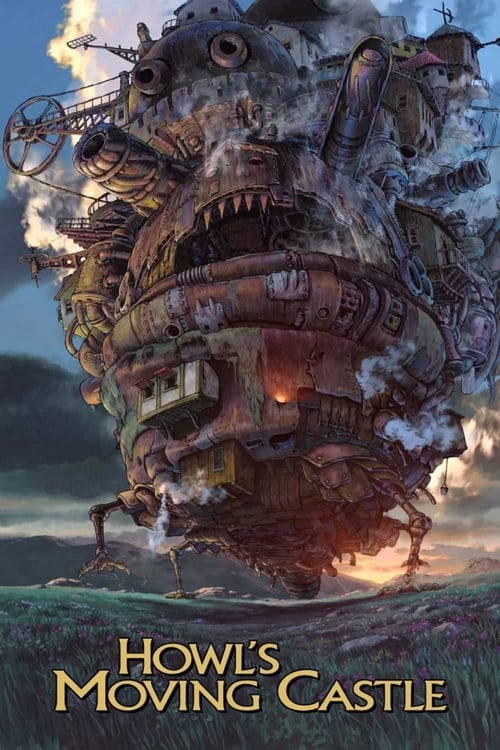

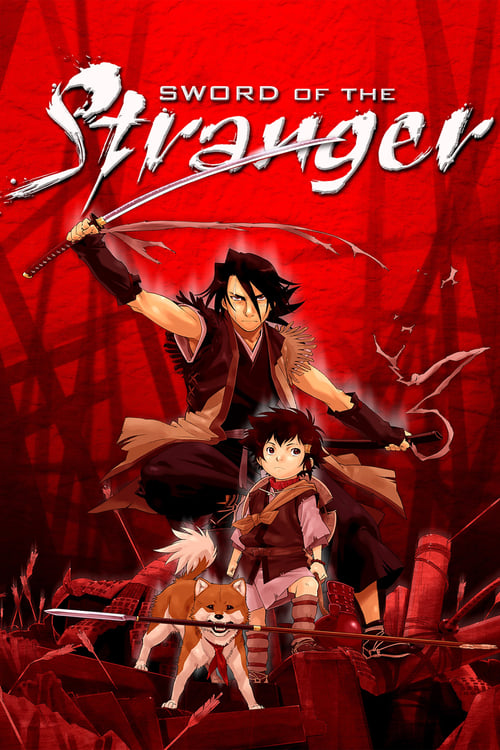

If You Love the Characters and Relationships
Novels and manga where the bonds between people matter as much as the battles


Three Houses Is the Peak of the Series, and Maybe the Genre
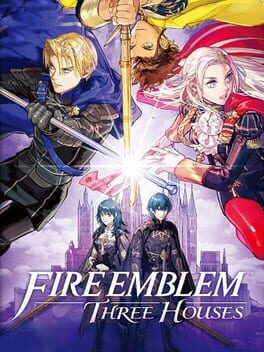
Fire Emblem: Three Houses does something almost no tactics RPG has attempted: it makes the pre-battle time matter as much as the fighting. The months spent teaching at Garreg Mach Monastery, running seminars, eating in the dining hall, and building relationships with students are not filler. They are the reason the player fights, and the reason every permadeath stings uniquely. When the story splits at the midpoint and forces a choice of faction, it recontextualizes every friendship and rivalry the player has spent thirty hours building. That structural boldness, combined with genuinely divergent routes and a villain whose logic holds up under scrutiny, puts it at the top of the genre.
Genealogy of the Holy War Is the Most Ambitious Story the Series Ever Told
Released in 1996 on the Super Famicom and never officially localized in the West until decades later via fan translation, Fire Emblem: Genealogy of the Holy War is a genuinely shocking piece of game design. Its story spans two generations, and the first generation ends with one of the most emotionally brutal events in the entire series: a massacre of heroes the player has spent thirty hours investing in. The political intrigue around bloodlines and the manipulation of faith are handled with a sophistication that many of its successors have not matched. It is essential not despite its age but because of it.
Awakening Saved the Series, and That Matters
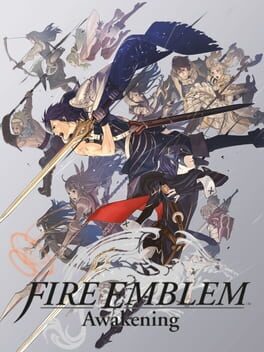
Fire Emblem: Awakening was made under the explicit understanding that if it did not sell well, Nintendo would end the franchise. It sold very well. The game achieved this by making smart concessions -- casual mode removed permadeath for newcomers, the time-travel story gave fans something emotionally fresh -- without abandoning the relationship-building and strategic depth that define the series. Some longtime fans bristle at what Awakening popularized, but without it there is no Three Houses, no Engage, and no resurgent global fanbase. Awakening is worth appreciating as a near-perfect act of audience expansion.
Triangle Strategy Is the Best Game Fire Emblem Never Made
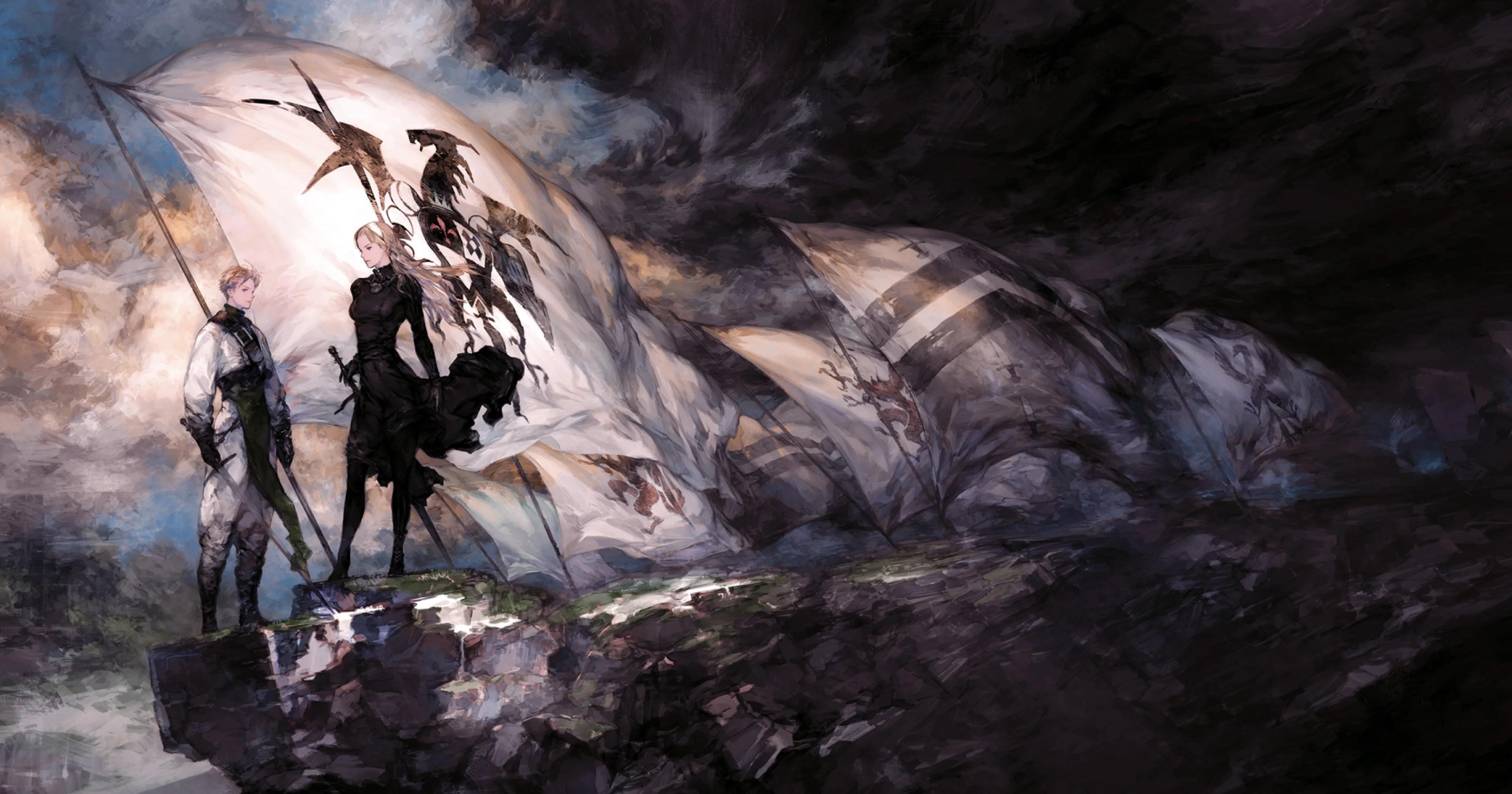
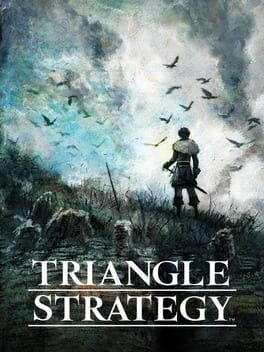
Square Enix's Triangle Strategy shares Fire Emblem's DNA at nearly every level: a fantasy continent divided into factions, a protagonist forced to choose between nations with legitimate competing claims, a roster of named characters with their own histories and loyalties, and turn-based battles on grid maps. Where it distinguishes itself is in its Scales of Conviction system -- a literal vote held among party members before major decisions, with each character acting according to their own stated values rather than the player's preference. That mechanical embodiment of political philosophy makes Triangle Strategy one of the most interesting games in the genre since Tactics Ogre.
Fire Emblem: A Series Timeline
- 1990Fire Emblem: Shadow Dragon and the Blade of Light launches on Famicom in Japan, introducing Marth and the permadeath system Fire Emblem: Shadow Dragon and the Blade of Light
- 1996Genealogy of the Holy War on Super Famicom sets a new bar for narrative scale and political complexity Fire Emblem: Genealogy of the Holy War
- 2003The Blazing Blade reaches Western audiences as simply 'Fire Emblem' -- the series' international debut Fire Emblem: The Blazing Blade
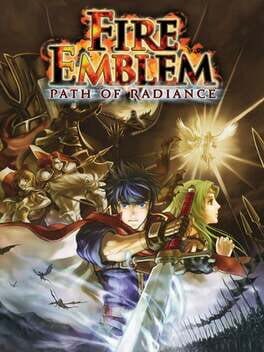
- 2005Path of Radiance on GameCube introduces Ike and the continent of Tellius, praised for its racial allegory and writing Fire Emblem: Path of Radiance
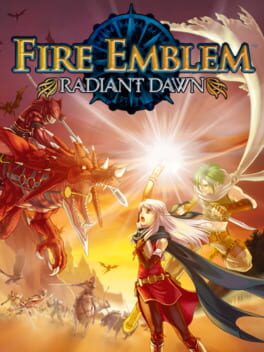
- 2007Radiant Dawn concludes the Tellius saga with the series' most complex and morally ambiguous story to date Fire Emblem: Radiant Dawn
- 2012Awakening on 3DS rescues the franchise commercially and introduces a generation of new fans worldwide Fire Emblem Awakening
- 2019Three Houses on Switch becomes the best-selling entry in the series, acclaimed for its structure and narrative depth Fire Emblem: Three Houses
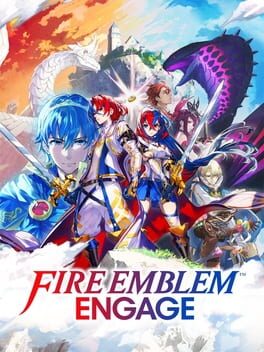
- 2023Engage on Switch leans into fanservice and a more arcade-toned story, still praised for refined tactical gameplay Fire Emblem Engage
More fantasy battles and war
For Fans of Elden Ring
Explore the For Fans of Elden Ring guide →Fire Emblem asks you to lead people into battles they might not survive, to form bonds that death can sever, and to keep going anyway. That is not a game mechanic. That is a moral question dressed up as a strategy game.CrossBinge