
Flamenco is not a genre you listen to passively. It demands a witness. Rooted in the Andalusian communities of southern Spain, it fuses Romani cante jondo (deep song), Moorish melody, and Spanish guitar into something that resists easy description. The feeling fans chase has a word: duende, the dark, ecstatic force that rises when a performance touches the boundary between grief and joy. Whether you start with Paco de Lucia's lightning-fast picado runs, Camaron de la Isla's fractured vocal wail, or the austere architecture of a Diego el Cigala ballad, you enter the same world: ornate, physically demanding, and emotionally uncompromising. This guide spans the essential recordings, the films and documentaries that capture the art on screen, the novels steeped in Andalusian spirit, and the games and other music that share flamenco's intensity.
Essential Flamenco
The recordings that define the canon, from deep tradition to fusion
Spanish Passion on Screen: Films and Series with the Same Heat
Cinema that shares flamenco's heightened emotional register

Music That Shares Flamenco's Edge
From Nuevo Flamenco to the global strands it inspired
Rhythm and Ritual: Games with Flamenco's Intensity
Games built on precision, rhythm, and physical mastery

Andalusia in Words: Novels and Poetry Steeped in the Same Spirit
Literature that breathes the same air as the cante


Paco de Lucia Rewired the Guitar
Before Paco de Lucia, flamenco guitar had a ceiling. He removed it. His 1973 breakthrough Fuente y Caudal introduced a faster, more chromatic vocabulary that nobody had heard in the tradition, and his later collaborations with Al Di Meola and John McLaughlin on Friday Night in San Francisco proved that the instrument could hold its own in any musical conversation on earth. The technique was never the point: the technique was the vehicle for something older and harder to name.
Camaron Changed What a Voice Could Do
Jose Monje Cruz, known as Camaron de la Isla, is the singer against whom every subsequent flamenco vocalist is measured. His collaboration with Paco de Lucia through the 1970s produced a string of definitive recordings, and his 1979 La Leyenda del Tiempo was a scandal and a masterpiece in equal measure: he introduced electric bass and jazz textures into cante jondo and was condemned for it. Thirty years later, it is treated as the record that kept flamenco alive.
Carlos Saura Made Flamenco Visual Language
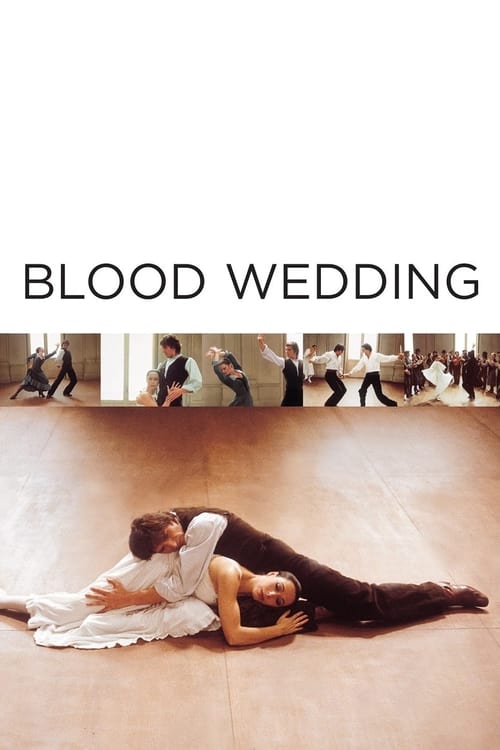
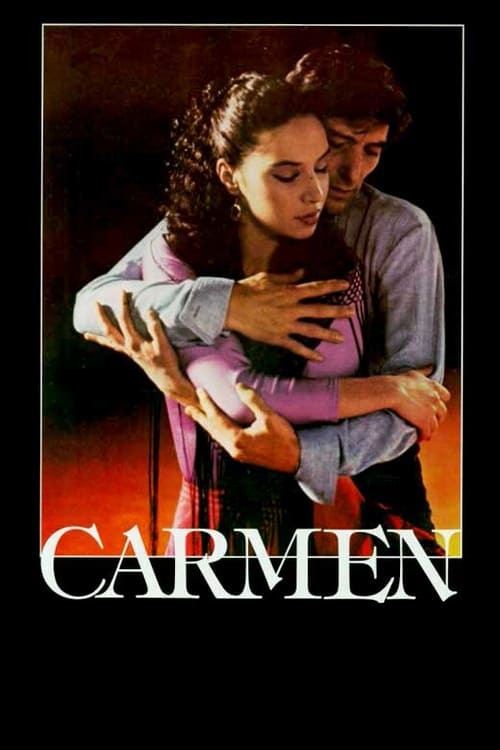
The director Carlos Saura spent three decades building a trilogy and beyond around flamenco: Blood Wedding (1981), Carmen (1983), and Flamenco (1995) each treated dance as dramatic language rather than spectacle. His approach, rehearsal-room intimacy combined with precise cinematography, stripped away the tourist-facing decoration and left only the structure. These films are essential viewing for anyone who wants to understand what the art form is actually about when the performing is serious.
Lorca Is the Literary Soul of Andalusia
Federico Garcia Lorca and flamenco are inseparable: he co-organized the 1922 Cante Jondo competition to preserve the tradition, wrote the Poem of the Deep Song as its literary companion, and set his plays in the same emotional territory the music occupies. Blood Wedding, The House of Bernarda Alba, and Yerma translate the duende into drama. Reading Lorca alongside listening to the recordings is not supplementary, it is the same education.
Flamenco: A Rough History
- 1780sEarly recorded references to flamenco in Andalusia place it in the Romani communities of Cadiz, Jerez, and Sevilla.
- 1842The first cafes cantantes open in Sevilla, professionalizing performance and fixing the major palos (forms).
- 1922Garcia Lorca and Manuel de Falla organize the Concurso de Cante Jondo in Granada to document and preserve the deep tradition.
- 1973Paco de Lucia releases Fuente y Caudal, introducing Entre Dos Aguas and changing the guitar canon permanently.
- 1979Camaron de la Isla releases La Leyenda del Tiempo, fusing cante with jazz and rock and triggering a decade of controversy. La leyenda del tiempo
- 1981Carlos Saura's Blood Wedding brings flamenco to international cinema audiences through Antonio Gades's choreography. Blood Wedding
- 1992Joaquin Cortes and the Nuevo Flamenco movement bring the art form to stadium-scale audiences internationally.
- 1995Carlos Saura's documentary Flamenco serves as a definitive filmed survey of the palos and their leading performers. Amen.
- 2004Diego el Cigala and Bebo Valdes record Lagrimas Negras, connecting flamenco to Cuban son and reaching a new global audience.
- 2014Paco de Lucia dies in Mexico; the documentary A Journey is released the same year, becoming his testament.
More Spanish soul and song
Music & Musicians
Explore the Music & Musicians guide →The duende is not in the throat. It climbs up inside from the soles of the feet.Federico Garcia Lorca