
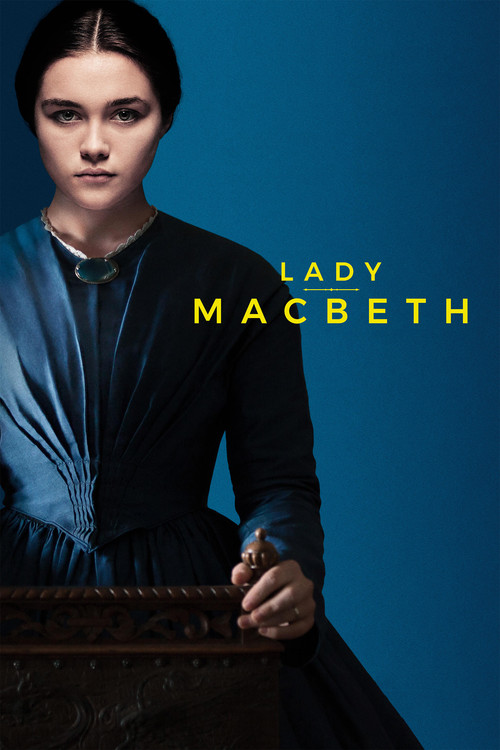
Florence Pugh arrived fully formed. In her debut feature 'Lady Macbeth' (2016) she played a woman who burns her life down rather than submit to it, and every performance since has carried that same controlled ferocity. She is not an actor who warms up slowly: she arrives in a scene already at temperature, whether she is mourning in a Swedish folk-horror cult, sparring in the MCU, or unraveling inside a wartime family drama. The through-line fans keep returning to is emotional honesty so precise it bypasses defenses. She does not indicate grief or joy; she embodies it, and the camera knows.
Essential Florence Pugh
Her defining performances, in order of discovery

She does not flinch
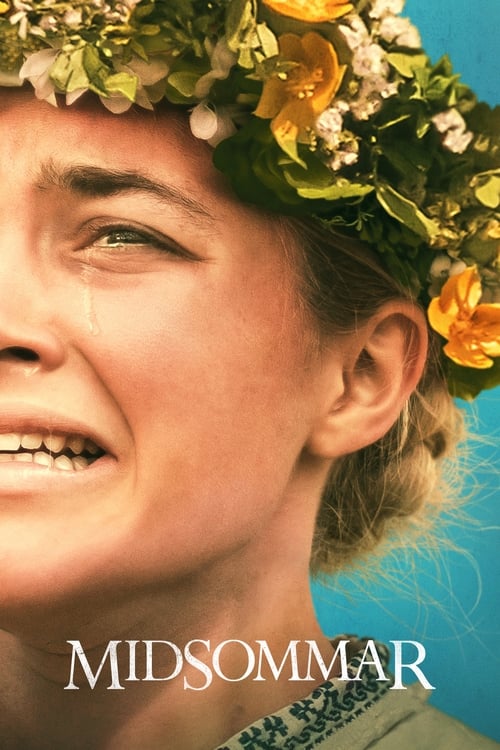
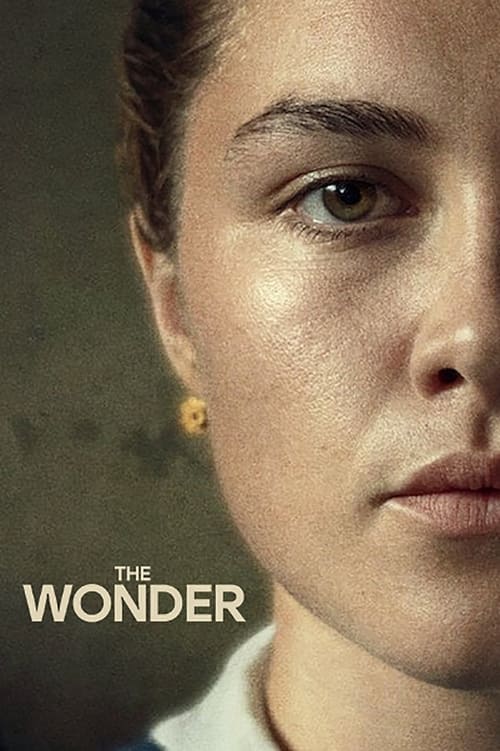
Most actors at Florence Pugh's level begin to self-protect. They gravitate toward roles that are likable, legible, safe. Pugh does the opposite. 'Midsommar' requires her to spend two hours in escalating psychological collapse while surrounded by pastel horror; 'The Wonder' asks her to play grief as a kind of forensic stillness. The performances that could have been repellent become compulsive because she never cues the audience to look away.
Same register: fearless women on screen
Films and series built on the same current of controlled intensity
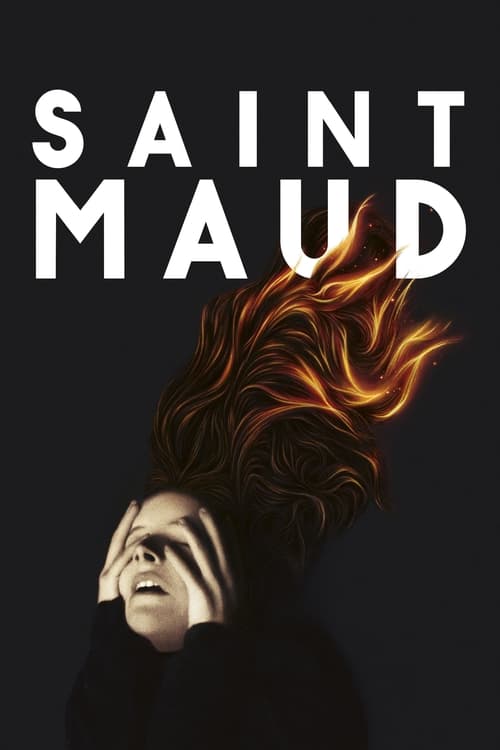
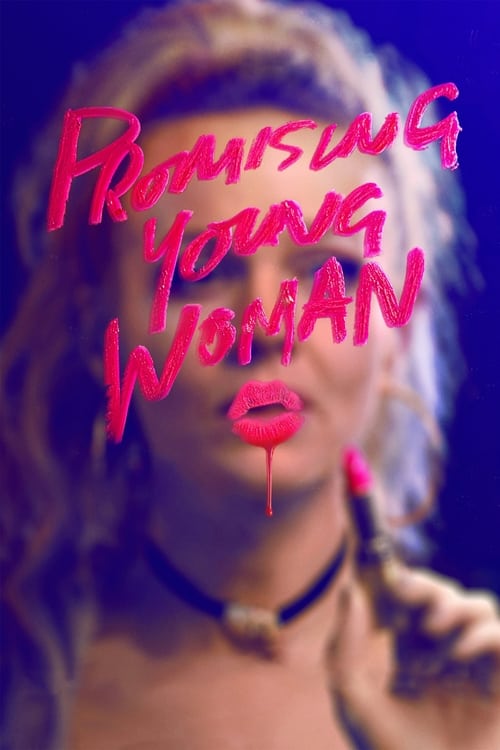
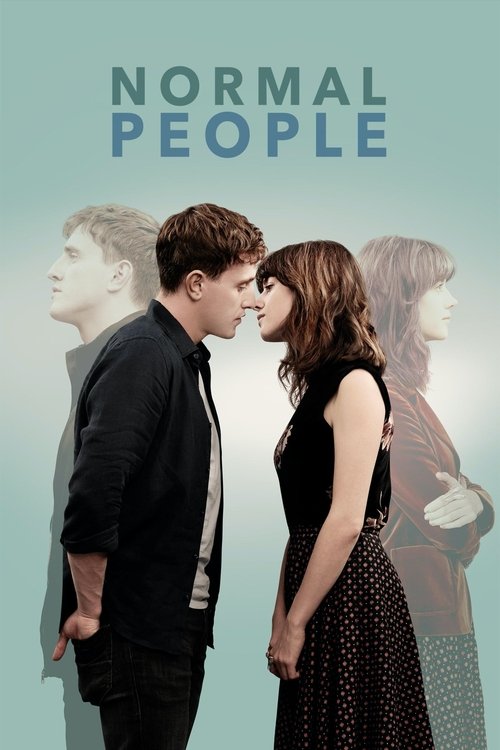
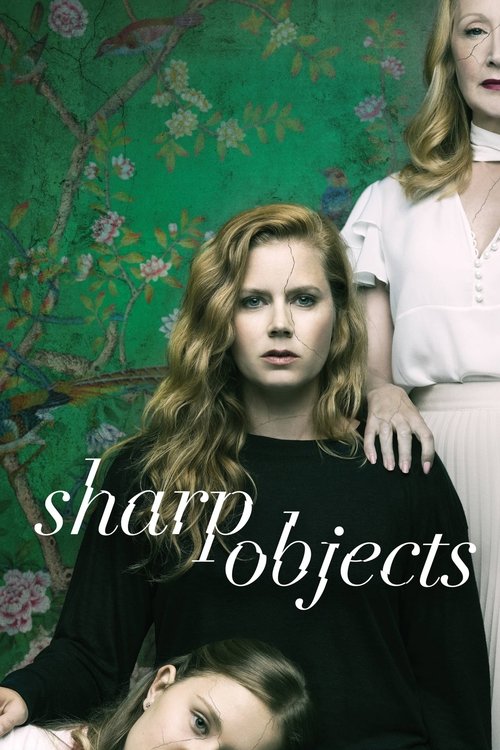

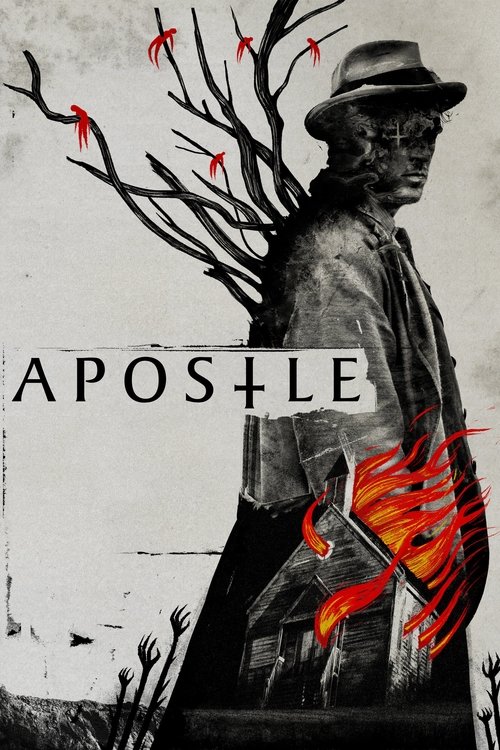
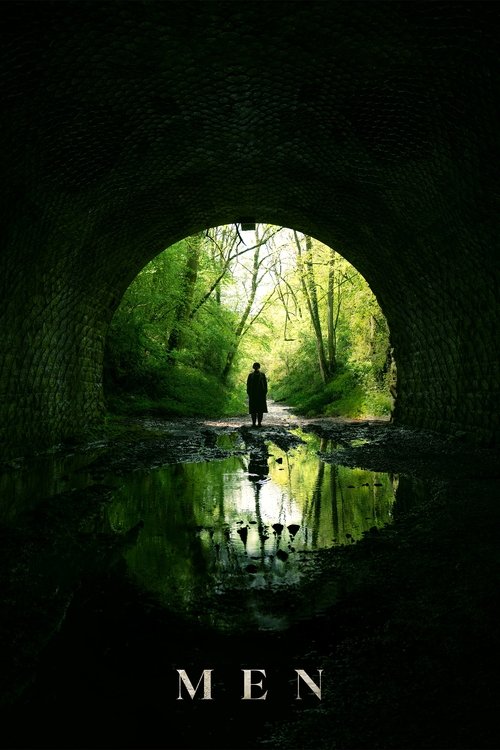
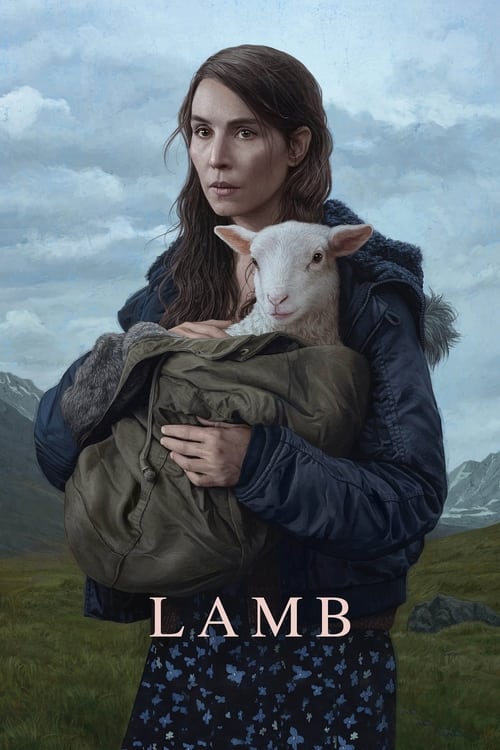
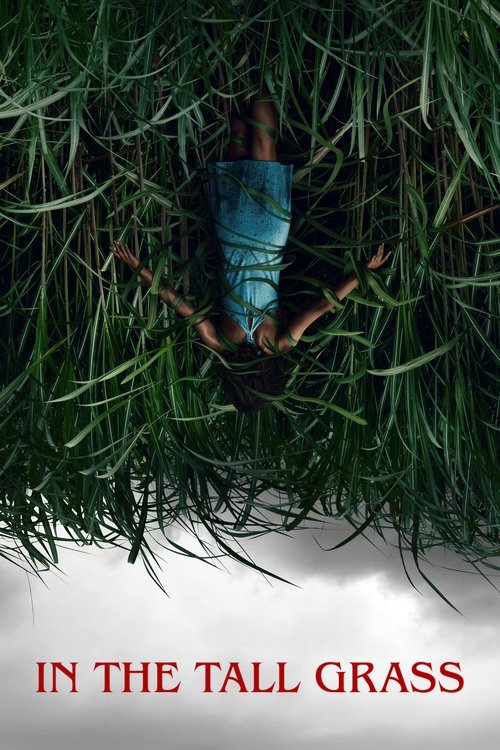
Folk horror and ritual dread
If 'Midsommar' unsettled you in the best way, these go further

The books her best films come from (and their kin)
Source novels, period-drama originals, and fiction with the same emotional grain


Period drama as a pressure cooker
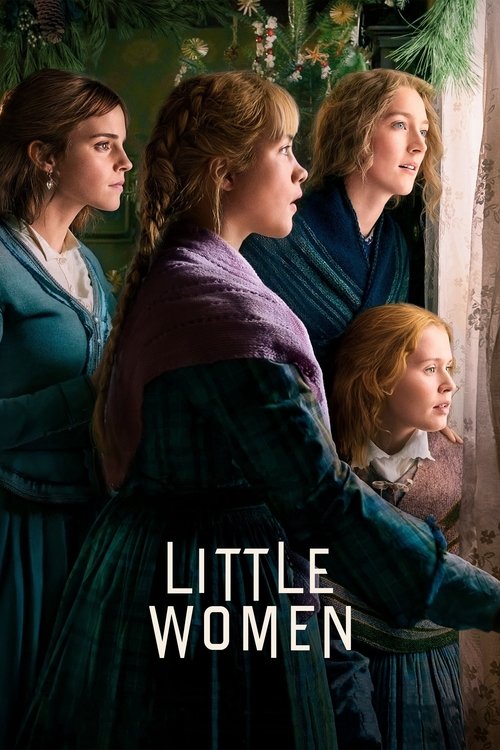
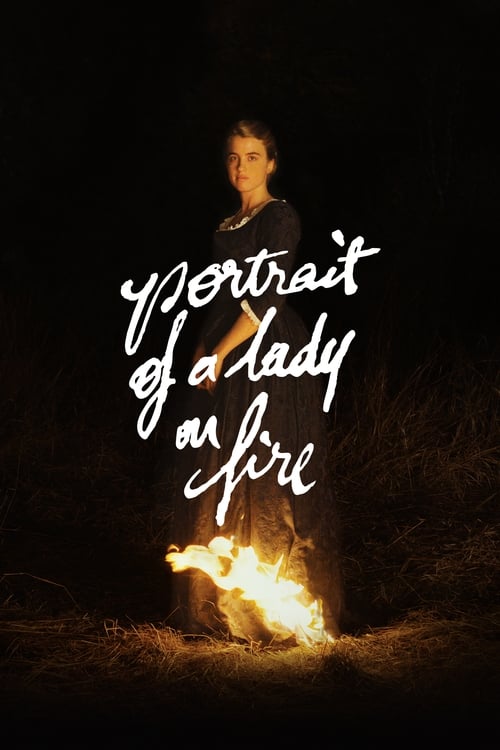
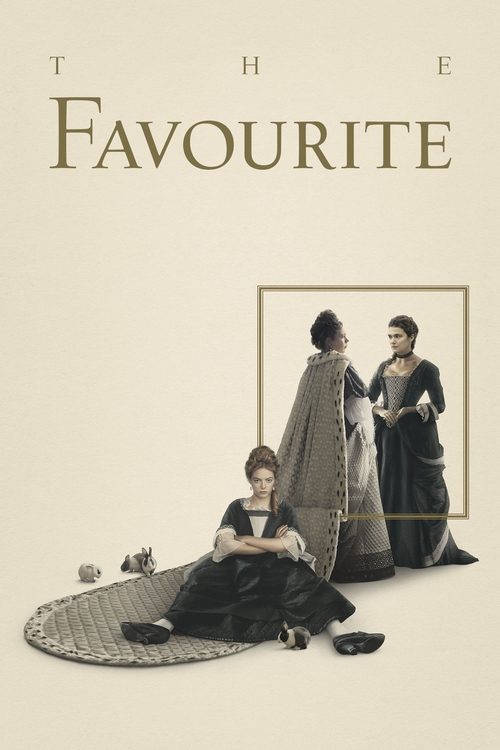
Pugh's period work, 'Little Women' and 'Lady Macbeth' above all, reframes the genre. These are not museum pieces about manners. They are studies of women whose inner lives exceed what the era permits them to express, and Pugh makes you feel the pressure of that gap in every scene. Amy March in 'Little Women' is routinely misread as the selfish sister; Pugh plays her as the realist, and the distinction is devastating.
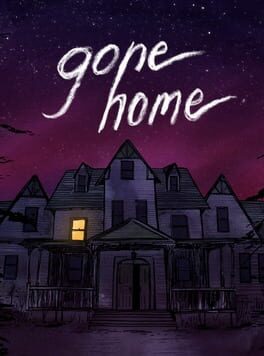
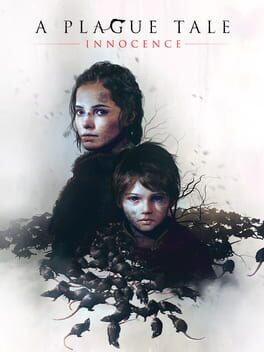
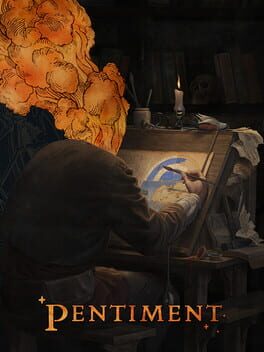
Games that share her emotional intensity
Slow-burn, character-first, psychologically demanding
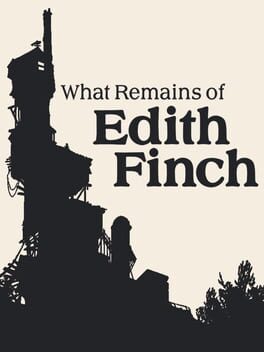
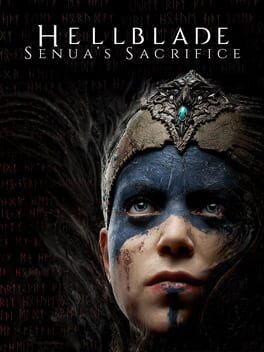
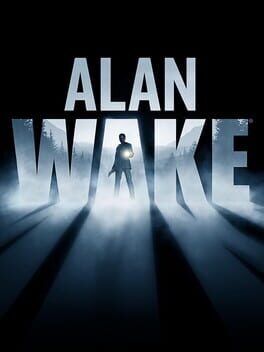
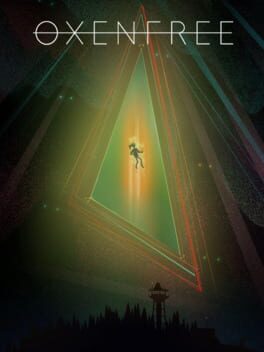
Action suits her more than it should
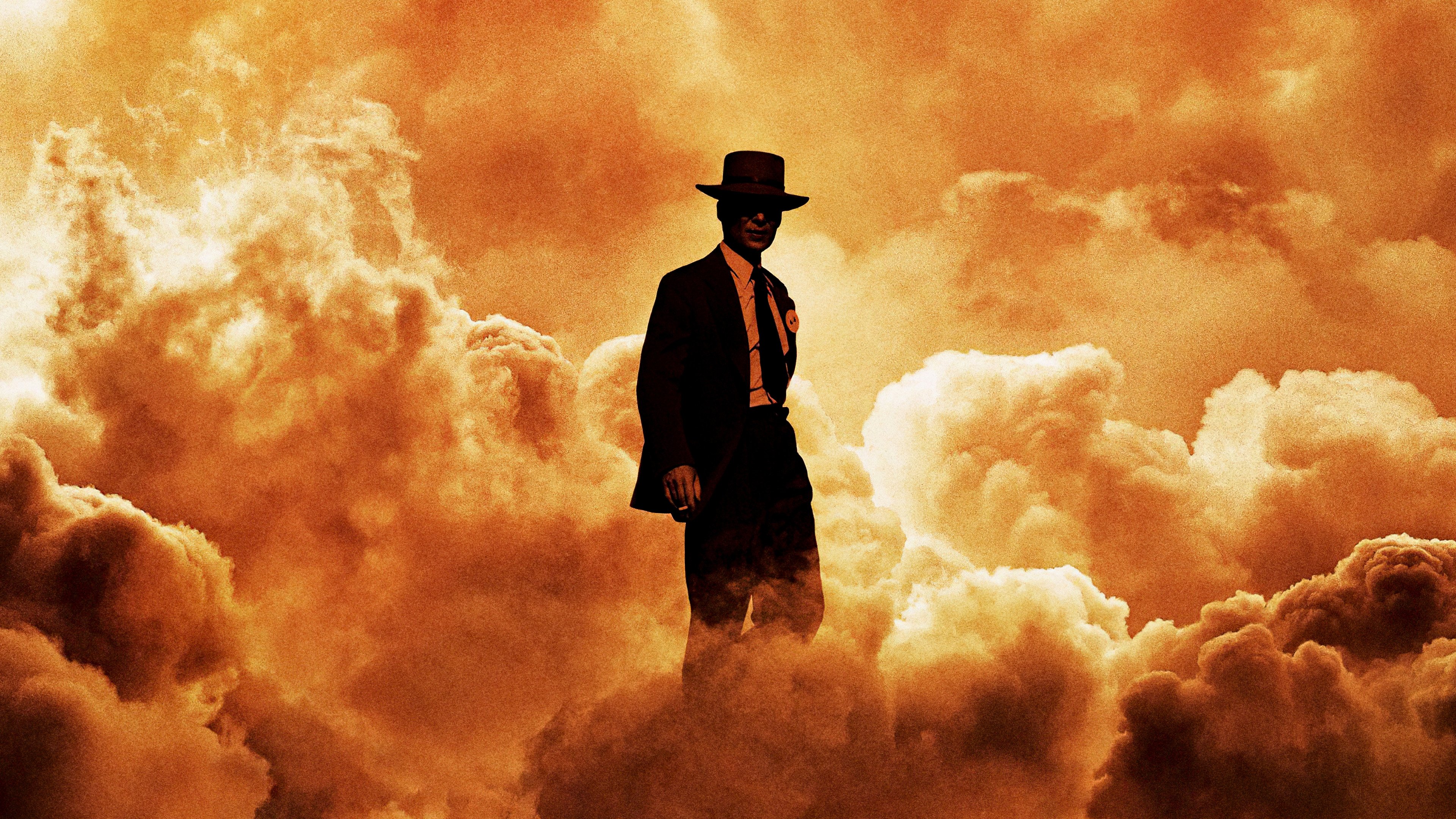
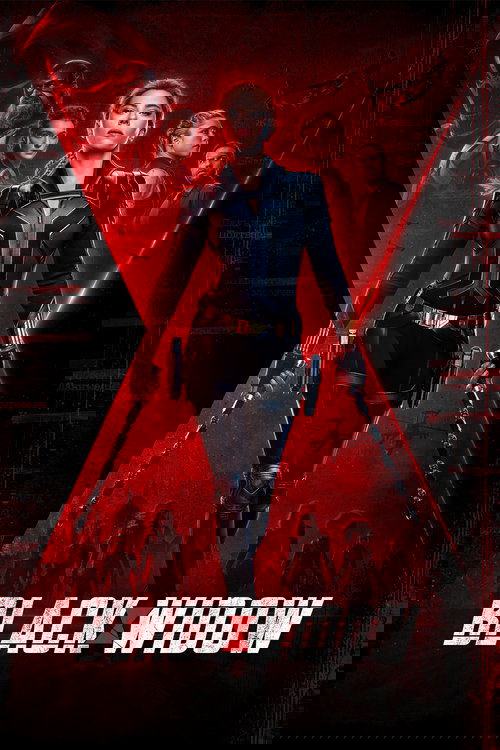
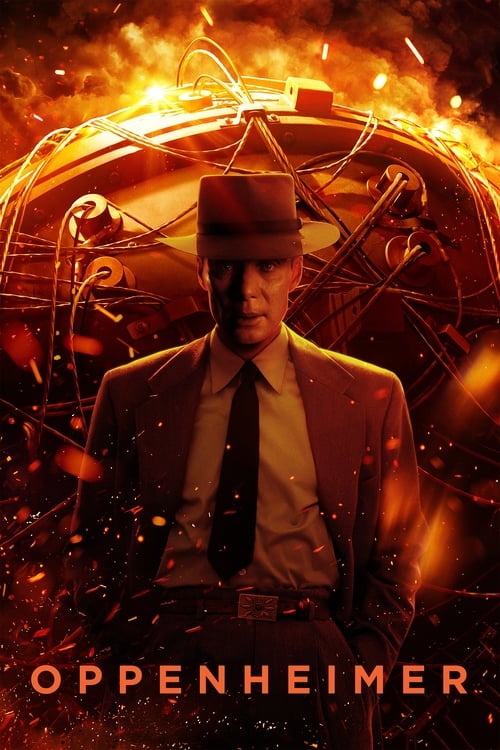
When Pugh joined the MCU as Yelena Belova, skeptics expected her to disappear inside the genre machinery. Instead she found the character's sardonic grief and made Yelena the emotional center of 'Black Widow'. The same happened in 'Oppenheimer': a small but pivotal role that lands because she refuses to play it as decoration. The pattern holds. Give her a genre, she grounds it.
Other actors orbiting the same space
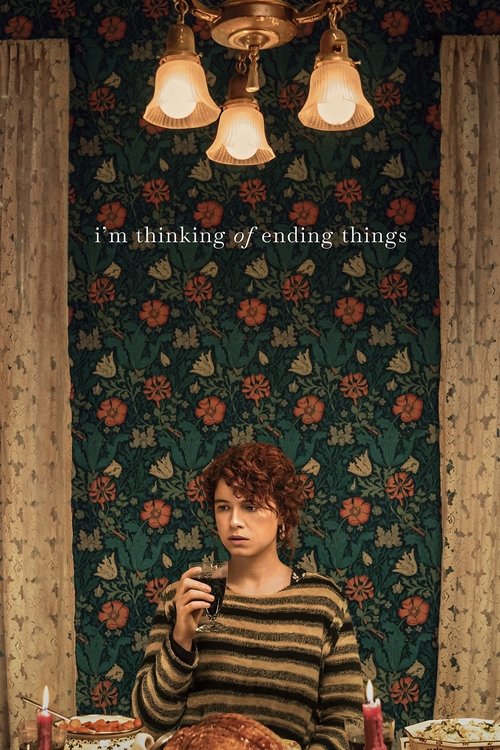
Jessie Buckley brings the same wild, unmanageable energy to 'I'm Thinking of Ending Things' and 'The Lost Daughter' that Pugh brings to her best work. Saoirse Ronan has been in Pugh's orbit since 'Little Women' and covers similar ground: period precision plus modern feeling. Morfydd Clark, best known for 'Gwen' and 'The Rings of Power', shares her instinct for faith and dread. All three are worth following blind.

She does not ask you to like her characters. She asks you to understand them, which is harder and more lasting.CrossBinge editorial
Florence Pugh: career in milestones
- 2016Debut Lady Macbeth
- 2018Breakthrough Fighting with My Family
- 2019Folk horror landmark Midsommar
- 2019Oscar nomination Little Women
- 2021MCU entry Black Widow
- 2022Period drama return The Wonder
- 2023Global blockbuster Oppenheimer
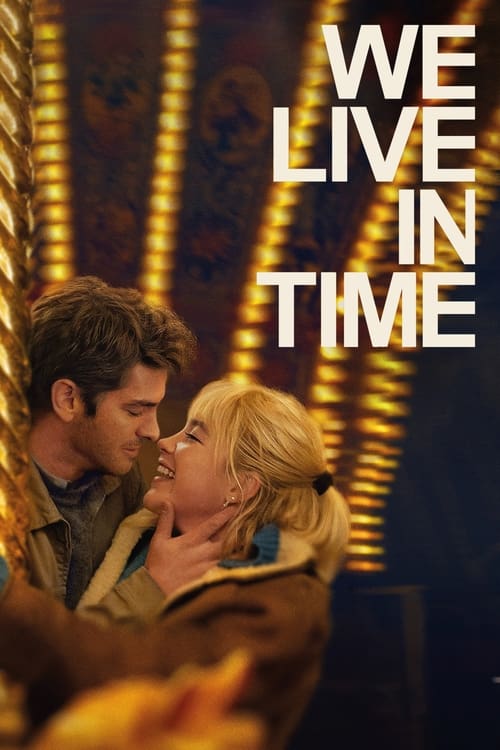
- 2025Romance + gravity We Live in Time
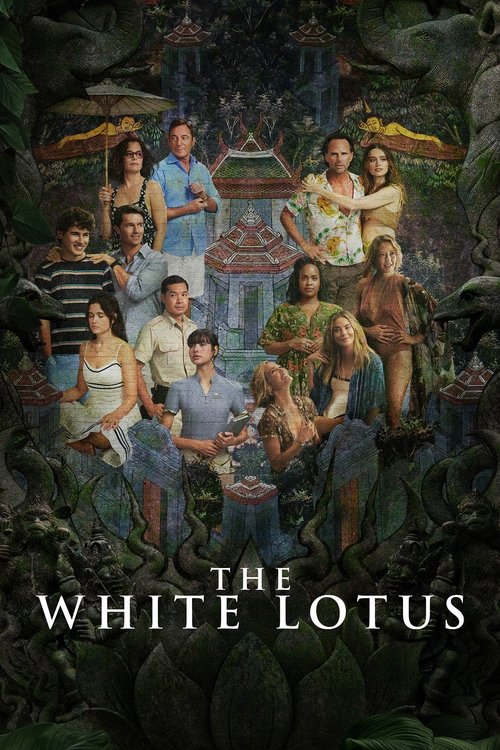
- 2025Television debut The White Lotus