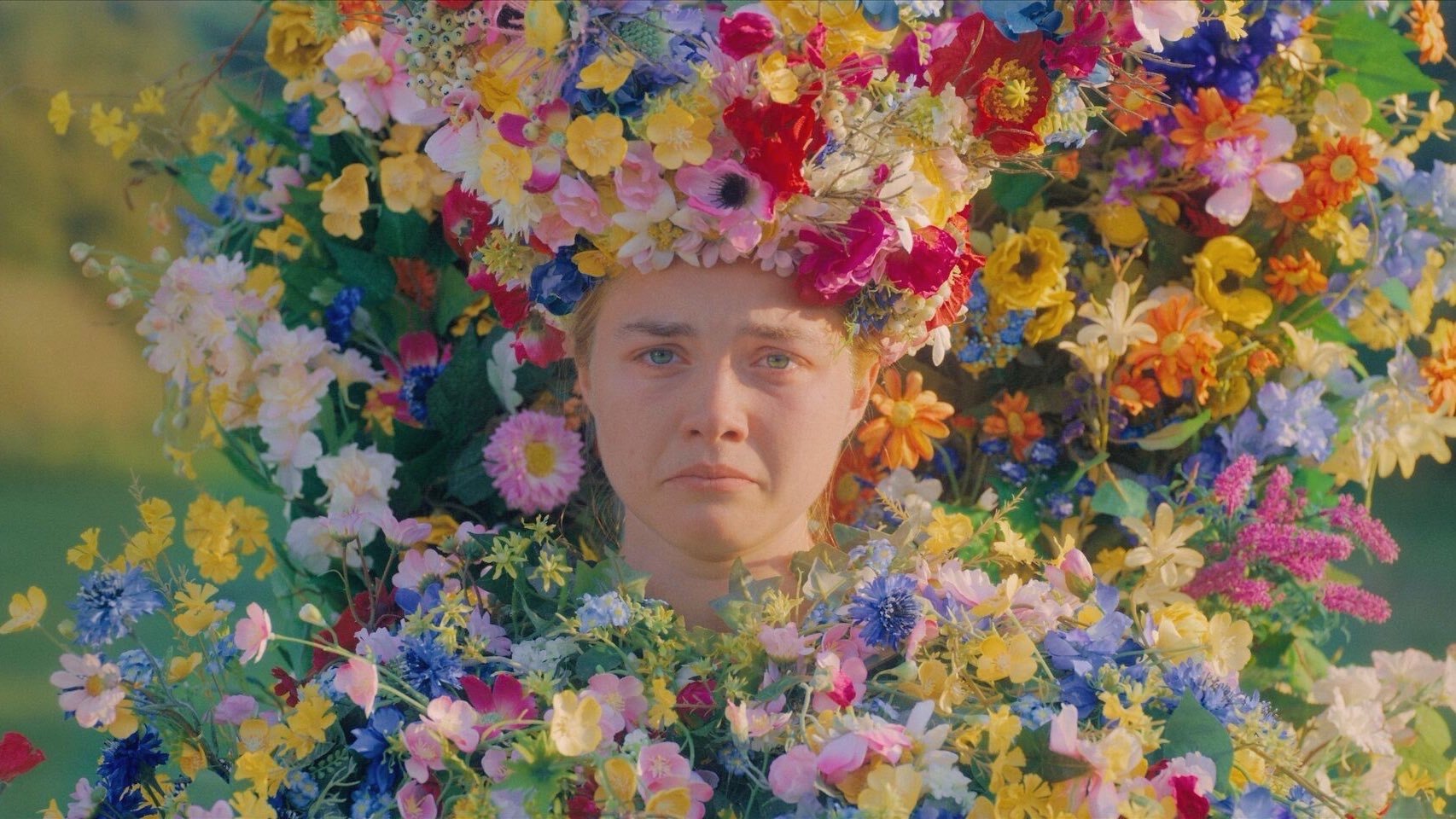

Midsommar (2019) is Ari Aster's second feature and one of the rare horror films that operates entirely in daylight. It follows Dani, fresh from family tragedy, dragged along on her boyfriend's anthropology trip to a remote Swedish commune for a midsummer festival that turns violent. What makes it linger is not the horror set pieces but the emotional logic underneath: a relationship that should have ended months ago, a woman with nowhere to put her grief, and a community that offers a grotesque form of belonging. The through-line a Midsommar fan chases is that feeling of dread that grows in the open air, folk aesthetics weaponized as menace, and protagonists caught between the terror of staying and the terror of leaving.
Essential Midsommar
Ari Aster's own films, plus the folk-horror landmarks that shaped the genre
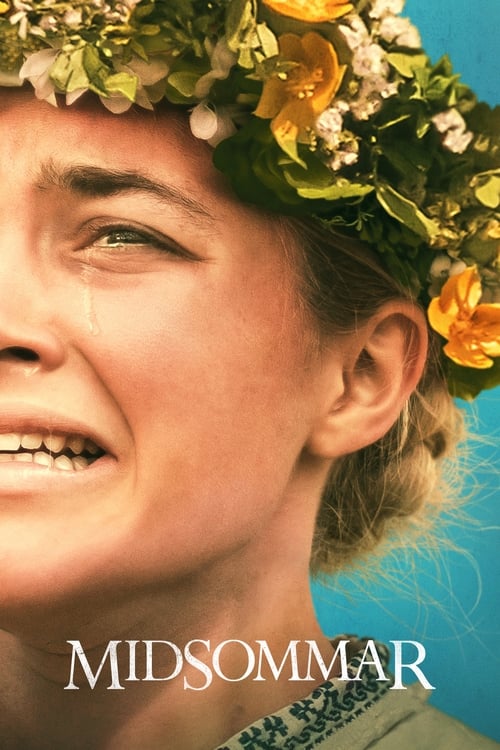
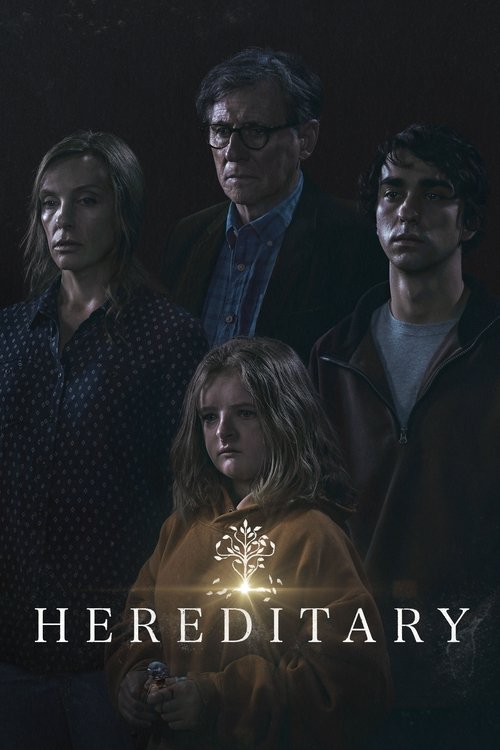
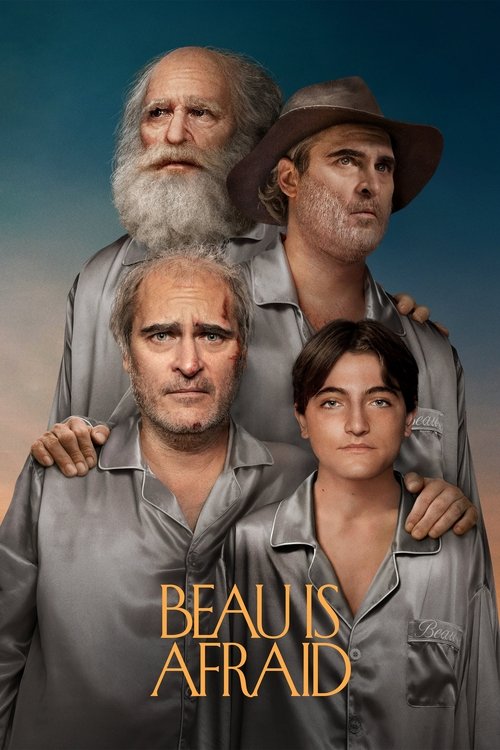

Elevated Horror, Fractured Minds
Films where psychological collapse is inseparable from the horror
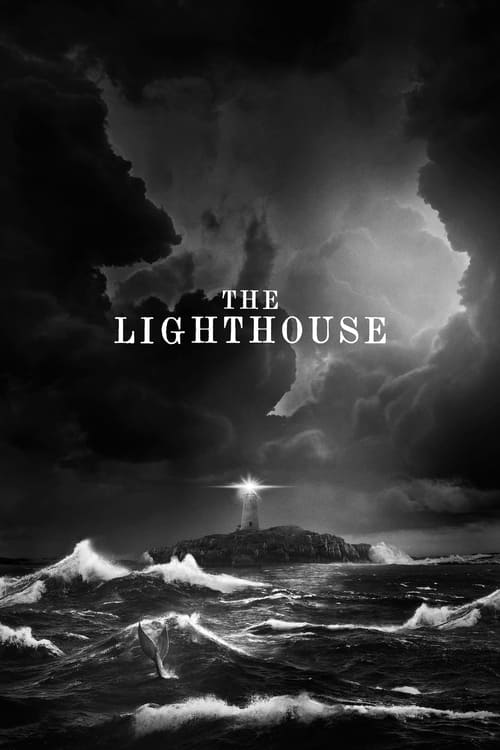
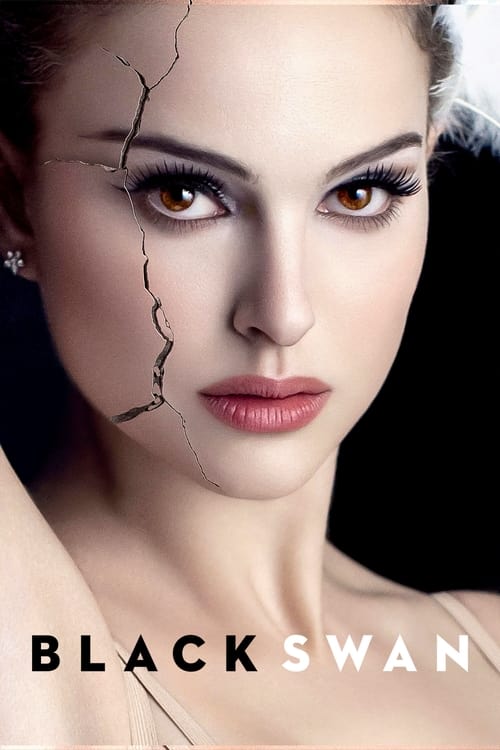
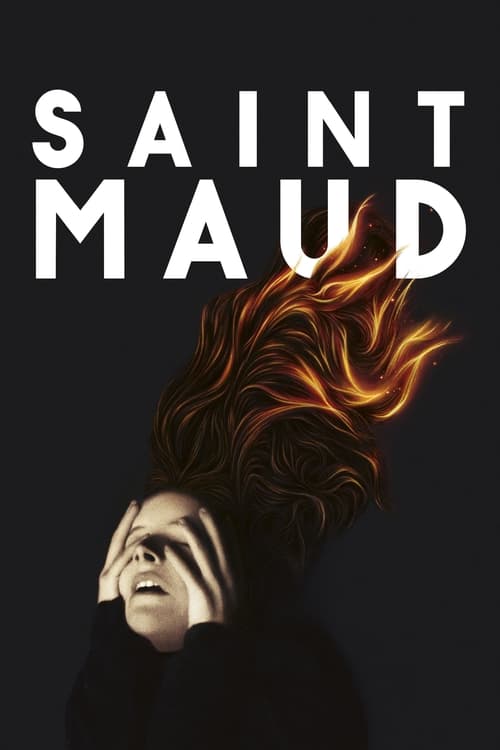
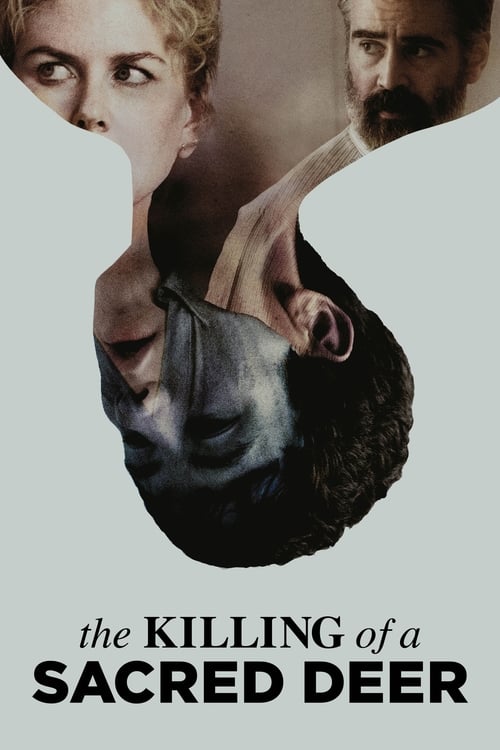
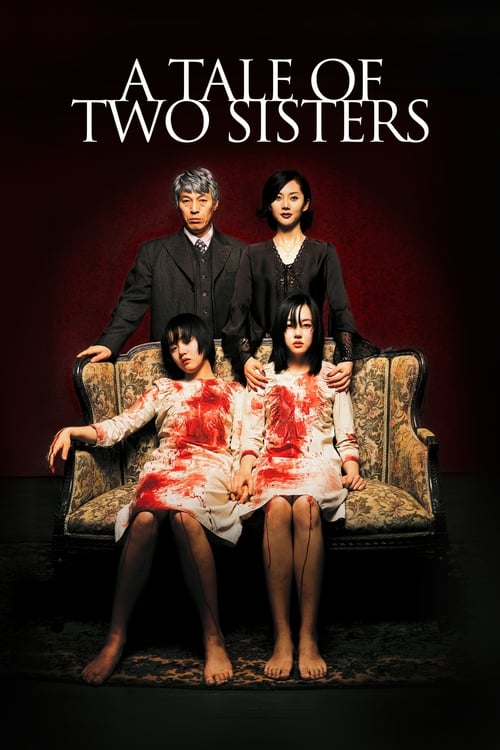
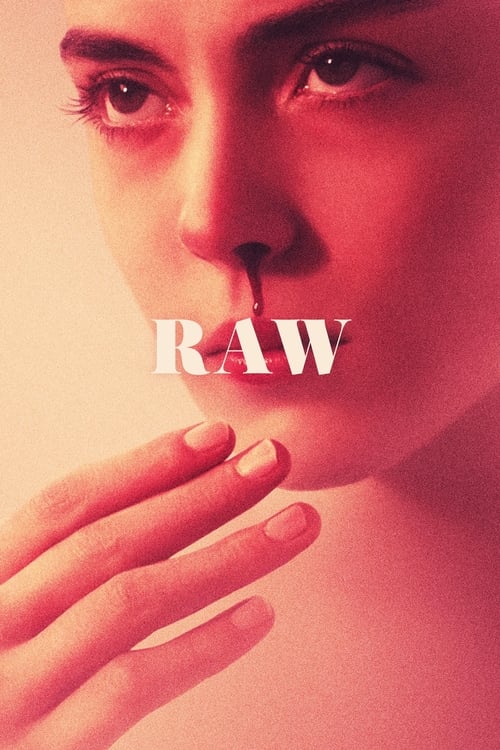
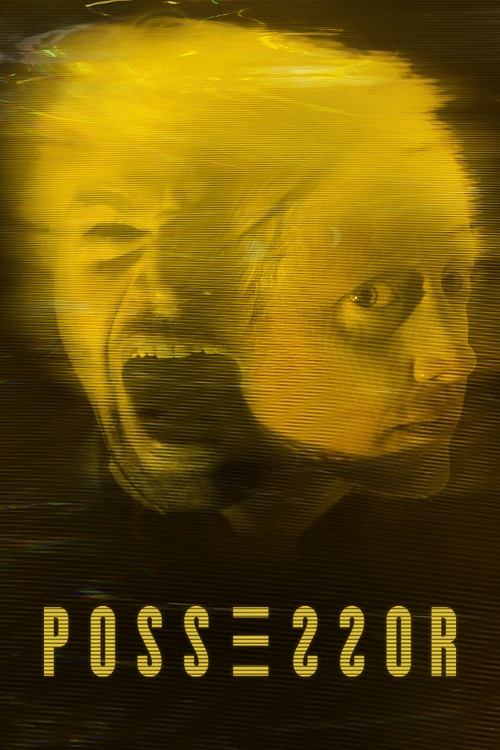
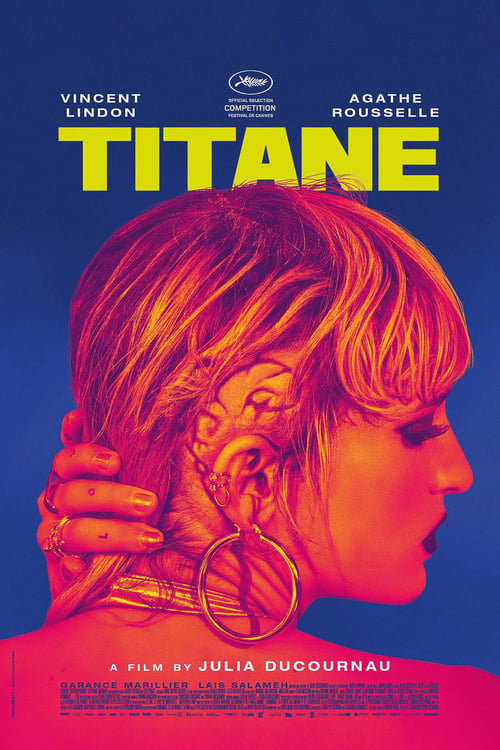
Folk Dread on Screen
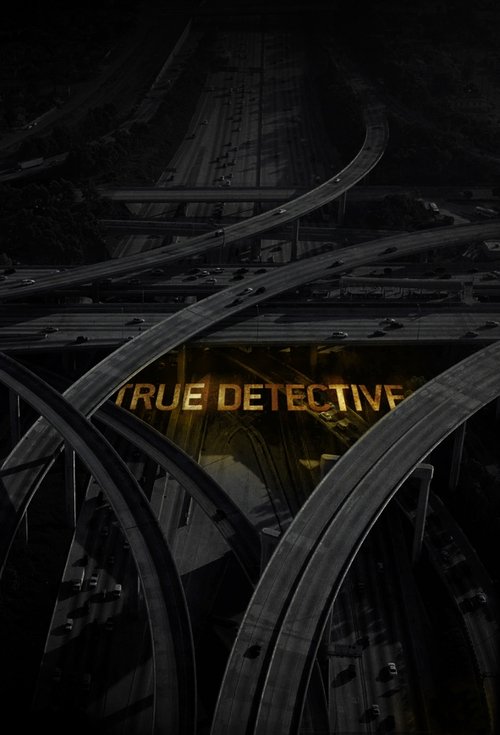
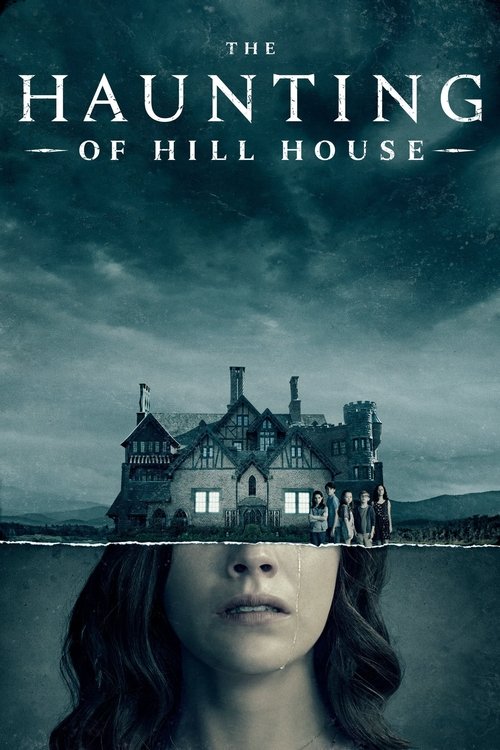
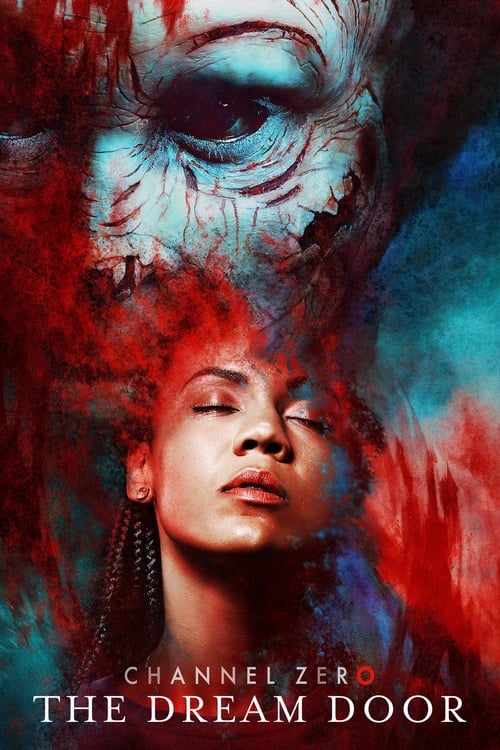
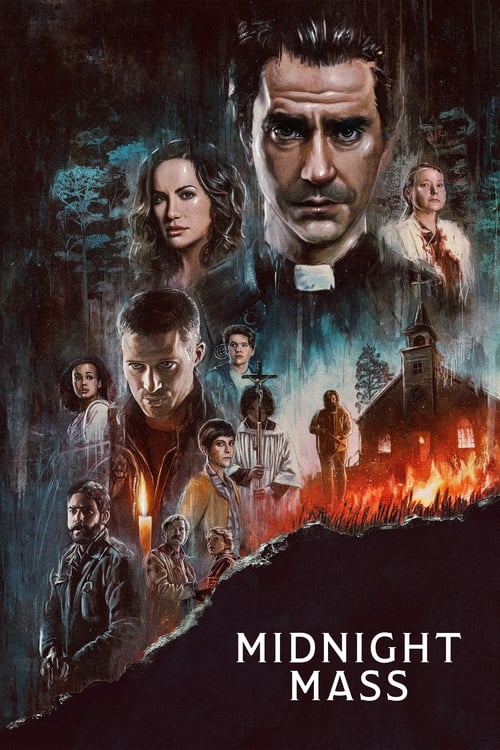
Series where landscape, ritual, and community become threats
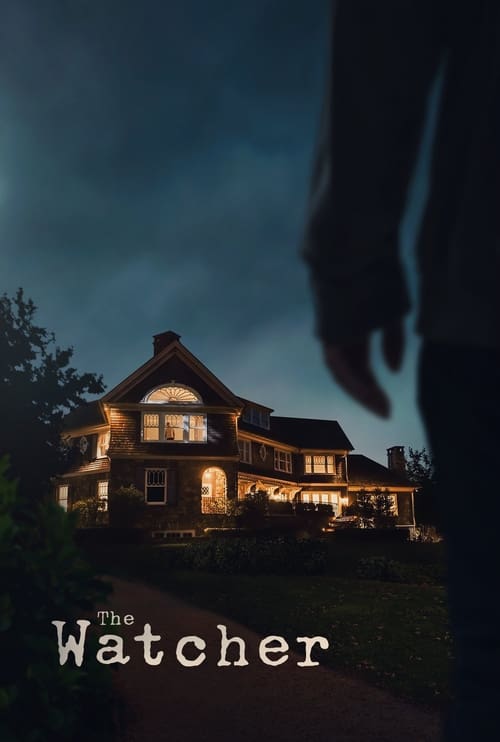
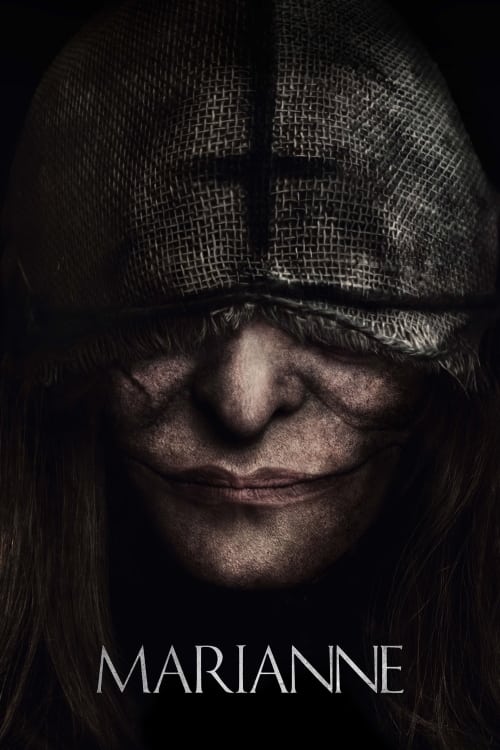
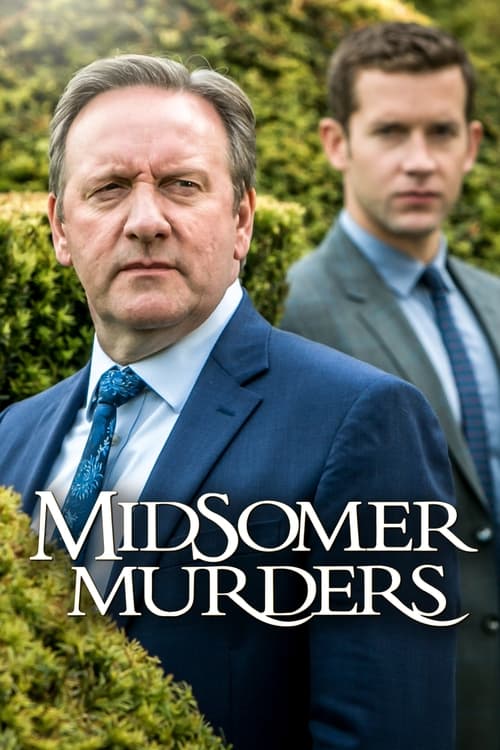
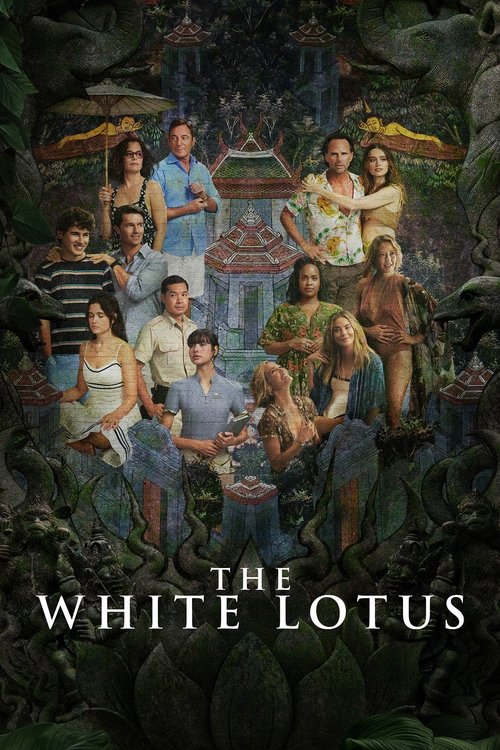
The Novels Behind the Dread
Books that share Midsommar's preoccupation with cults, grief, and communal horror




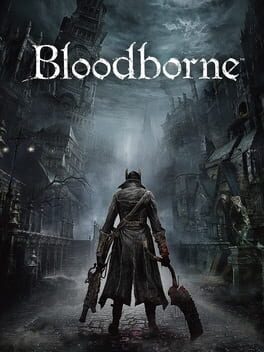
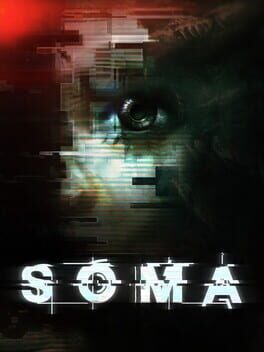
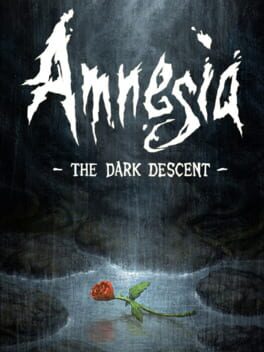
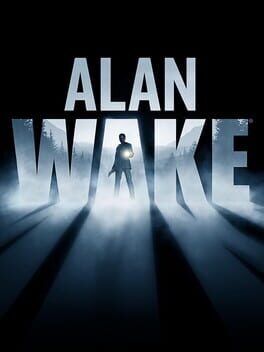
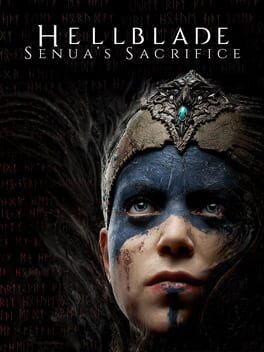
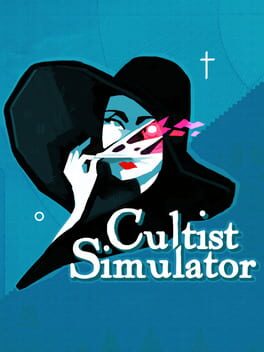
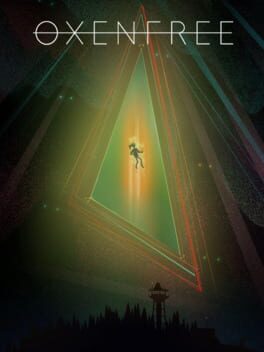
Games That Weaponize Atmosphere
Games where setting, ritual, and dread work the way Midsommar does
The Score and the Silence
Music that shares Midsommar's unease: folk textures, dissonance, grief made sound
The Horror Is the Relationship
Midsommar works because the commune is not the real antagonist. Dani and Christian's relationship is already over before the first ritual; the film is a breakup that takes two hours and a cult to complete. Aster constructs the horror so that Dani's final smile feels, against all logic, like relief. The best films in this tradition do the same thing: they use supernatural or social menace to externalize an interior wound that the characters cannot speak out loud.
Sunlight Is the Most Unsettling Thing in Horror
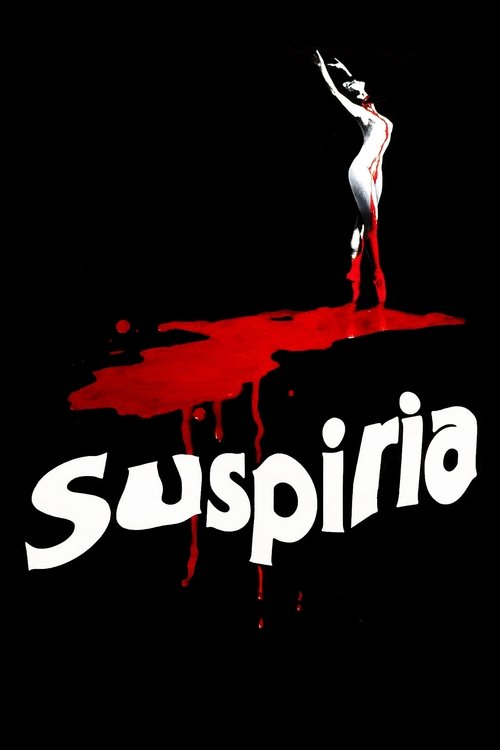
Horror taught us to fear the dark. Midsommar made the permanent midsummer daylight feel worse. Nothing can hide; the horror is right there in full color, dressed in white linen and embroidered flowers. A handful of other films have understood this: The Wicker Man does it, as does Suspiria's neon-drenched academy. When there is nowhere to retreat into shadow, the dread has nowhere to dissipate.
Folk Horror Is Having Its Moment, and It Deserved to Arrive
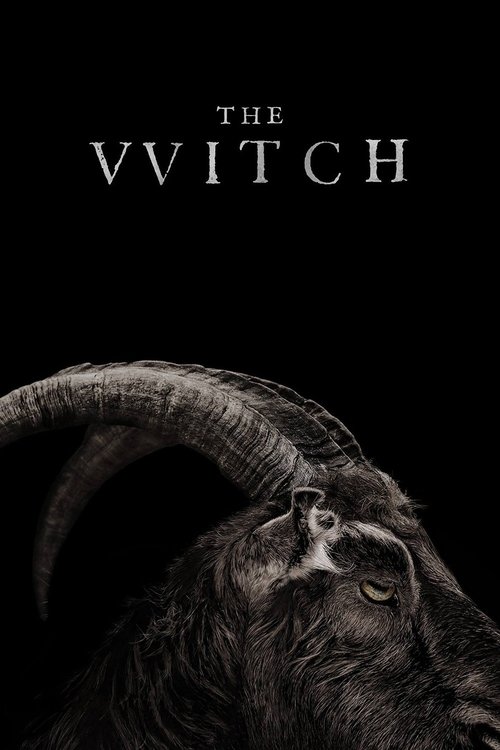
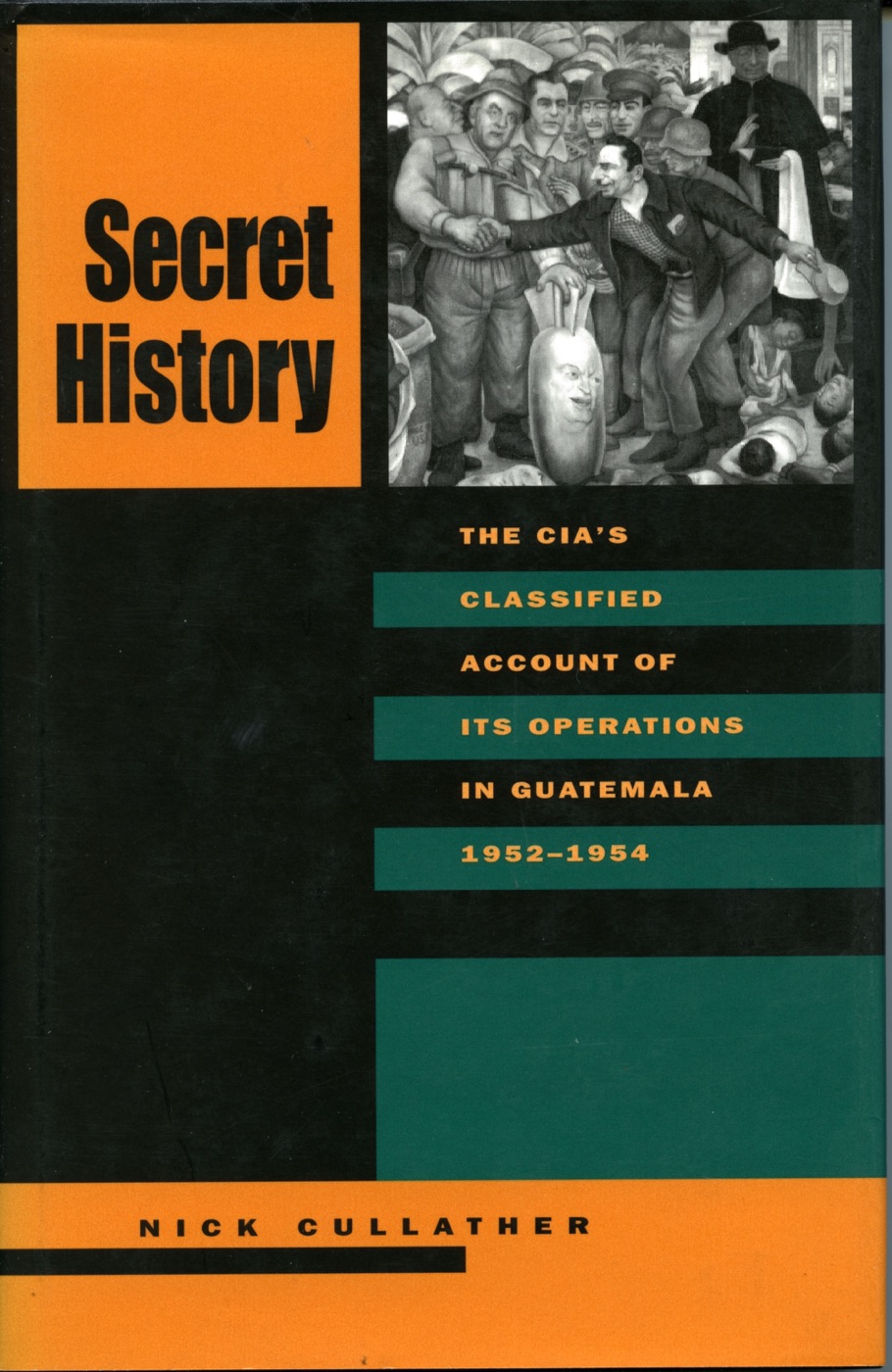
The folk horror revival that The Witch kicked off in 2015 and Midsommar accelerated is not nostalgia for old genre tropes. It is horror that takes seriously the idea that community, tradition, and belonging can themselves be terrifying. The novels that belong to this wave (The Ritual, The Secret History, The Girls) understand the same thing: the scariest force in fiction is not a monster. It is a group of people who agree.
Bobby Krlic's Score Is an Argument for Film Music as Grief
Bobby Krlic (The Haxan Cloak) composed one of the decade's most precise horror scores. It does not announce itself as scary: it breathes, shifts in pitch almost imperceptibly, folds field recordings of Scandinavian folk singing into the dissonance. The score's purpose is to stay in Dani's emotional register throughout, so that when the horror escalates, the music does not signal danger so much as confirm that something has been wrong for a very long time.
Folk Horror: A Short History of Daylight Dread
- 1973The Wicker Man sets the template: ritual, isolation, a naive outsider, and a community with its own logic. The Wicker Man
- 1977Dario Argento's Suspiria relocates the terror indoors but keeps it saturated, artificial, and inescapable. Suspiria
- 1992Adam Nevill's novel The Ritual imagines the same Scandinavian forest terror in prose; the film adaptation follows in 2017. Ritual
- 2015Robert Eggers's The Witch earns folk horror its critical rehabilitation and opens the door for the next wave. The Witch
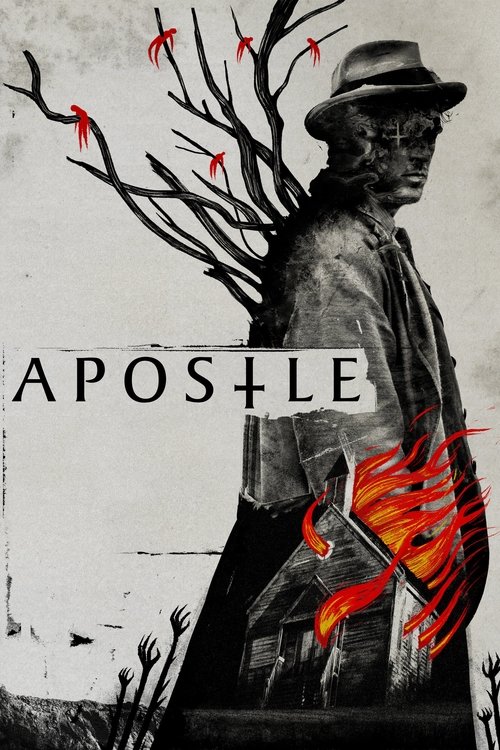
- 2018Luca Guadagnino's Suspiria remake and Gareth Evans's Apostle both push the cult-folk-horror form into new extremes. Apostle
- 2019Midsommar arrives. Ari Aster takes grief and bad relationships as his engine and Swedish folklore as his vehicle. Midsommar
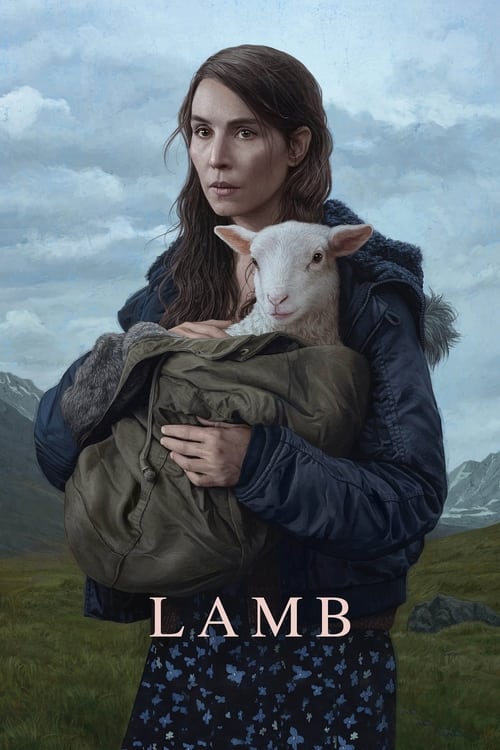
- 2021Lamb, from Iceland, strips the folk horror premise to its quietest and most unsettling form. Lamb
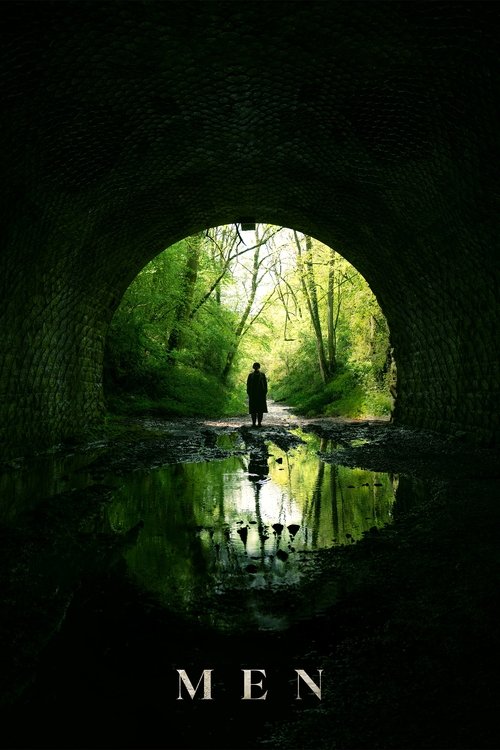
- 2022Men by Alex Garland uses English pastoral landscape to the same ends: myth, masculinity, and a woman with nowhere to run. Men
Daylight horror and true believers
Folk Horror
Explore the Folk Horror guide →It is a horror film about a breakup. The cult is just how the breakup finally ends.CrossBinge