

Frank Herbert spent six years researching sand dunes in Oregon before he wrote a single word of Dune. That fact tells you everything about what separates his work from ordinary science fiction. Where other writers built worlds as backdrops, Herbert built ecosystems with their own logic, economies, religions, and power structures that grind against each other over centuries. The Dune saga is not adventure fiction with a sci-fi coat of paint; it is political philosophy rendered as myth, a 4,000-year meditation on charismatic authority, ecological collapse, and the trap of the hero. Herbert intended the books as a warning, not a power fantasy -- which is why Paul Atreides grows increasingly disturbing, and why Leto II voluntarily becomes a god-monster to save humanity from itself.
Herbert wrote Dune in 1965 and published five sequels, each stranger and more demanding than the last. Outside the Dune cycle, he wrote Destination: Void (consciousness and machine intelligence), The Dosadi Experiment (legal systems as instruments of control), and The White Plague (genetic terrorism and grief). The range is enormous. What holds it all together is an obsessive interest in the question: what happens when a human being accumulates too much power, and who benefits from letting them?
Essential Frank Herbert
The novels, ranked by where to start


Dune on Screen
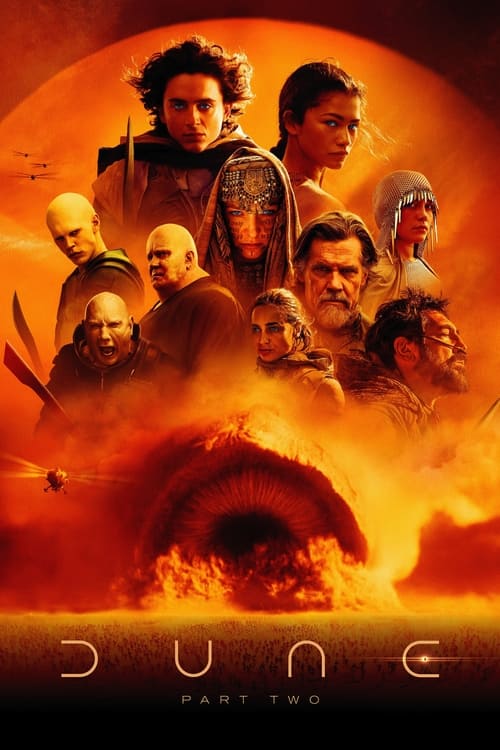
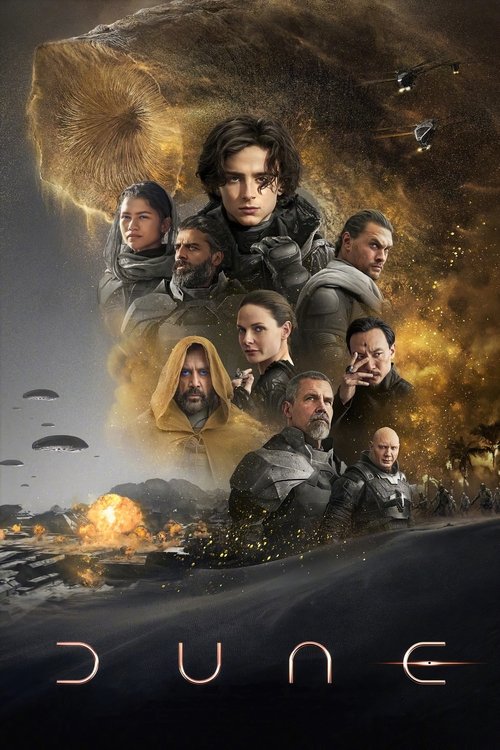
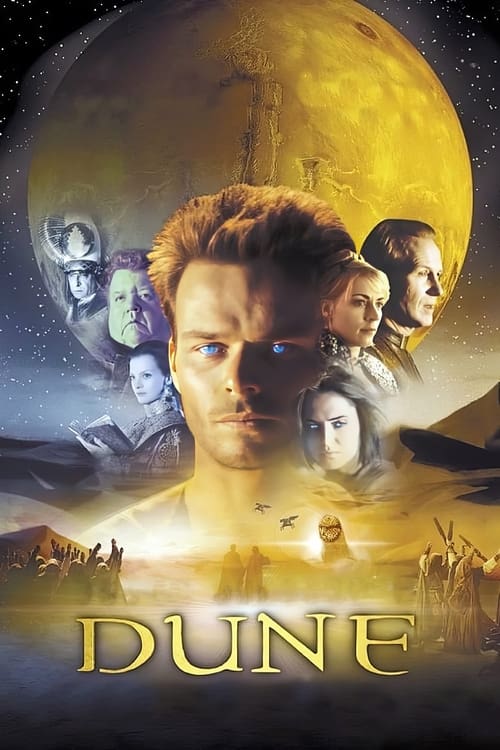
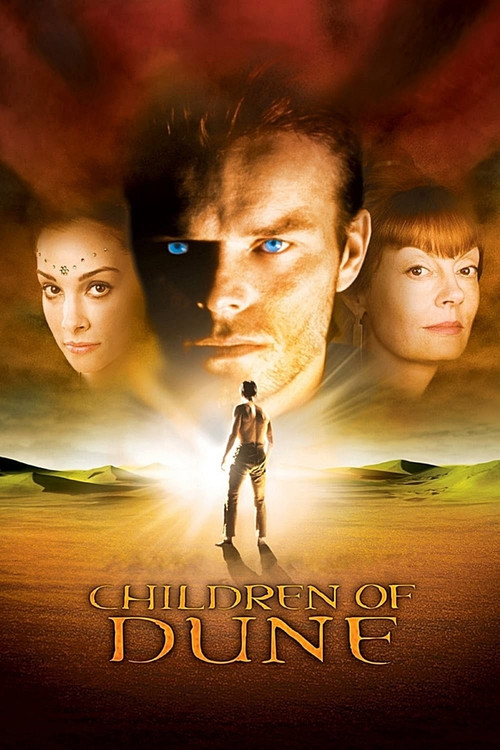
Every major screen adaptation of the saga
If You Love the Politics of Arrakis
Epic sci-fi and fantasy authors who build worlds with the same weight


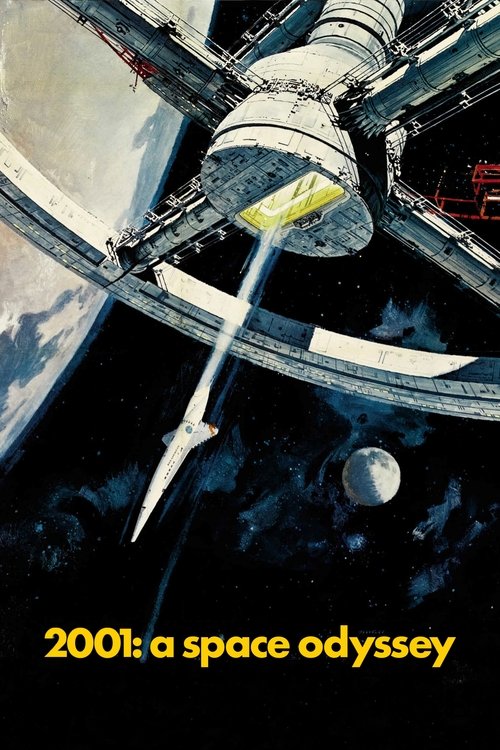
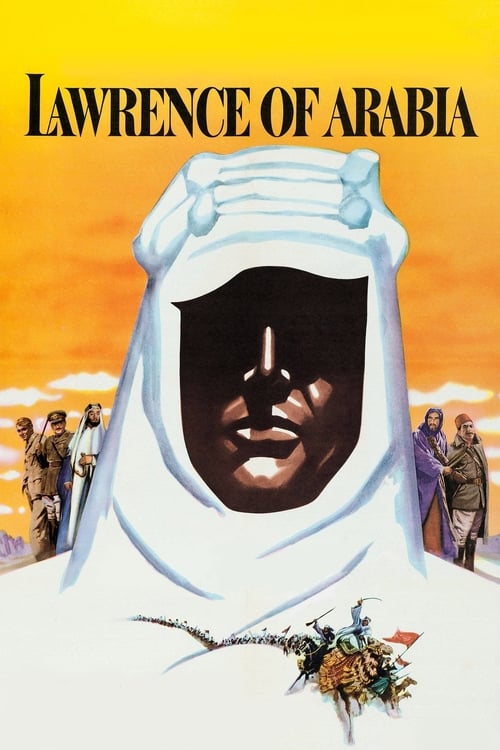
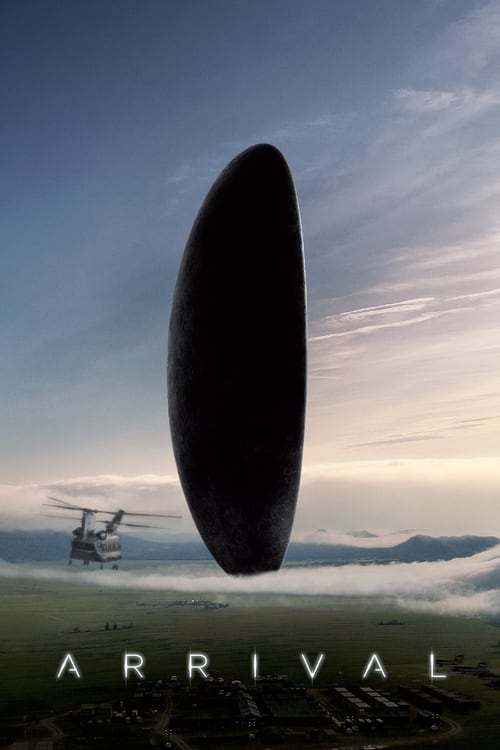
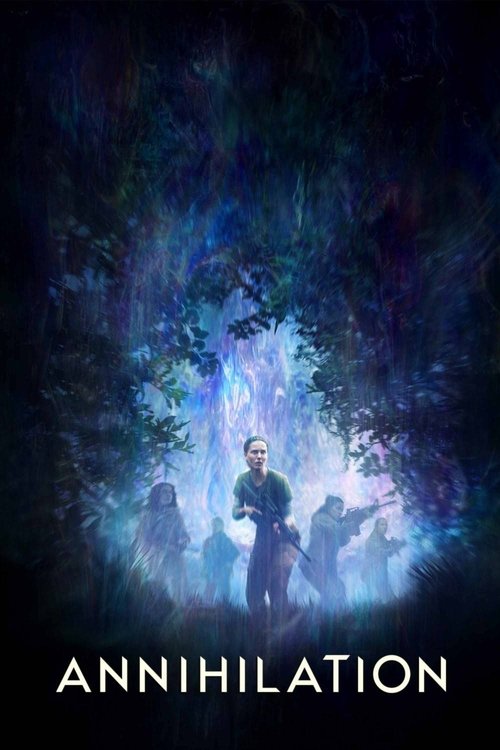
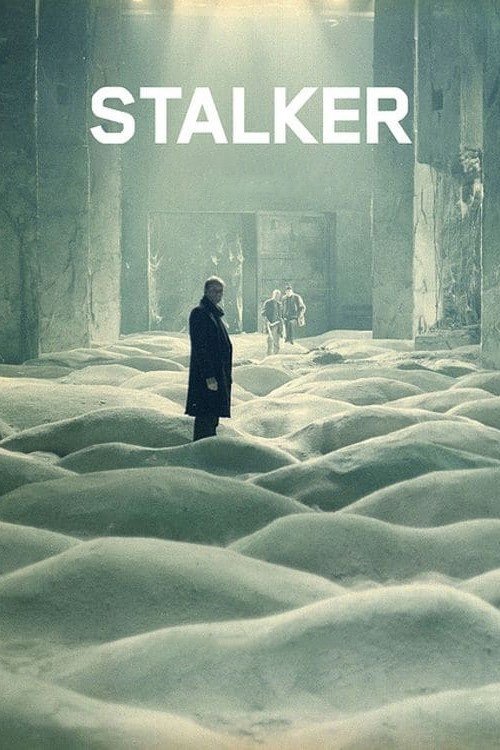
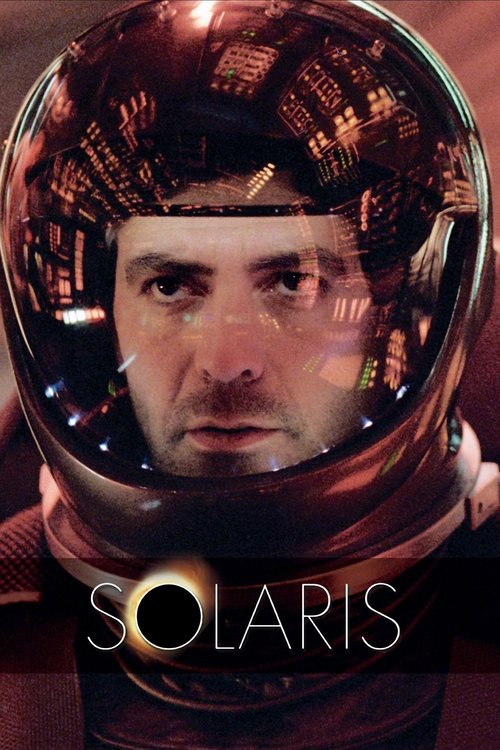
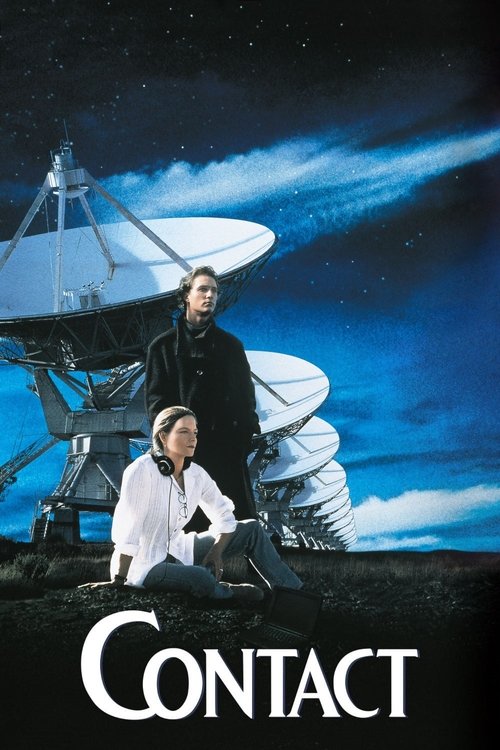
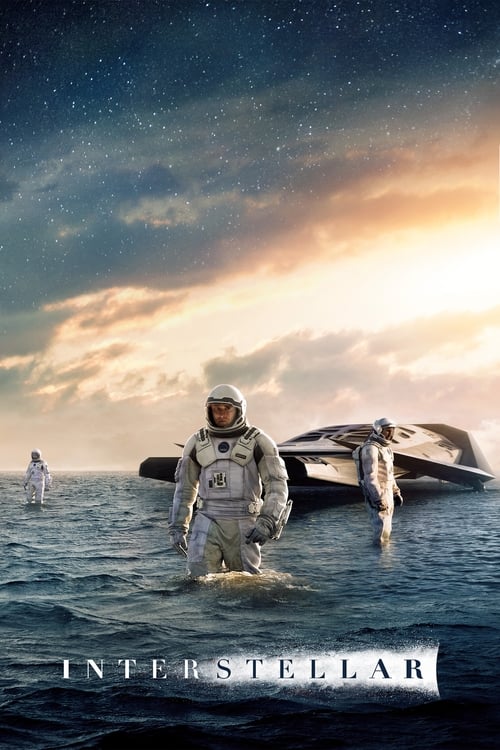
Epic Sci-Fi Cinema
Films that share Dune's scale, grandeur, and moral weight



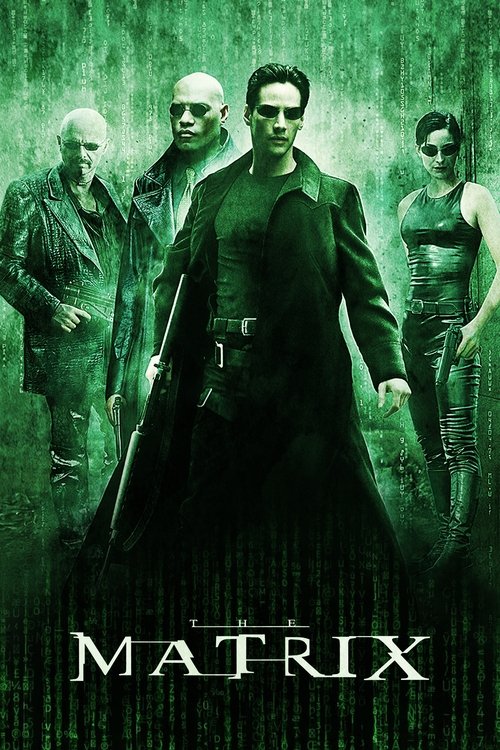
Sci-Fi Series Worth the Long Haul
Television that rewards patience and rewards attention
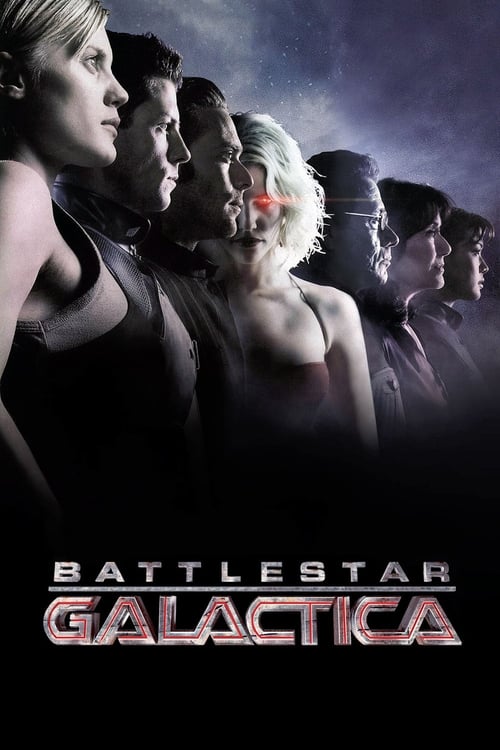


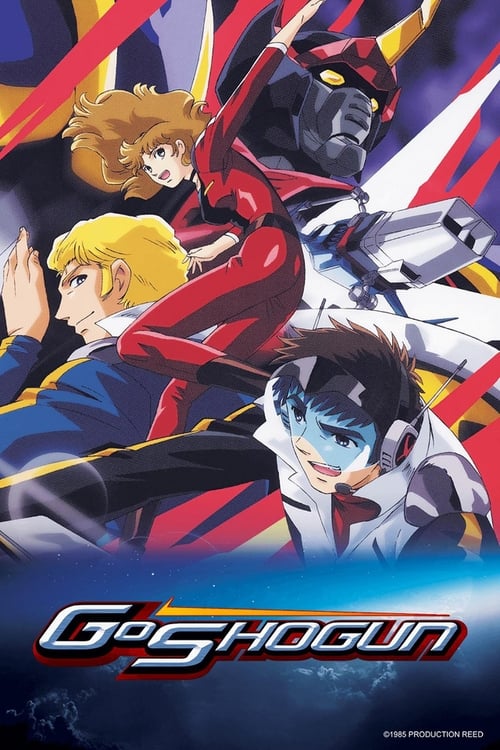


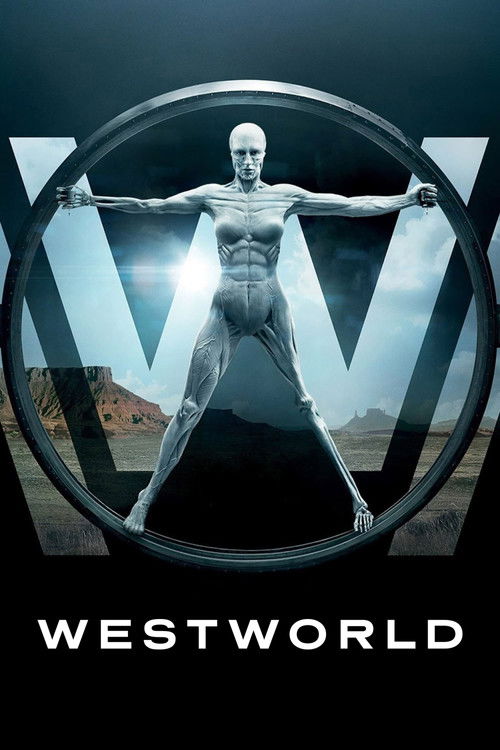

Strategy and Sci-Fi Games
Games with the political complexity and scope of the Duniverse




Denis Villeneuve Fixed What Lynch Could Not
David Lynch's 1984 Dune is a fascinating failure: too much lore, too many internal monologues delivered aloud, and a studio that demanded cuts he could not recover from. The 2021-2024 Villeneuve adaptation is a different project entirely. Part One earns Arrakis and the Atreides fall. Part Two is more aggressive -- it deliberately amplifies the religious manipulation and the crowd-frenzy around Paul in ways Herbert would have approved of, making the messianic arc feel genuinely dangerous rather than triumphant. Zendaya's Chani ends as a skeptic, not a convert. That is a choice the 1984 film could never have made.
The Expanse is the Closest TV Gets to Herbert
The Expanse is not Dune -- it is harder science, more grounded, closer to thriller pacing. But of all the science fiction television made in the last two decades, it is the one that most seriously engages with Herbert's central preoccupation: how political systems form, what drives people into factions, and what it costs to keep a fragile coalition together under pressure. The Belter language and culture, the OPA's internal contradictions, the Earth-Mars-Belt triangle -- these are built with the same attention to material and economic reality that Herbert brought to spice economics. If you finished The Expanse and wanted more of that texture, the books by James S.A. Corey that it is based on go further.
The Dune Universe: A Timeline
- 1963"Dune World" serialized in Analog Science Fiction Dune
- 1965Dune published as a novel, wins Hugo and Nebula
- 1969Dune Messiah published -- the subversion of the hero begins
- 1976Children of Dune published
- 1981God Emperor of Dune published -- the political apex of the cycle
- 1984Lynch's Dune film released, polarizing audiences Dune
- 1985Heretics of Dune published Heretics
- 1986Frank Herbert dies; Chapterhouse: Dune is his last novel Chapterhouse Dune
- 2000Sci-Fi Channel miniseries brings the novel back to screen Frank Herbert's Dune
- 2003Children of Dune miniseries airs Frank Herbert's Children of Dune
- 2021Villeneuve's Part One redefines the scale of sci-fi cinema
- 2024Dune: Part Two completes the duology, grosses over $700M worldwide Dune: Part Two
Empire, ecology, desert epics
Every Version of Dune
Explore the Every Version of Dune guide →I am not attempting to predict the future in this book. I am attempting to show that the human species has the capacity to avoid the trap that is built into the very nature of power itself.Frank Herbert, on Dune