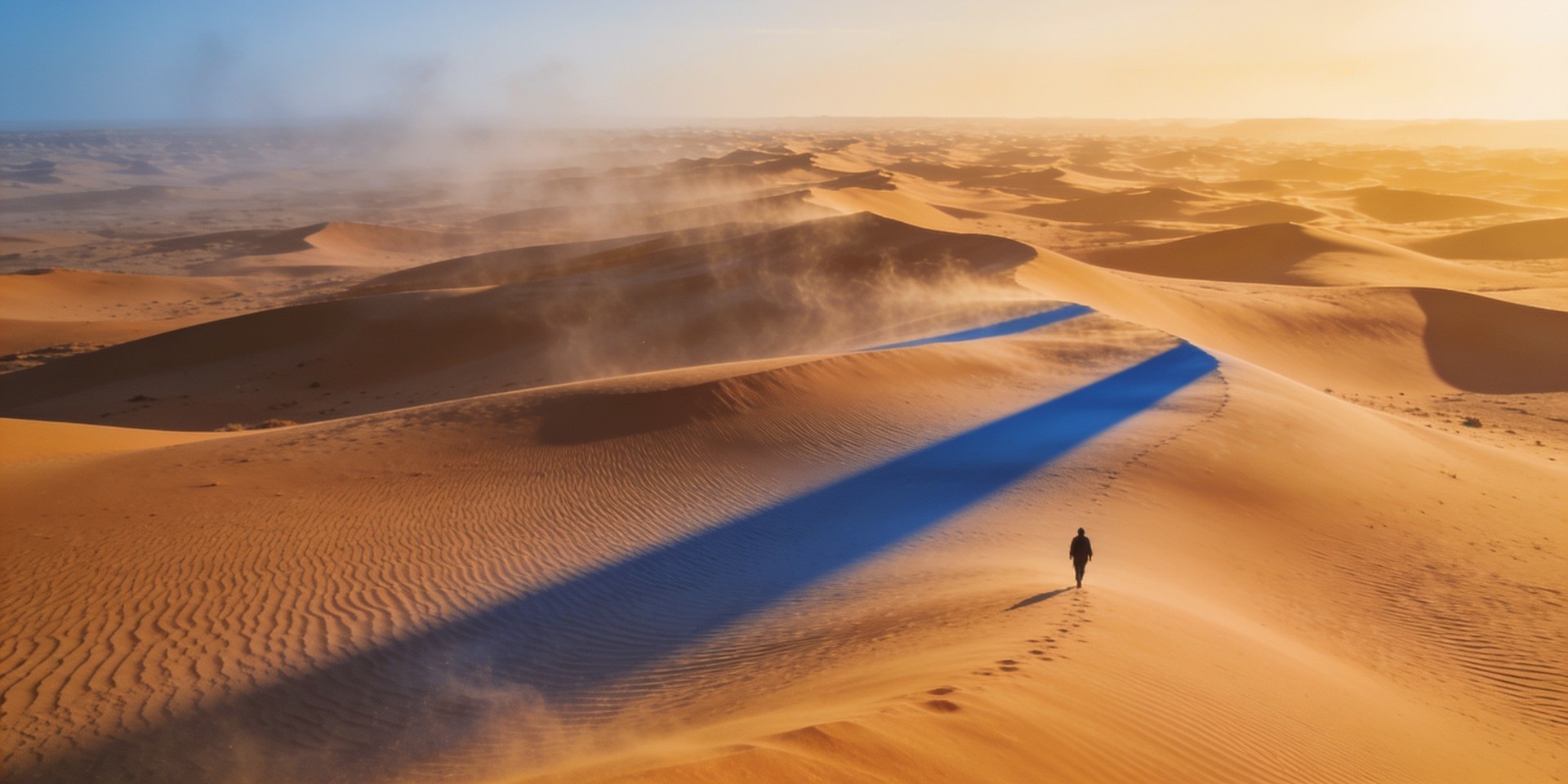

The desert is the oldest screen there is. Before anyone projected a frame, a person stood at the edge of the sand, looked out at the shimmer, and saw something that was not there. That is the desert's first gift to storytelling: it makes you hallucinate, and then it makes you walk anyway. Every great desert story is built on the same brutal arithmetic. There is a destination, there is no water, and there is a long way in between. What a character does with that math is the whole drama.
We tend to file these stories under different shelves. Lawrence of Arabia is a war epic. Dune is science fiction. Mad Max is action. Blood Meridian is a literary western. But put them side by side and the same landscape stares back: a place so indifferent to human survival that it strips a person down to what they actually are. The desert does not have a moral. It has a temperature. That is exactly why writers, directors and game designers keep returning to it. You cannot fake your way across an emptiness this large. You either have the will to cross it or the sand keeps you.
Essential deserts and the wasteland
The canon: epic crossings, blasted futures and the mirage that pulls you on
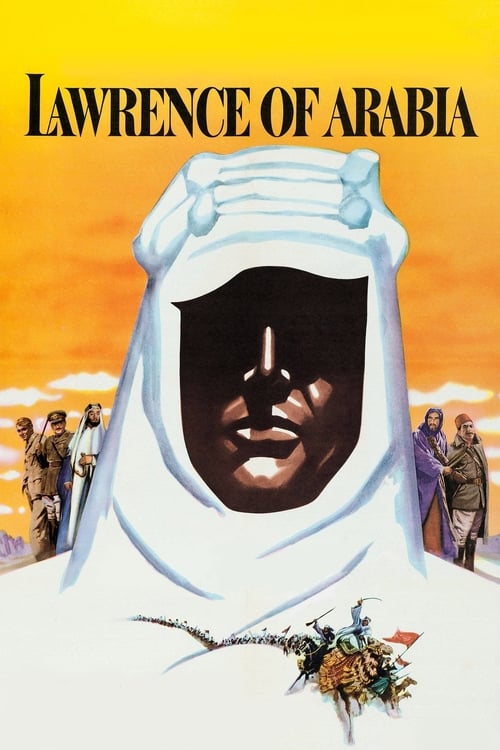

Lawrence of Arabia is the desert film against which all others are measured
David Lean shot Lawrence of Arabia in 1962 on 70mm, in the actual deserts of Jordan, Morocco and Spain, and the scale has never been bettered. The famous mirage shot, where a black speck on the horizon slowly resolves into a man on a camel over the course of a held minute, is the single best demonstration of what the desert does to time and perception. There is no faster way to make the point that distance here is measured in hours and lives, not metres.
What keeps the film honest is that it never lets the romance off the hook. Peter O'Toole's T.E. Lawrence is seduced by the desert and by his own legend, and the film tracks how that seduction curdles into something colder. It is a war epic, a character study and a landscape study at once, and it understood before almost anyone else that the empty quarter is not a backdrop. It is the antagonist.
Crossing the sand on film
Survival, obsession and the long walk through the empty quarter


Dune and the desert as a whole world
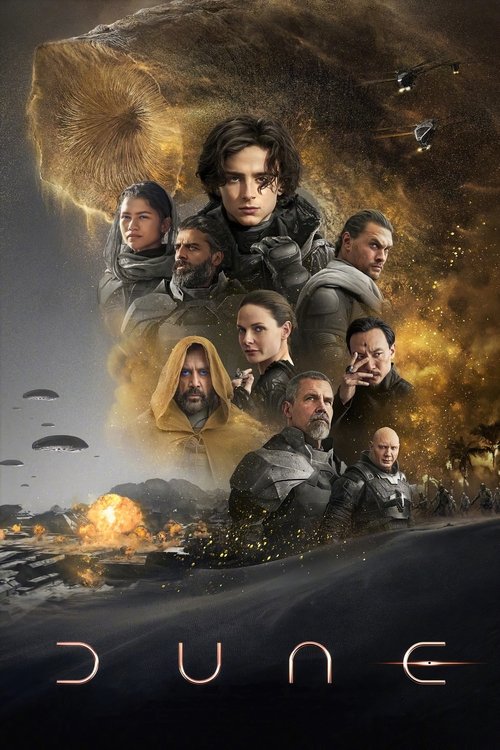
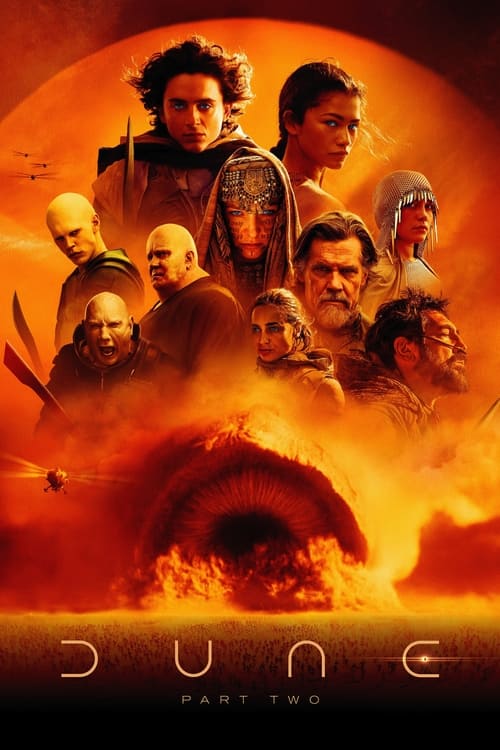
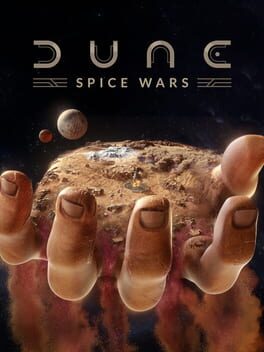
Frank Herbert published Dune in 1965 and did something no desert story had attempted at that scale: he made the sand an entire ecology, an economy and a religion. Arrakis is a planet where water is currency, where the local people have engineered their whole culture around losing as little moisture as possible, and where the most valuable substance in the universe is buried under dunes patrolled by worms the size of cathedrals. Herbert took the real desert ecology he had studied on the Oregon coast and the politics of Middle Eastern oil and fused them into the most influential science fiction novel ever written.
Denis Villeneuve's two-part adaptation finally gave the book the visual weight it always deserved, while the 1984 David Lynch version remains a fascinating, overstuffed curio. The franchise has also produced some of the foundational real-time strategy games. Dune II essentially invented the modern RTS by making you fight over spice on a hostile map, a mechanic that is pure Herbert: control the desert, control everything.
Dune: the desert planet across every medium
Herbert's novel, the films, the miniseries and the games that mine Arrakis
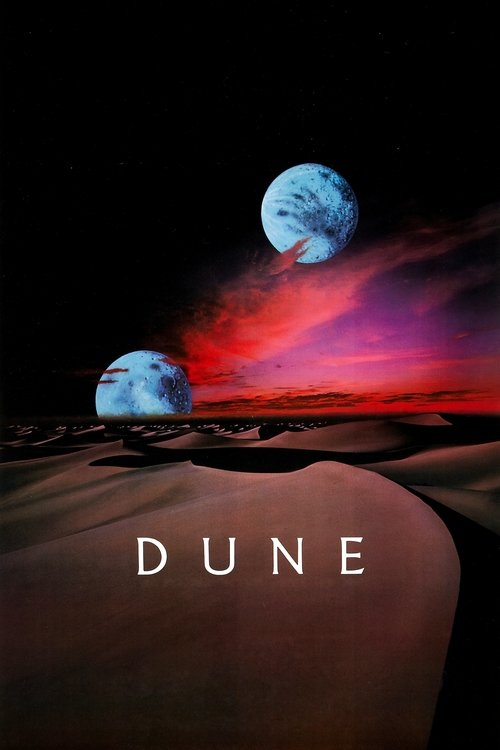
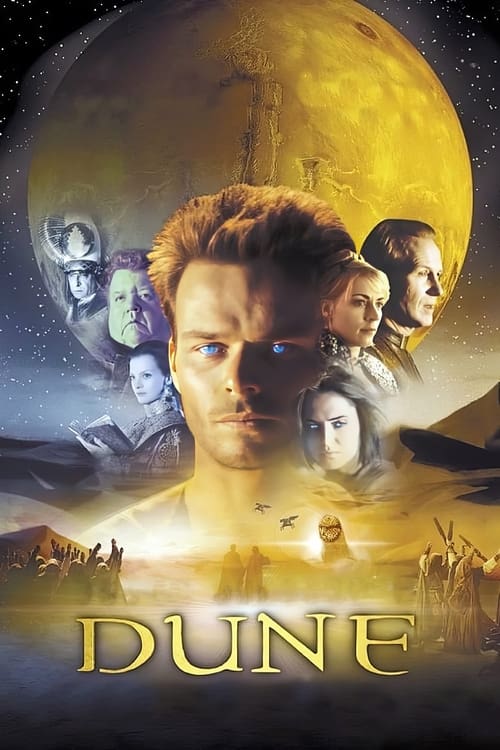
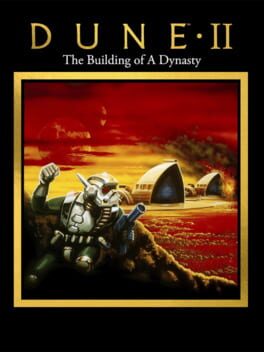
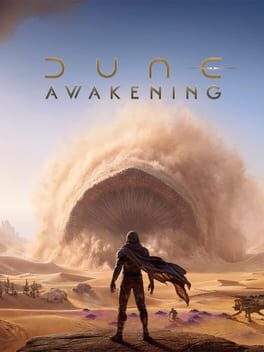
Mad Max turned the wasteland into a religion of speed
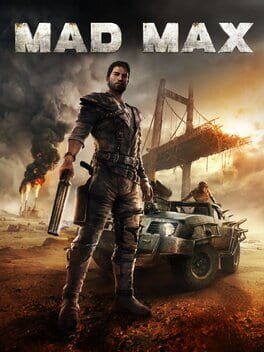
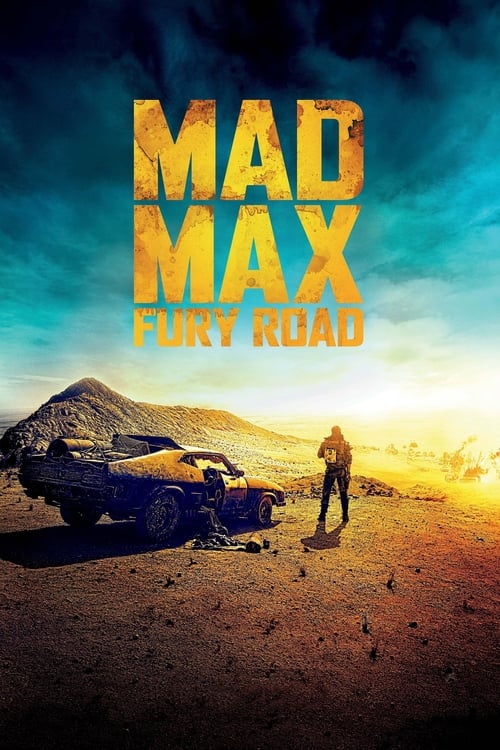
George Miller's Mad Max started in 1979 as a lean Australian revenge film and grew, across four films, into the defining vision of the post-apocalyptic desert. The wasteland of The Road Warrior and Fury Road is the answer to a specific question: if civilization collapses, what is left worth fighting over out here? Miller's answer is water, fuel and the road itself. Fury Road is the purest expression of it, a two-hour chase across a salt flat where the entire moral argument is carried by who controls the aquifer.
The games understood the assignment. Avalanche's open-world Mad Max is a melancholy thing built almost entirely around your car, the one possession that matters when the world is sand. And the Fury Road score by Junkie XL is essentially the sound of the wasteland: a wall of drums and the famous flame-throwing guitar, music made for crossing a dead sea at speed.
The wasteland to play
Sand, scarcity and survival, from Arrakis-adjacent open worlds to irradiated frontiers
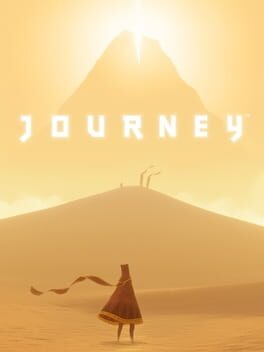
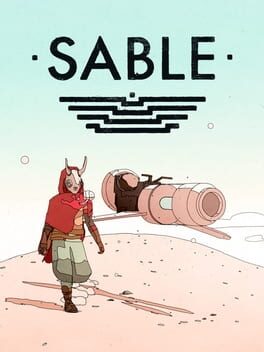
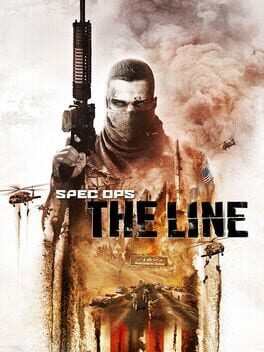
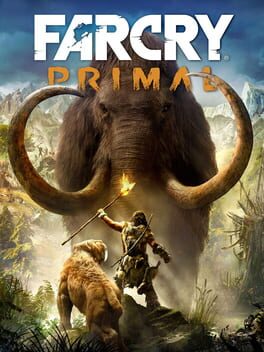
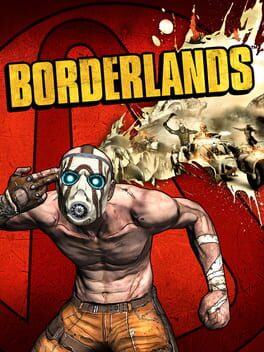
Spec Ops: The Line is the sandstorm that judges the player
Yager's Spec Ops: The Line hid one of gaming's sharpest scripts inside what looks like a generic military shooter. The setting does the heavy lifting: a Dubai swallowed by an apocalyptic series of sandstorms, the skyscrapers half-buried, the rich playground of the world drowned in dune. The sand is constantly reclaiming the city, pouring through windows and ceilings, and the game uses it as a literal eraser of the order humans tried to impose on the wasteland.
It is also one of the few war games genuinely about the cost of what it asks you to do. The desert here is not a neutral arena. It is the place the protagonist's self-image goes to die, with the white phosphorus sequence as the point of no return. As a desert story it belongs next to the films, not below them: it understands that the wasteland is where people find out who they actually are when no one is keeping score.
The post-apocalyptic wasteland on screen
Salt flats, dust storms and the worlds that came after the world ended

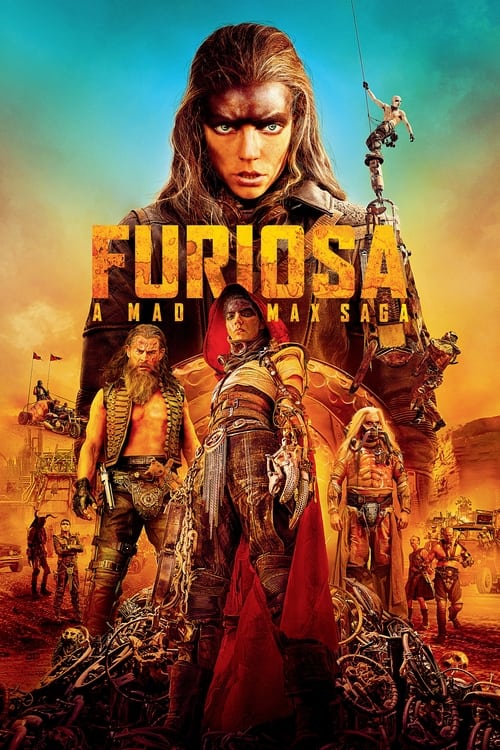
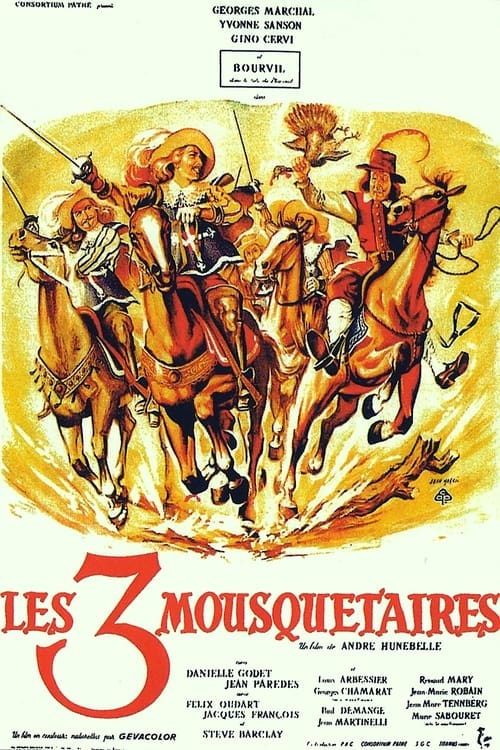
The desert on the page
Literature got to the desert first and has never quite let go. Cormac McCarthy's Blood Meridian is the most uncompromising of all desert novels, a bloodsoaked journey along the Texas-Mexico borderlands in the 1840s that treats the landscape as a furnace burning away every illusion about human nature. Paul Bowles's The Sheltering Sky sends a married couple into the Sahara and watches the emptiness dissolve them. Albert Camus set The Stranger under an Algerian sun so violent it becomes a character in a killing.
Then there is the desert as parable. Paulo Coelho's The Alchemist sends a shepherd boy across North Africa on a quest that is really about paying attention, and Antoine de Saint-Exupery's airmen knew the Sahara as the place where a downed pilot meets either death or, in The Little Prince, something stranger. The thread that runs through all of them is the same one the films found: out here, stripped of everything, a person finally has to decide what they are.
The desert on the page
Camus, Bowles, Coelho and the crossing that ends as testimony


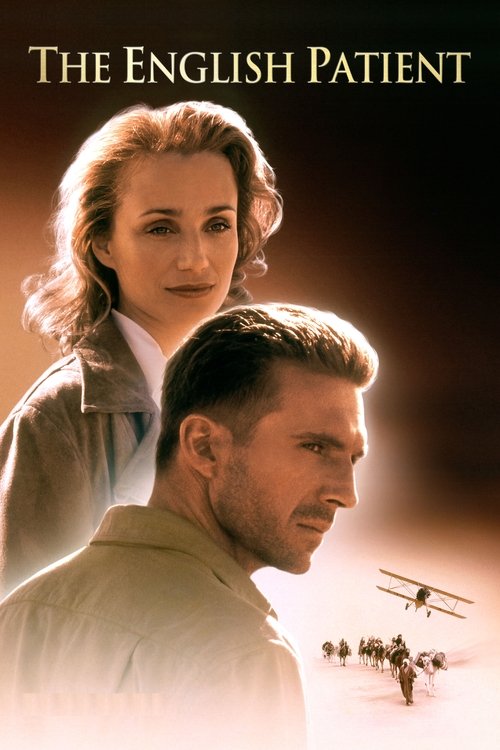
The desert could not be claimed or owned. It was a piece of cloth carried by winds, never held down by stones.Michael Ondaatje, on the empty quarter that swallows the lovers in The English Patient
Tatooine made the desert the default home of the underdog hero
When George Lucas opened Star Wars on a desert planet with two suns, he was quoting the whole tradition at once: the Western, the samurai film, the biblical epic. Tatooine is where the galaxy's most important story begins precisely because it is the middle of nowhere, a moisture-farming backwater so far from the centre of power that no one would think to look there for a hero. That is the oldest desert logic in storytelling: the salvation of the world comes out of the wasteland, not the palace.
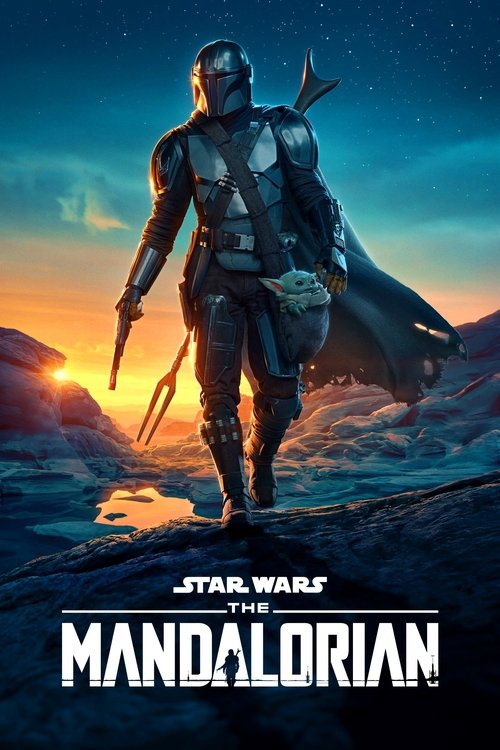
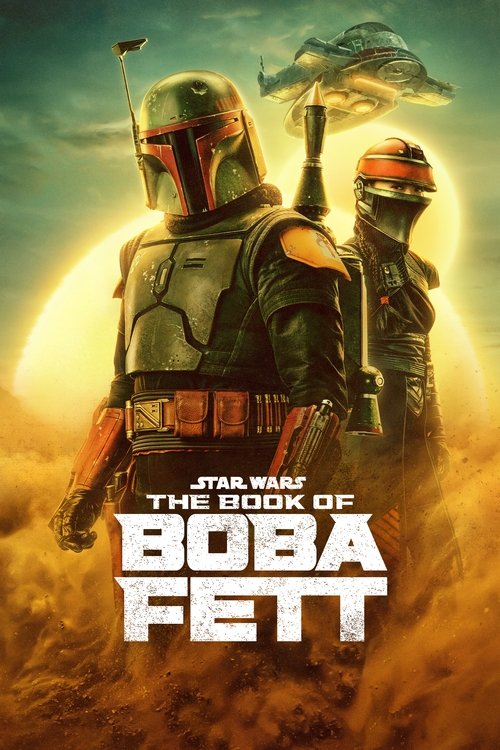
The franchise has kept returning to that sand. The Mandalorian and The Book of Boba Fett both lean on the Western grammar that Tatooine always implied, all lone gunmen and frontier towns at the edge of the dune sea. The desert in Star Wars is never just scenery. It is shorthand for the place power forgot, which is exactly where these stories insist that the future is born.
Desert frontiers on television
Lone gunmen, dust-blown towns and the wasteland serialized


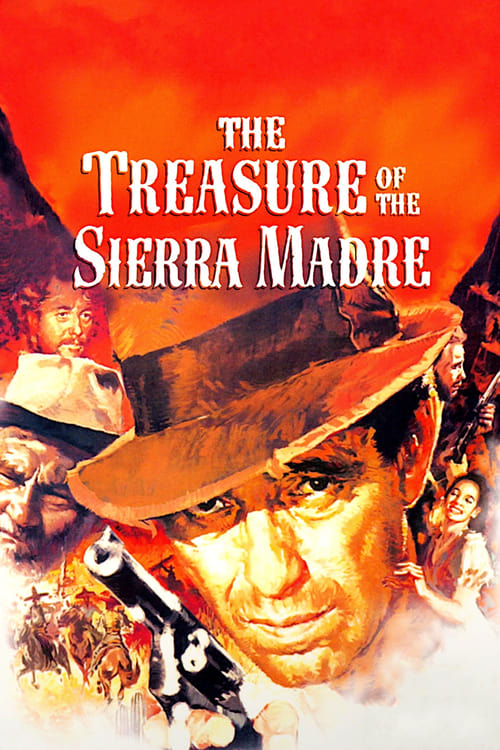
The Treasure of the Sierra Madre is still the best film about what the desert does to greed
John Huston's 1948 The Treasure of the Sierra Madre sends three drifters into the Mexican mountains and desert to dig for gold, and then watches the heat and the isolation do their work. Humphrey Bogart's Fred C. Dobbs starts as an ordinary down-on-his-luck man and ends as a paranoid wreck, undone not by bandits but by his own conviction that everyone is trying to steal what the desert grudgingly gave him.
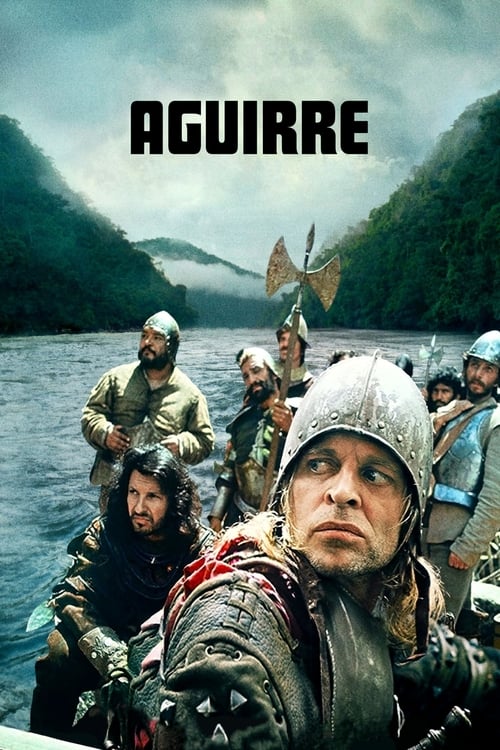
The film belongs to a small, brilliant family of stories about the desert as a moral solvent: a place so far from witnesses that people stop performing decency and become whatever they were underneath. Werner Herzog's Aguirre, the Wrath of God does it in the jungle-adjacent wilds, Erich von Stroheim's silent epic Greed did it across Death Valley. Huston's version is the cleanest. Gold is just the excuse. The real subject is what a man becomes when nobody is watching and there is no water to spare for kindness.
Desert sounds: scores for the empty quarter
The music that taught us what crossing the sand feels like
The wider wasteland: westerns, ruins and the dead frontier
Sun-bleached classics and modern noirs that share the same scorched ground