
Franz Kafka (1883-1924) wrote three unfinished novels and a shelf of short fiction that somehow described the 20th century before it fully arrived. The through-line his fans chase is not horror exactly, though the dread is constant. It is the feeling of being processed by a system that has no malice and no face, where every door you open reveals another antechamber, where guilt is presumed before any charge is named. Kafka worked as an insurance clerk in Prague, and he understood bureaucratic machinery from the inside. That inside knowledge made his surrealism precise. Gregor Samsa wakes as a bug and his first concern is missing work. Josef K. is arrested and his first instinct is to manage appearances. The absurdity is always grounded in the practical, and that is what makes it suffocating rather than comic.
Essential Kafka
The indispensable novels, novellas, and story collections, starting with his three major novels


Kafka on Screen
Film and TV adaptations that took the impossible worlds seriously


If You Love Kafka: The Absurdist Canon
Authors writing in the same register, where logic turns mercilessly against the protagonist


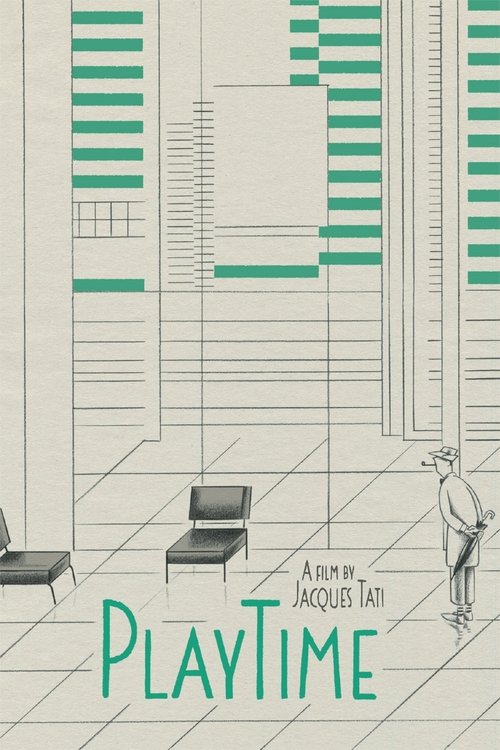
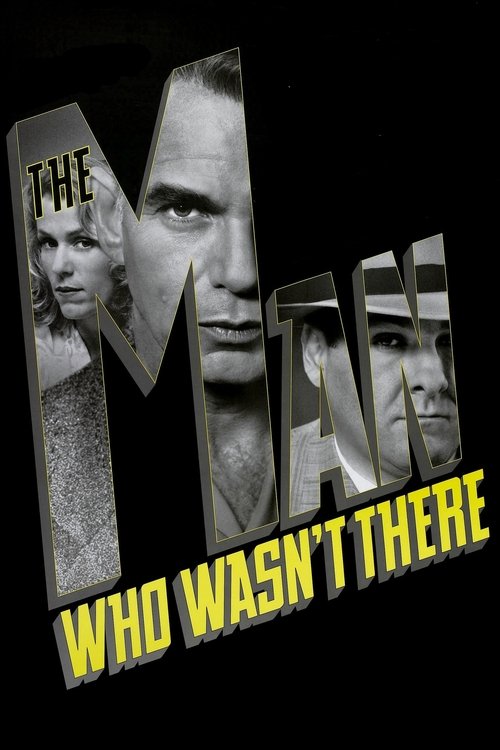
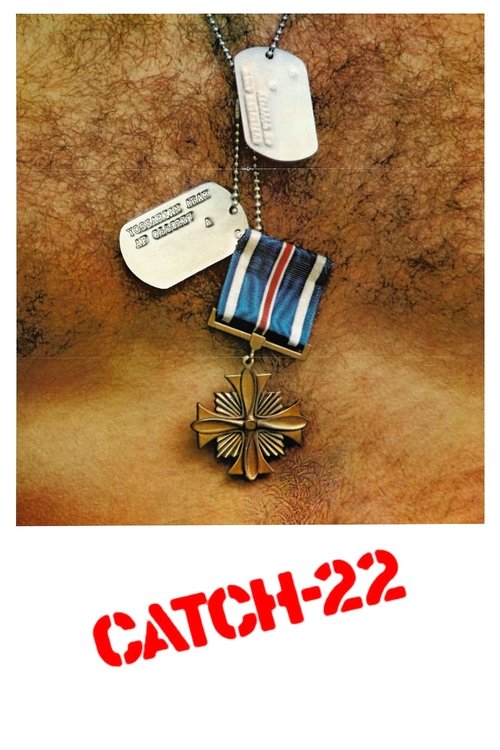
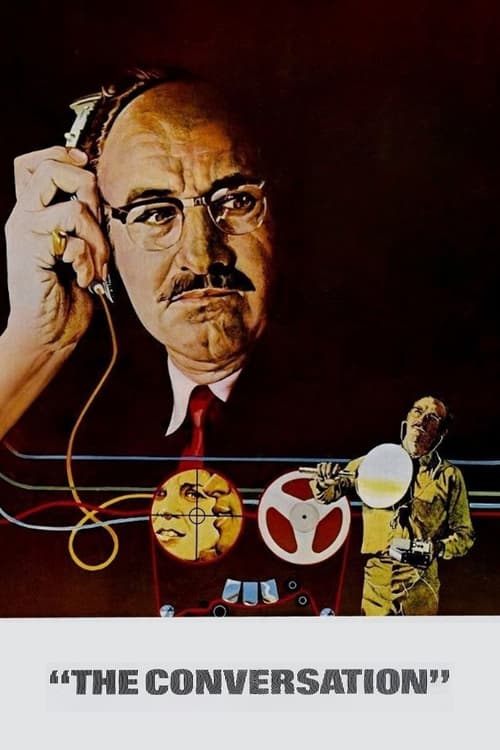
If You Love Kafka: Bureaucratic Nightmares on Film
Films where systems, institutions, and paperwork become the real antagonist

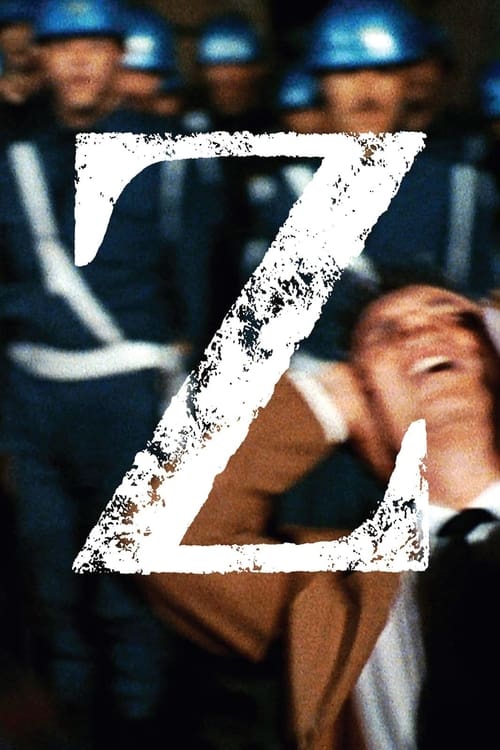

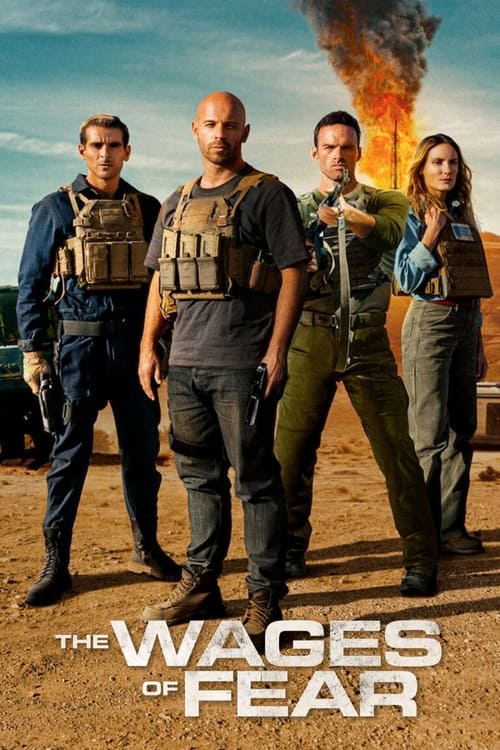
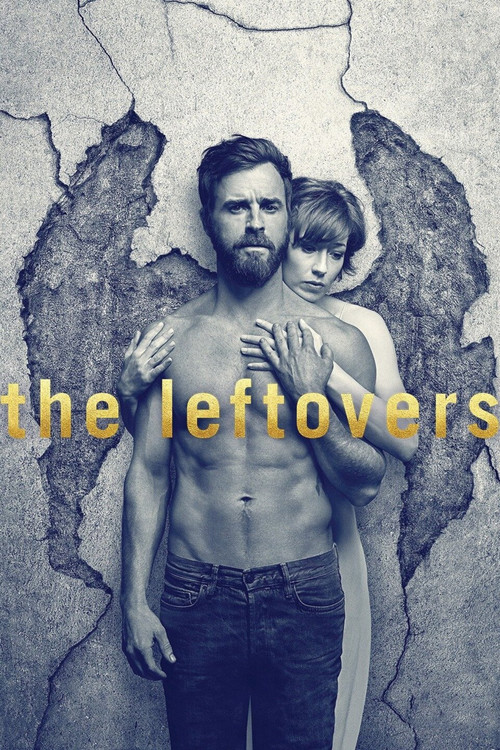
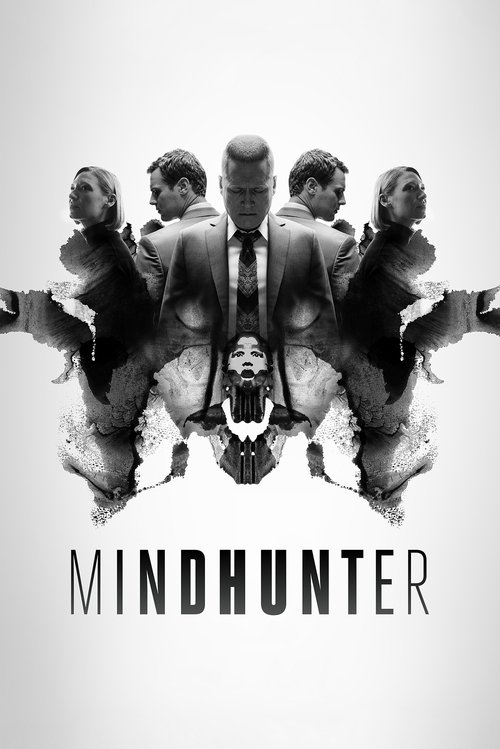
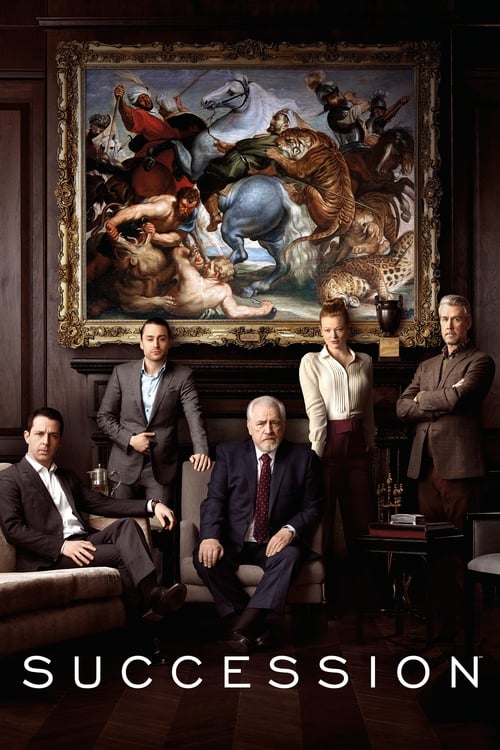
If You Love Kafka: Paranoid and Labyrinthine Television
Series where characters are trapped in structures they cannot name or escape
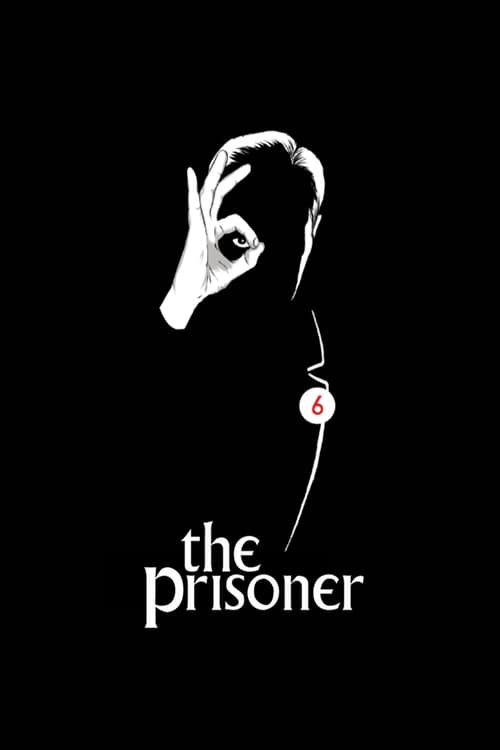



If You Love Kafka: Games of Systems and Dread
Games that put you inside oppressive structures, bureaucracies, or existential labyrinths

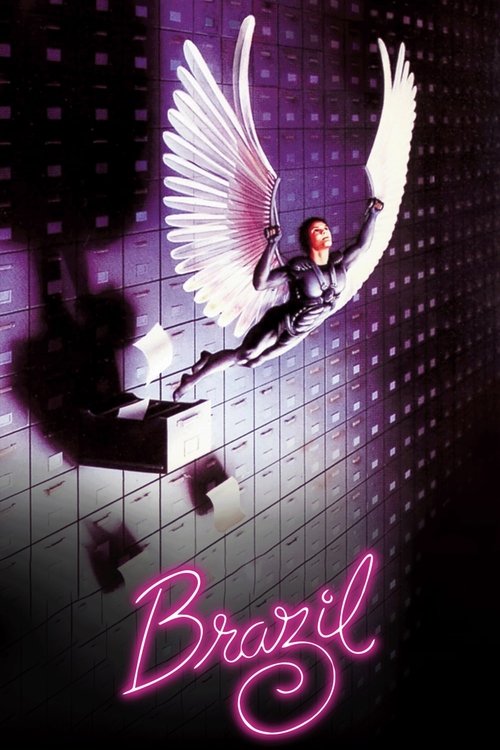
Brazil Is the Kafka Film Kafka Never Lived to See
Terry Gilliam's Brazil (1985) is the most complete cinematic translation of Kafka's world. The bureaucracy is not cruel by design: it is simply indifferent, self-replicating, and ultimately more real than the people inside it. Sam Lowry's romantic fantasies are the exact counterpart to Gregor Samsa's work anxieties: an interior life that the external system will eventually crush simply by continuing to function. No film captures the paradox Kafka lived, that the machinery of modern administration is both utterly banal and genuinely lethal, more fully than this one.
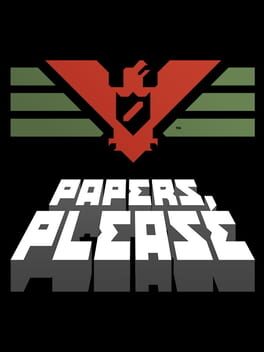
Papers, Please Puts You Inside the Logic
Papers, Please (2013) achieves something literary criticism cannot: it makes you the bureaucrat. Lucas Pope's game assigns you to an immigration checkpoint in the fictional totalitarian state of Arstotzka and makes every moral compromise a mechanical act. You stamp APPROVED or DENIED. The border rules change daily. Families get separated because a document has the wrong date. The brilliance is that the system's logic is internally consistent; it is you who must decide how much of yourself to give up to keep operating within it. Kafka spent his career writing about what that feels like from outside. Pope hands you the stamp.
Severance Is Kafka for the Remote-Work Era
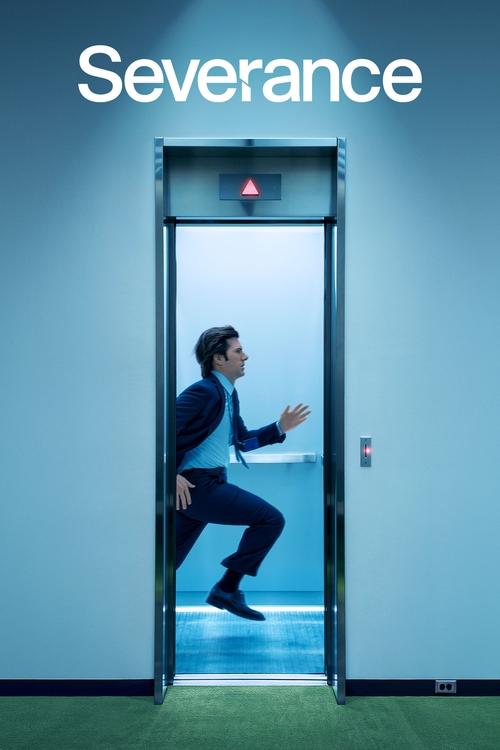
Severance (Apple TV+, 2022) literalizes the fantasy of separating work self from home self, then reveals it as a horror. The Lumon Industries employees on the severed floor have no memory of the outside world during working hours: they exist only to work, in corridors that extend without apparent logic, toward goals no one has explained. The resonance with The Castle is hard to miss: the labyrinthine building, the authority figures who are always just out of reach, the protagonist who cannot tell whether the rules exist or whether he simply has not learned them yet. Kafka would have recognized every orientation packet.
Kafka's World and Its Echoes
- 1913The Stoker (Amerika's first chapter) published, Kafka's first major public work Amerika
- 1915The Metamorphosis published in Die Weissen Blatter Metamorphosis
- 1919In the Penal Colony published; Letter to His Father written (never sent)
- 1924Kafka dies of tuberculosis; The Trial, The Castle, and Amerika published posthumously by Max Brod
- 1949Nineteen Eighty-Four published, bringing systemic oppression into the mainstream novel Nineteen Eighty-Four
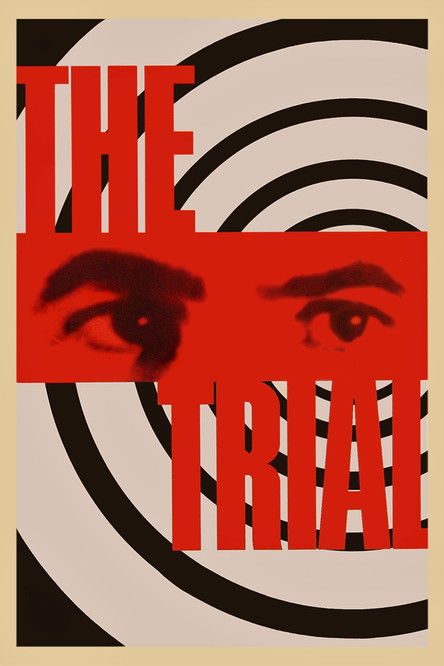
- 1962Orson Welles adapts The Trial, casting Anthony Perkins as Josef K. The Trial
- 1985Brazil released, Gilliam's masterwork of bureaucratic dystopia Brazil
- 1994Steven Soderbergh's Kafka, a biographical fantasy blending his life with his fiction Kafka
- 2013Papers, Please makes players into the bureaucratic apparatus itself Papers, Please
- 2019Disco Elysium brings Kafkaesque political despair to the role-playing game
- 2022Severance literalizes the severed work-self as corporate horror on Apple TV+ Severance
Bureaucratic nightmares and nameless dread
For Fans of George Orwell
Explore the For Fans of George Orwell guide →There is infinite hope, but not for us.Franz Kafka