
George Orwell gave the twentieth century its sharpest vocabulary for power and its abuses. The words he coined -- doublethink, thoughtcrime, Big Brother, memory hole -- are no longer literary references; they are live news. His two great novels, 1984 and Animal Farm, arrived from direct experience: poverty in Paris and London, a bullet in the throat in Spain, a ringside seat at empire in Burma. What fans love is the quality of his attention. Orwell watched carefully, wrote plainly, and refused comfortable lies from any quarter. The through-line across his fiction, essays, and journalism is the same stubborn question: who controls the story, and what happens to everyone else when they do?
Essential George Orwell
The books that built the canon


The Screen Adaptations
Orwell's worlds translated to film and television
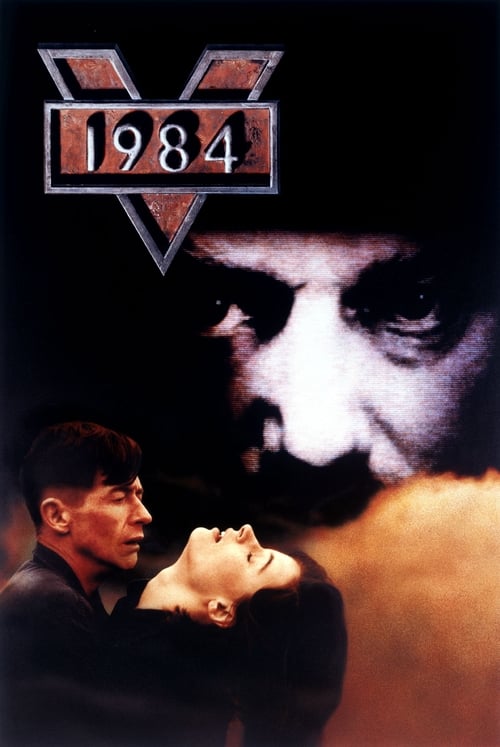

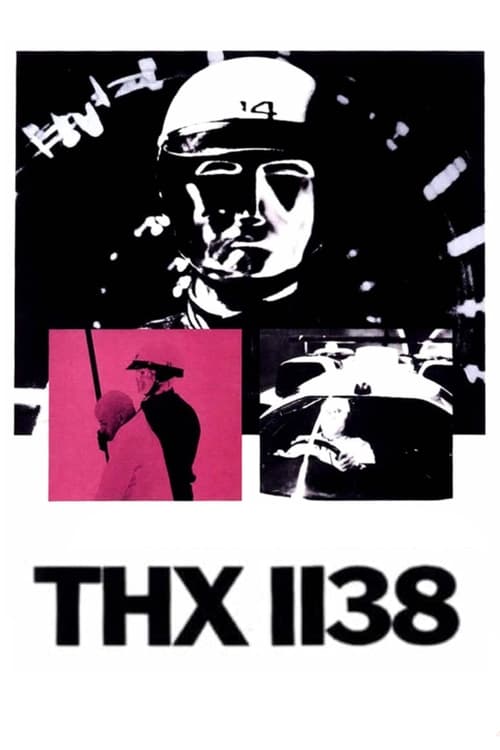
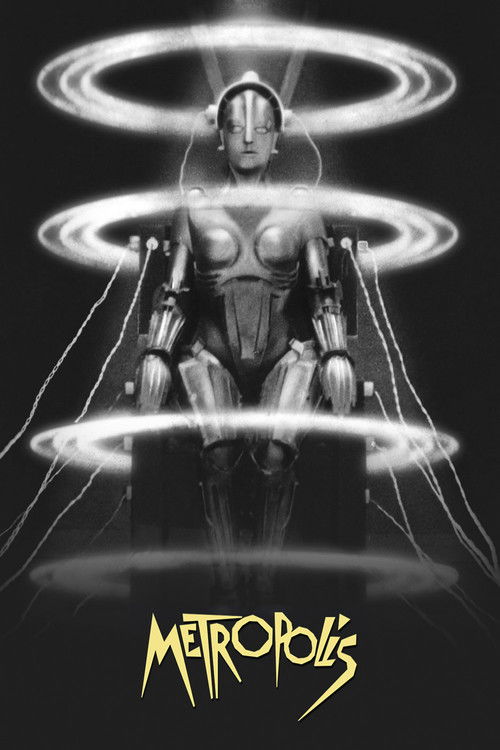
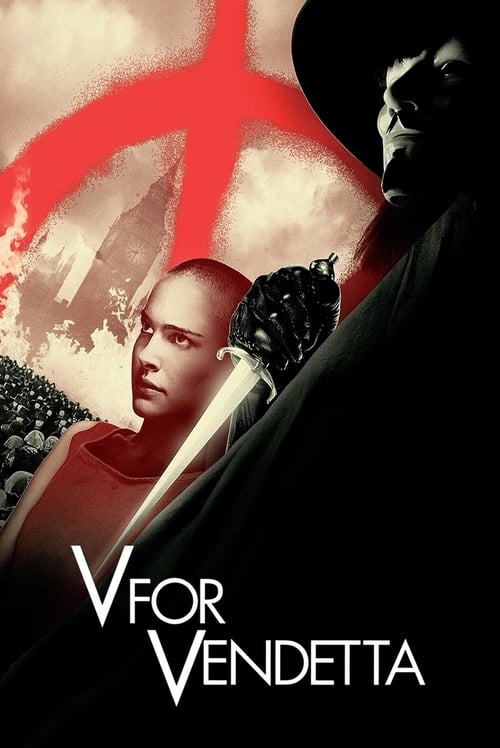
If You Love 1984: Dystopian Cinema
Films that built surveillance states, crushed dissent, and asked who the enemy really is

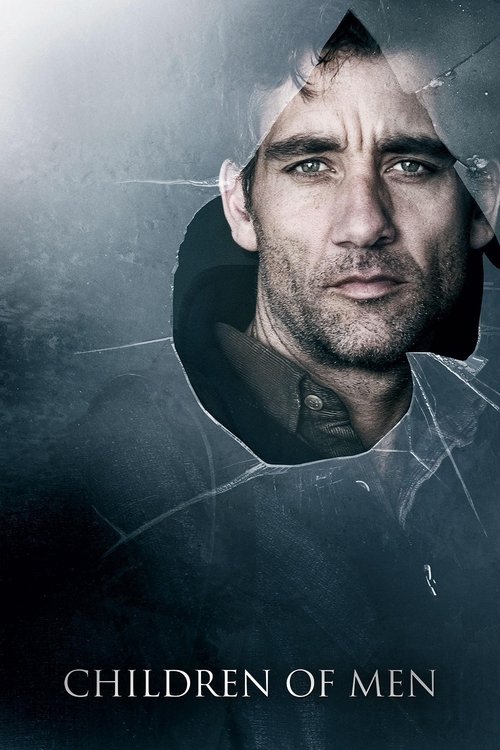
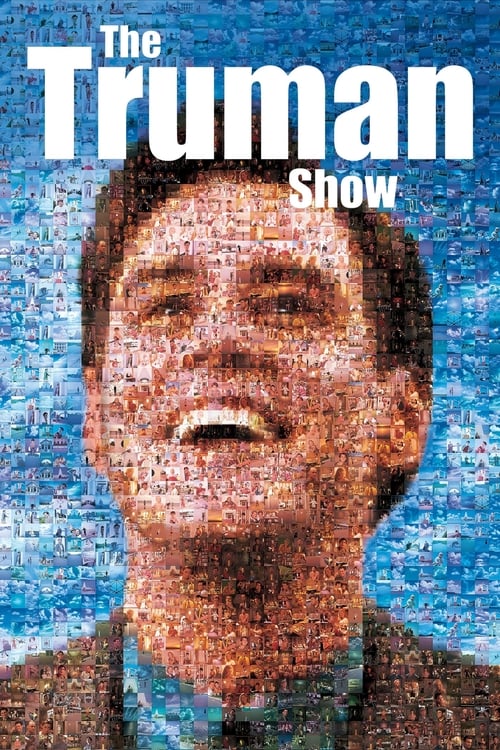

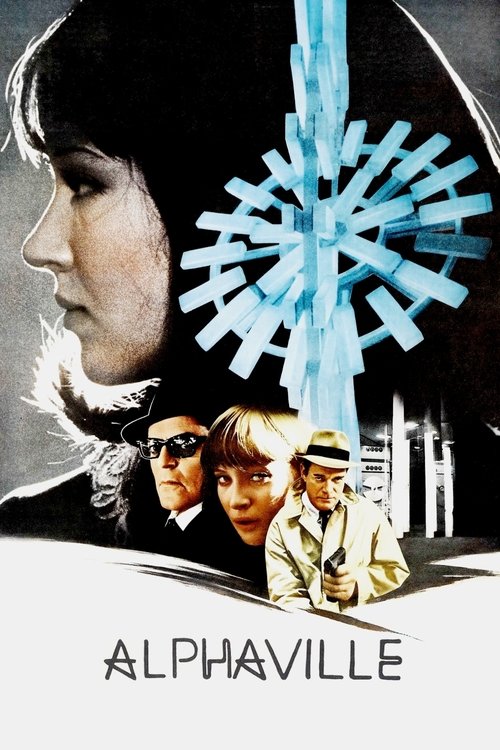
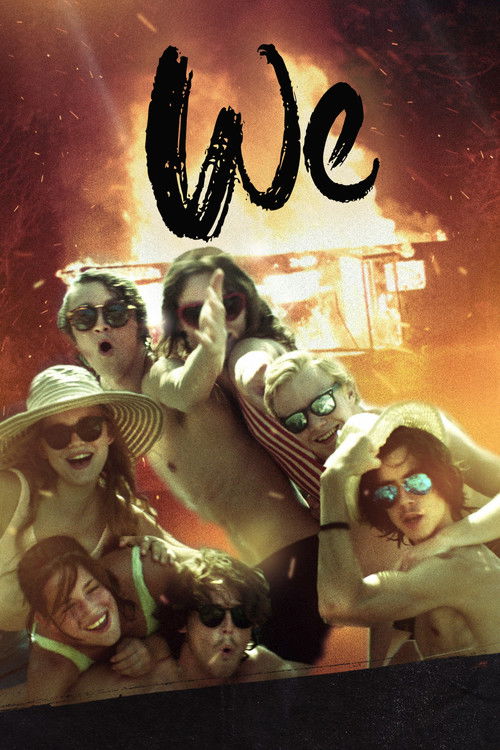
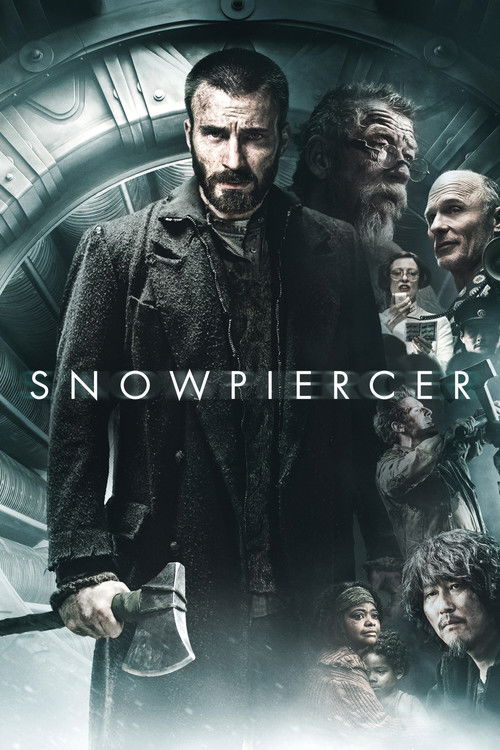
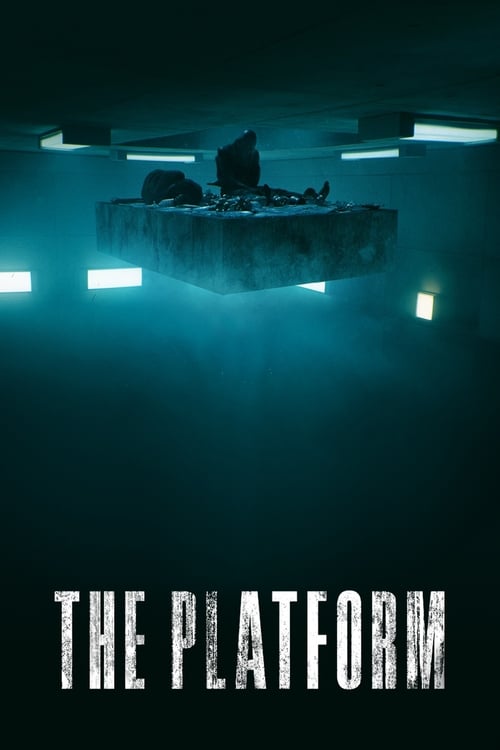
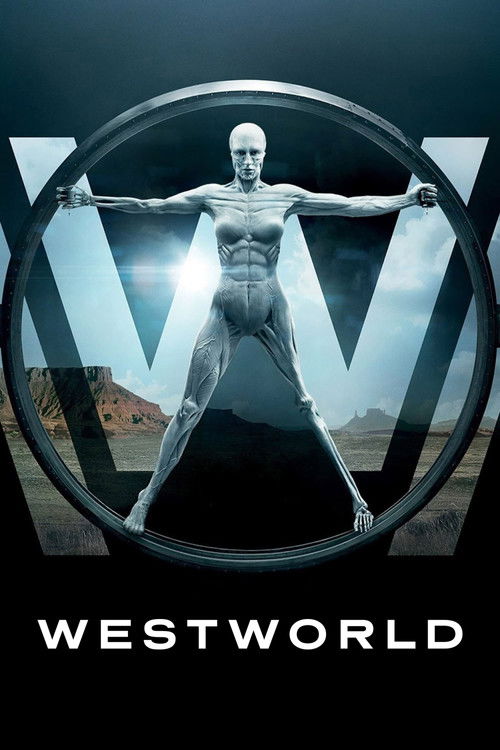
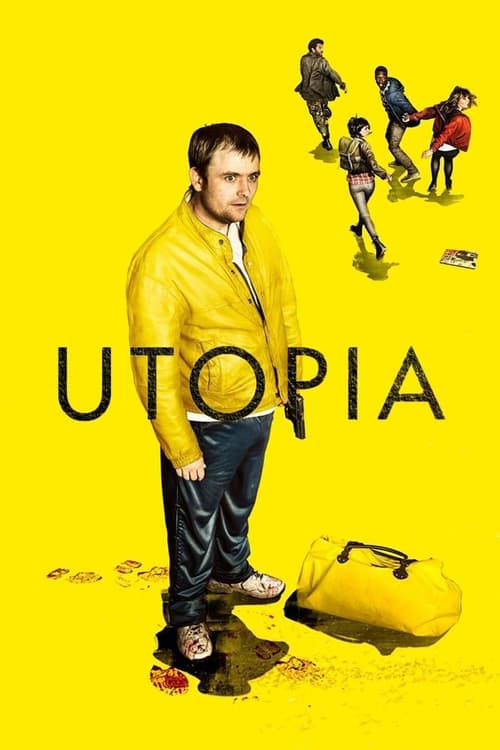
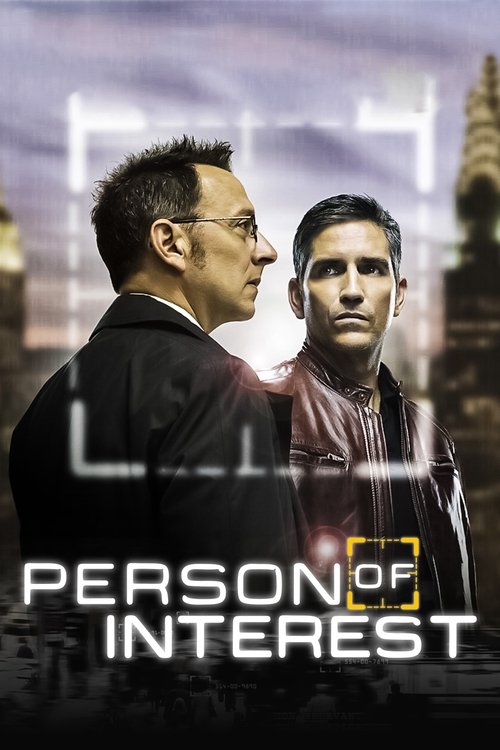
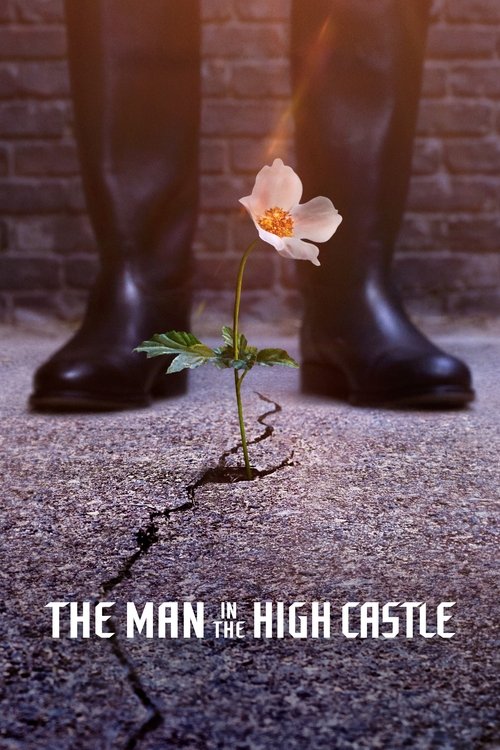
If You Love 1984: Dystopian Series
Television that turned the surveillance nightmare into long-form horror
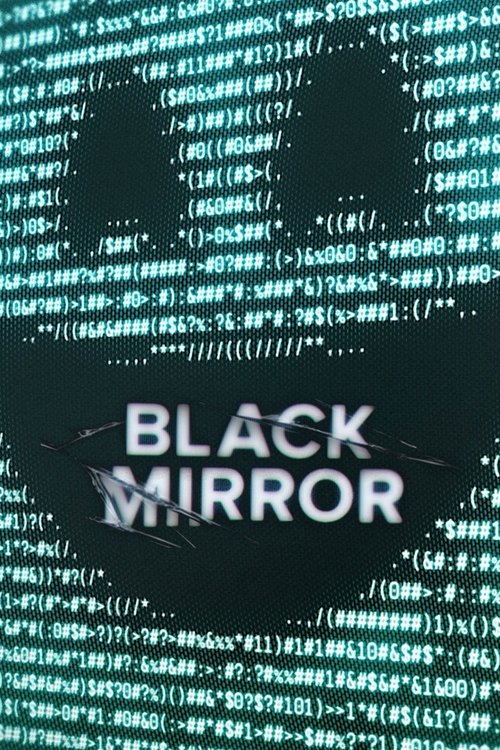

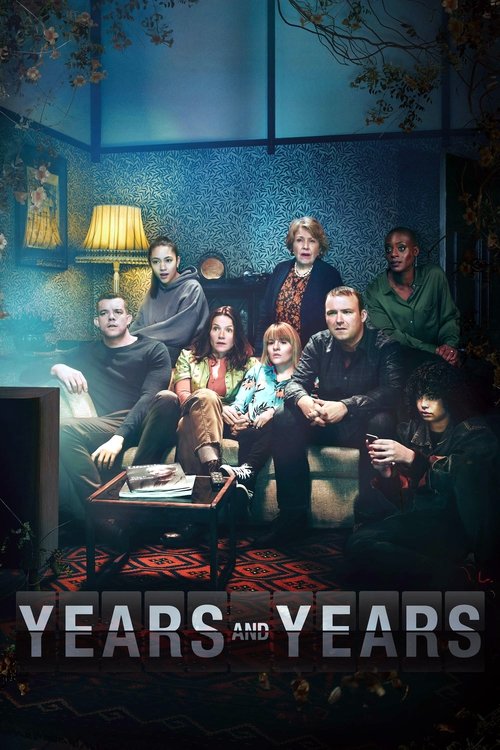

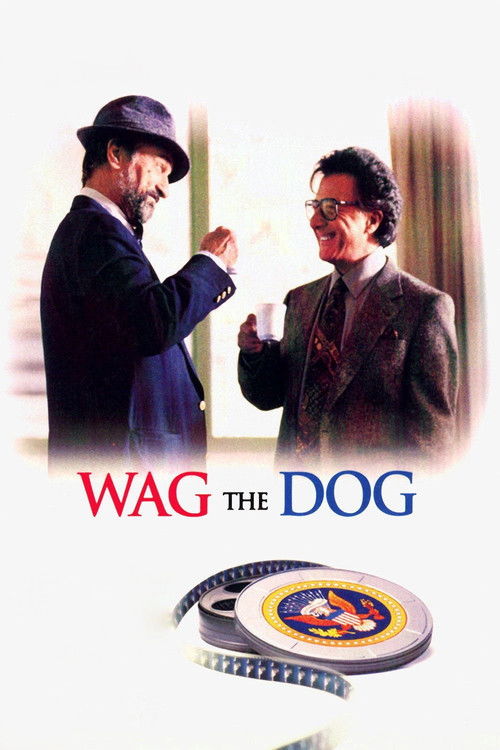
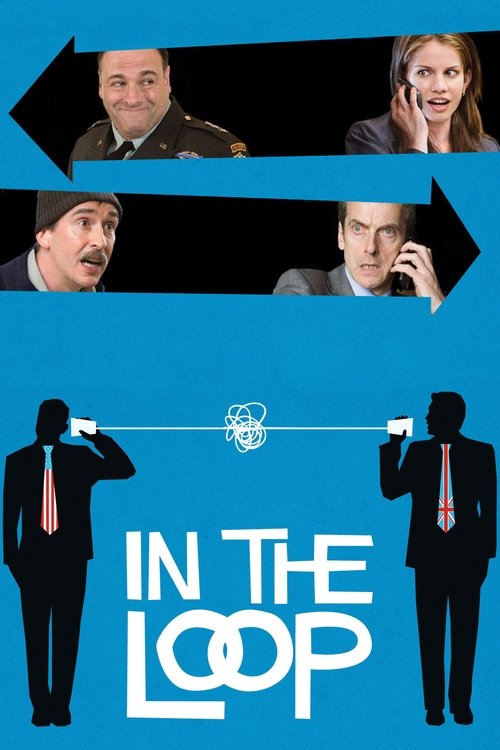
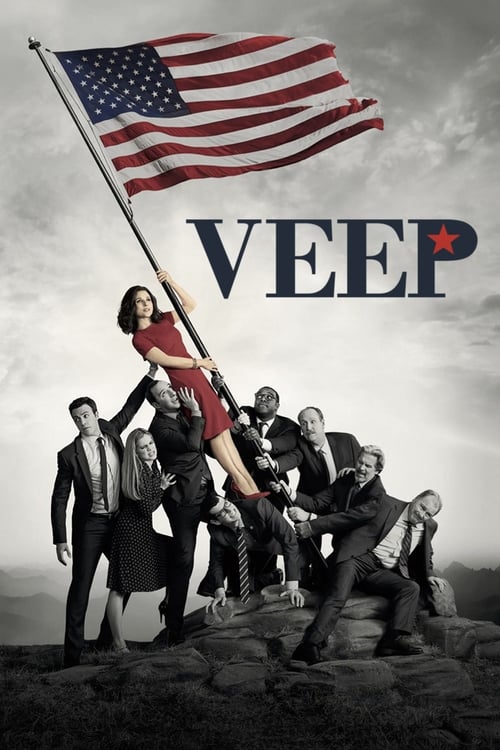
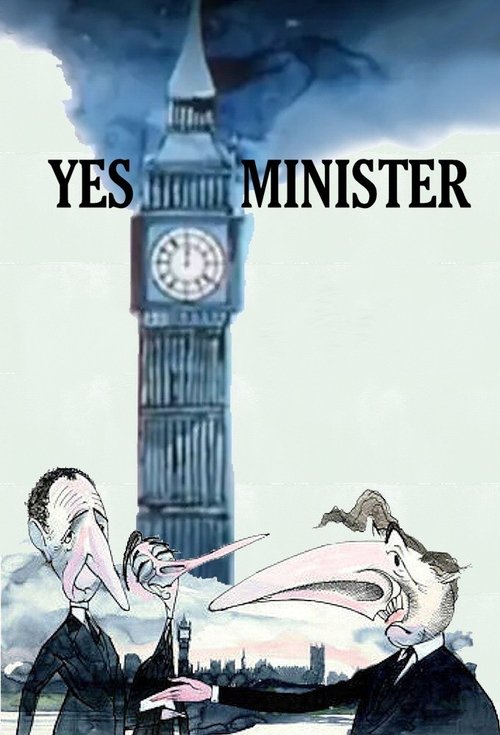
If You Love Animal Farm: Political Satire and Allegory on Screen
Power corrupts; these films and shows anatomize exactly how
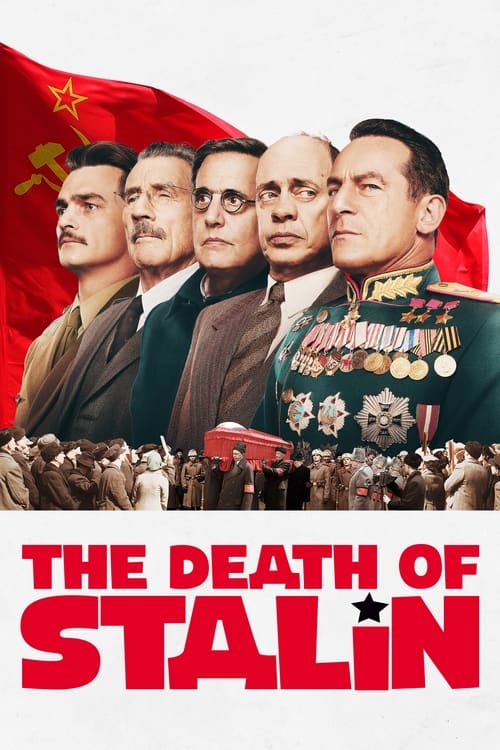
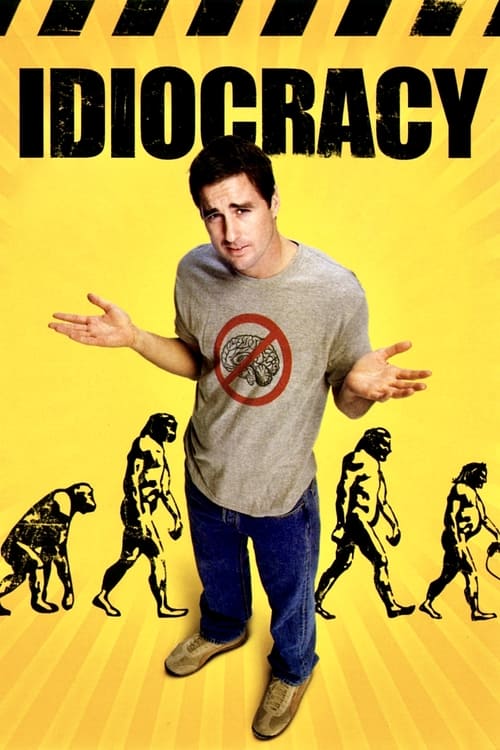
If You Love Orwell's Books: Essential Dystopian Literature
Authors who share his obsessions: language, power, the costs of conformity


If You Love Orwell's Themes: Games of Control and Resistance
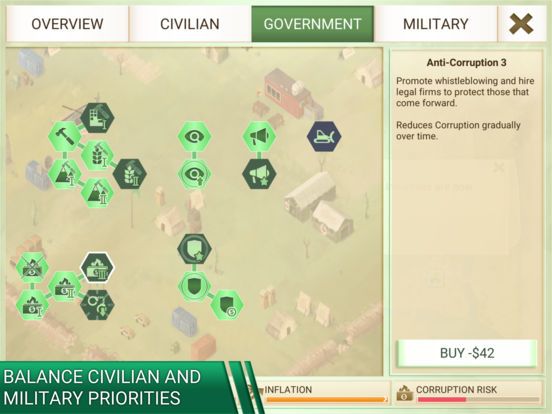
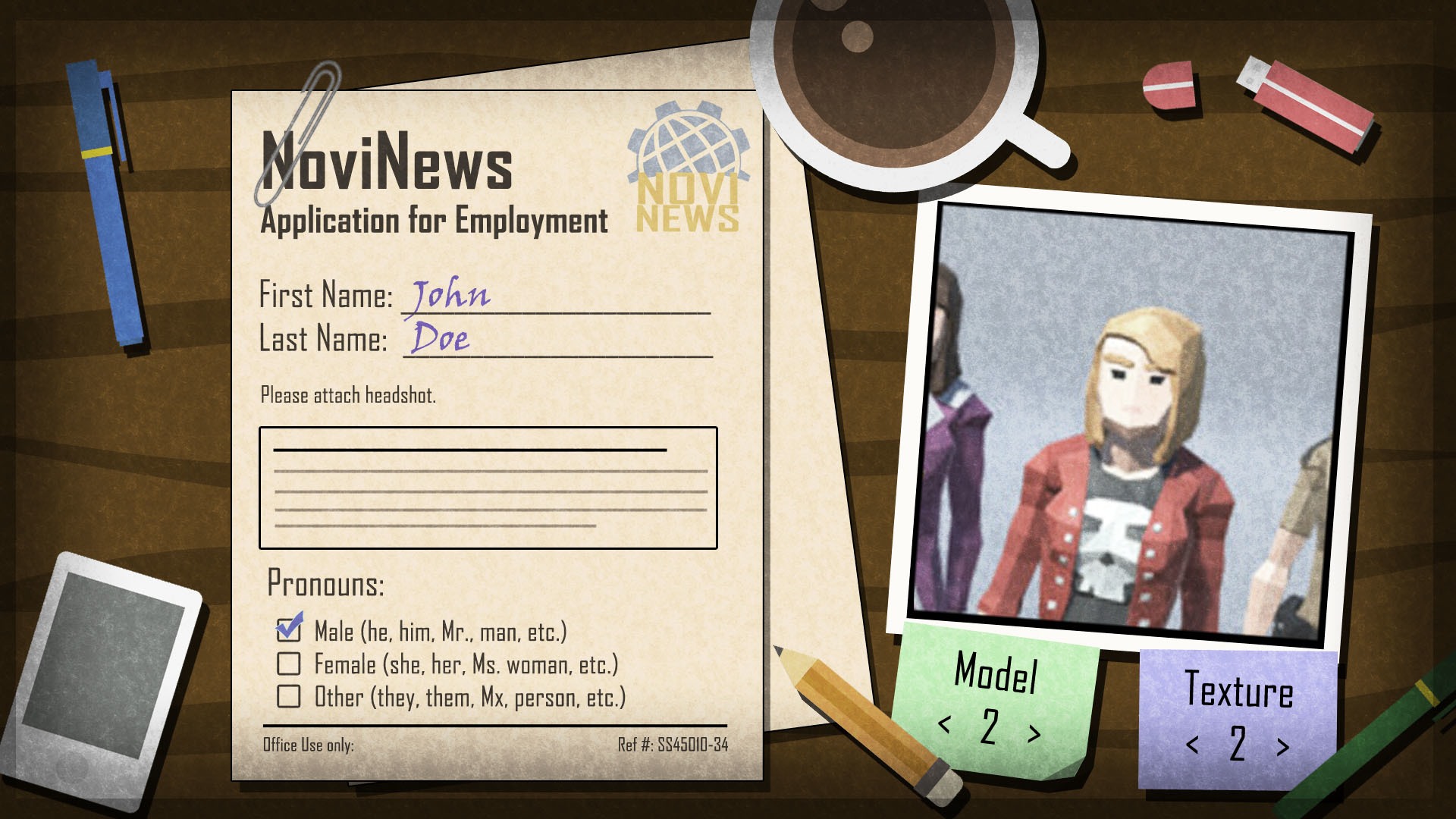
Games that put you inside surveillance states, authoritarian machines, and propaganda wars
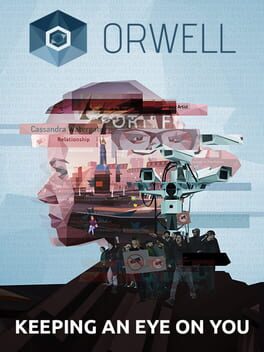
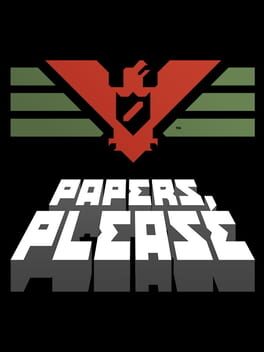
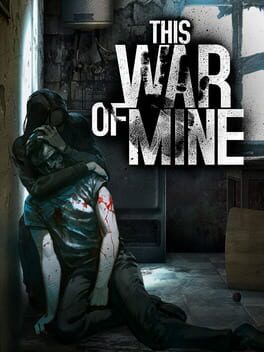
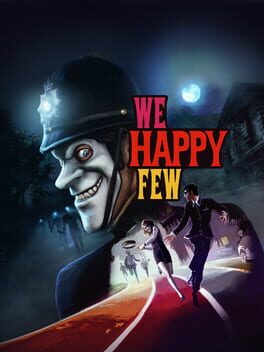
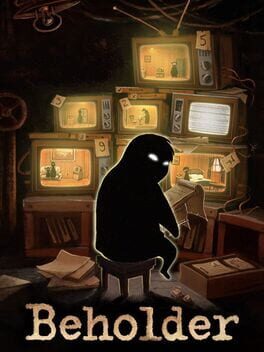
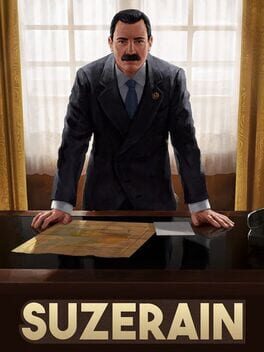
Animal Farm is not a children's book
Animal Farm is almost always taught too young, which lets it be absorbed as a simple fable and then dismissed. Read as an adult with any knowledge of Stalinist history, it is a precise and savage document: each betrayal maps to a real event, each slogan to a real shift in official truth. The genius is the flatness of Orwell's prose, which mirrors exactly how propaganda works -- it numbs you into accepting each incremental outrage as reasonable. The pigs do not seize power overnight. They renegotiate it one small compromise at a time.
Homage to Catalonia is his best book
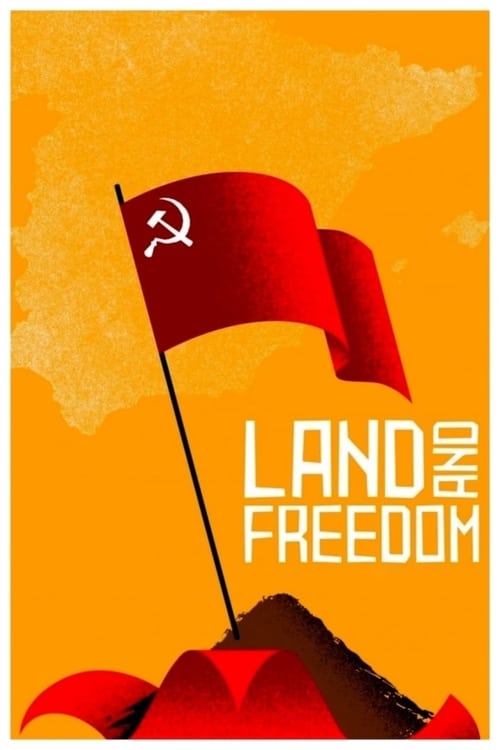
The novels get the fame, but the journalism is where Orwell is most fully himself. Homage to Catalonia is a war memoir about the Spanish Civil War that keeps correcting its own certainties -- he arrives with convictions and leaves with wounds and doubts. No other political writer of his era was as willing to admit when his side lied, killed, or betrayed its own principles. That willingness is exactly what makes him worth reading now: he models what honest engagement with politics actually looks like.
Papers, Please captures the Orwellian condition better than most films
Papers, Please is the most Orwellian artifact in any medium since 1984 itself. You play a border inspector in a fictional totalitarian state: your job is to check documents, find discrepancies, and process people. The horror accumulates through mechanical routine. You deny entry to a mother. You stamp a death warrant without intending to. The game never lectures; it just hands you the apparatus and waits. Orwell spent his whole career trying to make readers feel what it is to be inside the machine. This game does it in an afternoon.
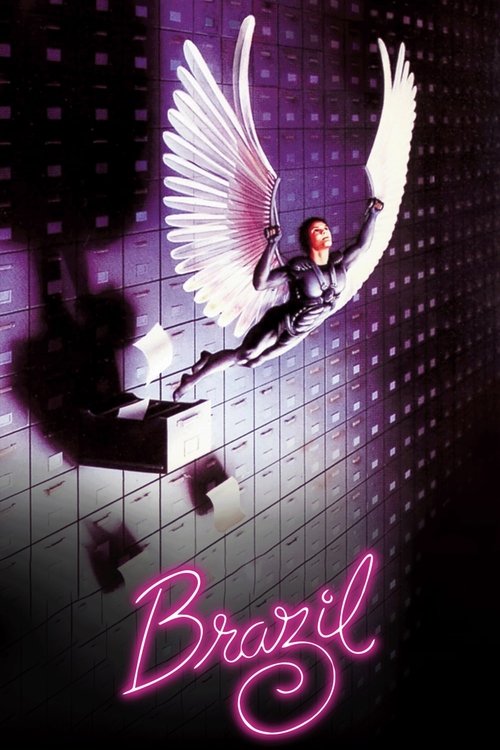
Terry Gilliam's Brazil is the 1984 that got made
Brazil arrived in 1985, one year after 1984, and where Michael Radford's faithful adaptation was sombre, Gilliam made the bureaucracy funny -- which is more frightening. The joke in Brazil is that the totalitarian state is not a monolith of evil: it is a maintenance backlog, a misplaced memo, a plumber sent to the wrong address. Orwell understood this too. His Ministry of Truth is staffed not by monsters but by clerks doing their jobs carefully. Brazil is the version that makes you laugh before it horrifies you, which is closer to how systems actually work.
Orwell's World and Its Echoes
- 1903Eric Arthur Blair born in Motihari, British India
- 1928Moves to Paris, begins the life that becomes Down and Out in Paris and London
- 1933First book published under the pen name George Orwell
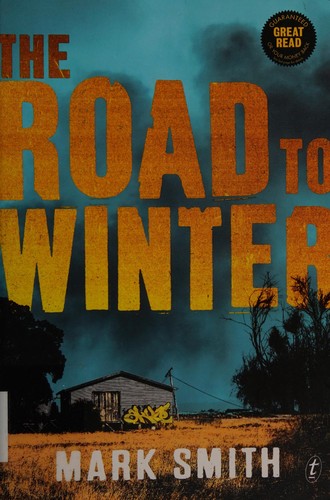
- 1936Travels to Wigan to document working-class poverty The road to winter
- 1937Fights in the Spanish Civil War for the POUM militia; shot through the throat Homage to Catalonia
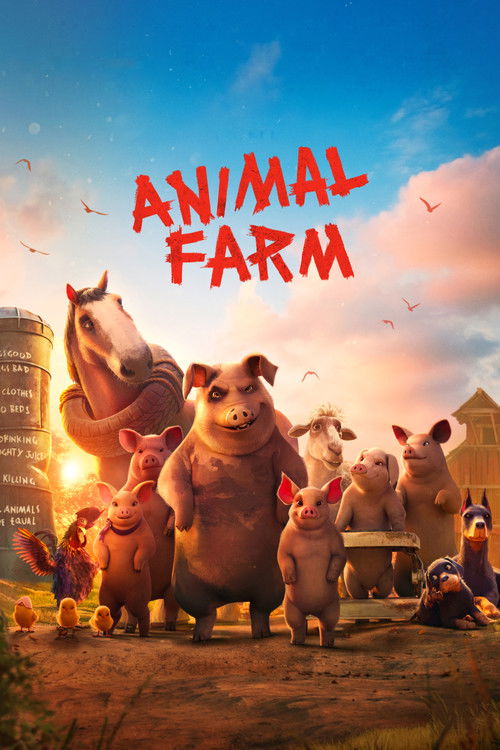
- 1945Animal Farm published after being rejected by four publishers for its political allegory Animal Farm
- 1948Completes Nineteen Eighty-Four while gravely ill on Jura; title inverts the year Nineteen Eighty-Four
- 1950Dies of tuberculosis aged 46
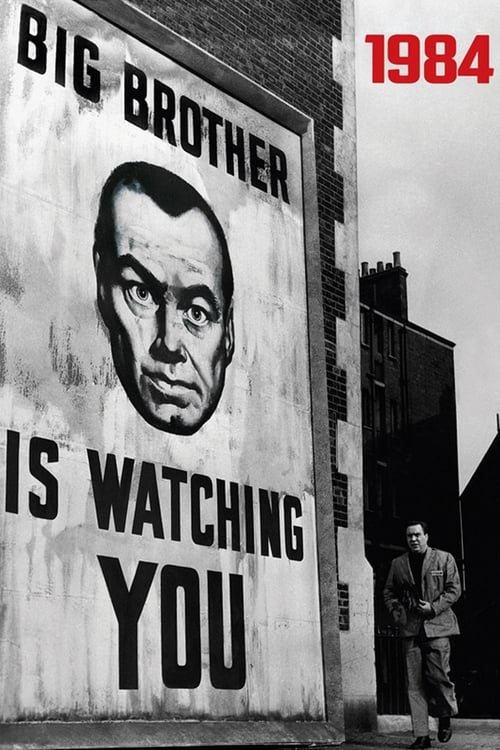
- 1956First film adaptation of 1984 released 1984
- 1984Michael Radford's definitive film adaptation, with John Hurt as Winston Smith Nineteen Eighty-Four
- 2013Edward Snowden revelations drive 1984 sales up 7,000%; Orwell's vocabulary enters the news cycle
- 2014Papers, Please wins BAFTA; brings Orwellian bureaucracy to games Papers, Please
- 2016Orwell: Keeping an Eye on You released, a surveillance-state game literally named for him Orwell: Keeping an Eye on You
More Dystopia and State Control
Dystopian Societies
Explore the Dystopian Societies guide →In a time of deceit, telling the truth is a revolutionary act.Attributed to George Orwell