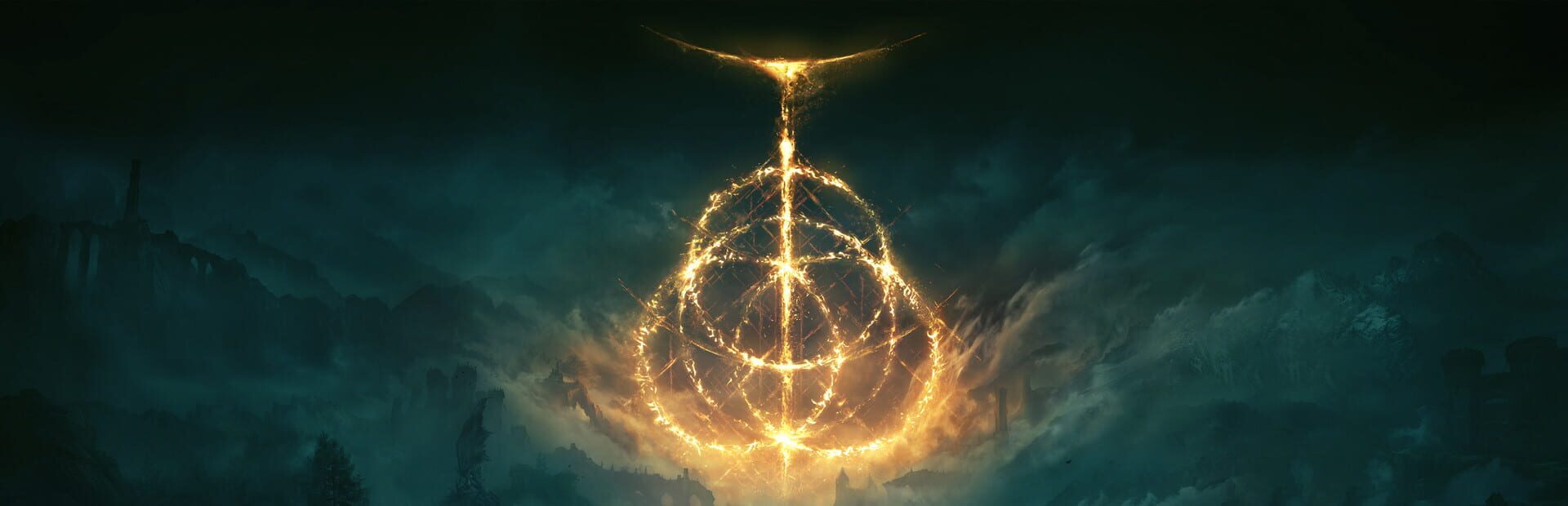

Hidetaka Miyazaki joined FromSoftware as a mid-career programmer, became a director almost by accident, and proceeded to reshape what games can demand of their players. His Souls lineage, from Demon's Souls through Elden Ring, shares a grammar: sparse story told through item descriptions and environmental staging, worlds that feel genuinely indifferent to the player, and a difficulty curve that doubles as a narrative device. Death is not punishment, it is punctuation. The through-line a fan loves is the sensation of hard-won understanding, of a hostile world slowly becoming legible, and of atmosphere so thick you can almost taste the ash and the rot. That sensation lives in other places, too: in grimdark fiction soaked in moral ambiguity, in cosmic-horror films that refuse to explain themselves, in dark-fantasy novels where the gods are cruel and the heroes are merely the least broken survivors.
Essential Hidetaka Miyazaki
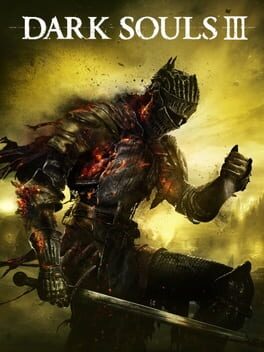
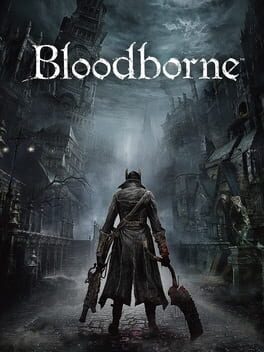
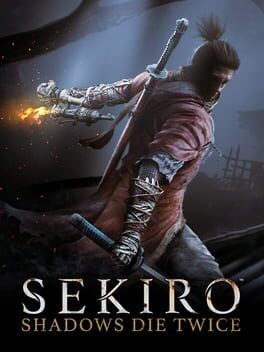
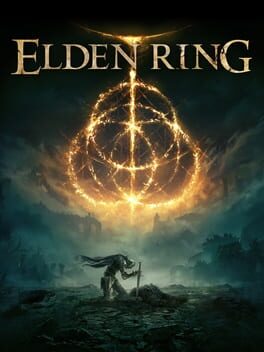
The core FromSoftware catalog he directed, in the order they reshaped the medium
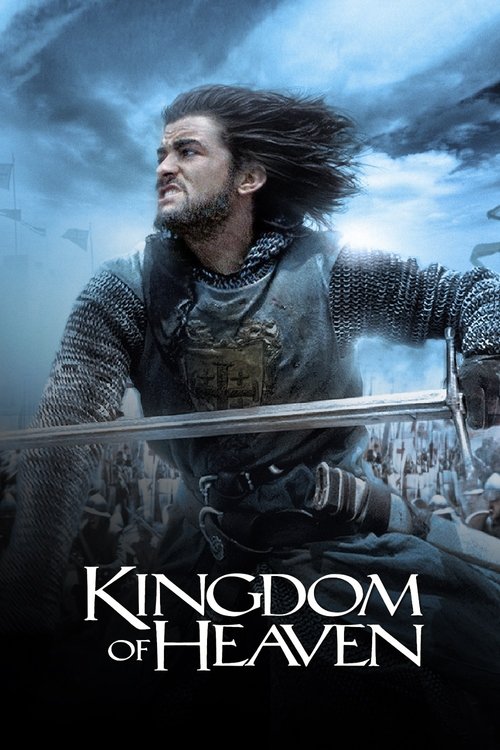
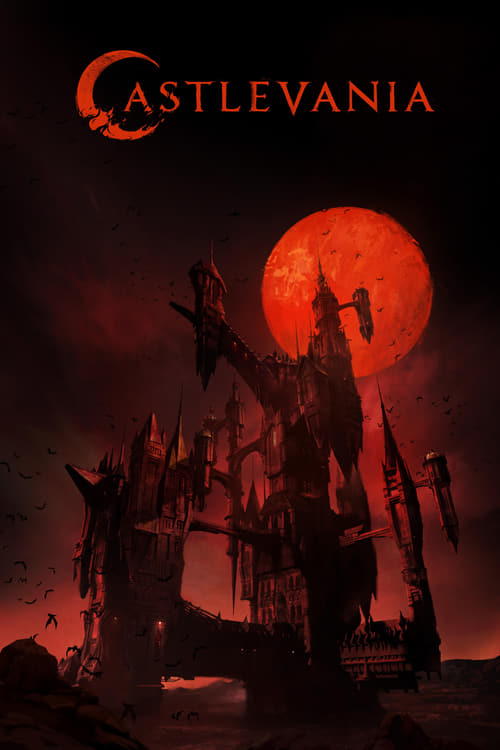
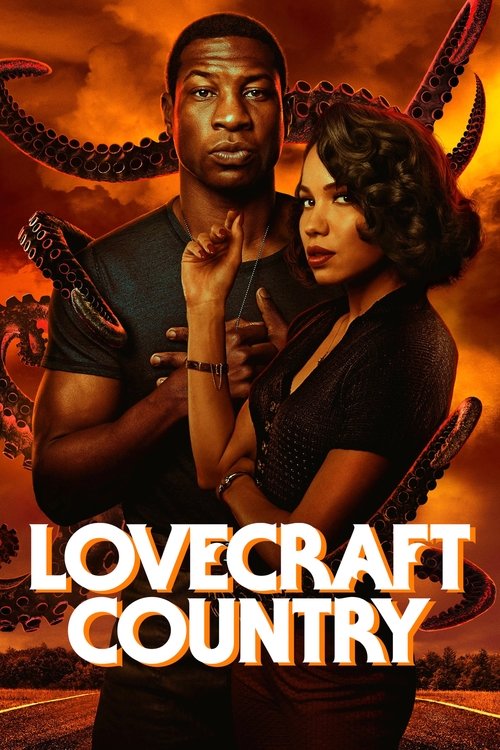
If You Love the Grimdark Tone
Films and series that share the same moral exhaustion and beauty in decay

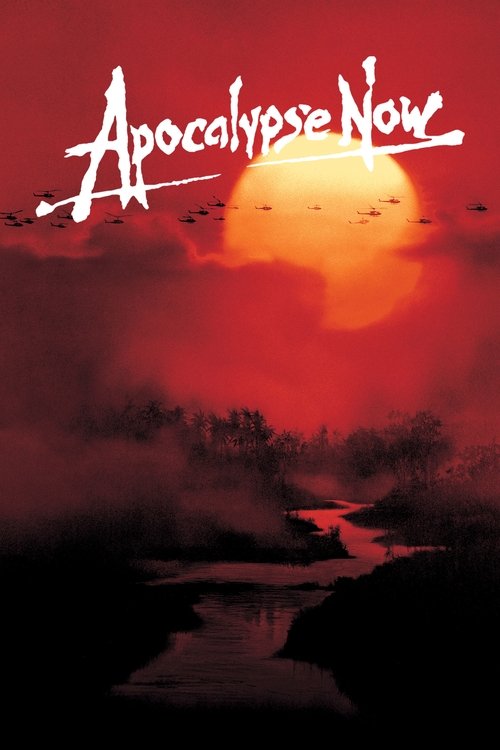
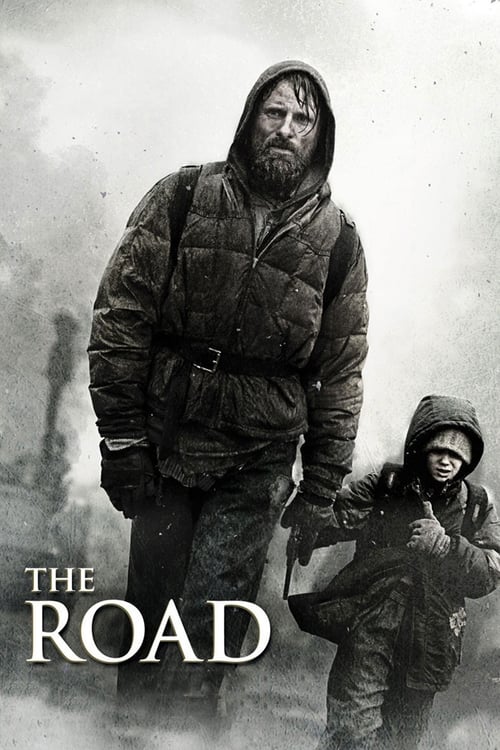
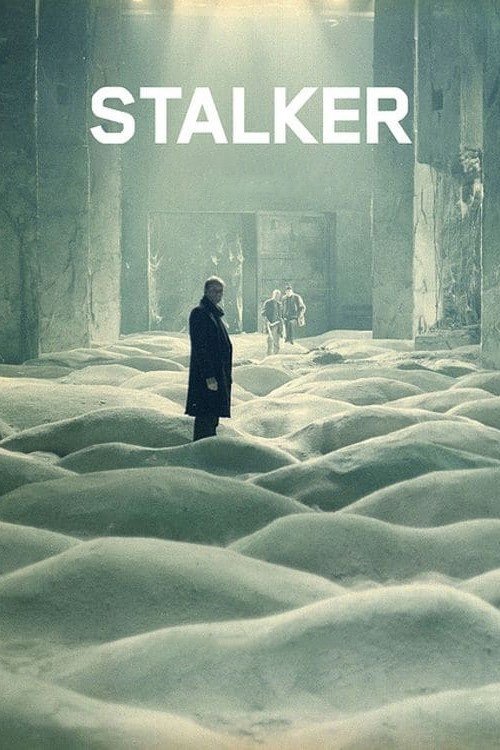
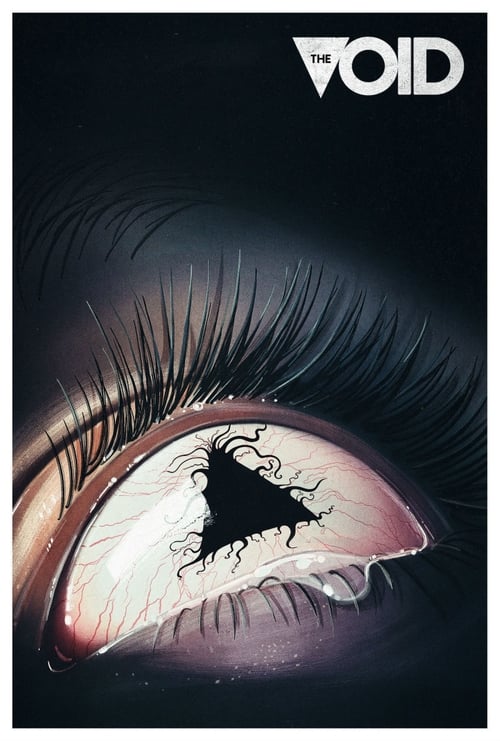
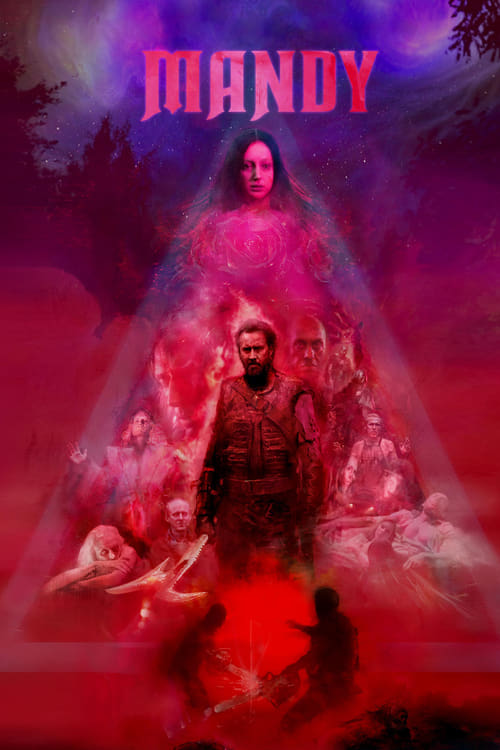
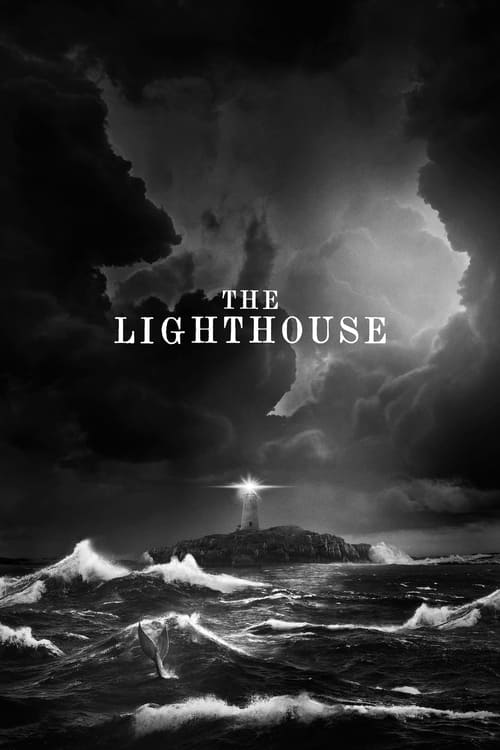
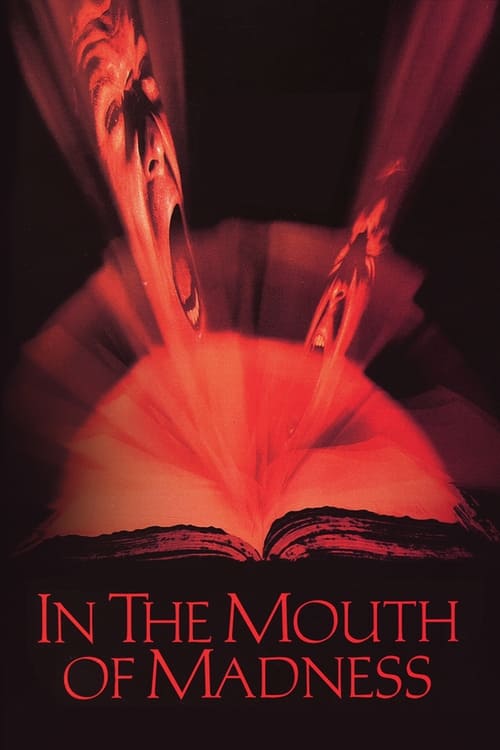
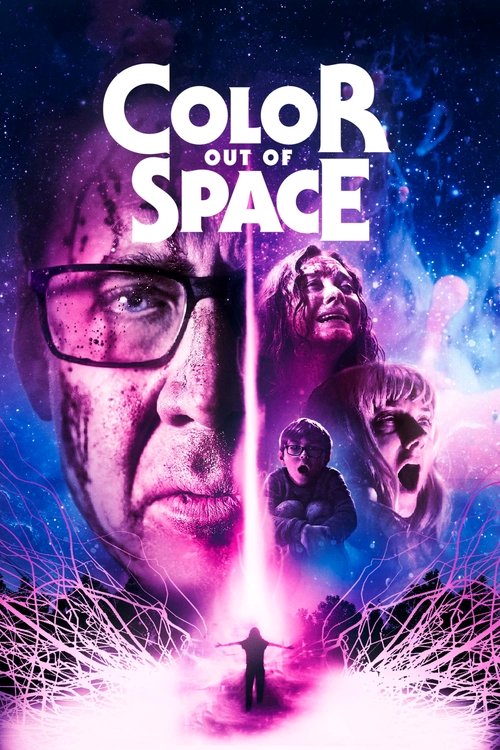
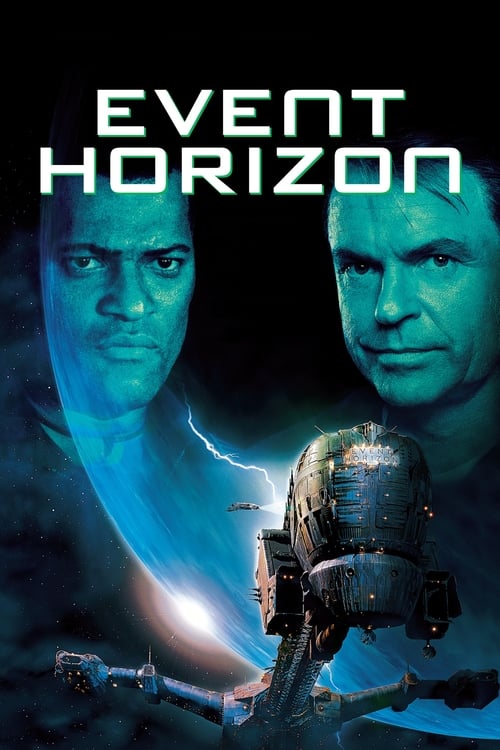
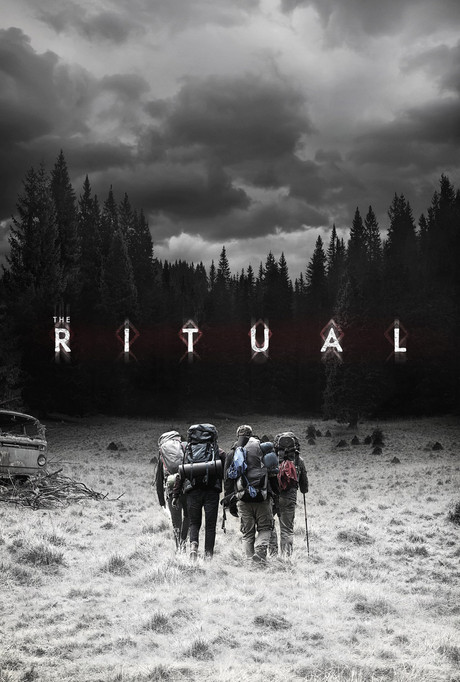
If You Love the Cosmic Horror
When Bloodborne replaced the undead curse with eldritch madness, it tapped something older. These films and series live there too.

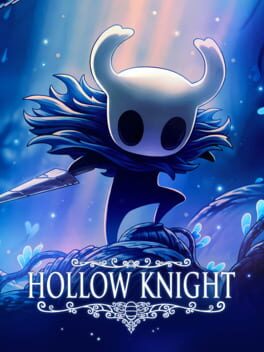
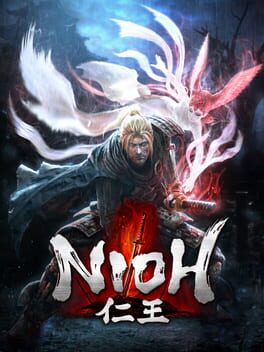
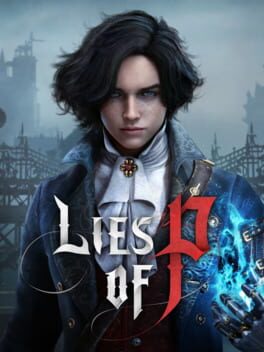
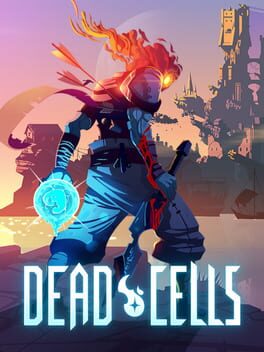
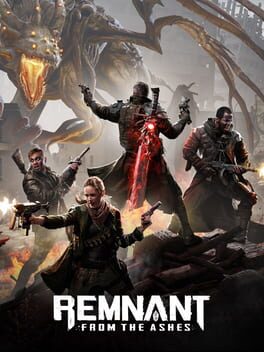
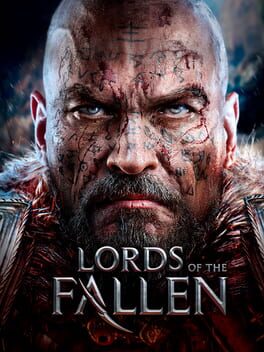
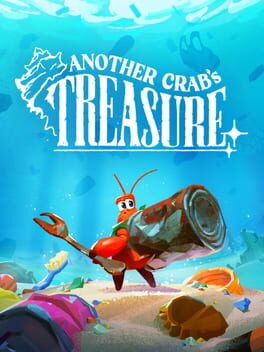
If You Love Punishing, Atmospheric Games
Other games that demand the same patience, reward curiosity, and build worlds through silence and wreckage
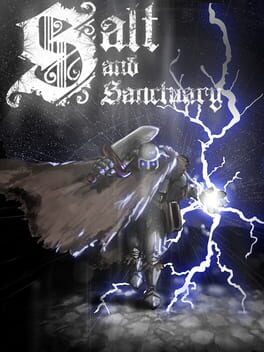
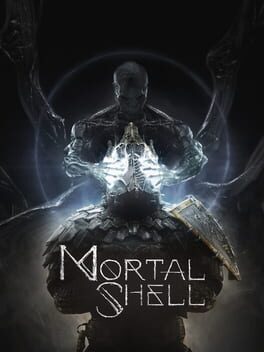
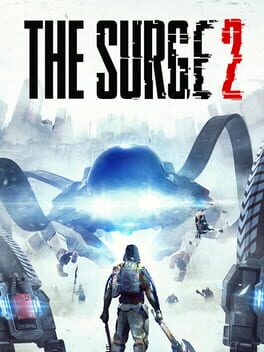
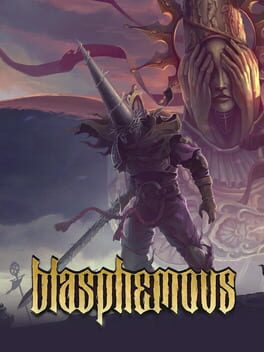
If You Love the Dark Fantasy and Cosmic Horror in Books
The novels whose lore, despair, and strange beauty echo what Miyazaki builds in code


Difficulty Is a Narrative Device
Miyazaki's most misunderstood choice is not the death system, it is the refusal to explain. Item descriptions, fragments of dialogue, and environmental staging do more storytelling work per pixel than most games manage with cutscenes and voiced monologues. The player earns comprehension. When Berserk or Gene Wolfe's Book of the New Sun do the same thing in their own medium, the effect is identical: the reader leans in, piece by piece, until the picture snaps into focus and the weight of it lands all at once.
Bloodborne Owes a Debt to Lovecraft and Poe
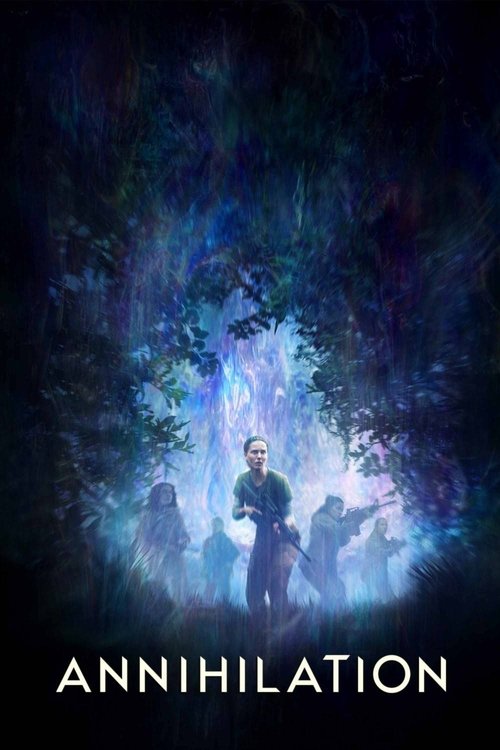
Bloodborne is the most literary of Miyazaki's games, rooted visibly in Lovecraft's cosmic indifferentism and Poe's dread of hidden knowledge. The city of Yharnam is a city where curiosity is lethal, which is exactly the lesson of Lovecraftian fiction. Films like Annihilation and The Lighthouse understand the same grammar: investigation as a path toward obliteration, sanity as a liability. If Bloodborne made you feel something, these films will not disappoint.
Elden Ring Is the Open-World Formula Turned Inside Out
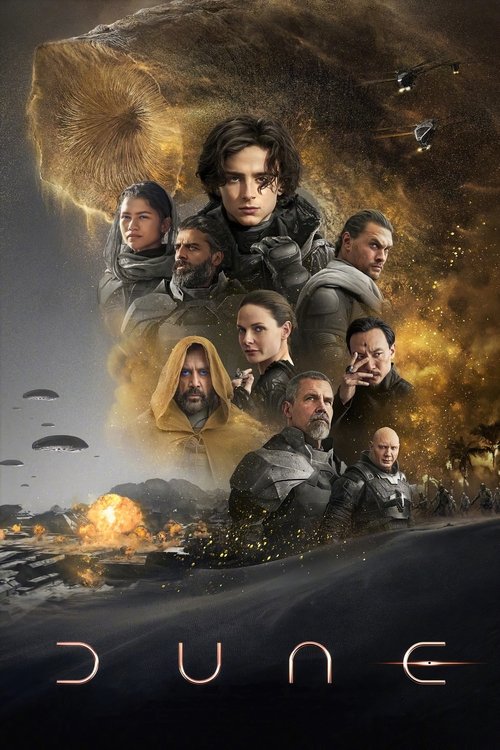
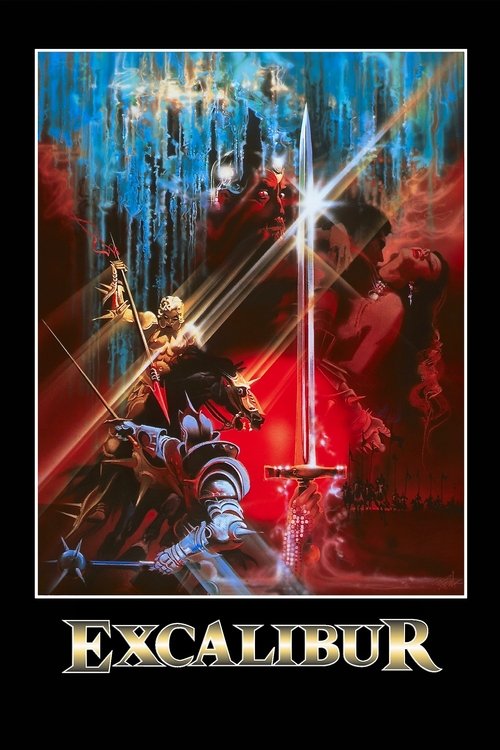
Where most open-world games fill space with waypoints and quest markers, Elden Ring fills it with questions. Every structure you see on the horizon demands nothing from you, but compels you anyway. The Lands Between owes a debt to Tolkien's sense that a world existed before the player arrived and will continue after, and to the grimdark tradition of Joe Abercrombie, where heroic questing is revealed as something more morally ambiguous the closer you look.
Sekiro Is a Samurai Film Played at Sword-Point
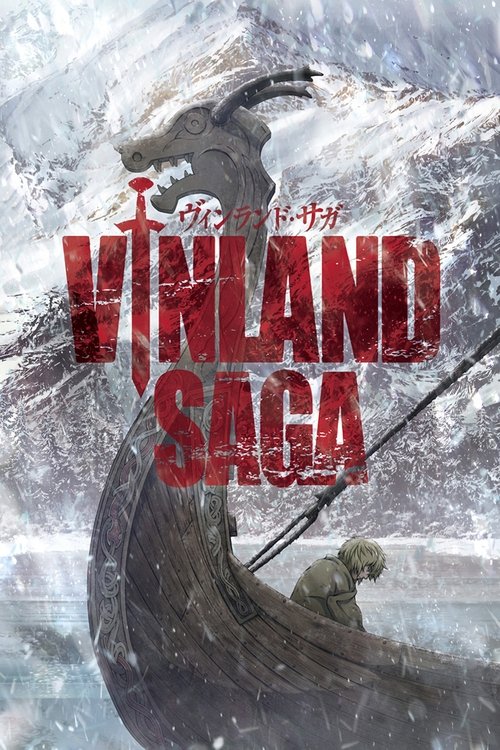
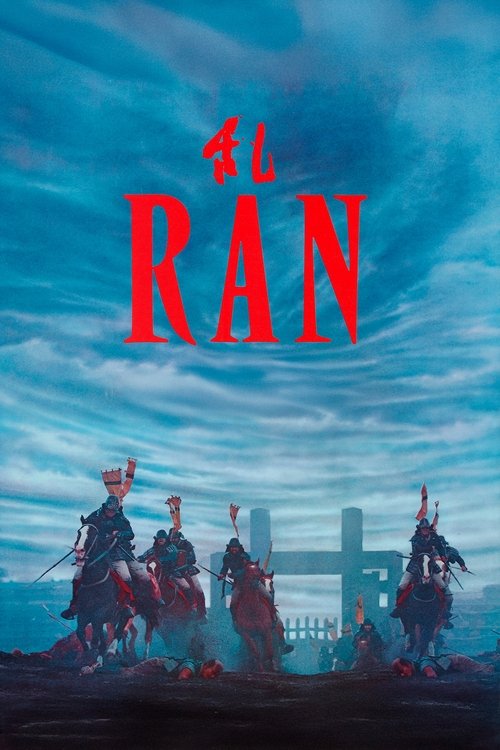
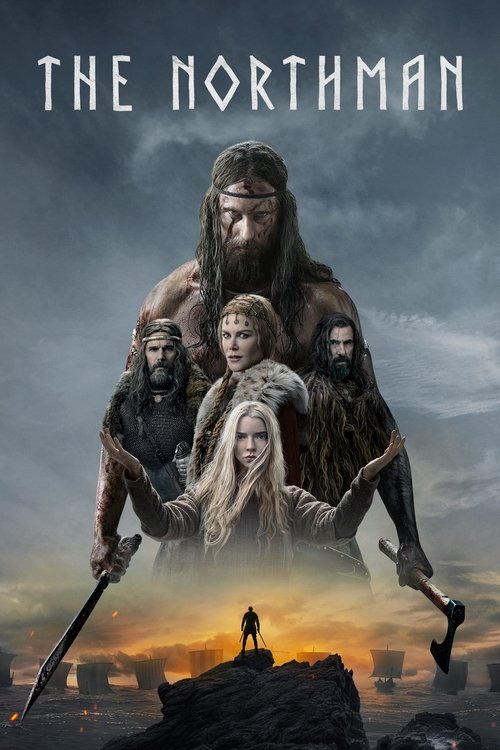
Miyazaki's Sekiro is less Souls and more kurosawa: a tightly choreographed samurai revenge story where combat is a conversation of parries and counters rather than a war of attrition. Ran, Sanjuro, and Thirteen Assassins live in the same register, where violence is treated with weight and precision rather than spectacle. Vinland Saga and the manga Vagabond (adapted loosely from Musashi) understand that same economy of force.
A Timeline of Miyazaki's Major Works
- 2009Demon's Souls launches, introducing the Souls formula Demon's Souls
- 2011Dark Souls expands the open interconnected world design Dark Souls
- 2014Dark Souls II (not directed by Miyazaki) keeps the formula alive under new directors Dark Souls II
- 2015Bloodborne brings Victorian cosmic horror to PS4 exclusively Bloodborne
- 2016Dark Souls III closes the Lordran saga Dark Souls III
- 2019Sekiro: Shadows Die Twice wins Game of the Year Sekiro: Shadows Die Twice
- 2022Elden Ring, co-conceived with George R.R. Martin, becomes a cultural phenomenon Elden Ring
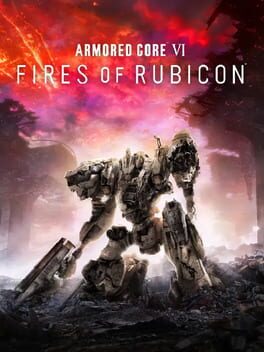
- 2023Armored Core VI marks Miyazaki's return to the mecha series Armored Core VI: Fires of Rubicon
Dark fantasy, cosmic horror, sword and sorcery
For Fans of FromSoftware
Explore the For Fans of FromSoftware guide →I want players to feel a sense of accomplishment, not just of defeating an enemy, but of understanding a world that at first seemed unknowable.Hidetaka Miyazaki