
The Century Japan Built
No country has shaped world cinema and interactive entertainment more decisively than Japan. Within a decade of its postwar occupation, Akira Kurosawa had won the Venice Golden Lion and Yasujiro Ozu was quietly rewriting the grammar of screen composition. The tradition was not born in Hollywood's shadow but in opposition to it: a set of formal and emotional commitments rooted in Buddhist aesthetics, Noh theater, the woodblock print, and the particular Japanese talent for turning rigorous constraint into expressive freedom.
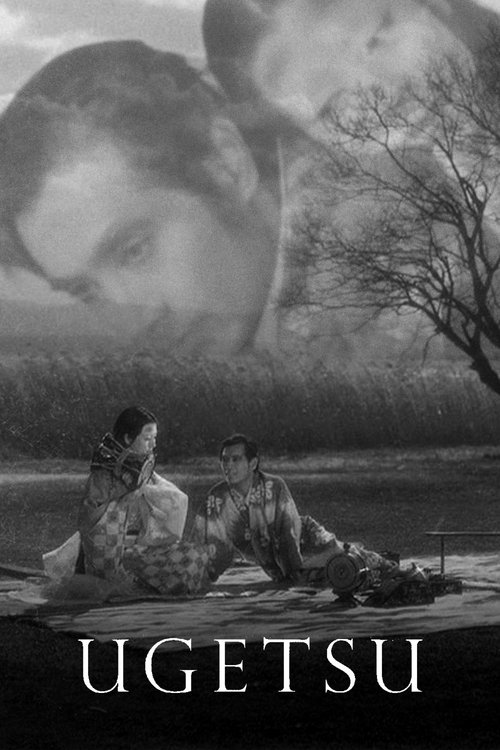
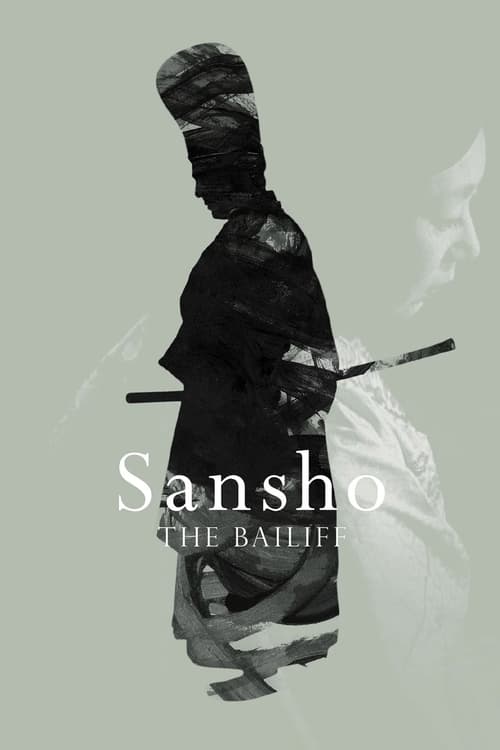
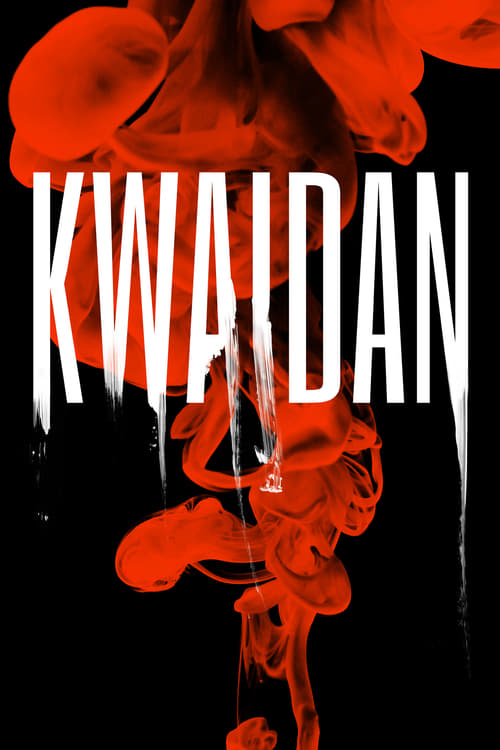
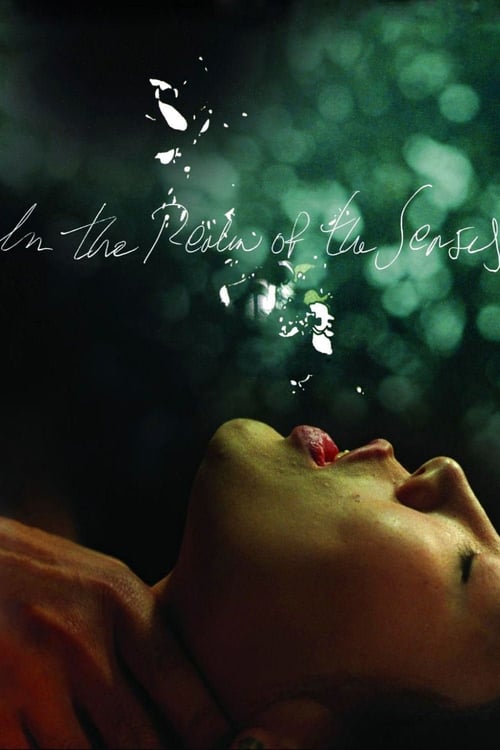
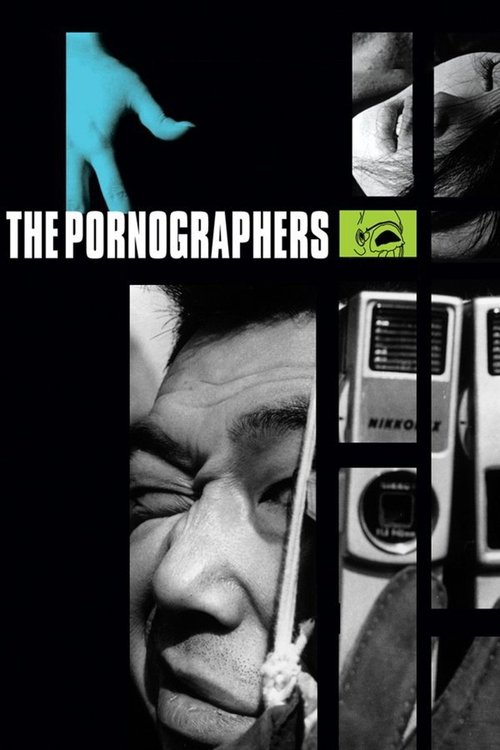
Kurosawa and Ozu are the obvious poles: one operatic, one ascetic. But between them and around them is one of the most varied national cinemas on record. Kenji Mizoguchi's camera moved through Meiji-era Japan with a controlled grief that few directors of any era have matched. Masaki Kobayashi made the most formally severe anti-war film ever committed to colour in Kwaidan. Nagisa Oshima burned the postwar consensus down and kept burning. Hirokazu Kore-eda turns supermarkets and school gyms into sites of quiet devastation.
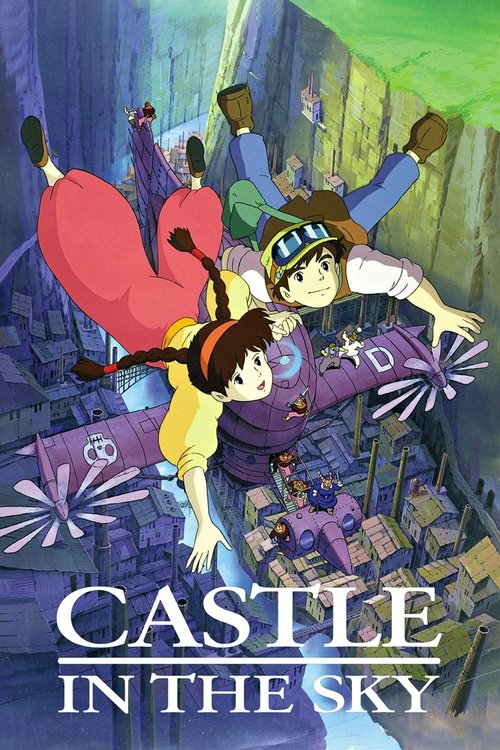
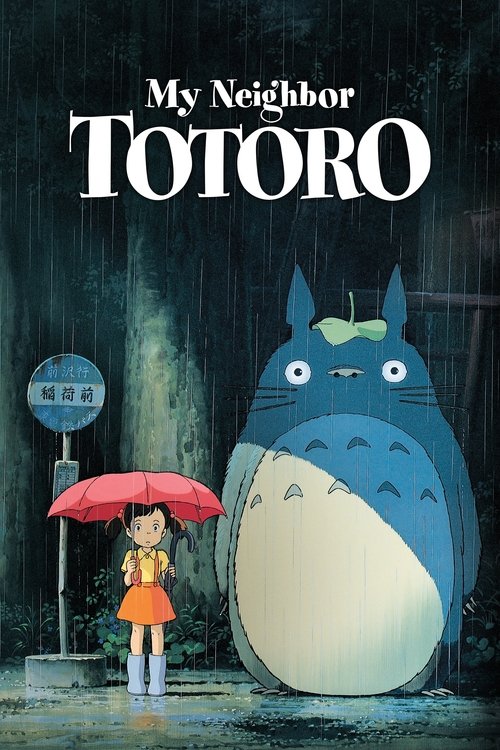
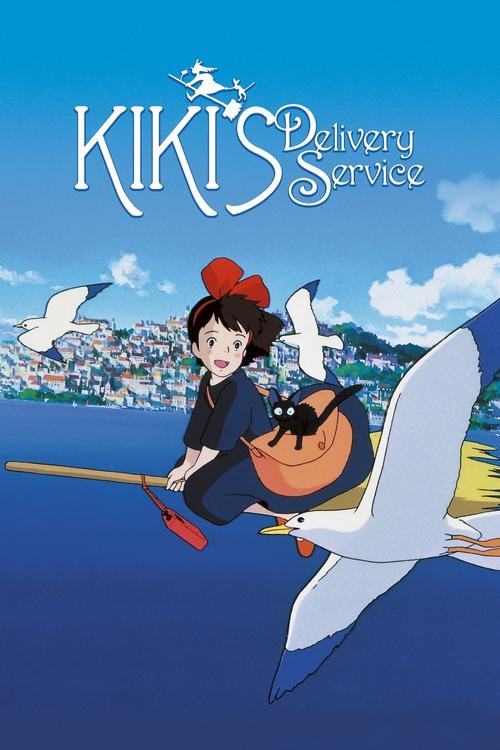
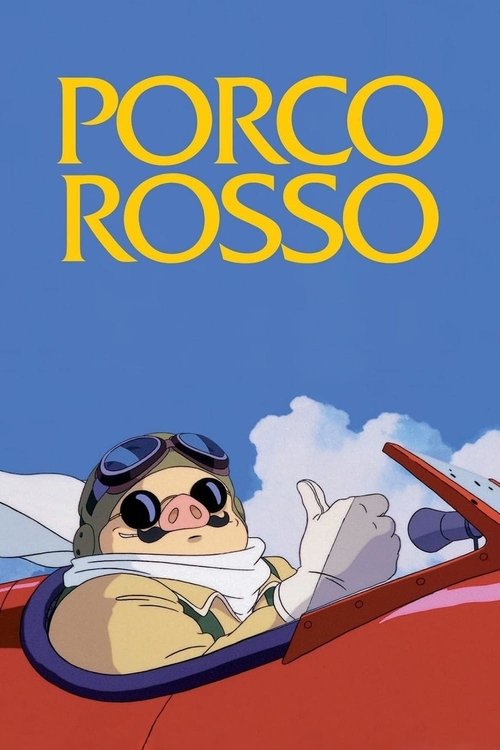
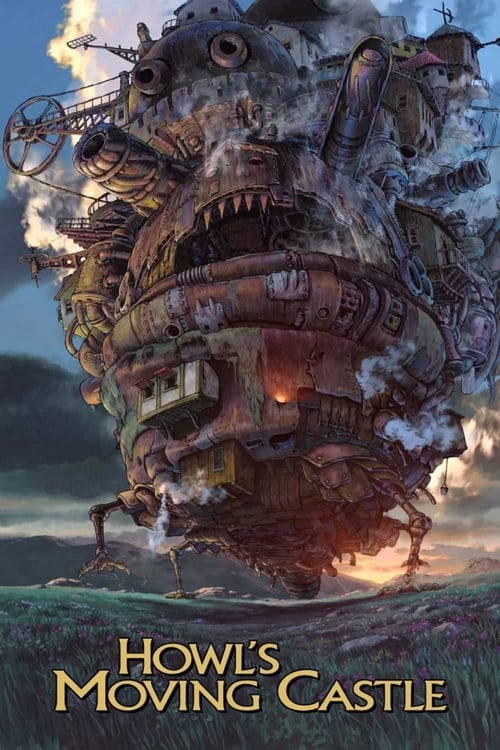
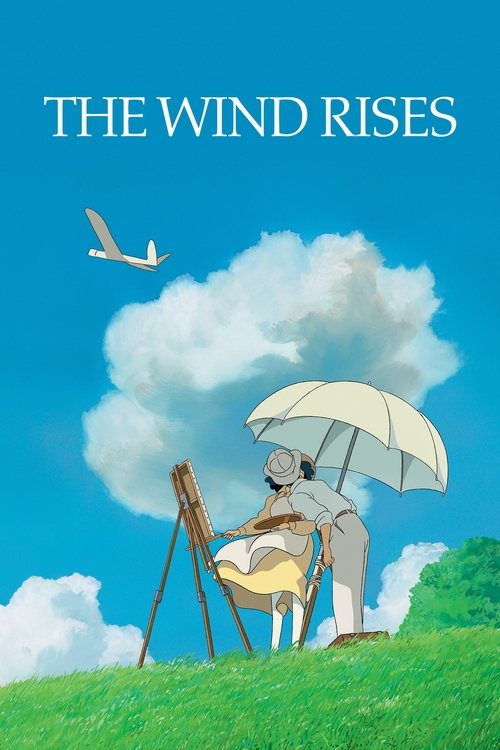
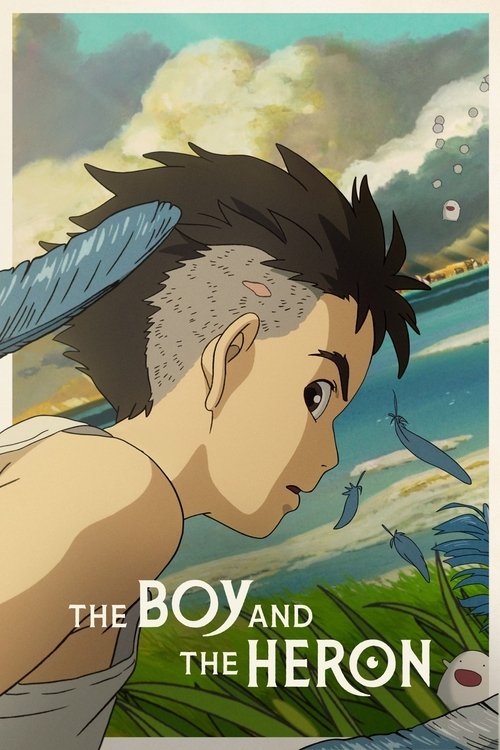
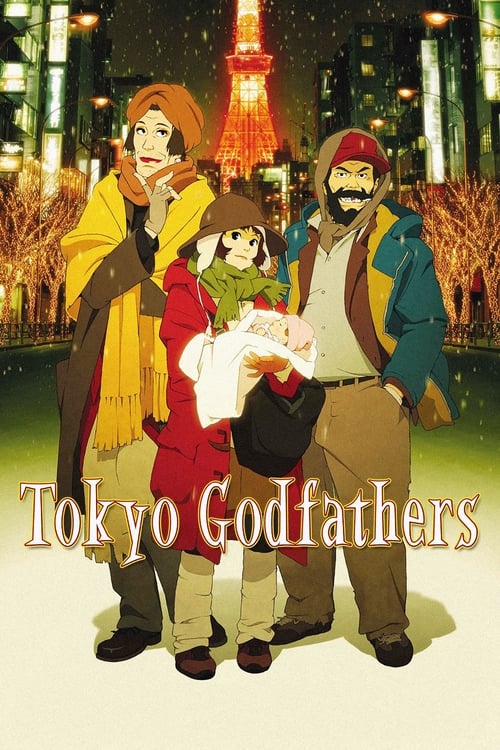
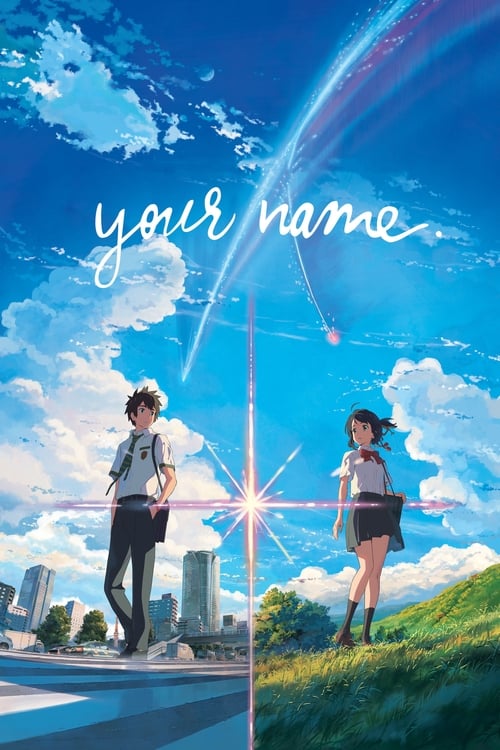
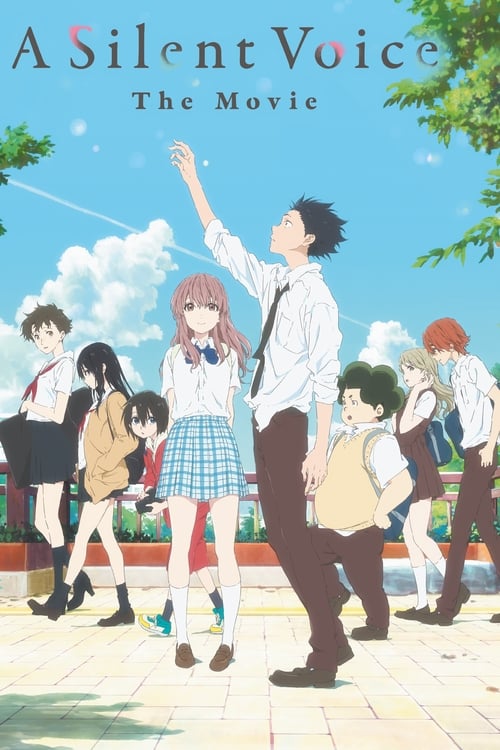
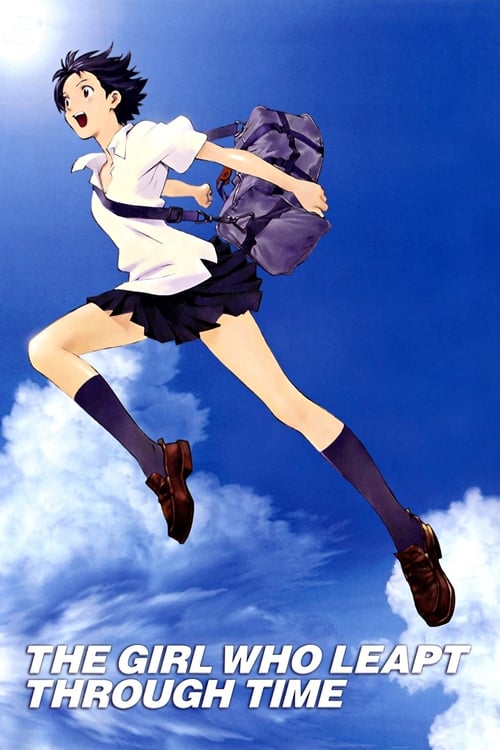
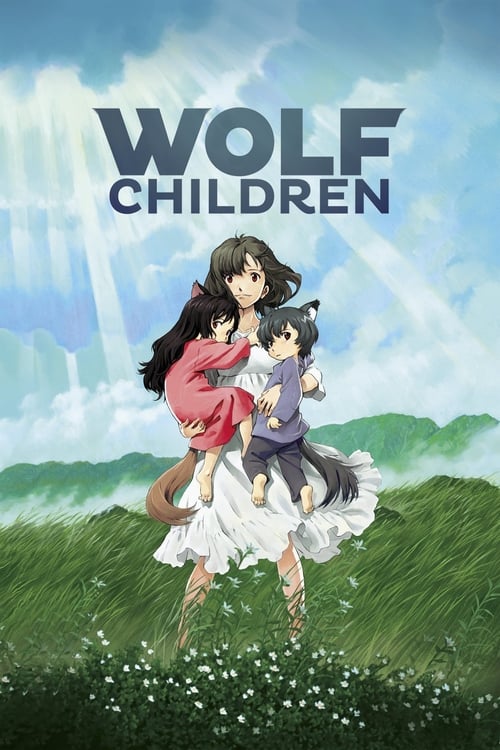
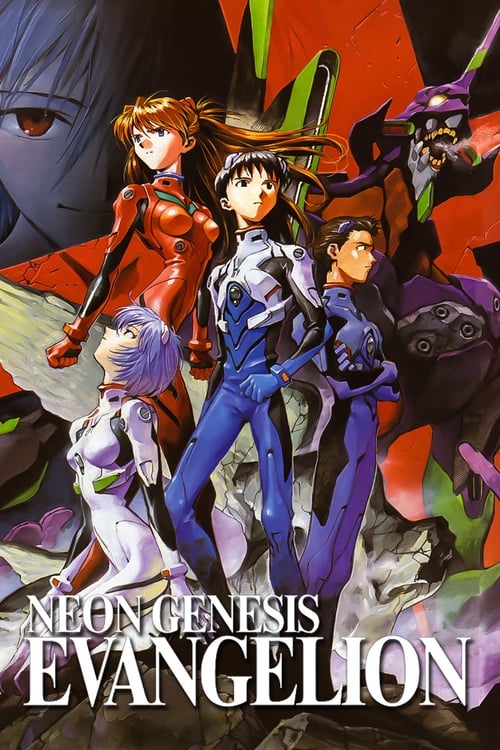
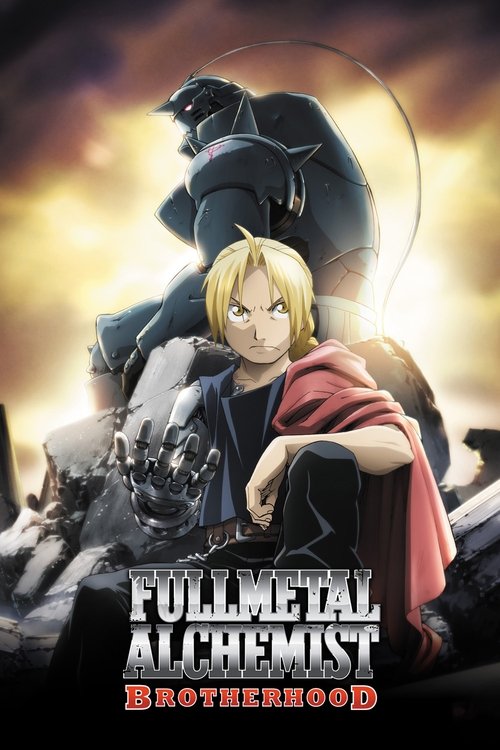
The anime tradition is equally plural. Hayao Miyazaki and Studio Ghibli are beloved globally, but the studio's legacy can obscure how varied the form is: Satoshi Kon's psychological horror, Mamoru Oshii's philosophical science fiction, the ecological grief of Nausicaa, the class consciousness of Grave of the Fireflies. Television anime from Neon Genesis Evangelion to Fullmetal Alchemist have shaped how entire generations understand narrative structure and emotional catharsis.
And then there are the games. Japan did not just produce games; it produced the vocabulary everyone else works in. Nintendo's design philosophy (restraint, clarity, physical joy) underpins virtually every beloved game from any country. FromSoftware has made oppressive architecture into a storytelling language. Capcom, Konami, Square, Sega: the 8-bit and 16-bit catalogue from Japan is effectively the canon of the medium's first generation.
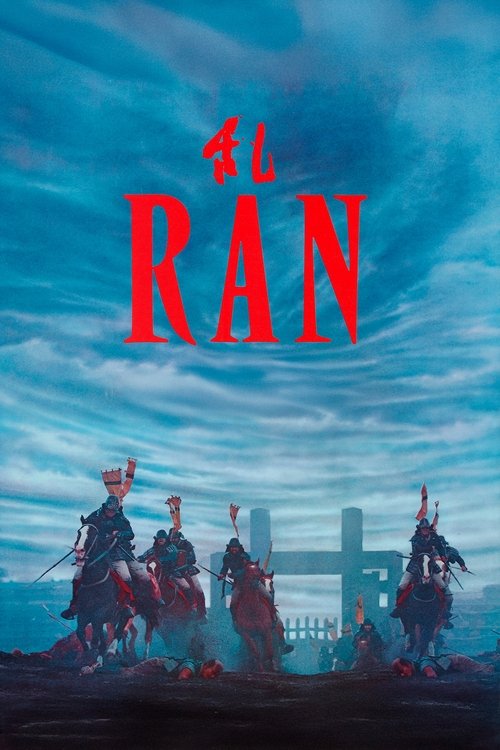
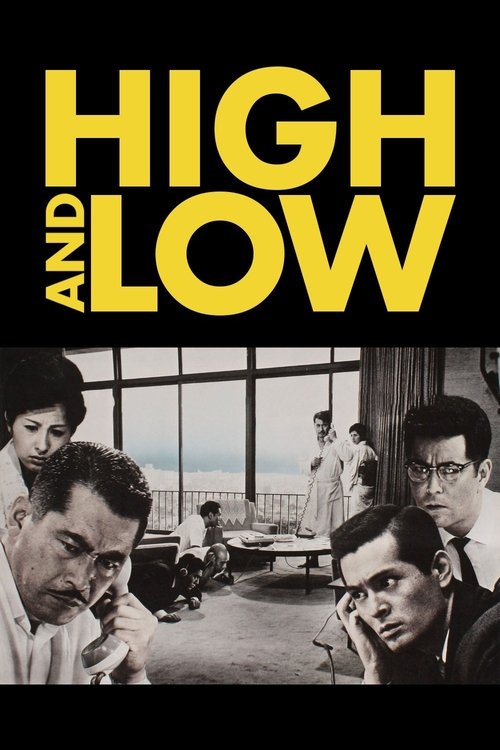
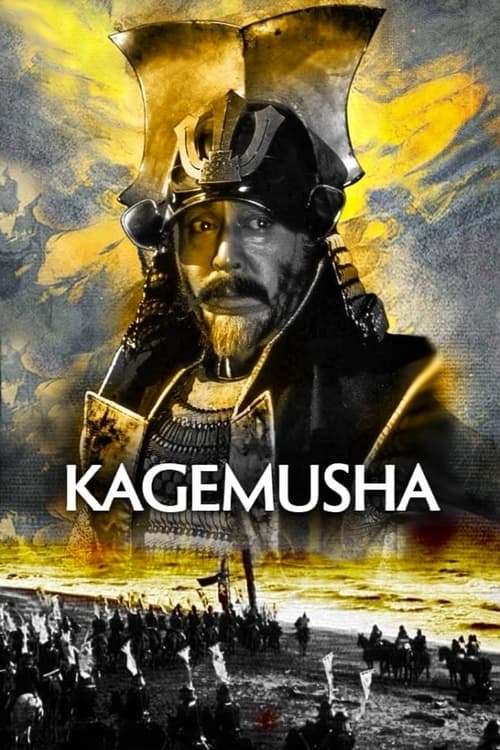
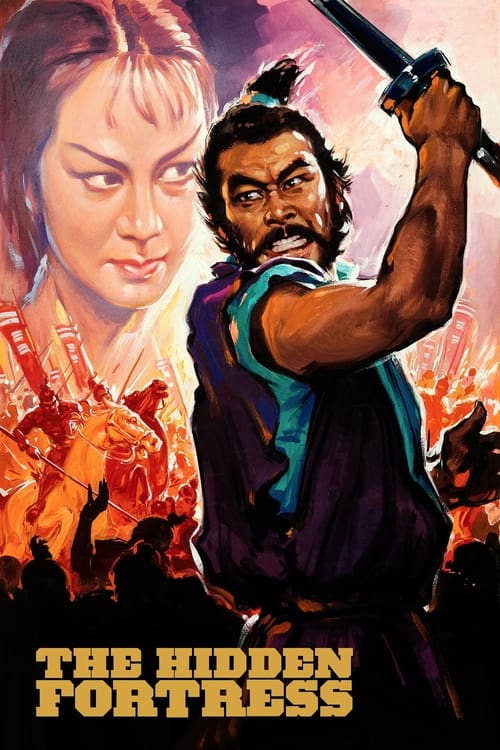
The Kurosawa Essentials
The films that rewired how the world tells stories


Ozu is the director everyone claims to admire and almost nobody actually watches
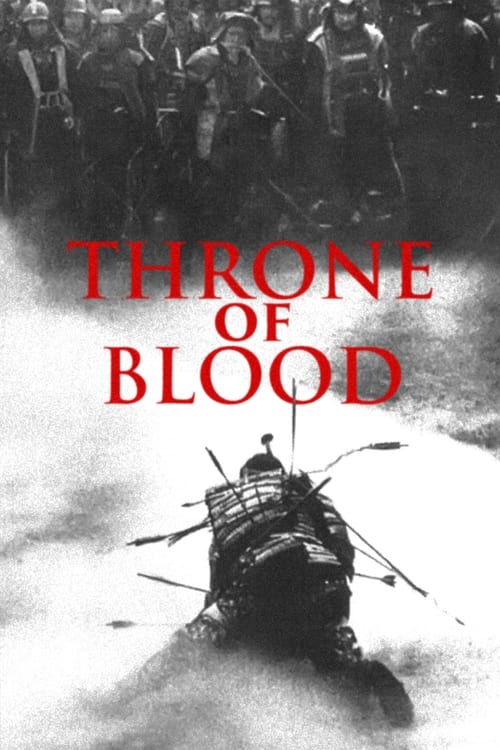
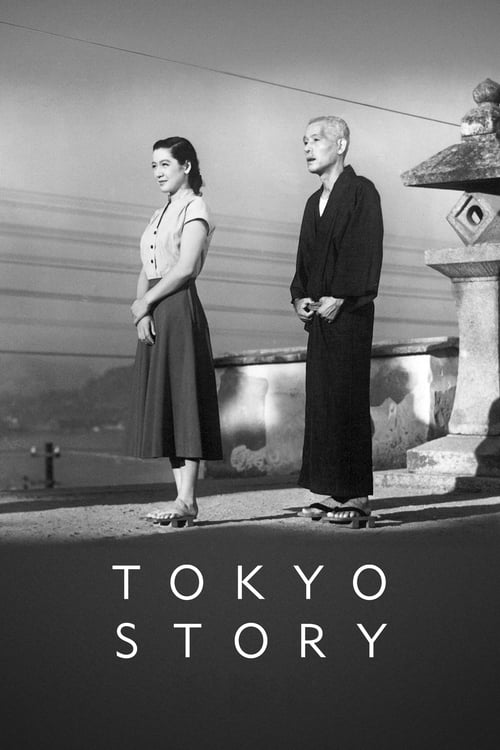
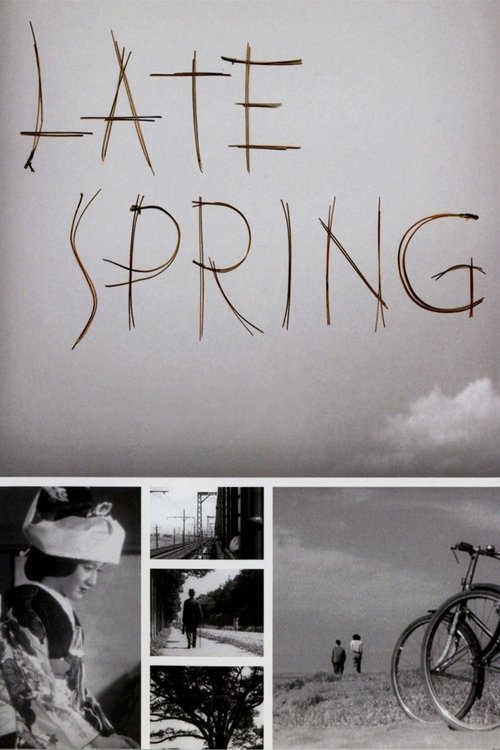
Yasujiro Ozu made roughly fifty films and refined the same domestic subject over and over: parents and adult children, obligation and love, the unbridgeable gap between generations. Tokyo Story is ranked first on virtually every critics poll that has ever been conducted, which means most of the people who cite it have perhaps seen it once, filed it under 'masterpiece,' and never returned. That is a shame, because Ozu requires patience and rewards revisitation in a way that almost no other filmmaker does. The 360-degree floor-level camera, the pillow shots, the refusal to cut on action: these are not stylistic quirks but an entire ethical stance about where the camera should stand in relation to a human being. Watch Late Spring, then Early Summer, then An Autumn Afternoon, and you will start to hear the variations. The sadness accumulates.

Beyond Kurosawa: The Masters
Ozu, Mizoguchi, Kobayashi, Oshima and the generation that built world cinema


Ghibli and the Miyazaki World
The studio that made animated cinema a serious adult form in the West

Satoshi Kon is the most important anime director nobody talks about enough
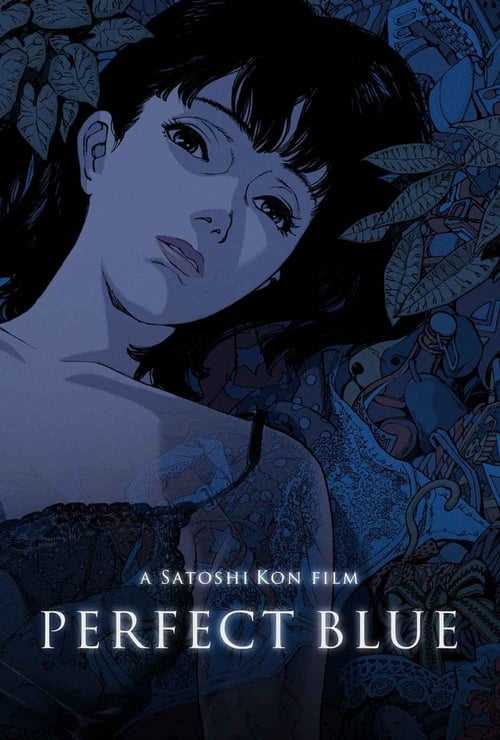
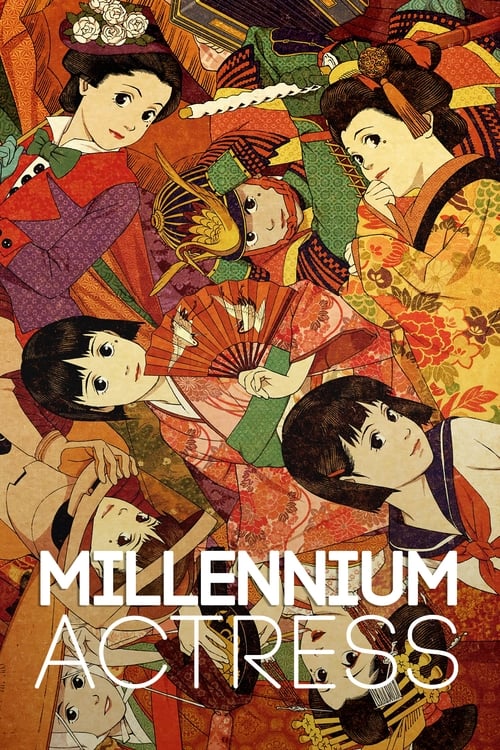
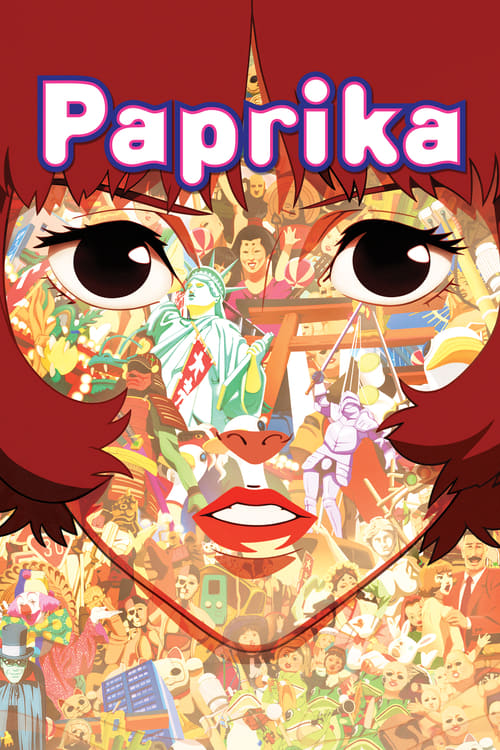
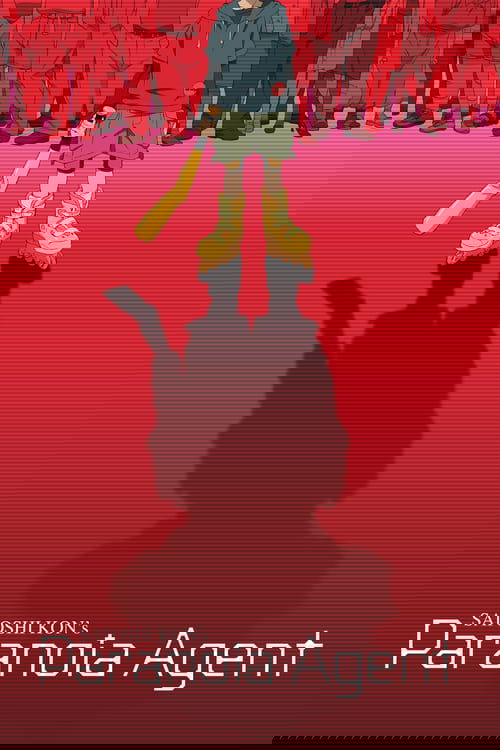
Satoshi Kon made four features and a TV series before his death at 46, and the best of them, Paprika and Perfect Blue, are as formally inventive as anything in world cinema. He was doing unreliable-narrator, reality-collapsing psychological horror a decade before it became an art-house default, and doing it in animation because animation gave him complete control over every frame's deception. Christopher Nolan has cited Paprika as an influence on Inception; Darren Aronofsky has acknowledged Perfect Blue's influence on Black Swan. What Kon was doing, however, was considerably stranger and more disturbing than either of those very good films. Millennium Actress is the one that hits hardest on a rewatch: a woman's life told through the genres of Japanese cinema itself, melancholy and precise.
Anime Beyond Ghibli
The animated films that define the art form on their own terms

A Century of Japanese Cinema and Games
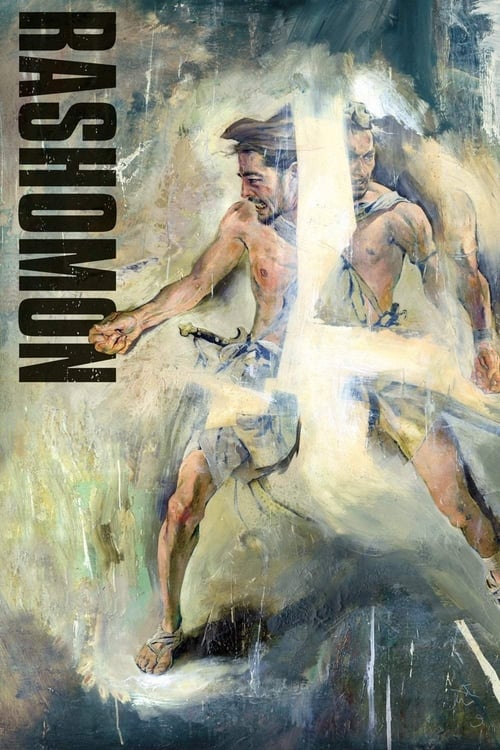
- 1950Rashomon wins Venice Golden Lion; Japan enters the world conversation Rashomon
- 1953Tokyo Story premieres; Ozu's style reaches its peak Tokyo Story
- 1954Seven Samurai defines the ensemble action film Seven Samurai
- 1964Kwaidan and Harakiri: the horror and samurai cycles both peak Kwaidan
- 1984Nausicaa and the founding of Studio Ghibli
- 1985Super Mario Bros. arrives; Nintendo redefines the games medium
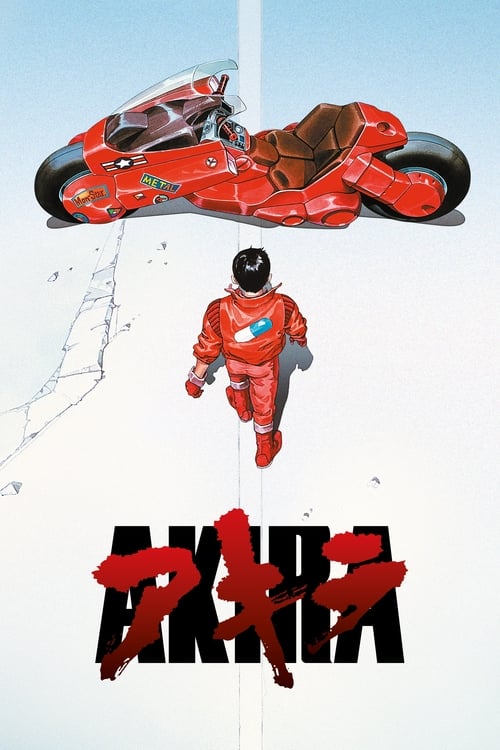
- 1988Akira and Grave of the Fireflies: anime becomes an international art form Akira
- 1995Ghost in the Shell and Evangelion reshape anime's intellectual ambitions Ghost in the Shell
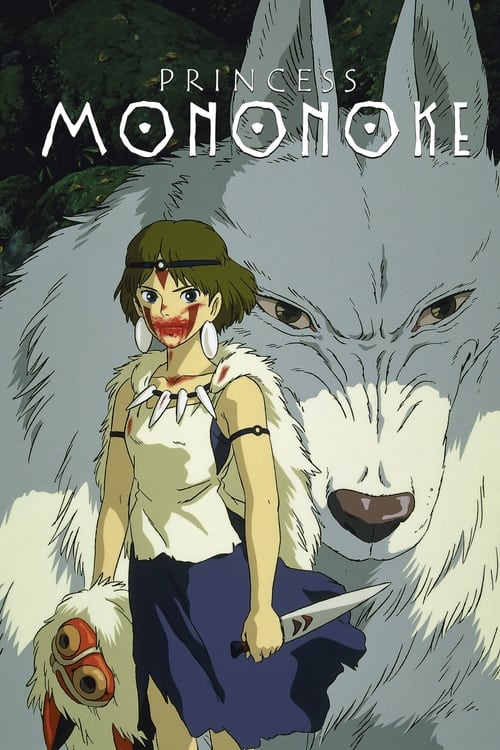
- 1997Princess Mononoke and Final Fantasy VII both achieve mainstream cultural saturation Princess Mononoke
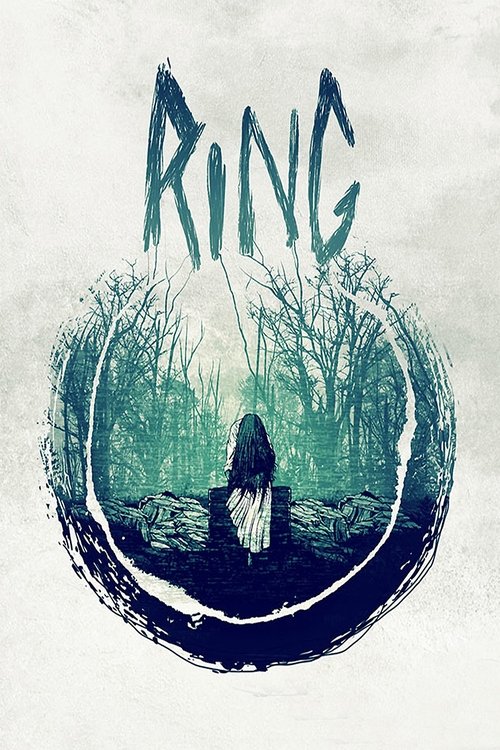
- 1998Ring establishes J-horror as a global genre Ring
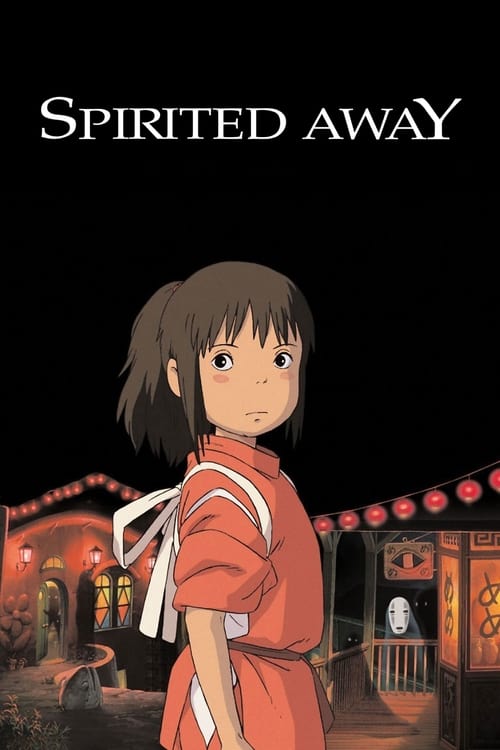
- 2001Spirited Away; the Miyazaki peak Spirited Away
- 2009Hirokazu Kore-eda begins his most celebrated run with Still Walking Still Walking
- 2011Dark Souls launches; FromSoftware invents a new genre language Dark Souls
- 2017Breath of the Wild redefines open-world design The Legend of Zelda: Breath of the Wild
- 2022Elden Ring: Miyazaki's vision reaches full global dominance Elden Ring
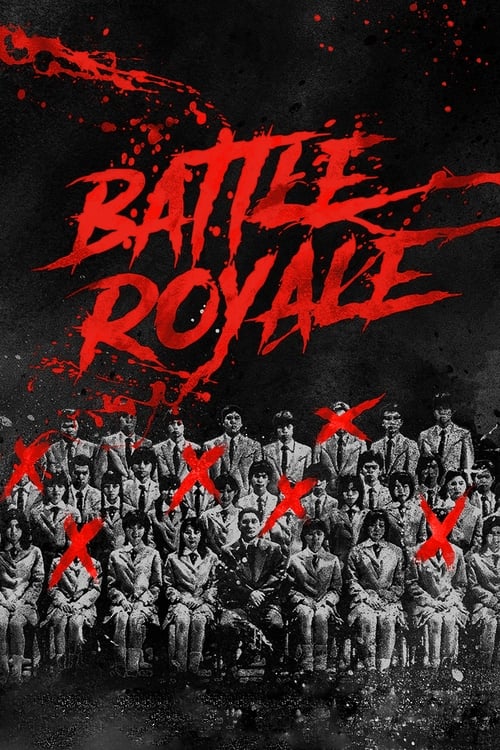
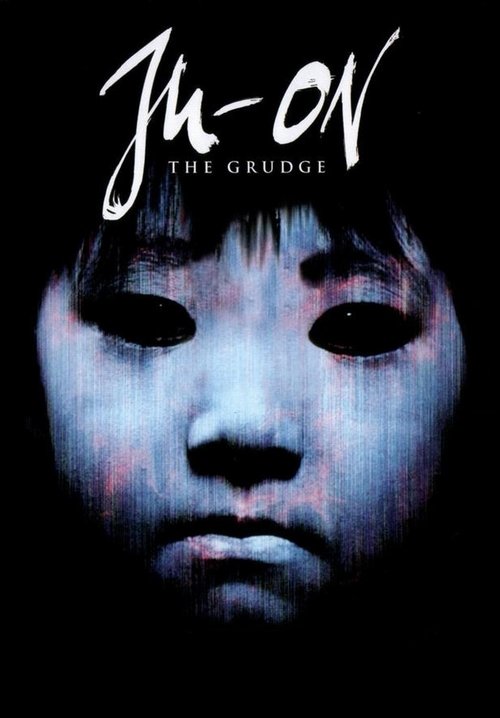
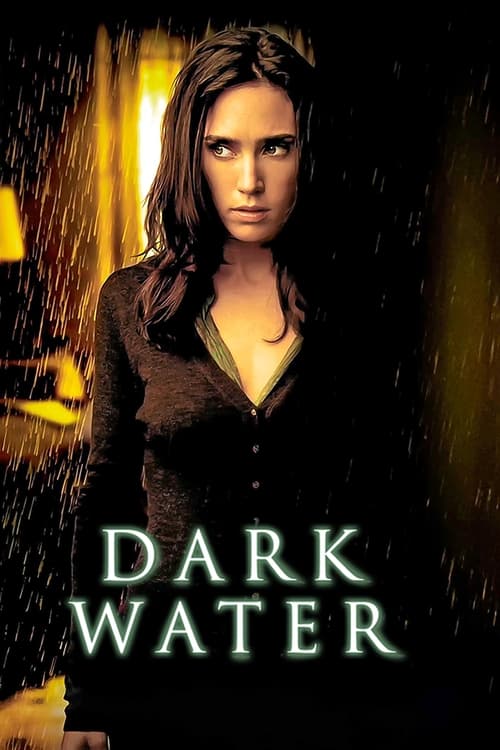
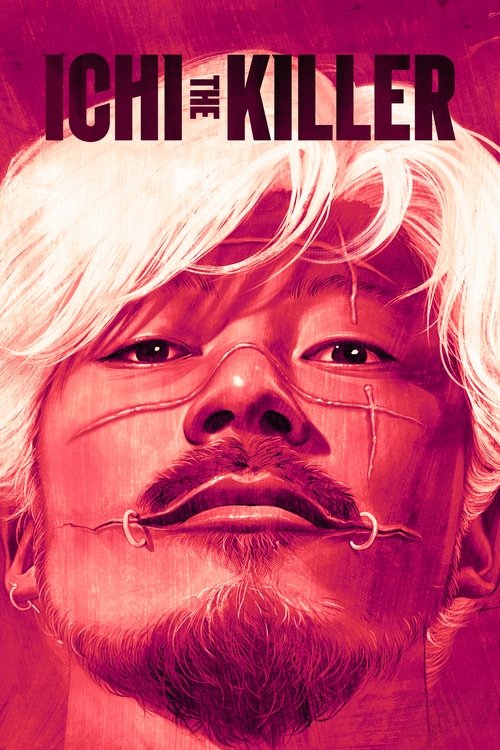
J-Horror and the New Wave
The films from the 1990s and 2000s that redefined international horror





Japanese Games: The Canon
The works that made games a serious artistic and cultural medium
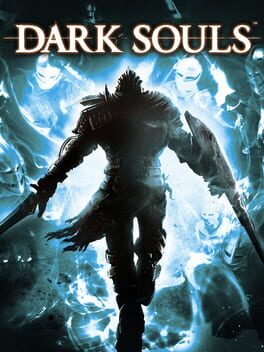
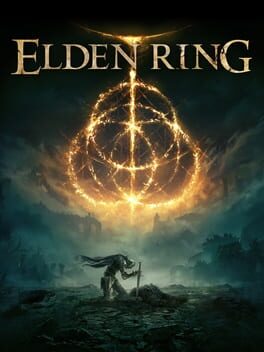
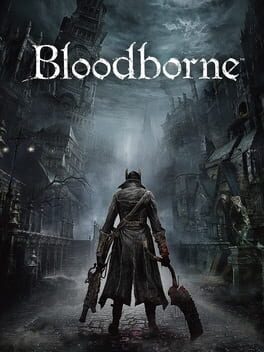
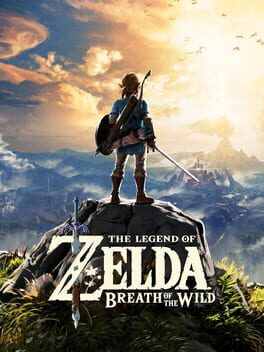
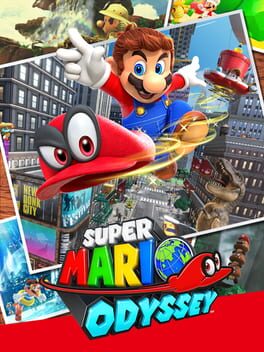

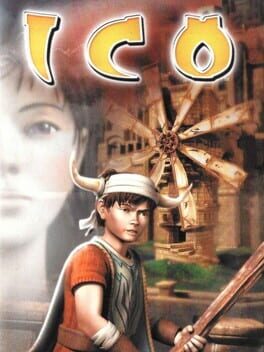
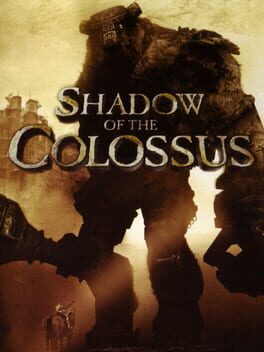
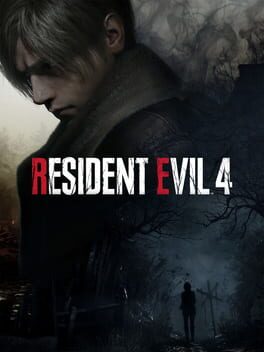
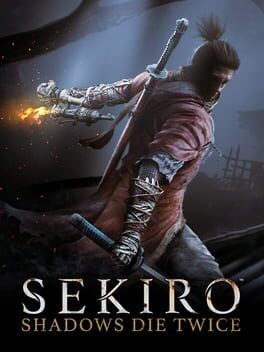
FromSoftware invented the only genuinely new genre language of the 2010s
When Demon's Souls appeared in 2009, the critical consensus was that it was a punishing niche title for masochists. That reading completely missed what Hidetaka Miyazaki was doing, which was using difficulty and opacity as narrative tools: the world's story exists in its architecture and item descriptions rather than its cutscenes, because the game trusts you to be curious rather than passive. Every FromSoftware game since has refined this, and by Elden Ring the method had absorbed open-world design and come out the other side. The influence on games broadly has been enormous, but the deeper achievement is formal: Miyazaki found a way to make environmental storytelling actually work, which is something open-world developers had been claiming to do for two decades without ever quite managing it.
Contemporary Japanese Cinema
Kore-eda, Hamaguchi, Kurosawa Kiyoshi and the directors redefining what follows

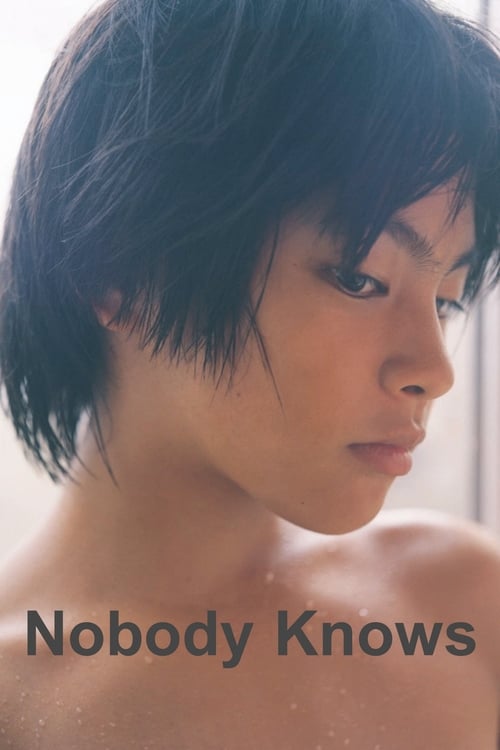
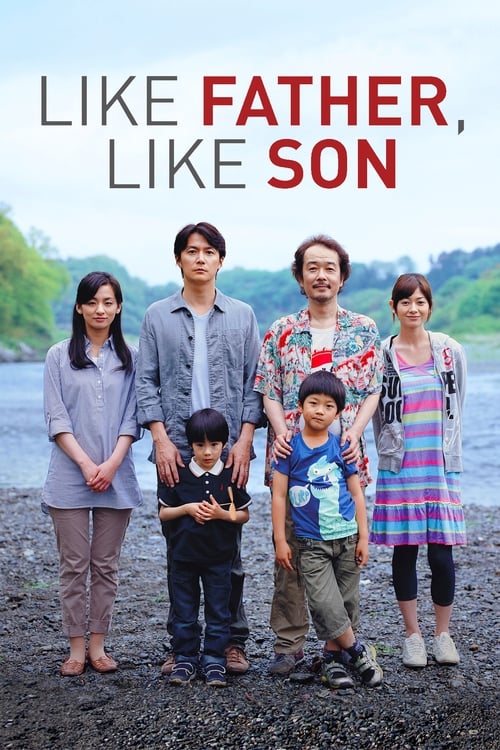


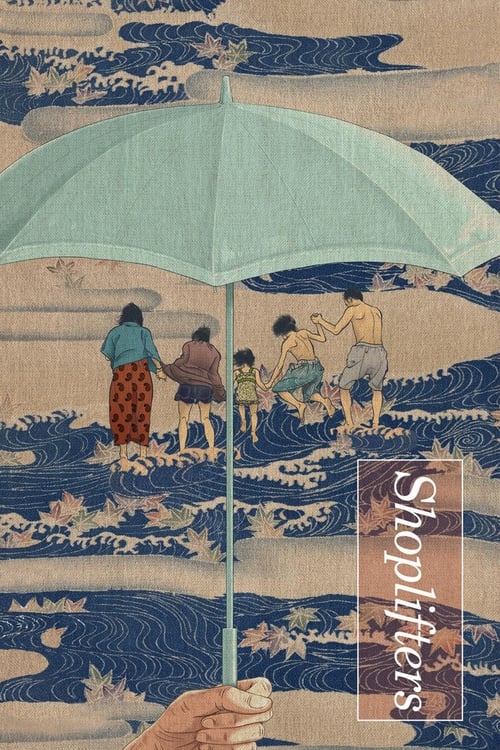
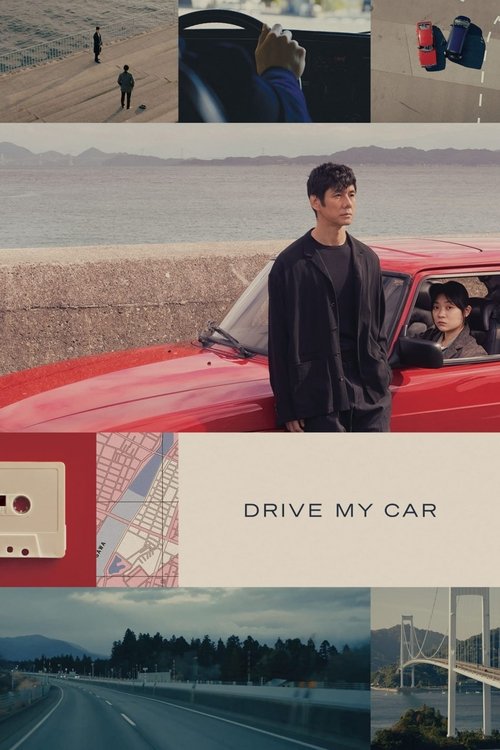
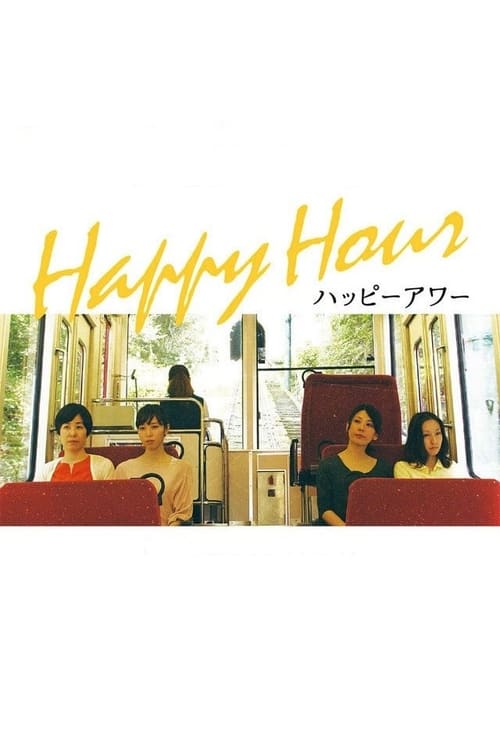
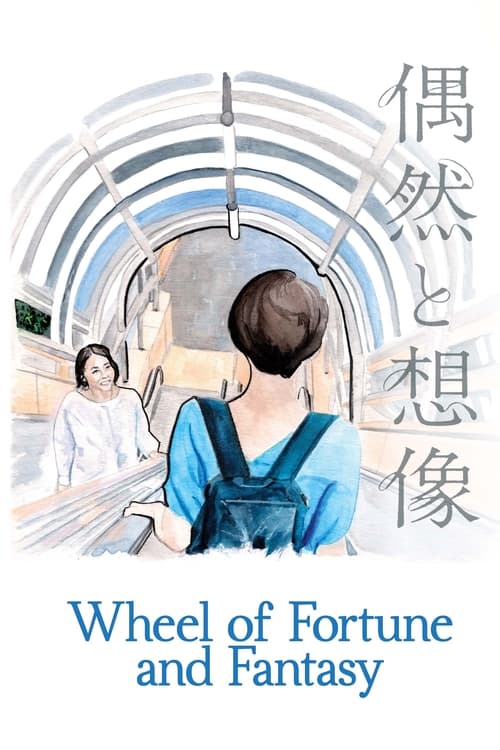
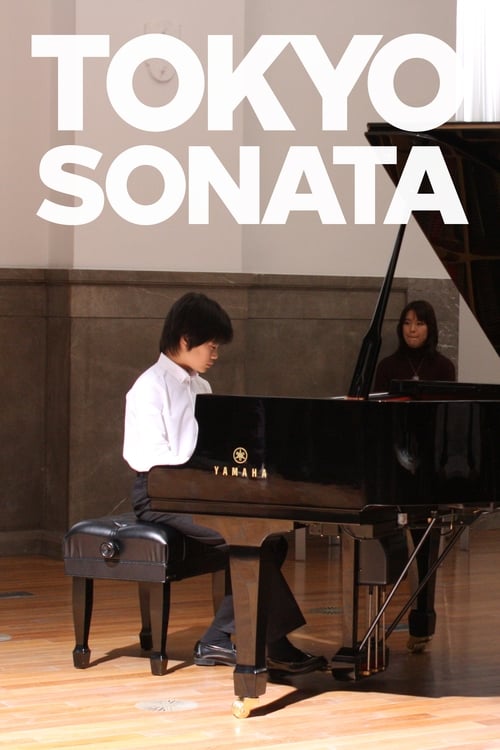
The Japanese popular imagination does not separate horror from beauty, nostalgia from grief, childhood from the uncanny. That compression is why the best works travel so far.CrossBinge editorial
Nintendo and the Art of Play
Design as a moral philosophy: restraint, surprise, joy

Grave of the Fireflies is not a war film. It is a film about bureaucratic indifference.
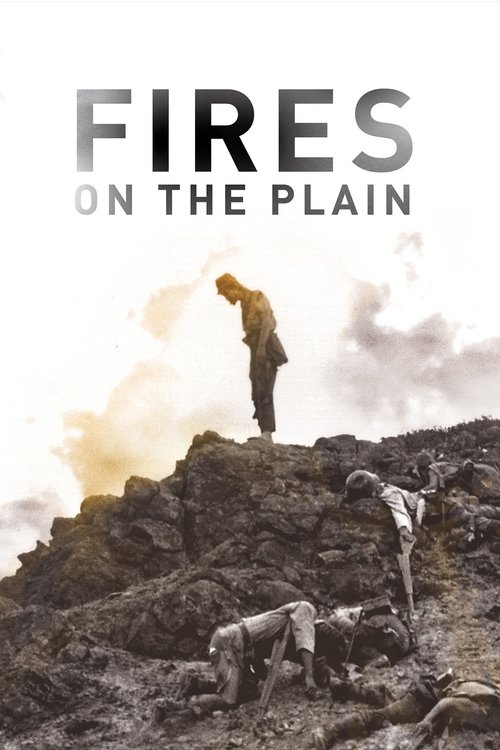
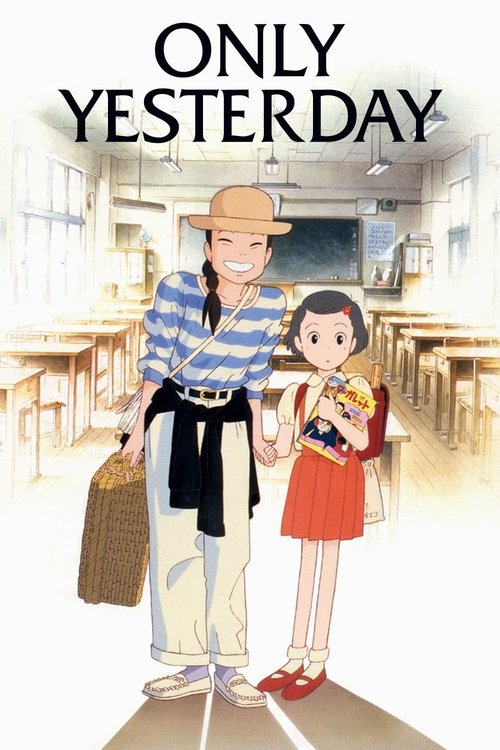
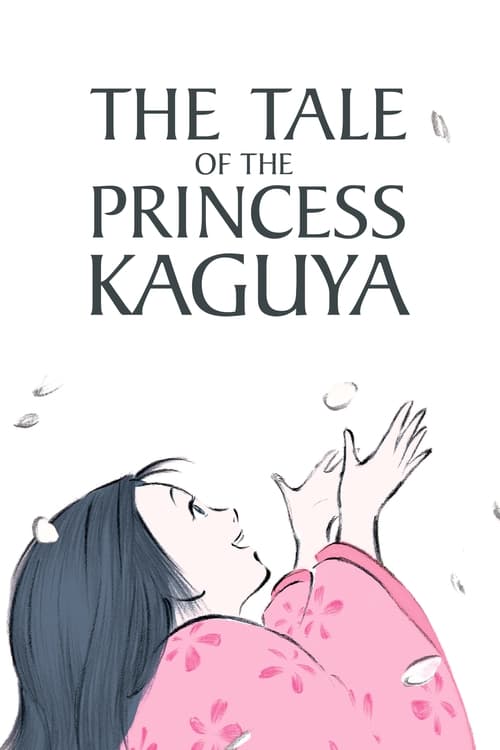
Grave of the Fireflies is misread as an anti-war film, when it is something more specific and more uncomfortable: a film about how a social system fails the people it claims to protect. Seita and Setsuko do not die from bombs. They die from a collapsed social network, from relatives who resent their presence, from a boy's stubborn pride that is partly heroic and partly fatal. Isao Takahata was Miyazaki's creative partner at Ghibli and in some ways his opposite: where Miyazaki builds toward wonder, Takahata builds toward weight. Only Yesterday and The Tale of Princess Kaguya are equally rigorous and similarly underrated. He is the Ozu to Miyazaki's Kurosawa, and he deserves to be discussed on the same terms.
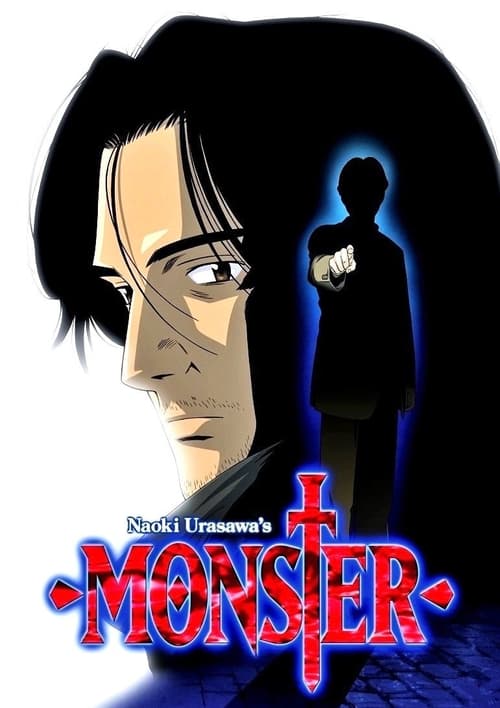
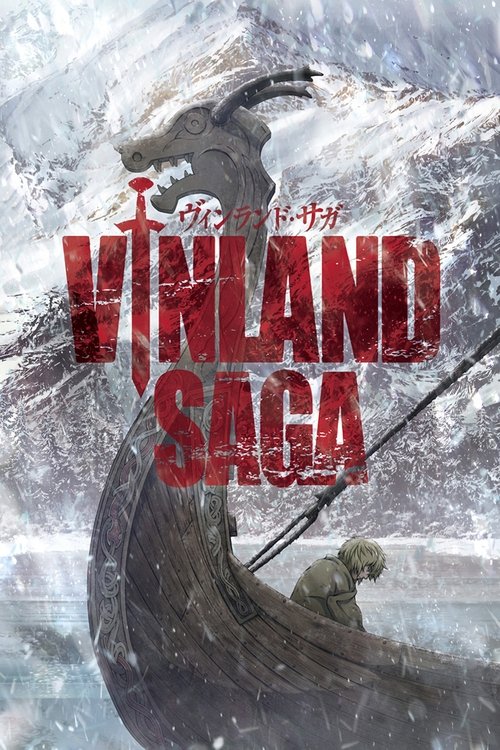
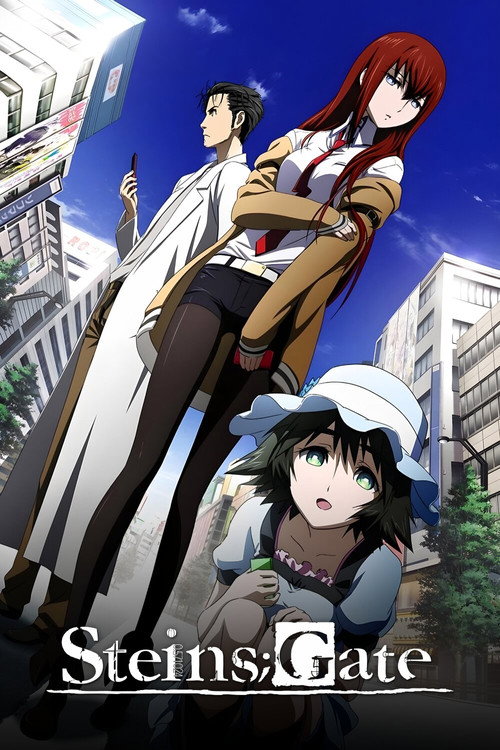
The Anime Series Worth Your Time
Long-form television anime that hold up in full, not just in clip form

Notable Japanese Books
The most-notable books written in Japanese, from the catalog


