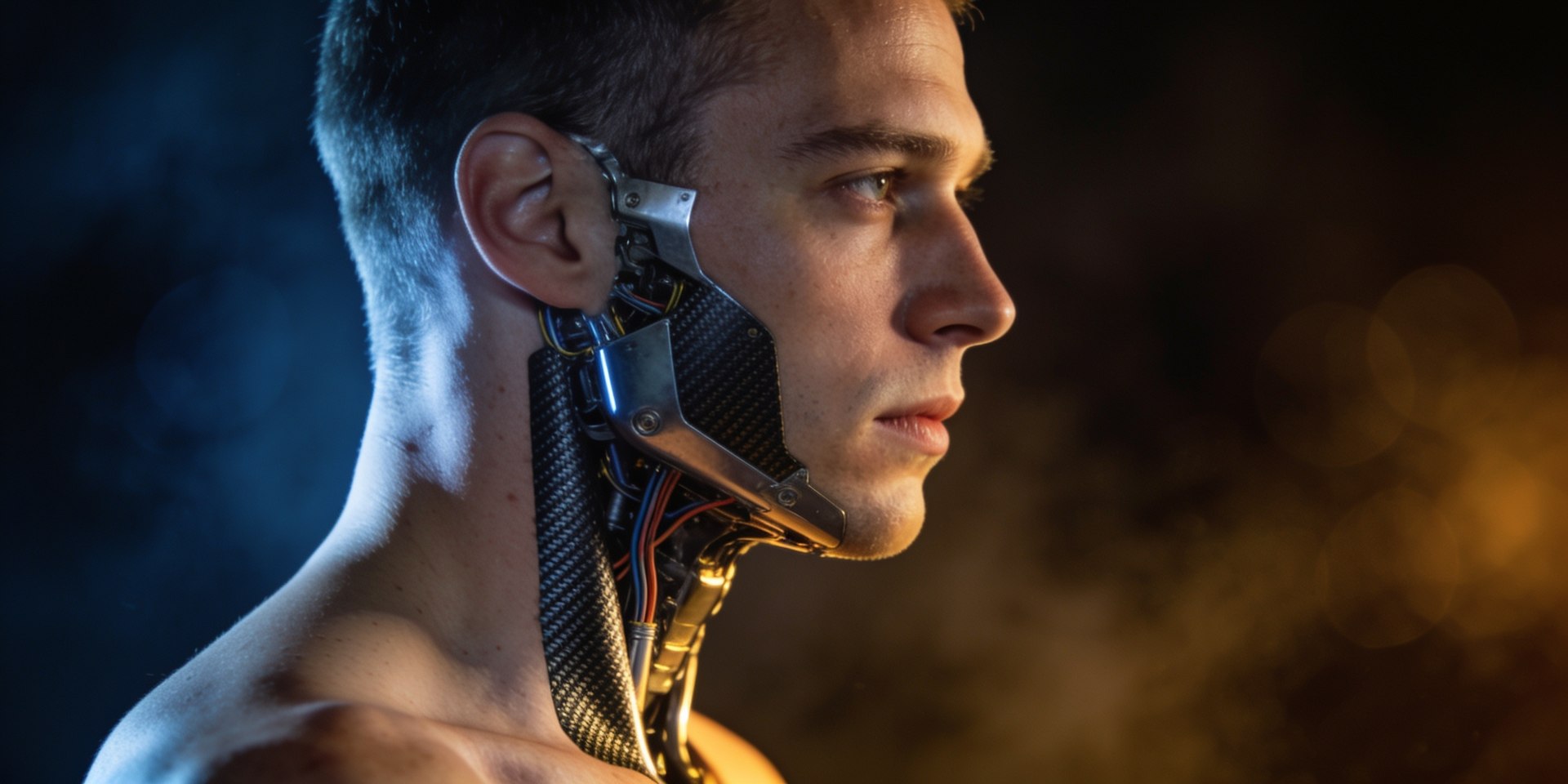

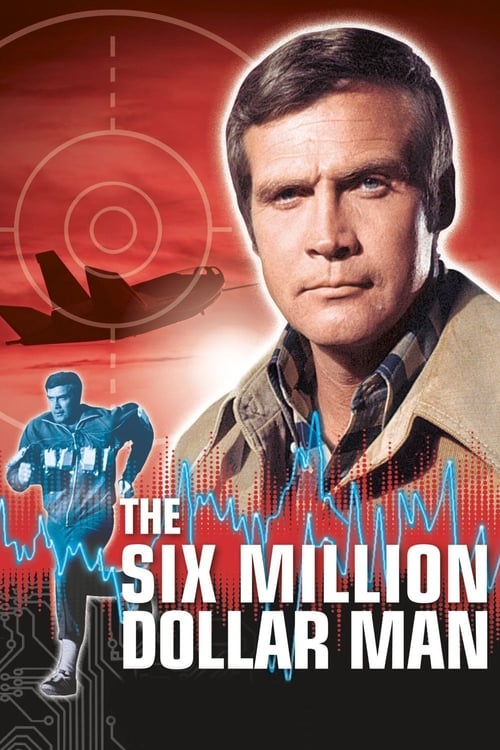
The cyborg is not a robot. That distinction matters more than it sounds. A robot replaces us; a cyborg extends us, or complicates us, or haunts us with the question of how much replacement is still a person. The genre has run with that ambiguity since the 1970s, when Martin Caidin's novel gave us a test pilot rebuilt with government hardware and the TV show made him run in slow motion to a synthesizer sting. Forty years later, Deus Ex: Human Revolution is still asking the same question in a city divided between augmented and un-augmented people, and the answer is still not settled.
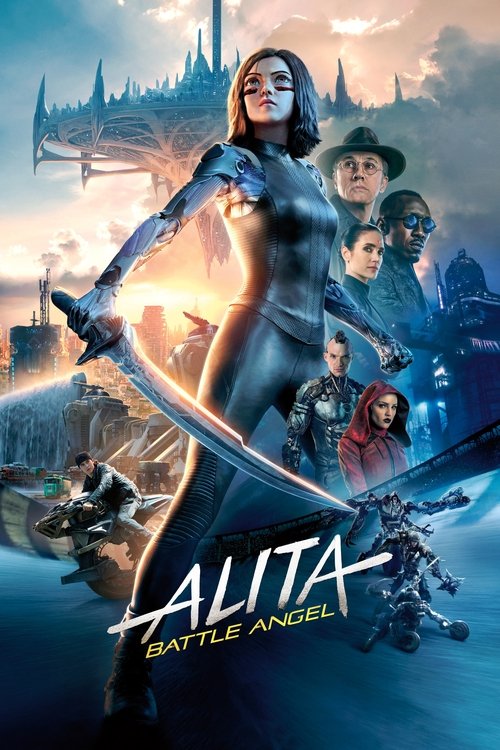
What unites these stories is not chrome or circuitry but the boundary: where does the human end and the machine begin, and who gets to draw the line? The genre ranges from the bleakly political (RoboCop as a satire of corporate policing) to the philosophical (Ghost in the Shell on identity and consciousness) to the quietly personal (Alita, an amnesiac warrior-girl who is almost entirely machine and thoroughly herself). The best of it insists that the body is a site of power, and that whoever controls the augmentation controls the person.
Essential cyborg stories
The canon, from police procedural body horror to transhumanist anime



RoboCop is the sharpest political film in the genre
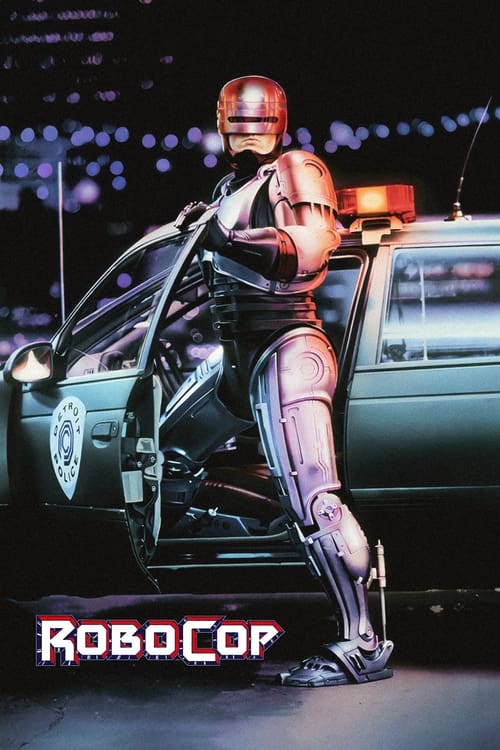
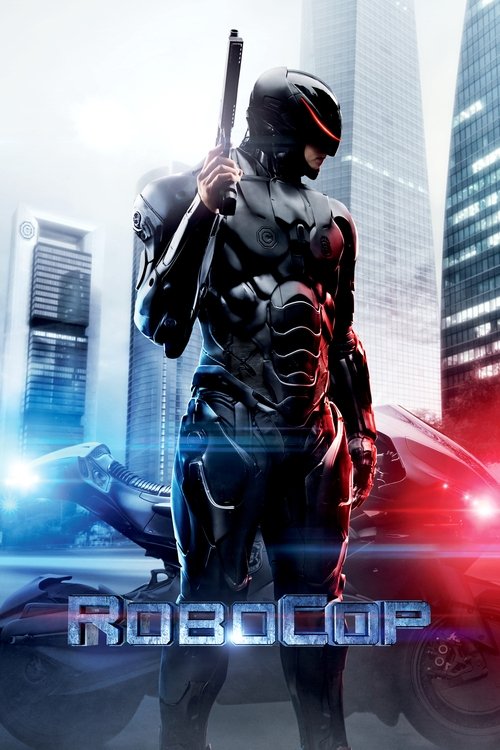
Paul Verhoeven made RoboCop in 1987 as a satire of Reagan-era privatization so broad it played as straight action to half its audience. The genius is the setup: a police officer is murdered by the company that is bidding to run his own department, rebuilt as a product, owned outright, programmed with a suppressed memory. Alex Murphy does not escape the machine. The machine is the point. OCP's logo on his arm is the punchline to the entire joke about corporate America, and it landed just as hard in 1987 as it does now. Every subsequent RoboCop story (the sequels, the TV series, the 2014 reboot) misses the bite because it tried to be an action movie instead of a provocation wearing one.

Films of flesh and steel
When Hollywood went under the knife
Ghost in the Shell and the question that will not close
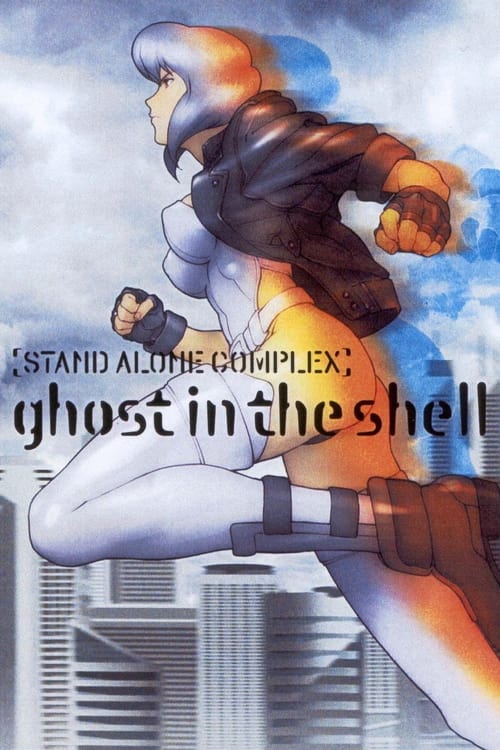
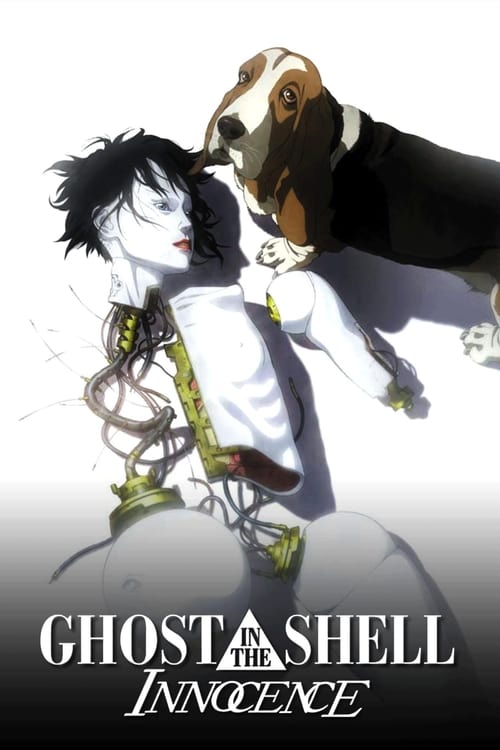
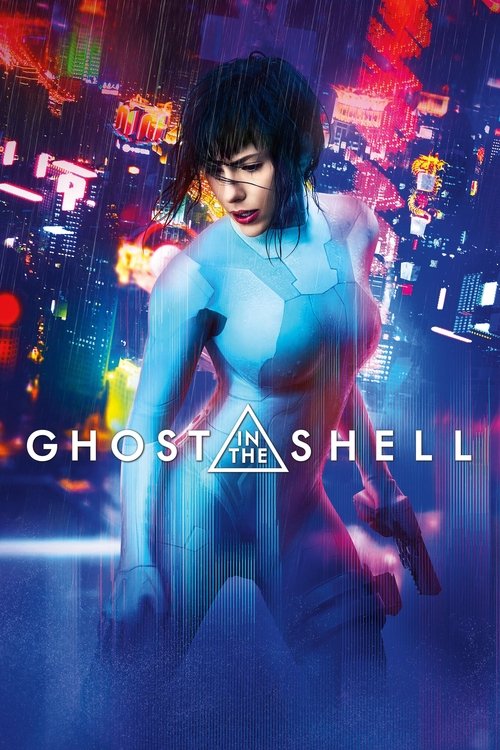
Masamune Shirow's 1989 manga asked whether a consciousness that has been digitized, copied and restored still has a self, and forty years of adaptations have not worn the question out. Mamoru Oshii's 1995 film stripped the manga's action-comedy elements and left a spare, meditative thing: a thriller that stops for five minutes to watch a city from a boat while Kenji Kawai's choral score plays and Kusanagi stares at reflections of herself in the water. The question is not whether she has a soul. The question is whether the word means anything when the shell can be swapped.
Stand Alone Complex moved the argument into the political: what happens to a government that can hack individual memories? What does free will mean in a society where augmentation is routine and the line between authentic action and programmed response blurs at every level? The series never resolved it cleanly, which is why it still feels relevant.
The Ghost in the Shell universe
Anime, film and the philosophy of the body
Deus Ex did something games almost never do
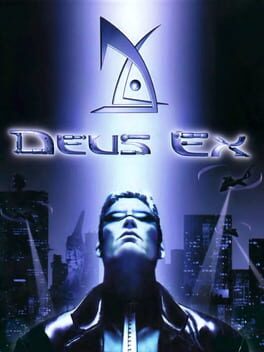
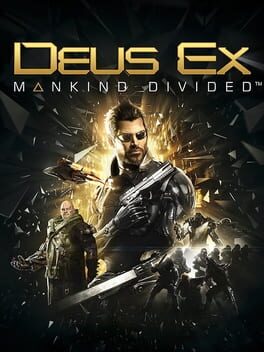
The 2000 original gave you a game about the politics of augmentation in a conspiracy-riddled near-future, and then let you play it without any augmentations if you wanted. That choice was a statement: the game trusted you to understand that the point was not the abilities but the ideology behind them. Adam Jensen in Human Revolution is a more legible protagonist, and the 2011 prequel is more stylish, but it also dilutes the original's commitment to letting the player feel out where they stand on the transhuman divide. Human Revolution introduces Jensen as a man who did not ask to be augmented and gives him a corporation that owns his body; the game's best quests are the ones where that ownership becomes visible. Mankind Divided narrows the lens to an apartheid metaphor with augmented people as the underclass, and it is more explicit than either predecessor. All three are worth playing in order.
Augmented worlds to play
Games that put the upgrade in your hands



Cyberpunk 2077 earns the augmentation theme properly
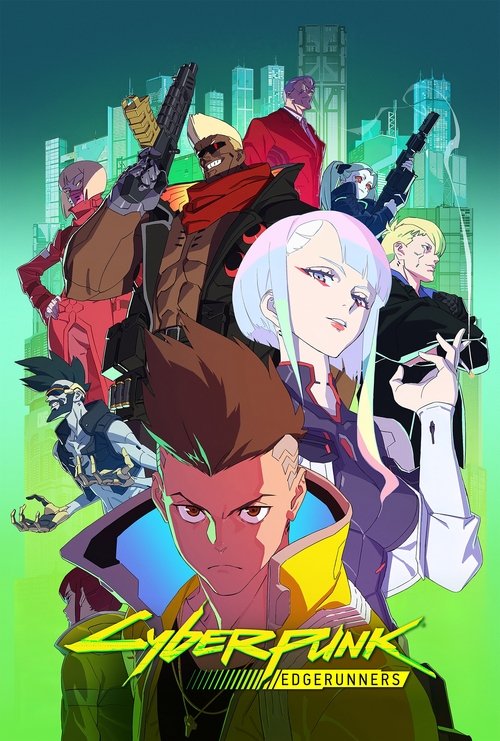
For all the launch-state chaos, the actual game that CD Projekt Red shipped (in the state it reached by late 2021) is one of the most coherent meditations on augmentation in any medium. Night City is built on the premise that chrome is aspirational and that the aspiration destroys people. Cyberpsychosis is not a gameplay mechanic bolted on for drama; it is the genre's oldest warning, made literal. The game's best side quests are not shootouts but conversations: the ripperdoc who talks about what clients are really buying when they ask for a Mantis blade, the journalist investigating a corporation's drug-and-augment racket. V's own story is about someone with a foreign consciousness occupying the same skull. The game knew exactly what it was about.
Shows about augmented bodies
Television's long relationship with bionics


The augmentation shelf
Books that built the genre's moral framework


The cyborg is always asking a question that the genre's action sequences are trying to drown out: who owns the new body, and what does that mean for the person inside it?On the politics underneath the chrome
Augmentation at the edges
Deeper cuts and unexpected angles