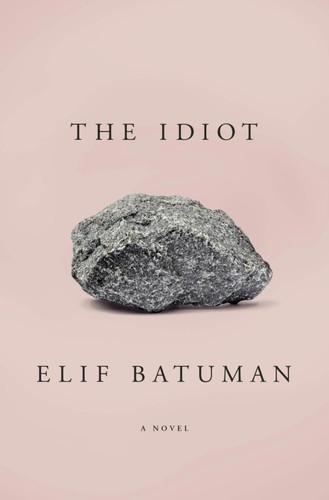

Fyodor Dostoevsky did not write comfortable books. He wrote novels that feel like confessions dragged out under duress: from the claustrophobic logic of a murderer convincing himself he has the right to kill in Crime and Punishment, to the courtroom-and-monastery collision of faith, doubt, and patricide in The Brothers Karamazov. What unites his work is the sense that every character is simultaneously prosecutor, defendant, and judge. His people are desperate, verbose, humiliated, and luminous. They argue theology at three in the morning. They confess to crimes they did not commit and deny crimes they did. They gamble away everything and call it freedom. If you have felt the pull of that kind of fiction, the map below traces it across every medium.
Essential Dostoevsky
The novels themselves, from the indispensable to the underread


His Novels on Screen
Film and TV adaptations that wrestled seriously with the source
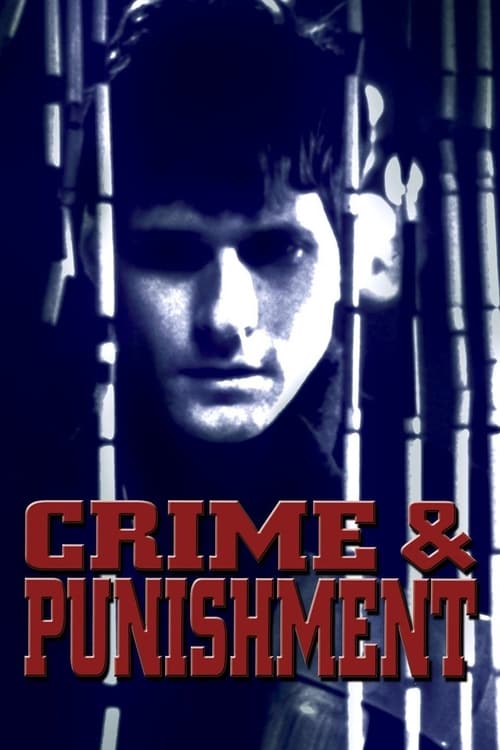
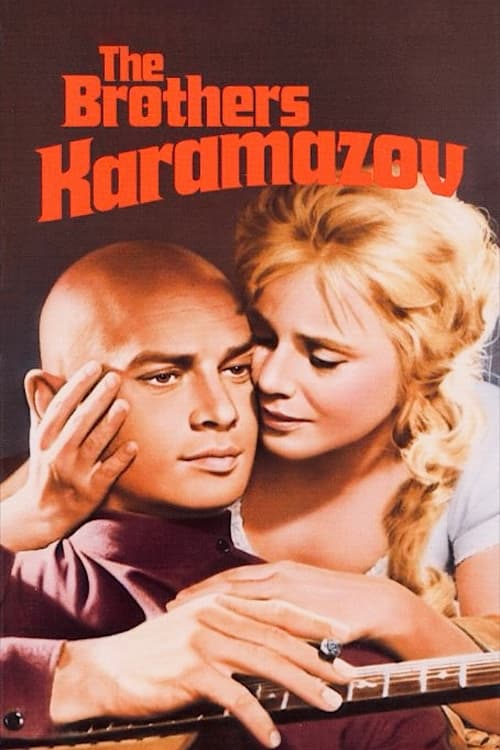
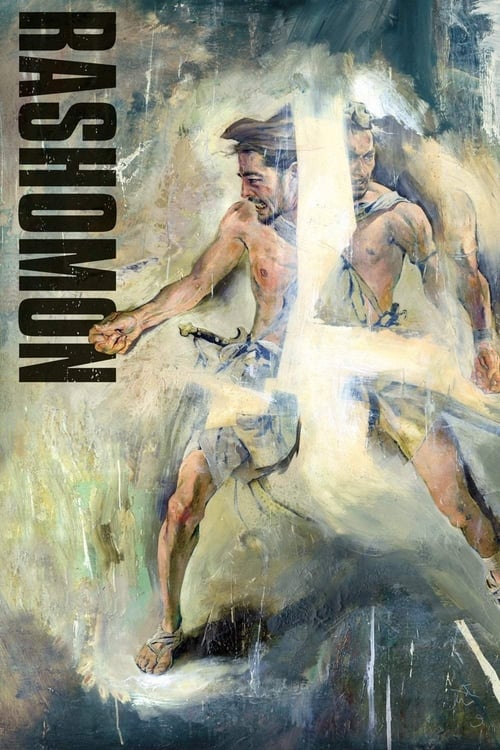

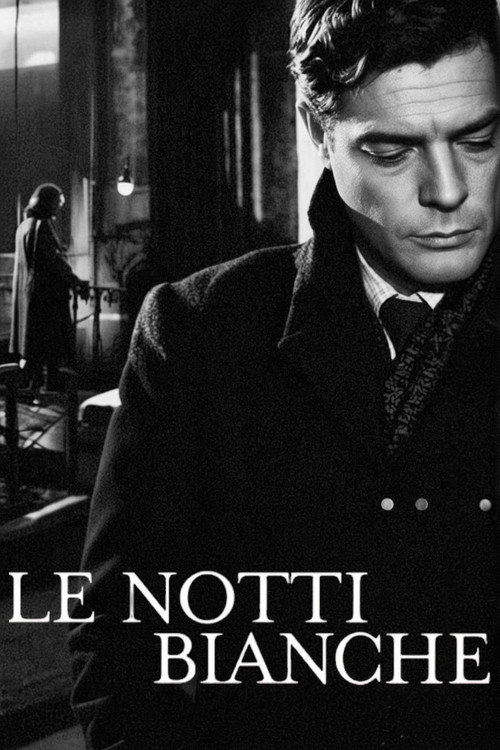
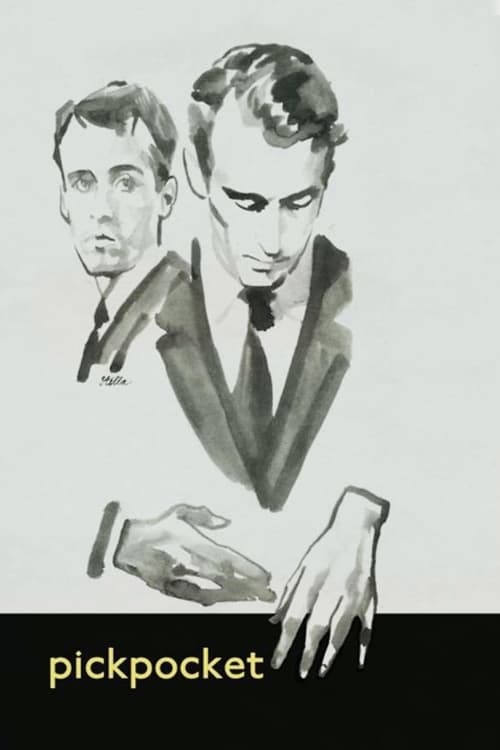
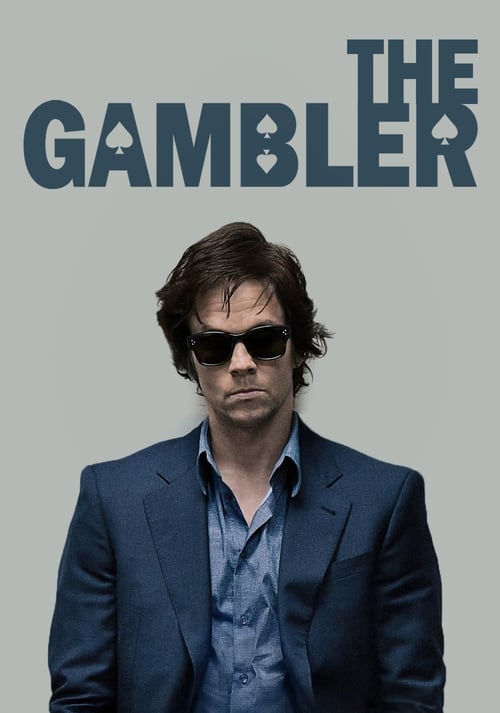
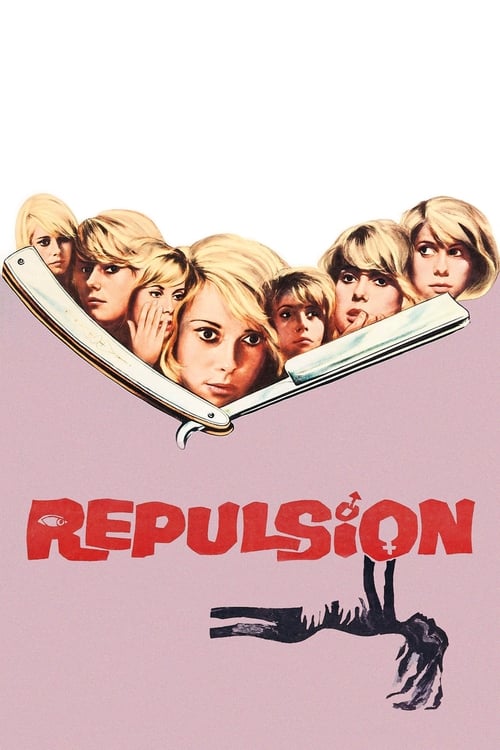
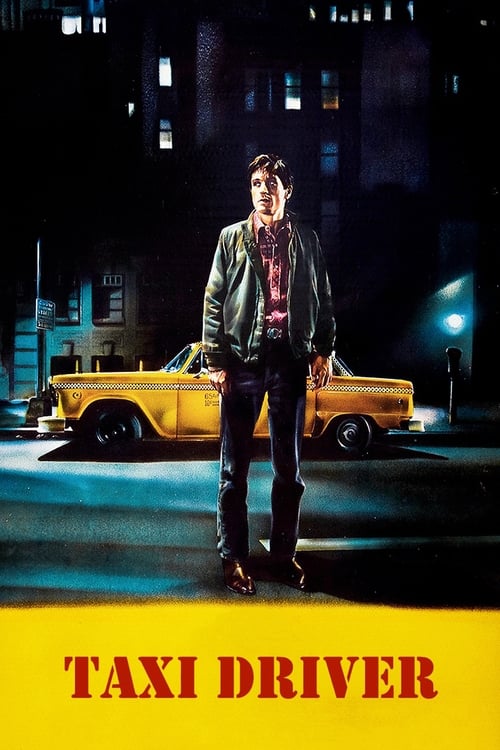
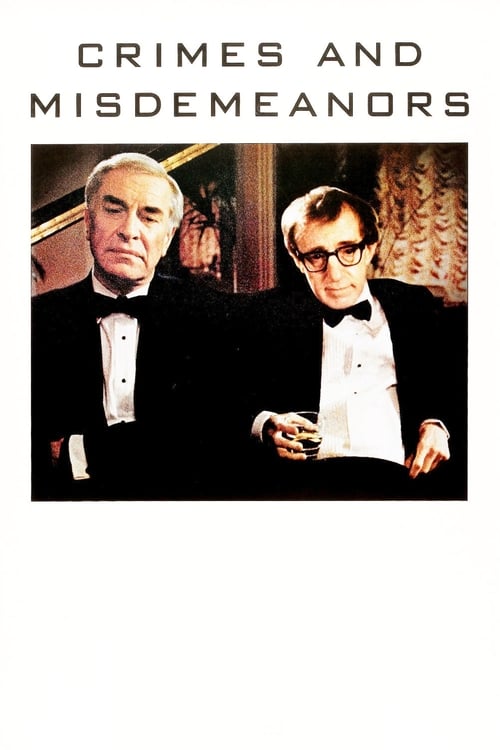
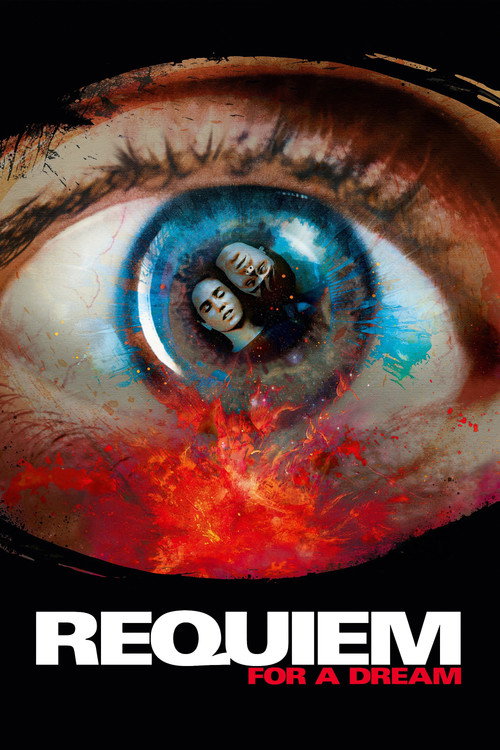
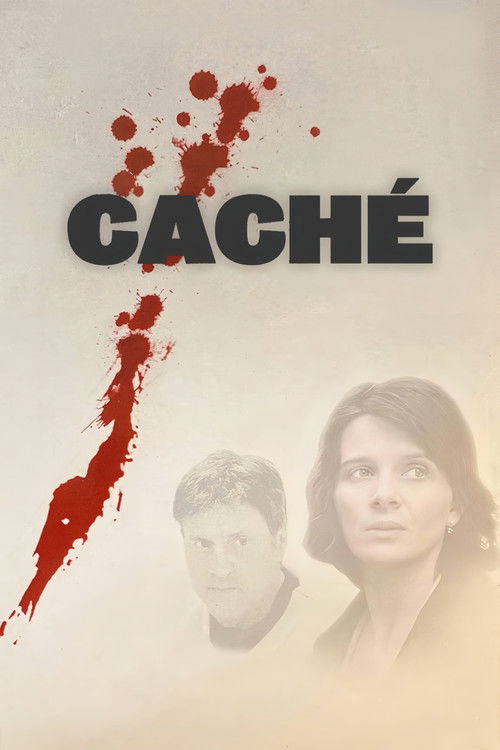
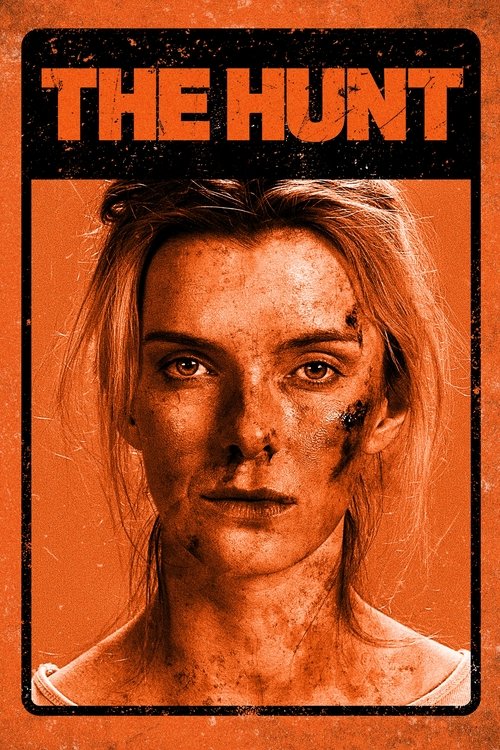
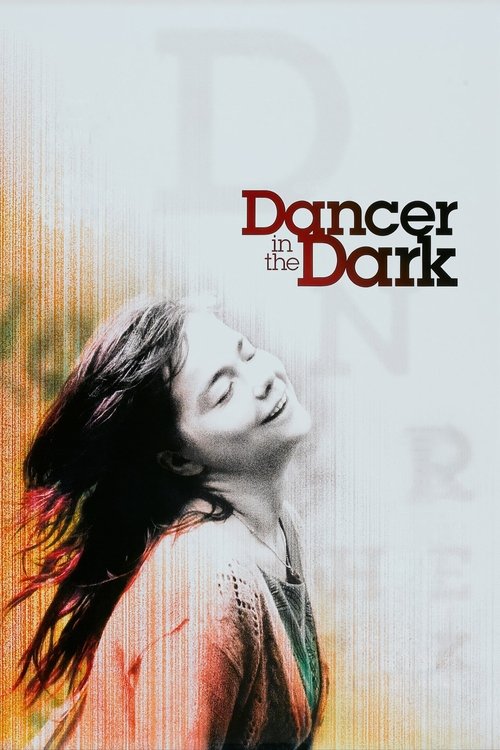
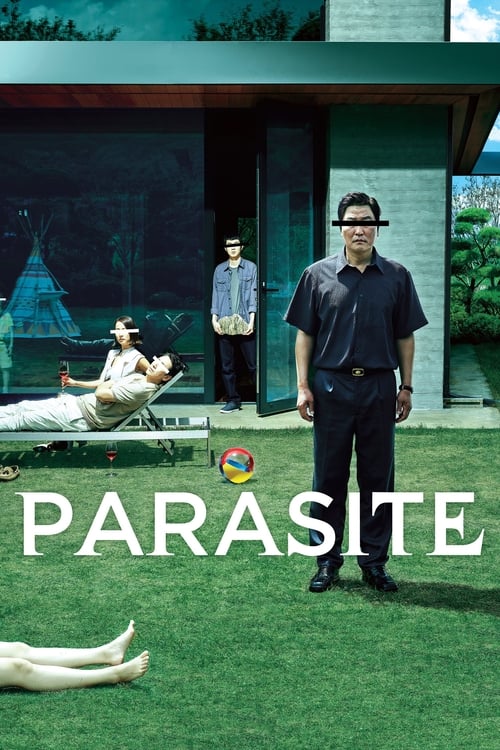
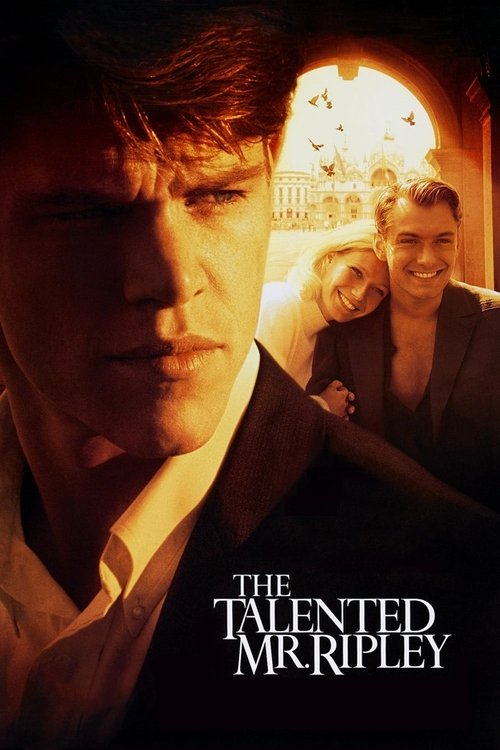
The Same Tunnel: Psychological Torment on Film
Films that turn guilt, obsession, and moral collapse into spectacle


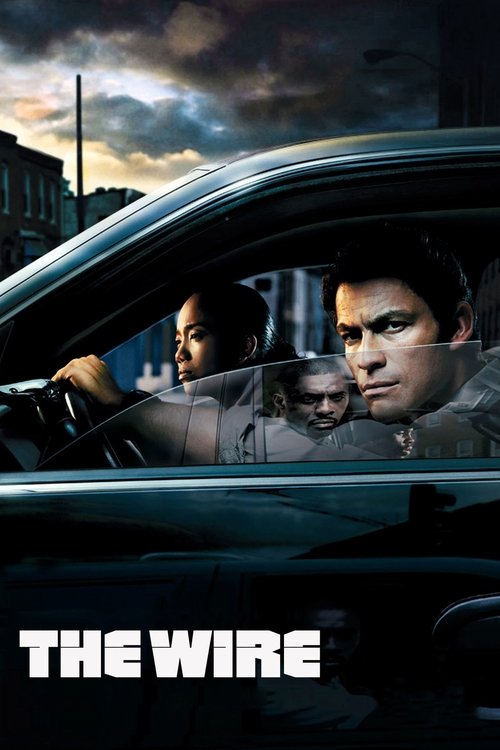
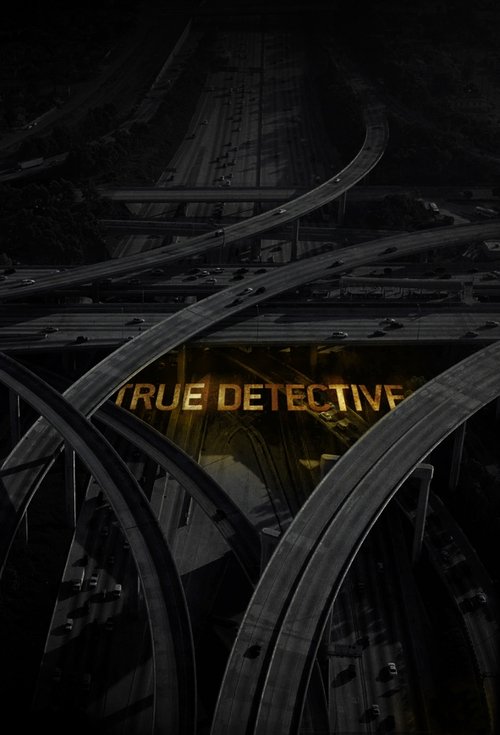
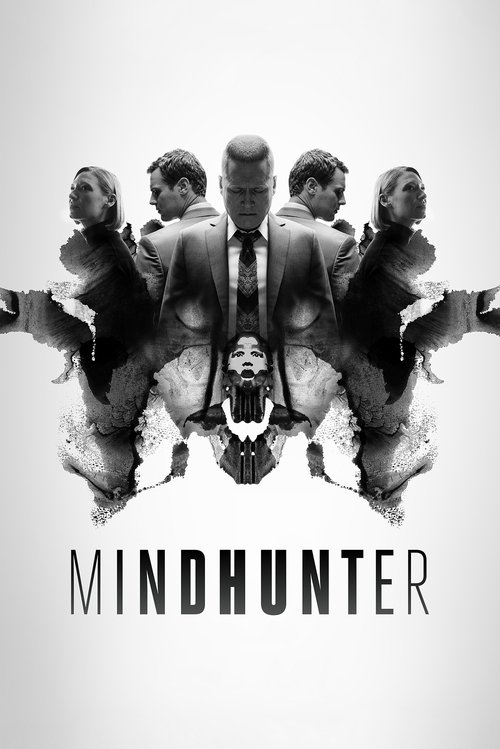
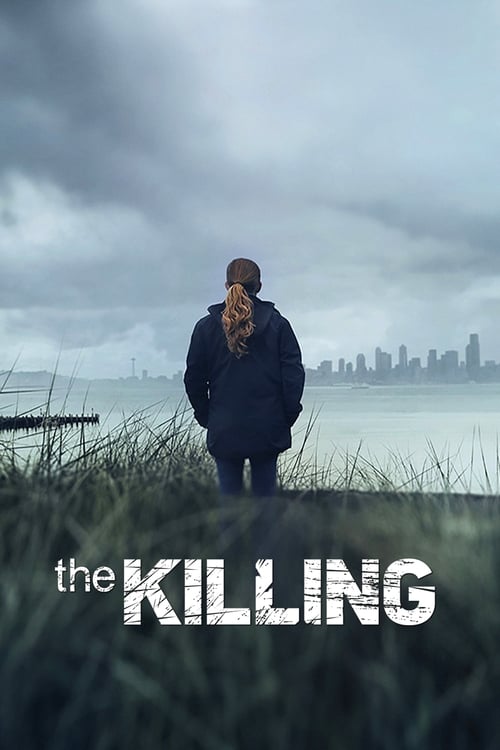
Morality and Dread on Television
Series that sustain the Dostoevskian pressure across episodes




Authors Who Live in the Same Dark Room
Novelists who share Dostoevsky's obsession with interiority, morality, and human extremity


Games of Guilt, Choice, and Consequence
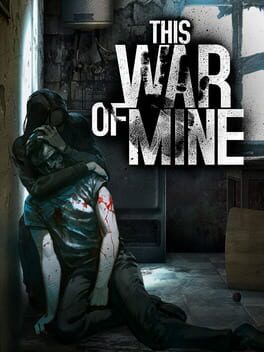
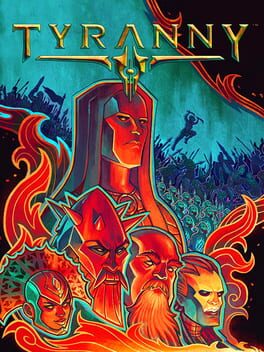
Games where moral weight accumulates and no decision is clean
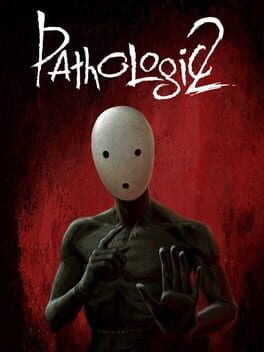

Raskolnikov's Theorem is Still Being Proved Wrong
The argument at the heart of Crime and Punishment is not really about whether a 'great man' can justify murder. It is about what happens to a mind that has lived inside a theory so long that reality becomes an inconvenience. Raskolnikov is not monstrous. He is recognizable: a bright, frustrated person who has mistaken intellectual arrogance for moral clarity. The novel's genius is that Dostoevsky lets him believe his own argument for several hundred pages before the body starts pulling him back toward the world. The confession at the end is not defeat. It is the first honest thing Raskolnikov has done.
The Brothers Karamazov is Not One Novel, It is Four
Dostoevsky built his last and largest novel so that each of the three brothers reads as a complete argument: Dmitri is the body, Ivan is the intellect, Alyosha is the soul. Each could carry a lesser novel by himself. Together they form a system where Dostoevsky can dramatize the argument for and against God, the argument for and against free will, and the argument for and against the goodness of people, without ever having to settle any of them. The Grand Inquisitor chapter is the most concentrated piece of theological philosophy in any novel. And it is presented as a story one brother tells another in a tavern.
Notes from Underground Invented the Unreliable Narrator as We Know Him
Before Nabokov, before Highsmith, before any 20th-century novel made readers distrust the voice telling them the story, Dostoevsky wrote a 50-page monologue from a man who announces in the first paragraph that he is sick, spiteful, and unattractive, and then proves it in the most compulsively readable way possible. The Underground Man does not want sympathy. He wants to be seen clearly. The irony is that his very act of explaining himself keeps distorting the image. Every unreliable narrator in contemporary fiction owes something to this strange, brief, furious little book.
Pathologic 2 is the Most Dostoevskian Game Ever Made
Ice-Pick Lodge's Pathologic 2 does something almost no game attempts: it makes you feel morally implicated in failure. The town is dying from a plague you cannot stop. Every choice to save one person costs another. The game does not let you optimize your way to a good ending because there is no good ending. The suffering is the point. Like Dostoevsky, Ice-Pick Lodge is interested in people at the edge, in the ethics of triage, and in the specific exhaustion of trying to be good when the world will not cooperate. It is also, like Dostoevsky, frequently accused of being unpleasant to experience. That is not a coincidence.
Dostoevsky: A Life in Extremity
- 1821Born in Moscow, son of a military doctor
- 1845Poor Folk published; hailed as a new Gogol overnight
- 1846The Double published The double
- 1849Arrested for political activity; sentenced to death, reprieved at the last moment, sent to Siberia
- 1854Released from prison camp; the experience reshapes his faith and fiction permanently
- 1864Notes from Underground published
- 1866Crime and Punishment serialized Crime and Punishment
- 1869The Idiot serialized The Idiot
- 1872Demons published Demons
- 1880The Brothers Karamazov published, his final novel The Brothers Karamazov
- 1881Dostoevsky dies in St. Petersburg, two months after the novel's completion
Guilt, crime and the divided mind
Psychological Horror
Explore the Psychological Horror guide →Above all, do not lie to yourself. The man who lies to himself and listens to his own lie comes to a point where he cannot distinguish the truth within him, or around him, and so loses all respect for himself and for others.Fyodor Dostoevsky, The Brothers Karamazov