

Lars von Trier does not make films you consume. He makes films that consume you. Over four decades the Danish director has pushed his performers to the edge of breakdown, torn apart cinematic grammar with Dogme 95, and built a body of work organized around suffering, obsession, and the possibility of grace in the worst possible circumstances. His trilogies are the scaffolding: the Europa Trilogy (cold political allegory), the Golden Heart Trilogy (female martyrdom pushed to the unbearable), and the Depression Trilogy (apocalypse as interior weather). He is a genuine original who divides audiences on purpose. If you finished one of his films shaken, furious, or weeping, you are already his audience.
Essential Lars von Trier
The films that define the canon, from early provocations to late masterworks




Melancholia is the most beautiful depiction of depression ever filmed
Kirsten Dunst's Justine is barely functional at her own wedding while her sister Claire counts the days until Earth is destroyed by a rogue planet. Von Trier collapses the gap between psychiatric condition and literal cosmology: depression is not a perspective problem, it is a correct read of the universe. The Prelude to Wagner's Tristan und Isolde plays over slow-motion images of such extravagant melancholy that you want to keep the film running on a loop, like a painting. It is catastrophist and consoling at once.

Same vibe: directors who push cinema to its limits
Auteurs who share Von Trier's appetite for formal risk and emotional extremity

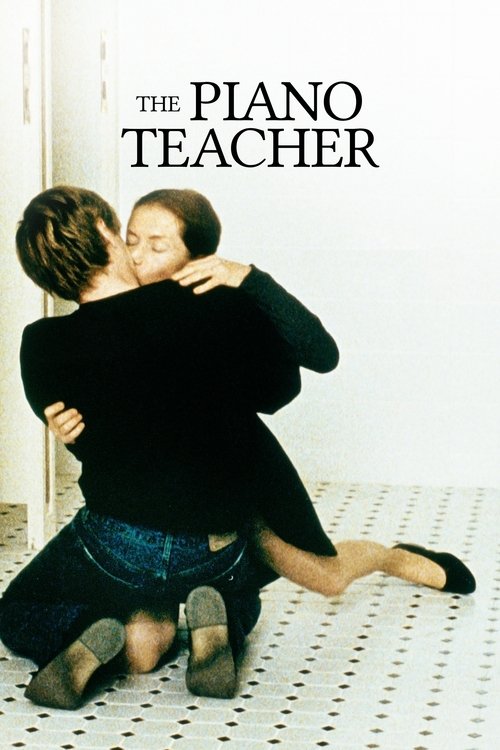
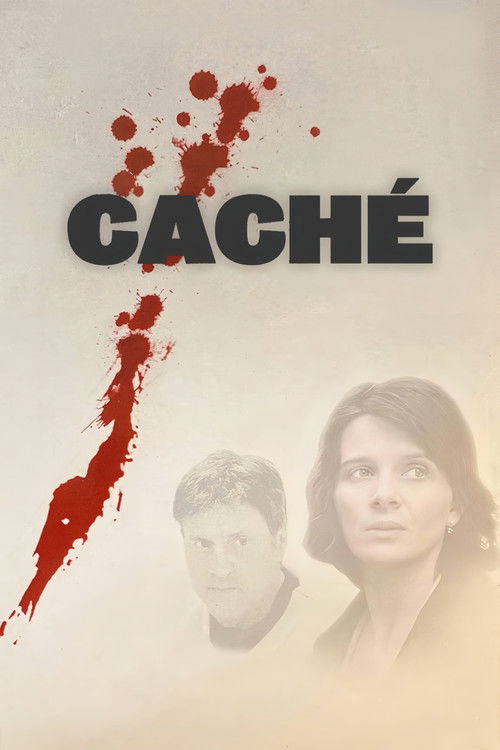

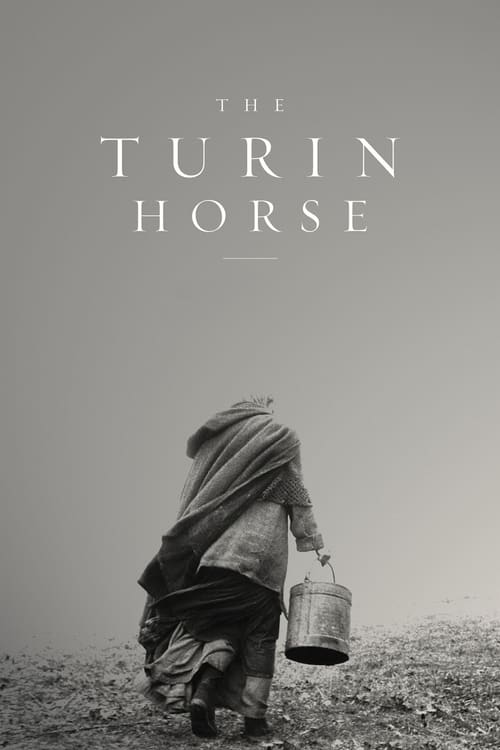
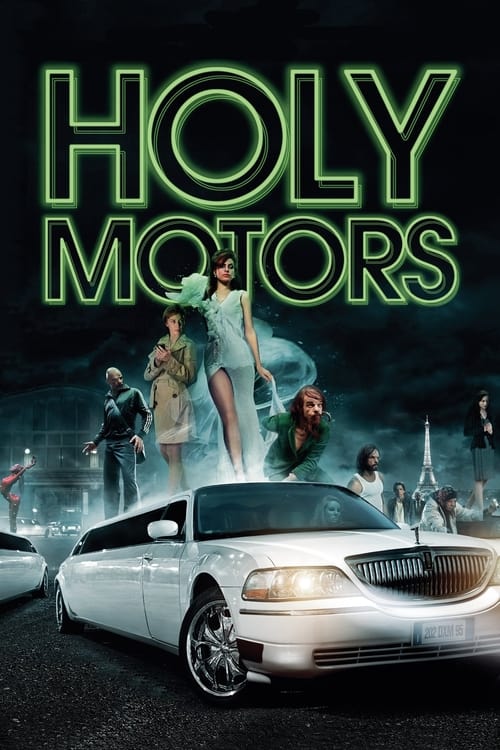
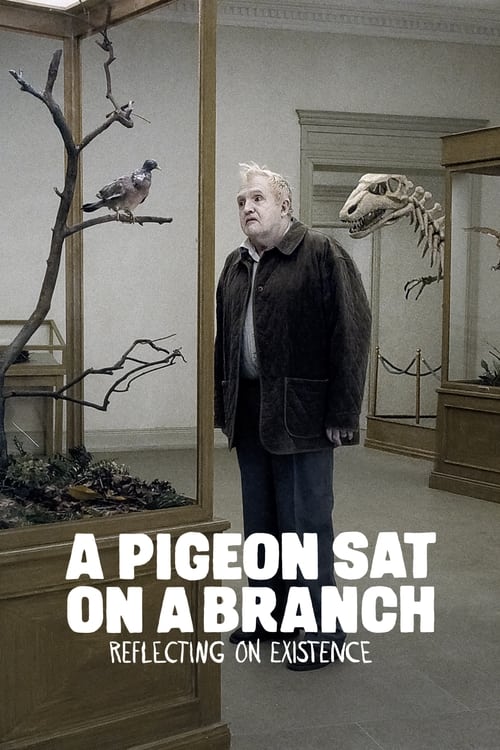
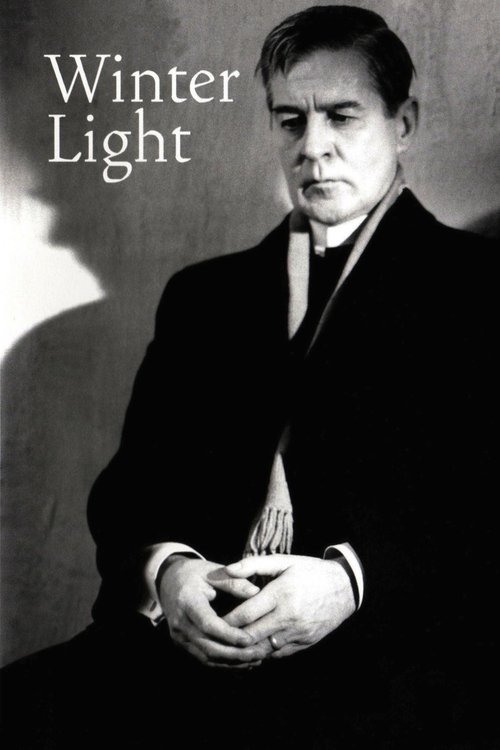

Series with the same unease
Television that commits to the unsettling territory Von Trier mapped

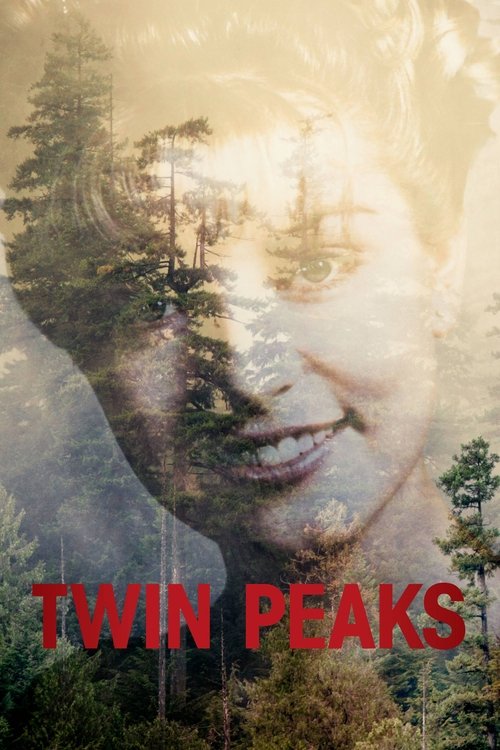


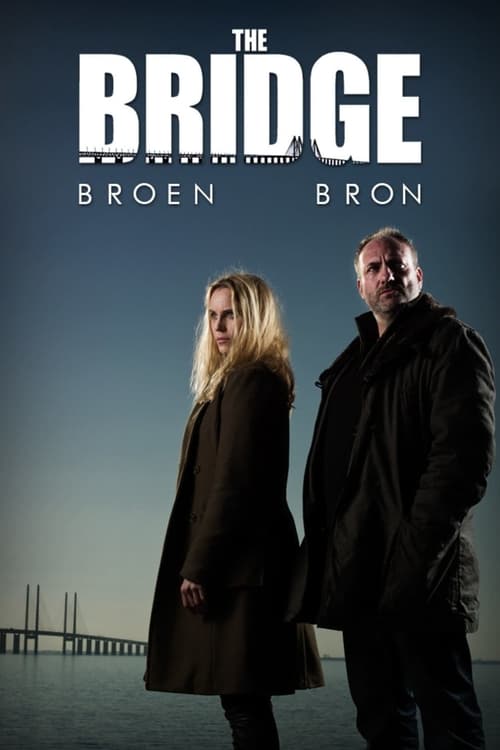
Books that share the weight
Novels whose protagonists endure, suffer, and sometimes transcend, with the same moral intensity


The Golden Heart Trilogy invented a new kind of female suffering
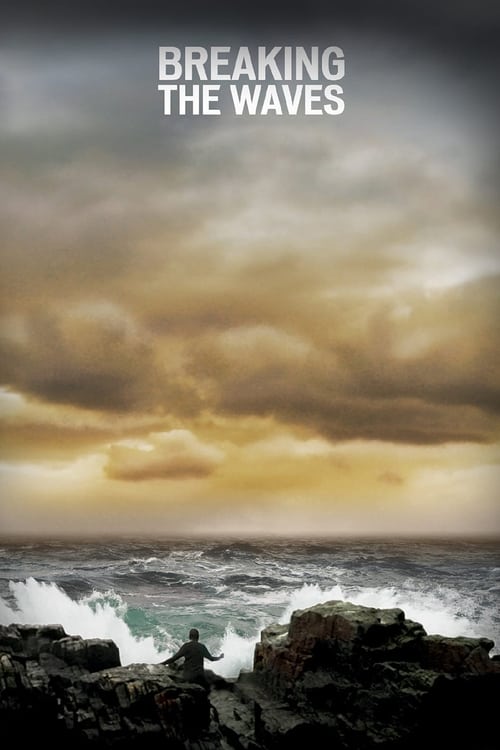
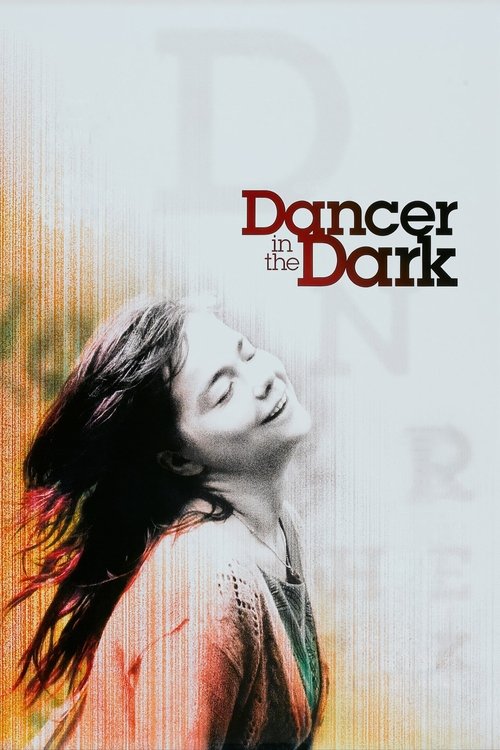
Breaking the Waves, The Idiots, and Dancer in the Dark share a protagonist: a woman of extraordinary, possibly naive goodness who is destroyed by the world around her. Bess, Karen, and Selma are not passive victims. They make active, even fanatical choices in the name of love or belief. Von Trier is accused of sadism toward his characters, but the trilogy can also be read as a ferocious argument that goodness is real and that society punishes it. Whether you agree with his framing or despise it, the films cannot be dismissed.
Games that match the aesthetic and dread
Games where atmosphere is everything and discomfort is the point


Dogville is the boldest formal experiment in 21st-century cinema
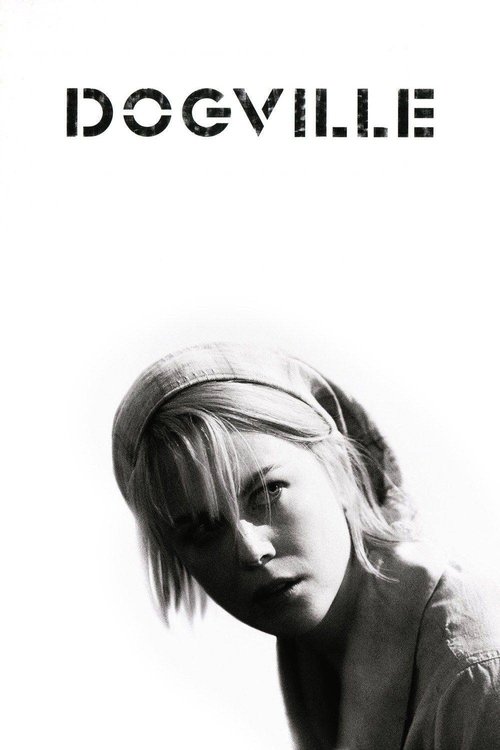
A Brechtian fable filmed on a black soundstage where the entire town of Dogville exists only as chalk lines on the floor. No walls, no houses, just actors miming the spaces in between. Von Trier strips away every cinematic convention to make the allegory about American hypocrisy run on pure performance and narrative. Nicole Kidman's Grace arrives as a fugitive and becomes a test of the town's professed values. The ending is one of the most deliberately divisive in modern film, and it is exactly right.
Lars von Trier: a career in confrontations
- 1984The Element of Crime wins the Technical Grand Prix at Cannes, announcing a major new voice in European cinema The Element of Crime
- 1988Europa Trilogy begins with Epidemic, a meta-fictional plague film shot as documentary Epidemic
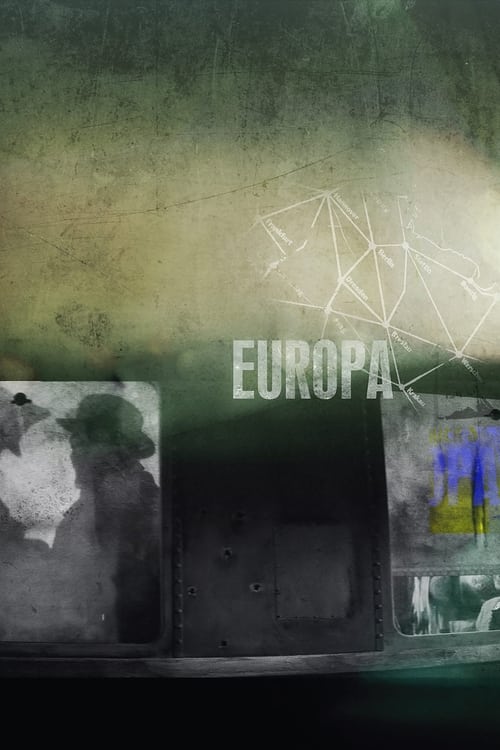
- 1991Europa: a postwar noir in which an American finds himself enmeshed in a Germany full of fascists and ghosts Europa
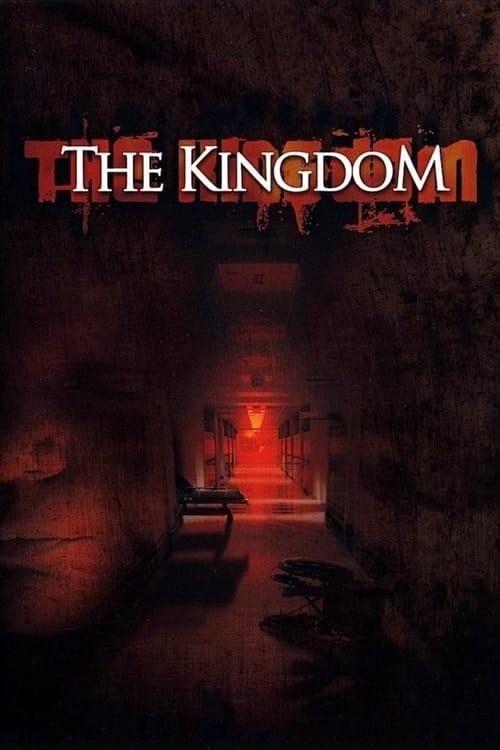
- 1994The Kingdom: a Danish hospital haunted by the past, made for Danish television and immediately cultish across Europe The Kingdom
- 1996Breaking the Waves wins the Grand Prix at Cannes; the Golden Heart Trilogy begins Breaking the Waves
- 1998Von Trier co-founds Dogme 95 with Thomas Vinterberg; The Idiots is his Dogme entry The Idiots
- 2000Dancer in the Dark: Bjork wins Best Actress at Cannes; the musical is also a capital punishment film Dancer in the Dark
- 2003Dogville: Nicole Kidman on a bare stage; the USA Trilogy begins Dogville
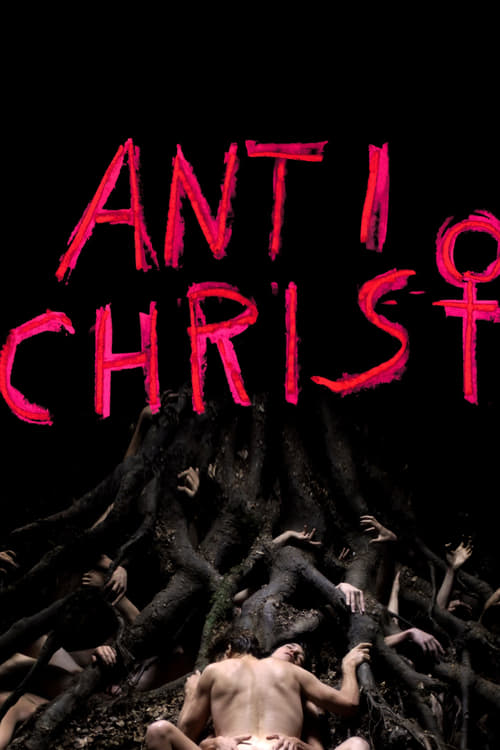
- 2009Antichrist: the Depression Trilogy opens in screams and grief and becomes the most controversial film at Cannes Antichrist
- 2011Melancholia: Kirsten Dunst wins Best Actress at Cannes; apocalypse as depression made visible Melancholia
- 2013Nymphomaniac: a four-hour study of a woman's sexual life, split into two volumes Nymphomaniac: Vol. I
- 2018The House That Jack Built: an architect-serial-killer reflects on his art; Cannes walkouts and standing ovations in the same screening The House That Jack Built
Uncompromising, Confrontational Cinema
For Fans of Stanley Kubrick
Explore the For Fans of Stanley Kubrick guide →I regard myself as a rather restricted artist. I can only work with what torments me.Lars von Trier