
Progressive rock is the genre that looked at the three-minute pop song and asked: what if we had twenty? In the late 1960s and through the 1970s, bands in Britain and Europe began fusing rock energy with the structural ambition of classical composition, the improvisational spirit of jazz, and lyrics drawn from science fiction, mythology, and philosophy. The result was music of genuine strangeness and grandeur: side-long suites, shifting time signatures, mellotrons washing over distorted guitars, and concept albums that demanded to be heard front to back. The fan who loves prog chases a specific feeling: the moment a track opens out into something vast, when the time signature folds back on itself and a new theme emerges from the wreckage of the old one. That restlessness, that refusal to coast, runs through every medium here.
Essential Progressive Rock
The albums that built the genre and the artists who kept pushing it forward
Prog on Film: Documentaries and Concert Films
The live spectacle and behind-the-scenes story of the genre's golden age


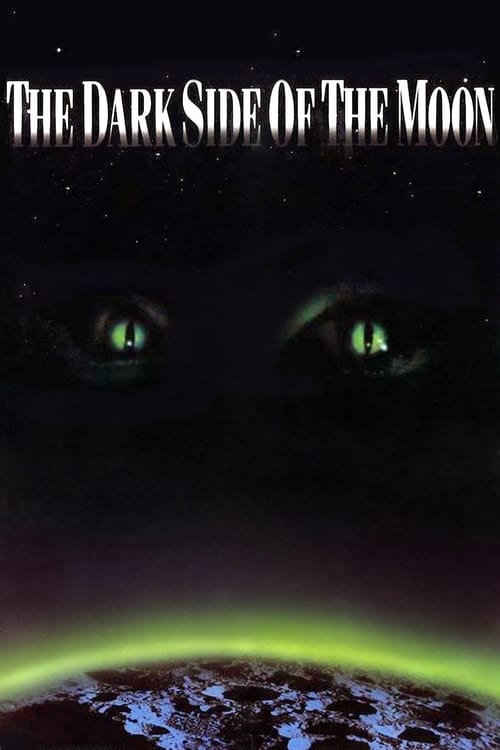
Same Energy: Films and Series with Prog's Expansive Spirit
Ambitious, structured, willing to take their time, these share the genre's restless scope
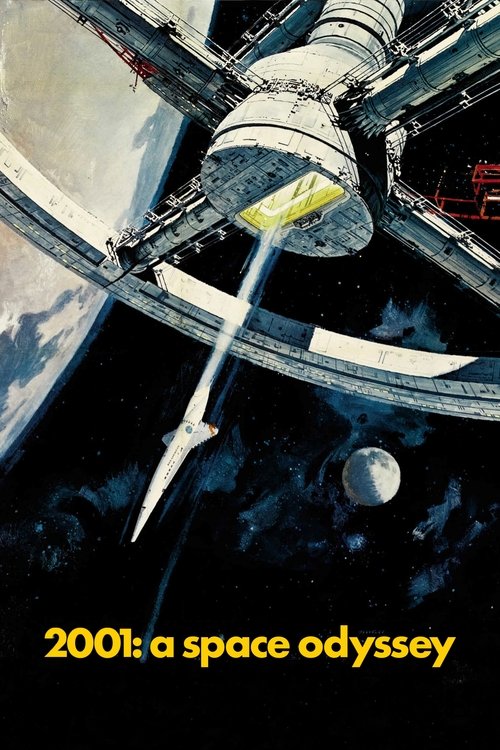
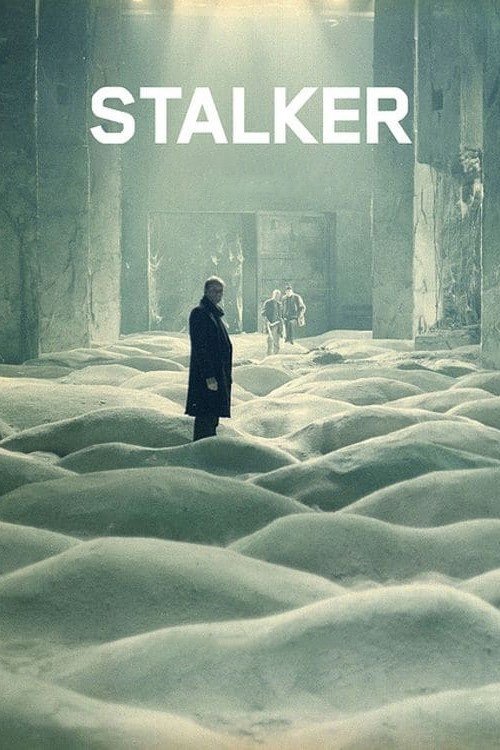

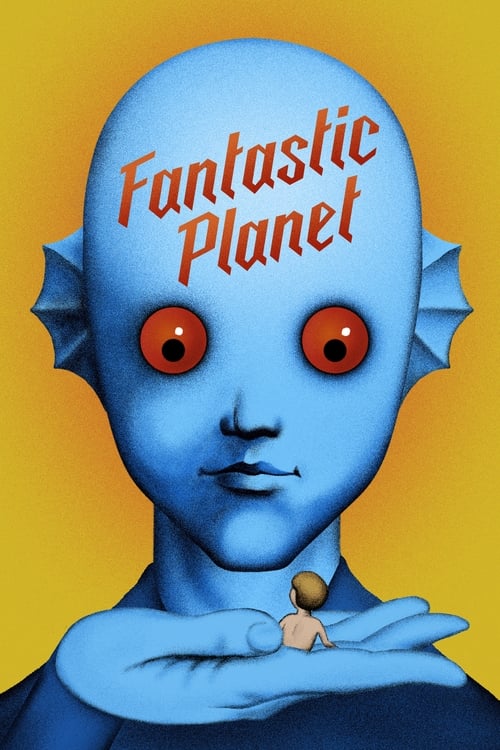





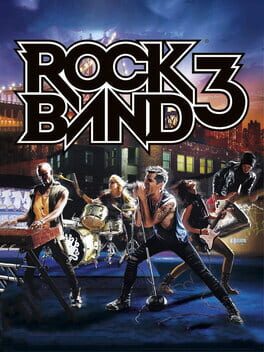
Beat and Rhythm: Games for the Prog Fan
From rhythm mechanics to vast soundscapes built on the same structural DNA





Music-Driven Novels: Books for the Prog Listener
Fiction that shares prog's obsession with structure, mythology, and the boundaries of form


The Album Side as the Fundamental Unit
Prog refused the single. Its natural form is the album side: twenty-odd minutes of continuous music that builds, fragments, and resolves on its own terms. King Crimson's 'Starless' spends nine minutes constructing tension before the band finally releases it; Yes spent two entire album sides on 'Close to the Edge' and 'The Gates of Delirium'. This is music that rewards patience and punishes impatience. If you queue it on shuffle you are missing the point.
Prog's Second Life: The 1980s and the Comeback
Punk declared prog dead in 1977, but the genre never actually stopped. Marillion rebuilt the entire aesthetic from scratch in 1983 and found a new audience hungry for exactly the complexity punk had ejected. Peter Gabriel and Kate Bush took the studio ambition of prog into a more accessible shape without abandoning the structural seriousness. And neo-prog bands continued releasing million-selling albums through the 1980s while critics were loudly insisting the genre was over.
The Italian and German Traditions
British prog gets most of the attention, but the genre had parallel and equally ambitious traditions across Europe. Italian prog (PFM, Banco del Mutuo Soccorso, Le Orme) ran classical influence through a Mediterranean emotional directness. German Krautrock (Can, Faust, Neu!) took the improvisational side in a harder, more repetitive direction that anticipated both ambient music and post-punk. These traditions are not footnotes: they are essential listening for anyone who has heard everything on the obvious list.
Steven Wilson and the Prog Revival
Porcupine Tree and Steven Wilson's subsequent solo work proved that the genre's ambitions translate cleanly into the 21st century with better production values and none of the excess that made prog easy to mock. Wilson spent years remixing the canonical 5.1 catalog (King Crimson, Yes, Jethro Tull) and then made his own records with the same obsessive care. 'The Raven That Refused to Sing' (2013) sounds like it was recorded in 1975 and in 2013 at the same time, which is exactly the trick.
A Short History of Progressive Rock
- 1967The psychedelic roots: Sgt. Pepper and Pink Floyd's first album signal that rock can be stranger and longer
- 1969King Crimson's debut, In the Court of the Crimson King, is widely treated as the genre's founding document
- 1971Yes, Genesis, ELP and Jethro Tull all release landmark albums; prog becomes a commercial as well as critical force
- 1973The Dark Side of the Moon: prog reaches its mainstream apex, eventually selling 45 million copies
- 1975Side-long suites peak with Tales from Topographic Oceans and Wish You Were Here; the excess that would invite backlash is also peaking
- 1977Punk arrives; critics declare prog over; the genre splinters into art rock, new wave, and neo-prog
- 1983Marillion releases Script for a Jester's Tear; neo-prog proves there is still a large audience
- 1991Dream Theater's Images and Words introduces a technically demanding American strain that becomes hugely influential
- 2000Tool, Radiohead, and Porcupine Tree carry prog ambitions into the mainstream without using the label
- 2013Steven Wilson's The Raven That Refused to Sing crystallises a new critical reassessment of the whole tradition
Ambitious, Boundary-Dissolving Music
For Fans of Yes
Explore the For Fans of Yes guide →The whole point of progressive rock was that we didn't know what we were doing. Nobody had done it before. We were making it up as we went along, and that's why it sounds like nothing else.Robert Fripp, King Crimson