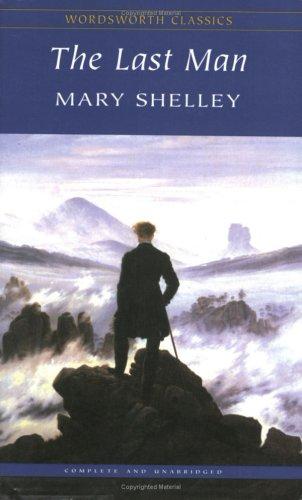

Mary Shelley was eighteen when she wrote the novel that invented science fiction. On a stormy night near Lake Geneva in 1816, surrounded by Byron and the Shelleys, she conjured a creature stitched from corpses and animated by galvanic ambition, and in doing so asked the question that haunts every era that follows: what do we owe the things we bring to life? Frankenstein is not a horror story about a monster. It is a tragedy about abandonment, responsibility, and the arrogance of creation. That distinction is what makes Shelley's legacy so alive across every medium. Her readers are drawn to the grief underneath the gothic, the science tangled with the sublime, and the creature who reads Paradise Lost and weeps at what he is.
Essential Mary Shelley
Her own novels, from the creature who reads to the last man on earth


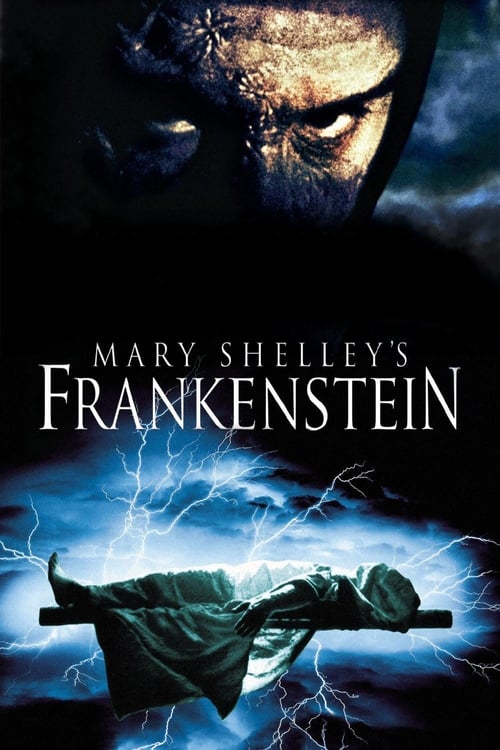
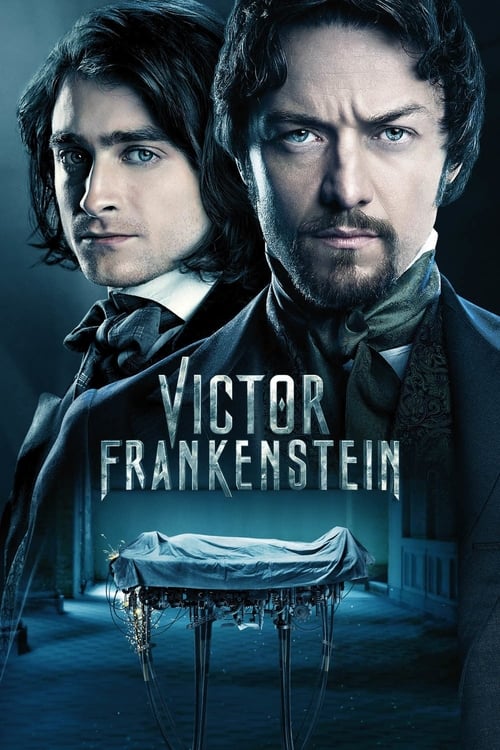
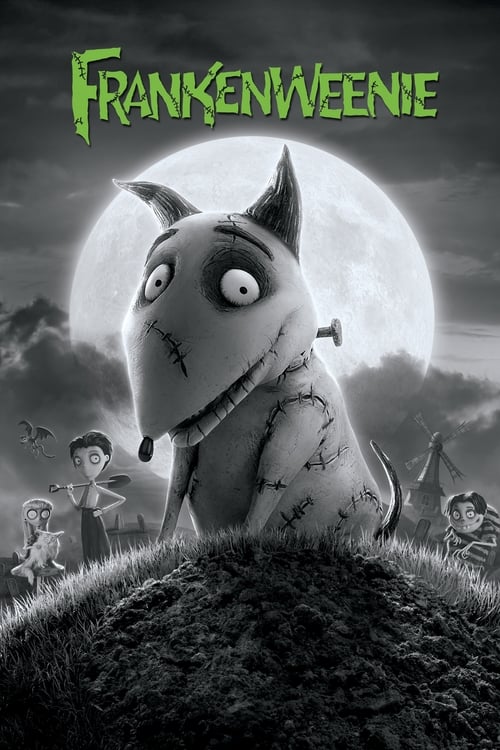
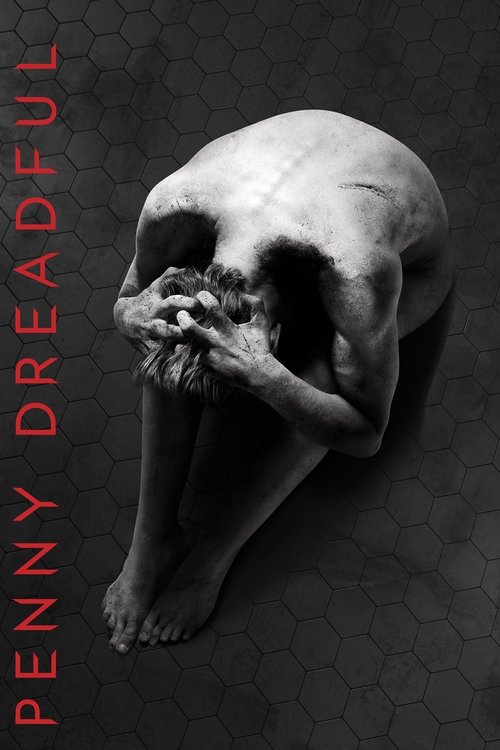
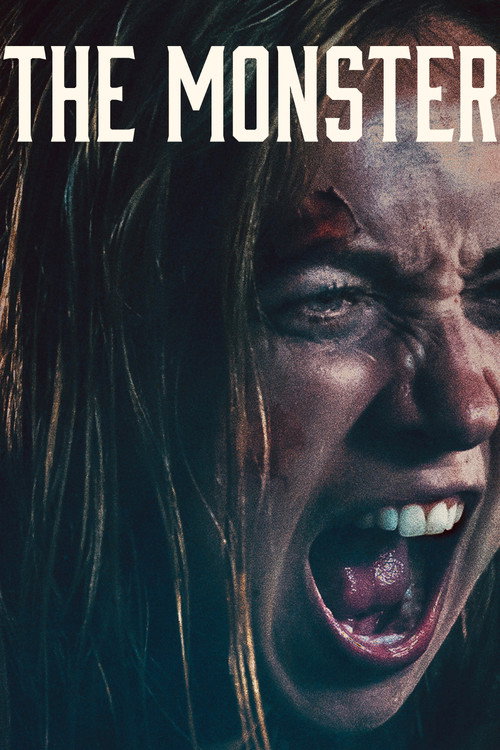
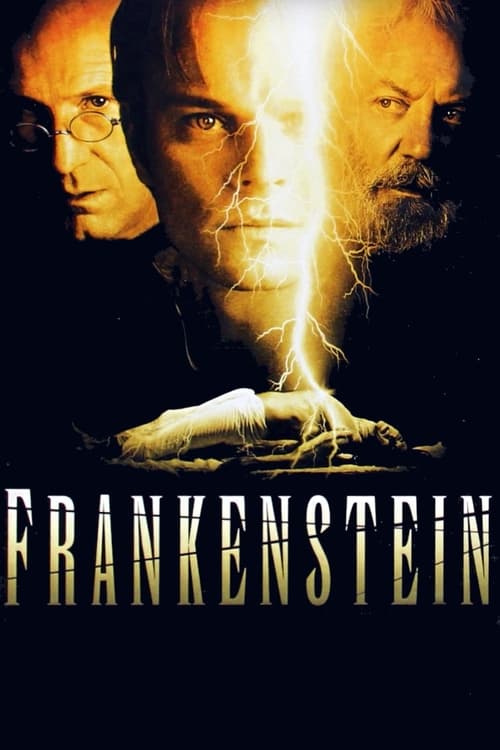
Frankenstein on Screen
Every era remakes the creature in its own image
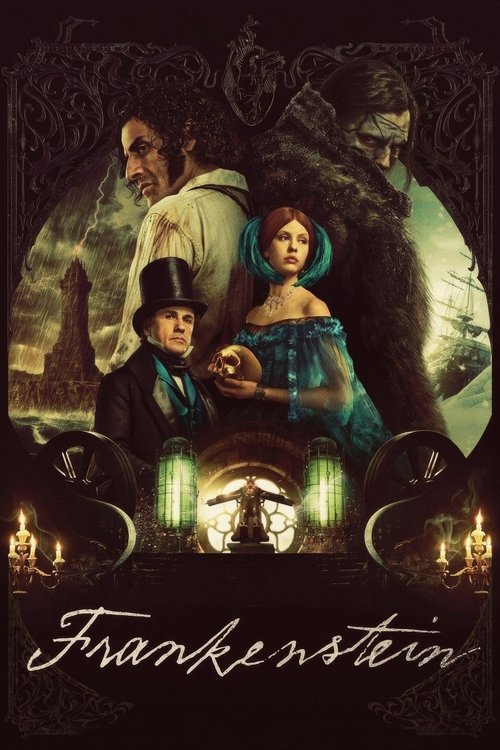
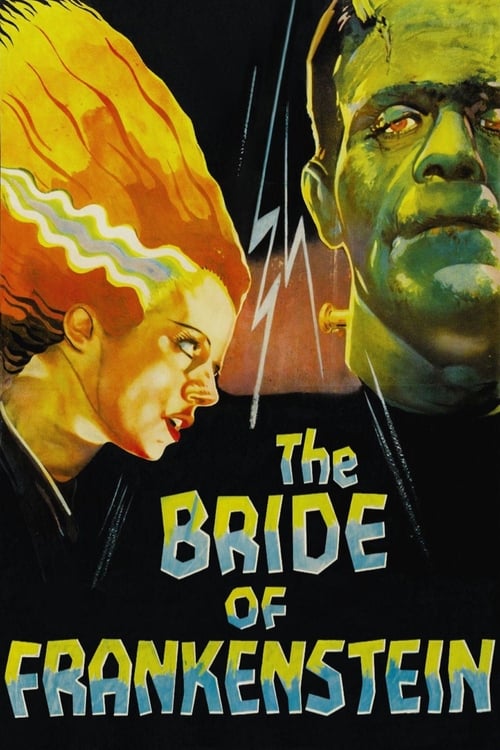
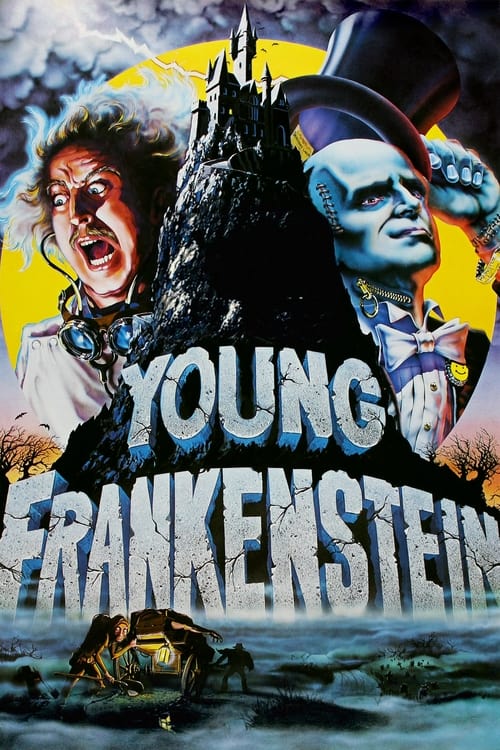

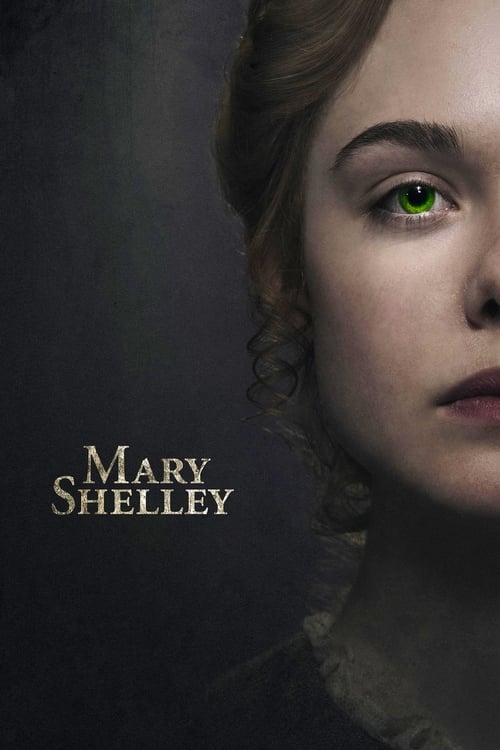
Mary Shelley on Screen
The woman who wrote the creature, and the world that made her
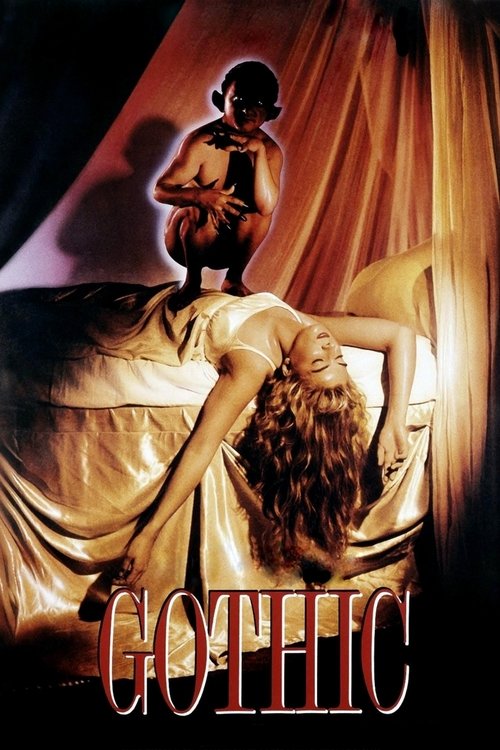
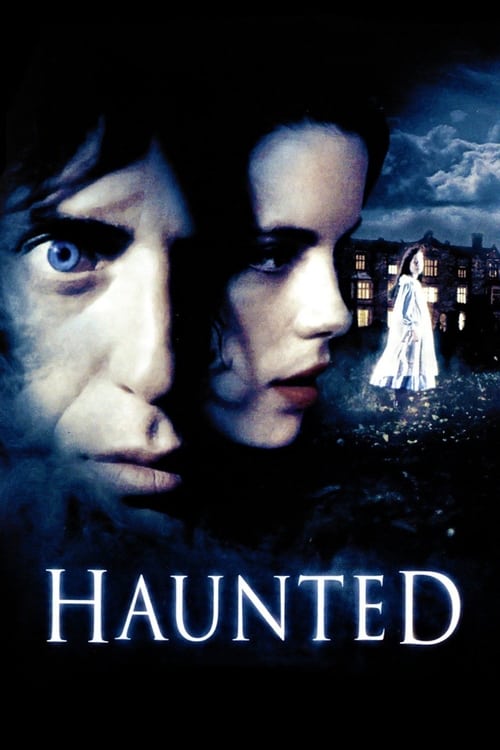
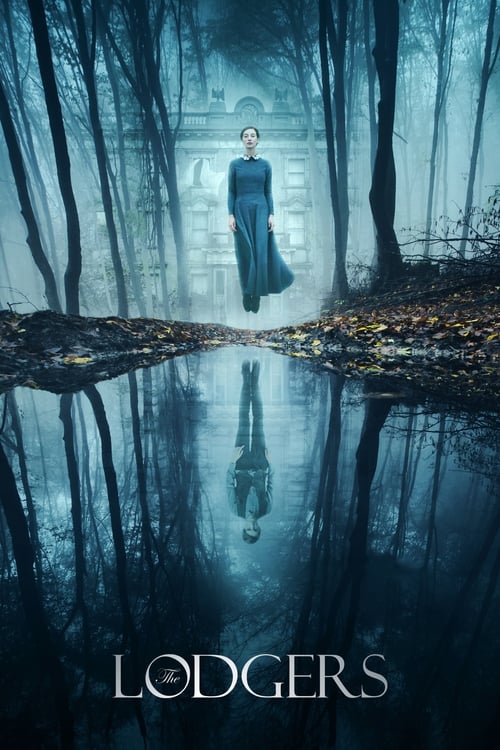
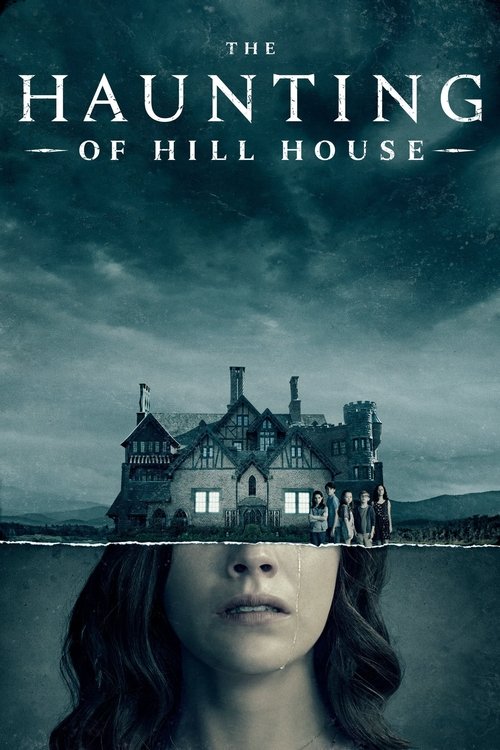
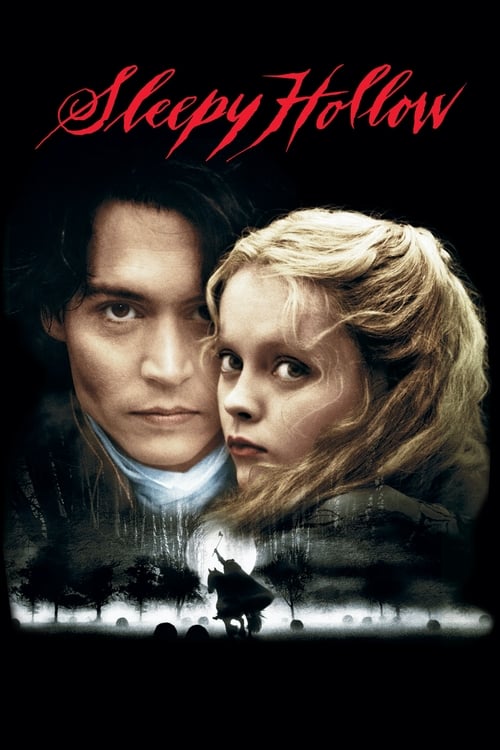
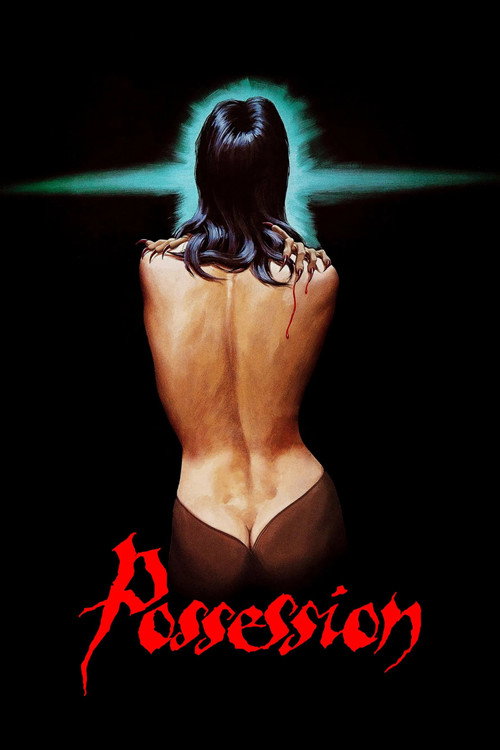
Gothic Horror and the Sublime
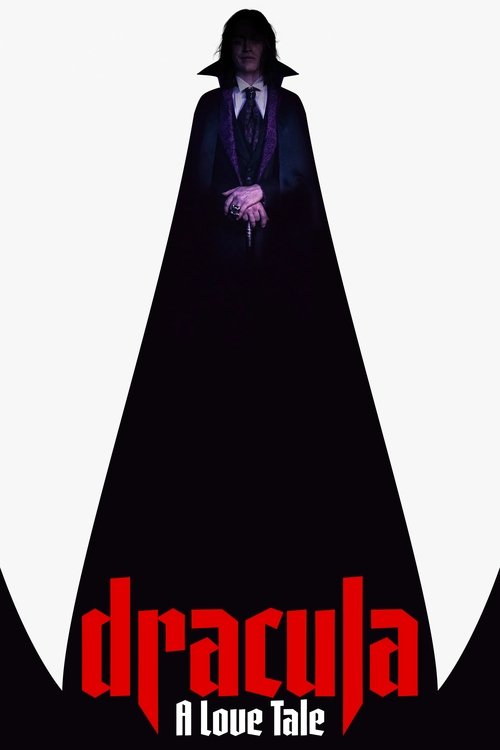
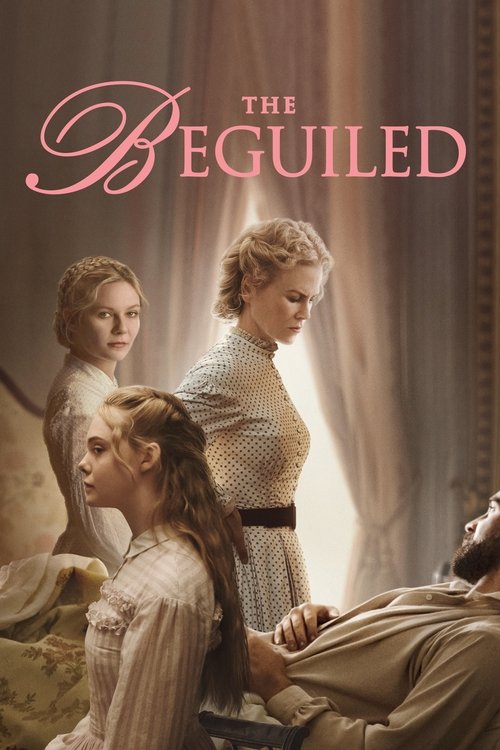
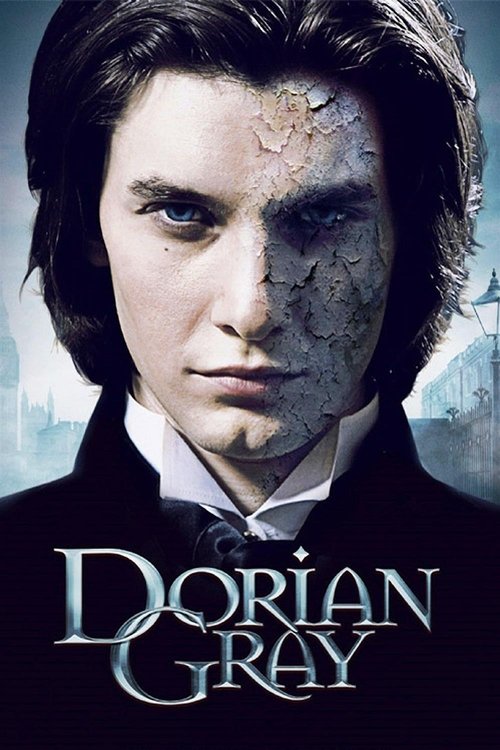
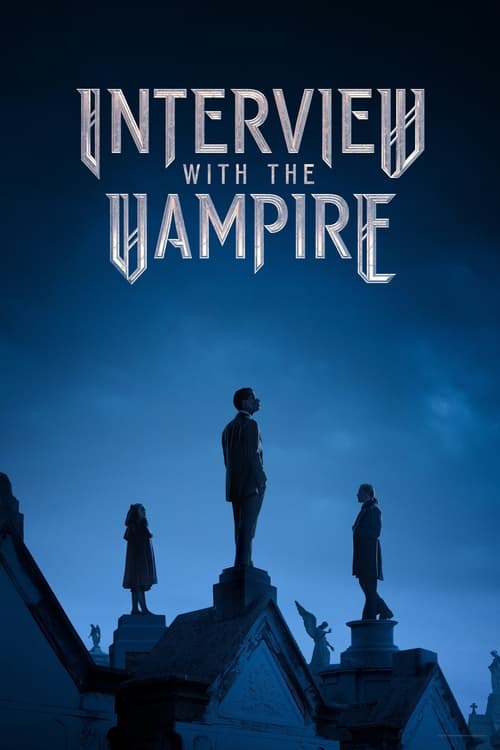
Films and series that share Shelley's atmosphere of dread and beauty
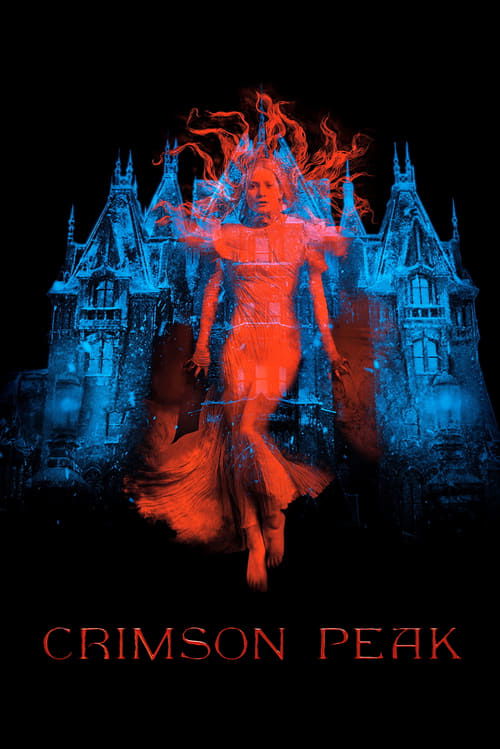
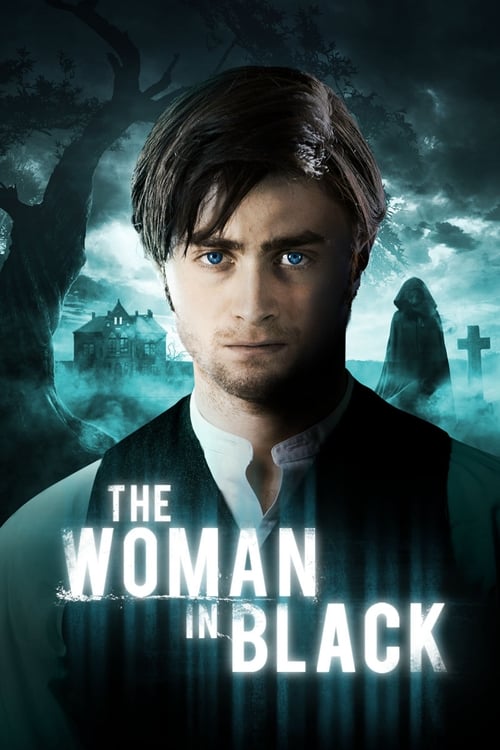
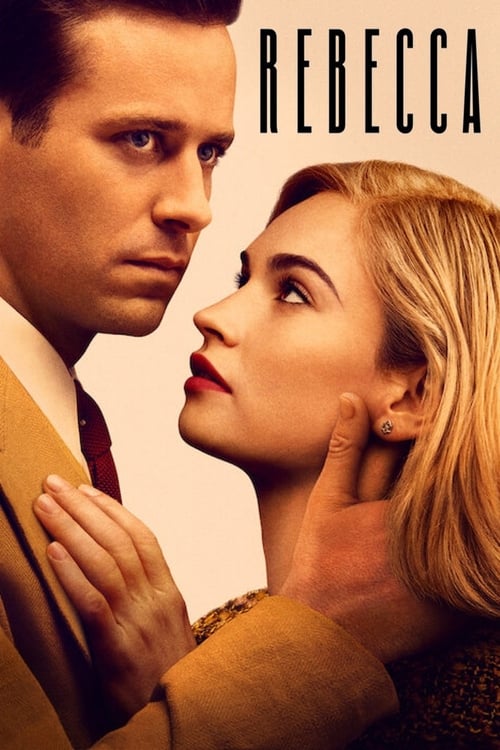

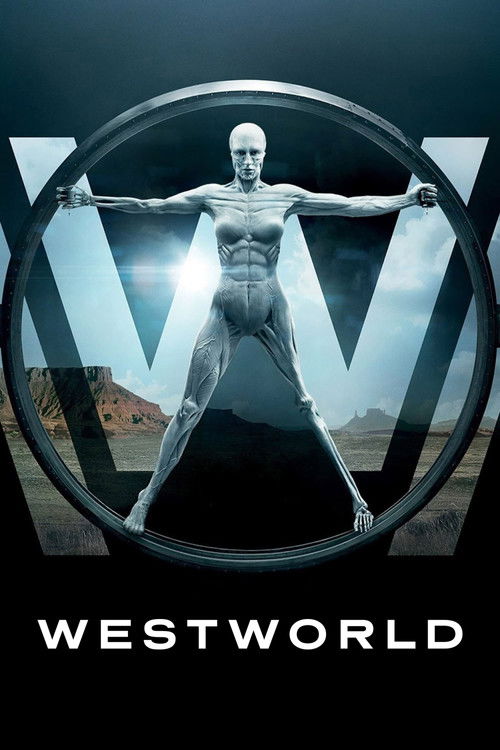
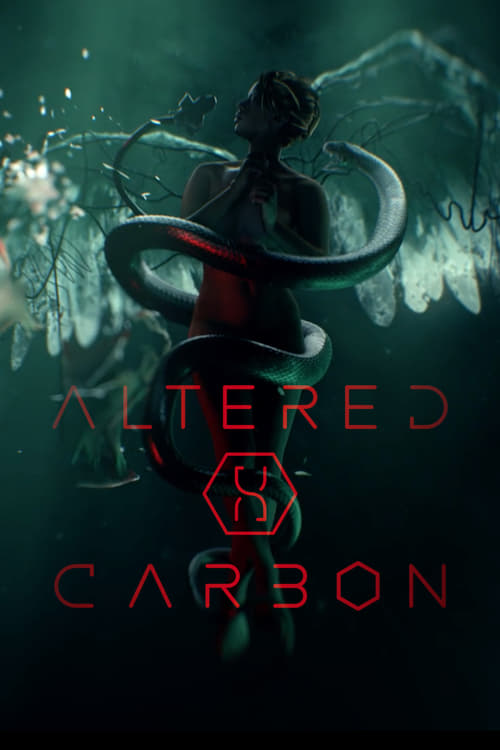
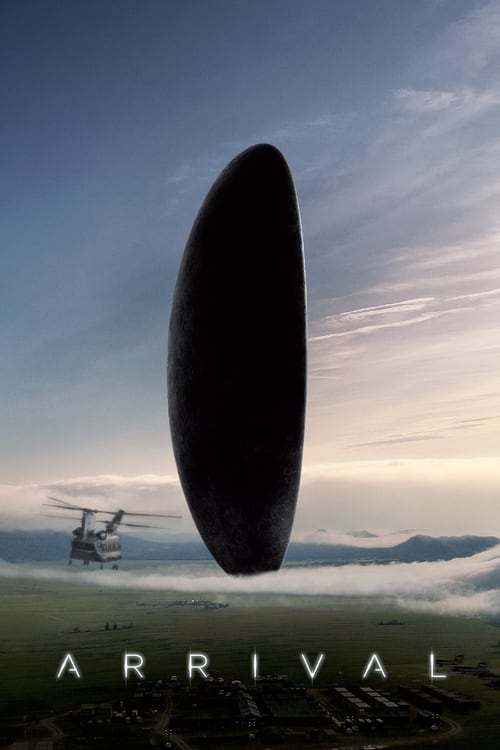
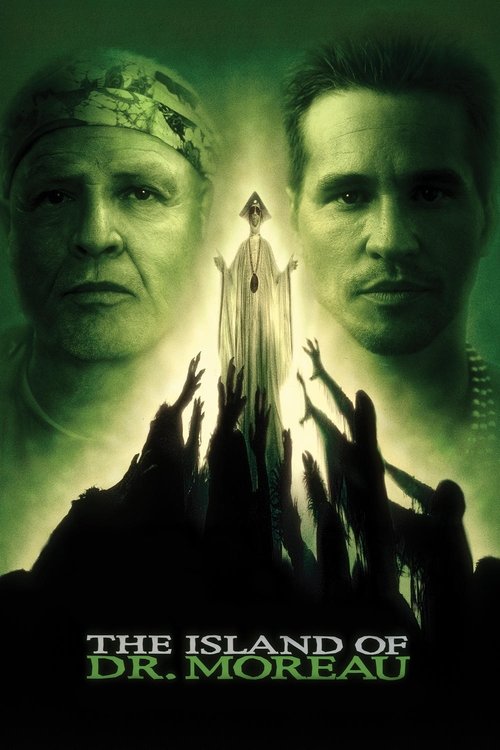
Science Gone Wrong
Creation, hubris, and consequence from the lab to the cosmos
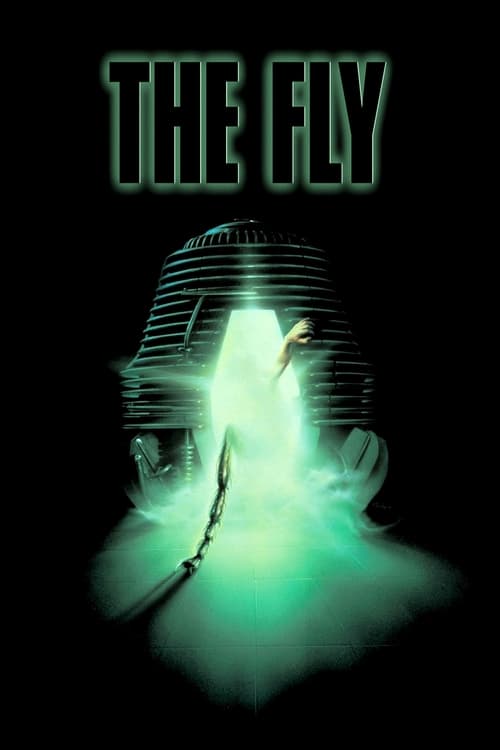

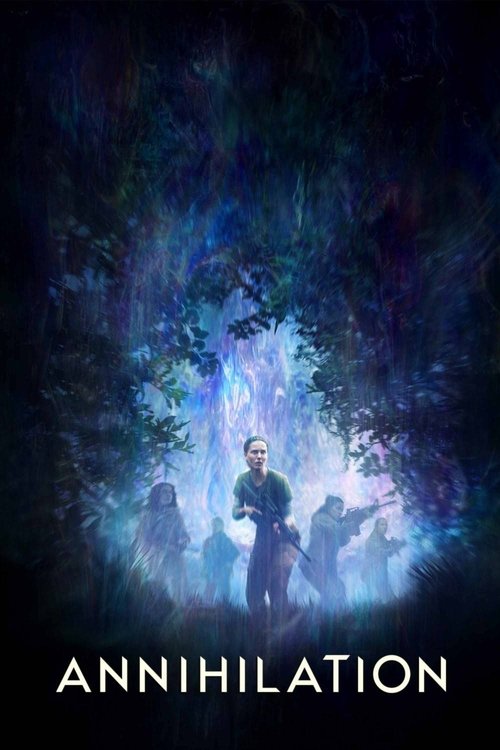
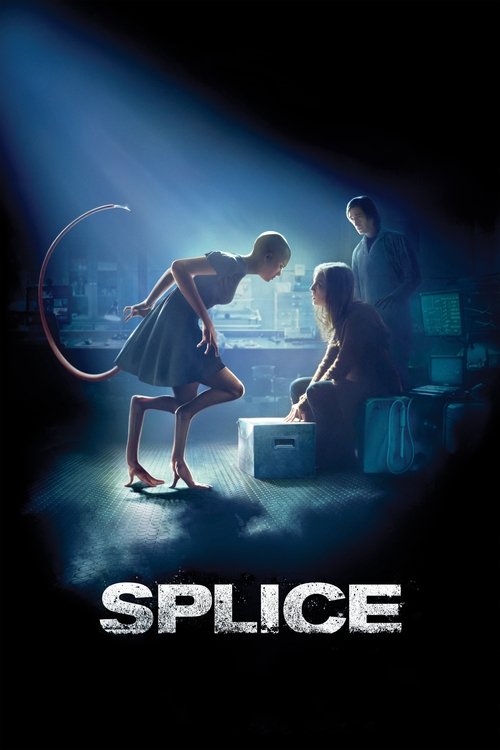

Gothic and Early Sci-Fi Authors
The writers who share her darkness, her ambition, or both


![The picture of Dorian Gray [adaptation]](https://covers.openlibrary.org/b/id/14314474-L.jpg)


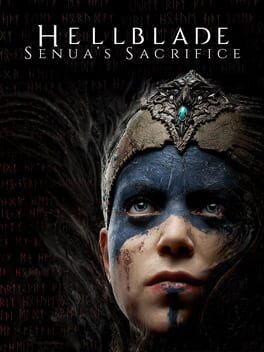
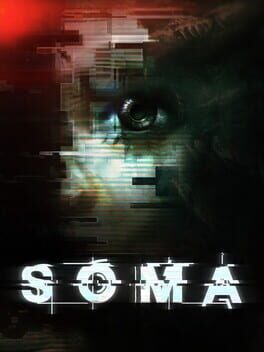
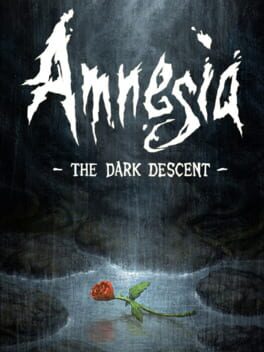
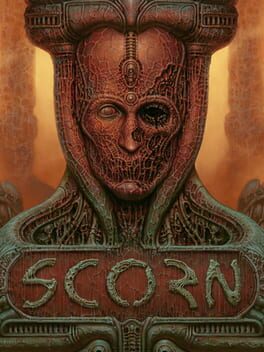
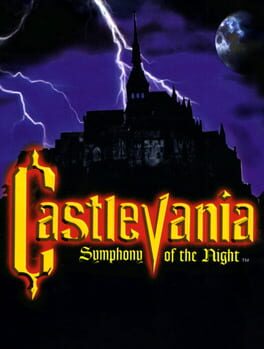
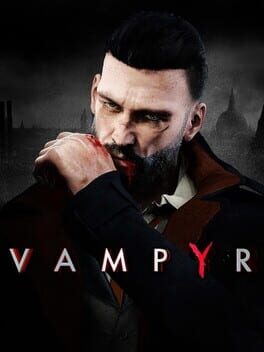
Creature and Creator in Games
Games where making something monstrous is the point
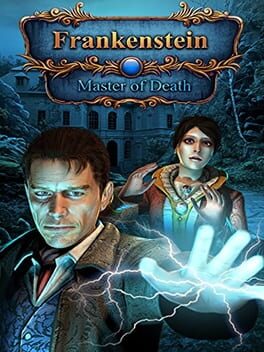
The Creature Is the Hero
Every adaptation that misreads Frankenstein turns the creature into the villain and misses the whole book. Shelley's creature is eloquent, devastated, and right about almost everything he says. He was made without consent, abandoned without cause, and taught to hate himself by the cruelty of strangers. The monster is the metaphor for anyone society discards. The films that honour this, from Whale's original to Penny Dreadful, are the ones that stick.
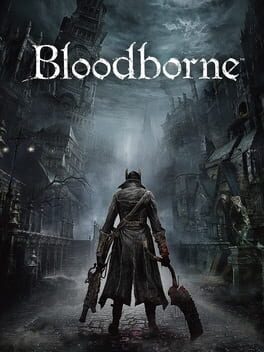
Bloodborne Is the Most Shelleyan Game Ever Made
From Software's Bloodborne is soaked in the Romantic gothic tradition that Shelley defined. A city of scholars who reached too far into forbidden knowledge. Experiments that warped flesh into something the researchers could no longer recognise as human. A protagonist who sees the truth and is transformed by the act of seeing. Yharnam and Ingolstadt share the same nightmare: that curiosity, unchecked, becomes catastrophe.
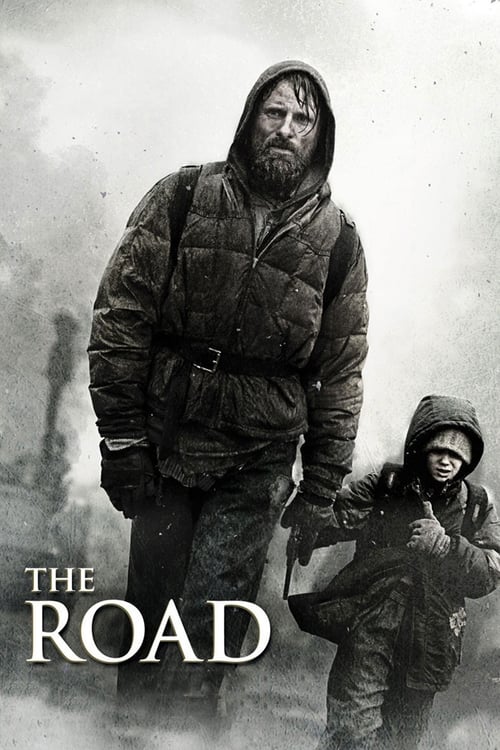
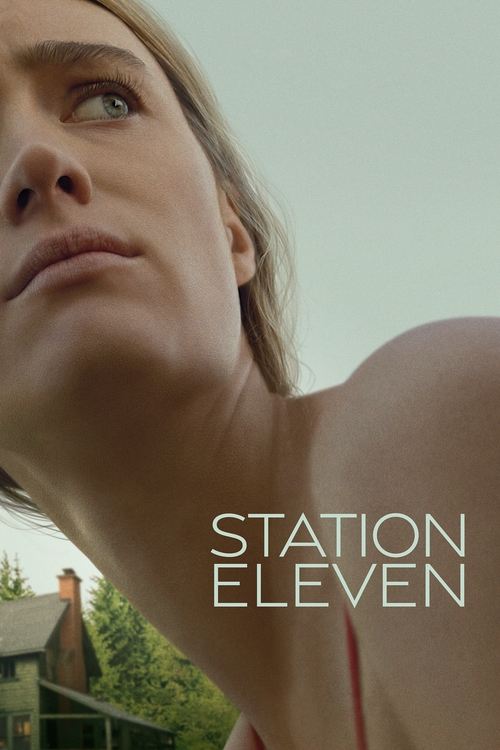
The Last Man Deserves to Be Shelley's Second Classic
Published in 1826, The Last Man is Shelley's other masterpiece, a pandemic novel that follows the sole survivor of a plague that ends humanity. It reads as a grief work for the deaths she had already suffered by her thirties, Percy, Byron, her children, and it imagines apocalypse not as spectacle but as loneliness. Every contemporary pandemic narrative owes something to it. It is overdue for a serious screen adaptation.
Gothic Horror Feminism Was There All Along
Long before scholars named it, Shelley was writing feminist gothic. Frankenstein is partly a rebuke to the Romantic poets around her, brilliant men who took credit and left consequences for others. Victor creates life without any consideration for what that life will experience. The novel keeps asking: who gets to be the author of another being's existence? It is a question that has not stopped being relevant.
Mary Shelley and the Gothic Tradition
- 1764Horace Walpole publishes The Castle of Otranto, founding Gothic fiction
- 1794Ann Radcliffe's The Mysteries of Udolpho defines the female Gothic
- 1797Mary Wollstonecraft Godwin born in London
- 1816The ghost-story competition at Villa Diodati: Shelley conceives Frankenstein
- 1818Frankenstein; or, The Modern Prometheus published anonymously Frankenstein
- 1820Percy Bysshe Shelley drowns; Mary becomes sole provider for their son
- 1826The Last Man published, one of the first pandemic apocalypse novels The Last Man
- 1831Revised Frankenstein published under her own name, now the standard text
- 1851Mary Shelley dies at 53
- 1931James Whale's Frankenstein makes Boris Karloff the definitive creature Frankenstein
- 1985Ken Russell's Gothic imagines the Villa Diodati night Gothic
- 2018Mary Shelley biopic with Elle Fanning released Mary Shelley
From Frankenstein to Gothic Horror
Every Version of Frankenstein or The Modern Prometheus
Explore the Every Version of Frankenstein or The Modern Prometheus guide →Beware, for I am fearless and therefore powerful.Mary Shelley, Frankenstein (1818)