
Gothic rock is the sound of the beautiful and the doomed sharing a stage. It emerged from post-punk in the late 1970s and early 1980s, as bands like Siouxsie and the Banshees, Bauhaus, and The Cure pushed their music toward colder tempos, deeper bass, and imagery borrowed from horror literature, Romantic poetry, and expressionist cinema. What defines it is not sadness alone but a particular kind of grandeur in sadness: the long, reverberant guitar line that feels like it could go on forever, the voice that confesses more than it performs, the drumbeat that turns dread into dance. Gothic rock fans are drawn to the tension between beauty and decay, between surrender and defiance. The genre never disappeared; it simply shapeshifted through darkwave, goth metal, post-punk revival, and atmospheric black metal, and it continues to recruit listeners who need their music to take the dark seriously.
Essential Gothic Rock
The albums and records at the core of the canon
Darkwave and the Genre's Outer Edges
Where gothic rock bleeds into electronic and industrial territory
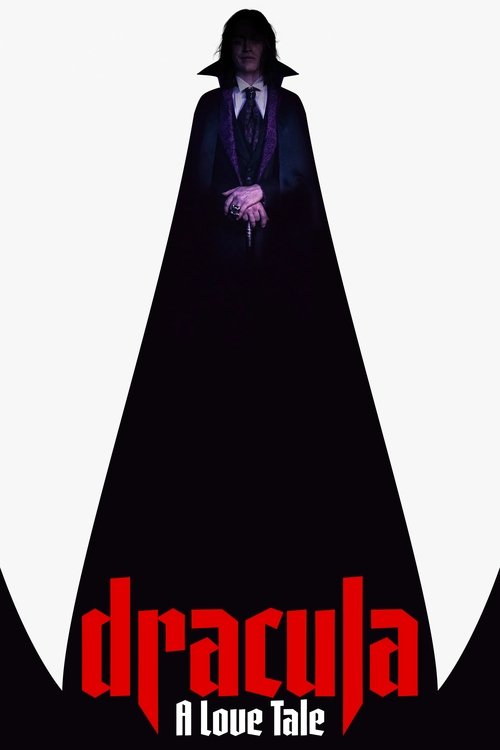
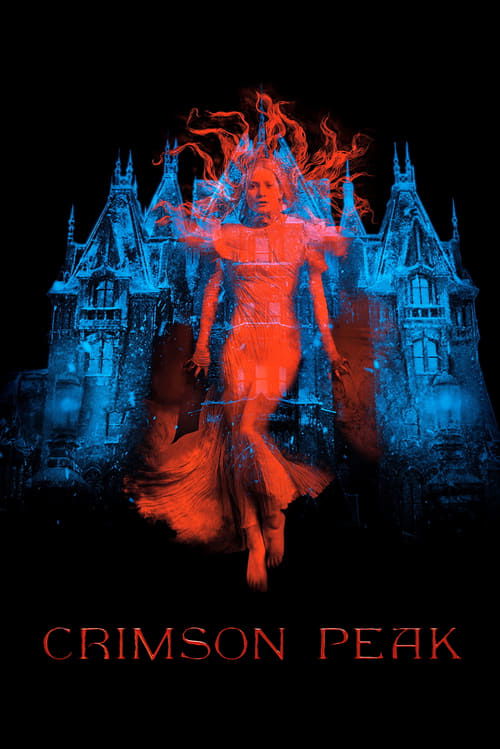
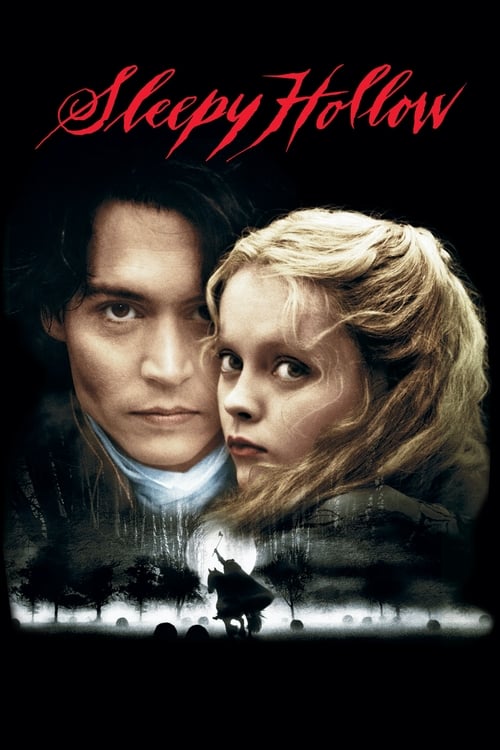
Films That Share the Atmosphere
Cinema with the same darkness, grandeur, and romantic menace



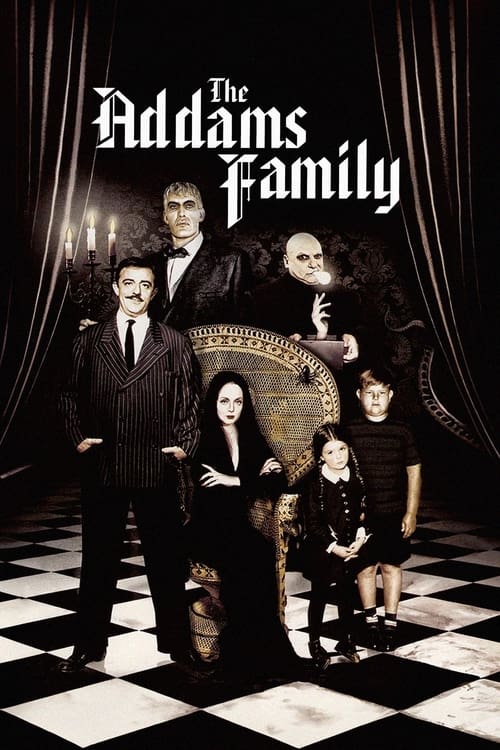
Series for the Same Sensibility
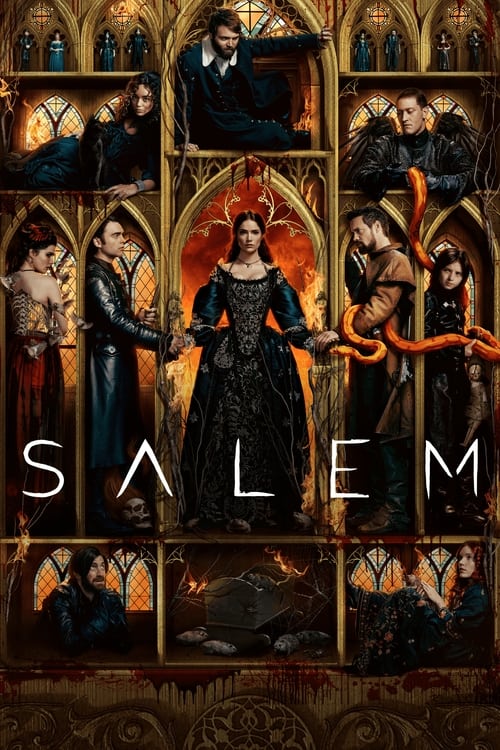
Television that lives in the same shadows


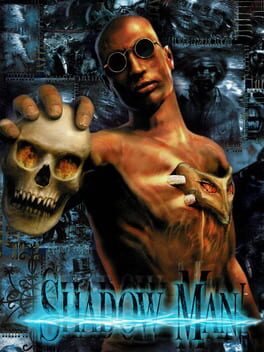
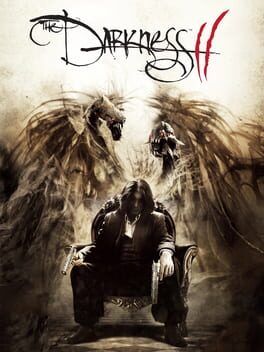
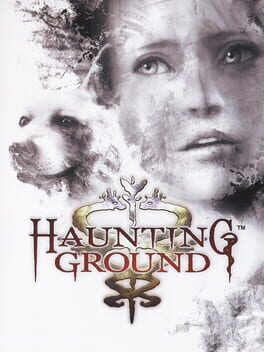
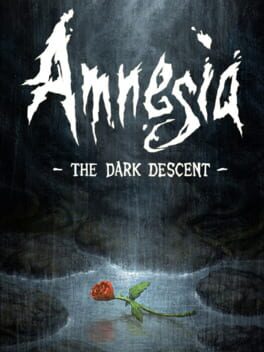
Games with Gothic Rock DNA
From Castlevania's cathedral halls to neon-lit vampire clubs

Books for the Romantically Dark
Fiction that feeds the same hunger for beauty in darkness


![The picture of Dorian Gray [adaptation]](https://covers.openlibrary.org/b/id/14314474-L.jpg)


Bauhaus Invented the Pose, Siouxsie Invented the Depth
Bauhaus created gothic rock's visual grammar in 1979 with 'Bela Lugosi's Dead,' nine minutes of pure theatrical dread. But it was Siouxsie Sioux and her Banshees who gave the genre its emotional range. Where Bauhaus was a performance, Juju and A Kiss in the Dreamhouse were full worlds: layered, sensual, and impossible to fully decode. Siouxsie proved that gothic rock could hold complexity without losing its edge, which is why the Banshees remain the genre's most durable influence on successive generations.
Disintegration Is the Genre's Defining Statement
The Cure made many great records, but Disintegration (1989) is the one that collapses the distance between gothic rock and mainstream emotional experience. Robert Smith wrote it as a break from commercial success and ended up with the most commercially successful album of his career. The reverb-soaked guitars and Smith's voice at its most exposed found an audience far beyond the genre's subculture. It is the record that explains gothic rock to people who think they don't like gothic rock.
Gothic Rock and Cinema Have Always Fed Each Other
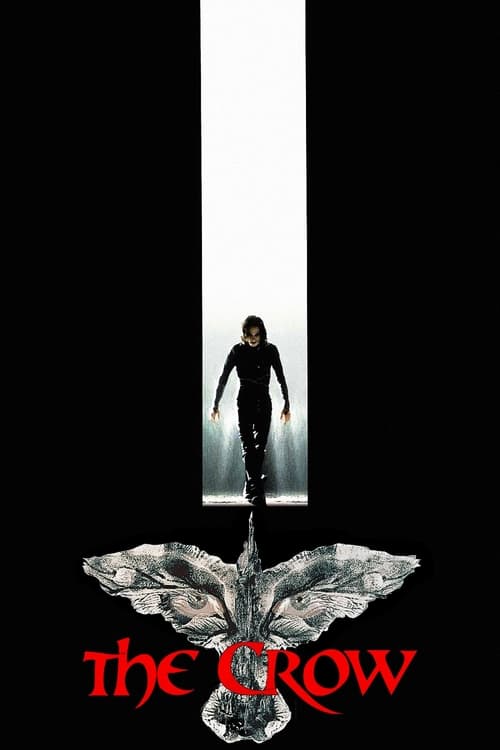
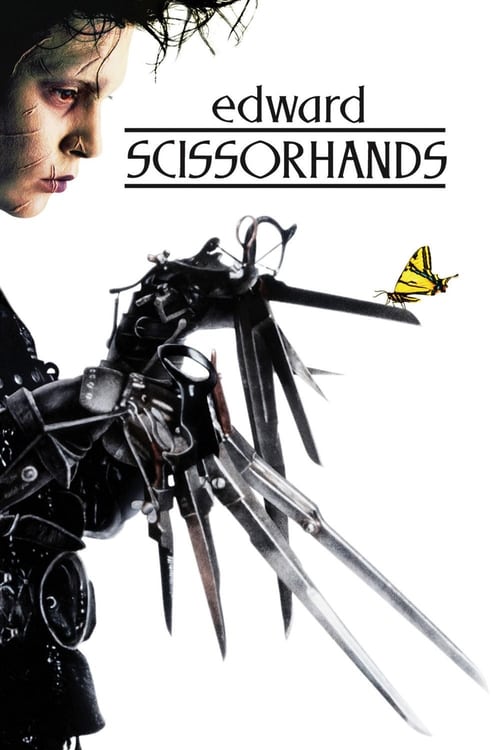
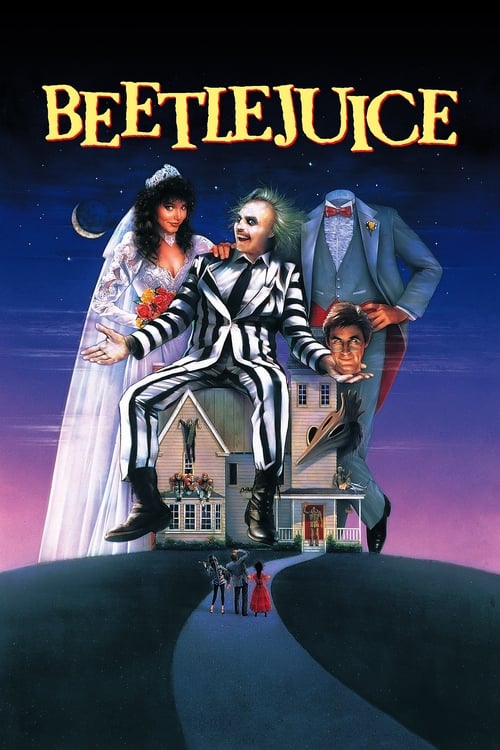
The relationship between gothic rock and film is not incidental. Bauhaus appear performing 'Bela Lugosi's Dead' in the opening of The Hunger (1983), a film that functions almost as a gothic rock music video stretched to feature length. The Crow (1994) built its entire identity around the genre. And the visual language that directors like Tim Burton developed drew directly from gothic rock's aesthetic sources: German Expressionism, Victorian illustration, and the charged melancholy of Edward Gorey. The two art forms share a bloodline.
The Genre Never Died, It Just Went Underground
Gothic rock has never been fashionable in the mainstream sense, which is part of why it keeps surviving. Each decade produces new bands working in the tradition: Lebanon Hanover, Boy Harsher, Grave Pleasures, Actors, She Wants Revenge. The 2020s post-punk revival brought fresh attention to the cold, reverberant sound that gothic rock pioneered. The subculture's communities, from Wave-Gotik-Treffen in Leipzig to countless local club nights, maintain the tradition without needing mainstream validation. Longevity built on depth rather than trend is its own kind of victory.
Gothic Rock: A Dark Timeline
- 1979Bauhaus record 'Bela Lugosi's Dead,' widely considered the genre's founding document.
- 1980Joy Division's Closer released shortly after Ian Curtis's death, sealing the band's mythology. Closer
- 1981Siouxsie and the Banshees release Juju, sharpening their sound into something genuinely commanding. Juju
- 1982The Cure's Pornography marks the darkest point in their catalog and one of gothic rock's extremes. Pornography
- 1983The film The Hunger opens with Bauhaus performing live, cementing gothic rock's cinematic ambitions. The Hunger
- 1987The Sisters of Mercy release Floodland, expanding the genre toward orchestral grandeur. Floodland
- 1989The Cure's Disintegration becomes the genre's crossover peak, reaching audiences far outside the subculture. Disintegration
- 1994The Crow turns gothic rock into a blockbuster film, with a soundtrack cementing the genre's visual language. The Crow
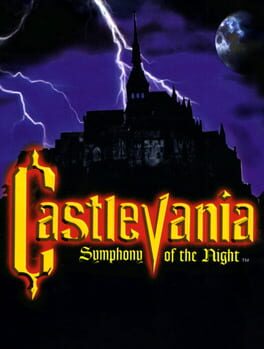
- 1997Castlevania: Symphony of the Night translates gothic architecture and atmosphere into game design. Castlevania: Symphony of the Night
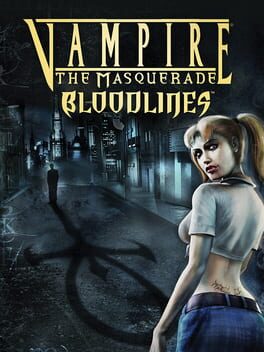
- 2004Vampire: The Masquerade - Bloodlines gives players a gothic rock-scored night in a vampire city. Vampire: The Masquerade - Bloodlines
Cathedral dread, lace, and dark romance
For Fans of The Cure
Explore the For Fans of The Cure guide →Gothic rock is not about despair. It is about making despair beautiful enough to survive it.CrossBinge Editors