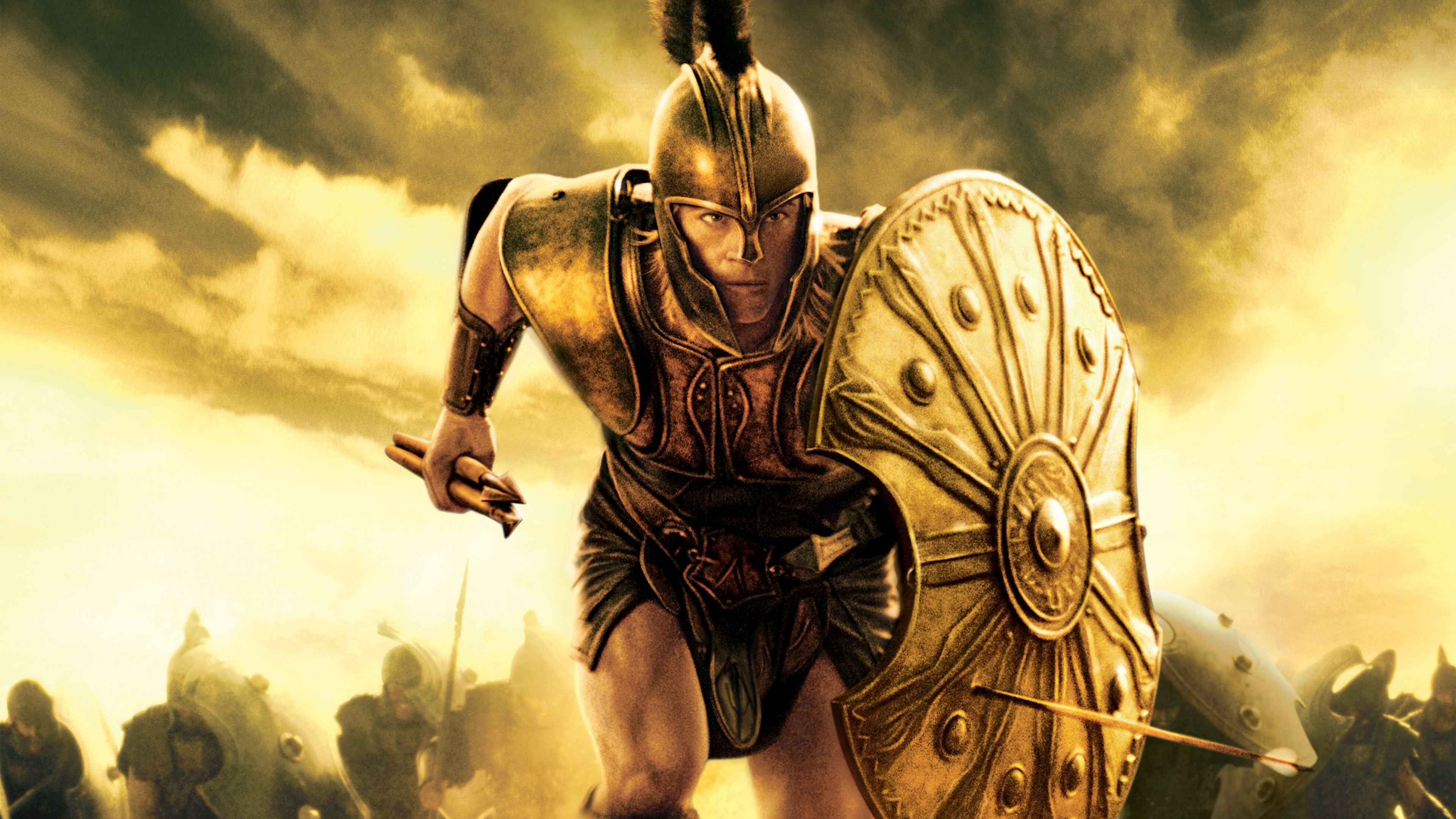

Greek mythology is not a genre. It is a substrate. The feeling fans chase is something older than genre conventions: fate pressing down on free will, gods who are terrifyingly human in their pettiness, heroes defined as much by what they lose as by what they conquer. The through-line from Homer to Hades (the game) to Circe (the novel) is the same pull: stories that make the cosmos feel personal, where a hero's flaw is the plot and where the monsters are often the most honest characters in the room. Whether you are here for the epic scope, the psychological richness, or the pleasure of seeing a myth retold sideways, the catalog below spans every medium that has done it justice.
Essential Greek Mythology: The Films
Cinema's best attempts to put gods and heroes on screen

If You Love Greek Mythology: The Series
Television and streaming have given myth the scope it deserves

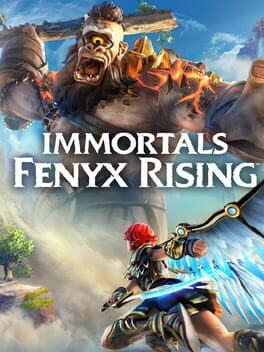
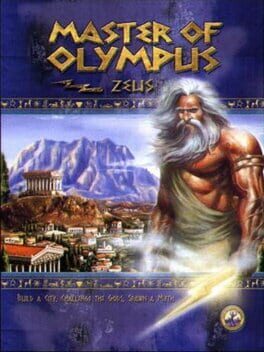
If You Love Greek Mythology: The Games
The medium that lets you BE the hero, the god, or something in between

If You Love Greek Mythology: The Books
From Homer to contemporary retellings that shift the point of view



If You Love Greek Mythology: The Music
Scores and albums that carry the weight of the ancient world
Hades Changed What a Myth Retelling Can Be
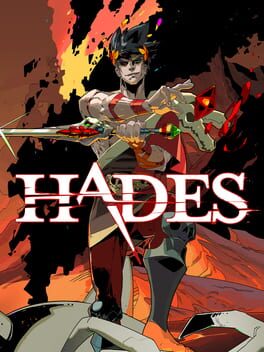
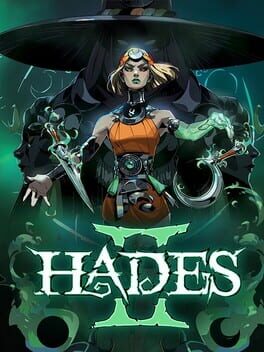
Supergiant's Hades does something no film adaptation has managed: it makes the repetition of myth structural, not incidental. Zagreus dies. He returns. The gods comment. The relationships deepen. The game uses the hero's compulsory loop as its core mechanic, and that alignment of form and subject is genuinely rare. It is the most interesting reading of Greek fate mechanics since the plays of Sophocles framed inevitability as the dramatic engine rather than the obstacle. The sequel, Hades II, has already expanded the pantheon and the stakes. Both are essential.
Madeline Miller Gave the Myths Back Their Women
Pat Barker's The Silence of the Girls and Natalie Haynes's A Thousand Ships had already started the work, but Madeline Miller's Circe and The Song of Achilles drove it into the mainstream. Miller writes figures who were supporting characters in the canonical texts as fully interior, morally complicated people. Circe in particular reframes a character Homer used as an obstacle into someone navigating the same questions of power and belonging that define any modern coming-of-age story. The retelling wave Miller helped start is still running, and the quality bar remains high.
God of War and the Question of What a Hero Costs
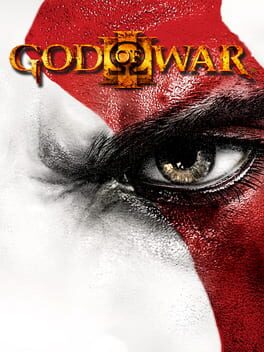
The original God of War trilogy used Greek mythology as the backdrop for a revenge narrative that gradually indicts its own protagonist. Kratos destroys the pantheon not as a heroic act but as the logical end of unchecked rage, and the games are honest about that. The 2018 soft-reboot pivots to Norse mythology while keeping Kratos, and gains emotional depth by forcing him to parent a child during the kind of epic conflict he has only ever survived alone. Together they form one of gaming's sharpest explorations of the hero archetype and what it does to a person over time.
Stephen Fry Made the Canon Accessible Without Dumbing It Down
Stephen Fry's Mythos and Heroes are not retellings in the Miller sense: they are more like a brilliant friend walking you through the whole catalog, keeping the violence and the absurdity intact while explaining why these specific stories survived. They are the best entry point for someone who wants the full scope of the Greek pantheon before diving into more focused retellings. Heroes in particular covers Heracles, Perseus, Jason, Oedipus, and Theseus with enough narrative momentum to read like a novel.
Greek Mythology Across the Media Timeline
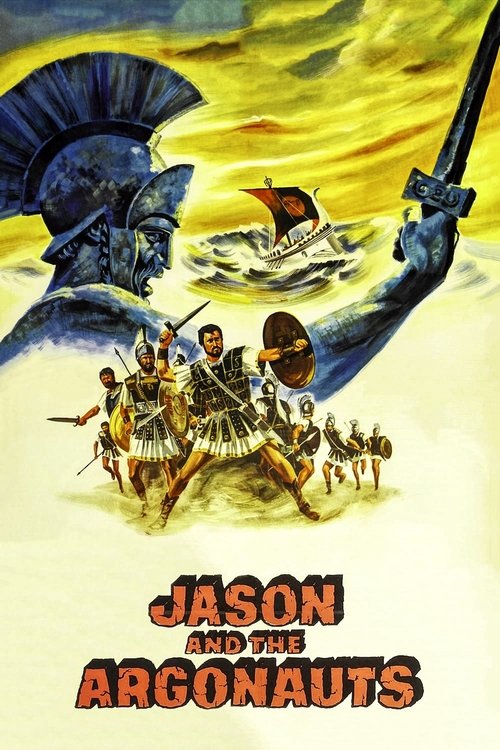
- 1963Jason and the Argonauts released, with Ray Harryhausen's skeleton fight sequence becoming one of cinema's most iconic practical effects moments. Jason and the Argonauts
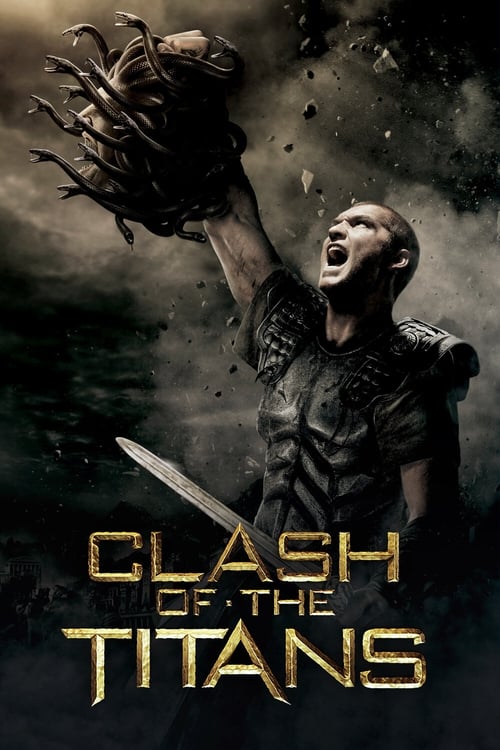
- 1981The original Clash of the Titans brings Perseus, Medusa and the Kraken to mainstream cinema. Clash of the Titans
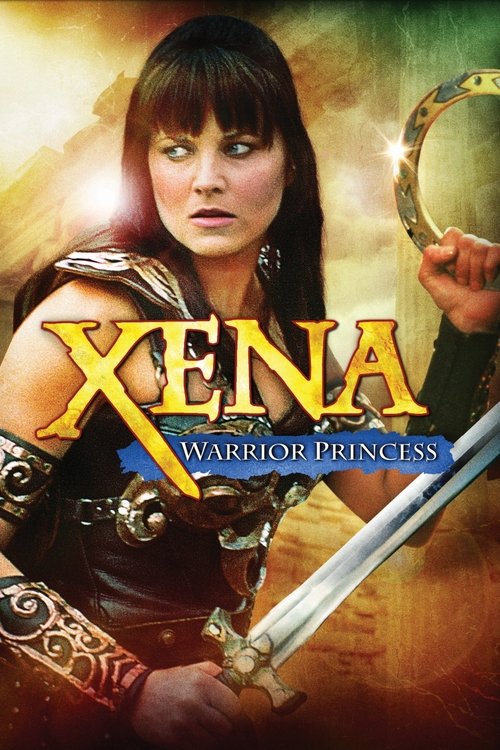
- 1995Xena: Warrior Princess debuts and runs for six seasons, drawing directly on Greek mythology while recasting a female hero at the center. Xena: Warrior Princess
- 2002God of War enters development; the 2005 release redefines action games by centering Greek myth as setting for a protagonist defined by loss and rage. God of War
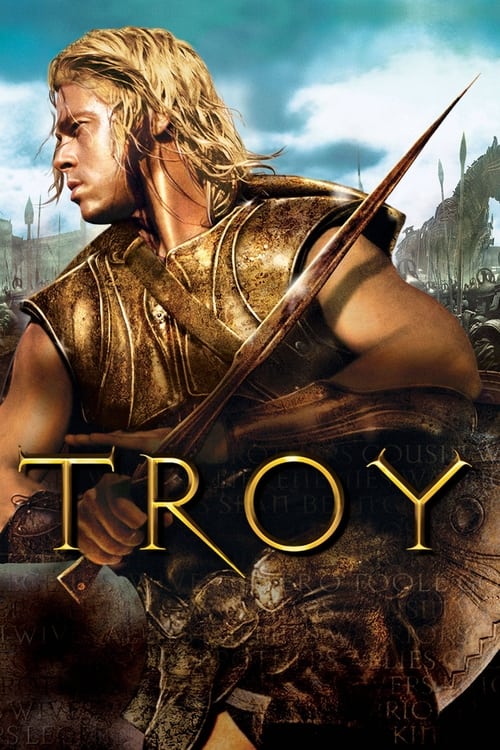
- 2004Troy, directed by Wolfgang Petersen with an all-star cast, attempts a grounded epic retelling of the Iliad. Troy
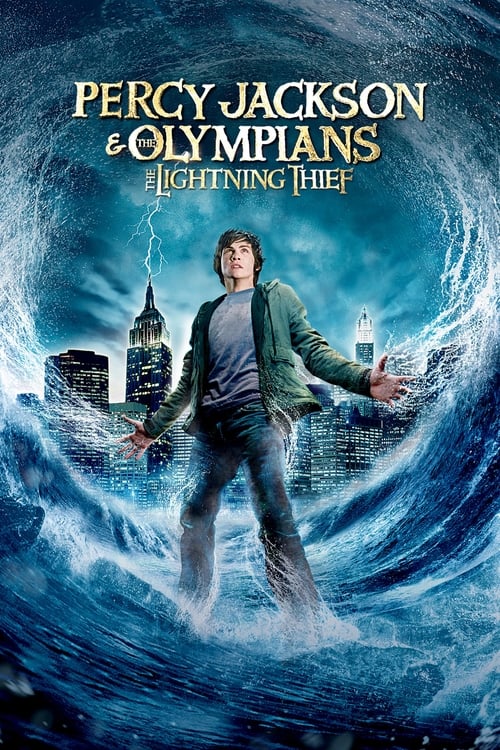
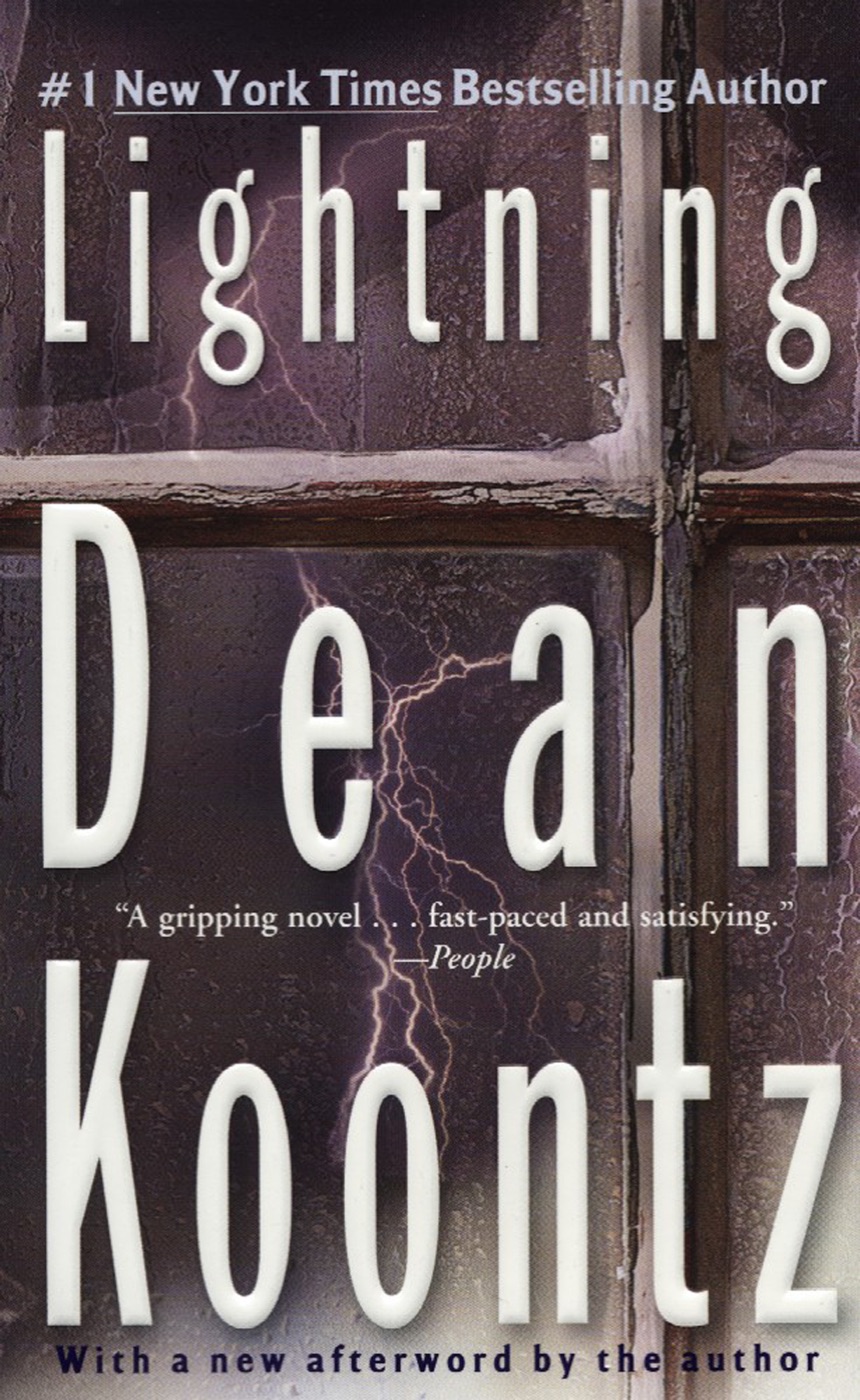
- 2005Rick Riordan publishes The Lightning Thief, launching the Percy Jackson series and introducing a generation to Greek mythology through a contemporary New York setting. Lightning
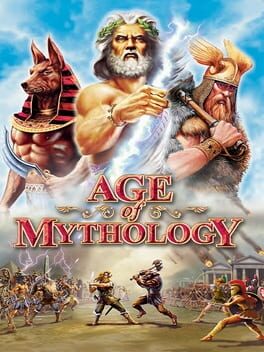
- 2011Age of Mythology: Extended Edition keeps the strategy genre engaged with the Greek pantheon through real-time tactics. Age of Mythology
- 2018Stephen Fry's Mythos becomes a bestseller, proving appetite for accessible, witty retellings of the full canon. Hitler-Mythos
- 2018Madeline Miller's Circe is published and becomes an international phenomenon, anchoring the modern feminist myth-retelling wave.
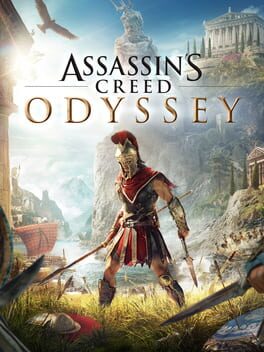
- 2019Assassin's Creed Odyssey places players in Ancient Greece during the Peloponnesian War, blending historical and mythological elements. Assassin's Creed Odyssey
- 2020Hades by Supergiant Games wins multiple Game of the Year awards, setting a new standard for myth-as-mechanic game design. Hades
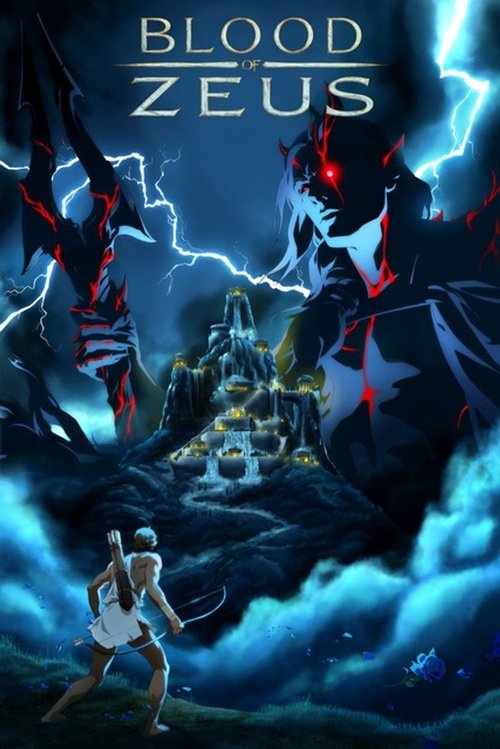
- 2020Blood of Zeus debuts on Netflix, bringing animated Greek mythology to streaming with genuine dramatic ambition. Blood of Zeus
- 2023Kaos arrives on Netflix, placing the Greek gods in a contemporary setting as a dark satirical series. KAOS
- 2024Hades II enters Early Access, expanding the pantheon with Melinoe and an entirely new mythological arc. Hades II
Gods, monsters, and the ancient world
Greek Mythology
Explore the Greek Mythology guide →The Greeks invented the concept of the anti-hero, the tragic flaw, the unreliable narrator, the femme fatale, the reluctant hero, and the vengeful god. Every genre that exists today borrowed something.CrossBinge Editorial