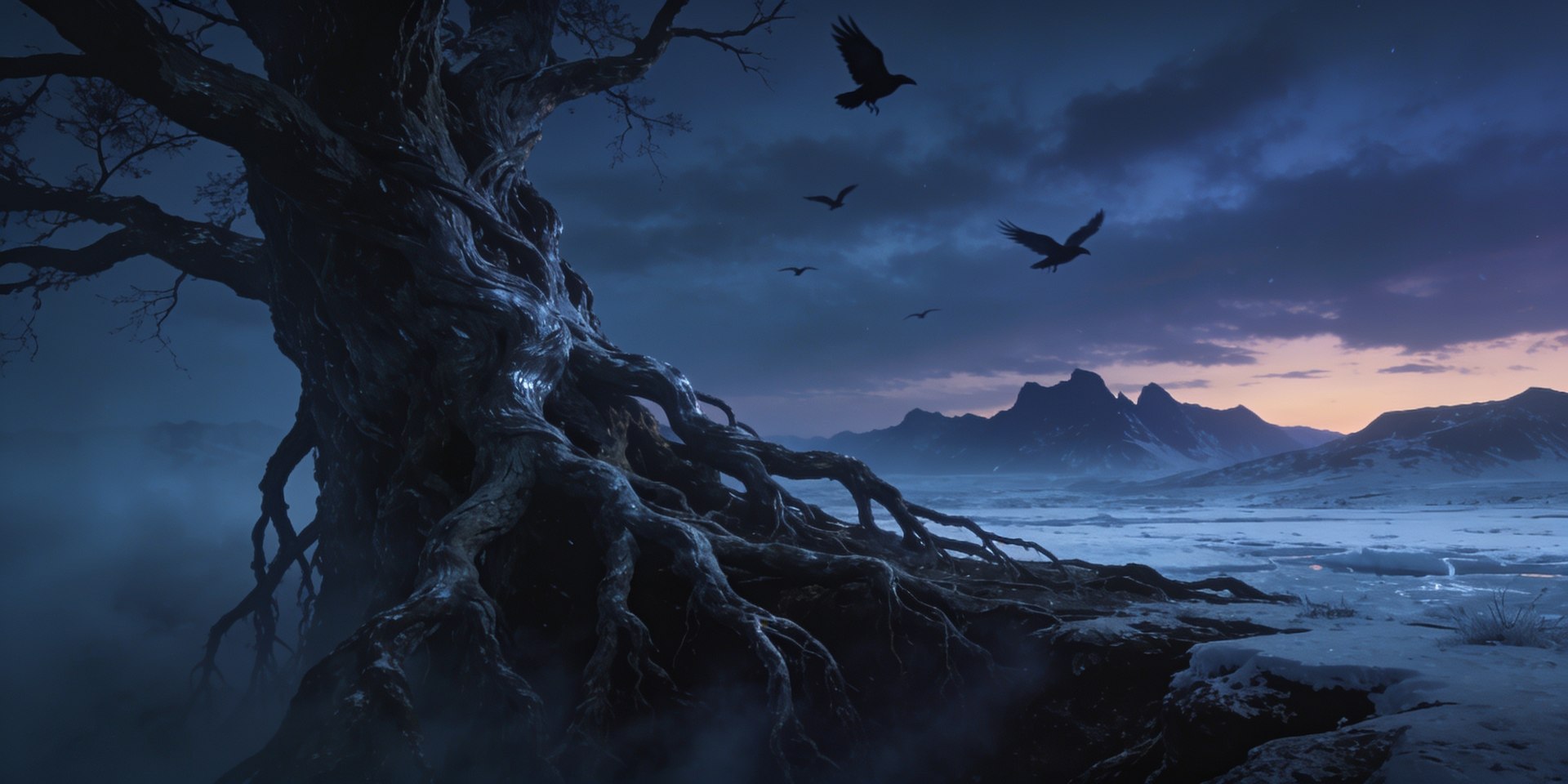

The Norse myths are not about triumph. Odin knows Ragnarok is coming. He reads it in the Norns' weaving, in the wolf's growing chain, in every piece of foresight his ravens bring back from the nine realms. He builds Valhalla, collects the fallen warriors, prepares the armies anyway, knowing it will not be enough. That foreknowledge without surrender is the emotional core of everything in this guide.
These are stories about gods with problems: pride, jealousy, grief, terrible fathers, tricksters who go too far. They feel more like a dysfunctional family than an Olympian court, and that is precisely why the 21st century keeps returning to them. A mythology built on the acceptance of doom turns out to be very good material for games, prestige TV and epic poetry alike.
Essential Norse myth
The nine realms across every medium

The one that changed everything
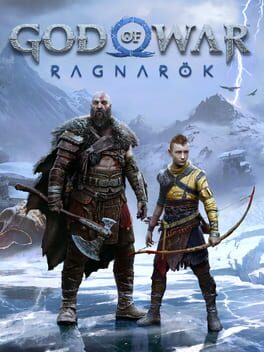
God of War (2018) is the moment Norse mythology moved from spectacle to something genuinely felt. Santa Monica Studio took Kratos, a Greek war god whose entire arc was about killing gods, and put him in the Norse realms as a father trying to change. The Asgardian pantheon, the World Tree, the nine realms, the dwarves and valkyries: all of it is rendered with conviction and weight rather than the franchise-friendly gloss that Marvel Cinema had brought. The sequel, Ragnarok, follows through on the promise built here: if you know the myths, you watch the apocalypse coming with exactly the dread Odin would have felt.
Asgard on screen
From the MCU to prestige noir to animated Danish myth

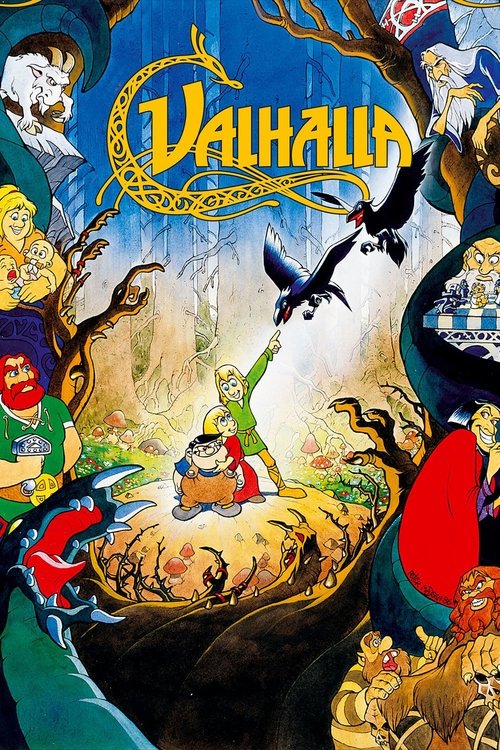
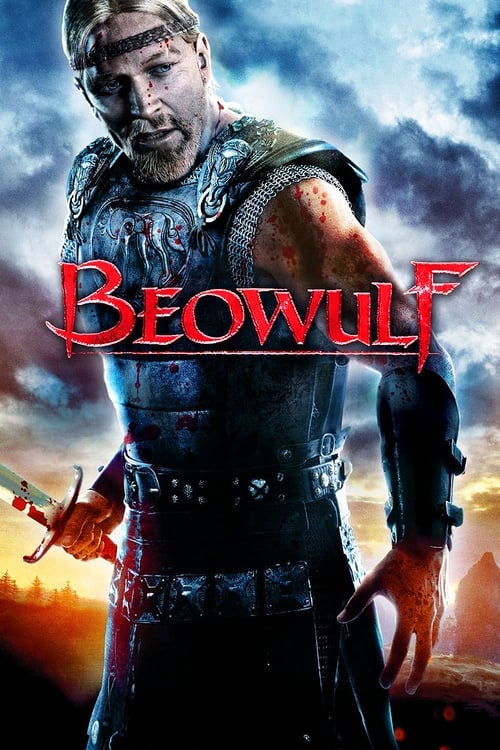
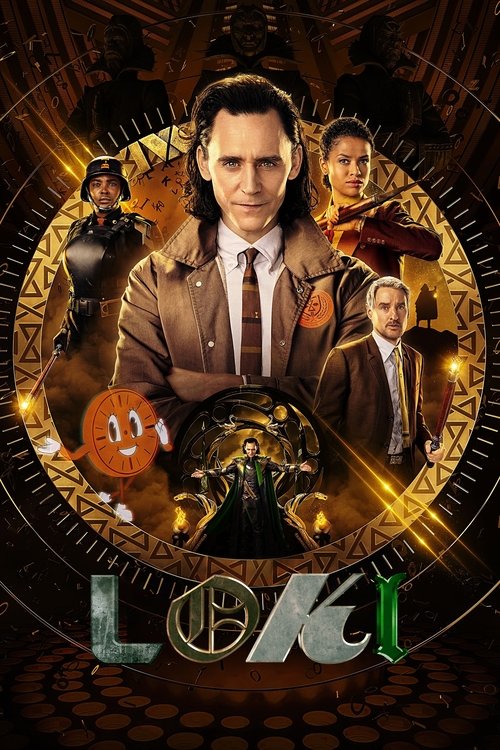
Loki is the most modern character in the pantheon
He is not evil. He is bored, brilliant, and unable to stop himself from being clever. His tricks start small, reasonable, even funny. Then the stakes compound. By the time he has engineered the death of Baldr and been chained beneath the earth with serpent venom dripping on his face, you can trace every step from there to here. The myths understood the logic of escalation; every modern adaptation that has made Loki compelling has understood the same thing.
Television across the realms
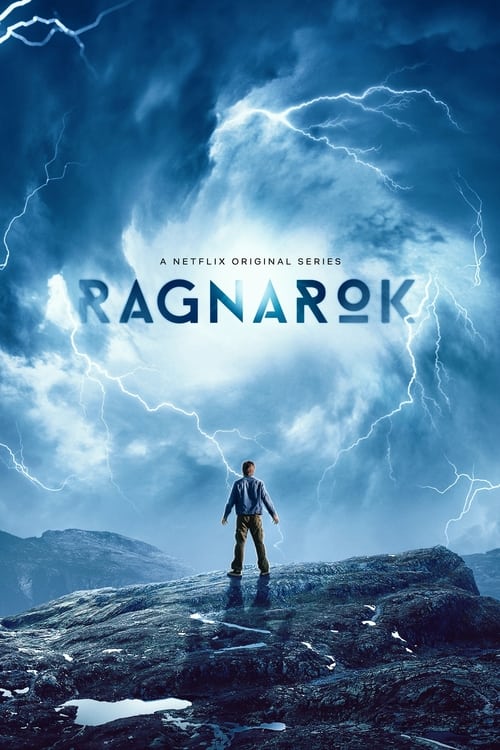
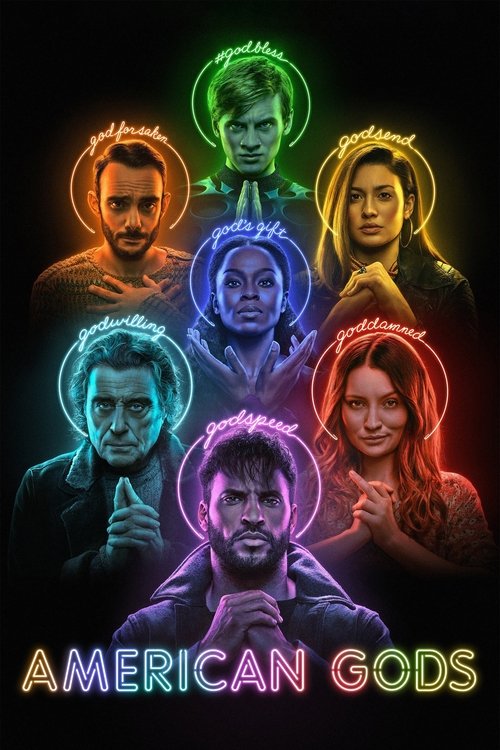
Myth reborn in Norway, America and the multiverse
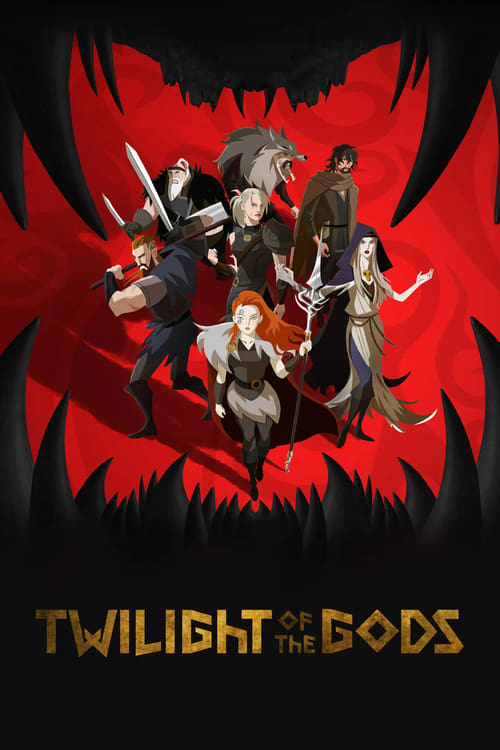
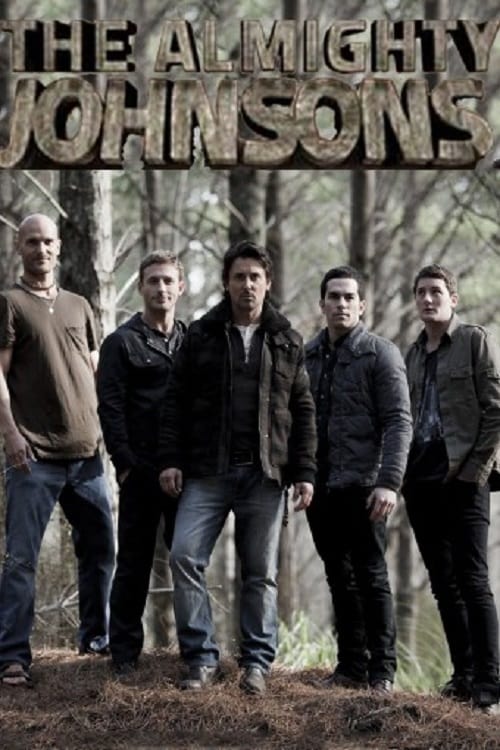
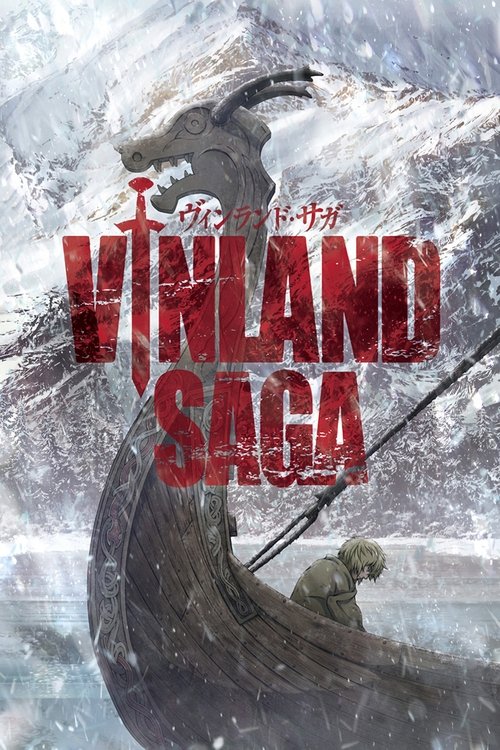
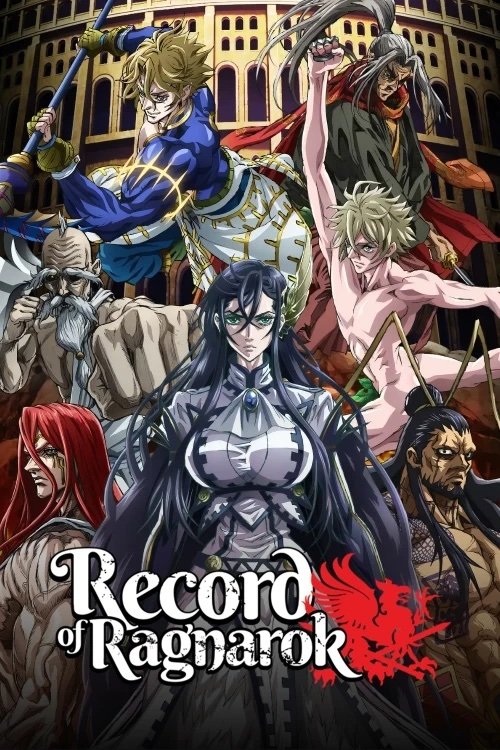
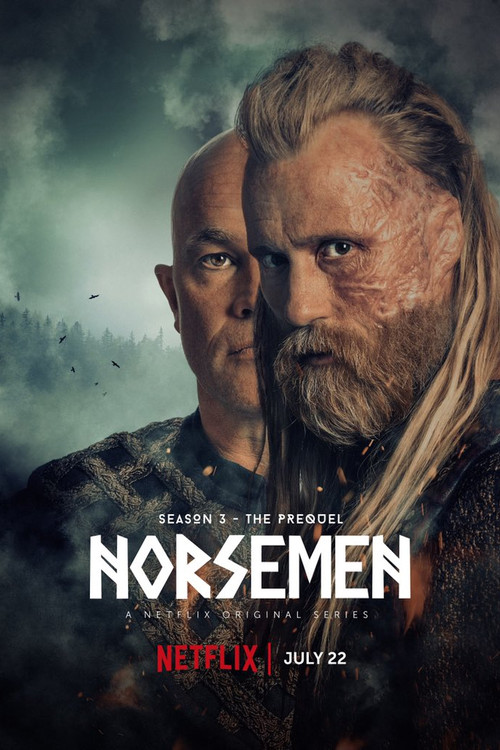
The one that brought the myth into the real world
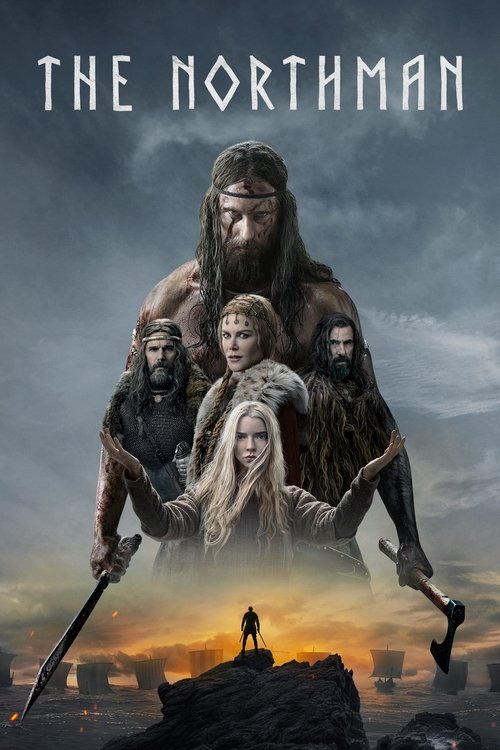
Robert Eggers' The Northman (2022) does something no fantasy adaptation of Norse myth ever quite managed: it removes the fantasy and the spectacle and leaves the myth's original violence. This is the Amleth legend, the source material Shakespeare borrowed for Hamlet, in the world the sagas actually described. The visions are there, the ravens, the Valkyrie, the shamanic ritual, but they arrive as the waking hallucinations of a grief-maddened warrior, not as digital effects. It is the most seriously the myths have been treated by any filmmaker, and it is brutal and beautiful for it.
Play the nine realms
Exploration, survival and divine combat across every game
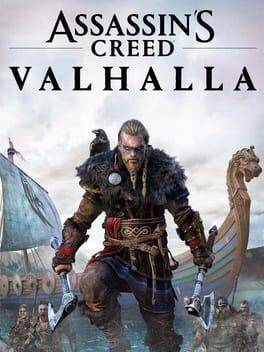
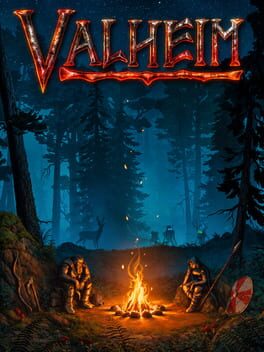
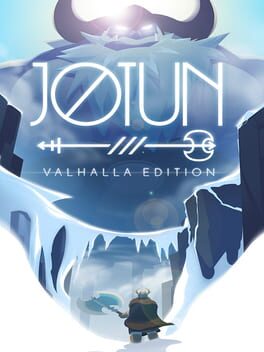
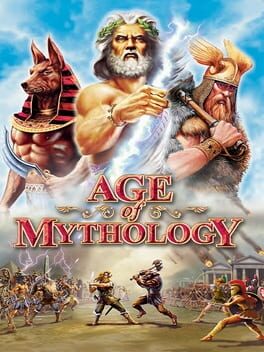
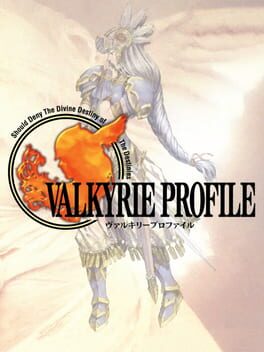
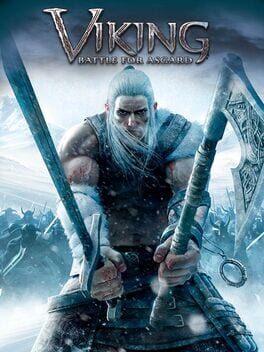
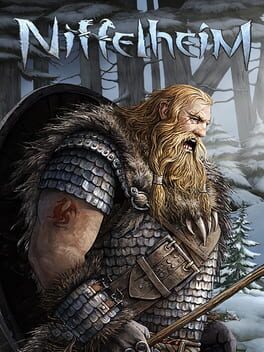
The one that made grief mythic
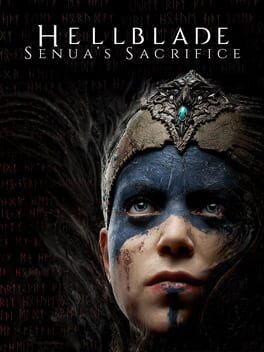
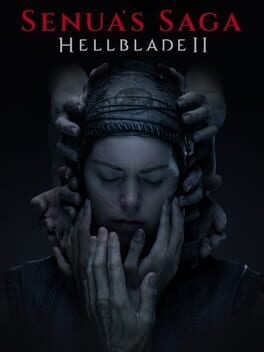
Hellblade: Senua's Sacrifice (2017) uses Norse mythology not as a setting but as a structure for a story about psychosis and grief. Senua is a Pictish warrior descending into Helheim to recover her dead lover's soul. The voices in her head are constant, layered, sometimes helpful and sometimes cruel. The darkness of the northern underworld, the hulking figures of Norse legend, the cosmology of rot and cold: Ninja Theory understood that the Norse myths are not cheerful tales and built a game that honored that truth. The sequel, Senua's Saga, pushes even further into the apocalyptic north.
How the myths moved through culture
- c.1000The Poetic Edda is composed in Iceland: the oldest recorded version of the Norse myths, including the prophecy of Ragnarok.
- c.1220Snorri Sturluson writes the Prose Edda, systematizing the myths and preserving Odin, Thor, Loki and the Aesir for posterity.
- 1848Wagner begins his Ring Cycle, drawing on the Nibelung legends: the most ambitious artistic reworking of Norse myth before cinema. Hammerheart
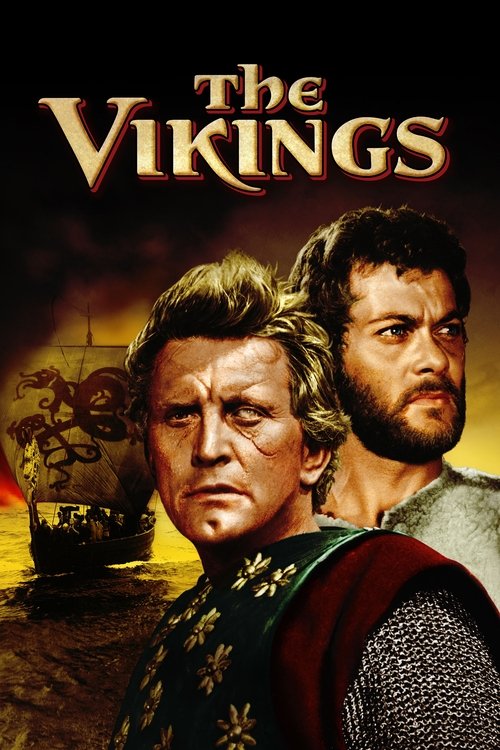
- 1958The Vikings puts Kirk Douglas and Tony Curtis in the longships: Hollywood's definitive mid-century take. The Vikings
- 2001Neil Gaiman's American Gods imagines the old Norse gods stranded in a modern America that has forgotten them. American Gods
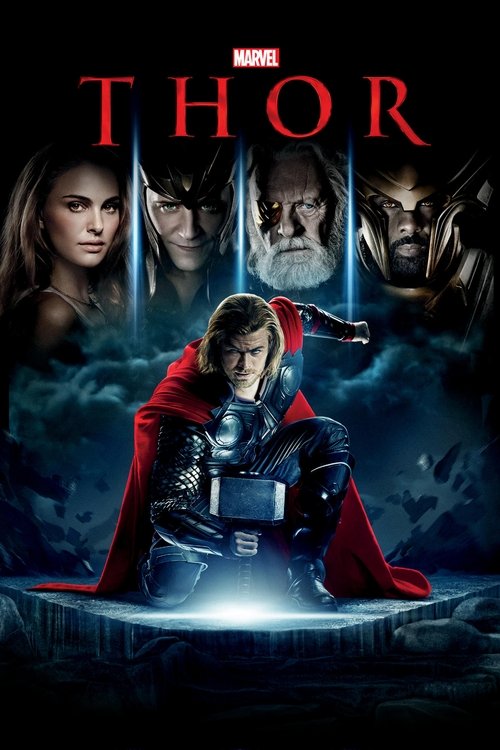
- 2011The MCU begins its version of Asgard with Kenneth Branagh's Thor: the first major franchise built on the pantheon. Thor
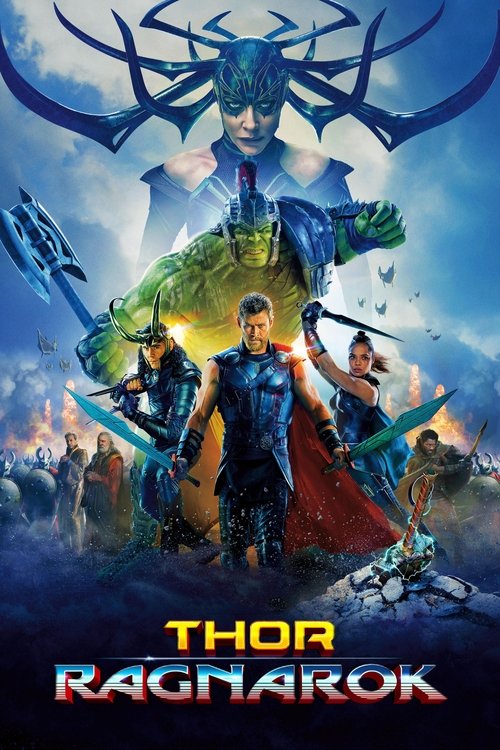
- 2017Thor: Ragnarok reframes the apocalypse as dark comedy. Taika Waititi's Hela announces the end of the world as a punchline. Thor: Ragnarok
- 2017Hellblade: Senua's Sacrifice makes Norse myth the architecture of a psychosis narrative. Hellblade: Senua's Sacrifice
- 2018God of War lands Kratos in Midgard, fathering a boy named Atreus who is secretly the god Loki. God of War
- 2022Robert Eggers' The Northman strips the myth down to its pre-Christian violence. The most uncompromising Norse film yet made. The Northman
On the page
Epic poetry, literary retellings and the Tolkien inheritance


The Edda is the primary source: the Poetic Edda in verse, the Prose Edda as a guide to skaldic meter that ended up preserving the entire mythology. What Snorri Sturluson wrote in 13th-century Iceland is still what we mean when we say Odin or Bifrost or Yggdrasil. Tolkien read those texts obsessively. The dwarves of Middle-earth are named directly from the Dvergatal list in the Voluspa. The Norse myths are not background material for modern fantasy. They are the headwaters.
The sound of the nine realms
Bathory's Hammerheart (1990) invented Viking metal before it had a name: clean vocals, longship imagery, epic runtimes built on folk melody rather than distortion. Quorthon made an album that sounds like a funeral pyre on a fjord, and it remains the most purely mythological record in heavy music. Bjork's Hlidskjalf (1999) approaches from the other direction entirely: ambient, spun from Icelandic folk instruments, named for Odin's high-seat from which he can see all nine realms. Two records, opposite temperaments, both genuinely haunted by the same source.
Gods, longships and the doom of Ragnarok
Vikings & Norse
Explore the Vikings & Norse guide →The Norse gods are not immortal. They know when they will die and they go there anyway. That is not weakness. It is the oldest definition of courage.CrossBinge editorial