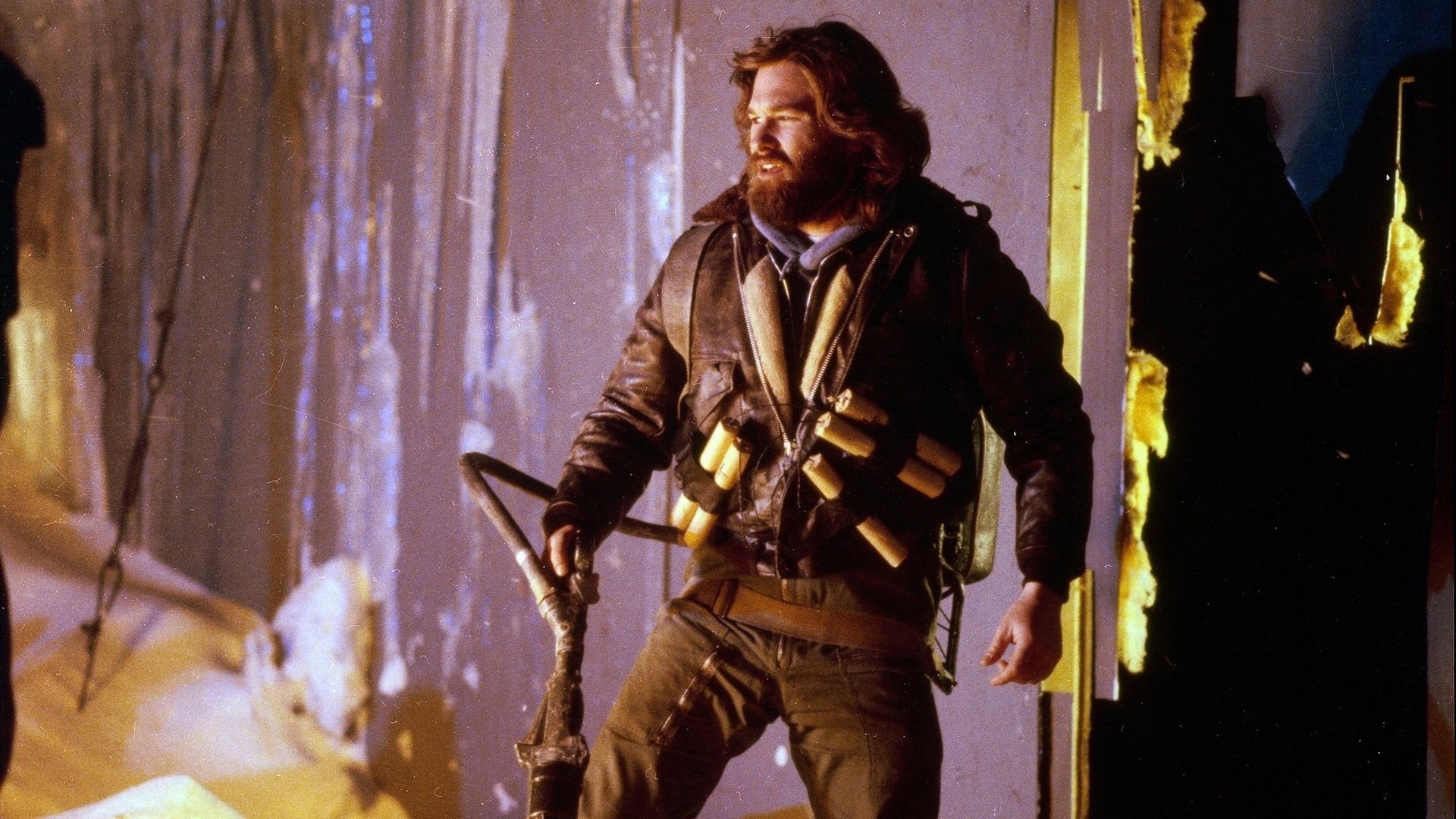

Howard Phillips Lovecraft spent most of his short life in Providence, Rhode Island, writing pulp fiction for magazines he rarely saw pay. He died in 1937 at 46, largely obscure. What he left behind was something harder to name than a genre: a feeling. The sense that the universe is incomprehensibly old and vast, that humanity occupies a negligible corner of it, and that the things lurking in the other corners neither hate us nor love us. They simply do not notice us. That indifference, that cosmic scale, is the through-line every Lovecraft fan chases -- in horror novels, in slow-burn films, in games that make you feel fragile and small, in music that sounds like it was composed somewhere very far away.
If You Love Lovecraft: Cosmic Horror on Screen
Films and series that capture the dread, the awe, and the unknowable
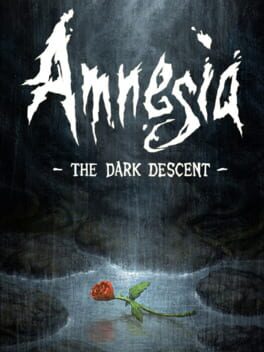
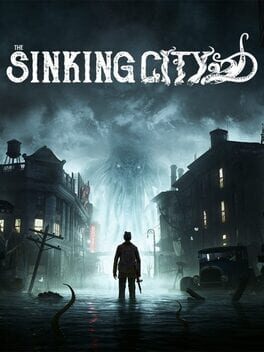
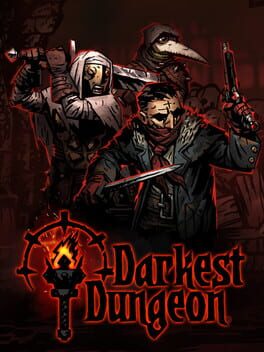
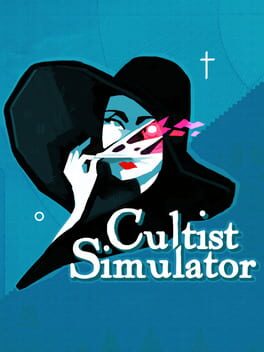
Cosmic Horror in Games: The Mythos You Can Play
Games that make you feel like a fragile being in an indifferent universe

Heirs to the Mythos: Cosmic Horror Authors
Writers who extended, subverted, or built on the Lovecraftian tradition



The Atmosphere, Not the Monster: Slow Horror Films
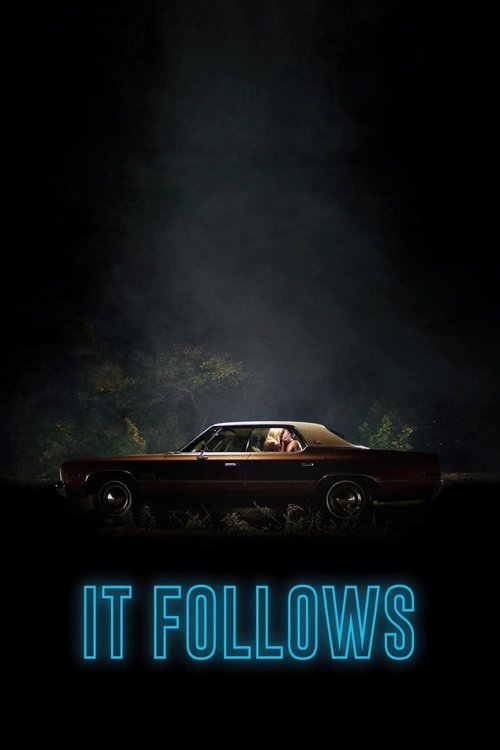
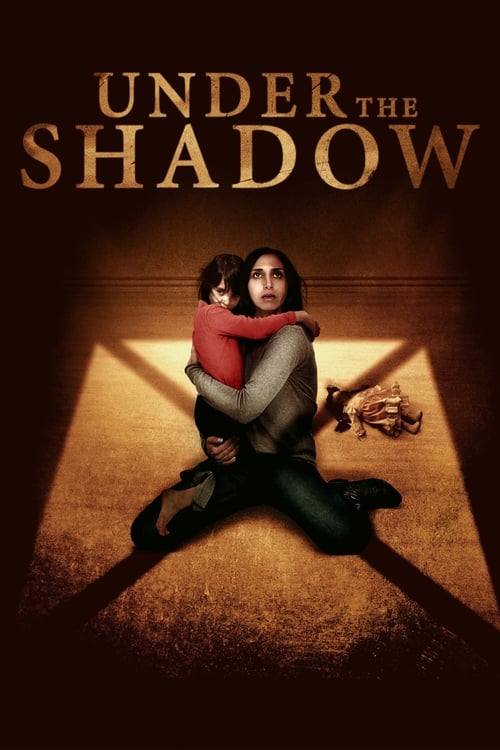
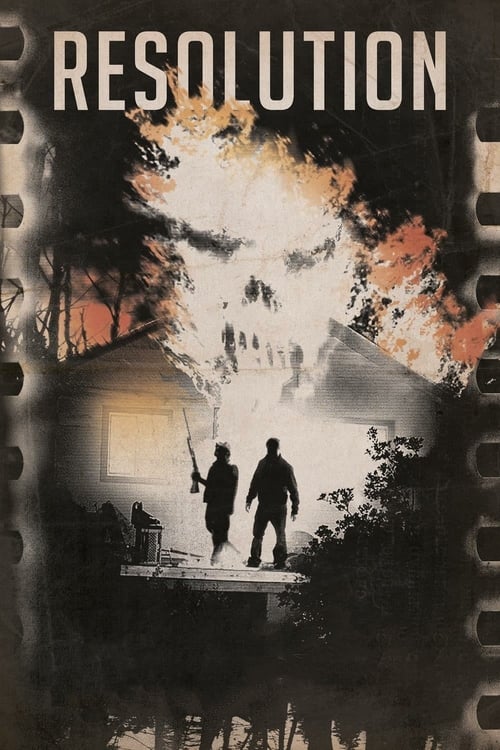
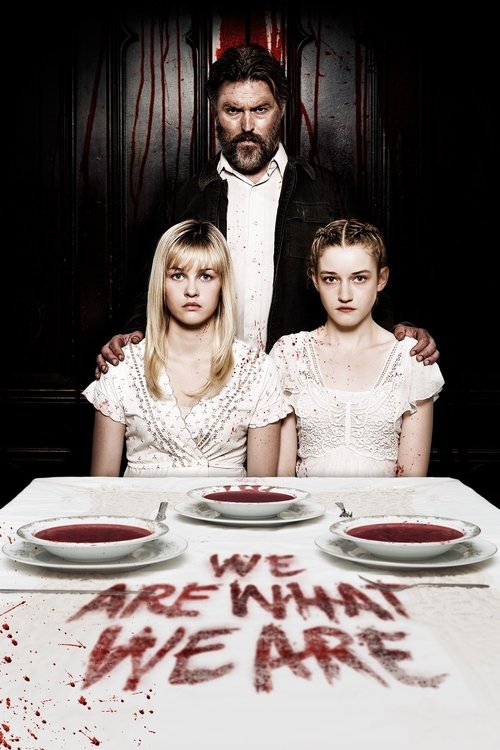
If the mood of Lovecraft resonates more than the creatures, start here




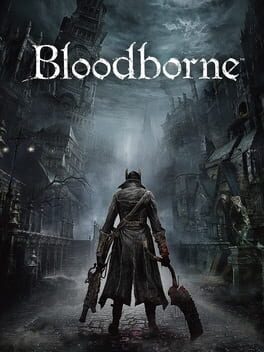
Bloodborne Is the Best Lovecraft Adaptation Ever Made
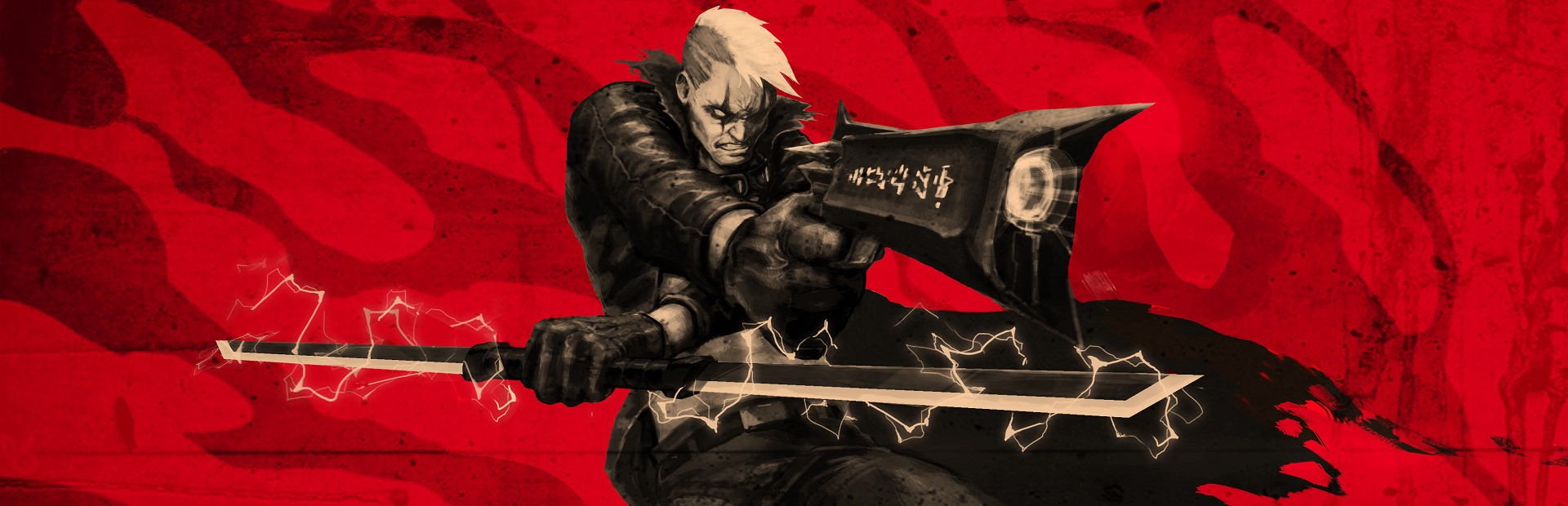
No film, novel, or board game has translated Lovecraft's specific sensibility as faithfully as Bloodborne. Yharnam is Providence made playable: a once-great city rotted from within by forbidden knowledge, its citizens driven mad by what they discovered. The game does not just gesture at Lovecraftian themes -- it builds them into the mechanics. The more you learn, the more your understanding is undone. Insight, the in-game currency of cosmic knowledge, is also what makes the world more terrible. That is Lovecraft: the horror is in the knowing.
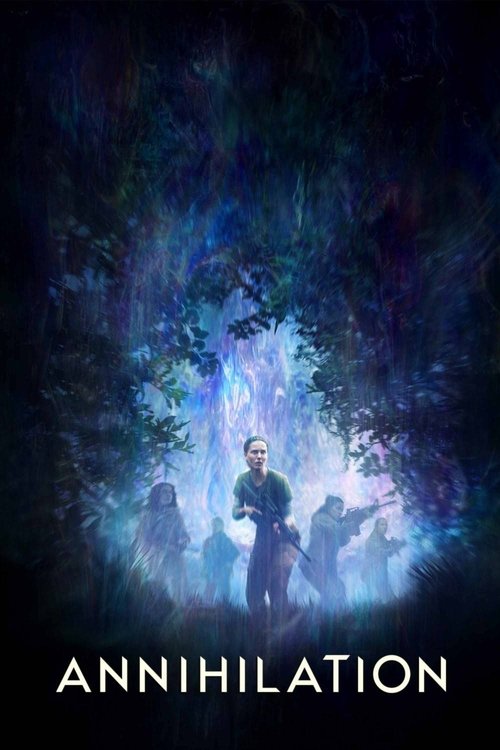
Annihilation Does What Lovecraft Always Attempted
Jeff VanderMeer's Southern Reach Trilogy and Alex Garland's film adaptation achieve what Lovecraft reached for and often missed: cosmic horror filtered through genuinely observed human psychology. The shimmer in Annihilation operates on the same logic as Cthulhu -- something so alien it cannot be fully perceived, that changes the perceiver in the act of being perceived -- but the story stays grounded in a character's grief and dissociation. The result is more disturbing, not less.
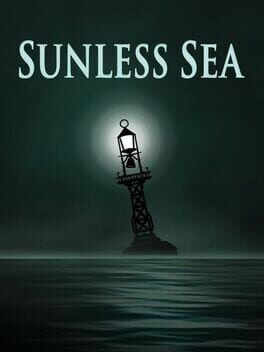
Sunless Sea Understands the Ocean Lovecraft Was Afraid Of
Failbetter Games built an entire narrative economy out of Lovecraftian dread. Sunless Sea's Unterzee is the ocean as Lovecraft described it: ancient, lightless, hostile to comprehension. The gameplay loop -- go out, learn something, come back diminished -- mirrors the epistemological horror at the center of the Mythos. The writing is dense, funny, and occasionally devastating. It is the only game that has made the act of reading flavor text feel genuinely dangerous.
Lovecraft and the Mythos: A Brief History
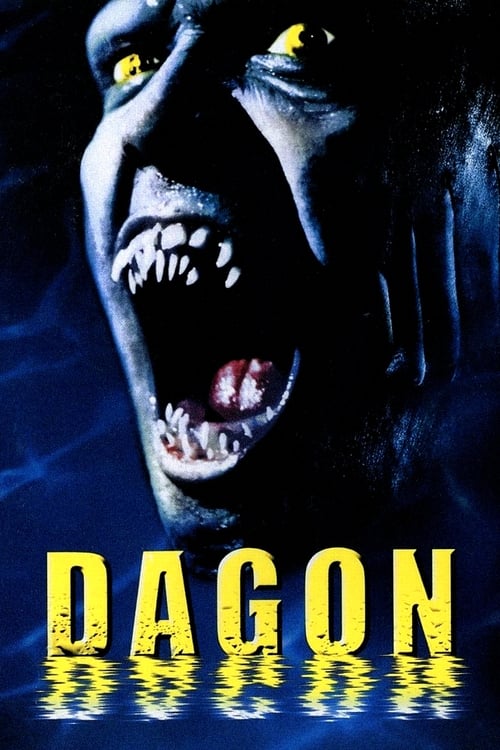
- 1917Lovecraft publishes 'Dagon', his first significant story, establishing the deep-sea horror motif that will define the Mythos.
- 1926The Call of Cthulhu written
- 1931At the Mountains of Madness written At the Mountains of Madness
- 1936The Shadow out of Time published in Astounding Stories -- Lovecraft's last major work before his death the following year.
- 1939August Derleth and Donald Wandrei found Arkham House to keep Lovecraft's work in print, codifying the Mythos as a shared universe.
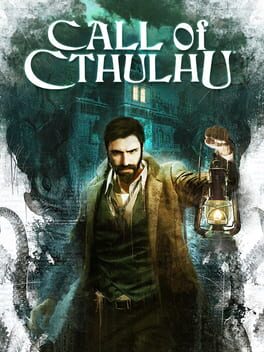
- 1981Chaosium publishes the Call of Cthulhu tabletop RPG, introducing the Mythos to a generation of players. Call of Cthulhu
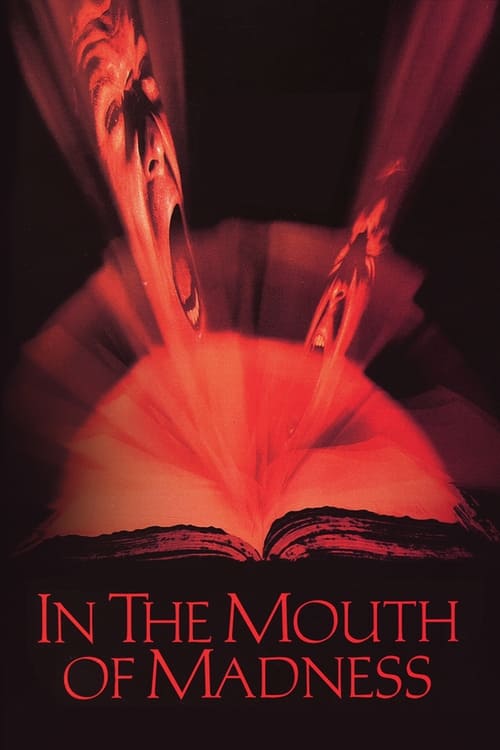
- 1994John Carpenter's In the Mouth of Madness adapts Lovecraftian dread for mainstream horror cinema. In the Mouth of Madness
- 2015Bloodborne translates the Mythos into game mechanics with FromSoftware precision. Bloodborne
- 2015The Ballad of Black Tom
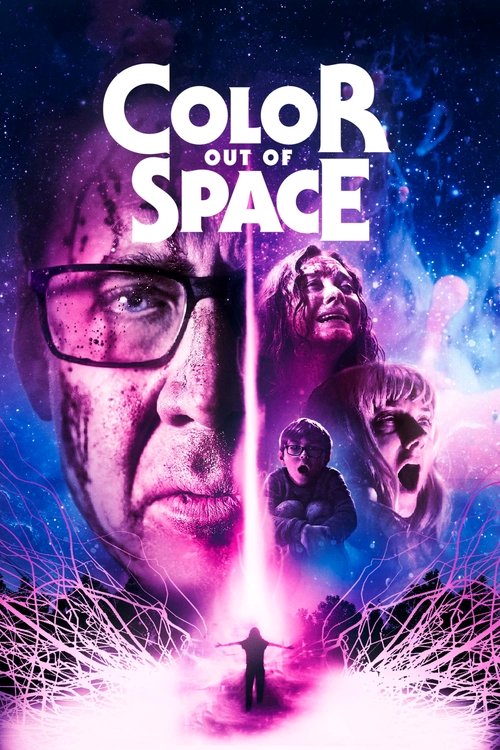
- 2019Color Out of Space brings Lovecraft's most unfilmable story to screen with Richard Stanley directing. Color Out of Space
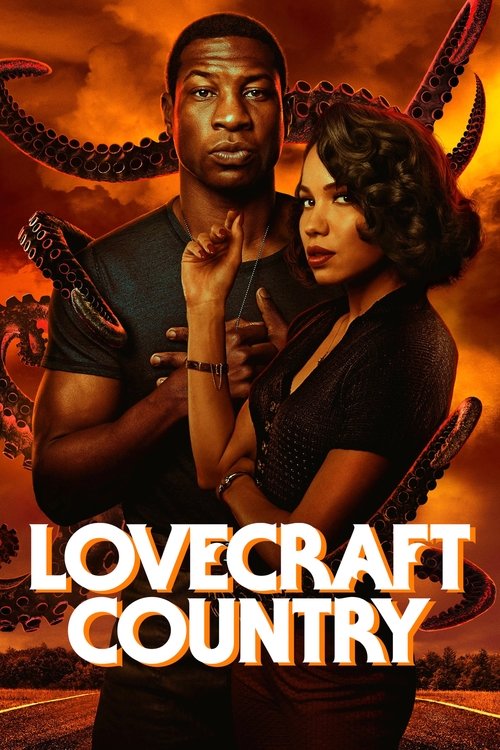
- 2020HBO's Lovecraft Country reframes the Mythos through the Black American experience of the 1950s. Lovecraft Country
Cosmic dread and eldritch horror
Cosmic Horror
Explore the Cosmic Horror guide →The oldest and strongest emotion of mankind is fear, and the oldest and strongest kind of fear is fear of the unknown.H.P. Lovecraft, Supernatural Horror in Literature (1927)