
Cosmic horror is not about what lurks in the shadows. It is about the realization that the shadows are not for you at all. The genre begins with a simple, devastating premise: the universe is incomprehensibly old, incomprehensibly large, and human consciousness is an accident it has no reason to acknowledge. H.P. Lovecraft named the feeling, but the feeling is older than he is, and the writers, filmmakers, and game designers who followed refined it into one of the richest veins in all of speculative fiction. What unites every great work in this space is not tentacles or grimoires but a specific texture of dread: the moment a character understands something they cannot unknow, and the understanding costs them their sense of place in the world. That is the feeling fans of cosmic horror are chasing, across every medium.
Essential Cosmic Horror
The definitive works across film, fiction, and games that define the genre


Films That Open the Void
Cinema where the horror is scale, not shock

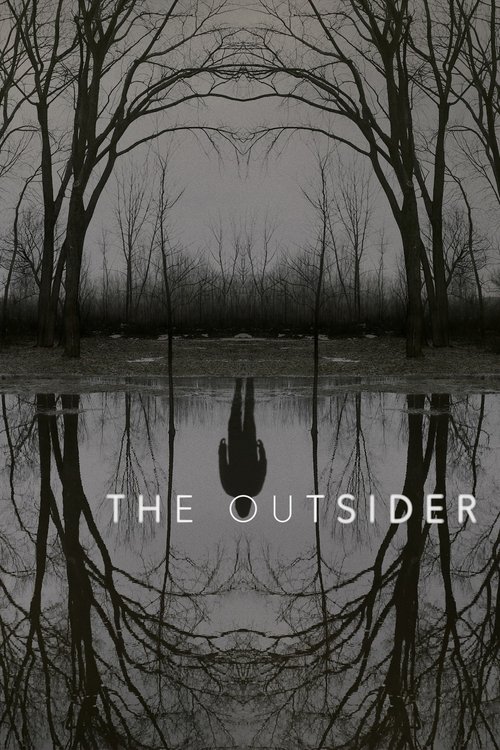
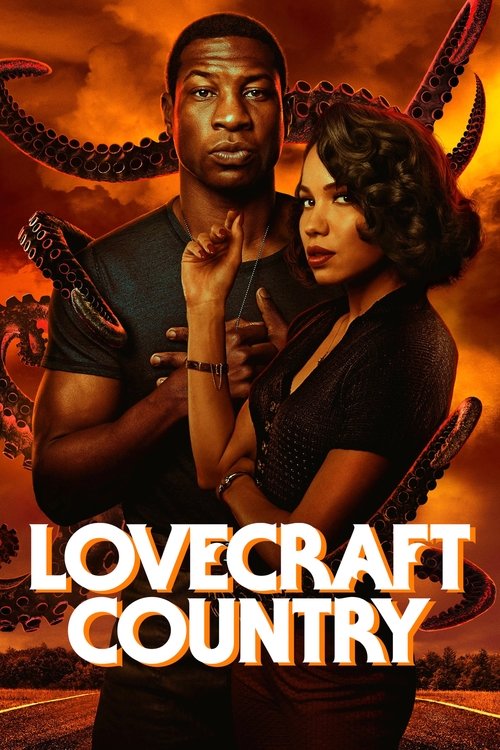
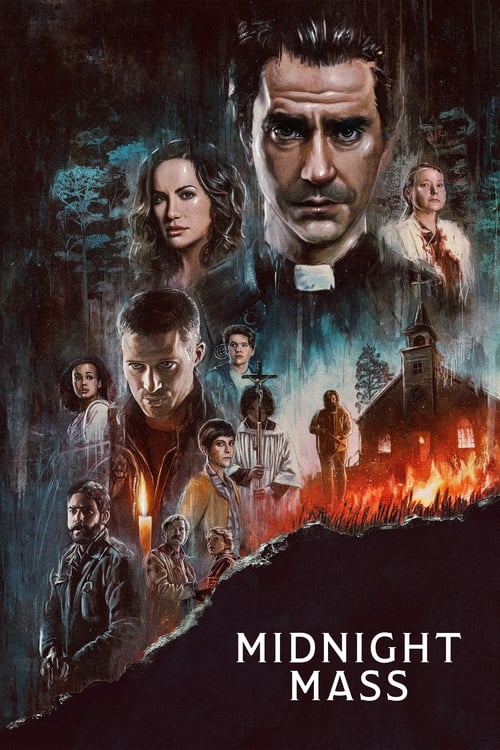
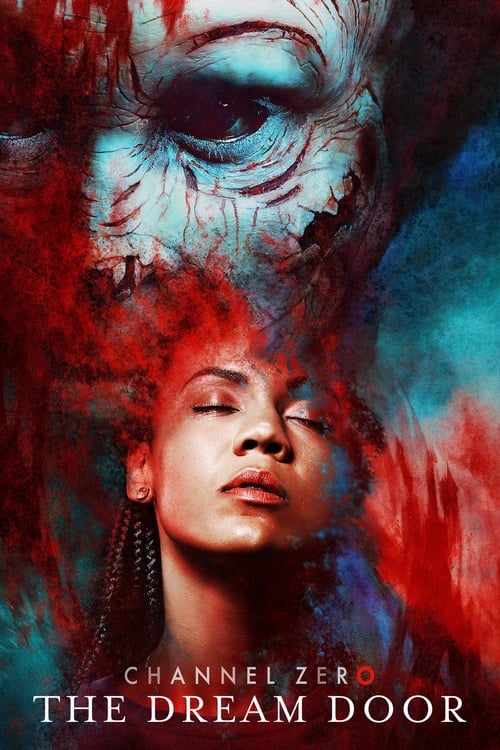
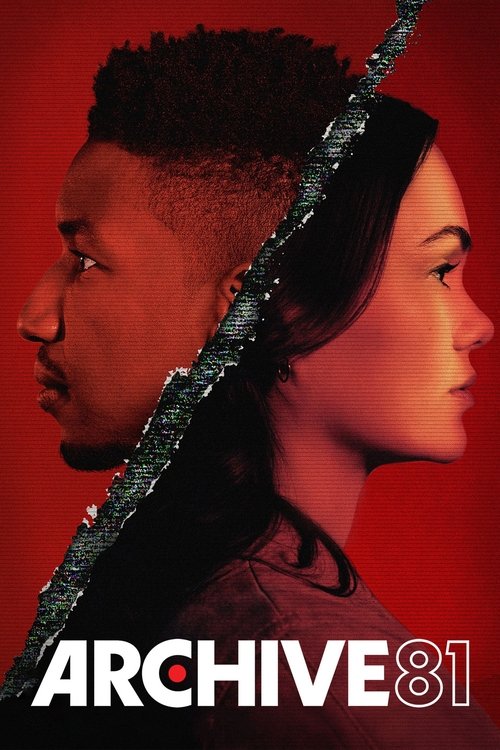
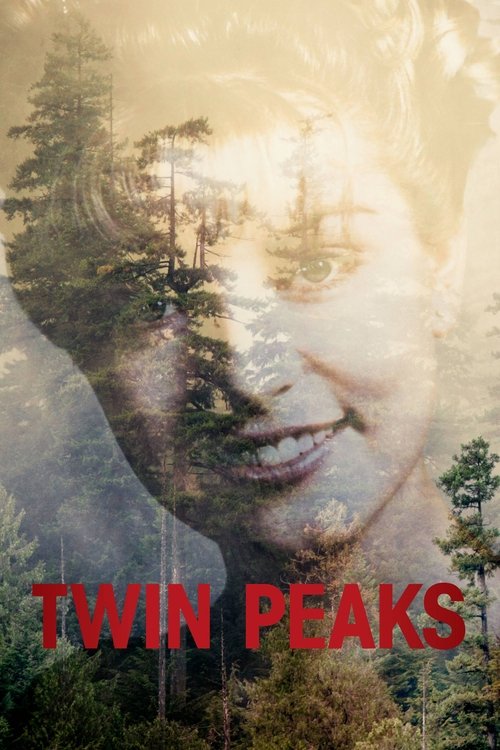
Series Where Reality Comes Apart
Television and streaming horror that sustains dread across episodes


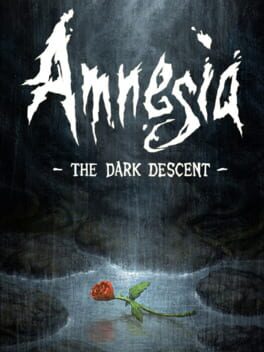
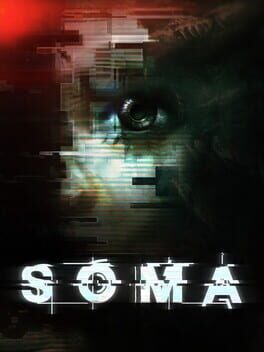
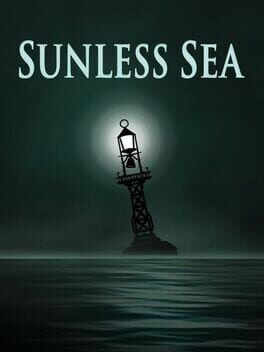
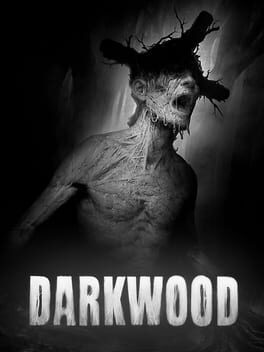
Games That Make You Feel Small
Interactive cosmic horror where the mechanics themselves express insignificance
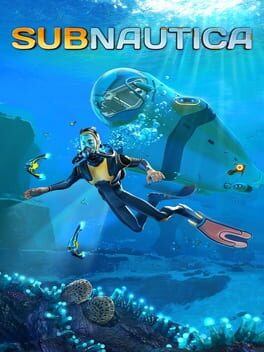
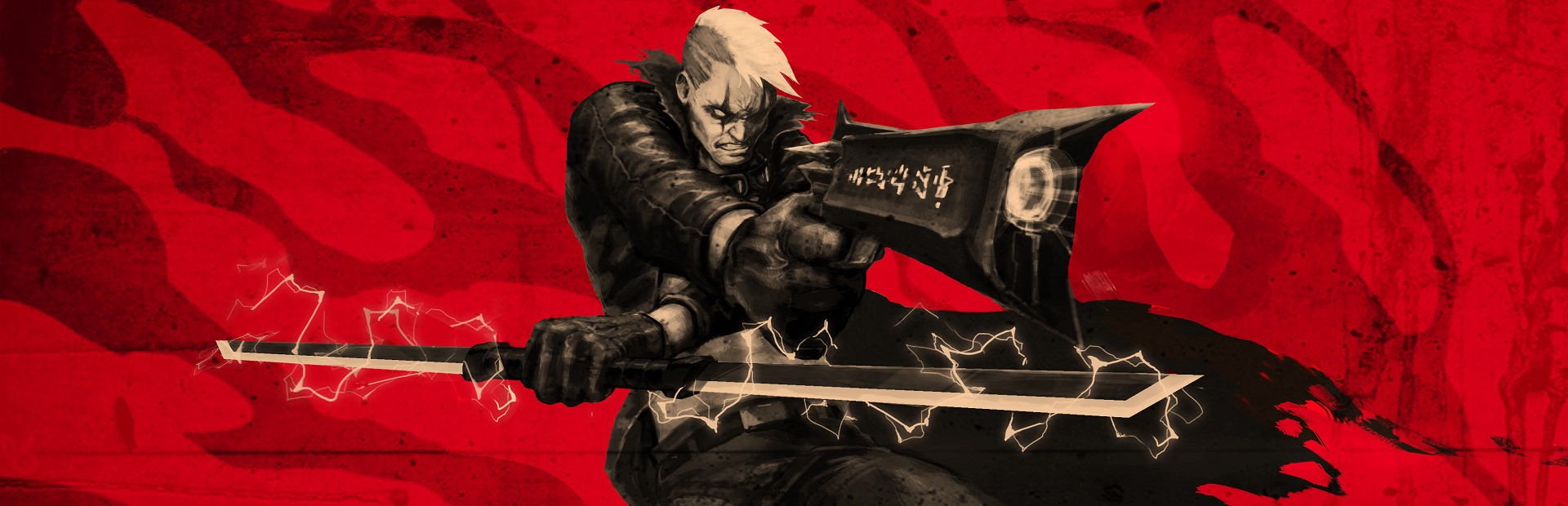
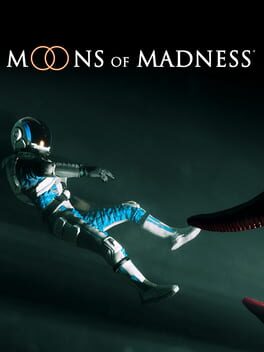
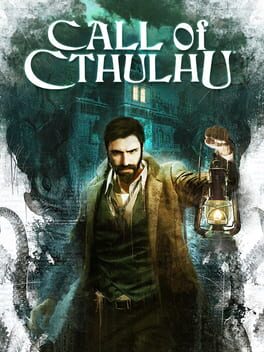
Books Beyond Lovecraft
The novels and story collections that expanded the genre's vocabulary


Music for the Abyss
Scores and albums that sonically render the feeling of something vast and indifferent
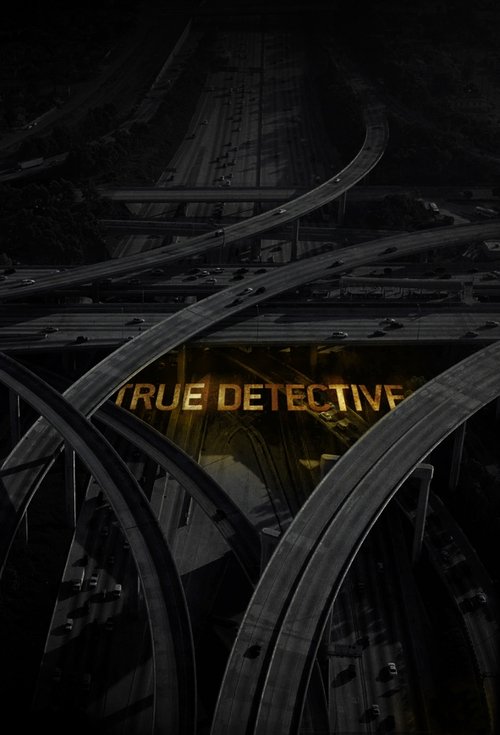
True Detective Season 1 Is the Genre at Its Peak
Nic Pizzolatto and director Cary Joji Fukunaga did something the genre rarely manages on screen: they hid the cosmic horror inside a procedural. Season 1 of True Detective works perfectly as a detective story, and it works perfectly as a meditation on meaninglessness, cyclical evil, and the Yellow King mythos borrowed from Robert W. Chambers. Rust Cohle's flat nihilism is not a character quirk; it is the genre's central thesis spoken aloud. The horror never fully reveals itself, which is the correct choice. What the detectives find in that mold-covered church is, and should be, almost beside the point.
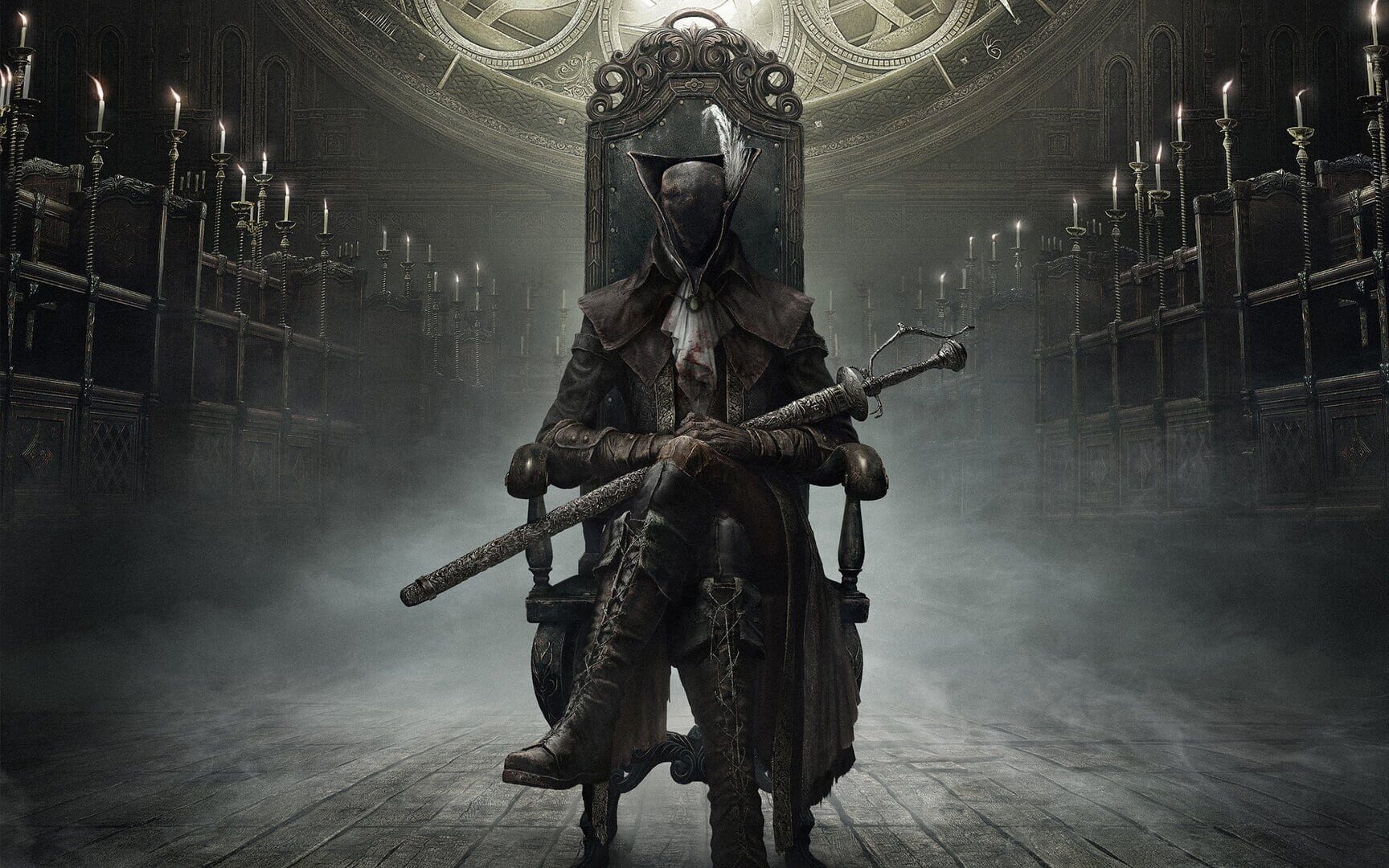
Bloodborne Understood Lovecraft Better Than Most Adaptations
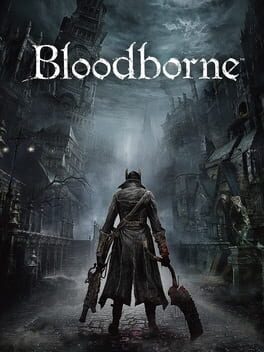
Most Lovecraft adaptations mistake the surface (tentacles, fish-people, ancient cities) for the substance (the collapse of human cognitive frameworks). FromSoftware's Bloodborne gets both. Yharnam is a city in the process of discovering that its citizens are not the protagonists of history. The Great Ones are not malevolent; they are simply operating on a register that human minds cannot parse without breaking. The game teaches the genre's core lesson through mechanics: the more you understand, the less stable your footing. Insight, the in-game resource you gain from learning the truth, literally makes the world harder.
Annihilation Is What Cosmic Horror Cinema Has Always Been Reaching For
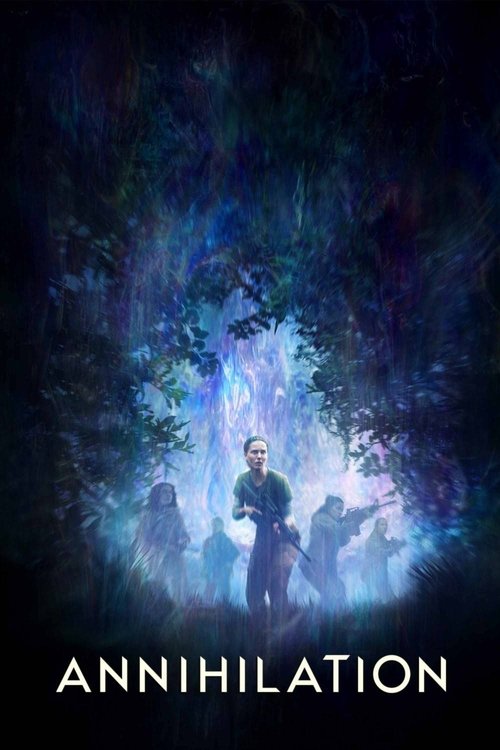
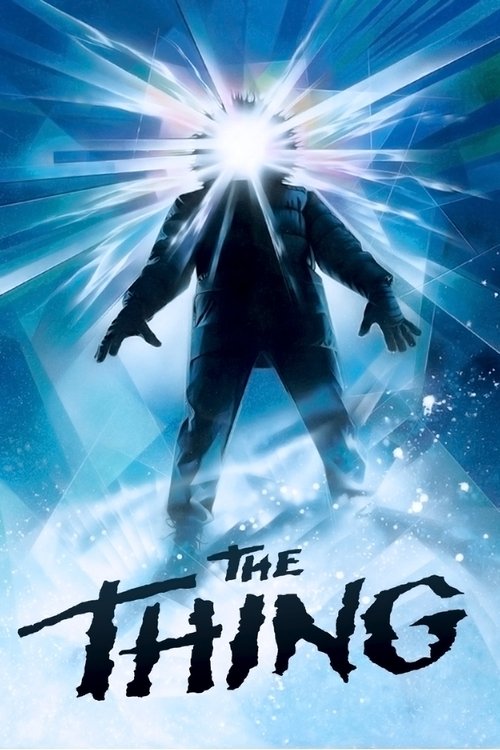
Alex Garland's Annihilation (2018) is the best cosmic horror film since Carpenter's The Thing. It does not explain the Shimmer. It does not resolve the lighthouse. It trusts the audience to sit inside the wrongness and feel it rather than analyze it. What separates it from the crowd is its commitment to biology as the locus of dread: in most cosmic horror, the universe threatens your mind; here, it threatens your cells, your face, your sense of being a single continuous self. Jeff VanderMeer's source novel covers different ground but shares the same restraint, and both are worth experiencing independently.
Outer Wilds Achieves the Genre's Rarest Trick: Cosmic Wonder Without the Horror
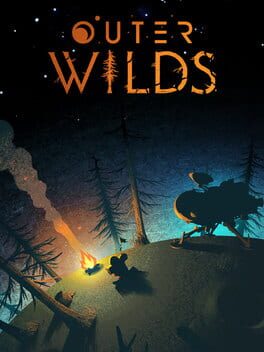
Cosmic horror's sibling is cosmic awe, and very few works navigate the membrane between them as carefully as Outer Wilds. The Nomai, the game's vanished civilization, built something that dwarfs human ambition and perished anyway. The universe in Outer Wilds is not malevolent; it is indifferent in the classical cosmic sense, and the game transforms that indifference into something close to peace. For fans of the horror side of the genre, Outer Wilds offers the same foundational premise (you are inconceivably small) delivered as elegy rather than nightmare. It earns a place in any cosmic horror reading list.
A Century of Cosmic Dread
- 1895Robert W. Chambers publishes The King in Yellow, establishing the cursed-text template the genre will use for a century.
- 1926H.P. Lovecraft publishes The Call of Cthulhu, naming the genre's central feeling.
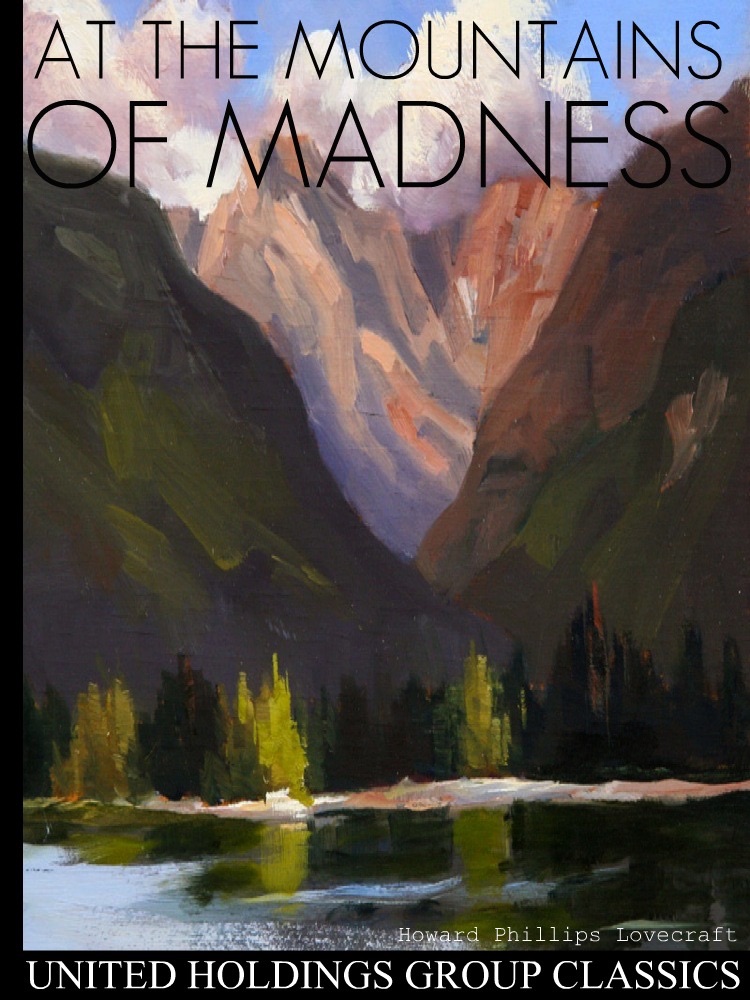
- 1936At the Mountains of Madness: Lovecraft's most fully realized long-form vision of elder things and pre-human civilization. At the Mountains of Madness
- 1982John Carpenter's The Thing sets the template for cosmic horror cinema: an alien force that does not communicate, only replaces. The Thing
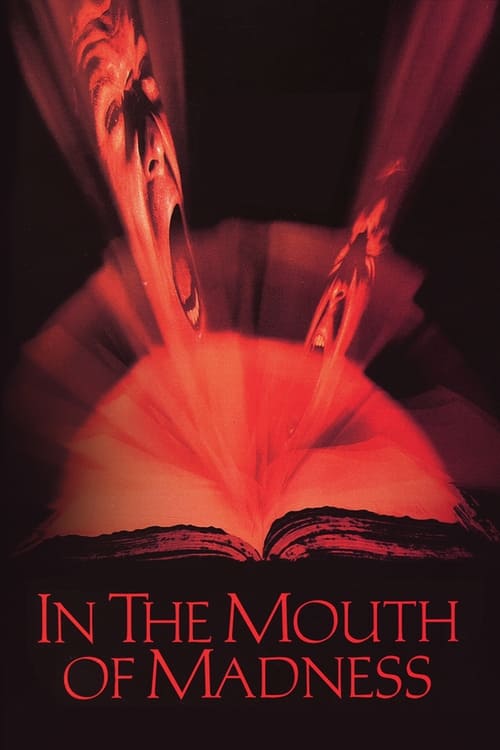
- 1994In the Mouth of Madness brings Lovecraftian metafiction to the screen, collapsing the line between author and abyss. In the Mouth of Madness
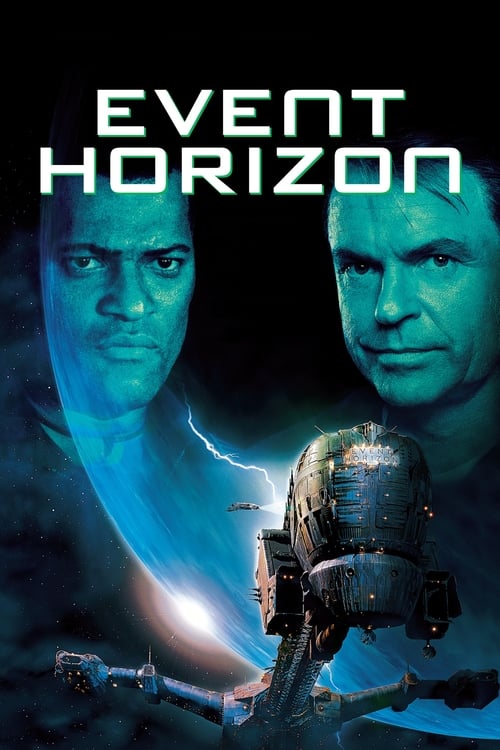
- 1997Event Horizon transplants the genre into science fiction: deep space as a door to something that should not exist. Event Horizon
- 2000House of Leaves redefines what a horror novel can structurally be, using typography and footnotes as the medium of dread. House of Leaves
- 2014True Detective Season 1 brings cosmic horror to prestige television, hiding the Yellow King mythos inside a southern Gothic procedural. True Detective
- 2014VanderMeer's Annihilation launches the Southern Reach trilogy, the most significant cosmic horror novel sequence of the 21st century. Annihilation
- 2015Bloodborne: FromSoftware's Gothic action RPG becomes the genre's most celebrated interactive work. Bloodborne
- 2018Garland's Annihilation adaptation earns its place beside The Thing as one of the genre's essential films. Annihilation
- 2019Outer Wilds ships, demonstrating that the genre's core premise (cosmic indifference) can produce wonder as readily as dread. Outer Wilds
- 2019Control (Remedy Entertainment) brings the genre into a brutalist Federal Bureau of Control, using architecture itself as horror.
More dread from the indifferent void
For Fans of H.P. Lovecraft
Explore the For Fans of H.P. Lovecraft guide →The most merciful thing in the world, I think, is the inability of the human mind to correlate all its contents.H.P. Lovecraft, The Call of Cthulhu (1926)