
Haruki Murakami writes novels the way jazz standards work: familiar enough to feel like memory, strange enough to feel like prophecy. His protagonists, usually solitary men in their thirties, cook pasta, listen to records, and fall sideways into other worlds. Whether it is a sheep-shaped hotel in Hokkaido or a town at the bottom of a well, the threshold between ordinary Tokyo life and something vast and unknowable is always thin. What keeps readers across forty languages returning is not plot mechanics but a specific emotional frequency: the ache of lost love held at careful distance, the companionship of solitude, and a conviction that somewhere, on the other side of a mirror or a record groove, a parallel life is unfolding. That through-line, lyrical yet precise, poppy yet genuinely weird, is what the pages and screens below share.
Essential Haruki Murakami
The novels that define his world, from the breakthrough to the magnum opus


Murakami on Screen
Films and series drawn directly from his stories, or shaped by his sensibility



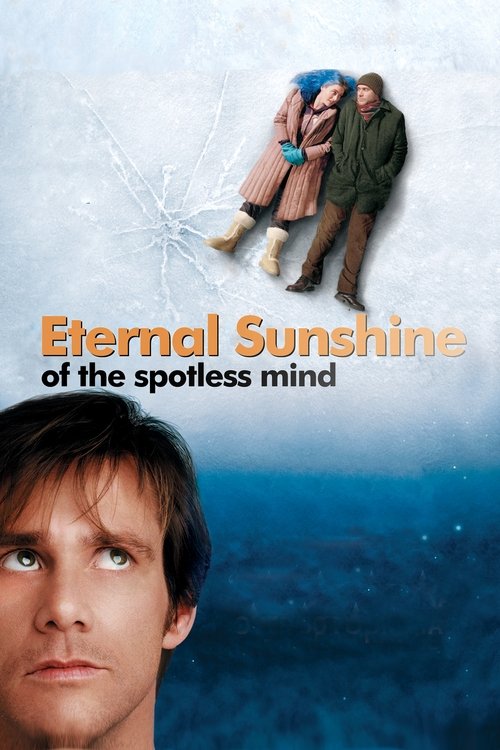
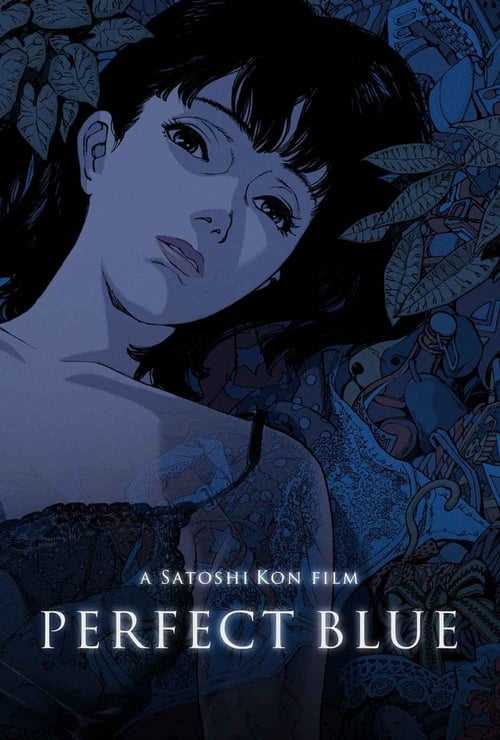
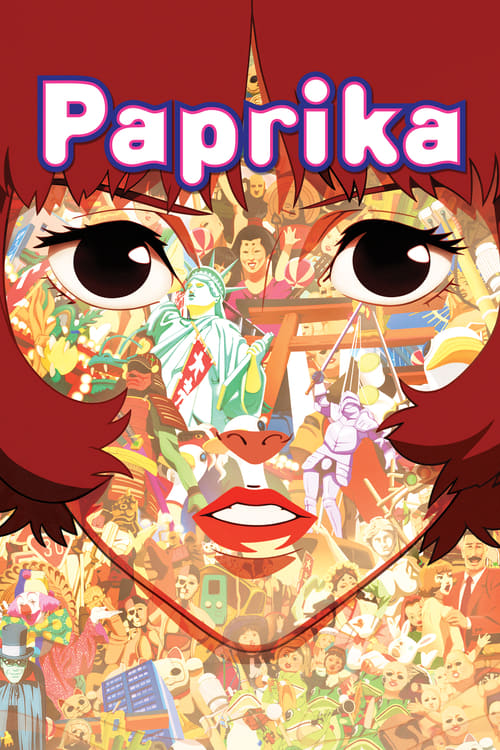
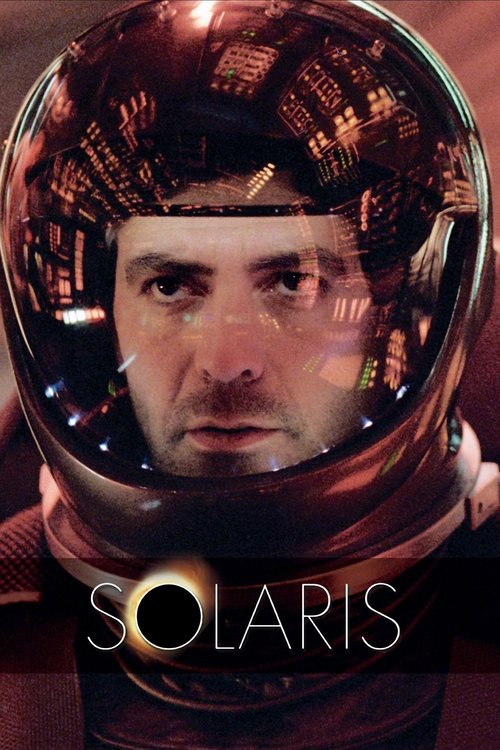
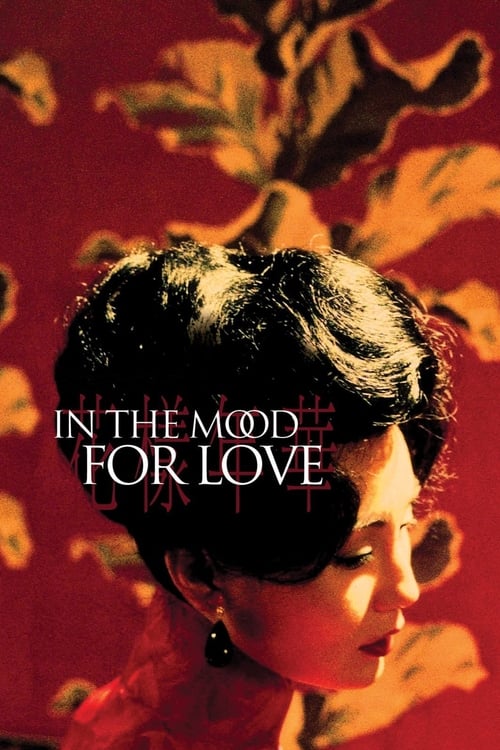
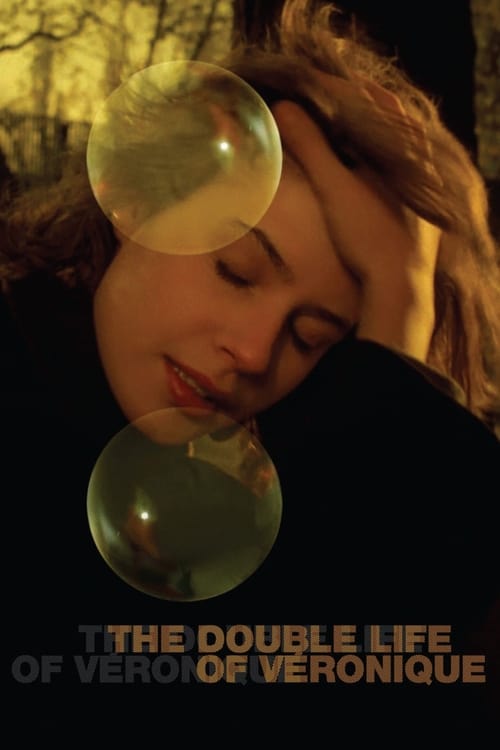
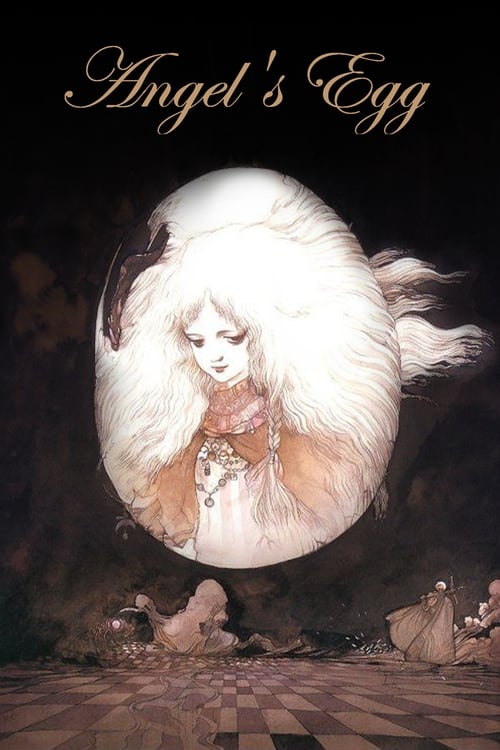
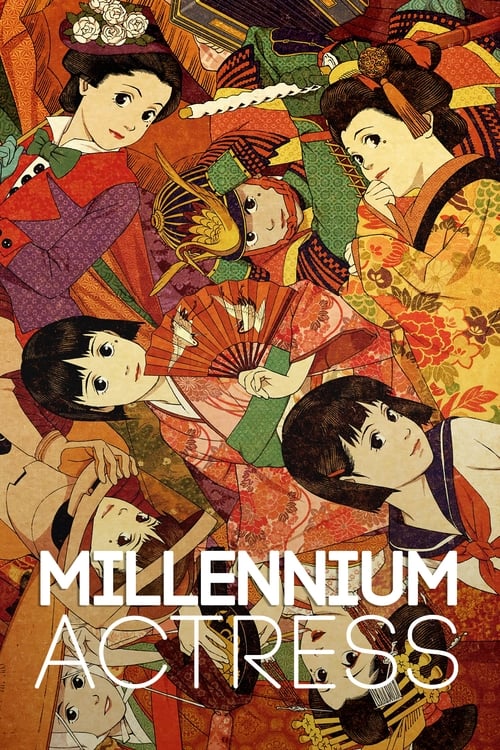
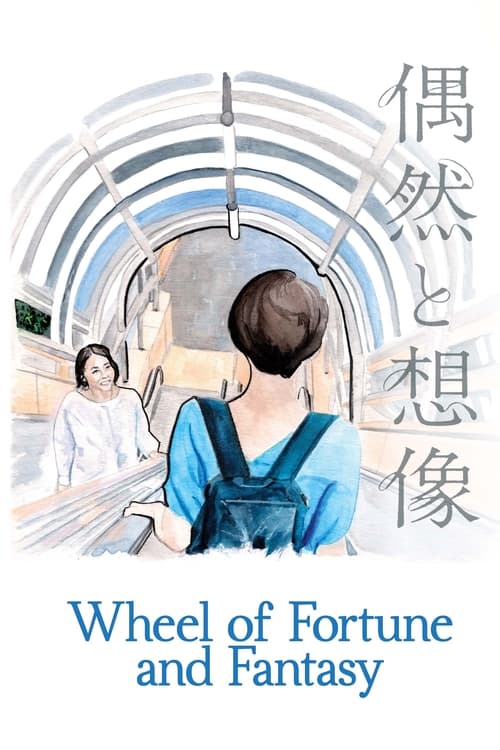
Surreal, Lonely, Beautiful: Cinema That Lives in the Same Register
Films where reality bends quietly, grief sits close, and the ordinary holds secrets



TV That Pulls You Under
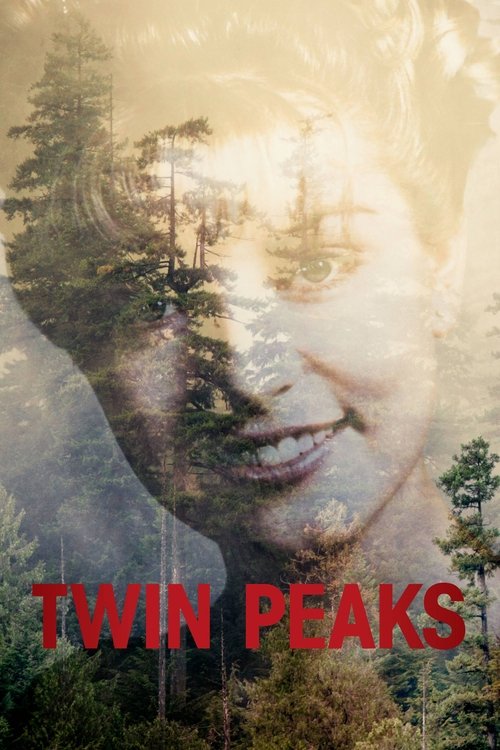
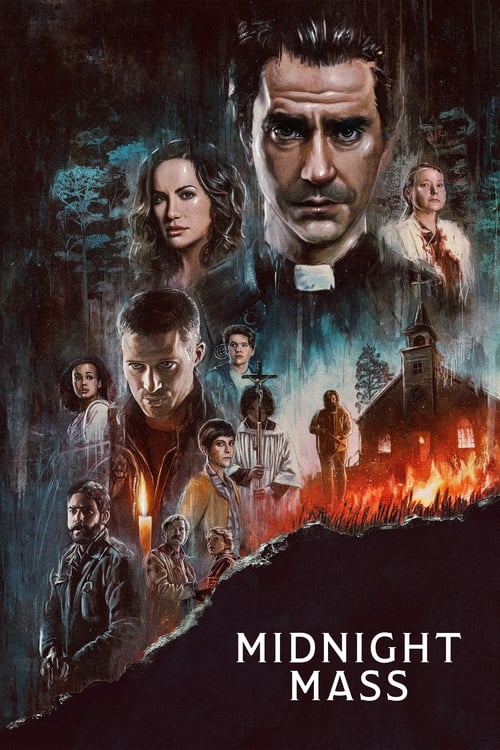
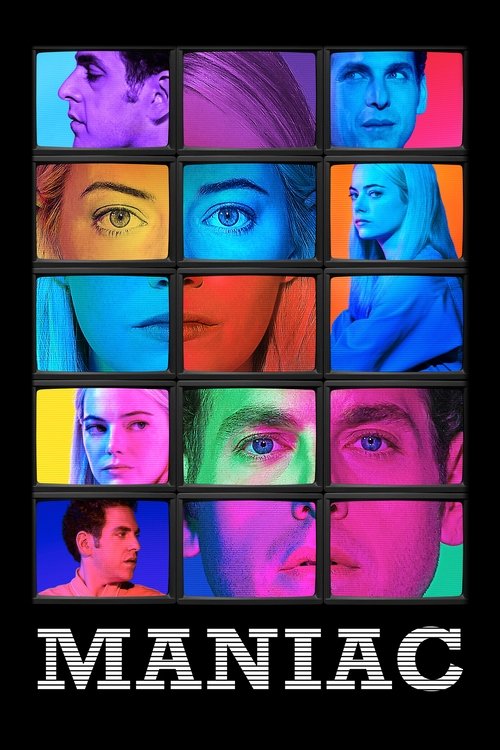
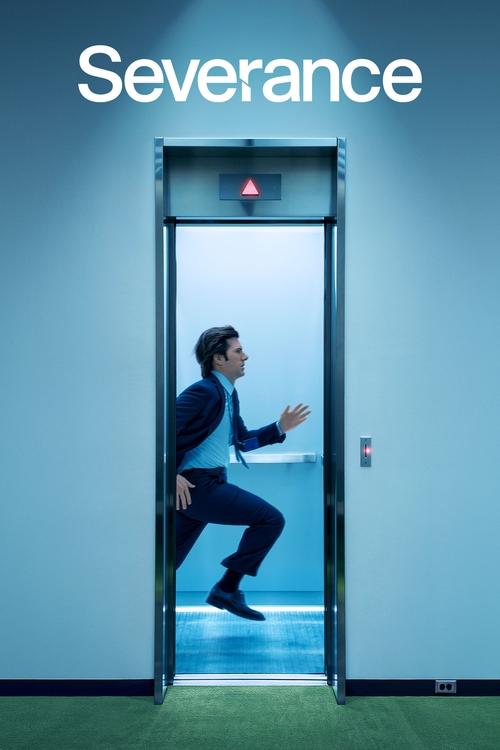
Series with Murakami's signature blend of quiet dread, mystery, and emotional depth




Authors Who Inhabit the Same Frequency
Literary writers whose prose feels like a different door into Murakami's house




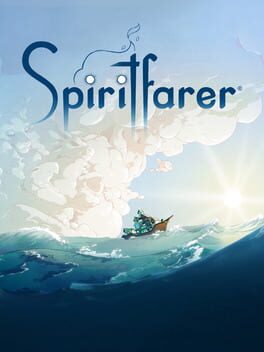
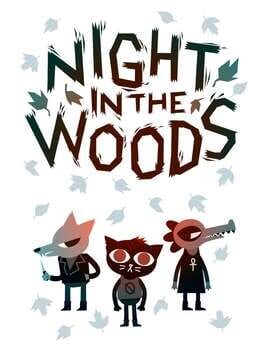
Games With That Liminal Feeling
Games that share Murakami's atmosphere: solitude, mystery, the ordinary cracking open





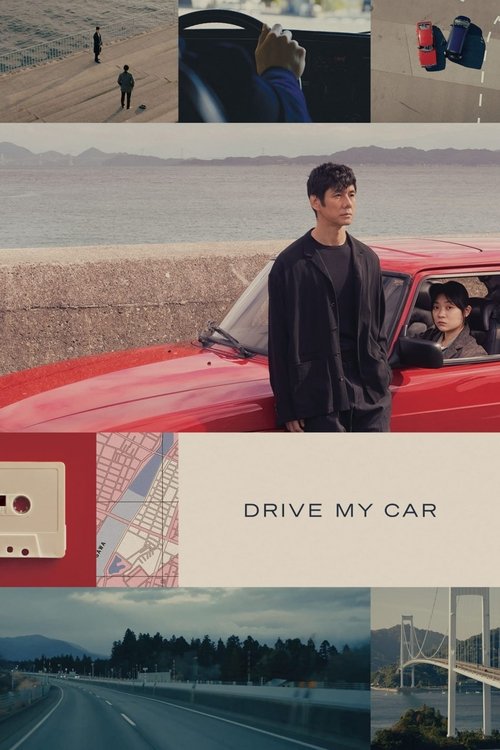
Drive My Car Is the Murakami Adaptation That Finally Got It Right
Every previous attempt to film Murakami ran aground on the same reef: his magic is in the prose voice, not in plot events. Ryusuke Hamaguchi found the solution by going slow, almost outrageously so. His three-hour adaptation of the short story (expanded with threads from other Men Without Women stories) lets silence do what Murakami's narrators do on the page. The car, the Chekhov play rehearsed in every language, the grief that refuses to perform itself: it is the most faithful translation of Murakami's interior world that cinema has achieved.
The Playlist Is the Novel
Murakami's books are inseparable from their music. Jazz, classical, and certain specific pop songs are not atmosphere but argument: they are how characters locate themselves emotionally when language fails. Reading Norwegian Wood without knowing the Beatles song it names, or The Wind-Up Bird Chronicle without knowing Rossini's 'The Thieving Magpie,' is to miss a structural layer. His essays on jazz (collected in Absolutely on Music, his conversation with conductor Seiji Ozawa) make this explicit. The music does not illustrate; it thinks.
Kazuo Ishiguro Is the Closest Literary Kin
Both men write about memory and loss at a slight remove, through narrators who are unreliable not because they lie but because they protect themselves from what they know. Both are interested in how the past colonizes the present. Where Murakami's metaphysics goes surreal and labyrinthine, Ishiguro's stays painfully realist, but the emotional destination, a person slowly accepting what they cannot recover, is the same. Never Let Me Go and The Unconsoled are the two Ishiguro novels that sit closest to Murakami territory.
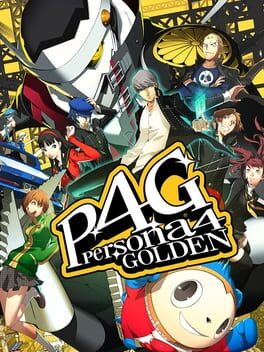
Persona 4 Golden Is Murakami as JRPG
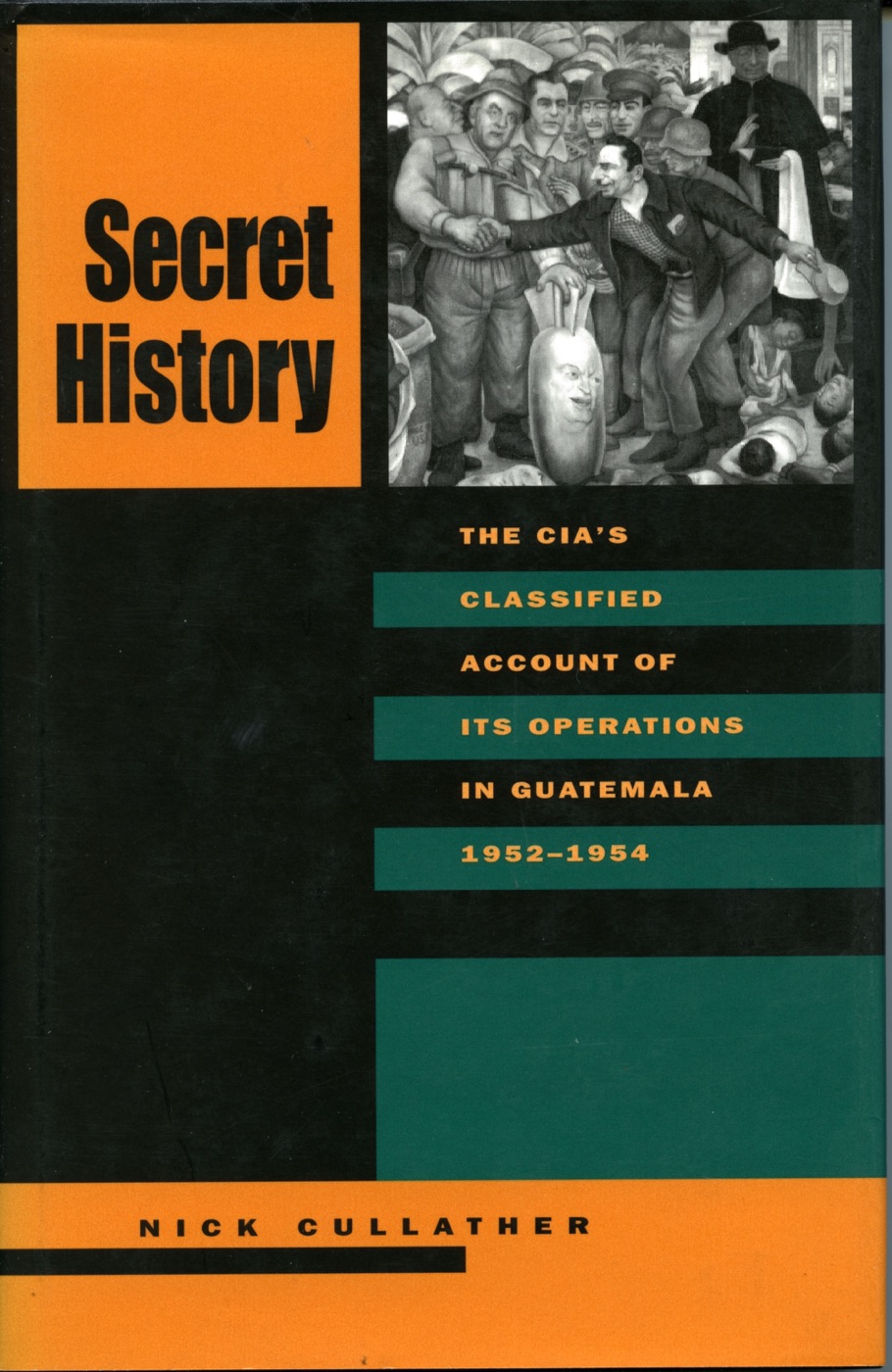
A teenager arrives in a quiet provincial town, a mysterious murder occurs, and the solution requires diving into a television screen into a fog-shrouded shadow world where everyone confronts a repressed alternate self. Persona 4 Golden is structurally a Murakami novel: ordinary life meticulously described, a threshold crossed into the unconscious, and an investigation of identity that is really an investigation of grief. The jazz-inflected soundtrack and the deep attention to mundane social ritual (school lunches, part-time jobs, rainy afternoons) only deepen the resemblance.
Murakami's World, Decade by Decade
- 1979Debut
- 1982Breakthrough
- 1987International sensation Norwegian Wood
- 1994Magnum opus begins
- 2002Surrealism peaks
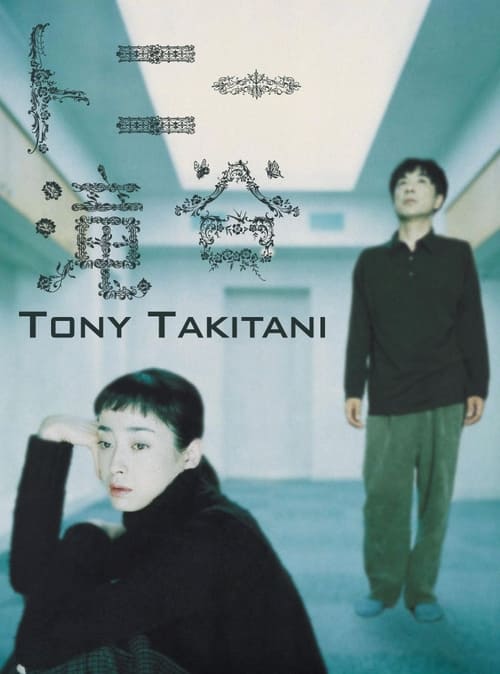
- 2004Tony Takitani adapted Tony Takitani
- 2010Norwegian Wood adapted Norwegian Wood
- 2011Epic trilogy 1Q84
- 2018Burning adapts Barn Burning Burning
- 2021Drive My Car wins Oscar Drive My Car
- 2023New novel
Dreamlike fiction and magical realism
Magical Realism
Explore the Magical Realism guide →If you only read the books that everyone else is reading, you can only think what everyone else is thinking.Haruki Murakami, Norwegian Wood