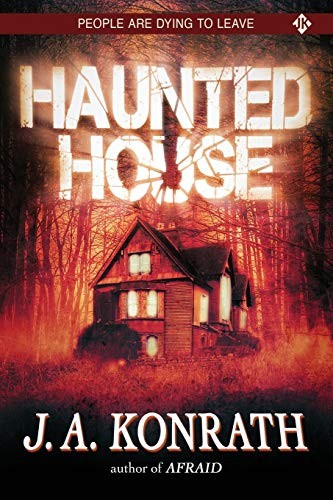

The haunted house is the oldest trick in horror: take a building and make it wrong. A room that is slightly too cold. A hallway that seems longer on the return trip. Sounds from a floor no one uses. What the best haunted-house stories understand is that the architecture is never the real monster. The house externalizes something the characters already carry: grief that hasn't found a shape, guilt that refuses to stay buried, trauma that rewrites memory into something sharper and stranger than the original wound.
The canon spans every medium because the formula travels perfectly. A novel can put you inside a character's unreliable perception of the building. A film can use the camera to make the architecture conspire against the audience. A TV series has time to let the house accumulate meaning over episodes until a single shot of a doorway carries weeks of dread. A game makes you the one who has to walk through the door. And certain albums and scores have figured out how to make sound behave the way a haunted room behaves: familiar but slightly off, beautiful and threatening at once.
This is a guide to the feeling that chases you down all of them.
Essential Haunted House Films
The architectural canon: buildings that became characters

Haunted Rooms on Television
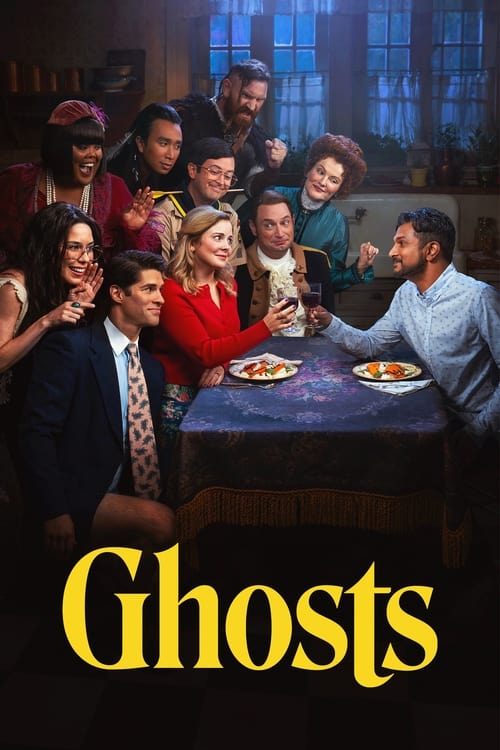
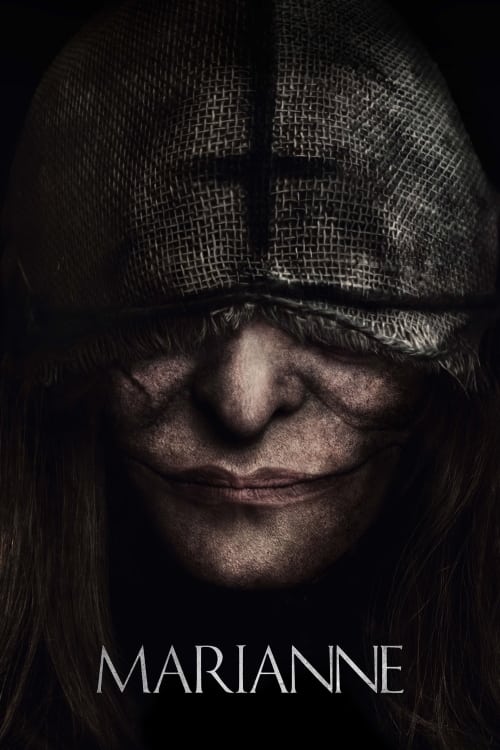
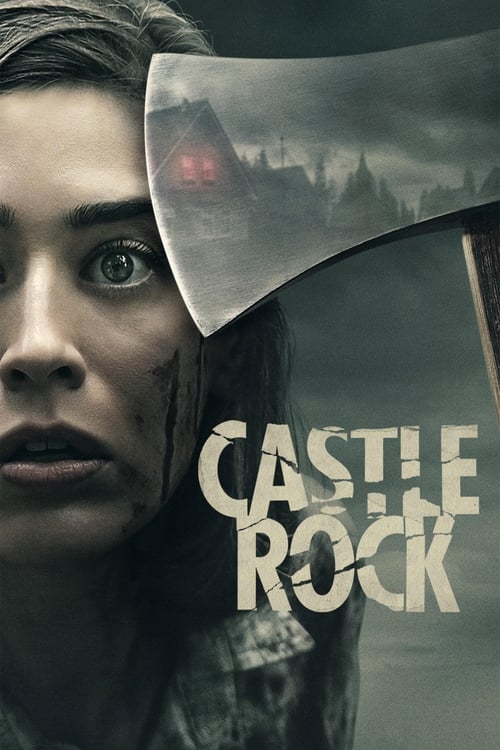
Series that let the dread accumulate over episodes


Games That Make You Walk Through the Door
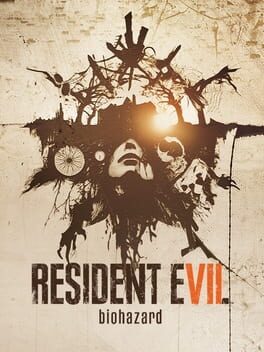
Interactive haunted spaces where leaving is the hardest part

The Literary Architecture
Novels and stories where a building becomes the antagonist


The house is never just a house
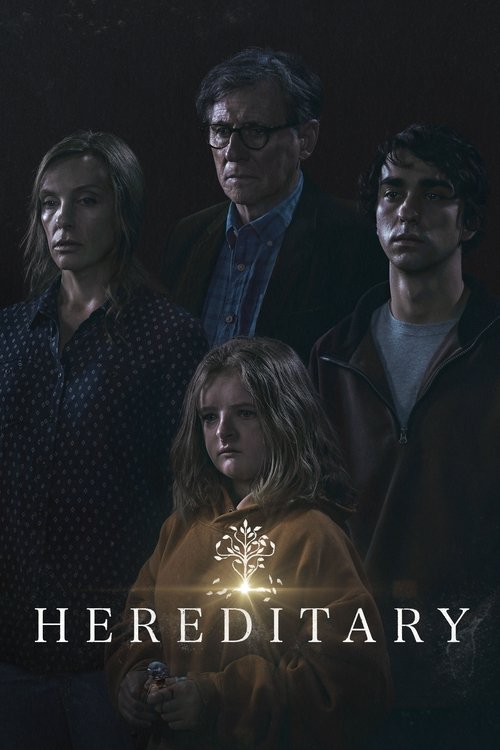
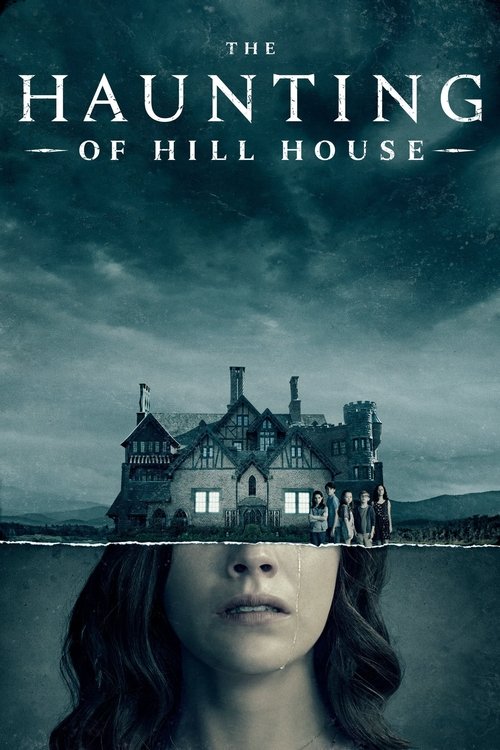
The genre's best entries refuse to let the haunting be supernatural convenience. In Shirley Jackson's original novel and Mike Flanagan's Netflix series, Hill House is a diagram of psychological inheritance: the building amplifies what the visitors already fear about themselves. The ghost is the least interesting explanation on offer. The same logic runs through Hereditary, where grief is the actual horror and the supernatural elements are almost beside the point until they aren't. The buildings in these stories are mirrors that only show you the thing you most dread.
Games understood interactivity is its own kind of dread
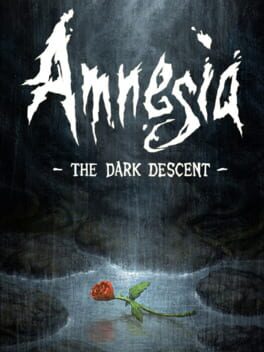
What Remains of Edith Finch and Gone Home stripped out all the jump scares and found something stranger: a house that is an archive. Walking through rooms and finding what happened to the people who left them is a horror mode that only games can fully inhabit. Amnesia: The Dark Descent arrived at the opposite extreme and proved that having no weapon and no ability to fight back is a more effective design choice than any monster model. The horror is the architecture: you have to keep moving through rooms you do not want to enter.
Shirley Jackson invented the modern template
No single piece of writing has generated more haunted-house stories than The Haunting of Hill House (1959). Jackson's innovation was to locate the unreliability inside the narrator rather than inside the house: you genuinely cannot tell, by the end, whether Eleanor is experiencing a real haunting or a breakdown the house has catalyzed. Richard Matheson's Hell House (1971) is the deliberate counterargument, a harder-edged and more explicitly physical haunting that reads as a rebuttal to Jackson's ambiguity. Both are essential. Mexican Gothic (2020) is the most recent novel to extend the tradition with genuine ambition, grafting it onto colonial horror without losing any of the claustrophobia.
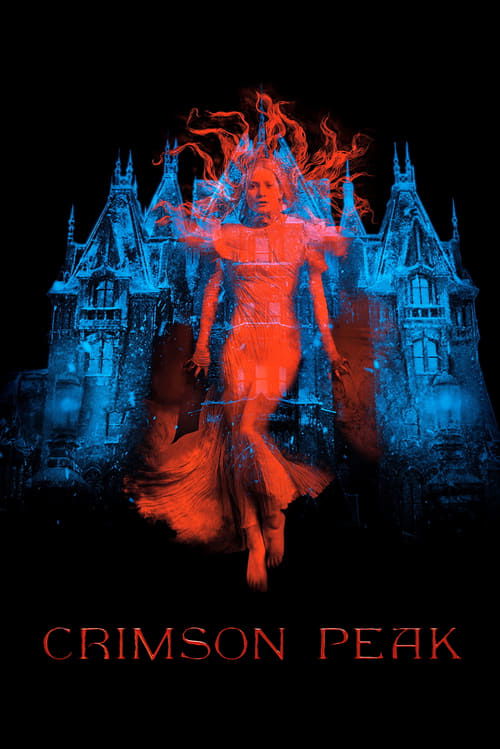
Crimson Peak is the genre finally loving itself on screen
Guillermo del Toro built Crimson Peak as an explicit love letter to Gothic literature, and it shows: the production design is the argument. Allerdale Hall bleeds red clay through the floorboards and snow through the ceiling, a building that is visibly, theatrically dying while its inhabitants perform normalcy inside it. Del Toro has said the ghosts are not the horror, the humans are, and the film earns that reading without abandoning spectacle. It is the rare case where a director's stated theme and the film's actual experience align completely.
A History of Haunted Architecture
- 1898Henry James publishes The Turn of the Screw, establishing the ambiguous ghost as a literary mode The Turn of the Screw
- 1938Daphne du Maurier's Rebecca makes Manderley itself the dominant character in Gothic romance
- 1959Shirley Jackson's Hill House sets the psychological template every successor follows The Haunting of Hill House
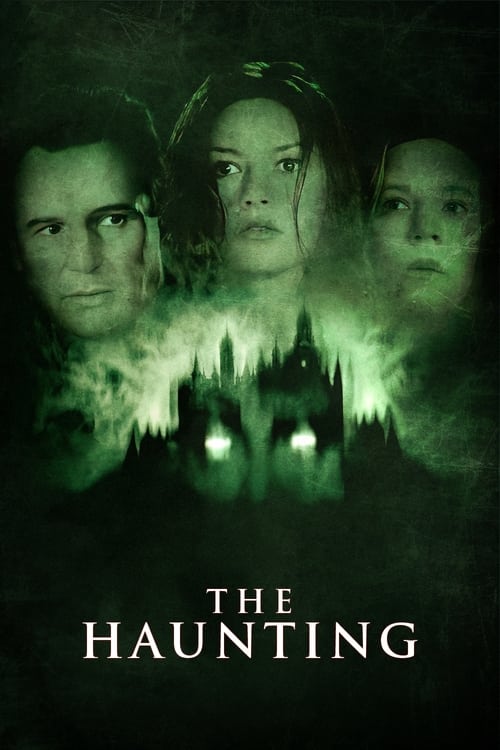
- 1963Robert Wise adapts Hill House into The Haunting, a masterclass in using camera and sound instead of effects The Haunting
- 1971Richard Matheson's Hell House takes the opposite approach: graphic, physical, unambiguous Hell House
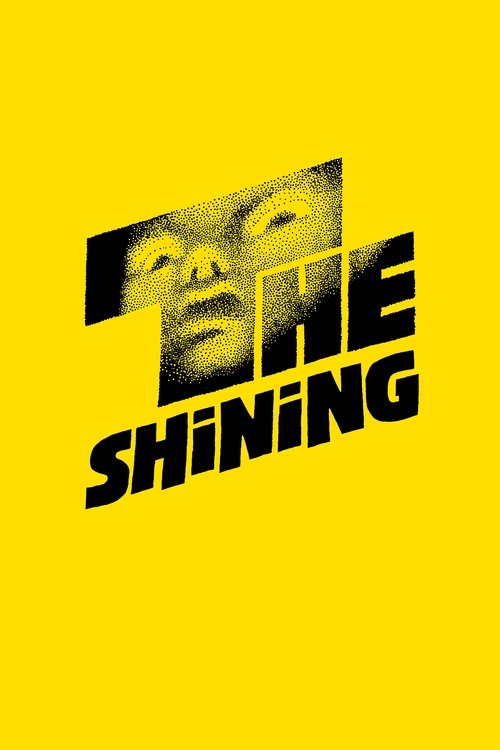
- 1980Stanley Kubrick's The Shining redefines the haunted hotel and the family-as-horror subgenre The Shining
- 1982Poltergeist brings the suburban tract house into the haunted canon, democratizing the genre Poltergeist
- 2001Amnesia: The Dark Descent (2010) and the PT demo (2014) later prove games are the ideal haunted-house medium Amnesia: The Dark Descent
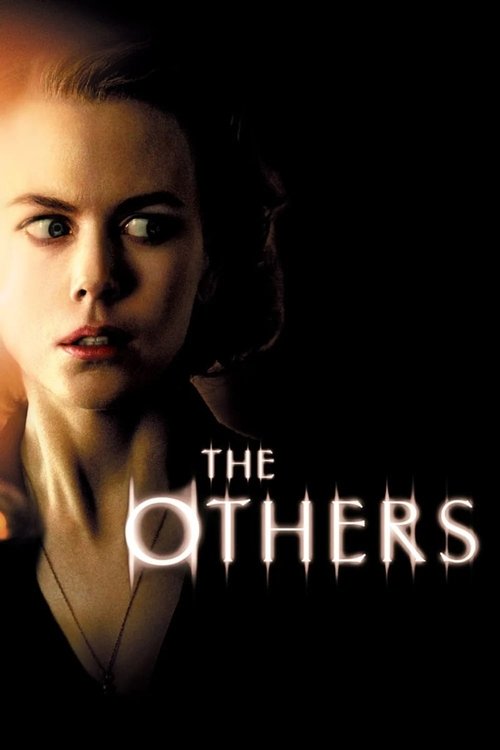
- 2001The Others strips the haunted house back to costume drama and makes the premise fresh again The Others
- 2010Mark Z. Danielewski's House of Leaves, published in 2000, finishes its cult rise: the book as a haunted building House of Leaves
- 2016What Remains of Edith Finch shows a house-as-archive can be horror without a single scare What Remains of Edith Finch
- 2018Hereditary and Mike Flanagan's Hill House series arrive in the same year, the genre's richest twelve months in decades Hereditary
- 2020Silvia Moreno-Garcia's Mexican Gothic grafts the form onto colonial horror with complete control American gothic
Ghosts, hauntings, and gothic dread
For Fans of The Haunting of Hill House
Explore the For Fans of The Haunting of Hill House guide →No live organism can continue for long to exist sanely under conditions of absolute reality; even larks and katydids are supposed, by some, to dream. Hill House, not sane, stood by itself against its hills, holding darkness within.Shirley Jackson, The Haunting of Hill House (1959)