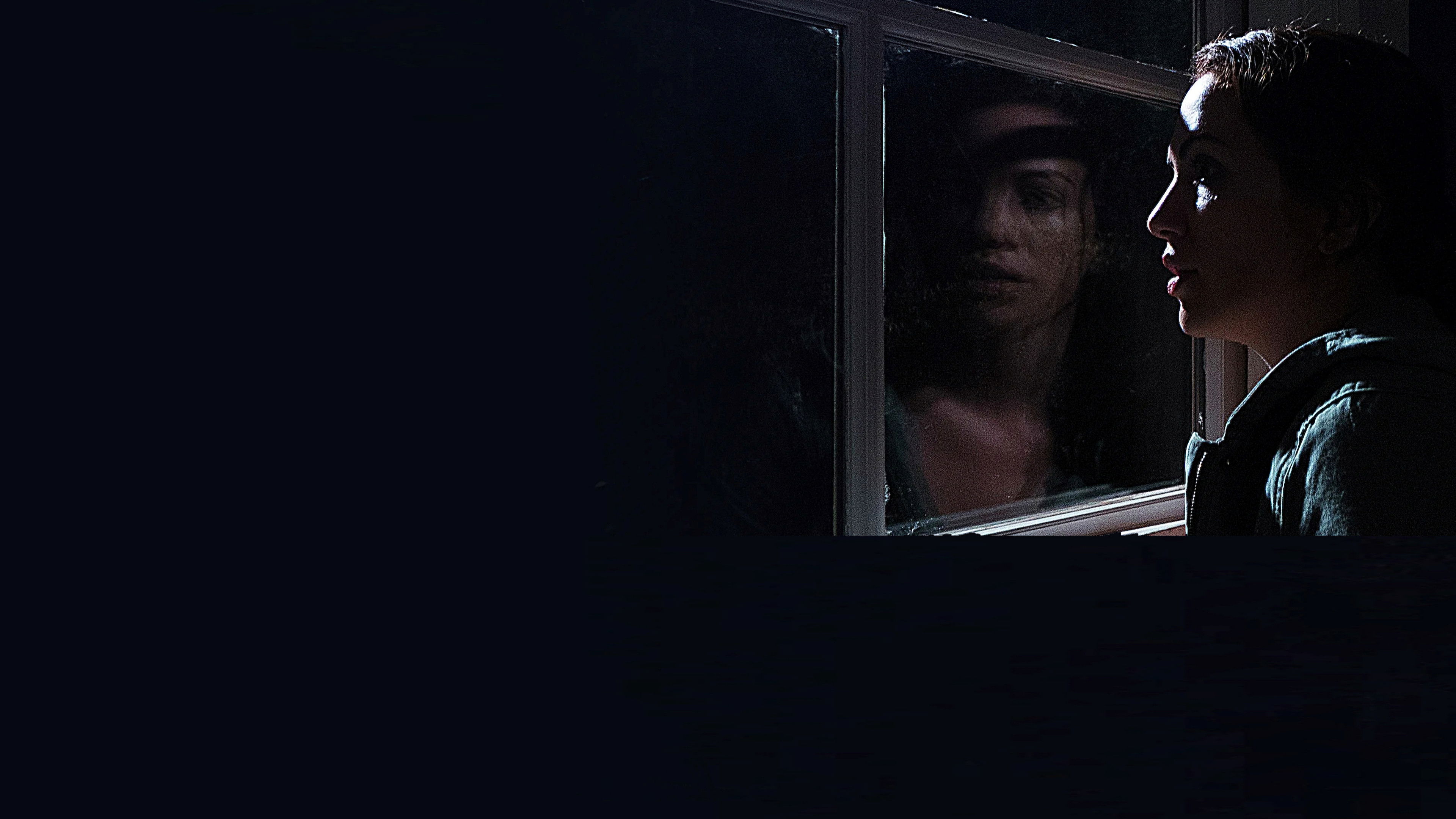

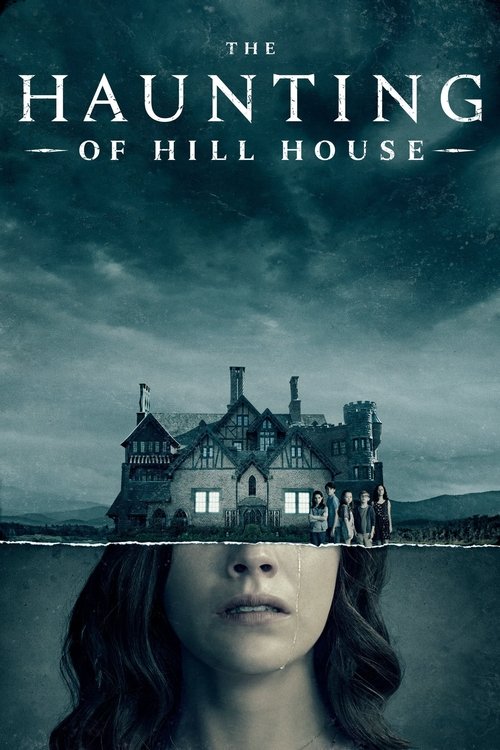
Mike Flanagan's 2018 Netflix series did something rare: it used a haunted house as a container for a decade of family grief. The Crains return to Hill House and the ghosts they find there are not monsters from another world but the unprocessed pain they each carried out the door. Shirley Jackson's 1959 novel gave the story its bones, but Flanagan rebuilt the architecture around trauma, addiction, denial, and the different ways siblings survive the same catastrophe. Five children, five wounds, five ways to cope. The horror is real, the jump scares earn their keep, and the final hour hits like a eulogy. If that combination of genuine dread and genuine feeling is what you are chasing, the works below know exactly where to look.
Essential Flanagan
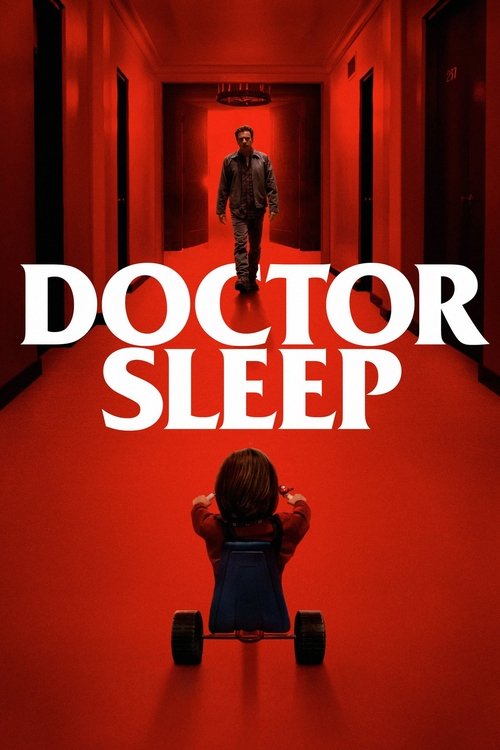
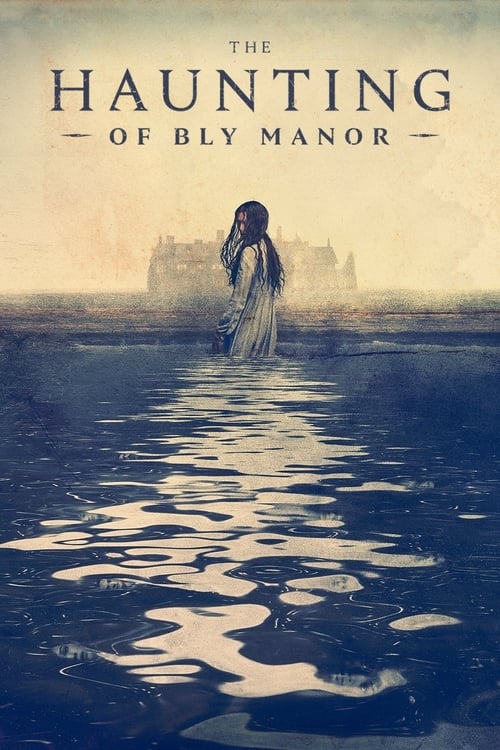
The director's own run of grief-soaked horror, in order of release
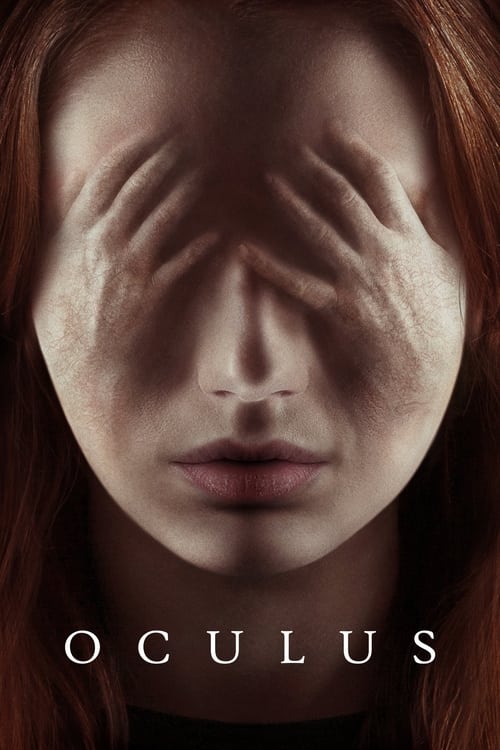

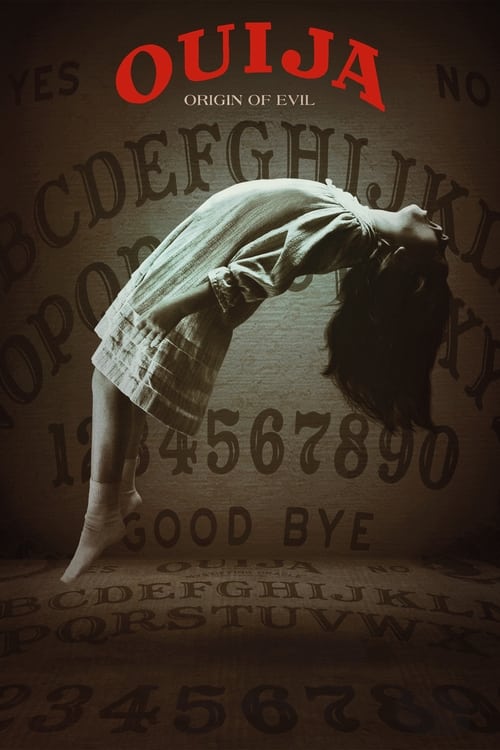
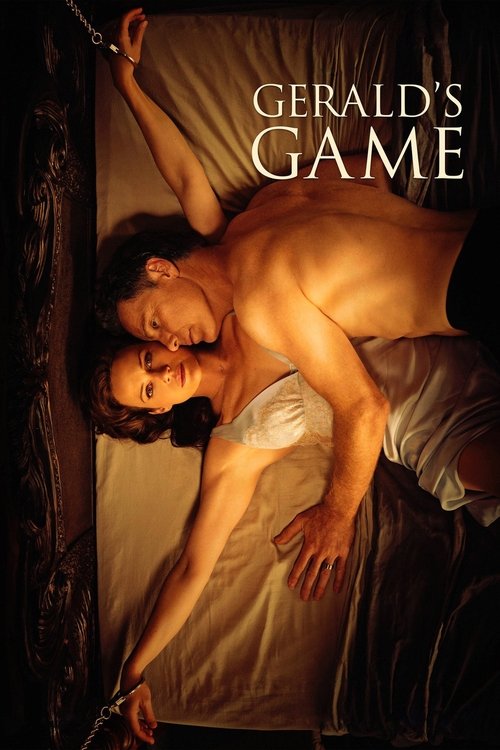
Other Series That Live Inside Dread
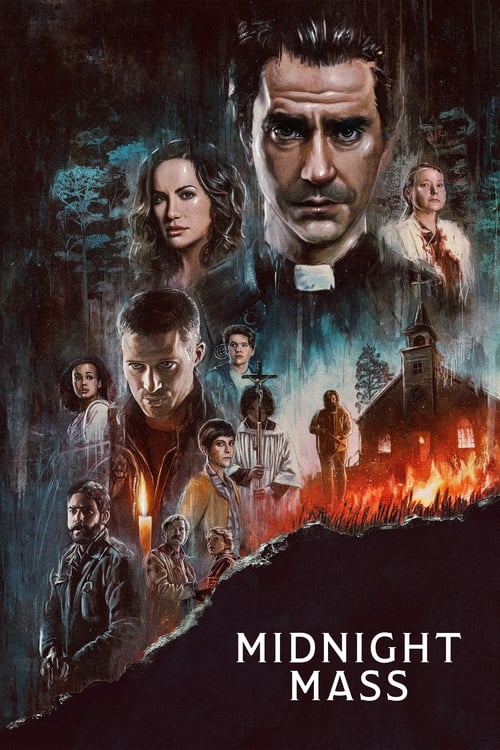
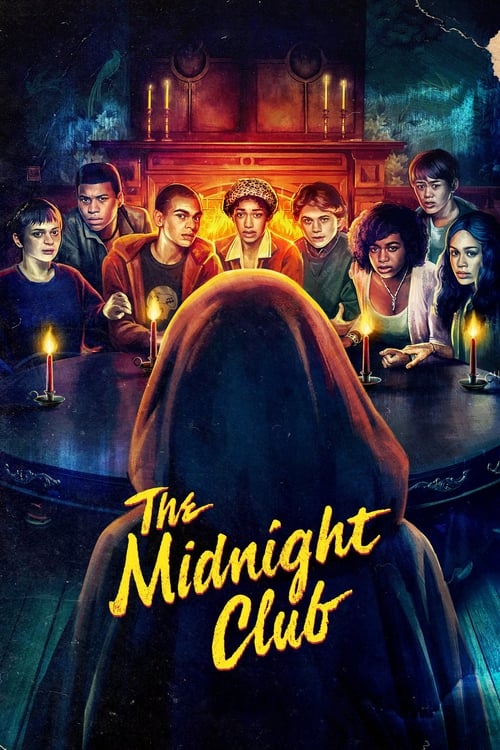
Atmospheric slow-burn horror and dark family drama on TV


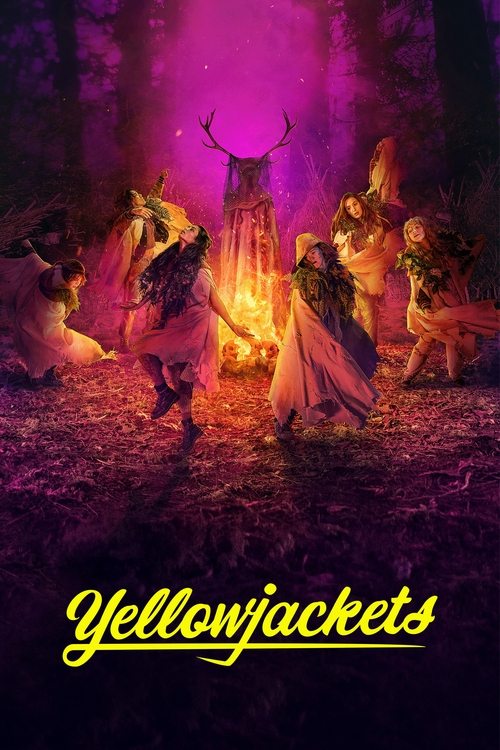
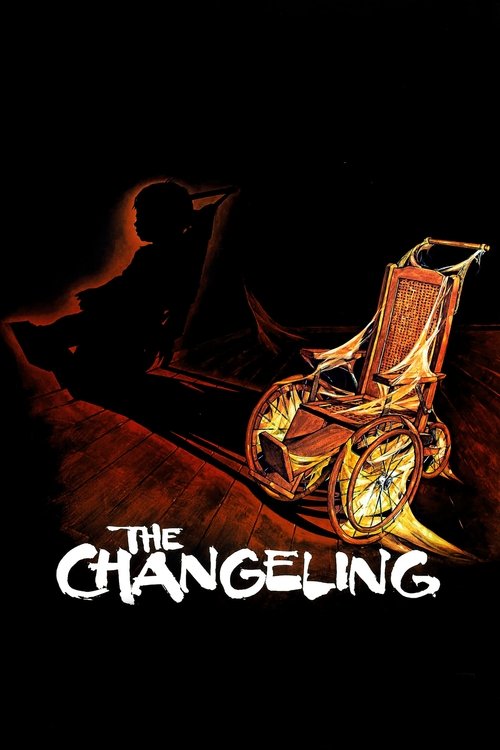
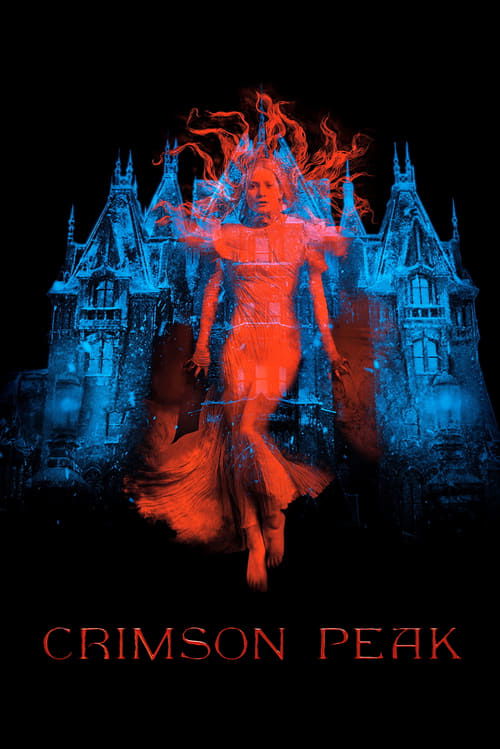
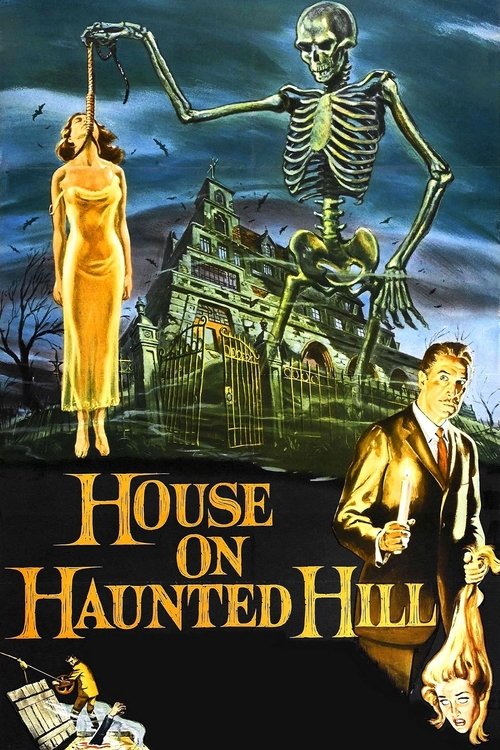
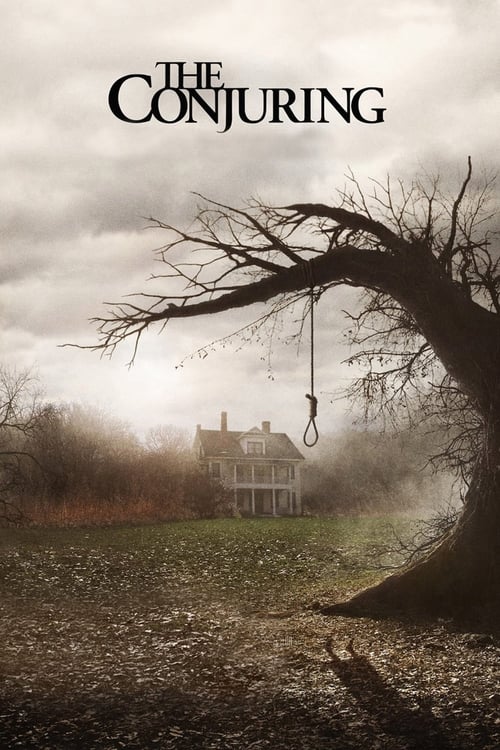
Films That Know What Hides in Old Houses
Cinema where the location itself is the antagonist
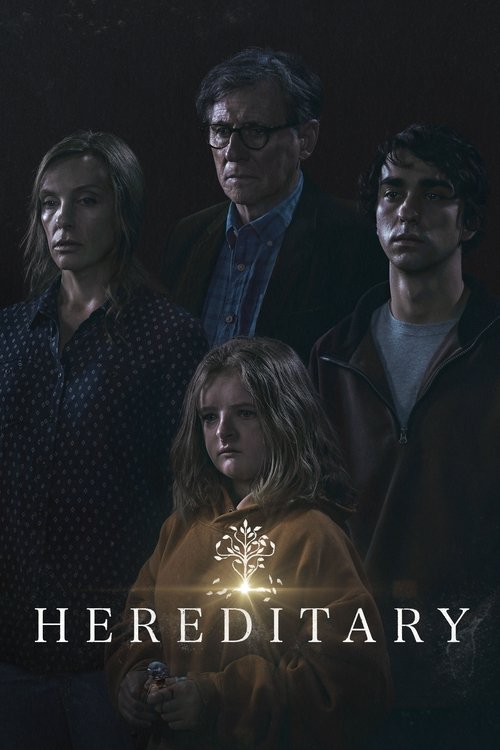

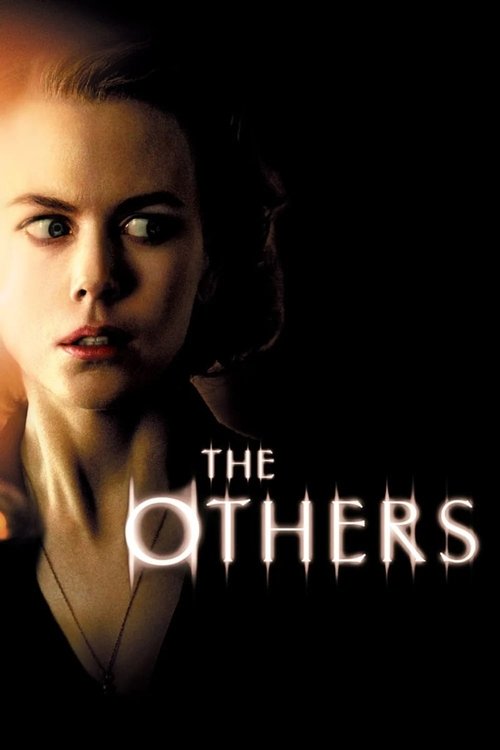
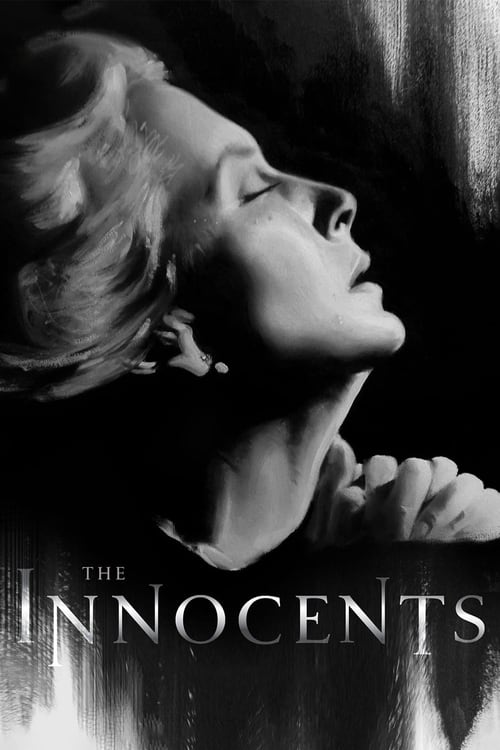

The Books That Built This Kind of Horror
Novels where unease seeps through the prose and houses hold secrets


Games Where a Building Becomes a Character
Horror games that use space, memory, and dread the way Hill House uses its rooms
The Show Understands That Grief Looks Like Haunting
Most horror series separate the monster from the family drama. Hill House refuses to. The Bent-Neck Lady is not a separate threat; she is grief given a face. Every ghost the Crain children see is a projection of something they could not process when they were small. The show's structure, five siblings, five episodes of backstory before the convergence, means every scare carries biographical weight. When Luke sees something in the dark, you already know what the dark represents for him. That interweaving of psychology and horror is what makes the series rewatch well: the scares change meaning once you know the whole story.
Shirley Jackson Invented the Template
Jackson's 1959 novel does not explain Hill House. It gives you Eleanor Vance, an isolated woman who has never been wanted anywhere, and a house that offers to want her. The horror in the novel is less about apparitions than about a person so starved for belonging that she reads a haunted house as home. Flanagan preserved that psychological core and scaled it to a family. If you read the novel after watching the series, or before it, the two works illuminate each other without competing. Jackson also wrote We Have Always Lived in the Castle the same year she was producing her darkest short fiction, and both reward the same reader.
The Best Horror Games Steal from Gothic Fiction
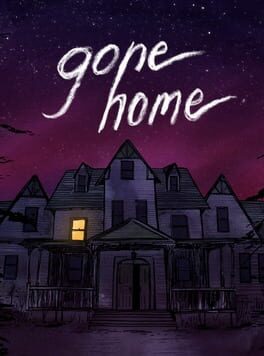
Gone Home showed that a house could carry a whole story without a single jump scare: you are reading the architecture for clues, assembling a family from what they left behind. Layers of Fear takes the opposite approach, a mansion that physically rearranges itself around a protagonist coming apart, and makes the building an externalisation of mental collapse. Both games owe a debt to the Gothic novel tradition that Jackson worked in. If Hill House gripped you with its spatial dread, where the house itself seems hostile and aware, these games are the closest interactive equivalent.
A Century of the Haunted House
- 1898Henry James publishes The Turn of the Screw, the defining ambiguous ghost story in English prose The Turn of the Screw
- 1959Shirley Jackson's The Haunting of Hill House redefines the genre: the house as psychological mirror The Haunting of Hill House
- 1961The Innocents adapts The Turn of the Screw into one of cinema's most unsettling ghost films The Innocents
- 1977Stephen King publishes The Shining; Stanley Kubrick's adaptation follows in 1980 The Shining
- 1980The Changeling brings quiet, character-driven haunting to the screen with little gore and real dread The Changeling
- 2010Amnesia: The Dark Descent resets first-person horror games around exploration and helplessness Amnesia: The Dark Descent
- 2013Gone Home proves that a house can be the whole story, no ghosts required Gone Home
- 2018Mike Flanagan's The Haunting of Hill House airs on Netflix and becomes the decade's benchmark for prestige horror TV The Haunting of Hill House
- 2020Mexican Gothic by Silvia Moreno-Garcia brings the Gothic house novel into a 1950s Latin American setting American gothic
More haunted houses and family horror
Ghosts & Hauntings
Explore the Ghosts & Hauntings guide →No live organism can continue for long to exist sanely under conditions of absolute reality; even larks and katydids are supposed, by some, to dream. Hill House, not sane, stood by itself against its hills, holding darkness within.Shirley Jackson, The Haunting of Hill House (1959)