
The cinema of everyday endurance
Hirokazu Kore-eda makes films about families that are not quite what they appear to be. His people eat together, argue quietly, tell small lies, and hold silences that carry the weight of years. He began as a documentary filmmaker, and that instinct never left him: he watches his characters with patience rather than judgment, letting meaning accumulate in the space between words.
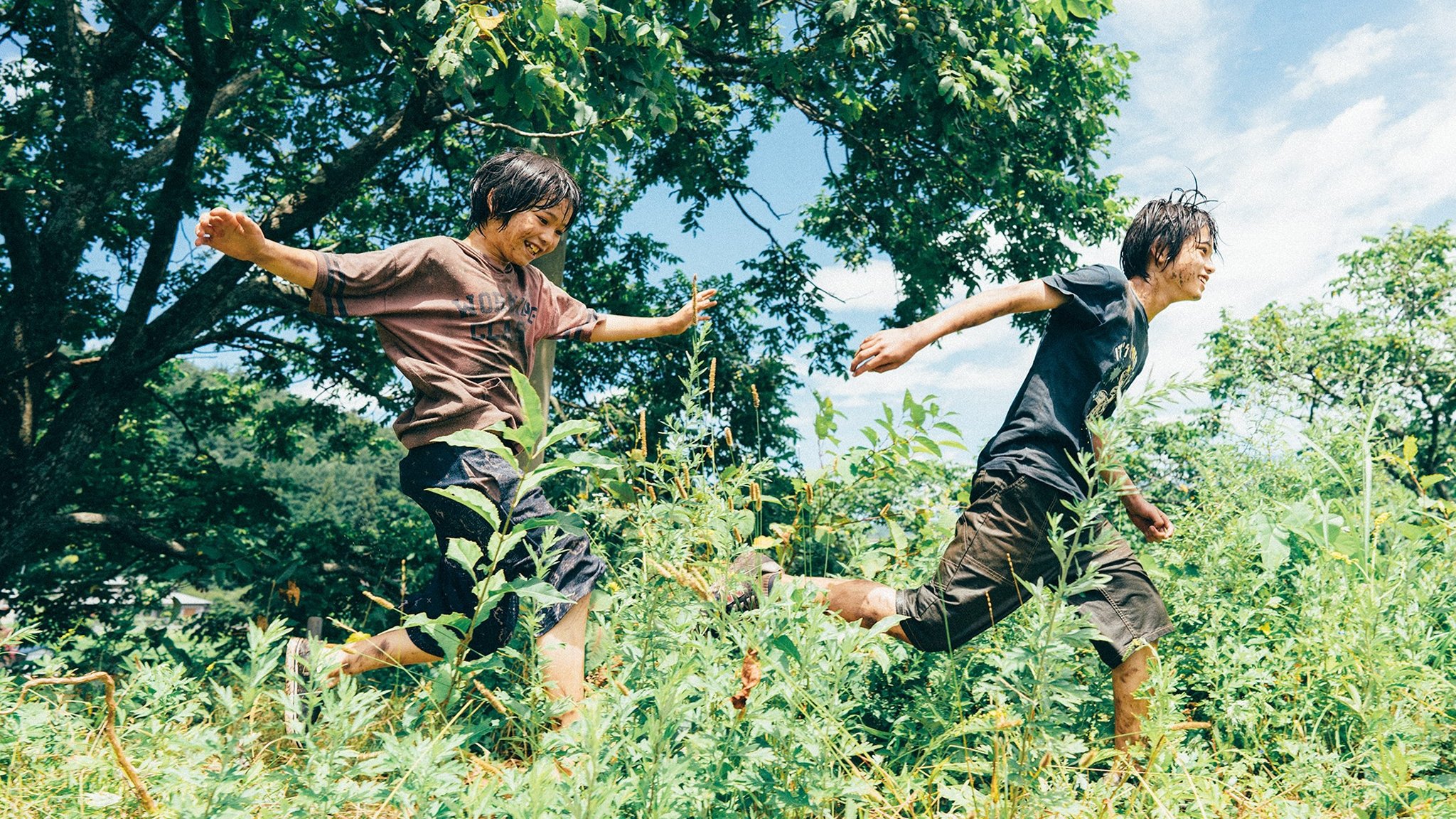
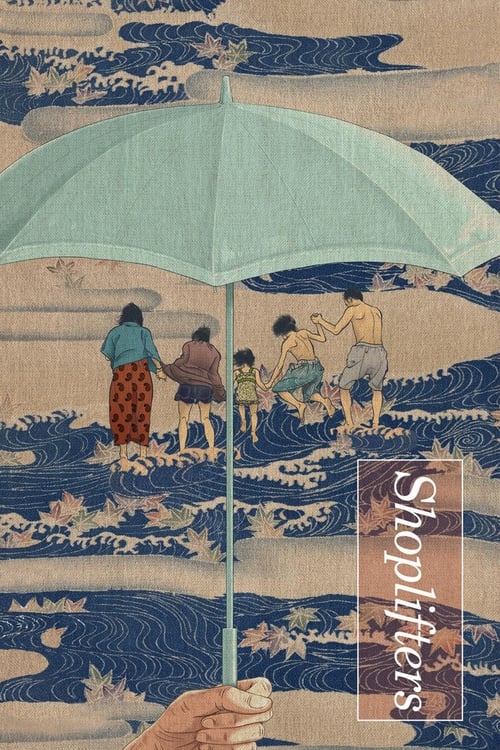
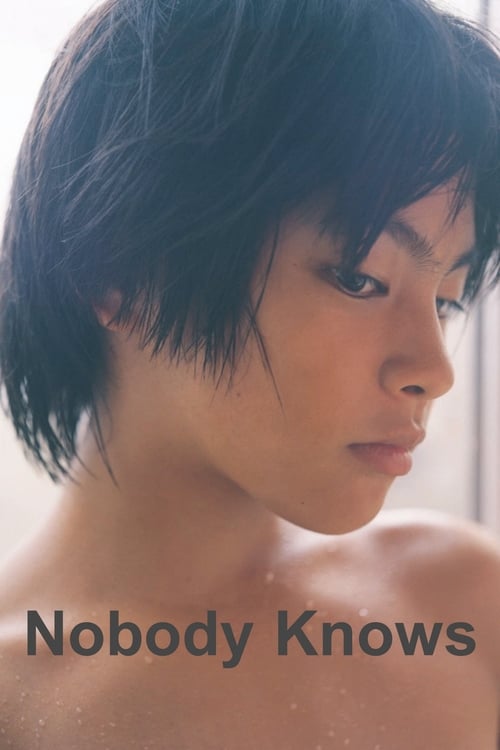
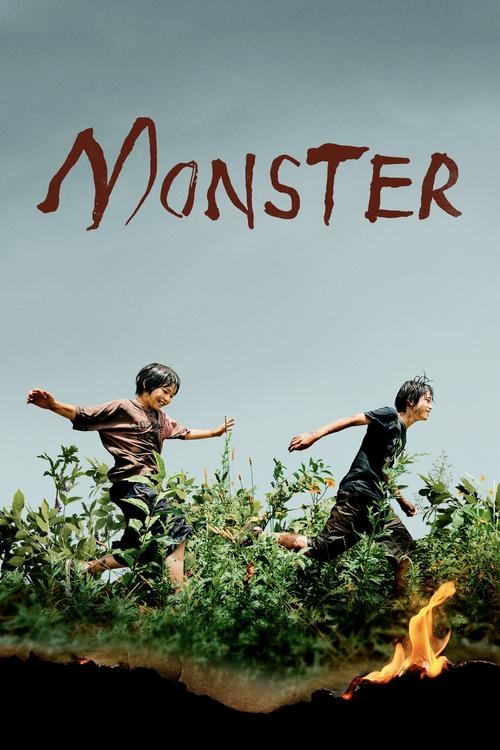
The through-line of his work is a kind of tender interrogation of what family actually means. Not the legal or biological fact of it, but the fragile, chosen, improvised version that real people build and rebuild. Nobody Knows traps four children in an apartment while the world moves on without them. Shoplifters assembles a household of strangers shoplifting their way through precarious love. Monster splits the same story three ways until you realize you have been misreading everyone. In each case, Kore-eda is asking: who holds together, and who gets left behind?
His visual style is low-key and precise. Natural light, unhurried editing, meals that last as long as meals last. The emotional register is rarely melodramatic; it is the opposite, a kind of sustained ache. Fans describe his films as slow in the best sense: the slowness of watching someone you love, not wanting to look away.
Essential Kore-eda
His own films, in rough order of impact



Start here: Still Walking is the perfect entry point
Still Walking (2008) is the film that shows you exactly what Kore-eda does and how he does it. A family gathers on an anniversary, there are old grudges and unspoken disappointments, and nothing is resolved by the end. That absence of resolution is not a flaw, it is the point. The film is a master class in how much can be communicated through the way someone hands you a glass.
Families under pressure
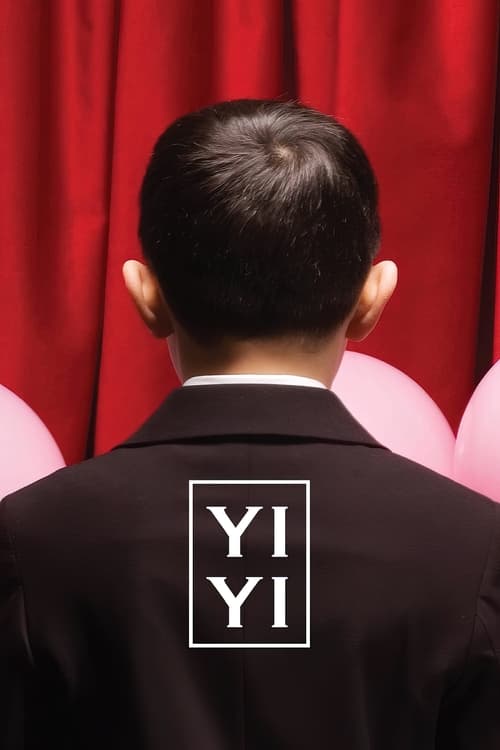
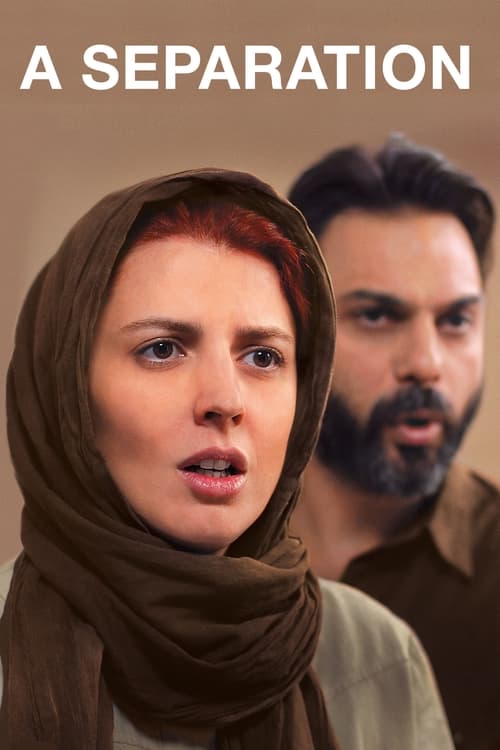
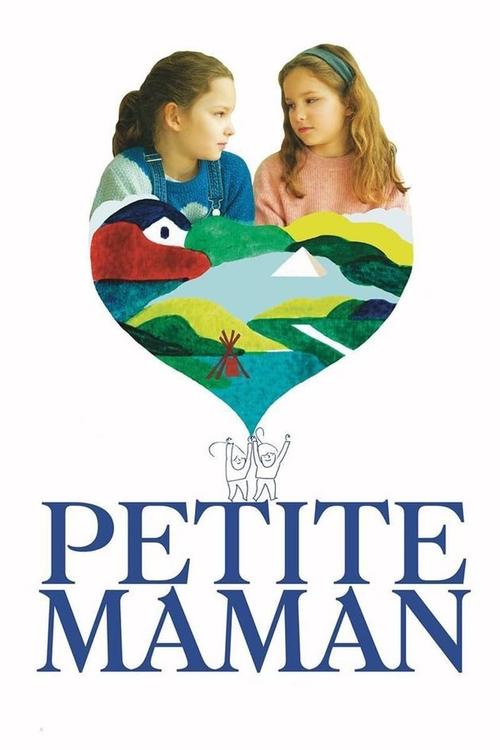
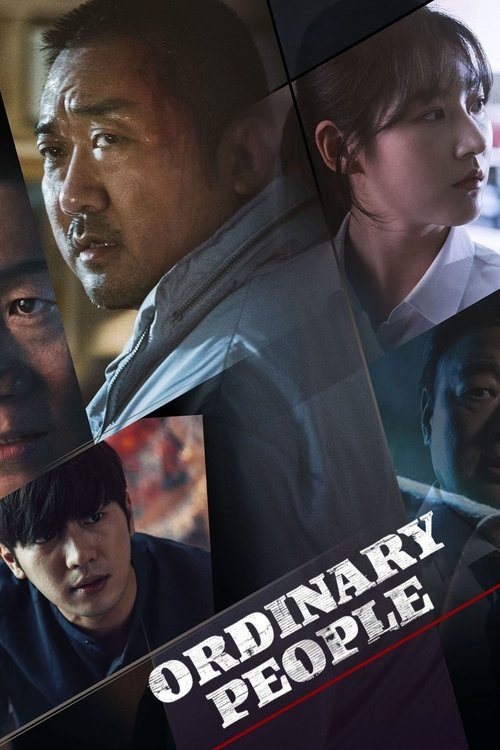
Films that dissect the quiet violence and tenderness of domestic life

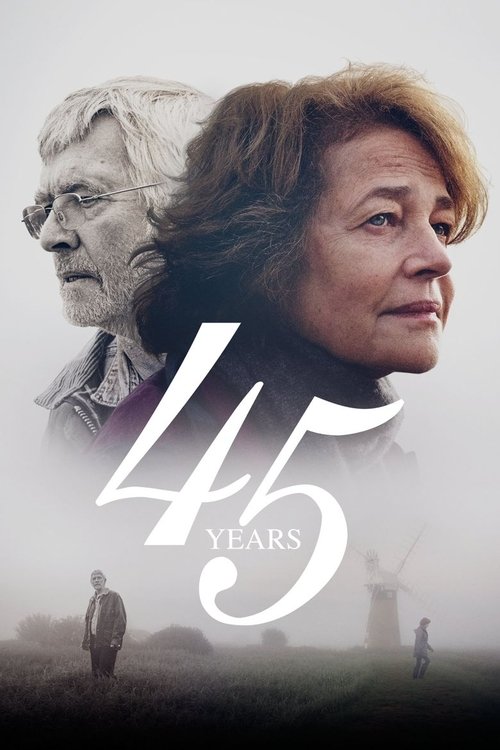
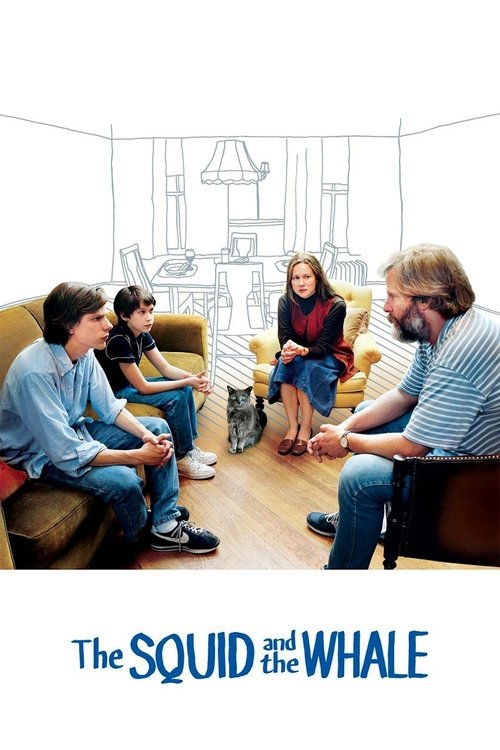
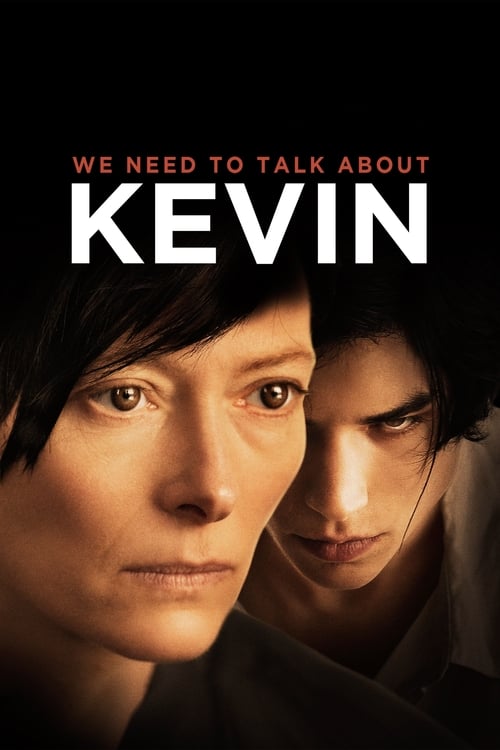
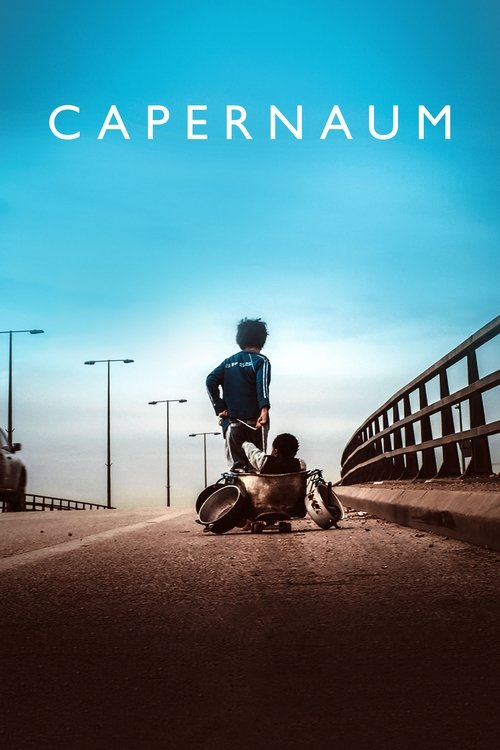
The underrated one: After the Storm deserves more attention
After the Storm (2016) is quieter than Shoplifters and less formally ambitious than Monster, which is probably why it tends to get skipped. But it is one of his most honest films: a portrait of a failed man who knows exactly what he is failing at and cannot stop. The scene where he and his son wait out a typhoon together is as good as anything in his career.
Grief, memory, and what we carry forward
Films and novels for the slow, ruminative mood his work leaves you in
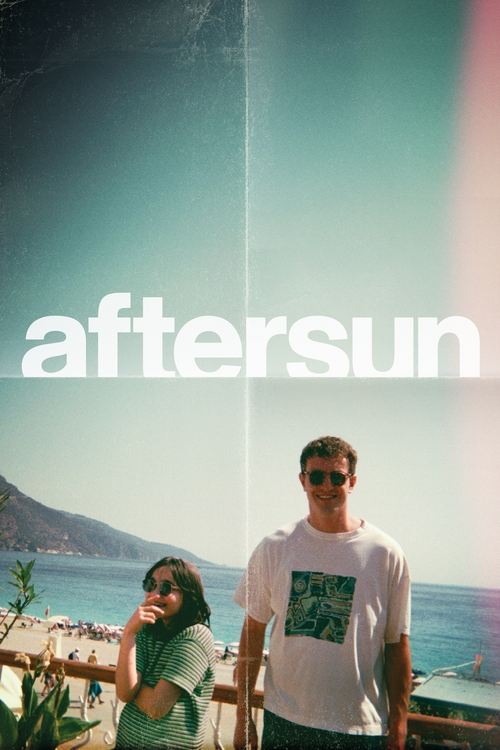
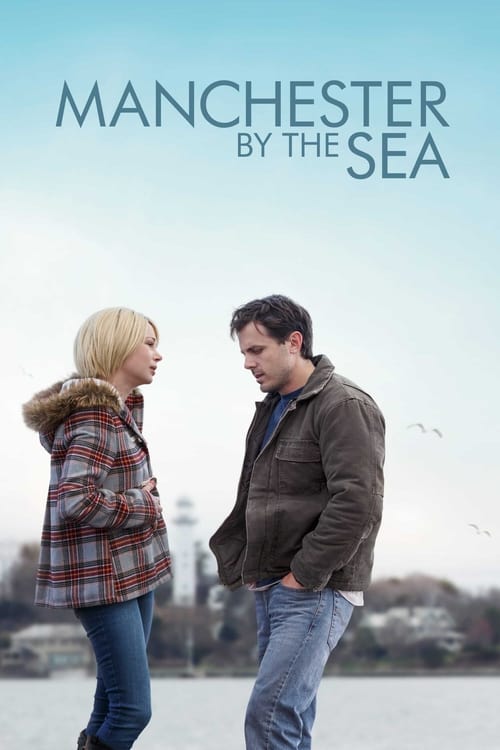
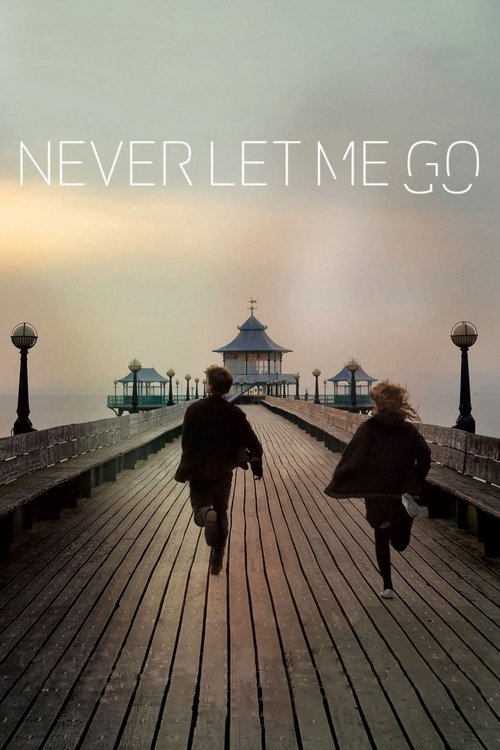


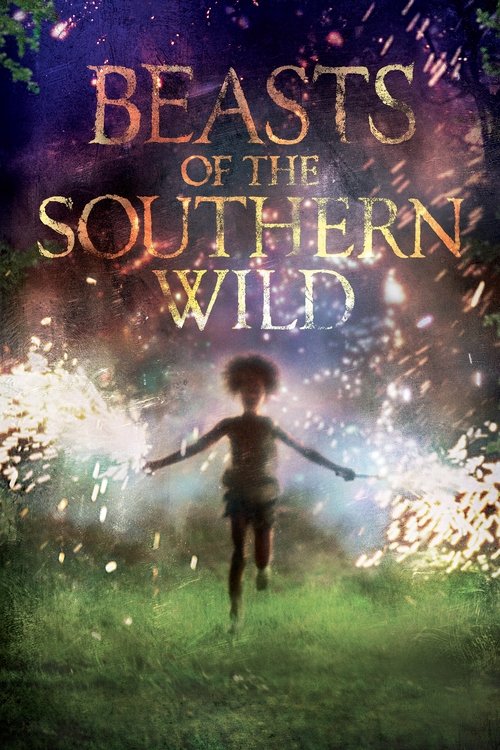
Japanese slow cinema and its neighbors
Directors working in a similar key of quiet observation
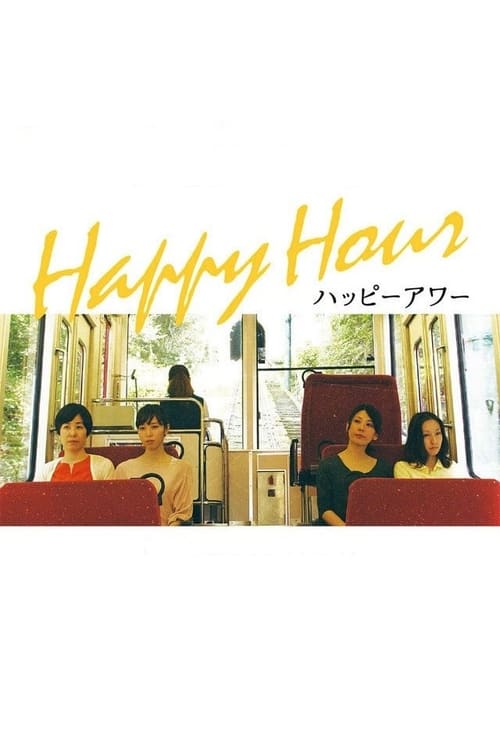

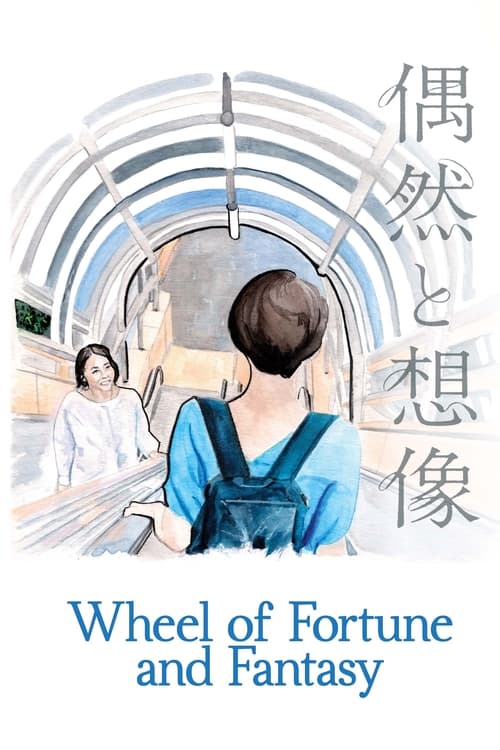
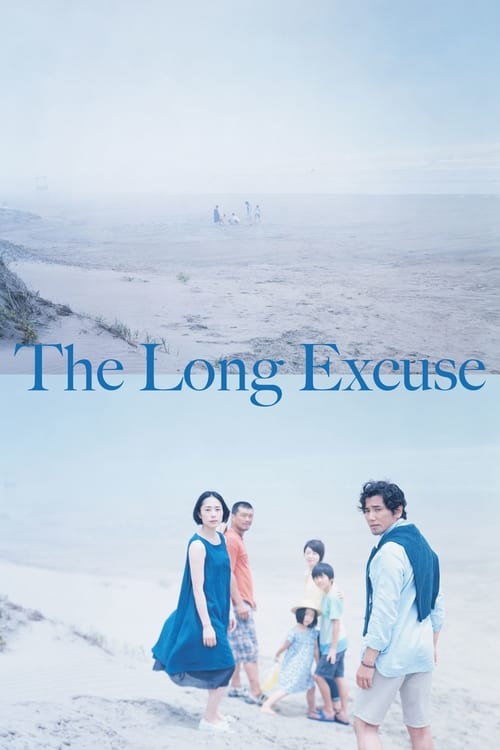
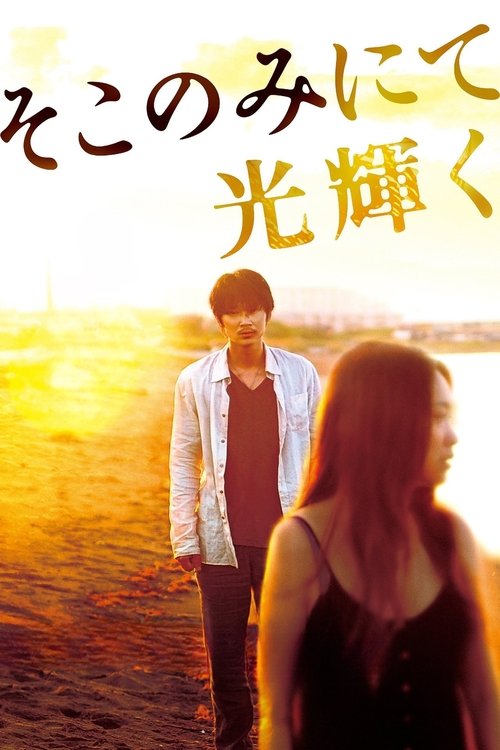
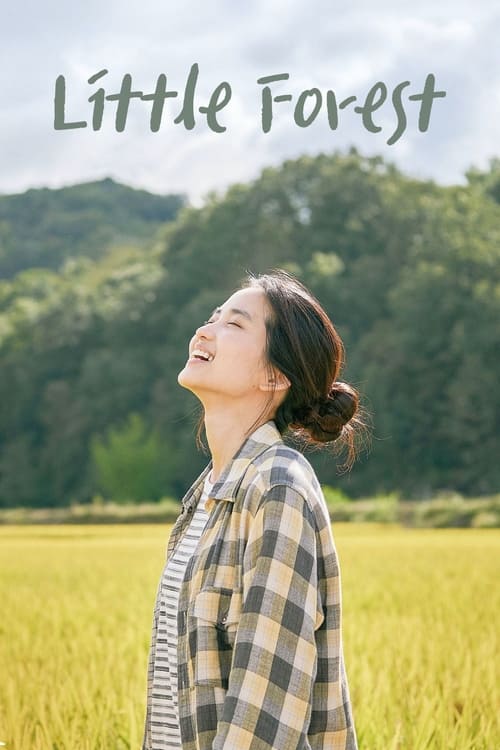
The spiritual successor: Ryusuke Hamaguchi is working the same territory
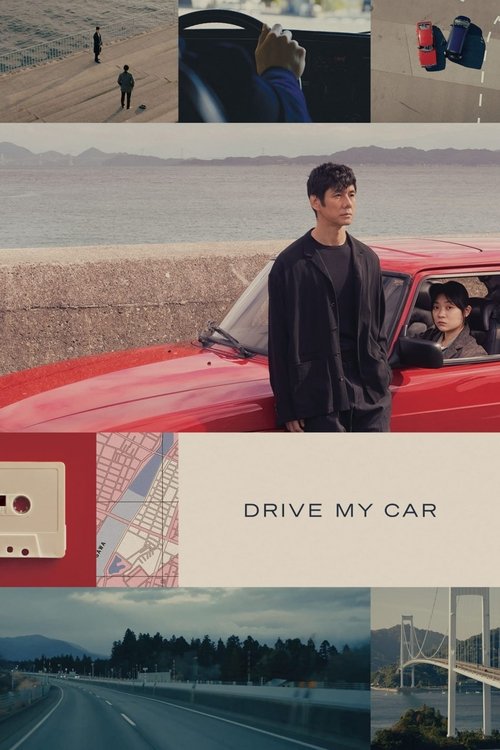
Ryusuke Hamaguchi's Drive My Car (2021) and Wheel of Fortune and Fantasy (2021) feel like they belong in the same conversation as Kore-eda's best work: slow, attentive, interested in the gap between what people say and what they mean. Hamaguchi is formally different (longer takes, more theatrical dialogue) but the underlying humanism is the same. Once you have finished Kore-eda's filmography, Hamaguchi is the obvious next door.
Games and TV about belonging and found families
Interactive and serial work for the same emotional register
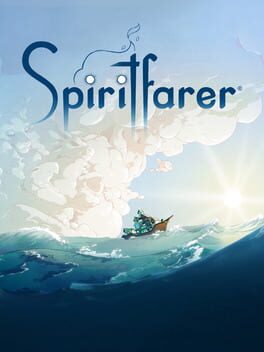


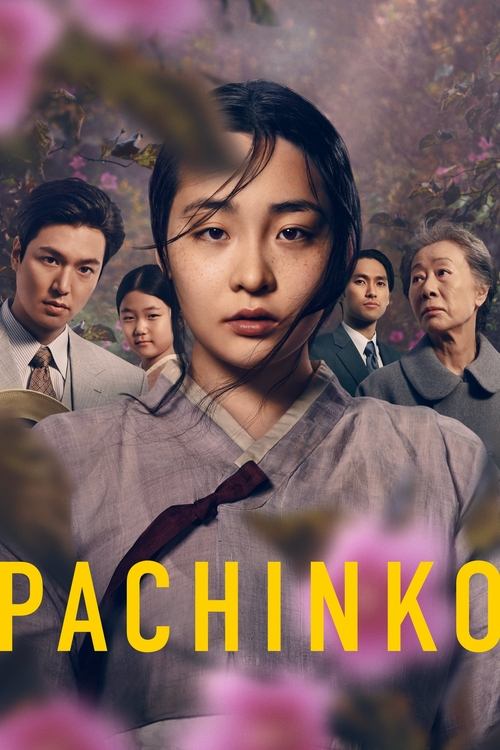

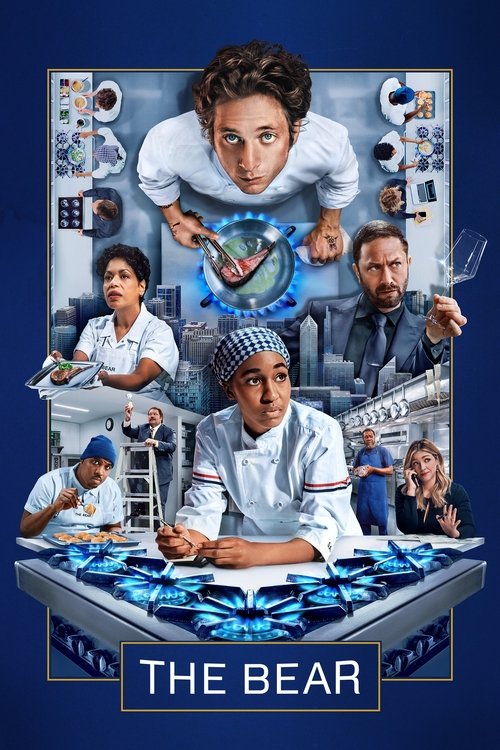

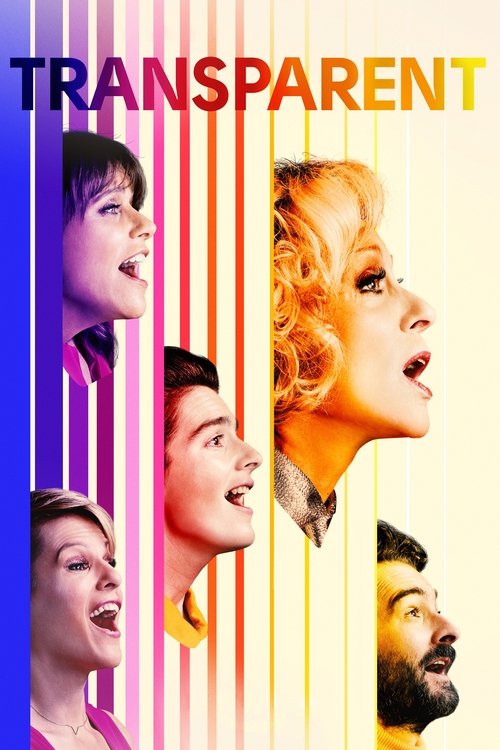
Read this alongside Shoplifters: The Convenience Store Woman
Sayaka Murata's novel Convenience Store Woman (2016, translated 2018) circles the same questions Shoplifters raises: what does society do to people who do not fit its family templates, and why do those people have to keep apologizing for their arrangements? It is a short, strange book with a dry wit Kore-eda does not have, but the discomfort at the heart of both is the same.

Kore-eda's filmography at a glance
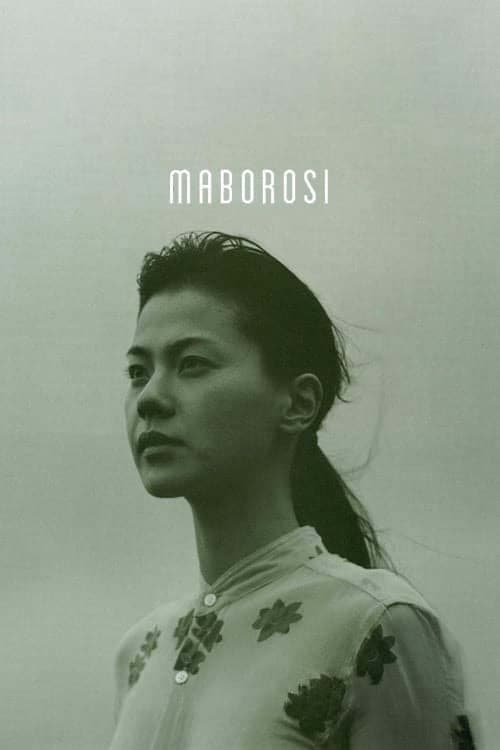
- 1995Feature debut Maborosi
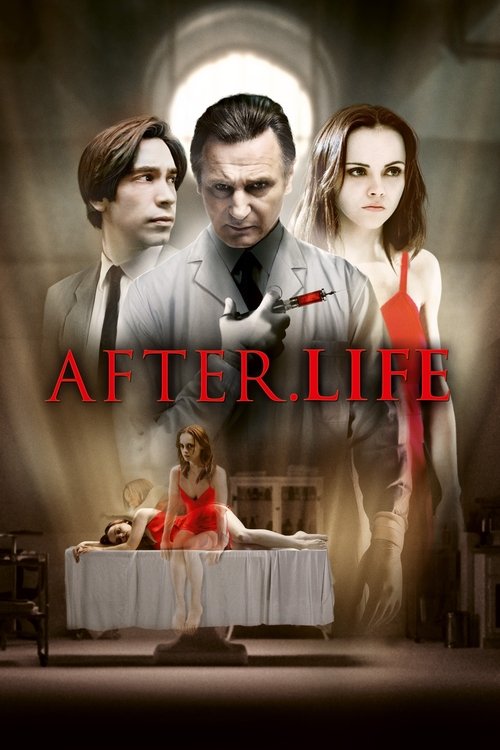
- 1998After Life After.Life
- 2004International breakthrough Nobody Knows
- 2008Career landmark Still Walking
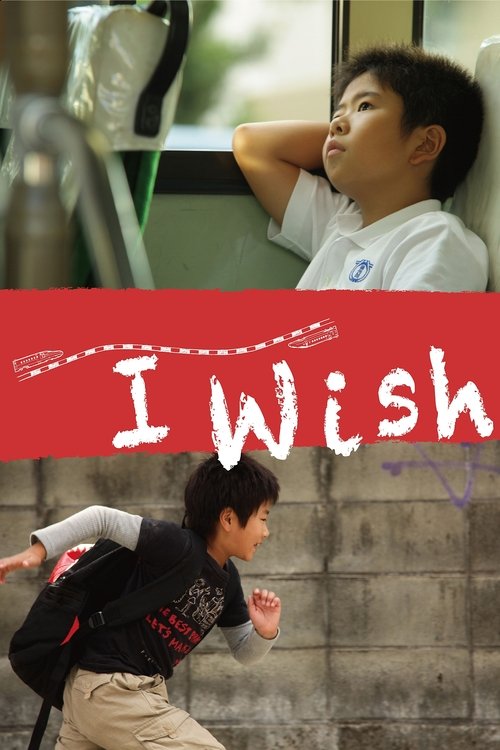
- 2011Children's perspective I Wish
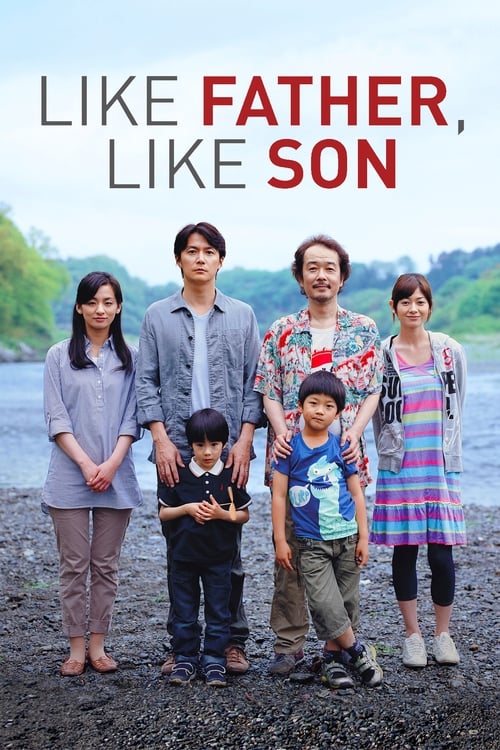
- 2013Cannes Jury Prize Like Father, Like Son
- 2015Sisters Our Little Sister
- 2018Palme d'Or Shoplifters
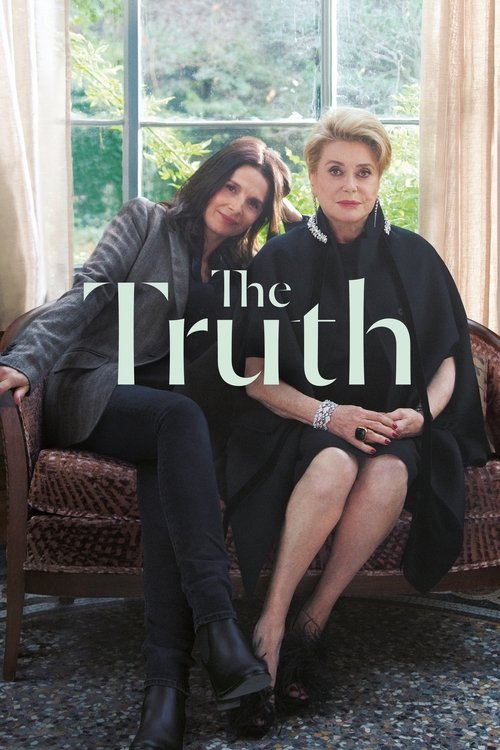
- 2019First French film The Truth
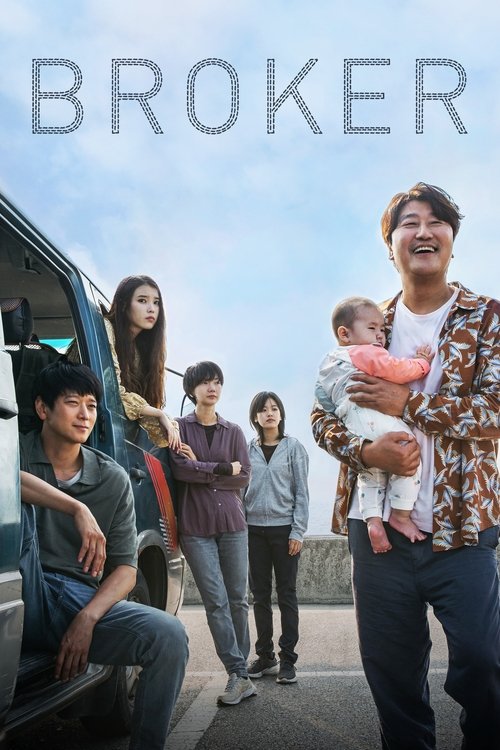
- 2022First Korean film Broker
- 2023Three-perspective mystery Monster
Quiet family drama and coming of age
For Fans of Yoji Yamada
Explore the For Fans of Yoji Yamada guide →He does not show you families breaking apart. He shows you families that were never quite whole to begin with, still trying, still eating dinner together, and somehow that is more devastating.CrossBinge editors