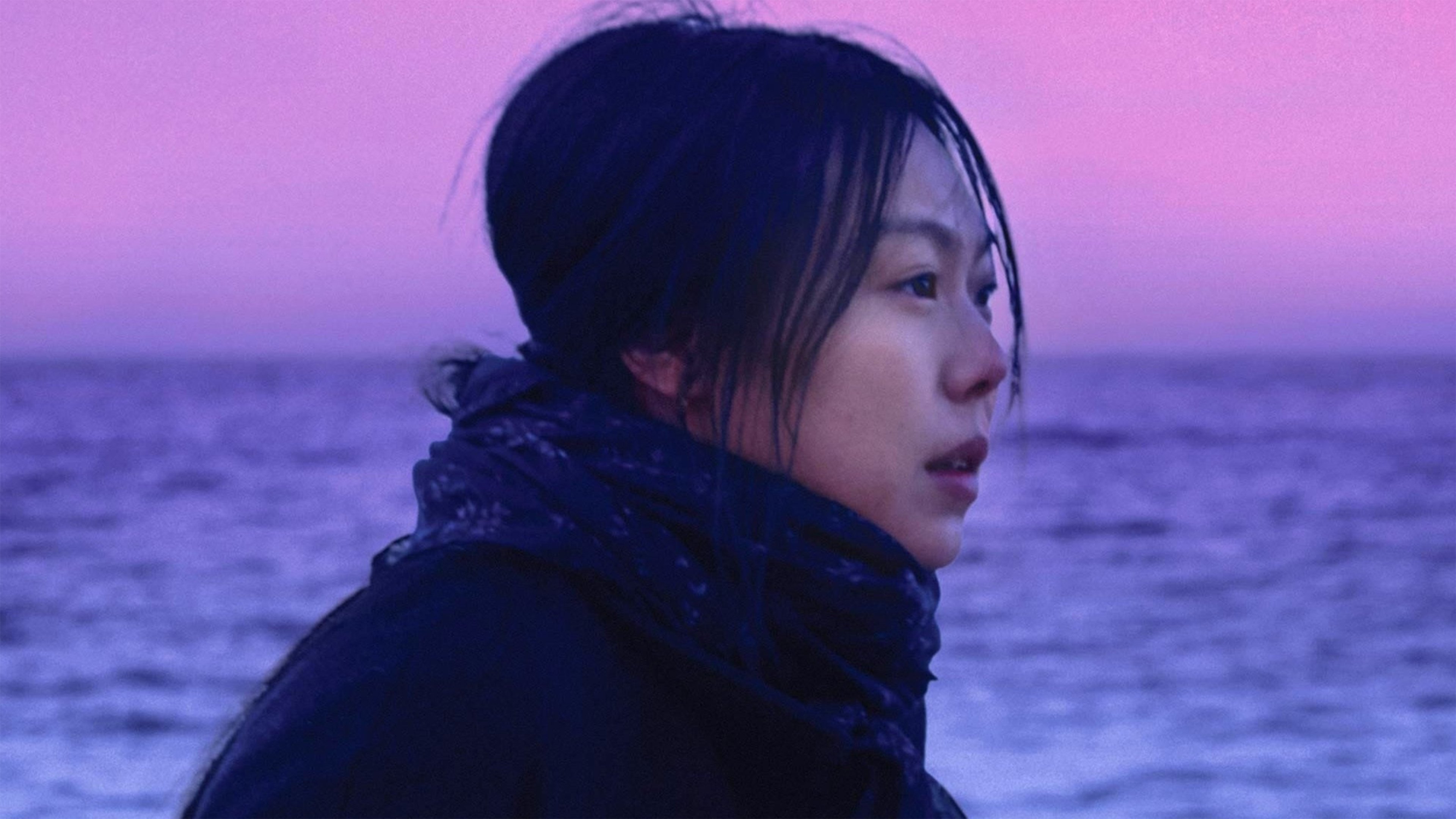

The filmmaker who makes the same film differently every time
Hong Sang-soo has been making Korean art cinema's most quietly radical work since the mid-1990s, and his films still catch critics off guard because they look, at first pass, so unassuming. A writer visits a friend in a provincial city. Two people get drunk and talk past each other at a low table. Someone walks up a hill in the snow. That is the film. That is, often, the whole film.
But the texture underneath that plainness is everything. Hong shoots on small budgets with minimal crews, often writing the script the morning of the shoot. He uses long zooms with that slightly seasick mechanical quality, plants his camera on a tripod and refuses to cut when things get uncomfortable, and builds his narratives around repetition: a scene plays out, then the same events recur with subtle differences in dialogue or in who holds the power. The effect is closer to a short story cycle than a conventional screenplay. You watch a Hong film the way you reread a Chekhov, noticing what shifted.
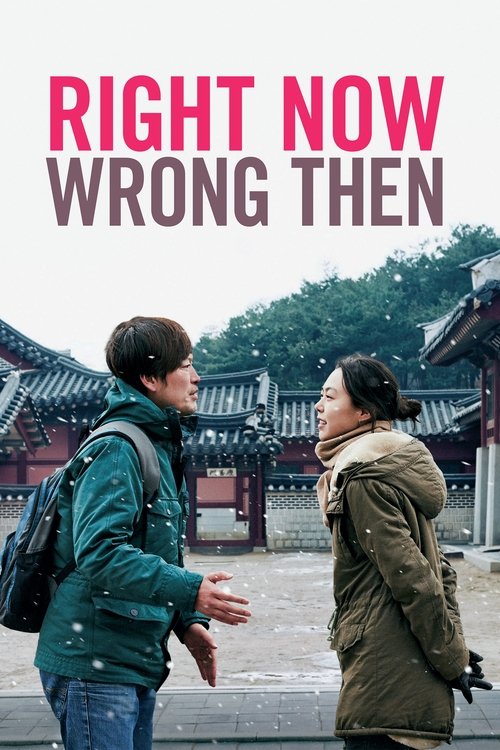
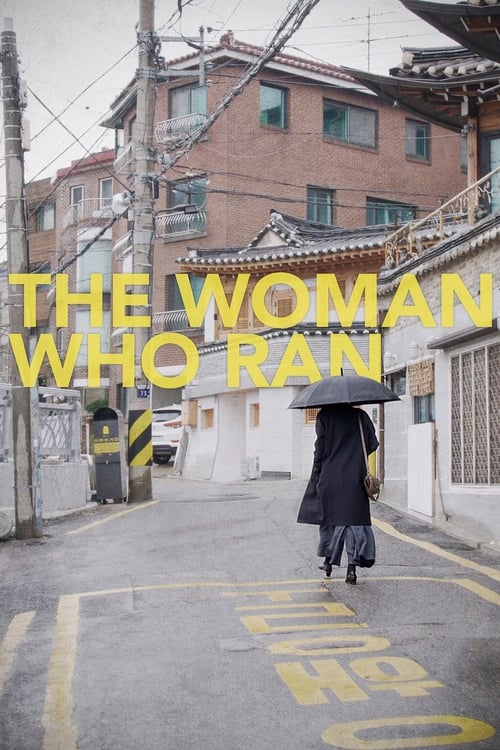
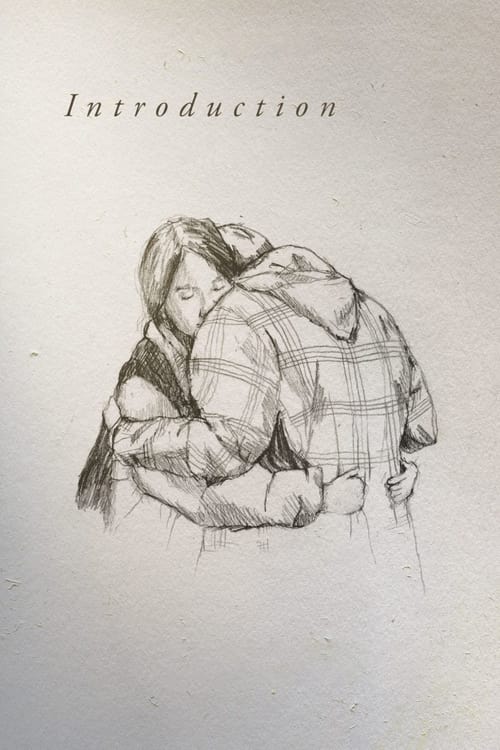
At the center of his recent work is the actress and his partner Kim Min-hee, who appears in most films from Right Now, Wrong Then (2015) onward, and their collaboration has produced some of his best: The Woman Who Ran, Introduction, In Our Day. The films are saturated with artists talking about art, with the embarrassment of feeling too much in public, with Korea's particular social choreography around hierarchy and alcohol. Soju and makgeolli flow constantly. People say things they cannot unsay.
If you love Hong Sang-soo, you probably love a particular kind of attention: unhurried, precise, a little deadpan, convinced that the way two people talk around something they cannot say to each other is, in fact, the subject.
Essential Hong Sang-soo
Where to start, and where to go deeper

The conversation as the whole story
Films built on talk, drift, and what goes unsaid

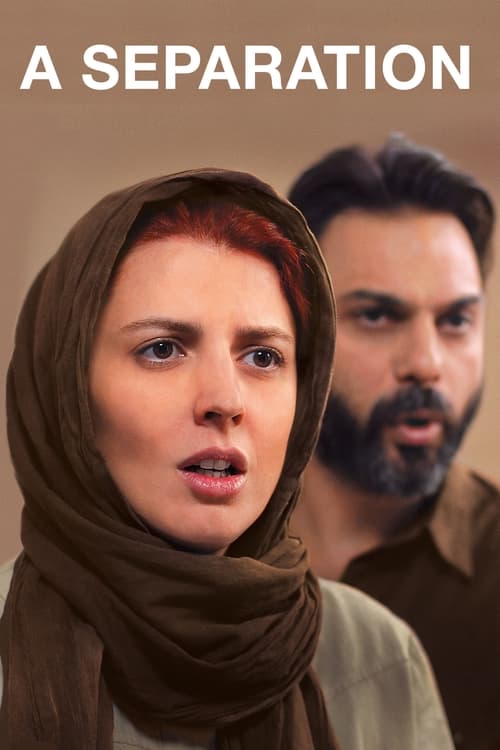
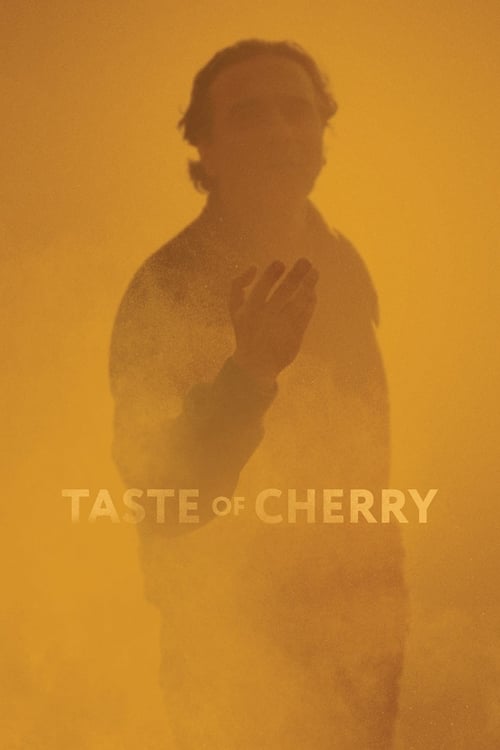
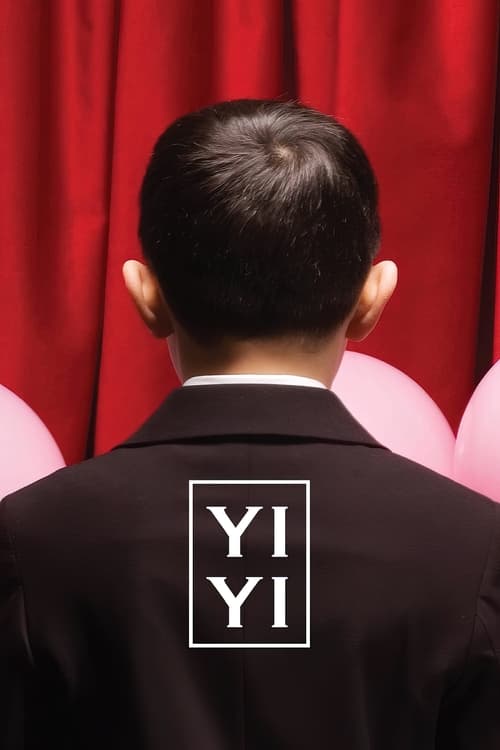
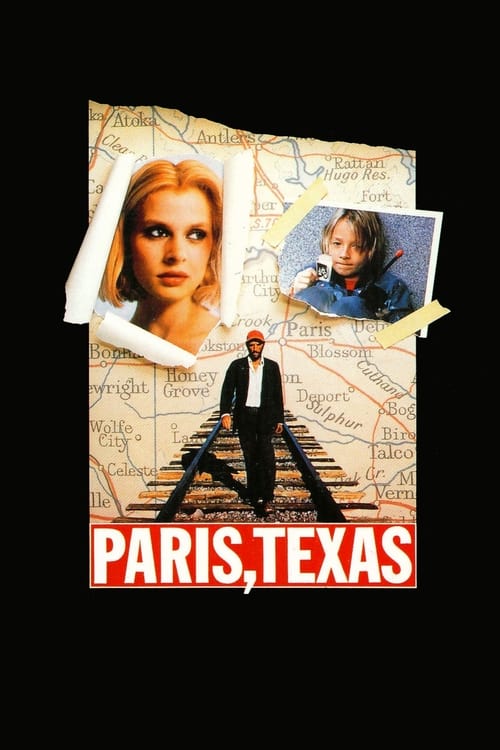
Korea's other quiet masters
The films that share Seoul's light, its discomfort, its grief
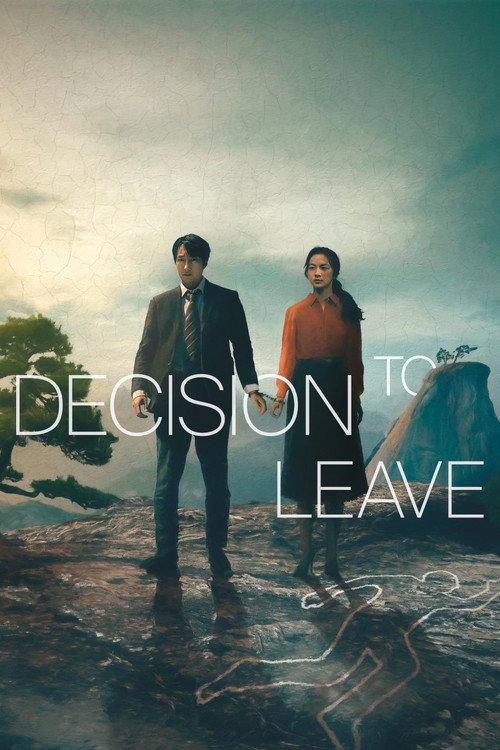

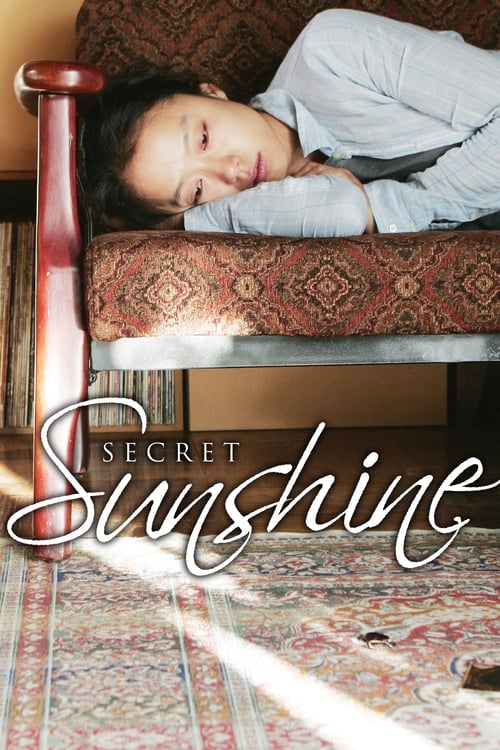

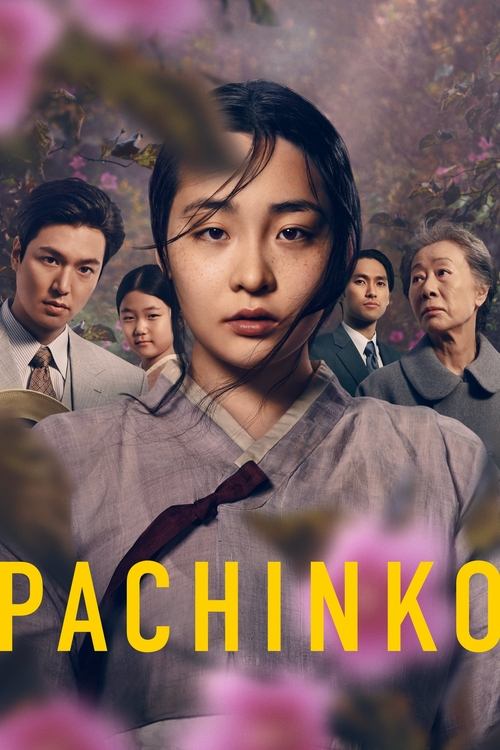
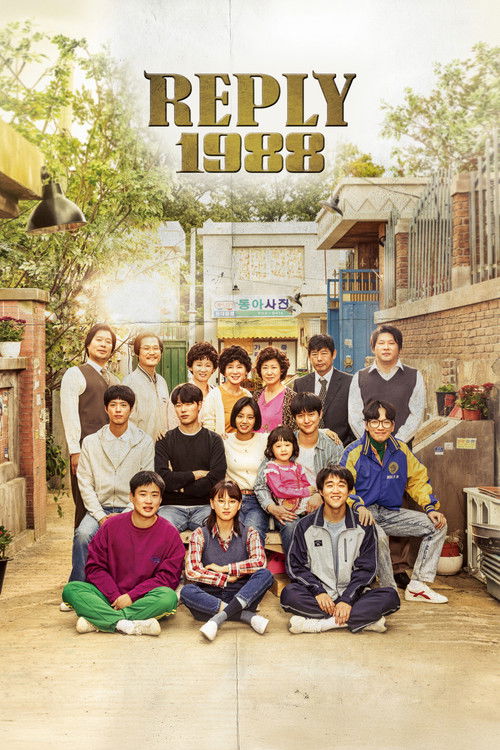


Stillness, seasons, small gestures
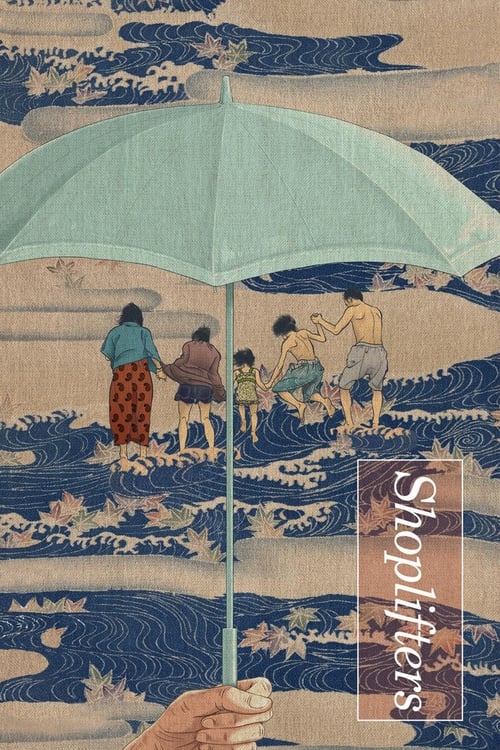
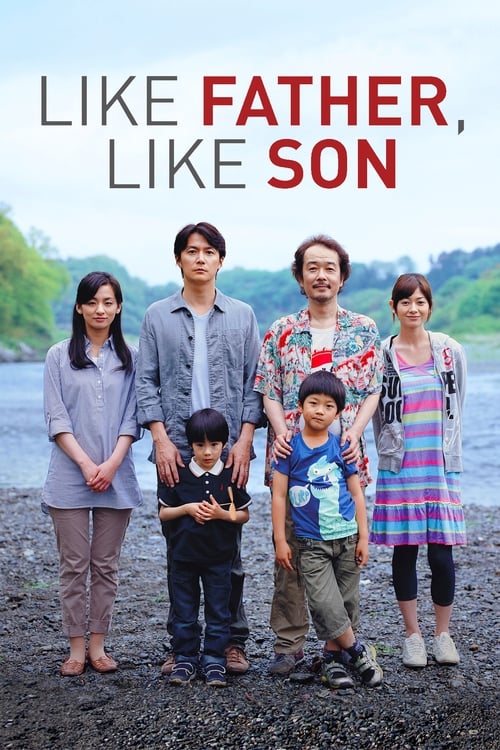
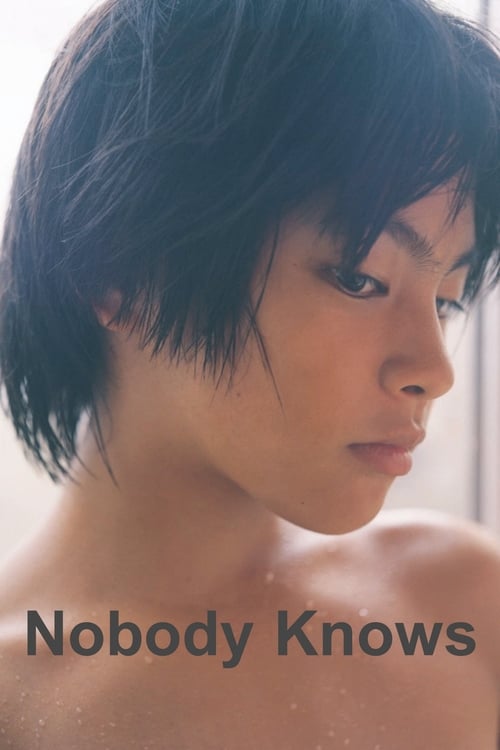
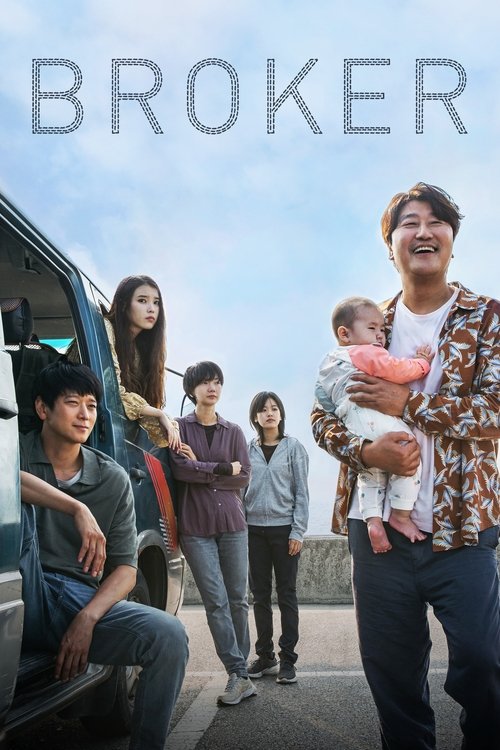
The filmmakers Hong rhymes with: Wong Kar-wai, Kore-eda, and the masters of the long take
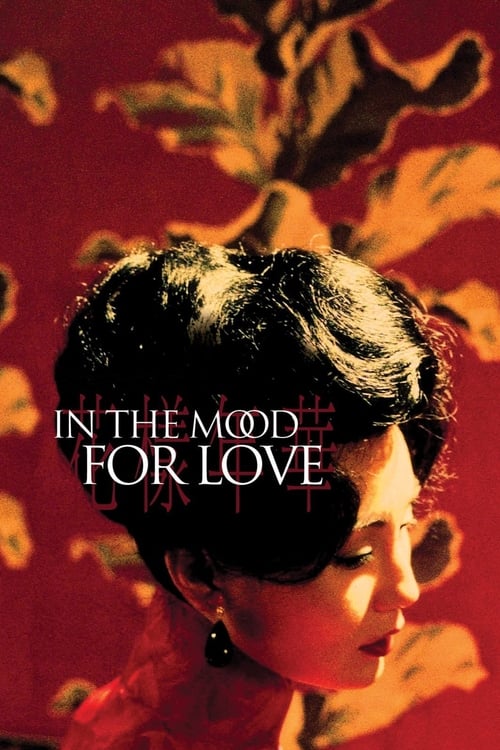


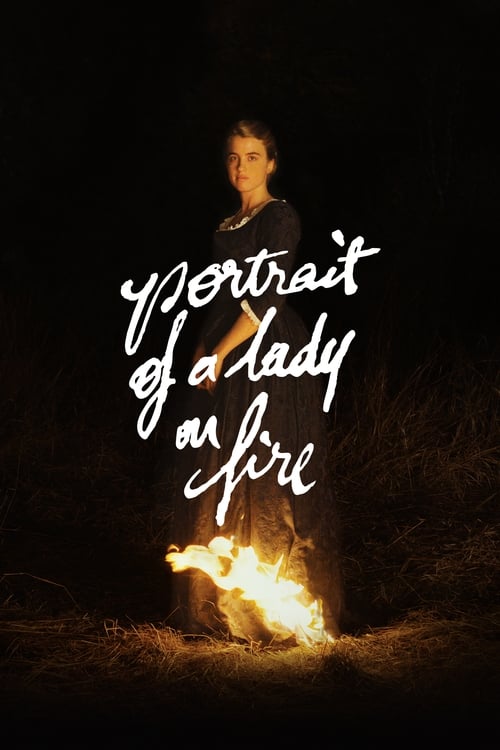
Slow attention across every medium
Games, books, and TV that trust the same unhurried register





Start here: Right Now, Wrong Then is the perfect entry point
Hong made dozens of films before this one, but Right Now, Wrong Then is where the structure finally announces itself as the point. The same afternoon in two versions: once where the man performs charm and gets away with it, once where he is honest and everything still goes sideways. Watching both halves, you realize neither version is the real one. Honesty is not a magic corrective in Hong's world. That small, deflating idea is the film's whole argument.
The underrated one: In Another Country is his funniest and strangest
Isabelle Huppert plays three variations of a French woman named Anne stranded in Mohang, each loop more elliptical than the last. Critics often cite it as minor Hong, but the deadpan comedy of cross-cultural non-communication is sharper here than almost anywhere else in his work. Huppert plays along with the game with complete seriousness, which is exactly right.
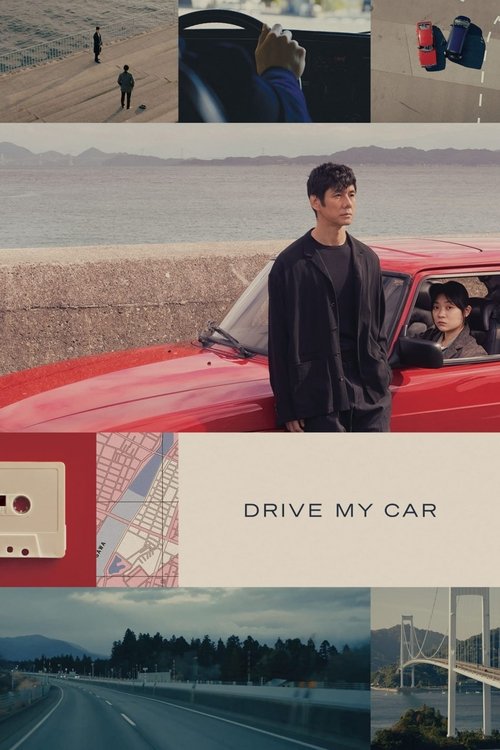
The spiritual successor: Drive My Car carries Hong's DNA into Murakami territory
Drive My Car is a different kind of film from Hong's: longer and more structurally ambitious, but sharing the core preoccupation. Two people in a car, circling around the thing they cannot say, and the conversation eventually prying it loose. Ryusuke Hamaguchi has cited Hong as an influence, and you can feel it in the way the film trusts long scenes of pure talk to carry the emotional weight that another director would have routed through music and cutting.
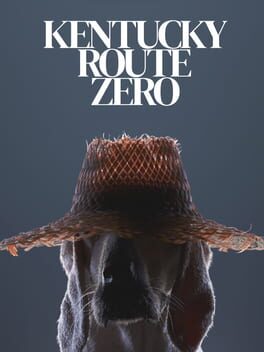
The game equivalent: Kentucky Route Zero is Hong Sang-soo if he made walking simulators
Kentucky Route Zero shares more with Hong than a casual comparison suggests: both are built on encounters between people who speak obliquely about things they have lost; both refuse resolution; both use repetition and variation to say that a slightly different set of choices would not have changed the essential shape of a life. The game's long development across five acts gave it an almost novelistic patience that few games attempt.
In a Hong Sang-soo film, nothing momentous happens and everything is at stake. The zoom does not announce drama. It arrives like a slow, embarrassing realization.CrossBinge editors
Hong Sang-soo: key films by era
- 1996The Day a Pig Fell into the Well The Day a Pig Fell Into the Well
- 1998The Power of Kangwon Province The Power of Kangwon Province
- 2000Virgin Stripped Bare by Her Bachelors Virgin Stripped Bare by Her Bachelors
- 2002Turning Gate
- 2004Woman Is the Future of Man Woman Is the Future of Man
- 2008Night and Day Night and Day
- 2010HaHaHa (Cannes Un Certain Regard) Ha Ha Ha
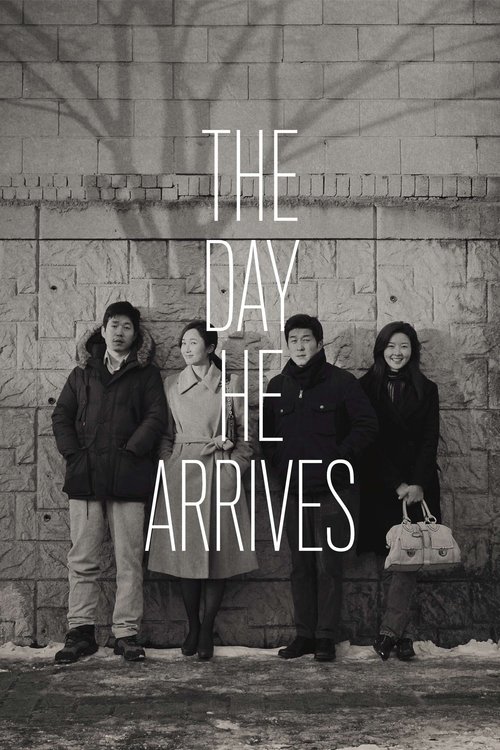
- 2011The Day He Arrives The Day He Arrives
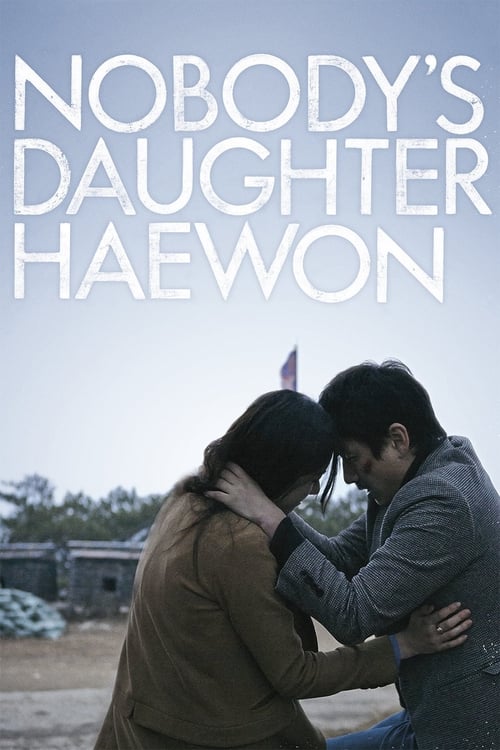
- 2013Nobody's Daughter Haewon Nobody's Daughter Haewon
- 2015Right Now, Wrong Then (Golden Leopard, Locarno) Right Now, Wrong Then
- 2017The Day After / Claire's Camera The Day After
- 2020The Woman Who Ran The Woman Who Ran
- 2021Introduction Introduction
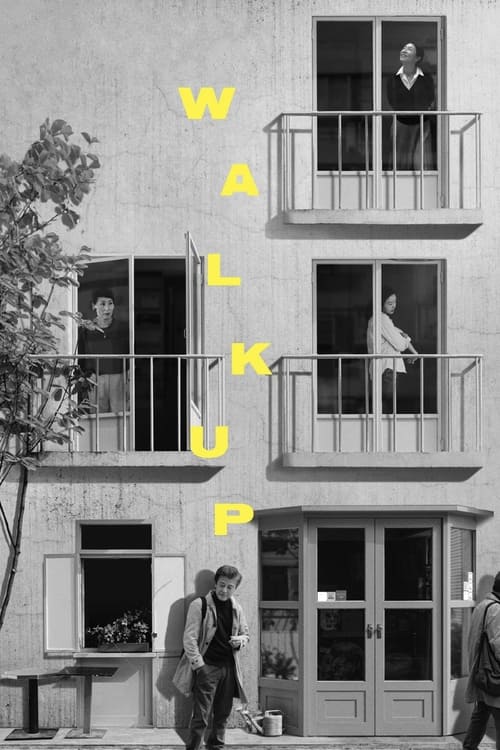
- 2022Walk Up Walk Up
- 2023In Our Day