
The Poet of Ordinary People
Yoji Yamada has spent more than sixty years making films about people who are not special by any measure the world typically cares about. Traveling salesmen, rural samurai too decent for their era, old lovers reuniting in the winter of their lives. And yet watching his films feels like being handed something rare: the sustained, unhurried attention of a director who believes that the texture of daily life, its small humiliations and brief consolations, is where real drama lives.
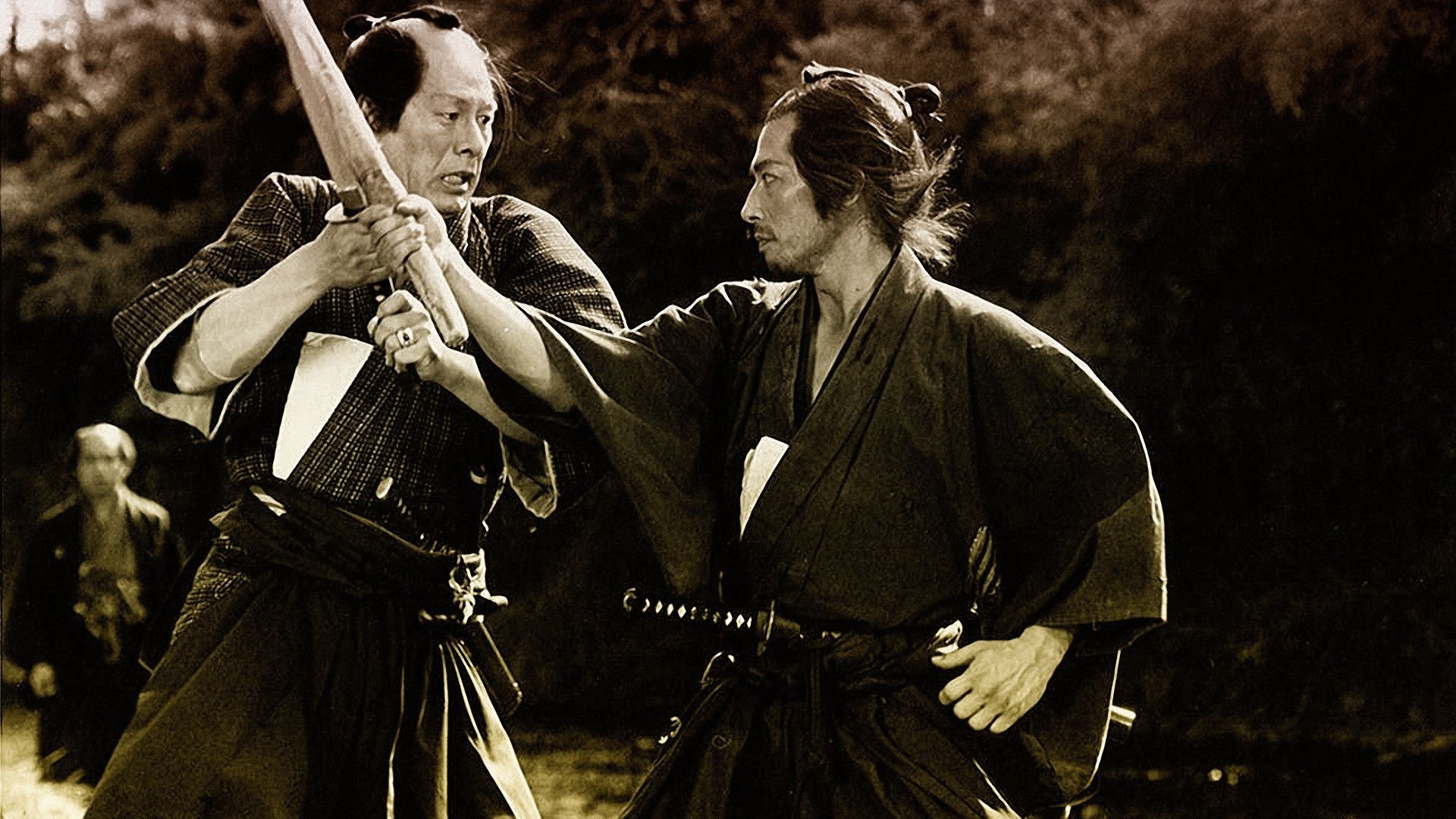
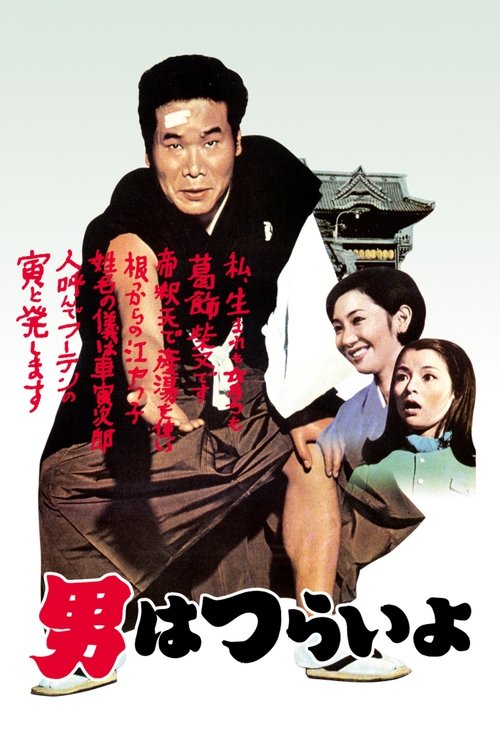
He is best known outside Japan for his Late Seasons trilogy of Meiji-era period dramas, starting with Twilight Samurai in 2002, films that stripped the chambara genre of its glamour and asked what it costs a quiet man to survive in a world that rewards violence. But Yamada spent the previous four decades making the Tora-san films, a series of 48 comedies following a lovable itinerant peddler who falls in love everywhere he goes and belongs nowhere, which remains the longest-running film series featuring the same character in cinema history.
The through-line is tenderness without sentimentality. Yamada earns his tears. His films move slowly, trust the face, and refuse the easy resolution. For fans of his work, the hunger is for that particular register: stories that take working-class and rural life seriously, that find epic feeling in the closing of a door.
Essential Yoji Yamada
Where to start and where to go deeper

Start with Twilight Samurai
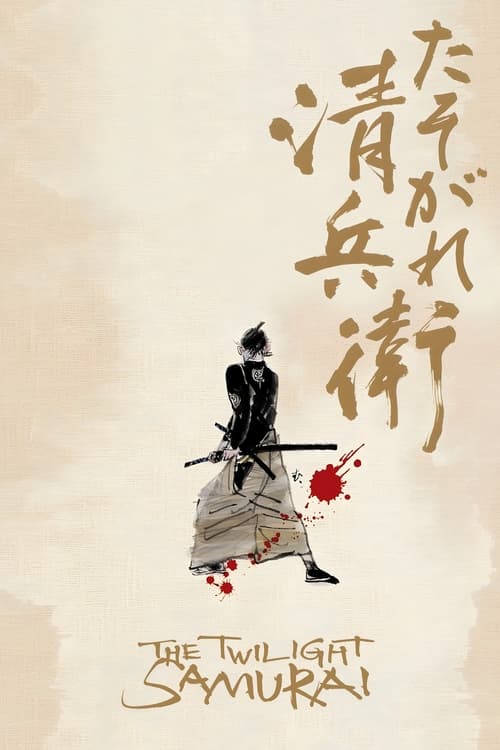
Twilight Samurai is the ideal entry point because it arrives with no prior knowledge required and earns its place among the great samurai films precisely by refusing to be one in the conventional sense. Hiroyuki Sanada plays a low-ranking retainer too poor and too principled to thrive, and the film watches him come home each evening, cook for his daughters, and carry a grief he rarely names. The final act has real violence, but it lands as cost, not spectacle.
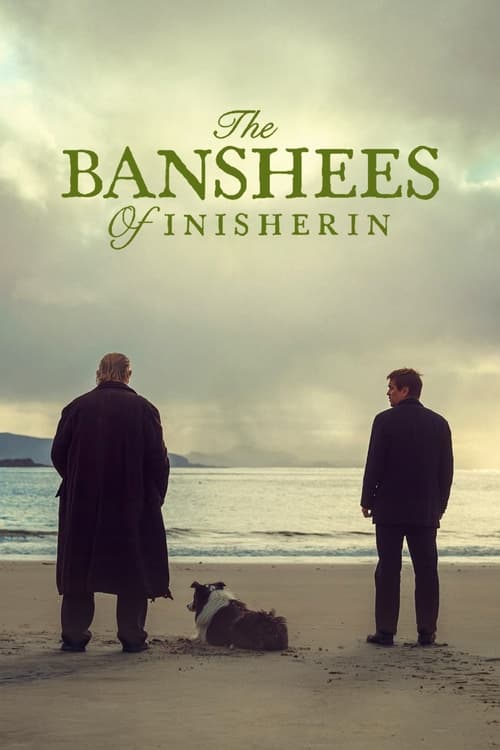
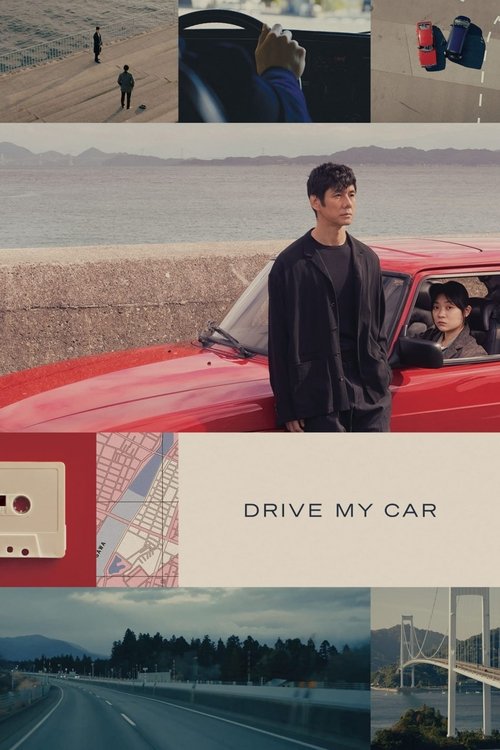
Quiet Lives, Long Shadows
Other Japanese films that take working-class dignity as seriously as Yamada does

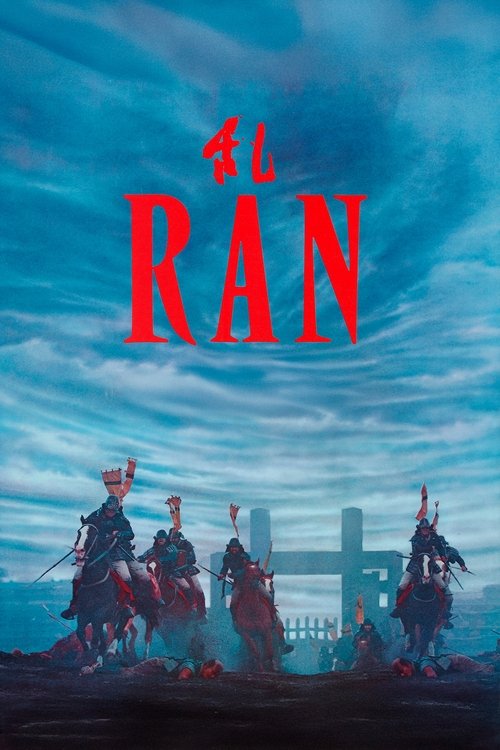


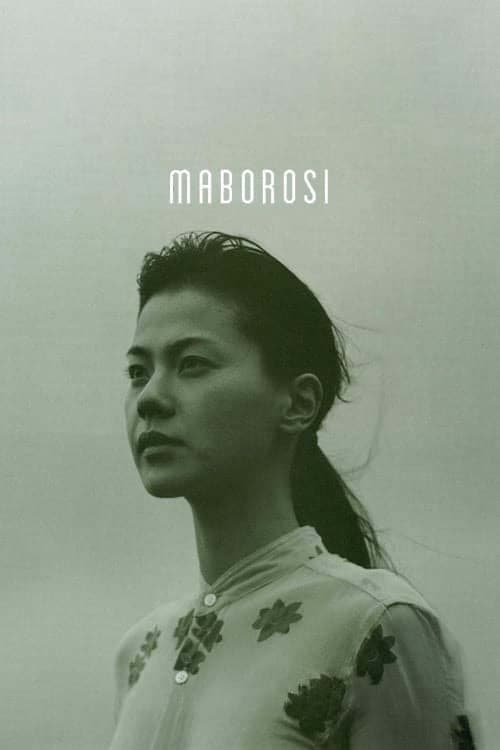
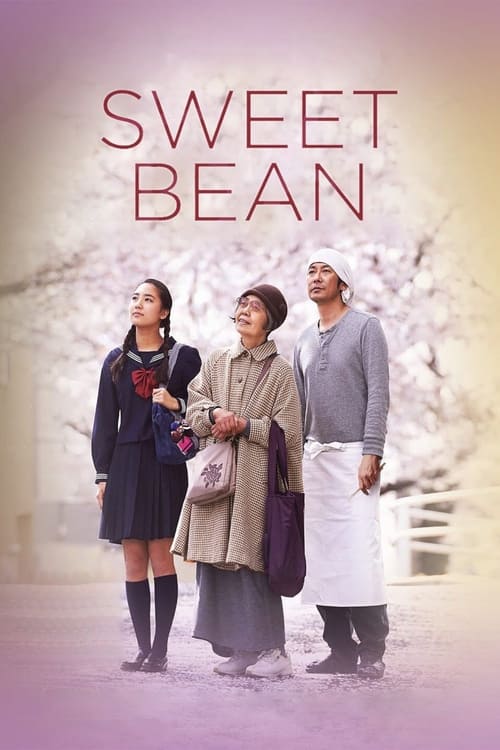
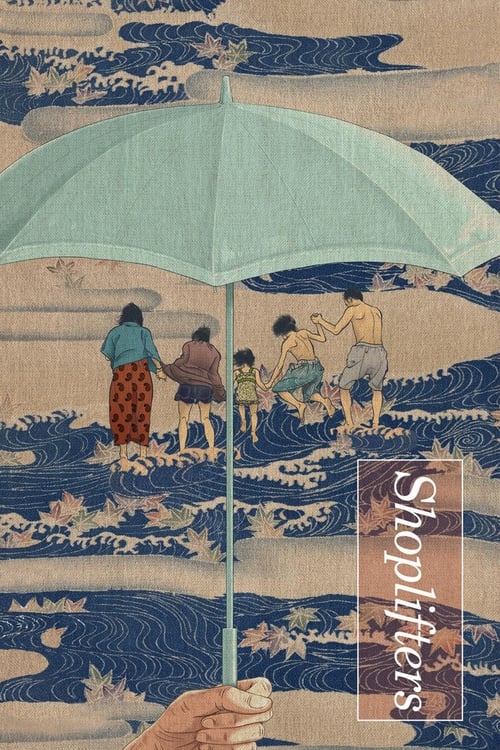
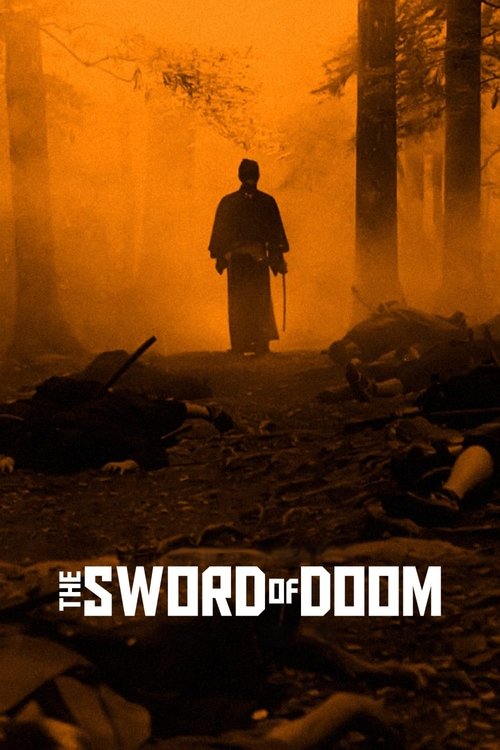
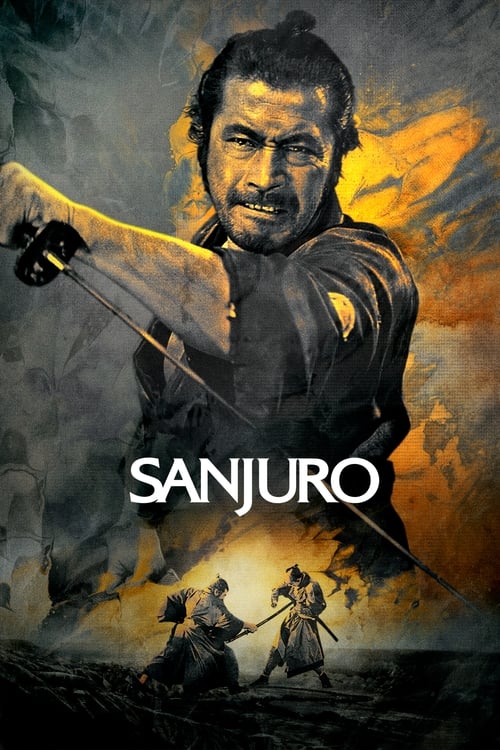
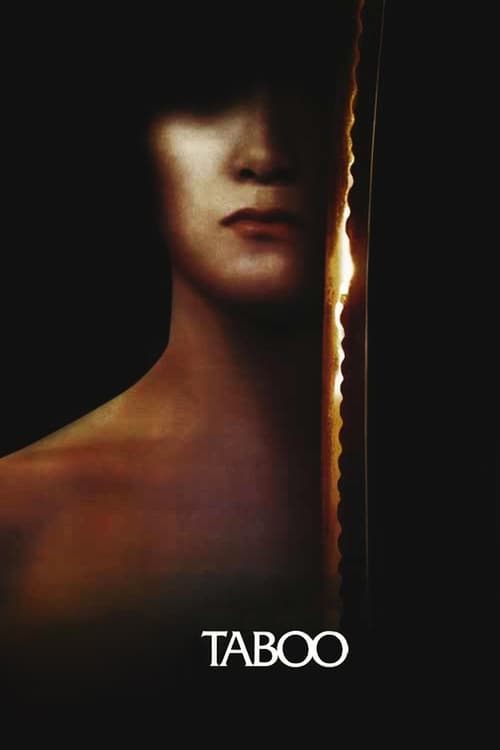
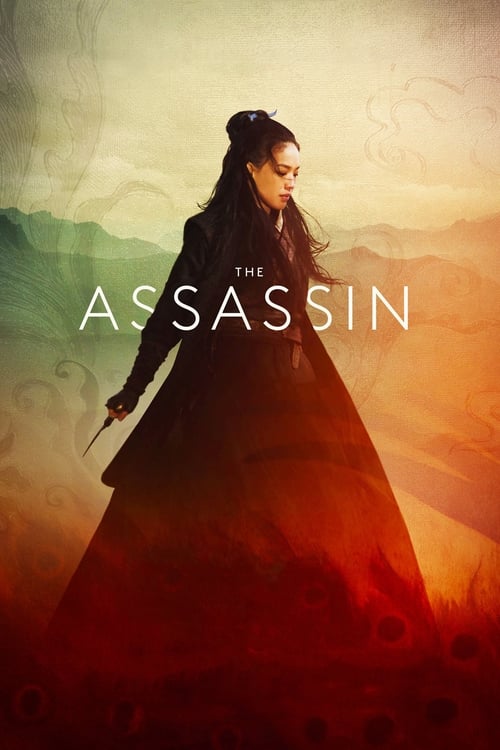
The Samurai Stripped of Myth
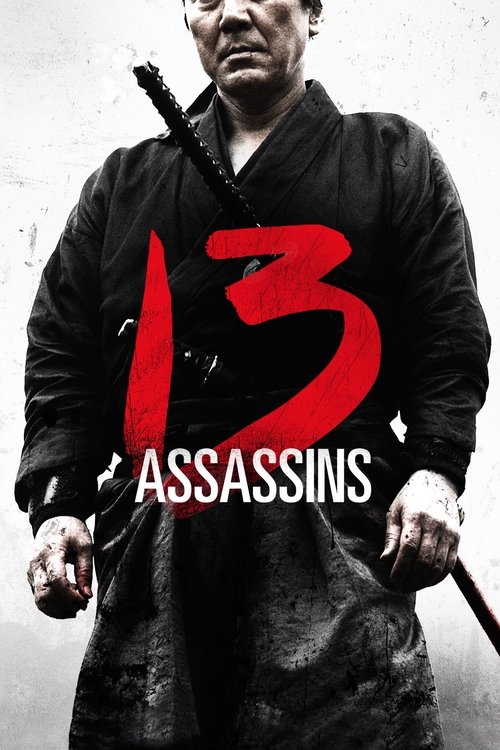
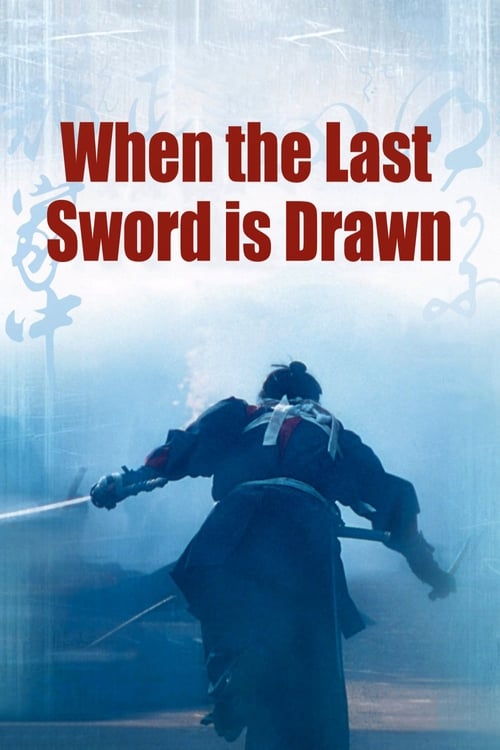
Period films that share Yamada's interest in the human cost of the feudal world

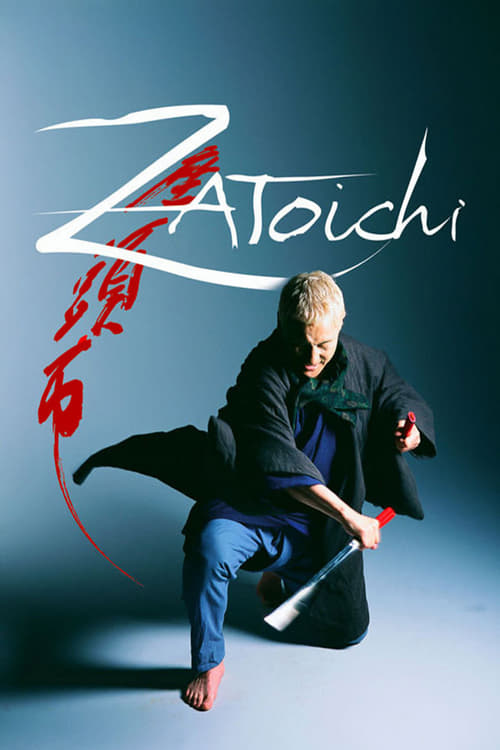
Books for When the Film Ends and the Feeling Stays
Novels with the same unhurried attention to lives lived in the margins


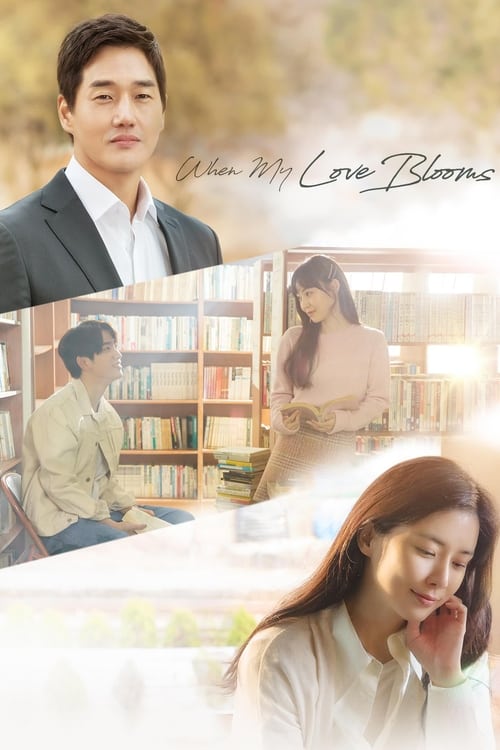
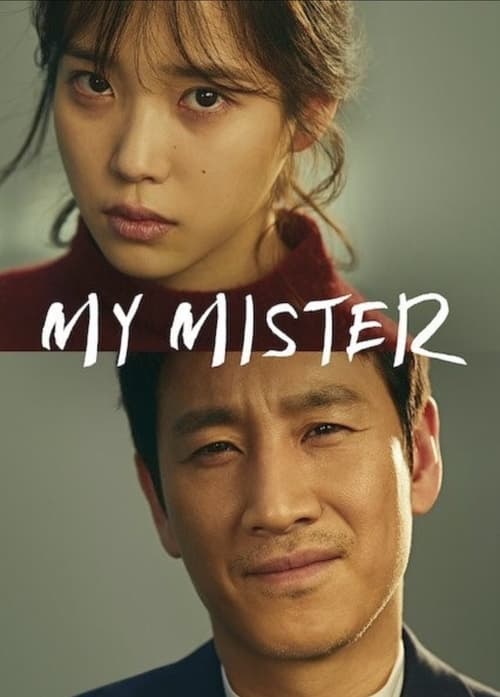
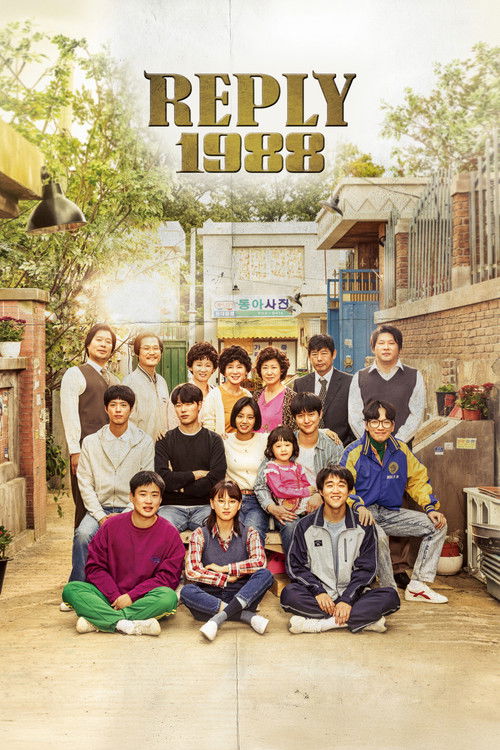
Slow Television and the Long Season
Series that share Yamada's patience with families and the passage of time
The Hidden Blade is the trilogy's overlooked peak
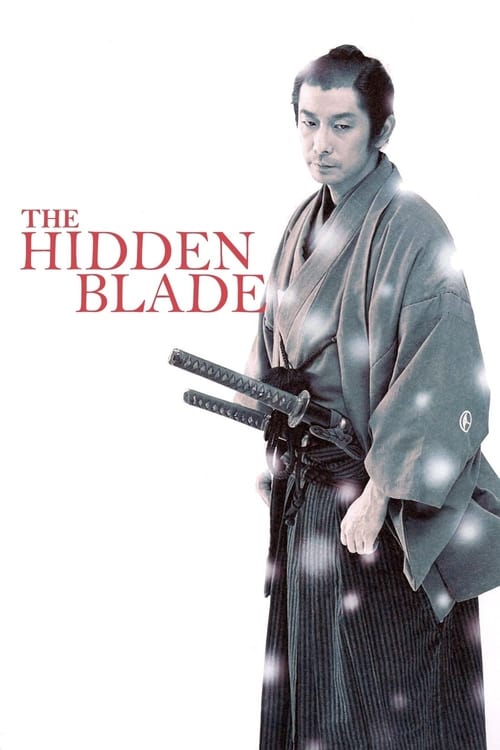
Of the three Late Seasons films, The Hidden Blade gets the least attention, possibly because its love story (a samurai and a servant woman, the class difference played without irony or condescension) runs quieter than the other two. That restraint is the point. The film's second half conceals one of the most emotionally precise resolutions Yamada ever shot, and Takako Matsu gives a performance that would have won every prize in a different country.
Yamada has spent a career insisting that the person nobody notices, the one who comes home tired and cooks dinner and asks nothing of history, is worth a film. He has been right every time.CrossBinge Editors
A Career in Moments
- 1961Feature debut: Shitamachi no Taiyo (The Sun of the Lower Town)
- 1969First Tora-san film launches the series Tora-san, Our Lovable Tramp
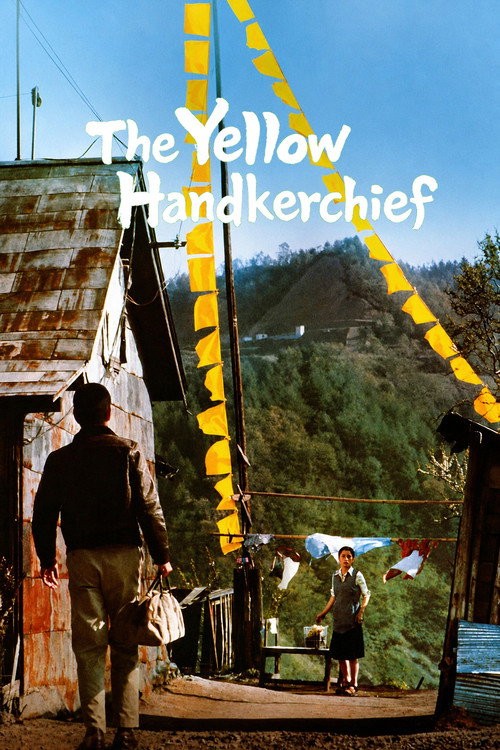
- 1977The Yellow Handkerchief wins the Golden Bear at Berlin The Yellow Handkerchief
- 1995Tora-san series ends after 48 entries
- 2002Twilight Samurai, first of the Late Seasons trilogy The Twilight Samurai
- 2004The Hidden Blade The Hidden Blade
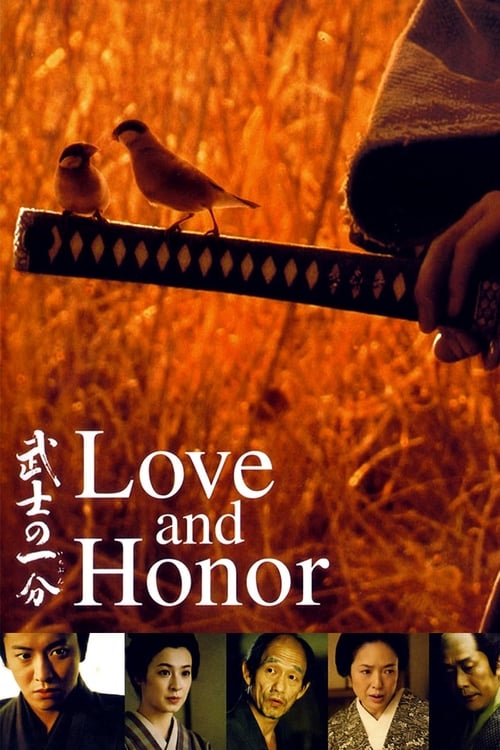
- 2006Love and Honor completes the trilogy Love and Honor
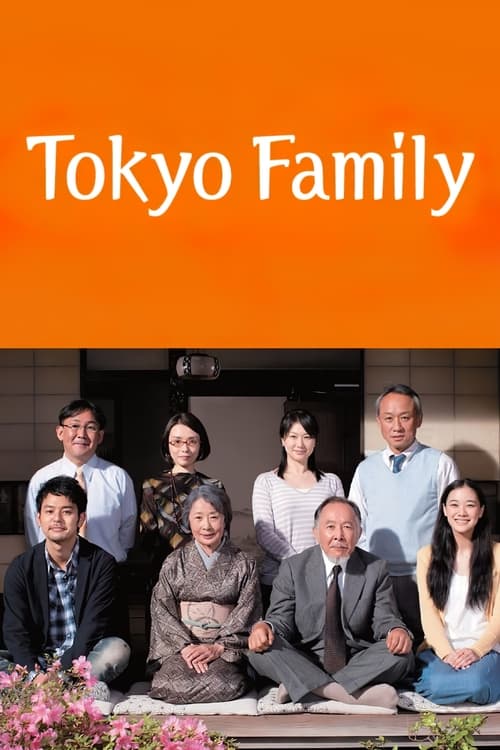
- 2013Tokyo Family, his reckoning with Ozu's Tokyo Story Tokyo Family
- 2014The Little House, a WWII home-front drama told from the inside The Little House
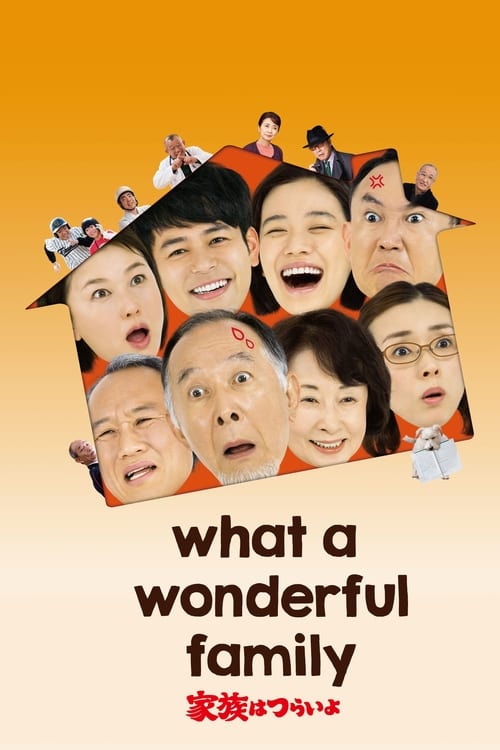
- 2016What a Wonderful Family! begins a domestic comedy series What a Wonderful Family!
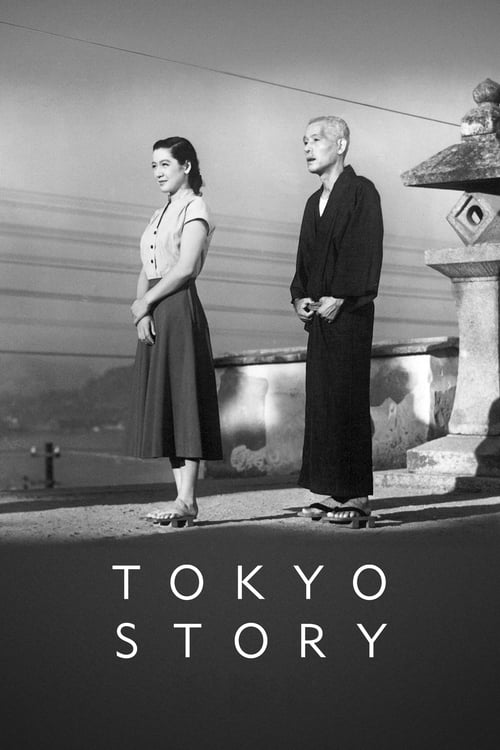
Tokyo Family is the bravest thing he ever made
Remaking Tokyo Story, widely considered the greatest Japanese film ever made, was not a sentimental gesture. Yamada's 2013 version transplants Ozu's story into the present day and takes it seriously on its own terms, updating the generational friction for the post-bubble era without reaching for easy parallels. It does not surpass Ozu. Nothing could. But it succeeds where most Ozu adaptations fail: by working in the same emotional grammar rather than quoting from it.
The spiritual successor is Hirokazu Kore-eda
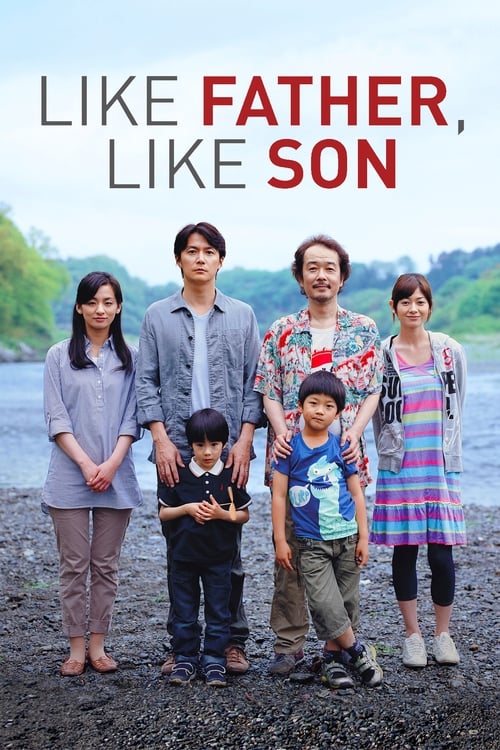
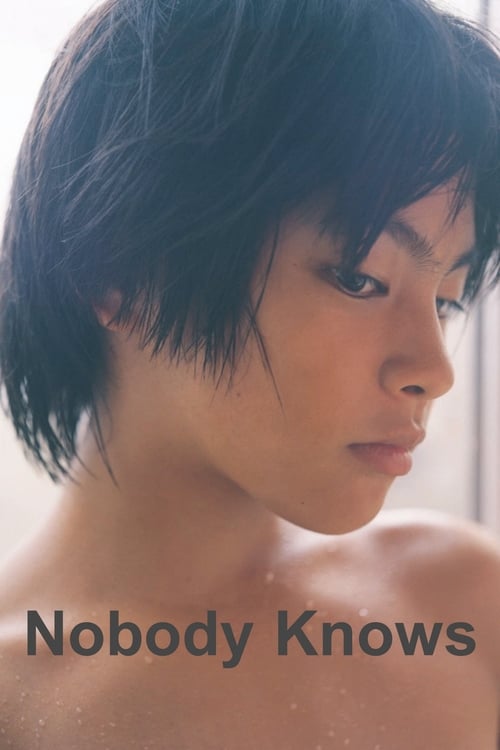
Kore-eda is not a student of Yamada in any formal sense, but he is clearly working in the same tradition: the unhurried family drama, the camera that watches without judgment, the child's-eye view of adult failure. Still Walking, Nobody Knows, and Shoplifters each carry that quality of trusting ordinary situations to generate their own gravity. The Yamada and Kore-eda catalogs are best understood as a conversation across decades, not a succession.