
The Shaw Brothers Showman
Ho Meng-Hua made movies the way a carnival barker runs a tent: loud, confident, and absolutely certain you were going to have a good time. Working almost exclusively for Shaw Brothers Studio from the late 1950s through the 1980s, he directed across nearly every genre the studio produced, but the films that define him sit at the intersection of acrobatic violence, Chinese supernatural mythology, and cheerful exploitation energy. The Flying Guillotine (1975) invented a weapon so effective it spawned an entire cycle of imitations. Black Magic (1975) took folk horror seriously enough to be genuinely unsettling, then followed it with a sequel that went full pulp. Mighty Peking Man (1977) rented a giant ape suit and committed to the premise without a trace of self-consciousness. This is the core Ho Meng-Hua proposition: a filmmaker with real craft who spent it on the most entertainingly outrageous material he could find.
What his fans actually love is a specific texture. The color palette is saturated to the point of delirium: blood is always the exact red of lacquered furniture, the sky behind a swordfight is never less than cinematic purple. The stuntwork is physical and expensive and shot wide so you can see everything. The supernatural elements, whether murderous flying blades, sorcerous possession, or rampaging cryptids, are played straight rather than camped, which gives them a weird authority. And underneath the genre machinery there is often a genuinely strange moral universe, where folk religion, dynastic politics, and personal revenge create obligations that feel weightier than the plots deserve. If you respond to that combination, there is a great deal more out there that will scratch the same itch.
Note: The Flying Guillotine, Black Magic, and Mighty Peking Man are not currently in the catalog. The two Ho films available here are The Oily Maniac and The Black Magic with Buddha, both of which demonstrate his range.
Shaw Brothers and the Golden Age of Hong Kong Martial Arts
The films Ho worked alongside, and the studio's deepest hits

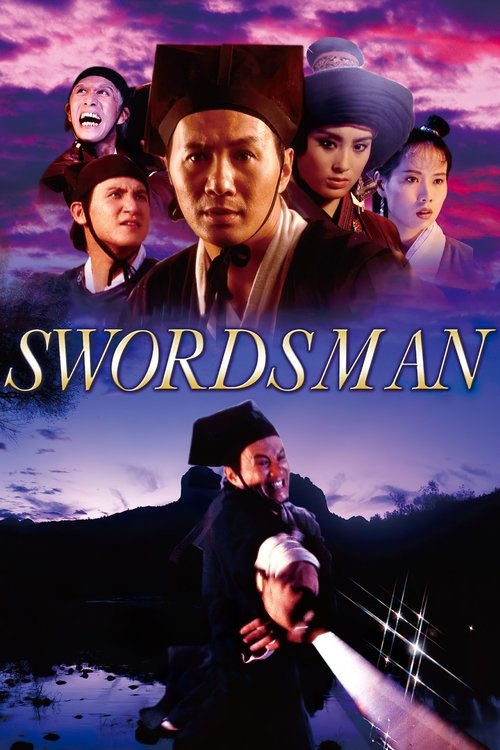
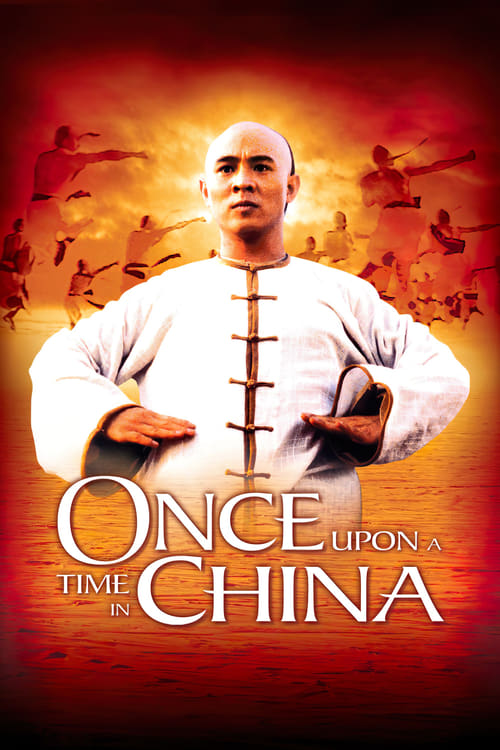


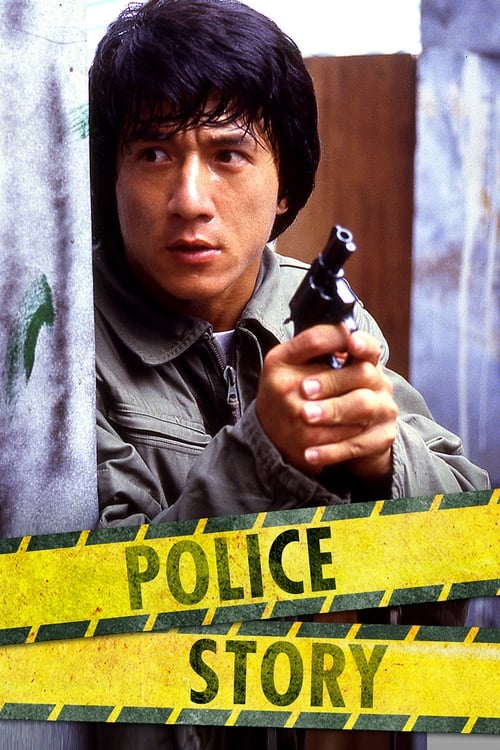
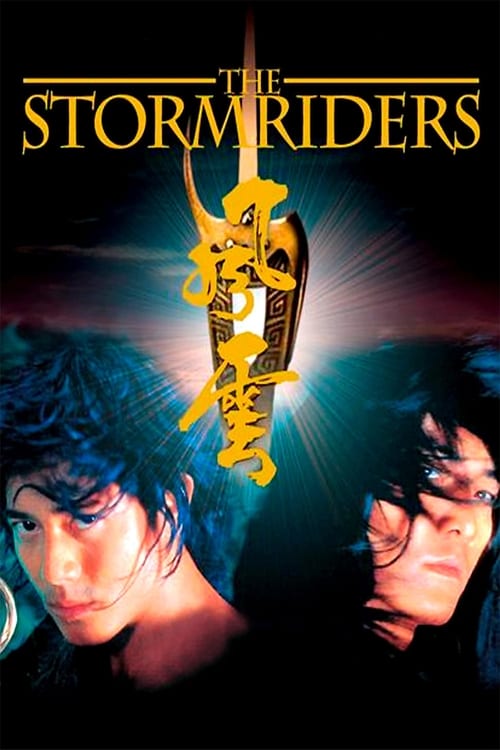

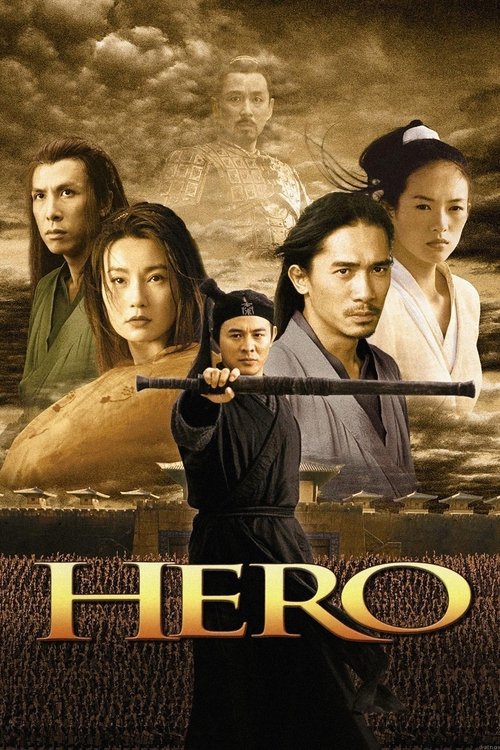
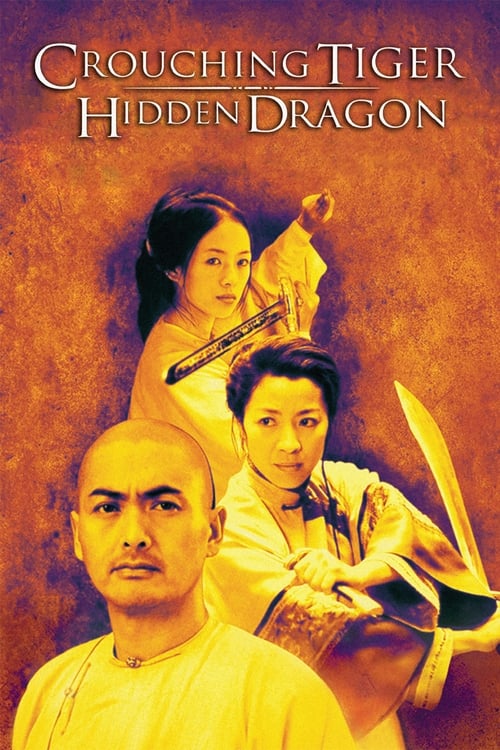
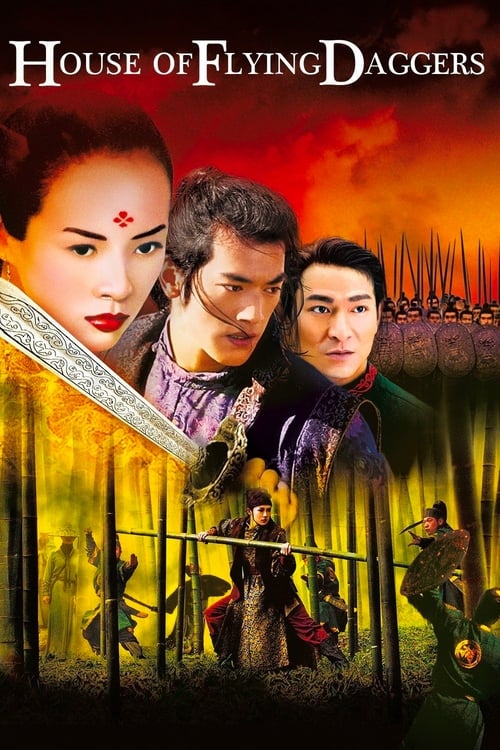
Wuxia Elevated: When the Spectacle Got a Bigger Budget
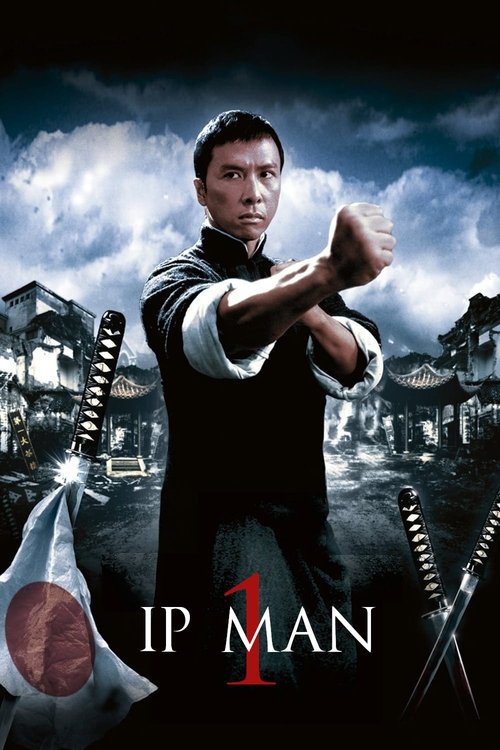
The post-Shaw wave that refined everything Ho built
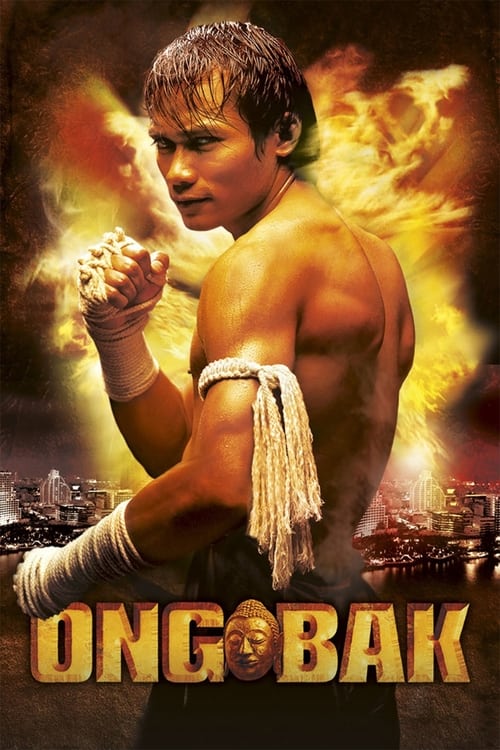
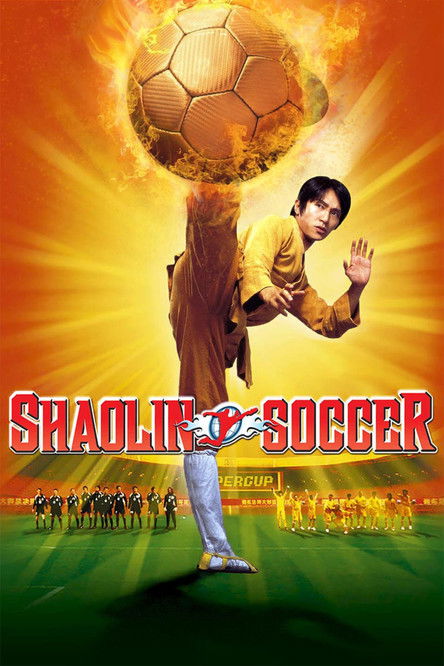
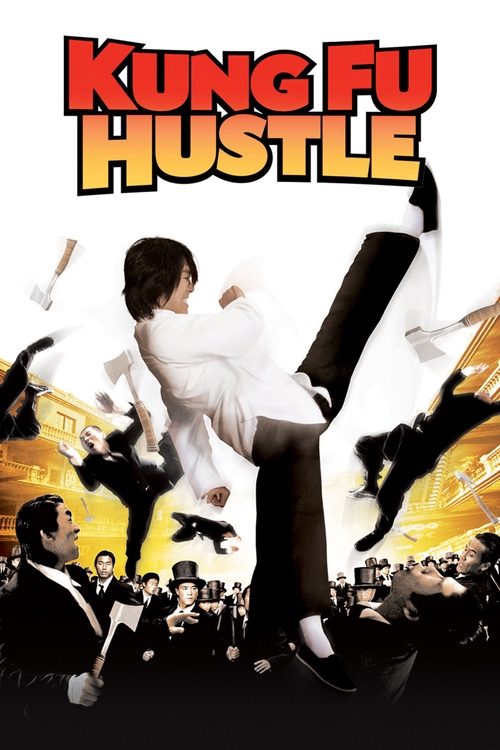
Chinese Supernatural: Folk Horror, Ghost Stories, Sorcery
The weird and the haunted, from Hong Kong to the mainland
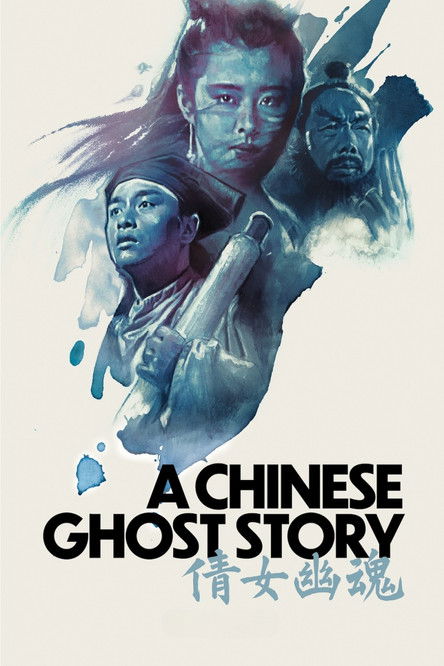
Giant Monsters and Pulp Spectacle
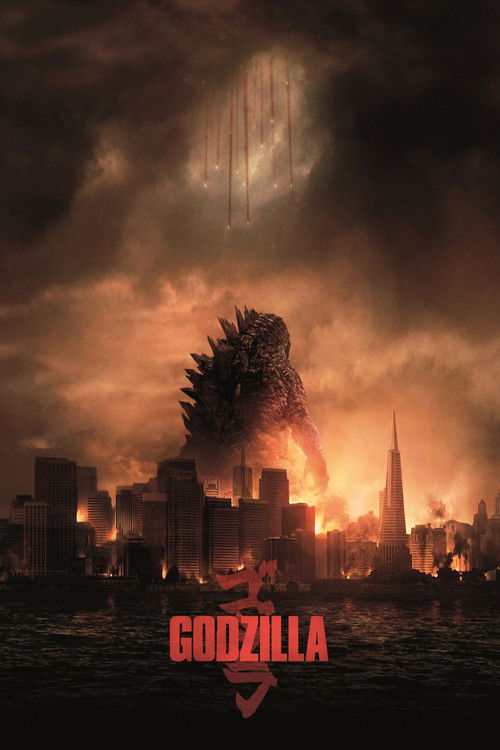
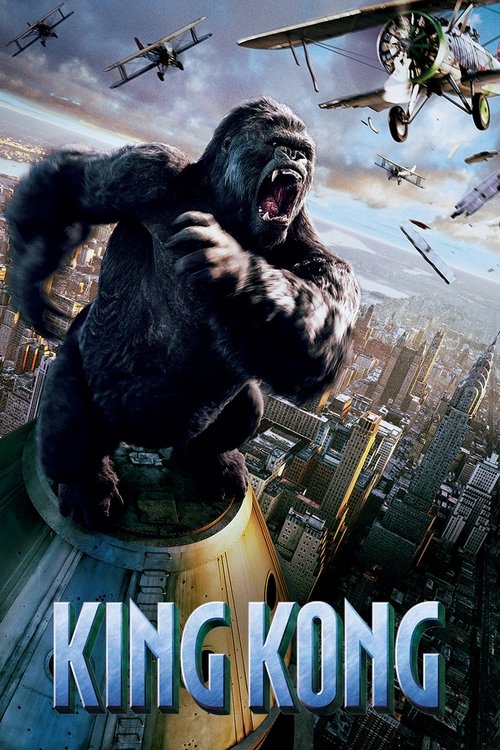
For fans of Mighty Peking Man and the B-movie tradition it rode

The perfect entry point is not the one everyone names
Everyone points newcomers to The Flying Guillotine, and it is excellent, but it is not in this catalog. Start instead with The 36th Chamber of Shaolin, which is the Shaw Brothers film that best captures what Ho was working in: physical discipline treated as spiritual practice, a revenge framework that earns its weight, and choreography that makes you believe in the bodies onscreen. It is the film that taught a generation of Western fans that Hong Kong martial arts cinema had something to say beyond the action.
The underrated one is the strangest thing Ho ever made
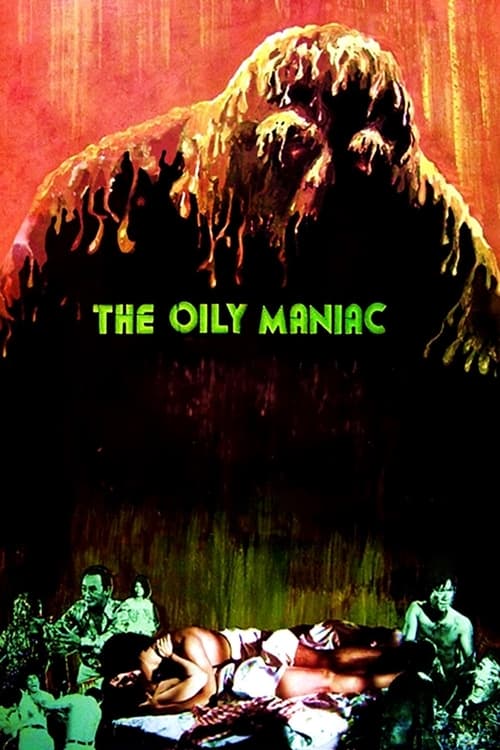
The Oily Maniac (1976) is Ho's most genuinely weird film, a possession horror about a man who gains the power to transform into a vengeance-dealing oil creature by carving a magic formula into his thigh. It should not work as well as it does. Ho plays the premise completely straight, the practical effects are committed and strange, and the result sits in a category of one: part social allegory about powerlessness, part body horror, entirely unlike anything else in the Shaw Brothers catalog.
The spiritual successor is a video game, and it is the most honest one
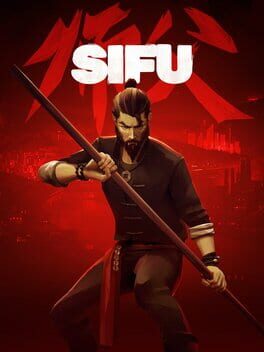
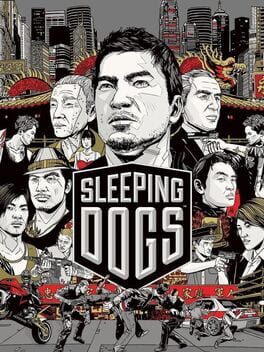
Sifu is the game that most accurately translates what Ho Meng-Hua's kung fu films feel like to inhabit: a single practitioner against escalating odds, physical technique as the only currency, a world that looks stylized but hits with real weight. Sleeping Dogs covers adjacent territory from the Hong Kong crime angle rather than the wuxia angle, and gets the city's texture right in a way almost no other medium has managed.
The television era proved the genre's depth
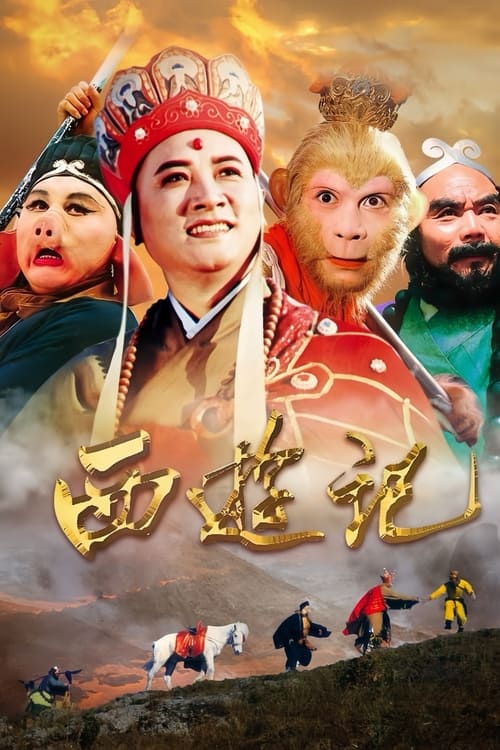
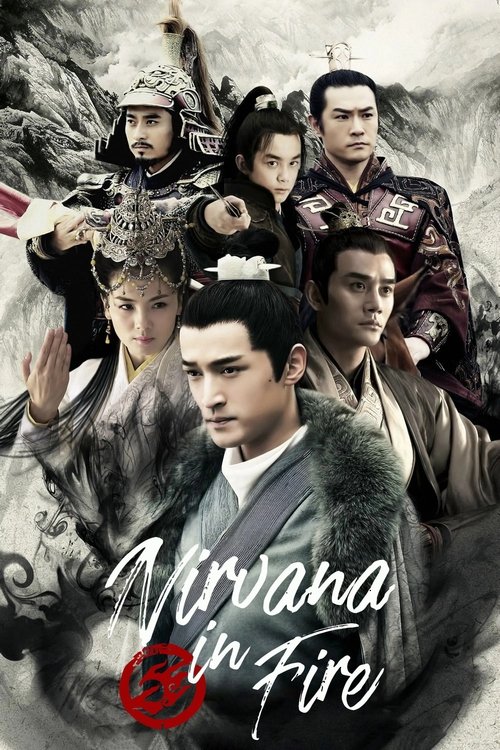
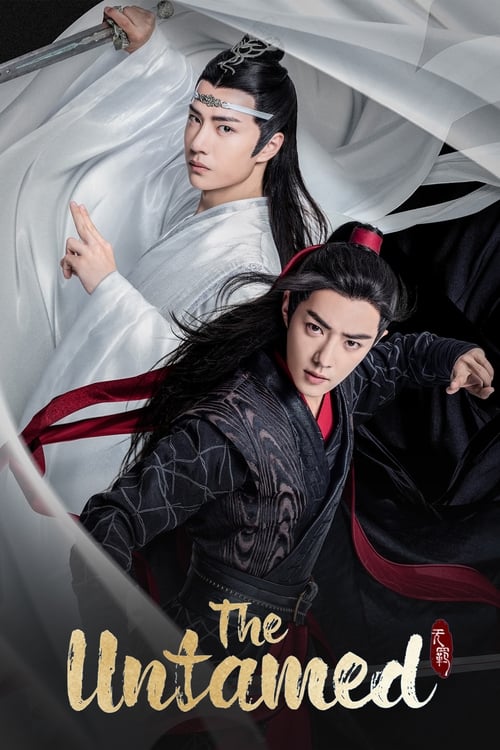
Nirvana in Fire is what happens when a wuxia story gets fifty-four hours to breathe: the political intrigue, the loyalties, the long-game revenge that Ho compressed into ninety minutes becomes something novelistic and genuinely moving. It is also the single best entry point into Chinese television for anyone who arrived through the films. The Untamed has the supernatural register and the heightened emotional palette of Ho's darker work, and the 1986 Journey to the West sits behind all of it as the foundational text, the Chinese mythology that every director in this lineage has raided at least once.
Ho Meng-Hua at Shaw Brothers
- 1958Debut feature at Shaw Brothers Studio
- 1967Lady Hermit, establishing wuxia credentials
- 1975The Flying Guillotine, invents an iconic weapon
- 1975Black Magic, folk horror with real dread
- 1976The Oily Maniac, strangest film in the catalog
- 1977Mighty Peking Man, Shaw Brothers goes kaiju
- 1978Return of the Flying Guillotine
- 1979Vengeful Beauty
- 1983The Black Magic with Buddha, final supernatural entry
Kung Fu and Hong Kong Cinema
Martial Arts
Explore the Martial Arts guide →Ho Meng-Hua never made a film that was embarrassed by what it was. That lack of apology is rarer than it sounds.CrossBinge