
The man who made kung fu think
Lau Kar-leung came up the hard way: trained from childhood in Hung Gar by his father, who had learned from a direct lineage stretching back to the Shaolin temple. When he arrived at Shaw Brothers in the late 1960s as a choreographer, he found an industry full of flying-wire acrobatics and opera-derived stylisation, and he quietly set about changing everything. His films are not fantasies of supernatural power. They are arguments about discipline, lineage, and what it costs to carry a tradition forward.
What fans love in his work is the specificity. When a character in The 36th Chamber of Shaolin spends twenty minutes training to carry water on a yoke balanced on his head, you understand exactly what is at stake. Lau films real systems, performed by people who actually know them. The choreography in his best work has a grammar: techniques have names, weaknesses, histories. Style clashes carry genuine tactical logic, not just visual spectacle.
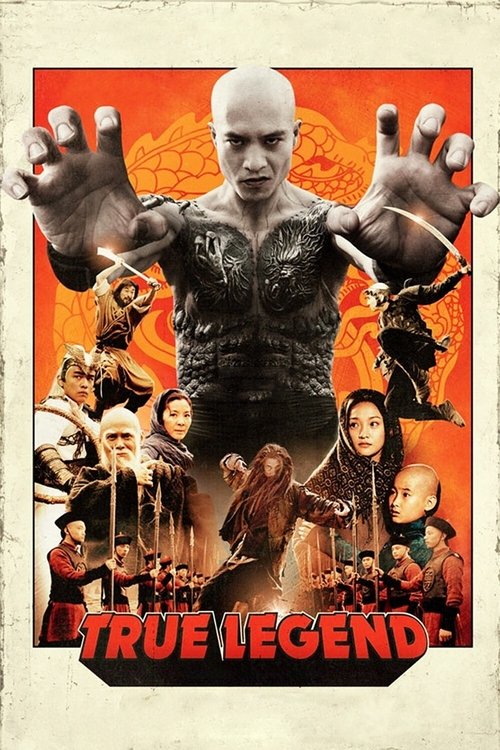
His films also carry a recurring emotional weight that is easy to miss under all the athleticism: the question of what tradition is worth, and who is allowed to inherit it. The 36th Chamber is about a commoner who breaks into an elite system and then breaks the system open. True Legend is a late-career meditation on grief and obsession played out through drunken boxing. Again and again, Lau returns to the gap between the inside and the outside of a tradition, which is perhaps not surprising for a filmmaker who was simultaneously preserving and popularising a living martial art.
If you have seen one Lau Kar-leung film, you have probably seen his best. The list below will show you the rest of him, and then point you toward everything else that shares his frequency.
Essential Lau Kar-leung
Films he directed, in order of where to start

The wuxia and kung fu canon
Films from Hong Kong and beyond that share his rigour: real style, real stakes, bodies that have actually trained
 Drunken Master
 Snake in the Eagle's Shadow
 Ip Man
 Ip Man 3
 Ip Man 4: The Finale
 The Grandmaster
 Fist of Legend
 Fearless
 Once Upon a Time in China
 Once Upon a Time in China II
 Hero
Hero Crouching Tiger, Hidden Dragon
 House of Flying Daggers
 Ong-Bak
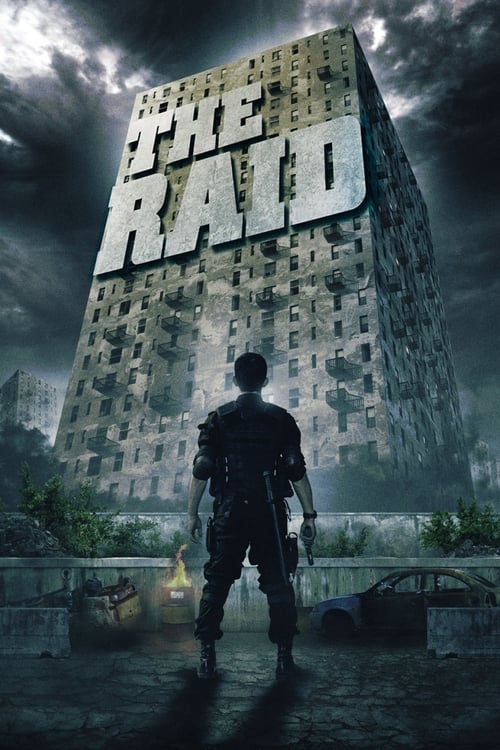 The Raid
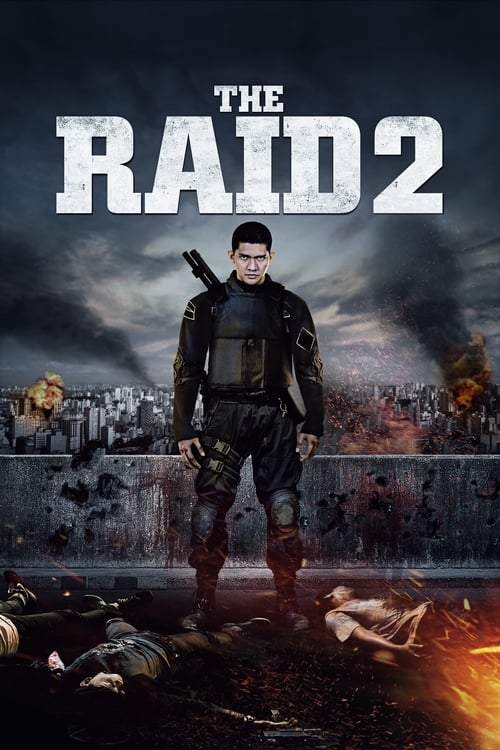 The Raid 2
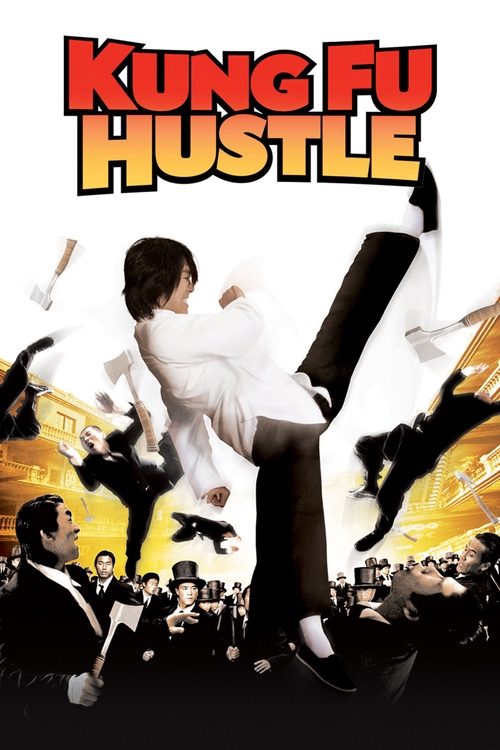 Kung Fu Hustle
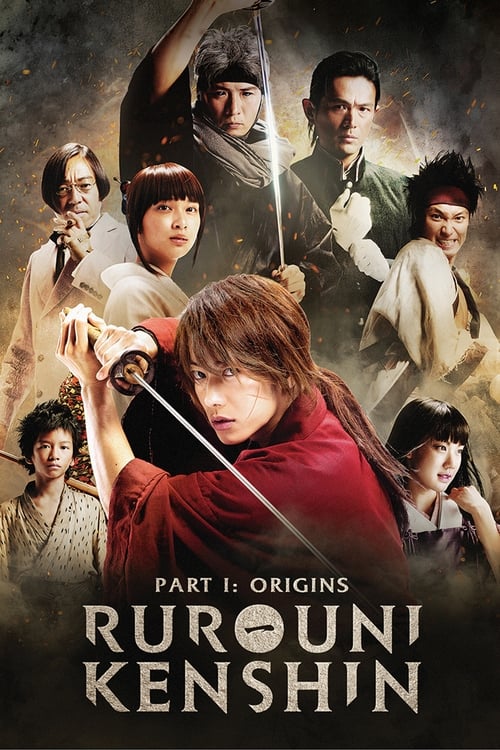 Rurouni Kenshin Part I: Origins
 13 Assassins
 Ghost Dog: The Way of the Samurai
 Seven Samurai
 Yojimbo
 Zatoichi
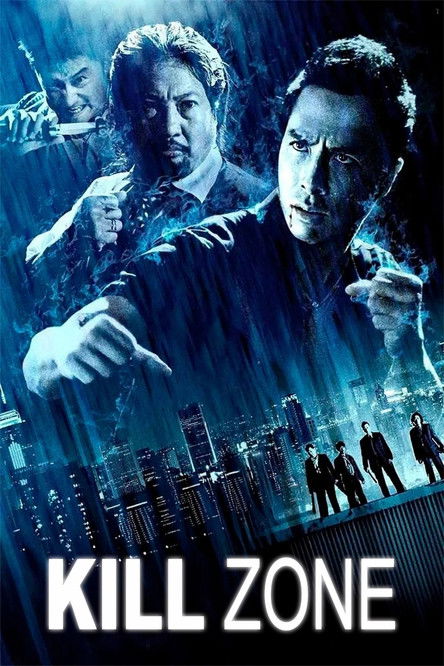 SPL: Kill Zone
 Shang-Chi and the Legend of the Ten Rings
TV series that carry the tradition
Long-form storytelling built around martial lineage, code, and the cost of mastery
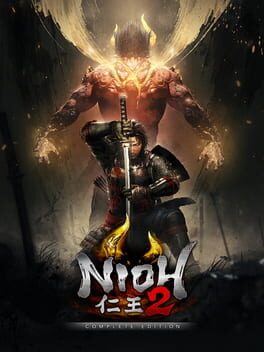
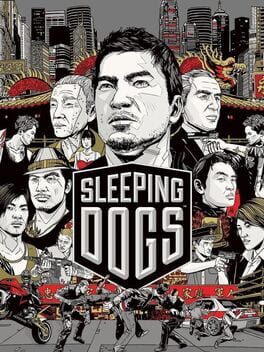
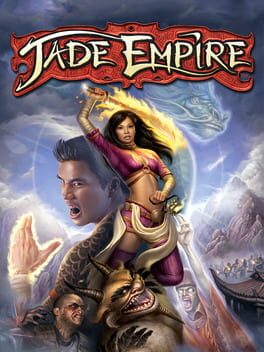
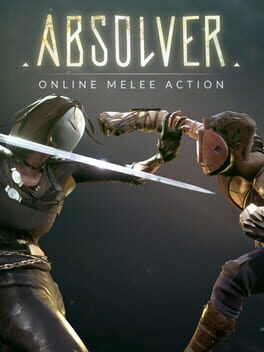
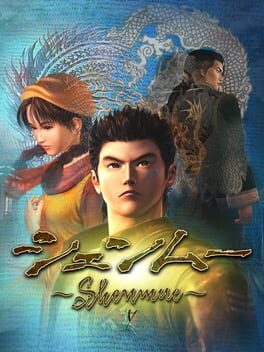
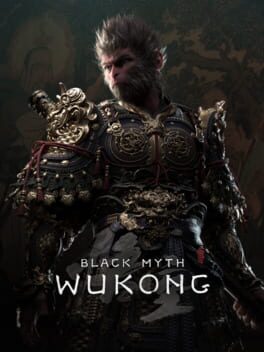
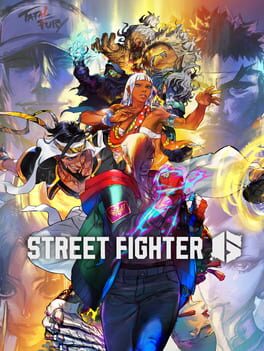
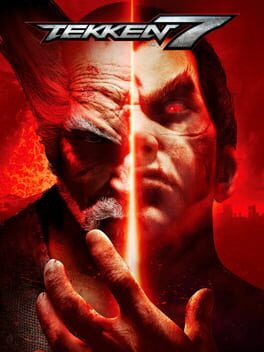
Games that understand what kung fu actually is
Titles where mastery is earned through repetition, style has real mechanical weight, and the body is the subject
The literary tradition behind the films
The classic texts and novels that feed wuxia and kung fu cinema, and the music that shares its discipline


Start with The 36th Chamber of Shaolin, not Drunken Master
Most people arrive at Lau Kar-leung through Jackie Chan, because Lau choreographed Drunken Master and the film is funny, loose, and immediately loveable. But The 36th Chamber of Shaolin is the real statement of intent. Gordon Liu as San Te trains for what feels like the entire runtime, and that patience is the point: Lau is showing you that skill is accumulated, not performed. The film earns its final act. Watch this first and everything else in Lau's filmography falls into the correct order.
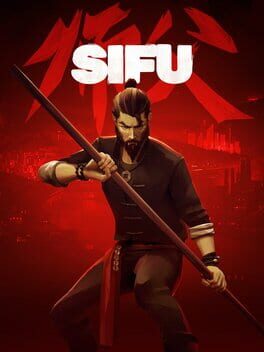
Sifu is the most serious game ever made about kung fu as a discipline
Sloclap built Sifu around a specific Pak Mei lineage, consulted real practitioners, and made mastery the actual mechanic: you age when you fail, and the only way to win is to stop failing. It is the most Lau Kar-leung game ever made. The genre difference between film and game dissolves when both are asking the same question: can you carry the form correctly under pressure? The answer the game gives you is honest. Most people cannot, at first.
The Raid is the inheritor Lau never expected from Indonesia
Gareth Evans and Iko Uwais working in pencak silat rather than kung fu, in a collapsing tower block rather than a temple compound, but the principle is identical to what Lau spent his career arguing: style is a real thing, and real style is interesting. The sustained stairwell sequences in The Raid have the same taxonomic clarity as Lau at his best. When a technique appears, you understand what it is and why it is being used. That kind of choreographic legibility is rarer than it sounds.
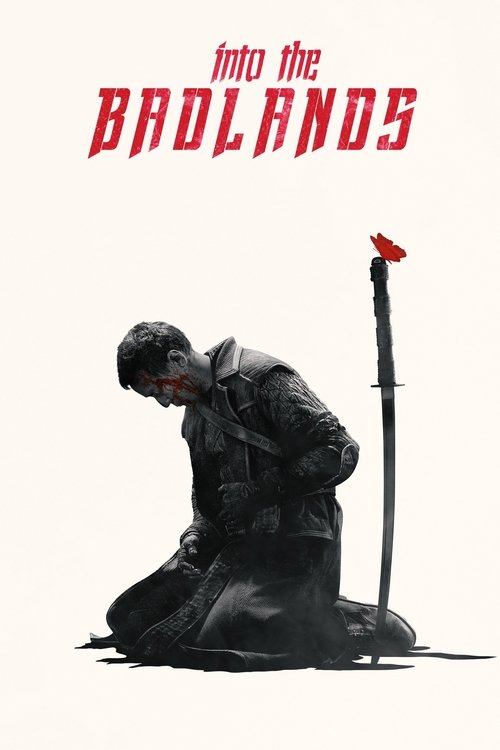
Into the Badlands is the closest television got to the Shaw Brothers aesthetic
AMC's Into the Badlands is not subtle: it is soaked in Shaw Brothers iconography, from the colour palette to the way each character is defined by their style. What separates it from mere homage is that it hired real practitioners, choreographed fights with genuine craft, and gave the action meaning within a world built around martial hierarchy. It was cancelled before it resolved its central story, which is the correct tragedy for a show about systems of power that cannot sustain themselves.
Lau Kar-leung was not preserving kung fu on film. He was making a case for why it deserved to be preserved at all.CrossBinge editorial
The Lau Kar-leung filmography
- 1978Breakthrough: the Shaolin training epic The 36th Chamber of Shaolin
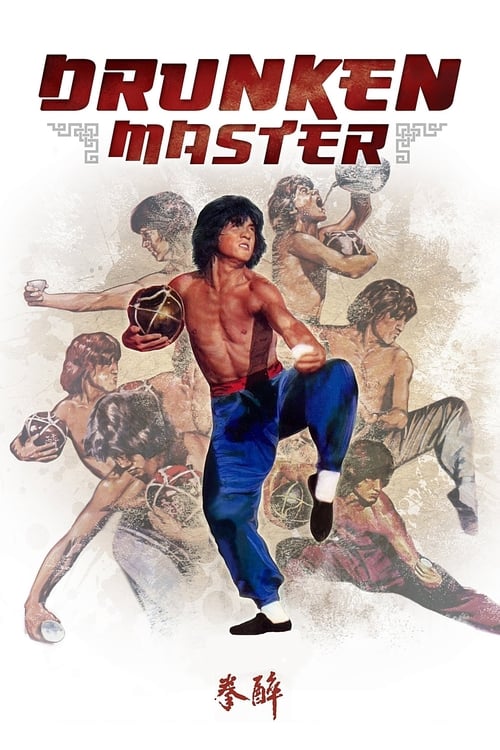
- 1978Choreographs Jackie Chan's breakout comedy Drunken Master
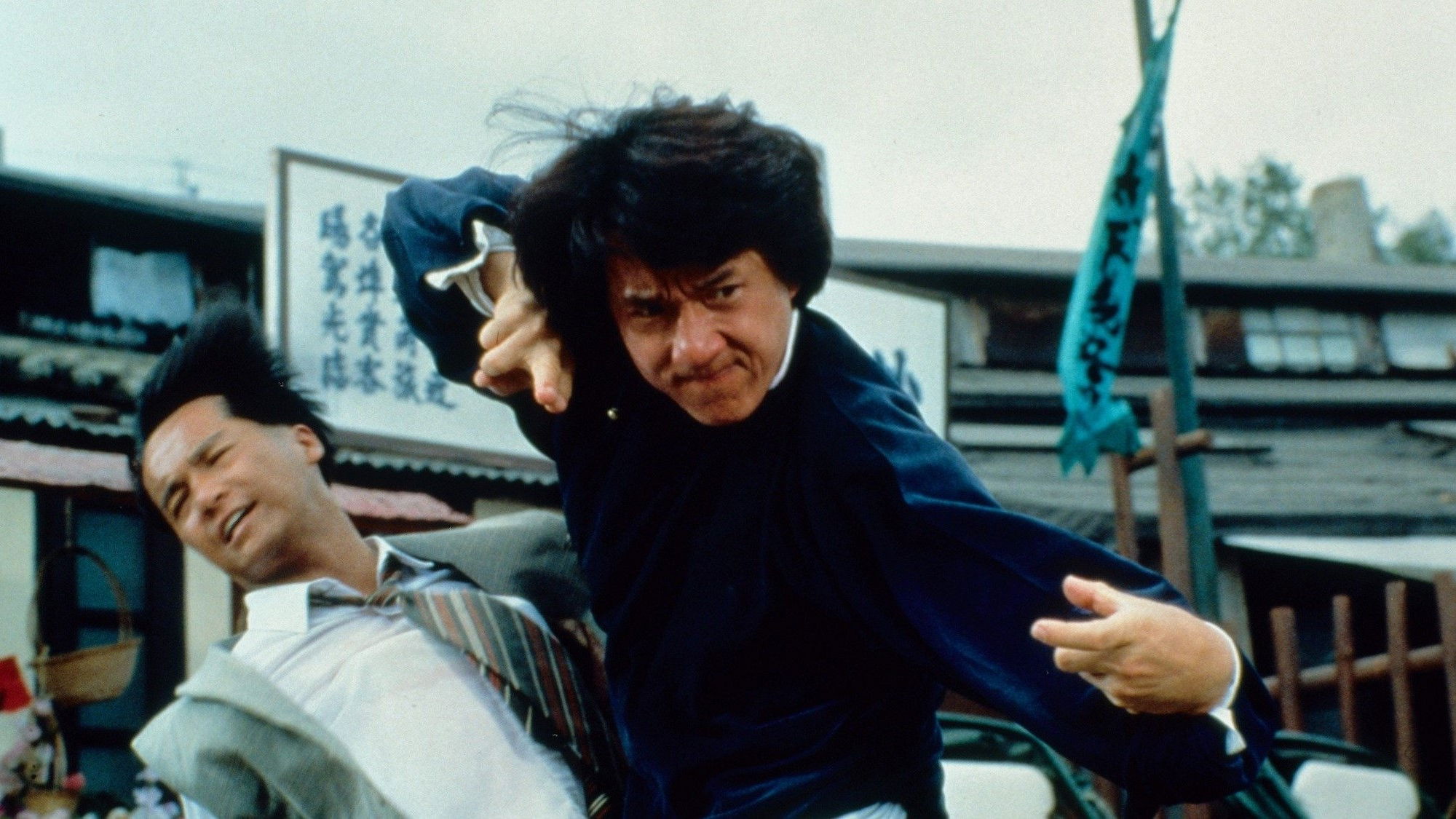
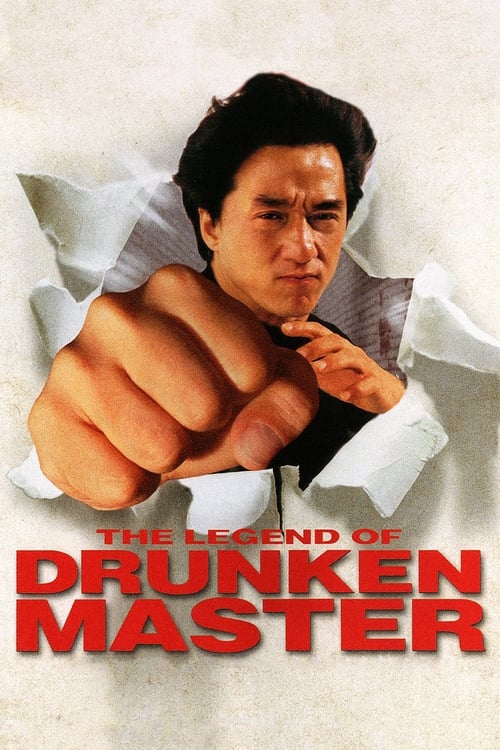
- 1994Returns for the definitive drunken boxing film The Legend of Drunken Master
- 2010Final directorial work: grief and obsession through drunken boxing True Legend