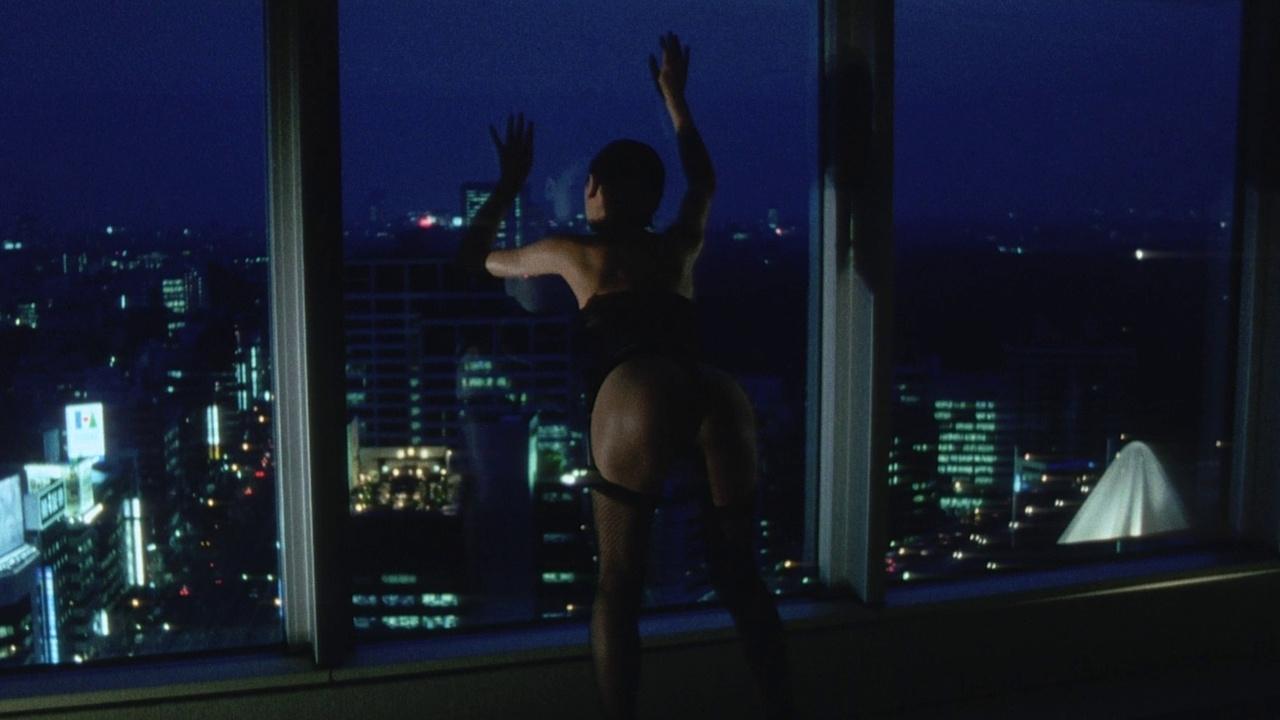

A Cinema of the Body and the Wound
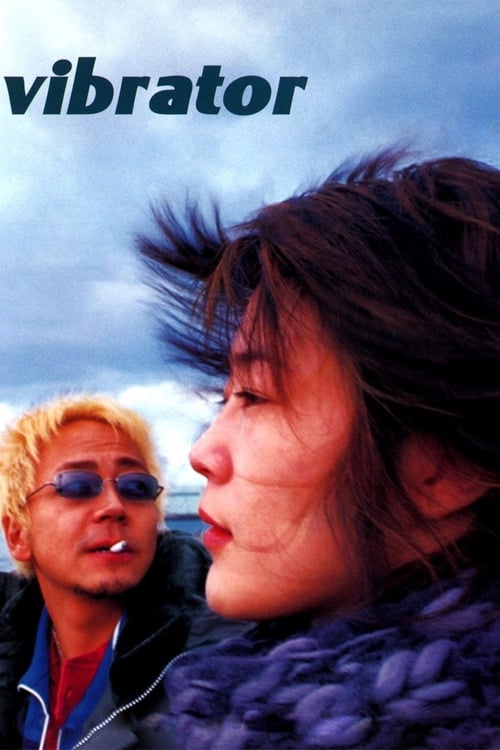
Ryuichi Hiroki came up through Japan's roman porno tradition, the Nikkatsu studio system that demanded sex on screen but left directors free to do almost anything else with story and style. That formative pressure turned out to be clarifying rather than corrupting. By the time he made Vibrator in 2003, adapting Mari Akasaka's novel about a bulimic insomniac who picks up a long-haul trucker on a Tokyo convenience store night, he had already developed a method: close, unsentimental observation of people whose bodies betray what their mouths won't say.
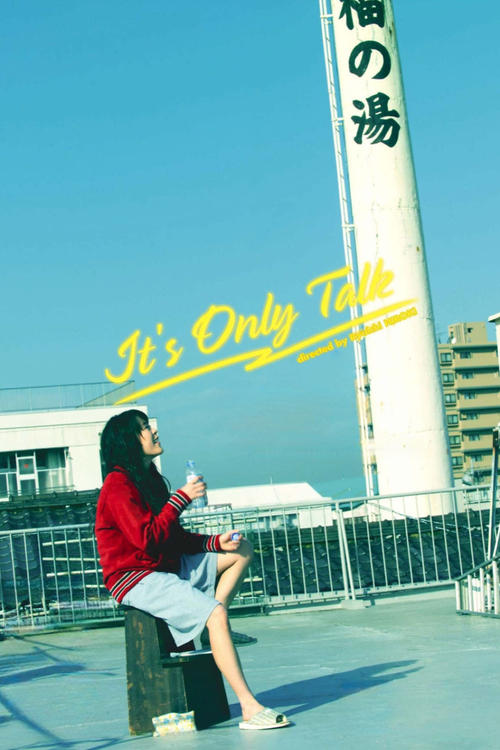
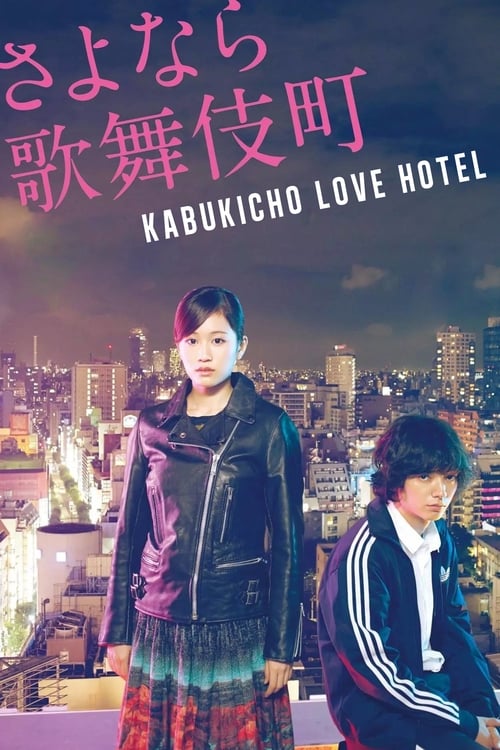
Hiroki's films are not comfortable to sit with. They are attentive to female desire as something real and unglamorous, to sex as an act that can be tender or desperate or both at once, to loneliness as the ambient condition of contemporary urban Japan. His characters are often women in their twenties and thirties who are running from something, searching for something, not entirely sure they can tell the difference. The city is always present, indifferent, humming. It's Only Talk (2005) and Kabukicho Love Hotel (2014) extend this into something almost documentary in its texture, the camera observing without judging, building cumulative emotional weight through specificity rather than melodrama.
Fans of Hiroki are looking for cinema that takes interiority seriously, that finds eroticism inseparable from vulnerability, and that treats the margins of urban life as legitimate subject matter. The films below speak that same language, from inside Japan and far beyond it.
Essential Ryuichi Hiroki
His own films, in order of emotional impact

Desire Under Fluorescent Light
Films about women, want, and the city that refuses to notice
Japanese Loneliness, Formally Considered
Contemporary Japanese cinema that shares his particular quiet



The Slow Burn of East Asian Cinema
Directors who also let atmosphere do the heavy lifting
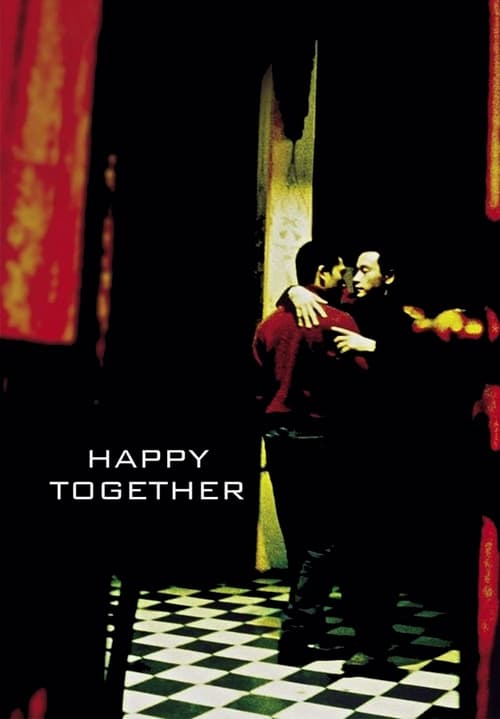
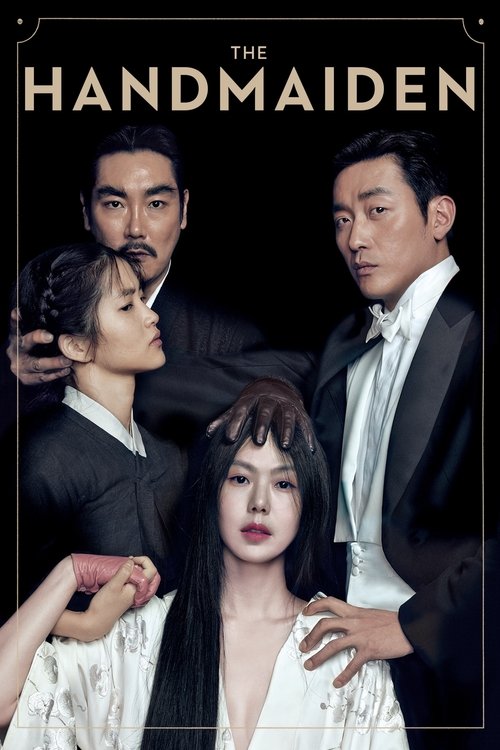
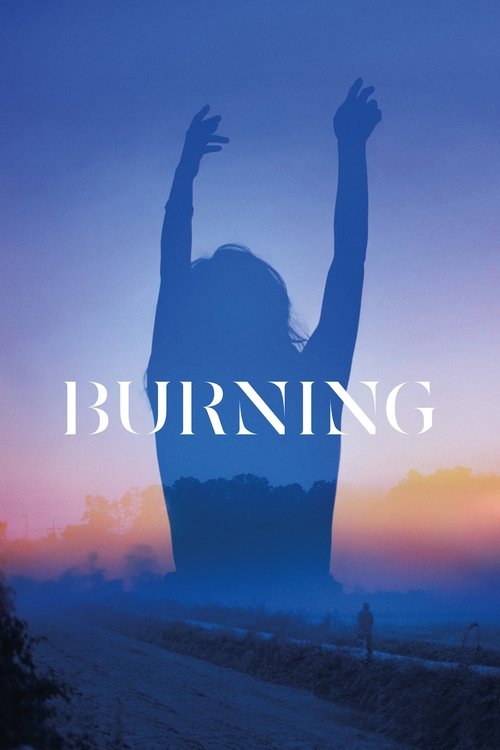
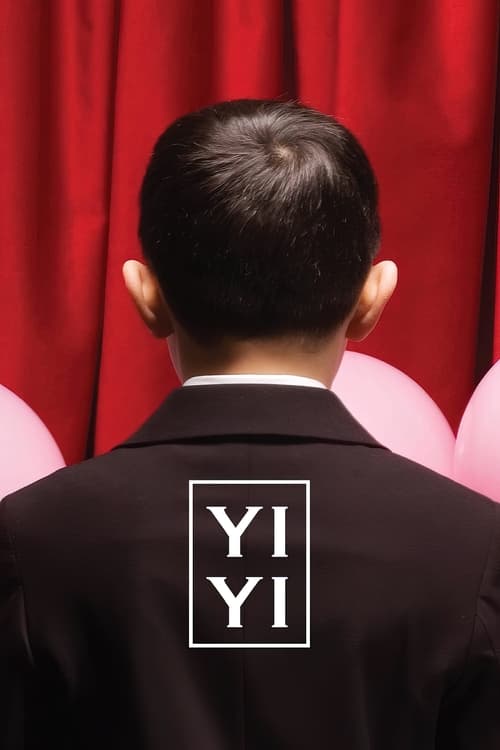
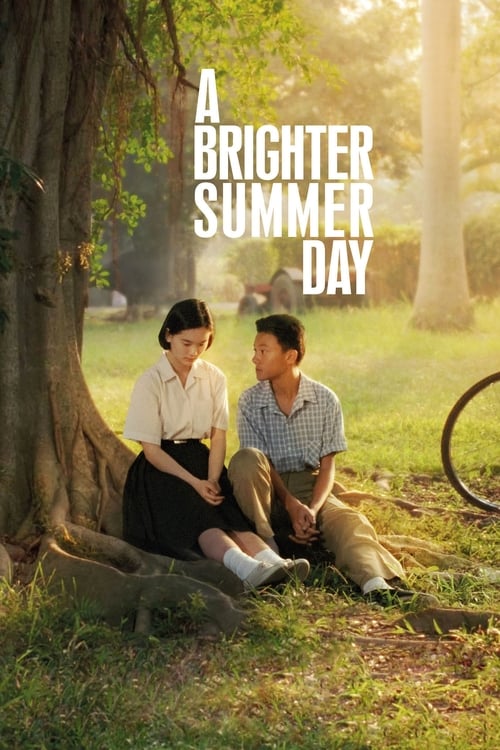
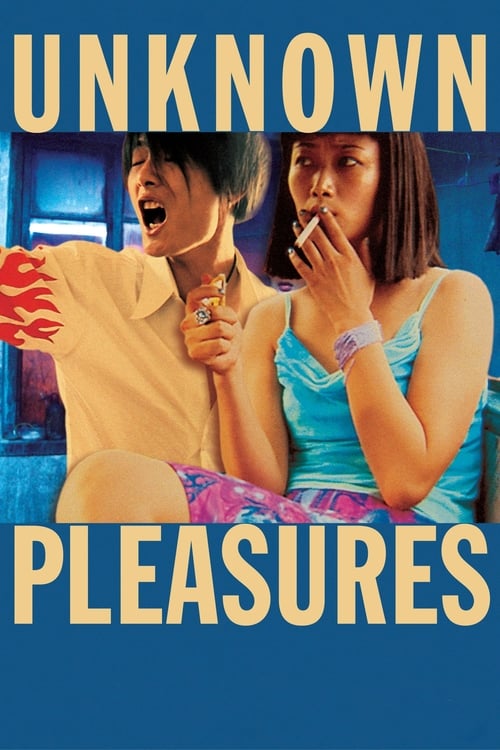
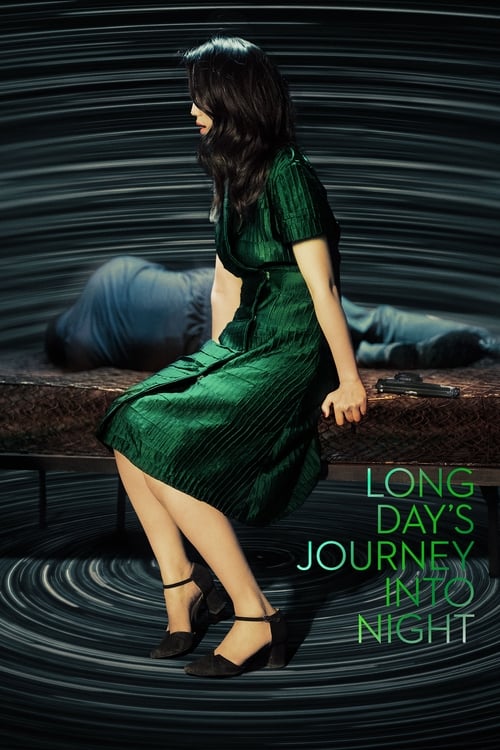

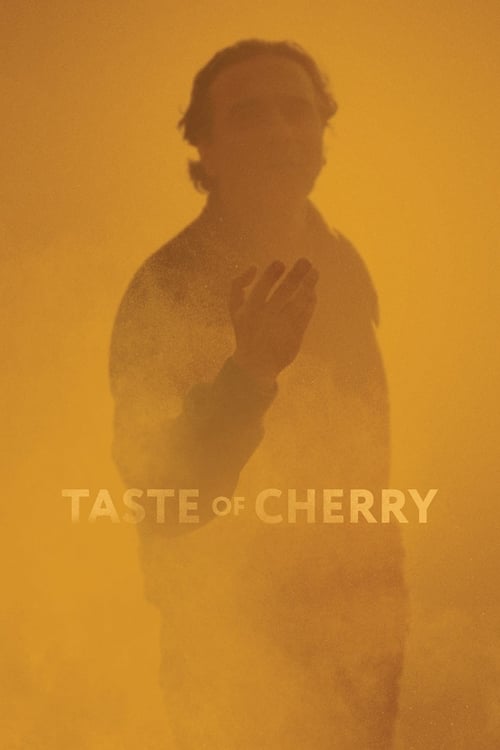
Music for the Sleepless Hours
Albums that carry the same late-night, interior texture
Books That Leave a Similar Mark
Fiction about interiority, dislocation, and unspeakable want


The perfect entry point is Vibrator, not the obvious ones
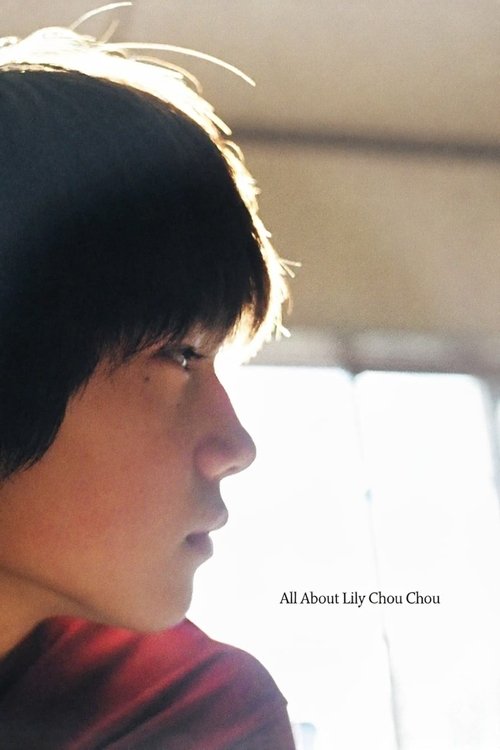
People usually get handed All About Lily Chou-Chou or a Miike film when they ask for Japanese indie cinema, and both are fine answers but neither prepares you for Hiroki. Vibrator is 95 minutes in a truck cab with two people who have no reason to trust each other, and by the end you feel you know more about loneliness than most films twice as long manage. It is the correct first film.
Antiporno is the underrated cousin nobody talks about enough
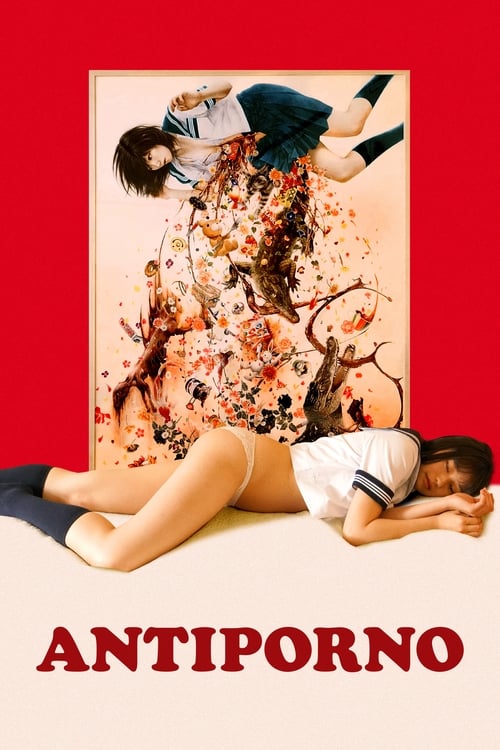
Sion Sono's Antiporno was made inside Nikkatsu's revived roman porno initiative, the same industrial context Hiroki grew up in, and it is the sharpest single-film argument for why that tradition produced interesting directors rather than just product. Garish, furious, formally strange, it is everything Hiroki's quieter films are reacting against and in conversation with at the same time.
The games that replicate his method are the ones where nothing explodes
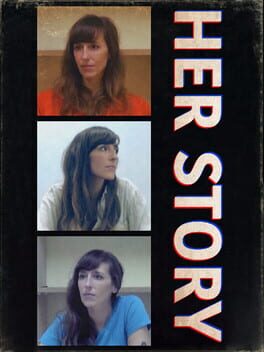
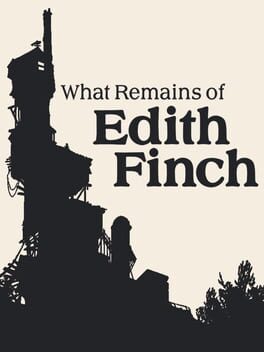
Her Story and Virginia are unlikely companions but they share Hiroki's core move: trusting the audience to assemble meaning from fragments, never explaining the emotional logic of their characters directly. What Remains of Edith Finch goes further, letting each room speak a grief its inhabitants couldn't. All three treat the player the way Hiroki treats the viewer: as someone capable of sitting with unresolved feeling.

The spiritual successor is Charlotte Wells, working from the other side of the world
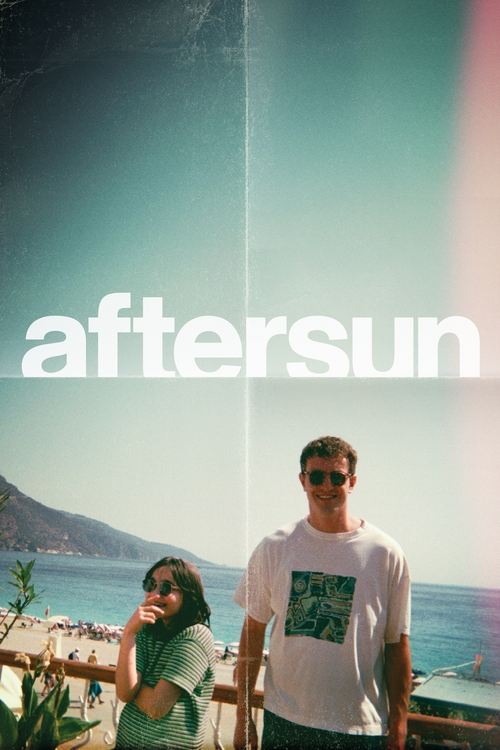
Aftersun shares almost nothing with Hiroki's films in terms of setting or subject matter, but it is built on the same wager: that sustained attention to ordinary surfaces will eventually crack them open and reveal what cannot be said. Wells, like Hiroki, is interested in what people perform for each other and what leaks through the performance. Both directors make films about what is withheld, not what is shown.
He films desire the way you actually feel it, which is to say: as something that arrives without permission and refuses to leave cleanly.on Vibrator
Hiroki in Context
- 1989Directs first roman porno film for Nikkatsu
- 1994Completes over a dozen pink films, developing his observational style
- 2003Vibrator premieres, a critical breakthrough Vibrator
- 2005It's Only Talk: the follow-up cements his reputation for female interiority
- 2014Kabukicho Love Hotel Kabukicho Love Hotel
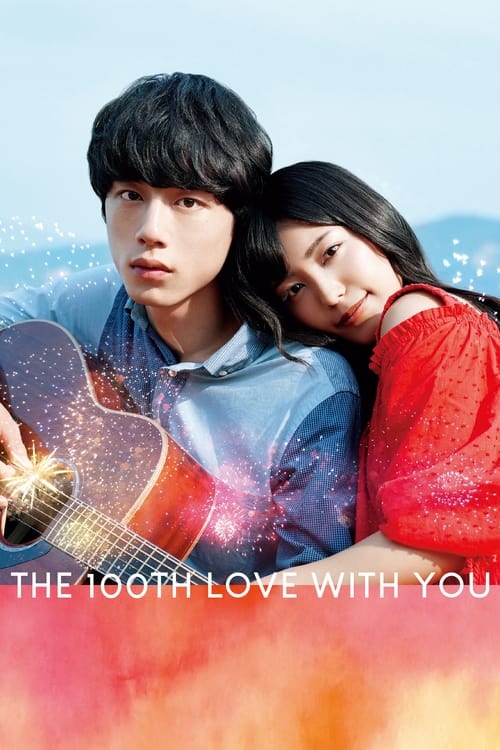
- 2017The 100th Love with You brings him mainstream J-film audiences The 100th Love with You