
Iain Banks occupied two literary universes simultaneously and excelled in both. Under his own name he produced some of the most unsettling and darkly funny British fiction of the 1980s and 90s: debut novel The Wasp Factory announced a writer willing to go anywhere, and the books that followed (The Crow Road, The Bridge, Complicity, Whit) blended Gothic grotesquerie with warm Scottish humour and a rage at hypocrisy. Under Iain M. Banks he built the Culture, a post-scarcity anarchist civilisation of almost incomprehensible scale, stewarded by benevolent AIs called Minds and troubled by the question of whether utopia can have ethics. The through-line across both personas is the same: a fascination with systems that shape people, with what it costs to be free, and with the gulf between how power presents itself and what it actually does. Fans love the combination of savage wit, genuine warmth, and the refusal to flinch.
Essential Iain Banks
Where to start and where to go deep, across both of his identities


If You Love the Culture, Read These Authors
Post-human scale, civilisational ethics, and AIs with opinions




If You Love Banks's Dark Literary Side, Read These
Scottish Gothic, unreliable narrators, and fiction that earns its transgression



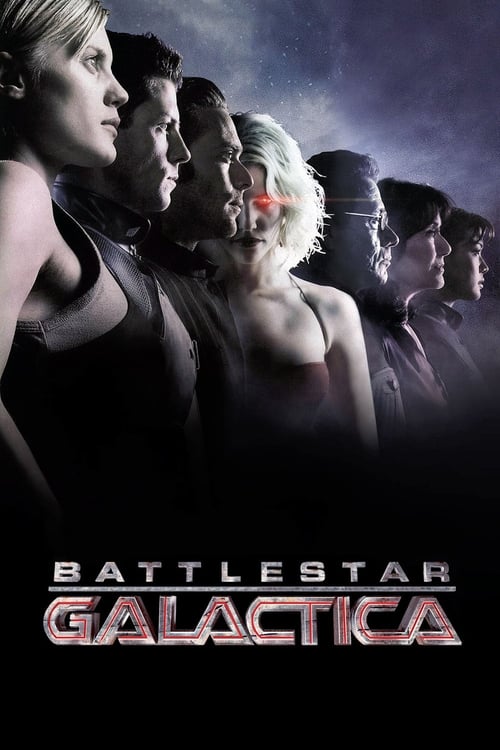
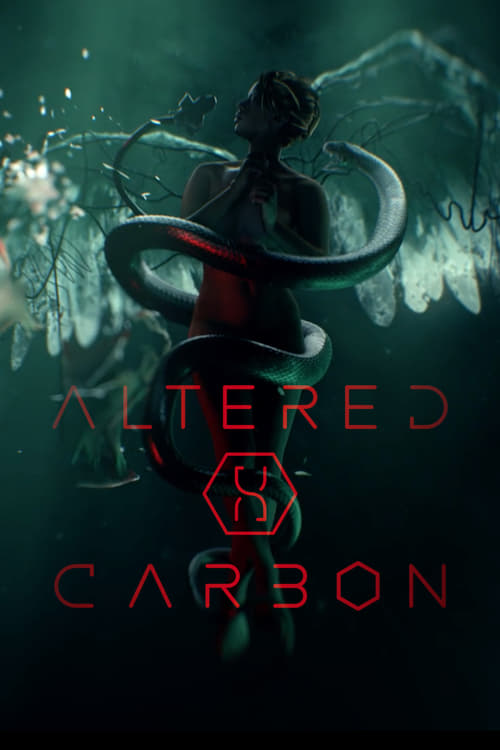
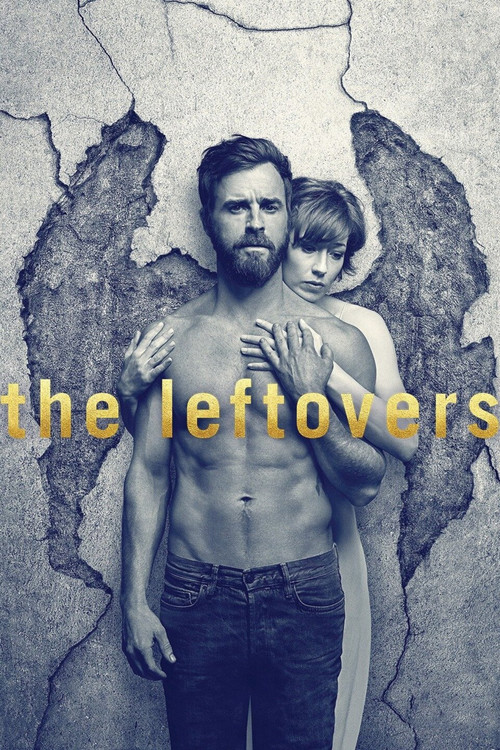
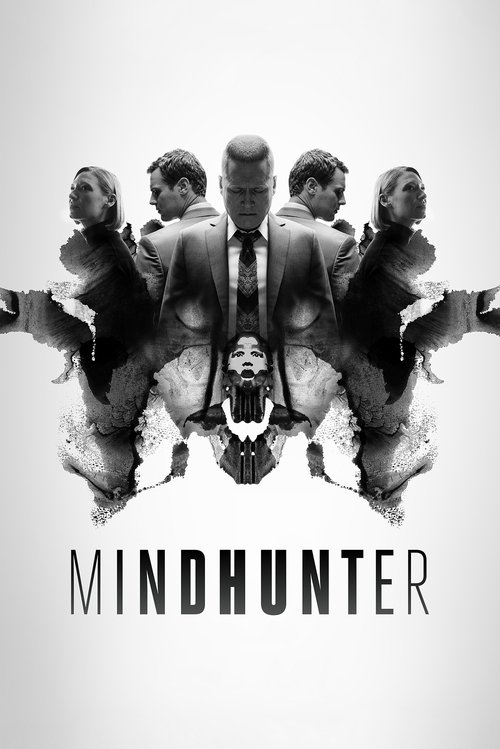
Films and Series for Culture Fans
Space opera, post-human civilisations, and the ethics of interference
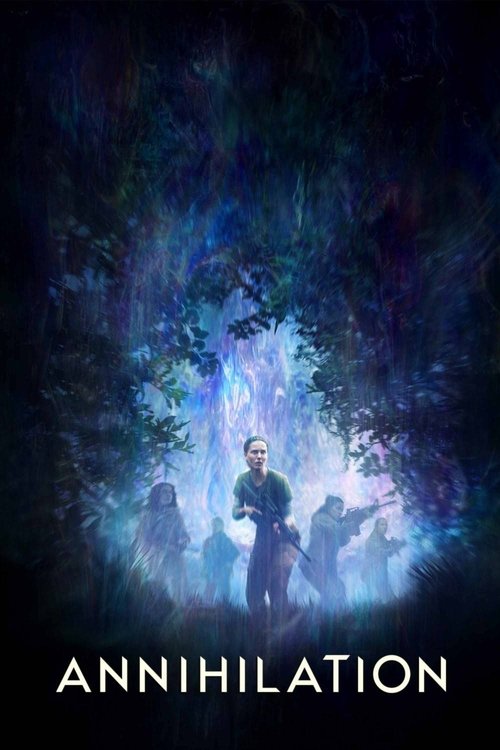
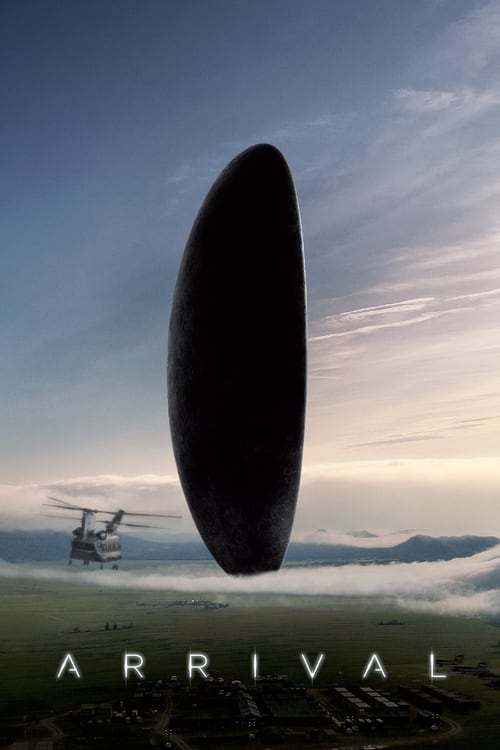

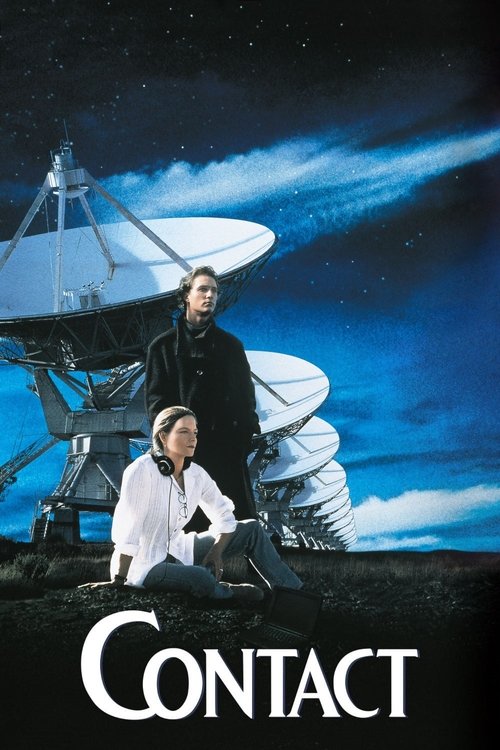
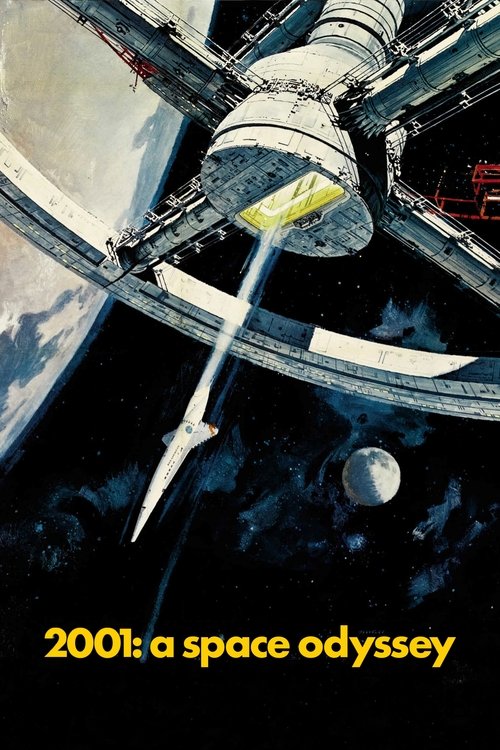





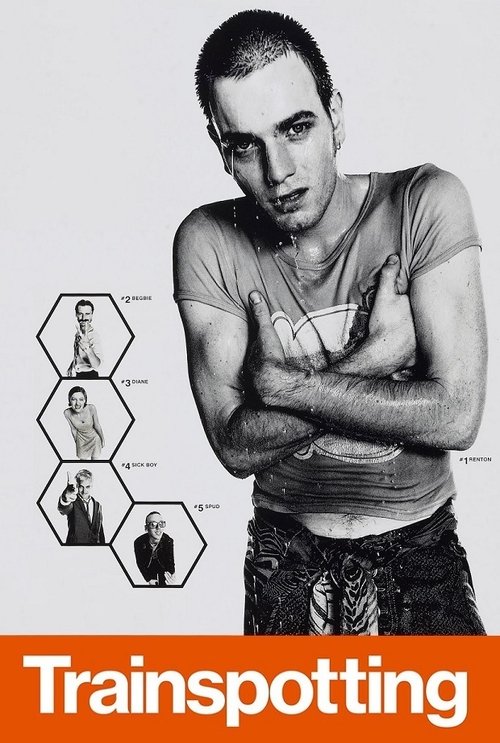
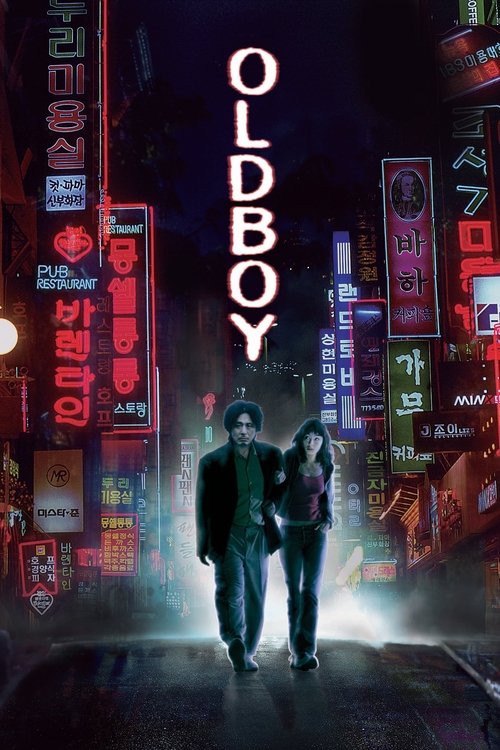
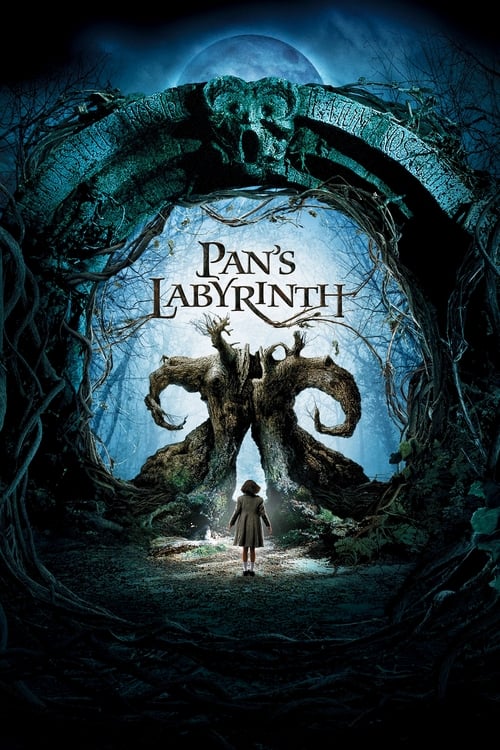
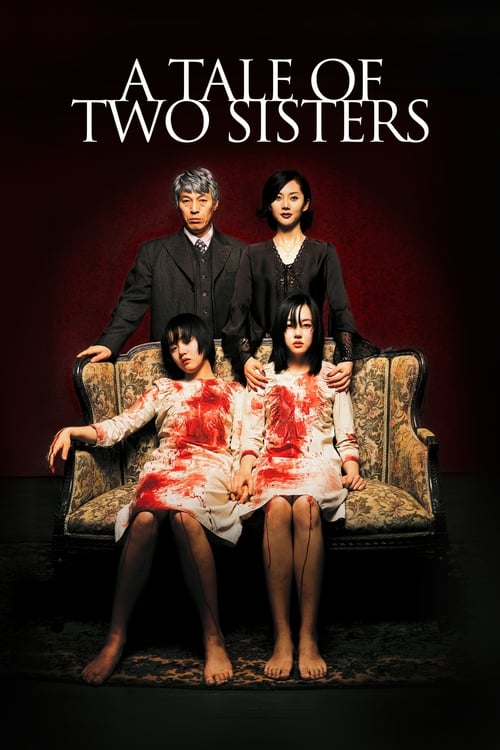
Films with Banks's Dark Literary Energy
Gothic dread, unreliable memory, systems that corrupt




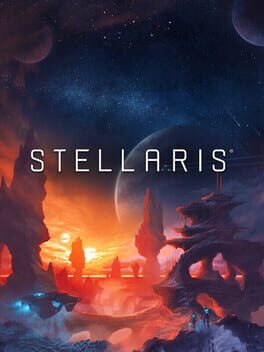
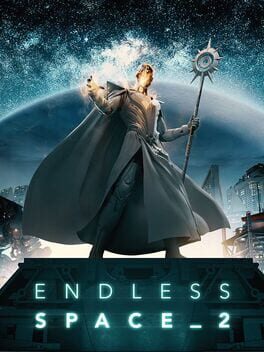
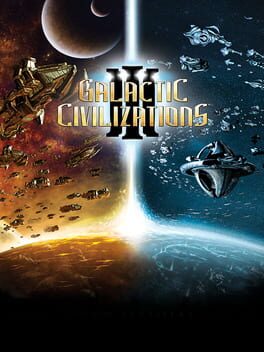
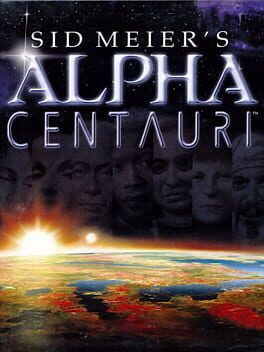
Games for the Culture Fan
Civilisation-scale strategy, AI ethics, and post-human stakes
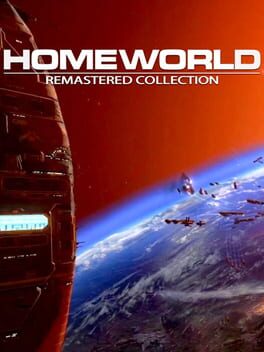
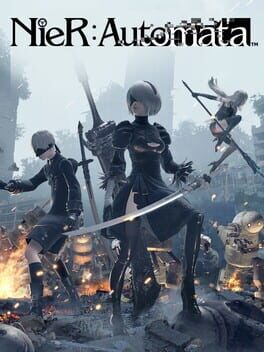
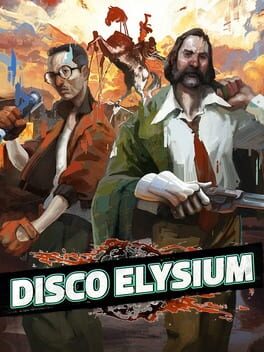
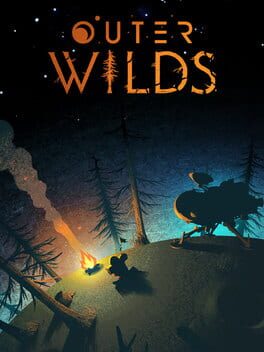
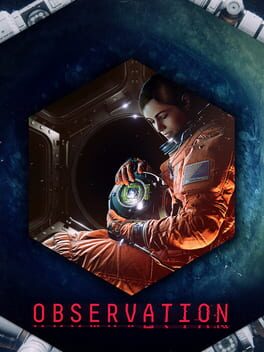
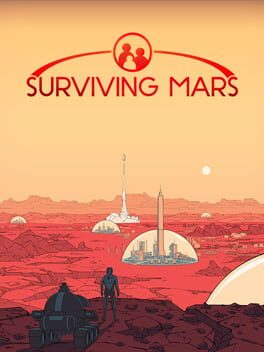
The Wasp Factory Is Not What You Expect
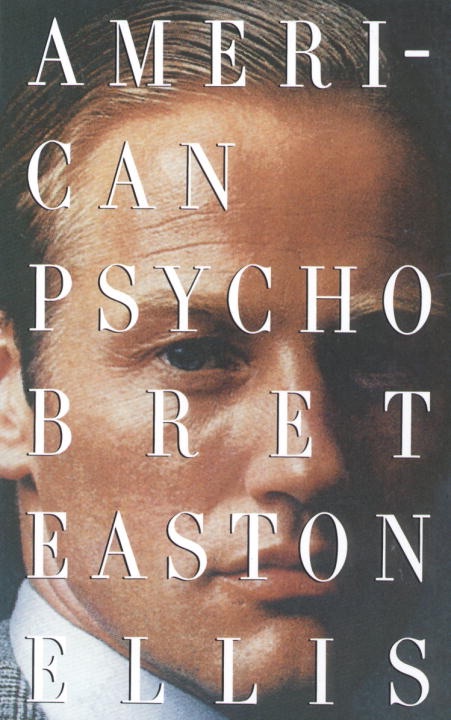
The Wasp Factory arrived in 1984 to mixed outrage and rapturous praise. Some reviewers called it gratuitous. They missed the point. The novel is a precise excavation of identity constructed through violence, of the stories children tell themselves to survive, and of the lies adults embed into children without knowing it. The grotesque rituals at its centre are not shock tactics but maps of a psychology. Reading it alongside the Culture novels clarifies what Banks was always doing: asking what it takes to build a self when the world you were born into is broken.
I didn't set out to write science fiction. I set out to write about what excited me, and what excited me happened to require a civilisation that had solved all its problems.Iain M. Banks
A Life in Two Names
- 1954Born in Dunfermline, Scotland
- 1984The Wasp Factory published
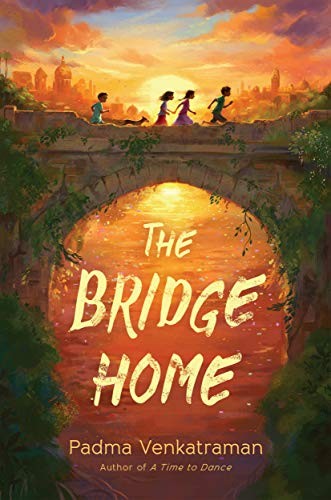
- 1986The Bridge and Walking on Glass establish his literary voice The Bridge Home
- 1987Consider Phlebas launches the Culture
- 1988The Player of Games: the Culture at its most elegant
- 1990Use of Weapons: structure as theme, the novel upended
- 1992The Crow Road: his warmest and most beloved literary novel The Crow
- 1996Excession: Minds as central characters
- 2000Look to Windward: grief and the long cost of intervention
- 2008Matter: the Culture's scope at its widest Art matters
- 2010Surface Detail: virtual hells and the ethics of simulation
- 2012The Hydrogen Sonata: a quiet, final valediction to the Culture
- 2013Died in Kirkcaldy, Scotland, age 59