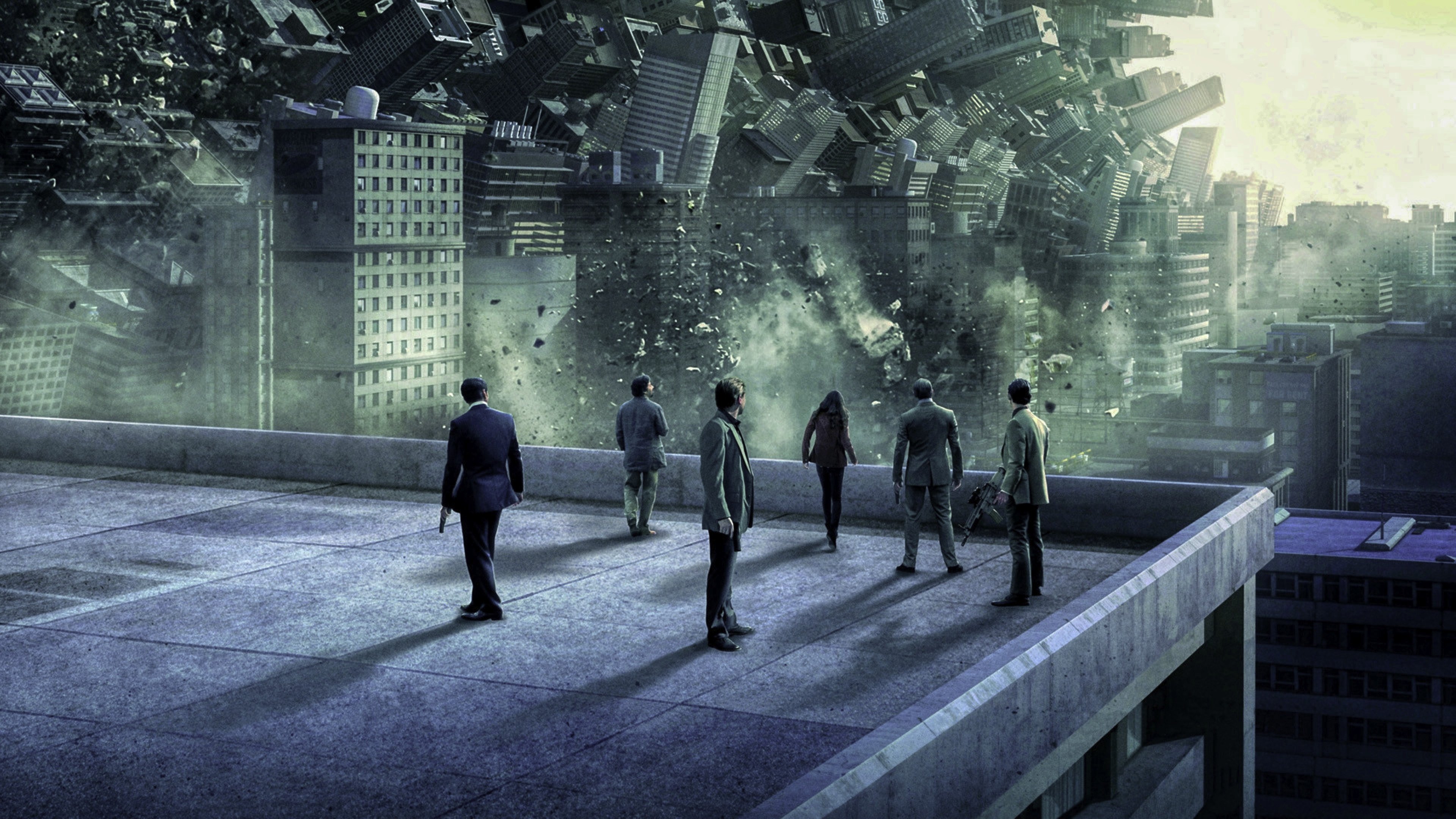

What Inception gives you is not a puzzle to solve but a feeling to chase: the sensation of standing inside something that should be impossible and finding it perfectly, unnervingly logical. Christopher Nolan built a heist film that operates on the architecture of the unconscious, where the rules keep shifting but the emotional stakes stay ruthlessly real. Cobb is not chasing a score. He is chasing his way home. The layers of dreaming are not a gimmick; they are a way of mapping grief, guilt, and the stories we tell ourselves to keep going. If you love Inception, you love films and games and books that treat the mind as territory, that build intricate systems and then put a human heart at the center of them.
Essential Inception
The film itself and Christopher Nolan's closest companions in his own filmography
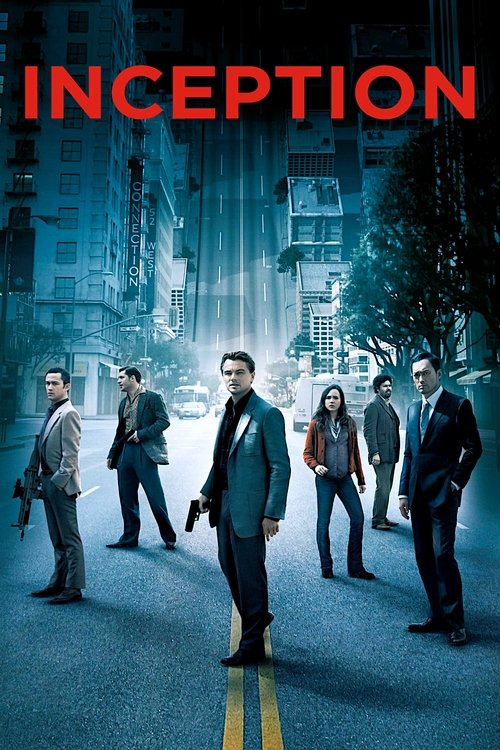
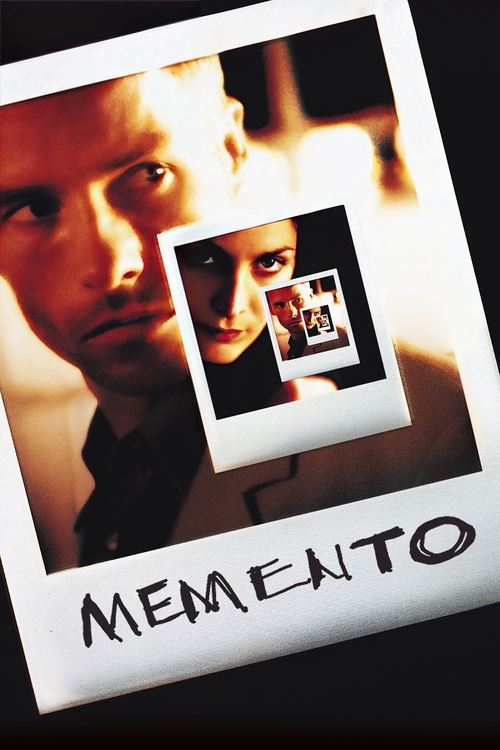
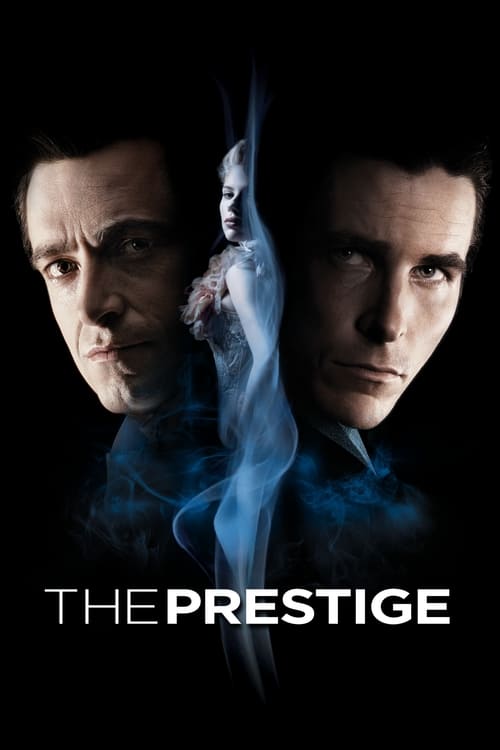
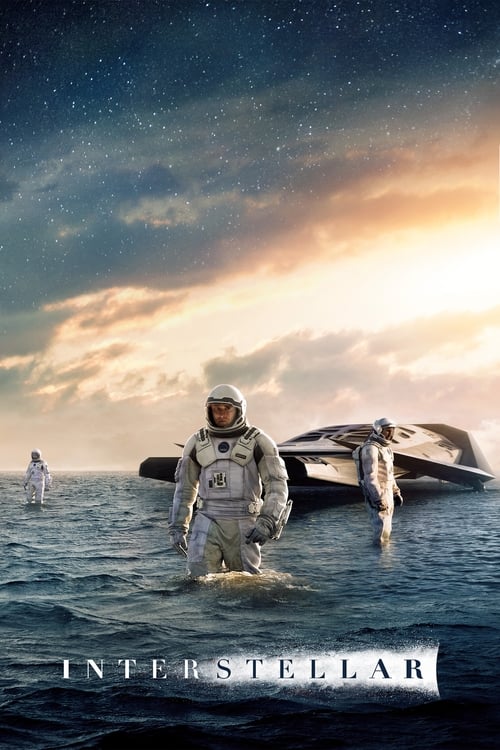
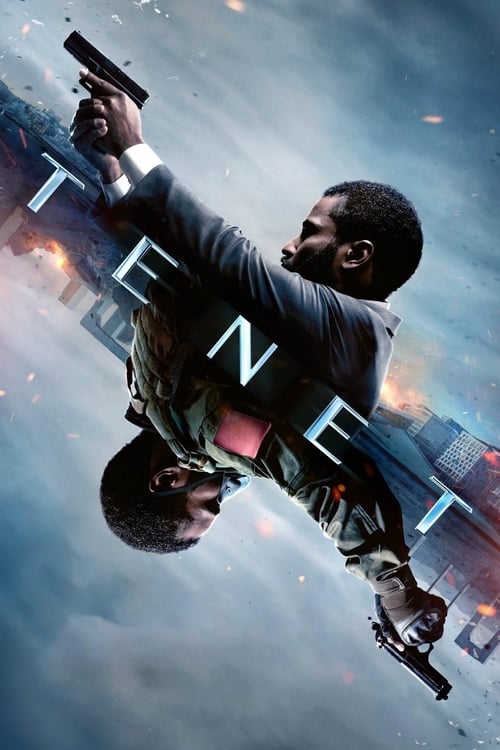
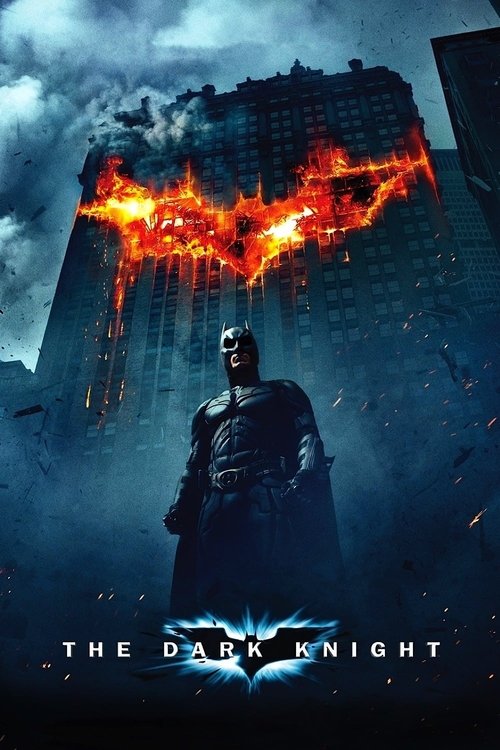
Same-Vibe Films: Intricate Systems, Human Stakes
Films that build elaborate architectures and trust you to live inside them
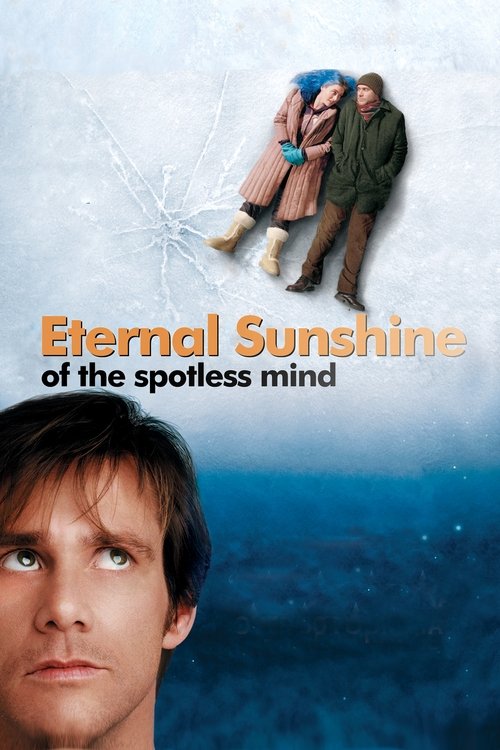


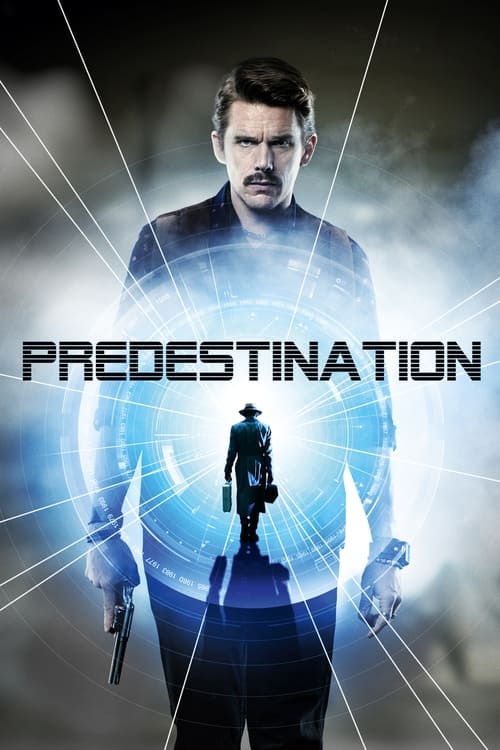

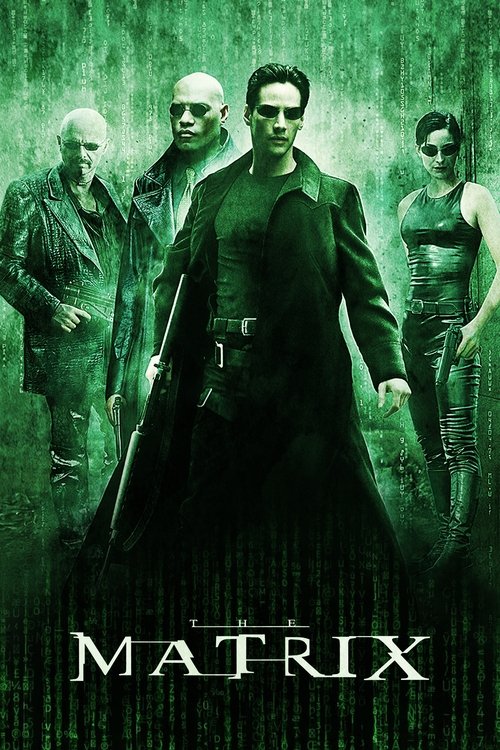


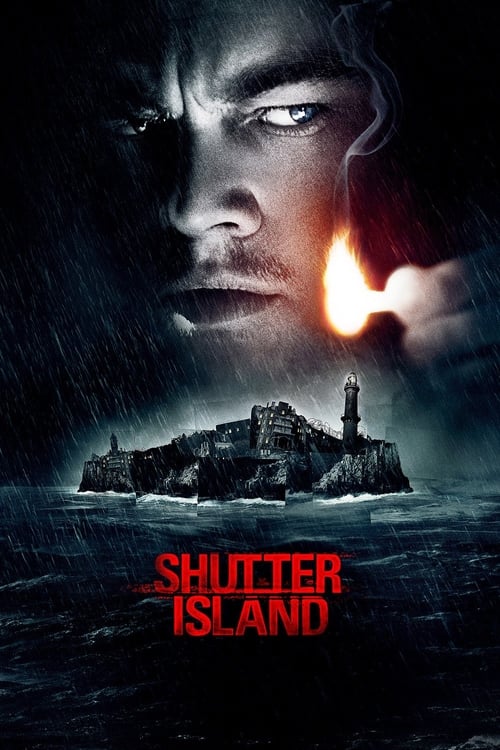
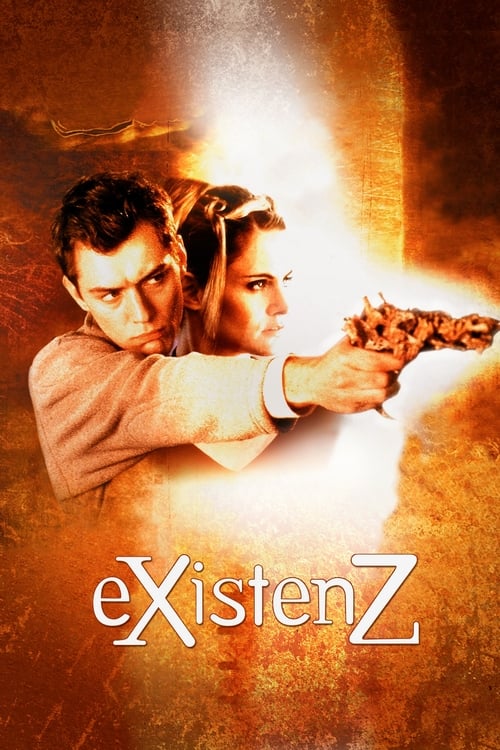
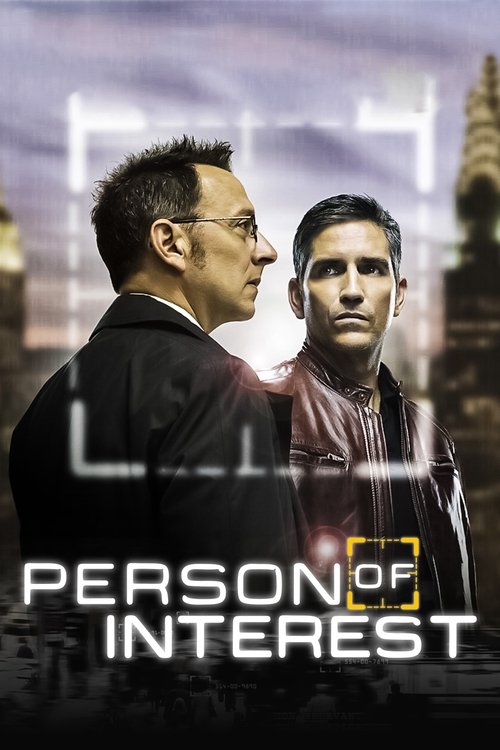
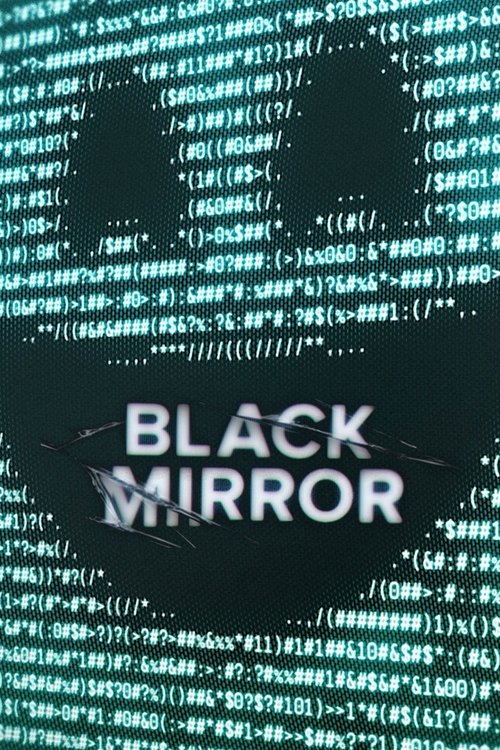
Series in the Same Vein
Television that rewards attention and keeps pulling the floor out

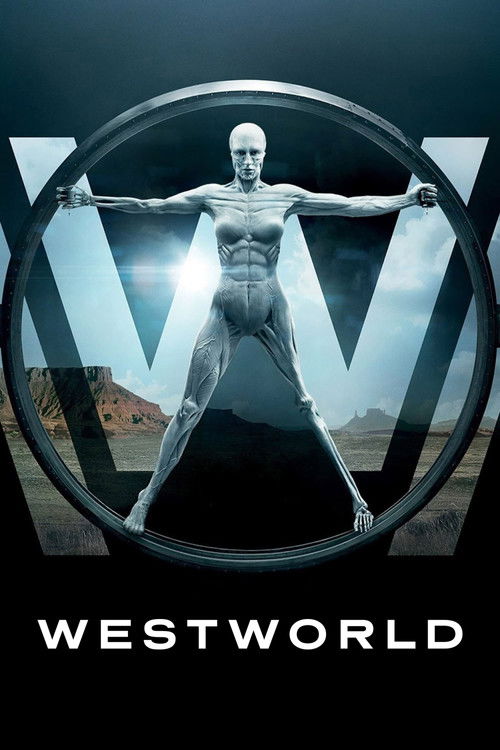
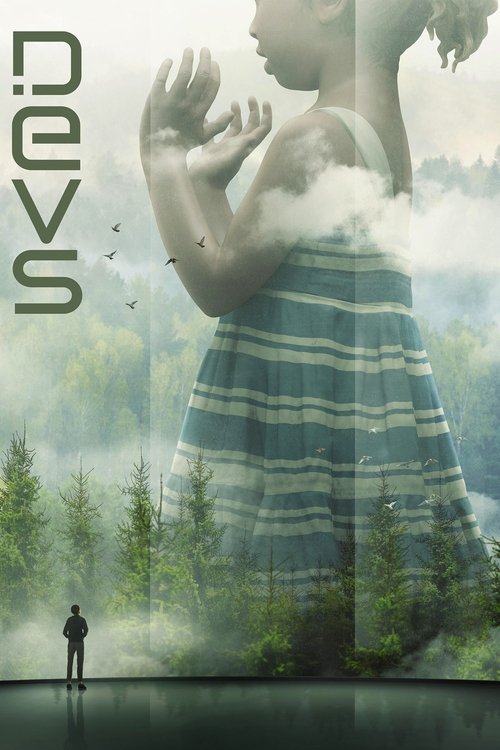
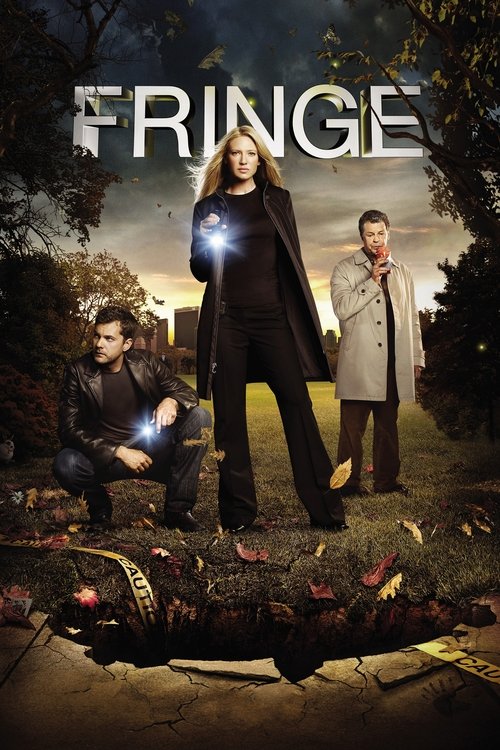
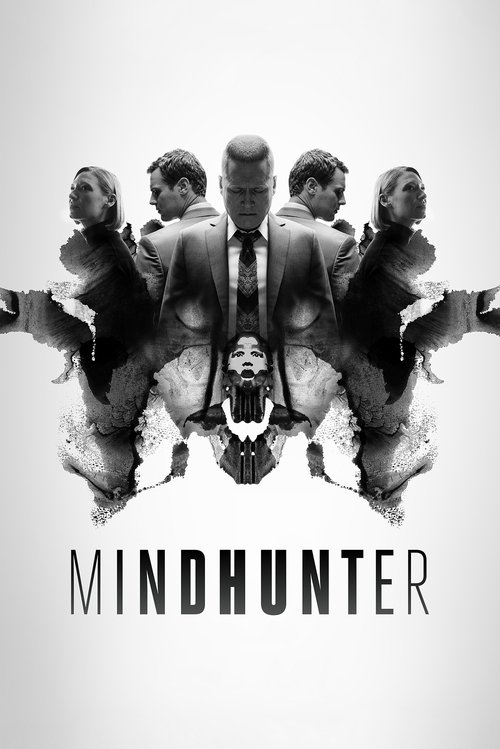
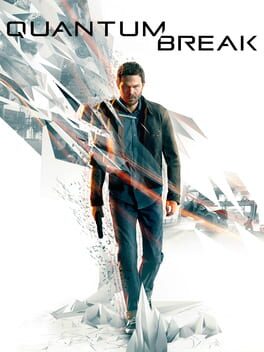
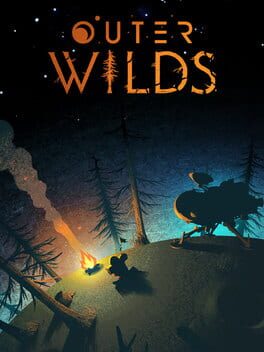
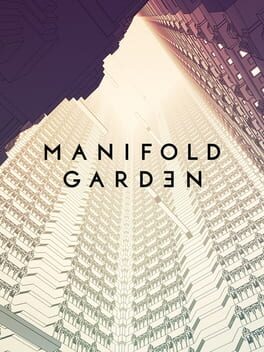
Games Sharing Its DNA
Games that treat reality as unstable and make that instability the point
Thematically Linked Novels
Books that map the mind as landscape or treat perception itself as the subject


The Score and Its Cousins
Hans Zimmer's Inception score and the music that shares its weight and slow-burn tension
The Heist Is a Red Herring
Inception presents itself as a heist film because heists are legible: the crew, the mark, the plan, the twist. But the actual subject is a man who cannot tell memory from reality, and refuses to check. Every other character in the film is largely a function of the plot. Cobb is a wound walking through a dream. The heist structure is the container that holds a much quieter story about grief.
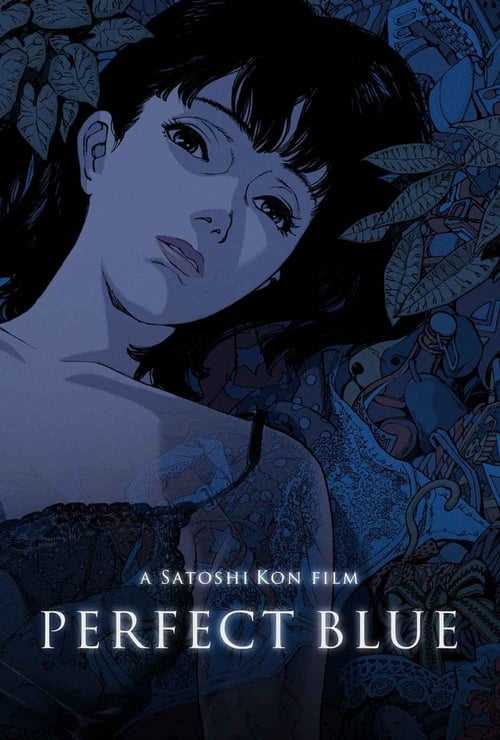
Paprika Did It First
Satoshi Kon's 2006 anime film Paprika covers strikingly similar ground: a device that lets therapists enter patients' dreams, a shared dreamspace that collapses into the waking world, a villain who wants to weaponize the unconscious. Nolan almost certainly saw it. Paprika is faster, weirder, and more visually inventive. Watching both back to back reveals how much Inception owes to animation's willingness to take dream logic at face value.
The Best Games About Unreality Are Not Shooters
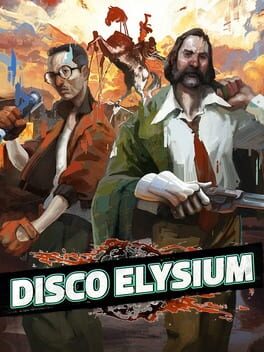
Control and Disco Elysium both use the same trick Inception does: they build a world with its own internal logic, then hint that the logic is personal and psychological rather than physical. In Control you are navigating a building that reconfigures itself around a psychic intrusion. In Disco Elysium you are navigating a detective's shattered self-image. Neither announces its rules. You learn them by failing, then adjust.
Zimmer's 'Non, Je Ne Regrette Rien' Trick
Hans Zimmer tuned his entire Inception score around a slowed-down version of Edith Piaf's 'Non, Je Ne Regrette Rien,' the song the dream-team uses as a kick signal. At normal tempo the song lasts two minutes and twenty-eight seconds. Stretched to fill a dream level, it becomes the low brass swell you hear throughout the film. This is not a cameo: it is the structural skeleton of the soundtrack, and knowing it changes how you hear every cue.
Nolan and the Architecture of Mind: A Timeline
- 2000Memento inverts the timeline, making memory a weapon Memento
- 2001Philip K. Dick's paranoid reality questions get a new film adaptation A Scanner Darkly
- 2003The Prestige examines obsession and duplication The Prestige
- 2006Paprika opens the dream-invasion premise Nolan would later explore Paprika
- 2010Inception releases; the spinning top becomes a cultural shorthand Inception
- 2013Dark City gets reassessed as a forerunner of the constructed-reality film Dark City
- 2014Interstellar extends Nolan's physics-as-emotion approach Interstellar
- 2019Control arrives as the closest game equivalent to Inception's impossible architecture
- 2020Tenet inverts time the way Memento inverted memory Tenet
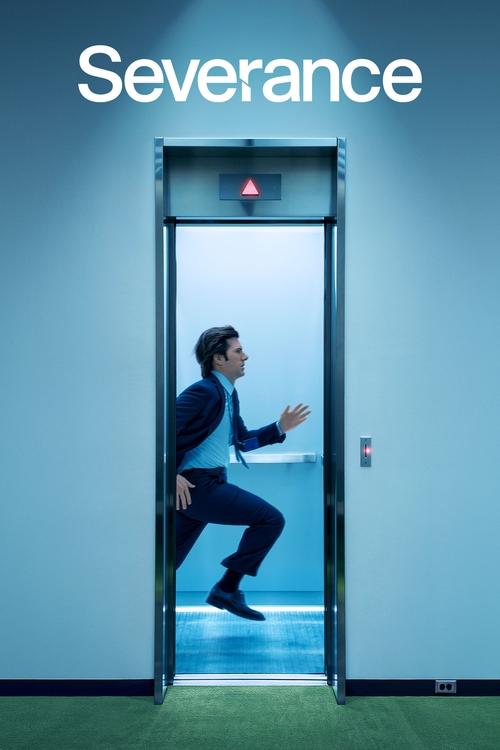
- 2022Severance puts the layered-consciousness premise into the workplace Severance
Nolan, dreams, and bending reality
For Fans of Christopher Nolan
Explore the For Fans of Christopher Nolan guide →An idea is like a virus. Resilient. Highly contagious. And even the smallest seed of an idea can grow. It can grow to define or destroy you.Cobb, Inception (2010)