
Philip K. Dick spent most of his life broke, anxious, and convinced the world was not what it seemed -- and that turned out to be a superpower. Between 1952 and his death in 1982, he published 44 novels and over 120 short stories, most of them asking the same question from a hundred different angles: what is real, and does it matter? His characters are never heroes. They are repairmen, insurance adjusters, drug addicts, androids unsure of their own memories. They live in futures that feel exactly like the present -- shabby, bureaucratic, slightly broken -- and they discover, usually too late, that the ground beneath them is a stage set. The through-line a Dick fan loves is not spectacle but vertigo: the creeping, irreversible suspicion that you cannot trust your own perceptions, your own past, your own species. That feeling outlasted him by decades. It runs through every film noir set in a rain-soaked neon city, every game that asks who is really in control, every novel where the protagonist's certainty begins to crack. If you are looking for a body of work that turned paranoia into philosophy, you are in exactly the right place.
From the Page to the Screen: The Dick Adaptations
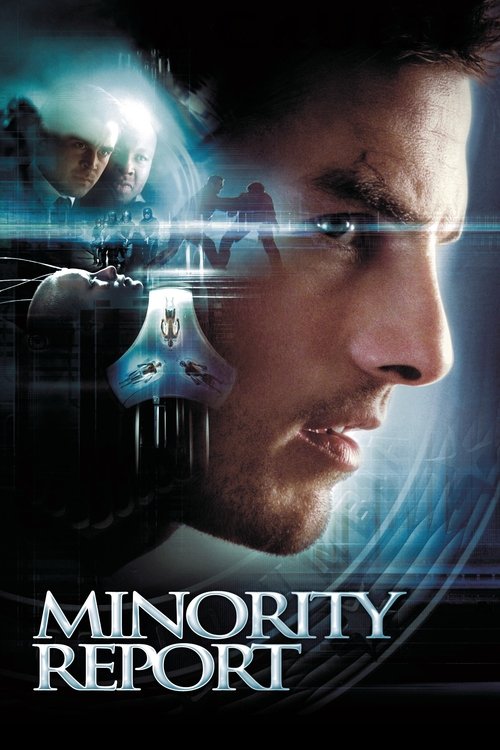
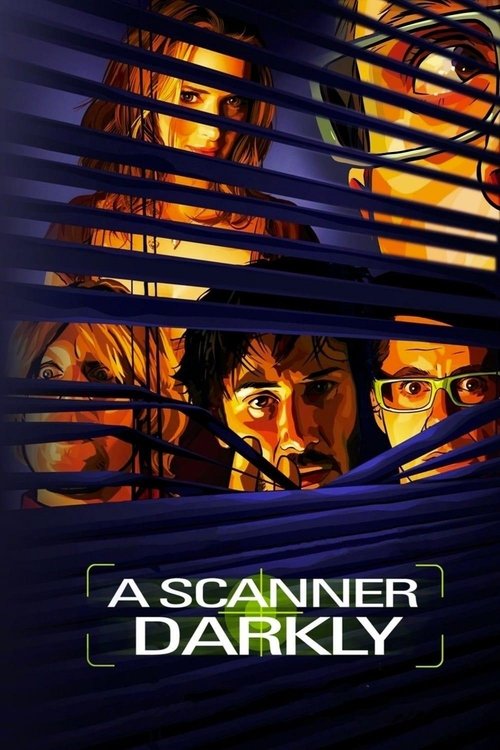
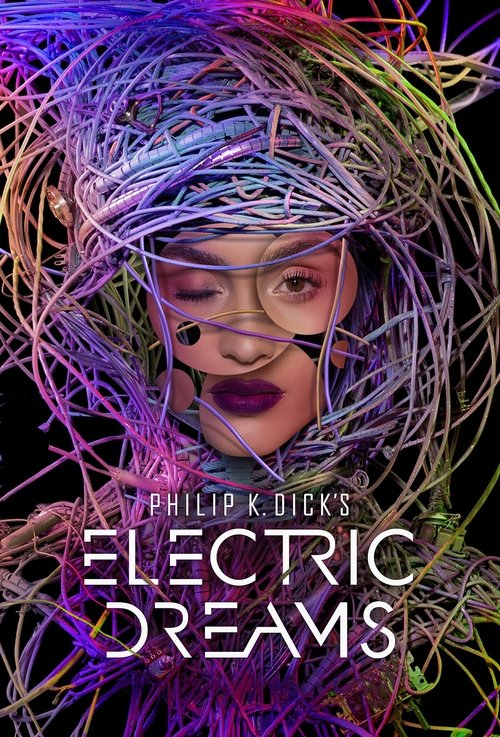
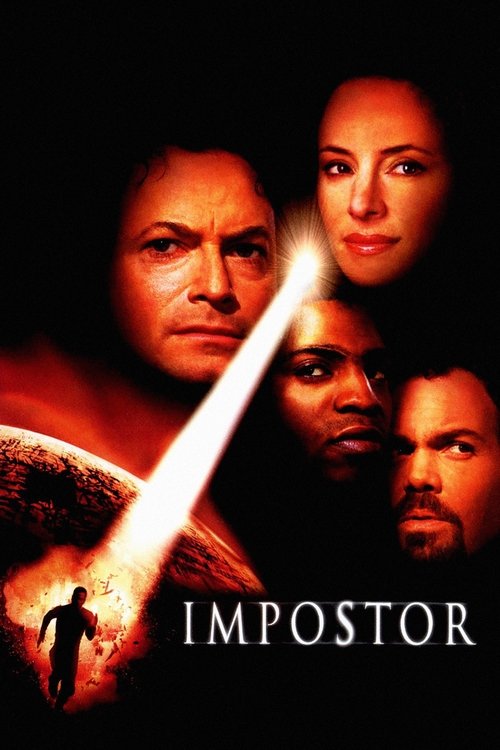
His stories have generated one of Hollywood's most consistent veins of paranoid cinema.


If You Love PKD's Reality Slippage: Authors Who Warp the Ground
Novelists who share his obsession with identity, perception, and worlds that lie.


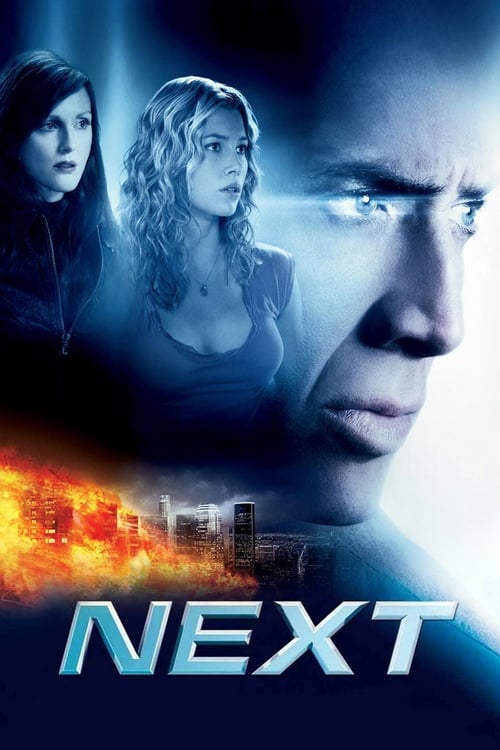
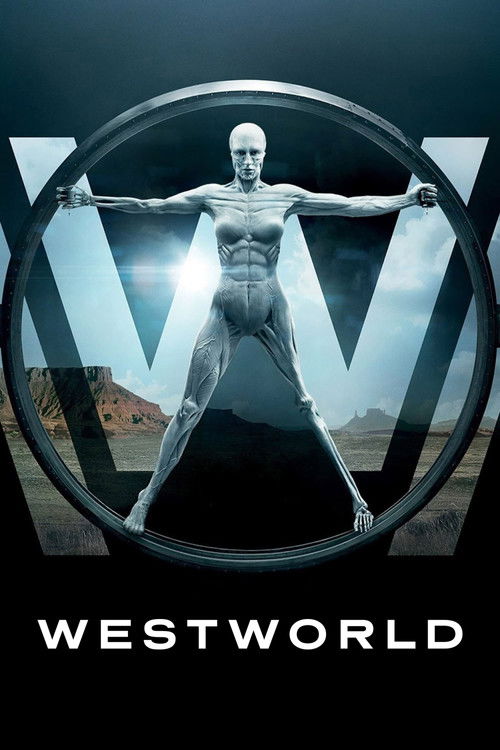
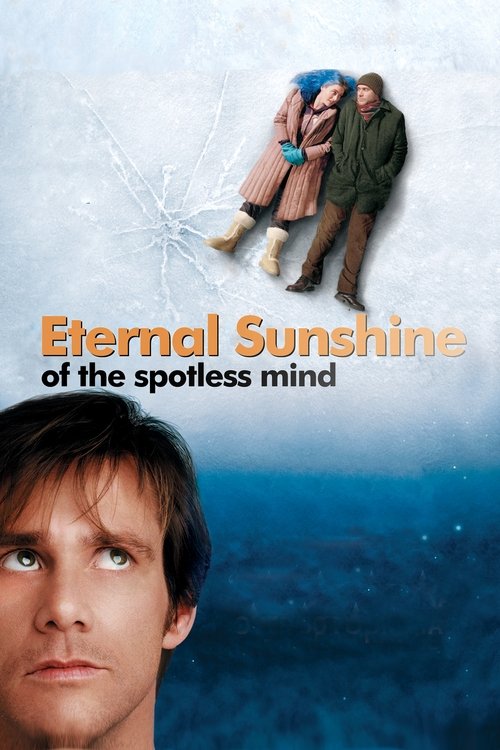
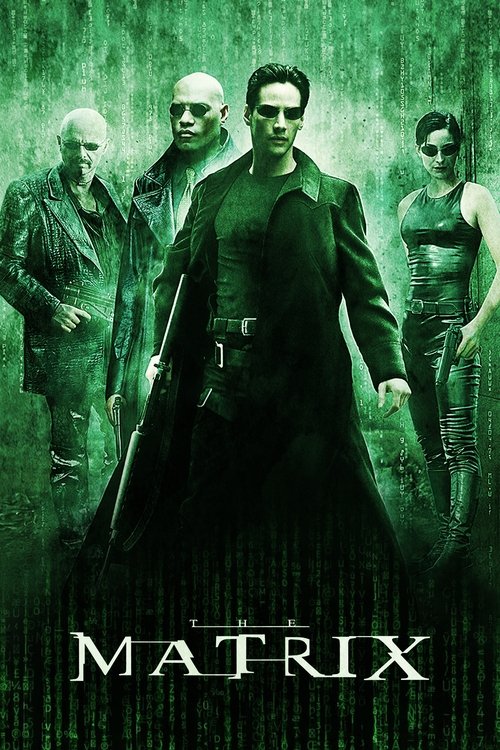
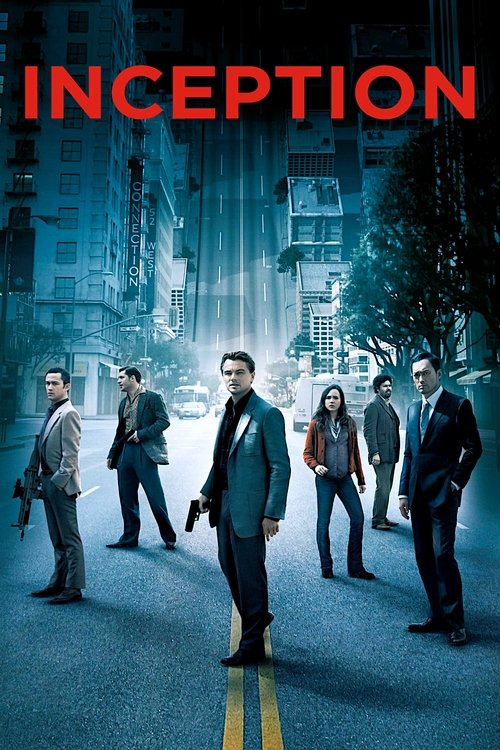
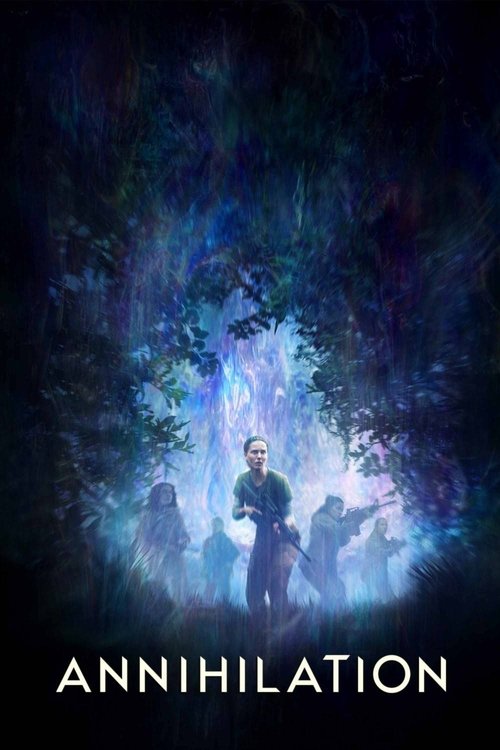
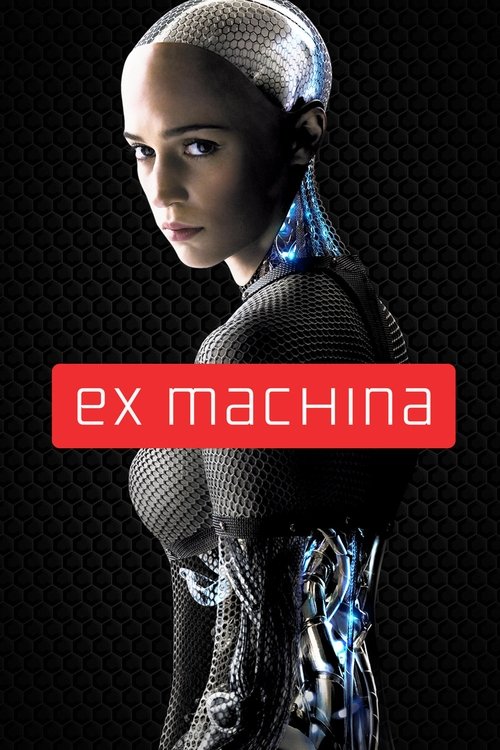
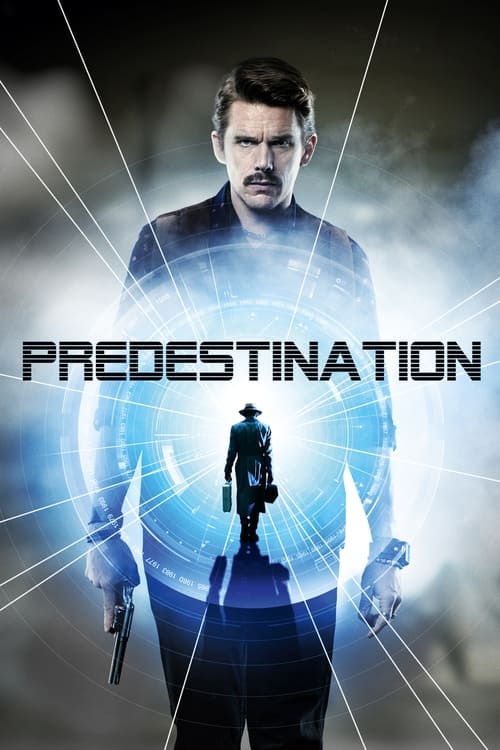
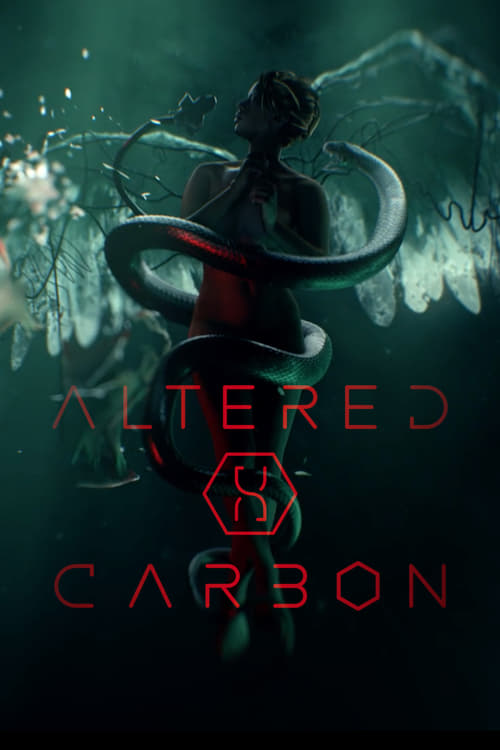
Films and Series That Live in the PKD Frequency
Reality-bending sci-fi and paranoid cinema that shares his DNA without carrying his byline.



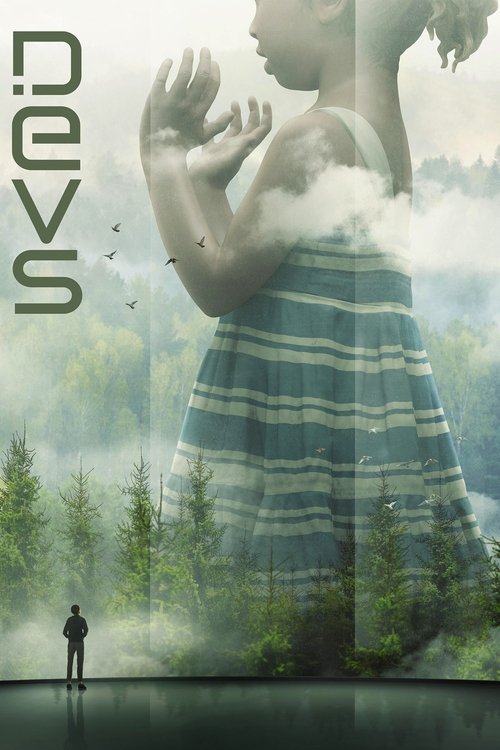
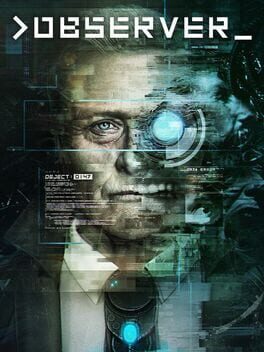
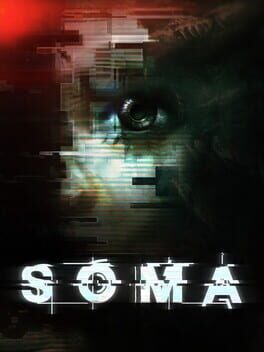
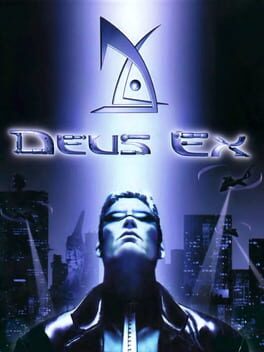
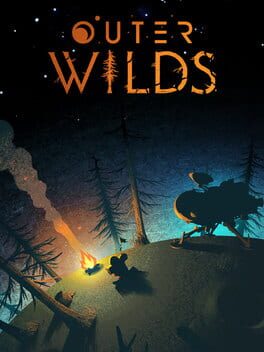
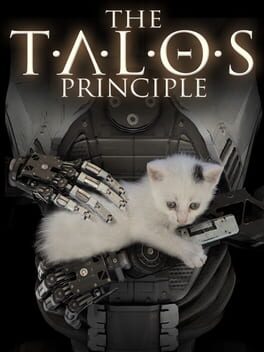
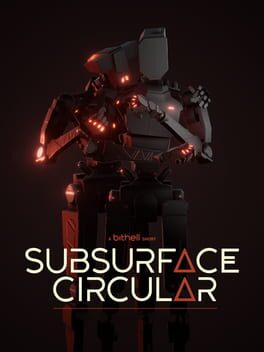
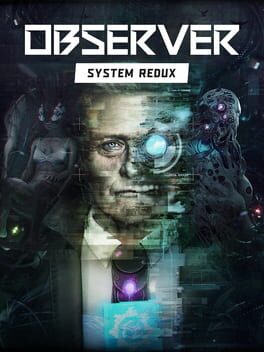
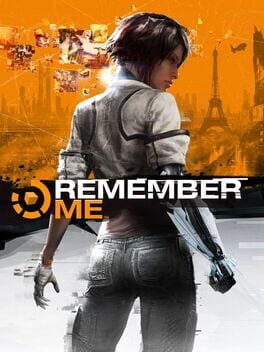
Games That Question the Simulation
Games where the rules lie, reality shifts, and the player's grasp on what is true keeps slipping.

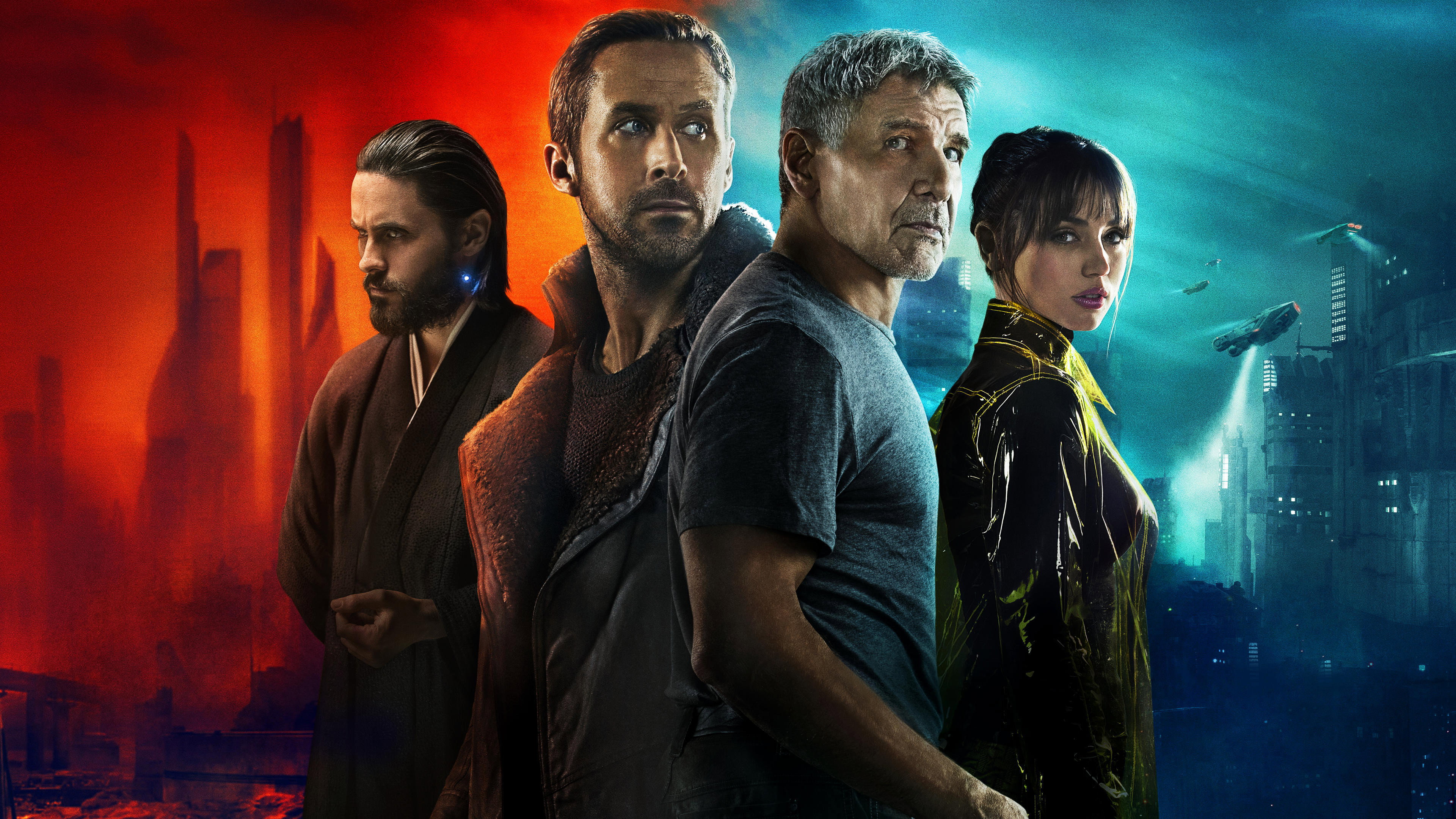
Blade Runner Is Not Really a Dick Novel
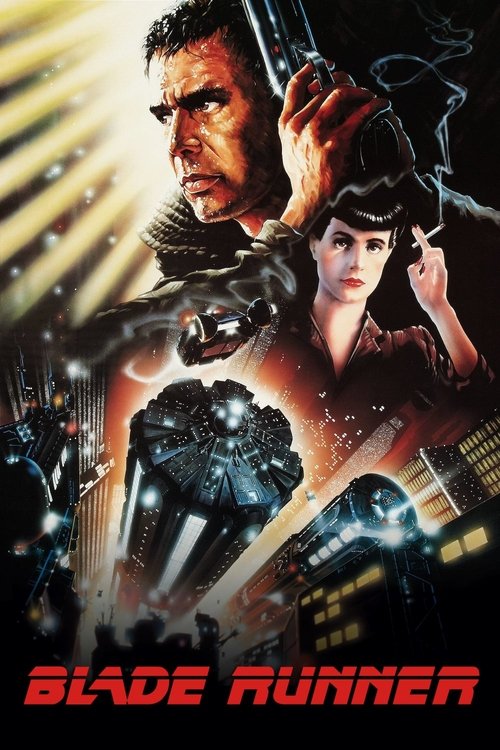
Ridley Scott's 1982 film took Do Androids Dream of Electric Sheep? and kept the bones -- the bounty hunter, the empathy test, the question of what separates human from android -- while discarding the novel's shabbier, weirder soul. Dick's book is set in a world of terminal entropy, where most animals are extinct, most people have emigrated offworld, and the androids are not glamorous but pitiable. Scott replaced all of that with something magnificent and entirely his own: a film noir about beauty and death that barely needs the sci-fi premise at all. Both versions are right. They are just answering different questions with the same material. Read the novel after you watch the film and discover how much Scott edited out -- and how much Dick's original questions haunt you even without the visuals.

Ubik Is the Novel That Got There First
Published in 1969, Ubik does something that took cinema another two decades to attempt at scale: it places its characters inside a reality that actively degrades as the plot progresses, products reverting to older models, buildings crumbling to earlier versions of themselves, certainty dissolving page by page. Dick wrote it in one of his most productive bursts, while broke and barely sleeping, and somehow produced a novel that reads like a fever dream with a rigorous internal logic. If you have ever wondered why so many later thrillers, games, and films feel like they owe an unexplained debt to something you cannot name, the answer is probably Ubik.
The Man in the High Castle Still Stings
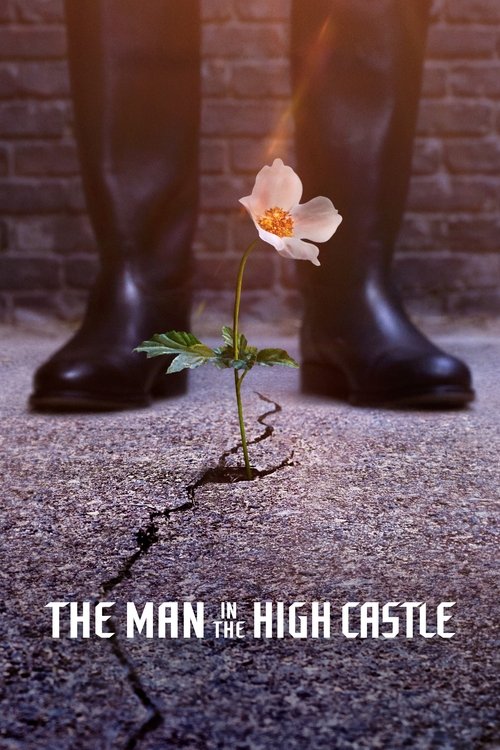
Dick won the Hugo Award in 1963 for this alternate history in which the Axis won World War II and America is divided between a Japanese-controlled Pacific States and a Nazi-controlled Eastern Seaboard. What makes it a Dick novel rather than a straightforward counterfactual is the novel-within-the-novel: a book that exists inside the story, imagining an alternate history where the Allies won. Dick forces the question not just of what history could have been, but of whether any version of history is more real than any other. The Amazon series is excellent and diverges significantly from the source; both are worth your time, which is rare enough to be worth noting.
A Life in Doubt: Philip K. Dick's Arc
- 1928Born in Chicago; twin sister Jane dies six weeks later, a loss that shaped his obsessions with doubles and identity.
- 1952First story published in The Magazine of Fantasy and Science Fiction. He will publish more than 30 stories in 1953 alone.
- 1962The Man in the High Castle published.
- 1963Hugo Award for Best Novel for The Man in the High Castle -- his only major award during his lifetime.
- 1969Ubik published, later named one of Time magazine's 100 best English-language novels.
- 1977A Scanner Darkly published, semi-autobiographical account of drug addiction and fractured identity.
- 1982Dies of a stroke in March, weeks before Blade Runner's release. The film he helped promote never reached him. Blade Runner
- 1982Blade Runner opens in June and begins reshaping science fiction cinema permanently. Blade Runner
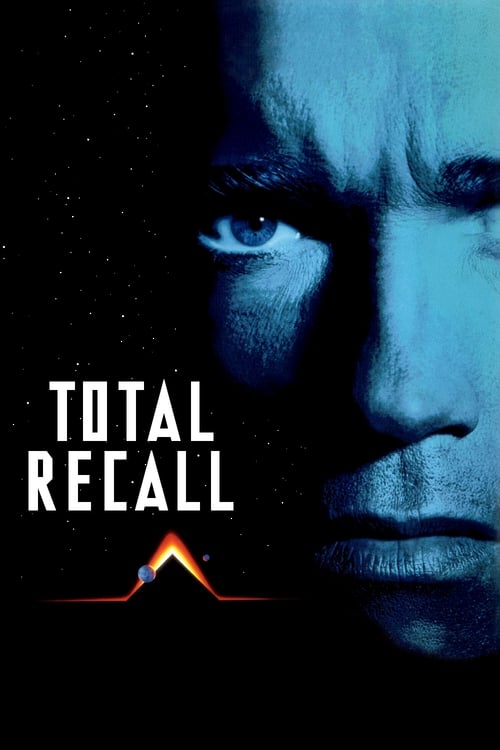
- 1990Total Recall brings his short story 'We Can Remember It for You Wholesale' to a mass audience. Total Recall
- 2002Minority Report (from a 1956 story) directed by Steven Spielberg. Minority Report
- 2015Amazon's The Man in the High Castle series premieres, winning a Primetime Emmy. The Man in the High Castle
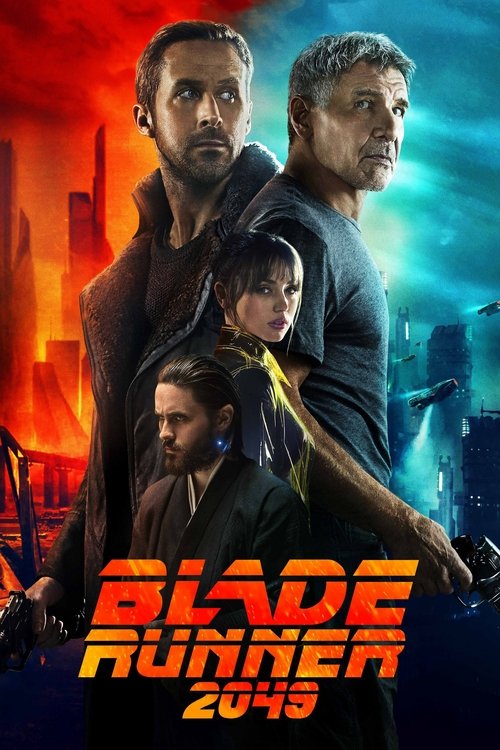
- 2017Blade Runner 2049 becomes the most acclaimed sequel in the franchise, deepening his themes for a new generation. Blade Runner 2049
Paranoid realities, androids, and false memories
Every Version of Do Androids Dream of Electric Sheep?
Explore the Every Version of Do Androids Dream of Electric Sheep? guide →Reality is that which, when you stop believing in it, doesn't go away.Philip K. Dick, 'How to Build a Universe That Doesn't Fall Apart Two Days Later' (1978 essay)